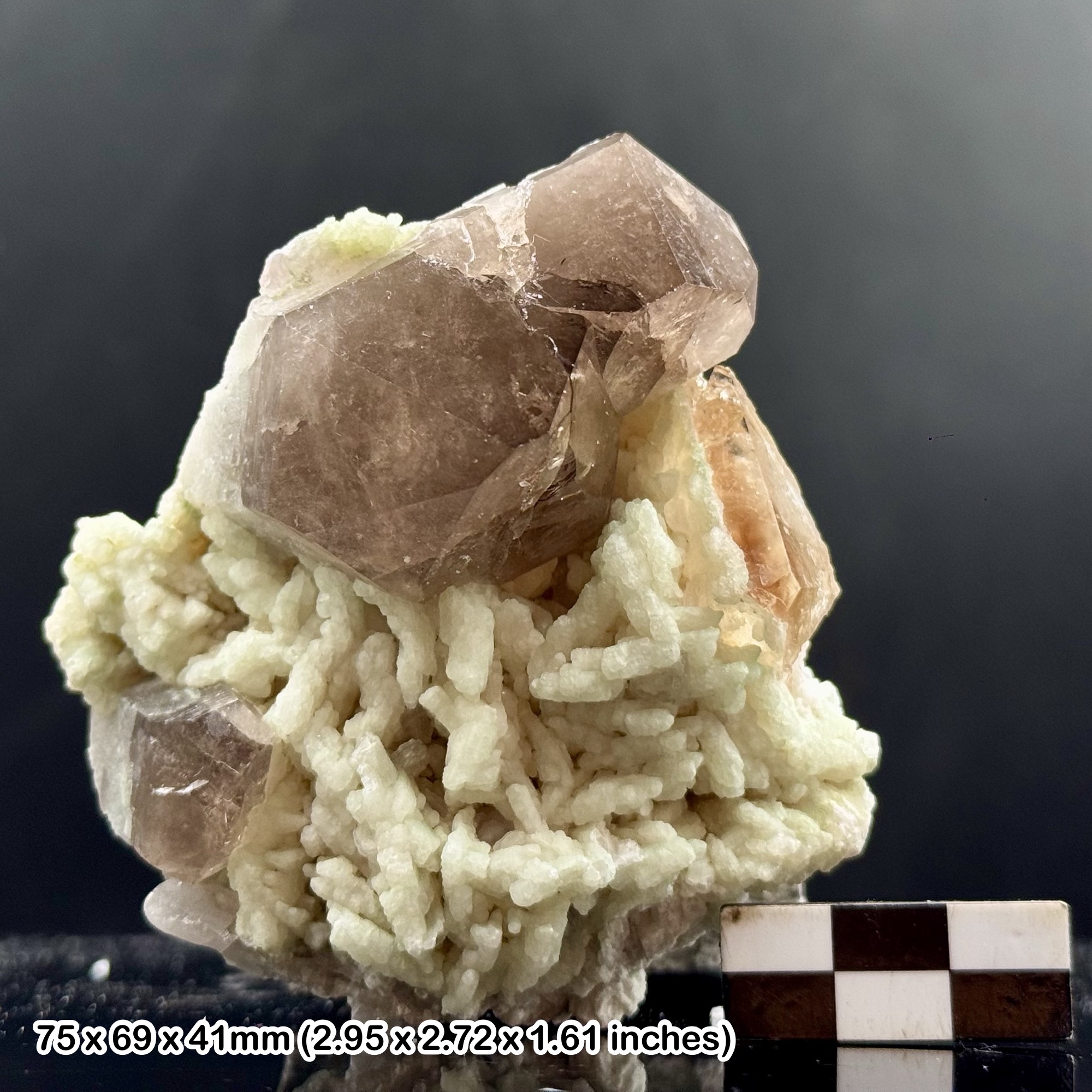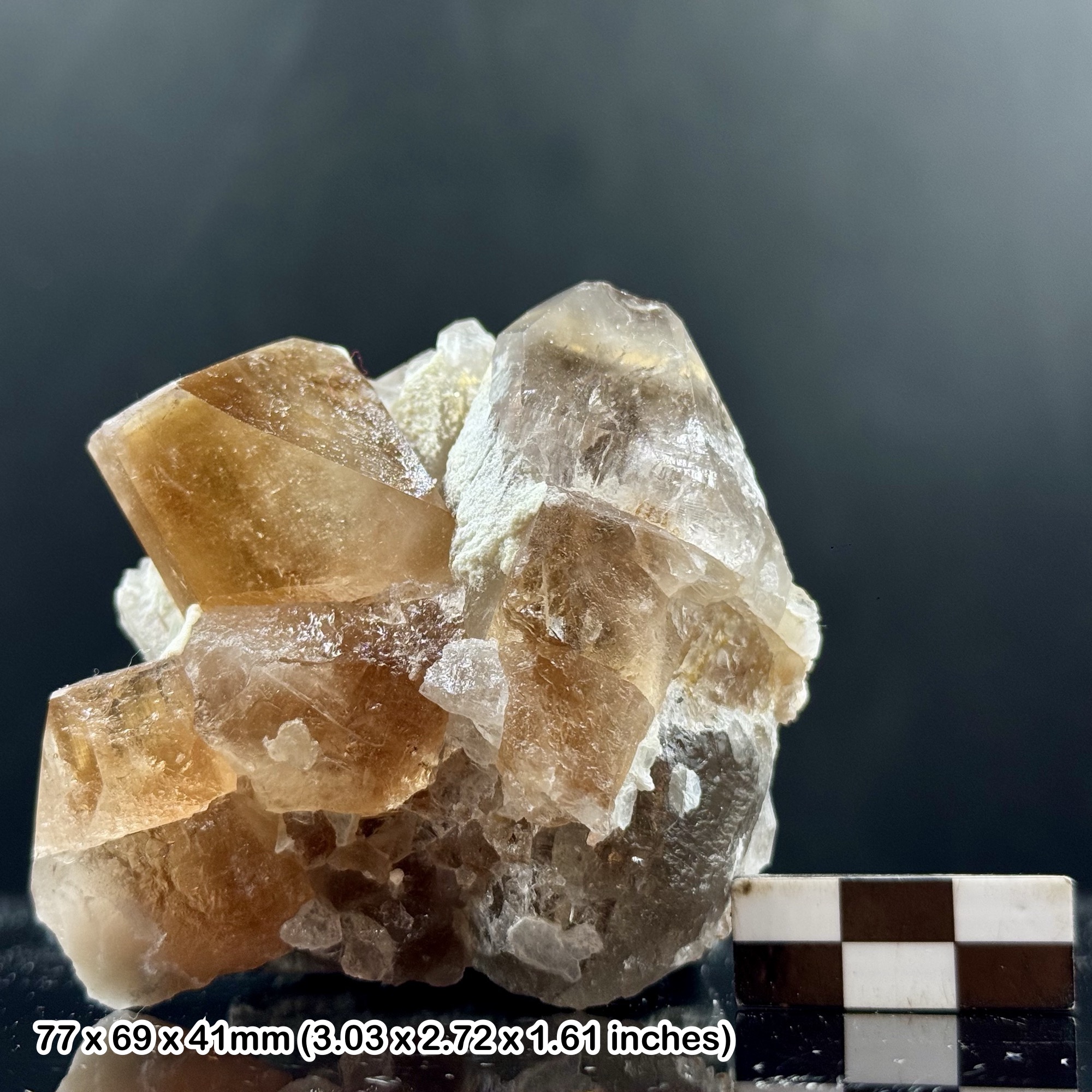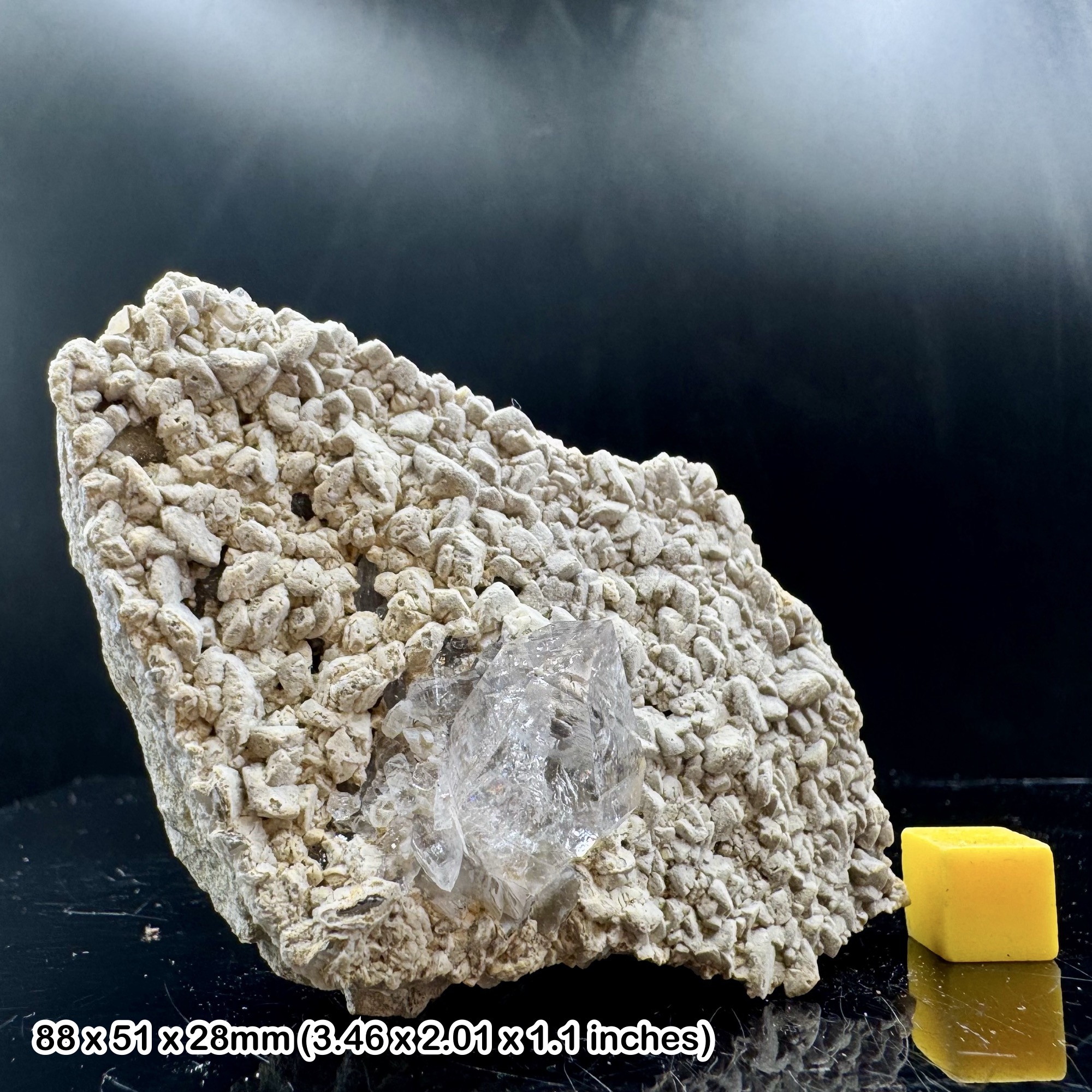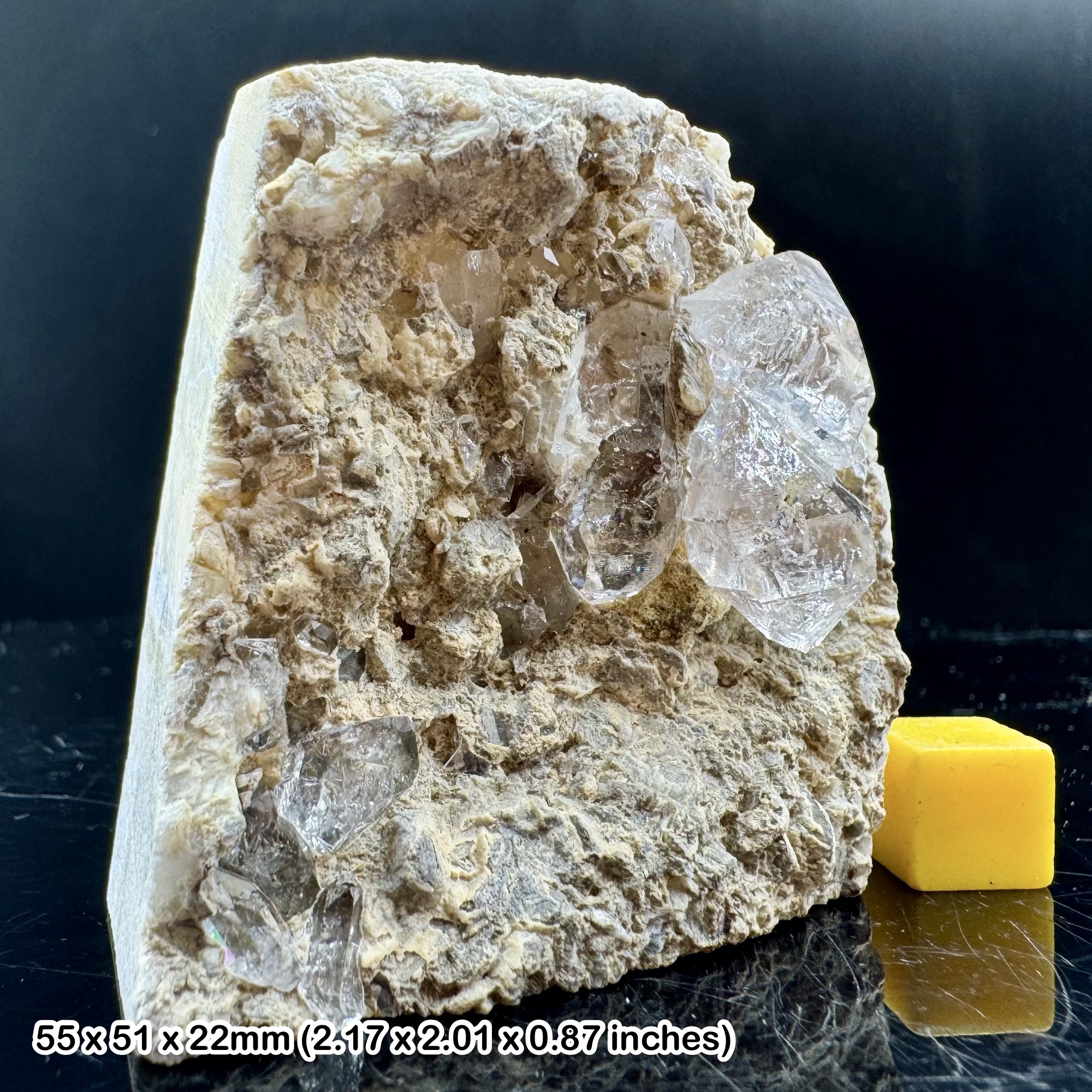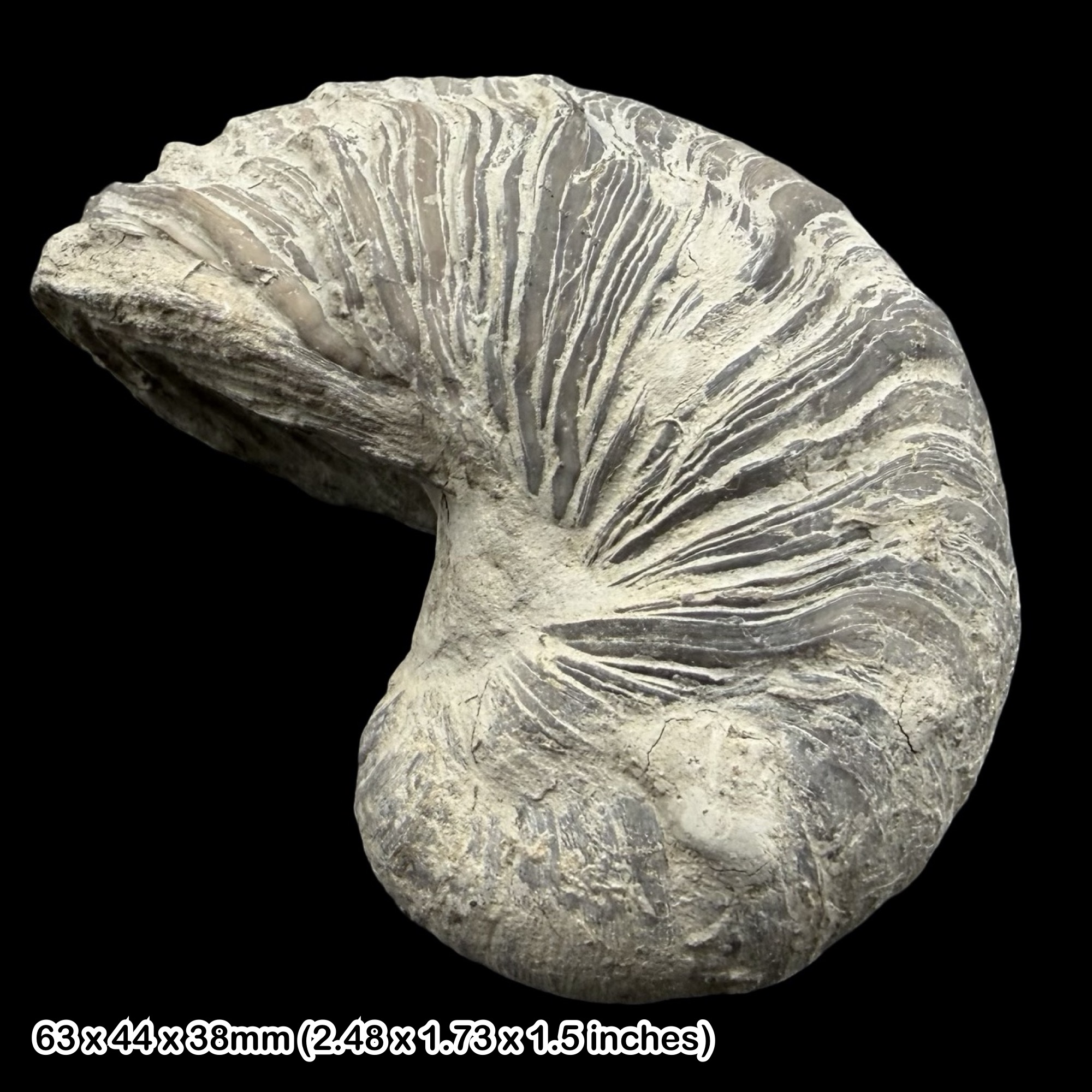
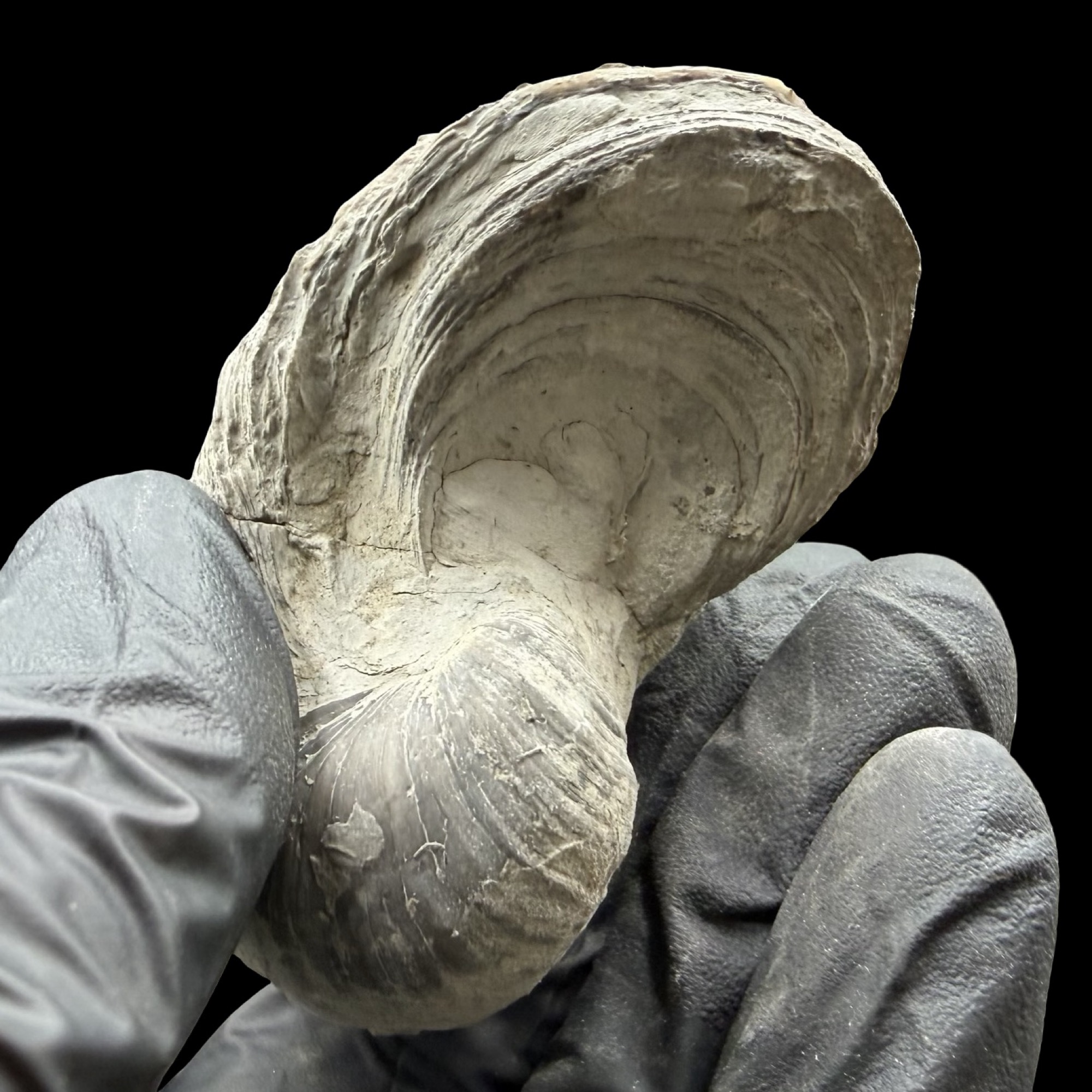
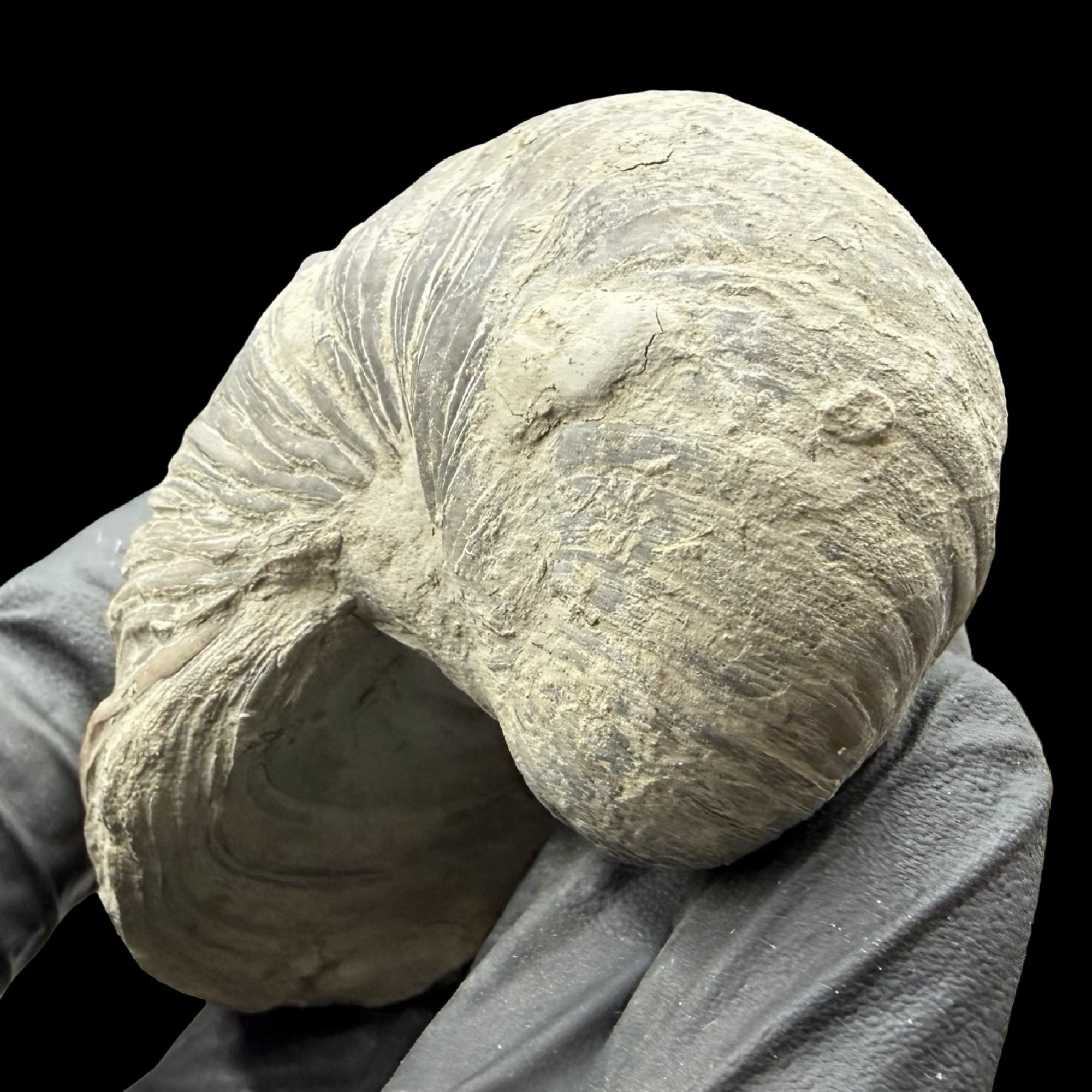
Gryphaea Devil's Toenail Fossil Bivalve Blue Lias Jurassic Hock Cliff UK COA Genuine Gloucestershire Specimen
£ 10.20
Genuine Gryphaea Devil's Toenail Bivalve FossilThis listing is for a genuine Gryphaea bivalve fossil, popularly known as a
“devil's toenail”, from the Blue Lias of Hock Cliff, Gloucestershire, UK. Dating to the Jurassic Period, this attractive fossil shell is a classic British marine fossil and a highly collectable specimen for anyone interested in UK fossils, Jurassic fossils, fossil bivalves, Blue Lias geology, natural history, palaeontology, and display-ready fossil specimens.The fossil shown in the photographs is the actual specimen you will receive. Full sizing and scale can be seen in the listing photos. This is a carefully chosen piece, selected for its natural character, fossil detail, and collectable appeal. It is supplied with a Certificate of Authenticity lifetime guarantee generic card, giving reassurance that the specimen is genuine.Fossil Type, Species and ClassificationGryphaea is an extinct oyster-like bivalve mollusc, widely recognised by its strongly curved shell form. The common name “devil's toenail” comes from the fossil’s distinctive claw-like shape, with a thick, arched lower valve and a smaller, flatter upper valve. This unusual shell morphology makes Gryphaea one of the most recognisable fossil bivalves from the Jurassic of Britain.As a bivalve, Gryphaea belonged to the wider mollusc group that includes clams, oysters, scallops, and mussels. It is generally placed within the order Ostreoida and the family Gryphaeidae, a group of oyster-like marine bivalves that were especially common in Mesozoic seas. Gryphaea lived on ancient sea floors, where it rested on or partly within soft sediment. Its heavy curved shell helped stabilise the animal in muddy marine conditions.The shell is typically robust, with growth lines and natural curvature that reflect the life history of the animal. Depending on preservation, Gryphaea fossils may show shell layering, weathered surface texture, natural ridges, mineral staining, and signs of ancient sedimentary burial.Blue Lias, Hock Cliff, GloucestershireThis specimen comes from Hock Cliff in Gloucestershire, a well-known fossil locality associated with the Blue Lias. The Blue Lias is one of the most famous Lower Jurassic rock units in the UK, made up of rhythmic layers of limestone and shale deposited in an ancient marine environment. These rocks are particularly valued by fossil collectors because they preserve a wide range of marine life, including ammonites, belemnites, bivalves, crinoids, fish, marine reptiles, and other fossil remains.The Blue Lias records a time when much of Britain was covered by shallow seas. Fine muds, carbonate-rich sediments, and organic material accumulated on the sea floor, eventually forming the distinctive alternating limestone and shale beds seen today. Fossils from this unit are important because they provide a detailed window into Jurassic marine ecosystems.Jurassic Geology and Ancient EnvironmentDuring the Jurassic Period, the area now known as Gloucestershire lay beneath a warm shallow sea. Gryphaea lived in this marine setting alongside other invertebrates such as ammonites, belemnites, brachiopods, and other bivalves. The sea floor would have included muddy and carbonate-rich sediments, with shifting oxygen levels and periodic sediment deposition helping preserve shells after death.The Blue Lias is especially known for its layered sedimentary character. Harder limestone beds alternate with softer shale layers, showing repeated environmental changes on the Jurassic sea floor. Fossils such as Gryphaea were buried within these sediments and gradually mineralised over millions of years. This natural fossilisation process allowed the shell form to survive long after the original animal became extinct.Morphology and Display FeaturesGryphaea fossils are instantly recognisable because of their thick, curved, oyster-like shells. The larger valve often forms a deep, rounded, hooked shape, while the smaller valve is flatter and more lid-like. This shape gave rise to the traditional nickname “devil's toenail” and makes the fossil popular with collectors, educators, and gift buyers.This genuine fossil may show natural shell curvature, growth lines, surface texture, sediment contact marks, mineral staining, matrix traces, weathered edges, and small irregularities from geological preservation. These features are part of the fossil’s natural appeal and help show its age, origin, and authenticity. Each Gryphaea fossil is individual, with variation in shape, colour, surface detail, and preservation depending on how it was buried and exposed.Certificate of AuthenticityThis fossil is a genuine specimen and includes a Certificate of Authenticity lifetime guarantee generic card. The certificate provides reassurance that the item supplied is an authentic fossil specimen, carefully selected for collecting, gifting, display, and educational interest.Collectable British Jurassic FossilA genuine Gryphaea devil's toenail fossil from the Blue Lias of Hock Cliff, Gloucestershire, is a classic addition to any fossil collection. It is ideal for collectors of British fossils, Jurassic marine fossils, bivalve fossils, Blue Lias specimens, natural history items, geology displays, educational fossil sets, and authentic prehistoric shell fossils. Its distinctive shape, famous nickname, and historic UK locality make it a memorable and attractive fossil specimen for display or study.
“devil's toenail”, from the Blue Lias of Hock Cliff, Gloucestershire, UK. Dating to the Jurassic Period, this attractive fossil shell is a classic British marine fossil and a highly collectable specimen for anyone interested in UK fossils, Jurassic fossils, fossil bivalves, Blue Lias geology, natural history, palaeontology, and display-ready fossil specimens.The fossil shown in the photographs is the actual specimen you will receive. Full sizing and scale can be seen in the listing photos. This is a carefully chosen piece, selected for its natural character, fossil detail, and collectable appeal. It is supplied with a Certificate of Authenticity lifetime guarantee generic card, giving reassurance that the specimen is genuine.Fossil Type, Species and ClassificationGryphaea is an extinct oyster-like bivalve mollusc, widely recognised by its strongly curved shell form. The common name “devil's toenail” comes from the fossil’s distinctive claw-like shape, with a thick, arched lower valve and a smaller, flatter upper valve. This unusual shell morphology makes Gryphaea one of the most recognisable fossil bivalves from the Jurassic of Britain.As a bivalve, Gryphaea belonged to the wider mollusc group that includes clams, oysters, scallops, and mussels. It is generally placed within the order Ostreoida and the family Gryphaeidae, a group of oyster-like marine bivalves that were especially common in Mesozoic seas. Gryphaea lived on ancient sea floors, where it rested on or partly within soft sediment. Its heavy curved shell helped stabilise the animal in muddy marine conditions.The shell is typically robust, with growth lines and natural curvature that reflect the life history of the animal. Depending on preservation, Gryphaea fossils may show shell layering, weathered surface texture, natural ridges, mineral staining, and signs of ancient sedimentary burial.Blue Lias, Hock Cliff, GloucestershireThis specimen comes from Hock Cliff in Gloucestershire, a well-known fossil locality associated with the Blue Lias. The Blue Lias is one of the most famous Lower Jurassic rock units in the UK, made up of rhythmic layers of limestone and shale deposited in an ancient marine environment. These rocks are particularly valued by fossil collectors because they preserve a wide range of marine life, including ammonites, belemnites, bivalves, crinoids, fish, marine reptiles, and other fossil remains.The Blue Lias records a time when much of Britain was covered by shallow seas. Fine muds, carbonate-rich sediments, and organic material accumulated on the sea floor, eventually forming the distinctive alternating limestone and shale beds seen today. Fossils from this unit are important because they provide a detailed window into Jurassic marine ecosystems.Jurassic Geology and Ancient EnvironmentDuring the Jurassic Period, the area now known as Gloucestershire lay beneath a warm shallow sea. Gryphaea lived in this marine setting alongside other invertebrates such as ammonites, belemnites, brachiopods, and other bivalves. The sea floor would have included muddy and carbonate-rich sediments, with shifting oxygen levels and periodic sediment deposition helping preserve shells after death.The Blue Lias is especially known for its layered sedimentary character. Harder limestone beds alternate with softer shale layers, showing repeated environmental changes on the Jurassic sea floor. Fossils such as Gryphaea were buried within these sediments and gradually mineralised over millions of years. This natural fossilisation process allowed the shell form to survive long after the original animal became extinct.Morphology and Display FeaturesGryphaea fossils are instantly recognisable because of their thick, curved, oyster-like shells. The larger valve often forms a deep, rounded, hooked shape, while the smaller valve is flatter and more lid-like. This shape gave rise to the traditional nickname “devil's toenail” and makes the fossil popular with collectors, educators, and gift buyers.This genuine fossil may show natural shell curvature, growth lines, surface texture, sediment contact marks, mineral staining, matrix traces, weathered edges, and small irregularities from geological preservation. These features are part of the fossil’s natural appeal and help show its age, origin, and authenticity. Each Gryphaea fossil is individual, with variation in shape, colour, surface detail, and preservation depending on how it was buried and exposed.Certificate of AuthenticityThis fossil is a genuine specimen and includes a Certificate of Authenticity lifetime guarantee generic card. The certificate provides reassurance that the item supplied is an authentic fossil specimen, carefully selected for collecting, gifting, display, and educational interest.Collectable British Jurassic FossilA genuine Gryphaea devil's toenail fossil from the Blue Lias of Hock Cliff, Gloucestershire, is a classic addition to any fossil collection. It is ideal for collectors of British fossils, Jurassic marine fossils, bivalve fossils, Blue Lias specimens, natural history items, geology displays, educational fossil sets, and authentic prehistoric shell fossils. Its distinctive shape, famous nickname, and historic UK locality make it a memorable and attractive fossil specimen for display or study.
Other Products