Medieval Bone Ice Skate 15th Century European Artifact Scarce Ancient Skate with Certificate of Authenticity
£ 240.00
GENUINE MEDIEVAL BONE ICE SKATE ARTIFACTThis scarce Medieval bone ice skate is a genuine European artefact dating to
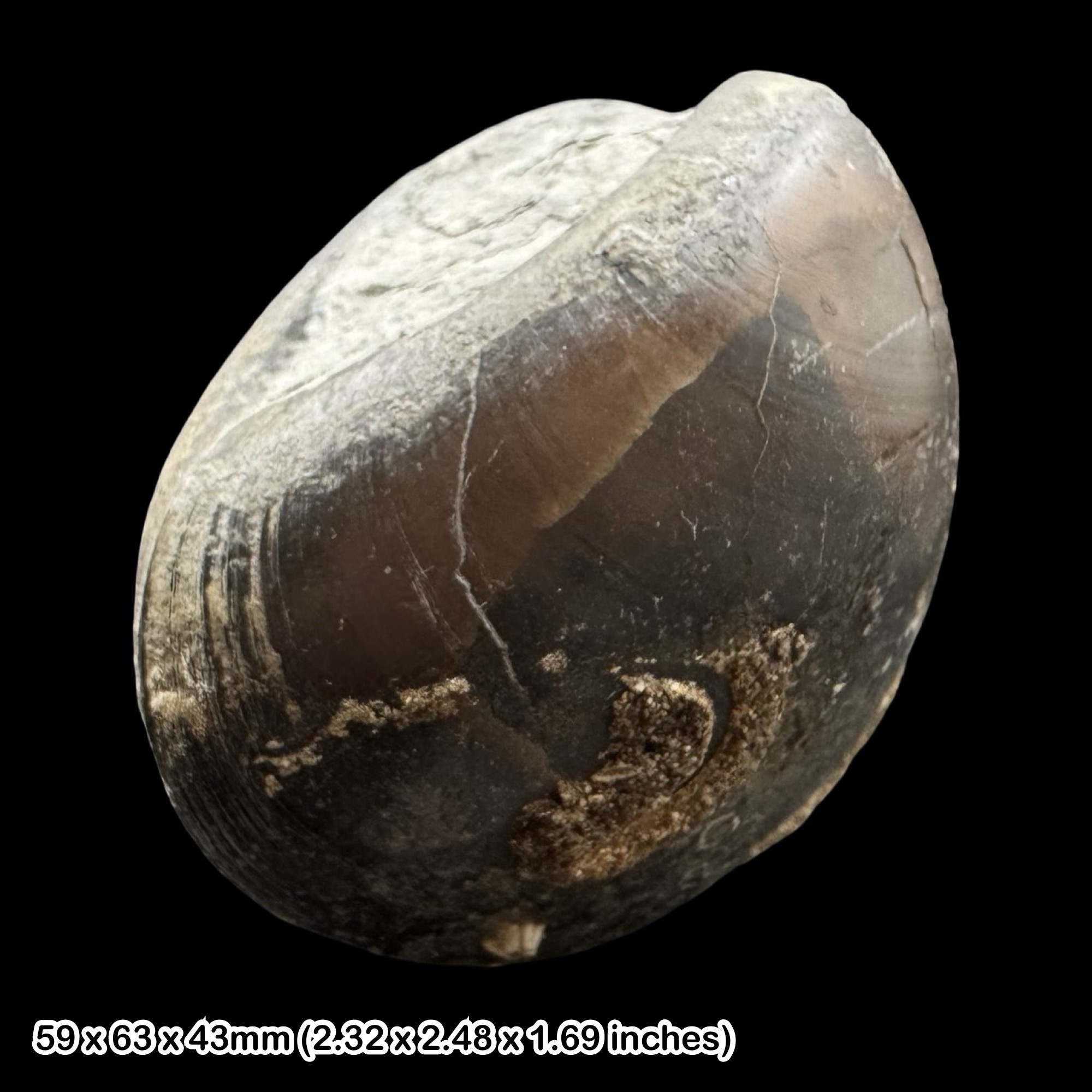
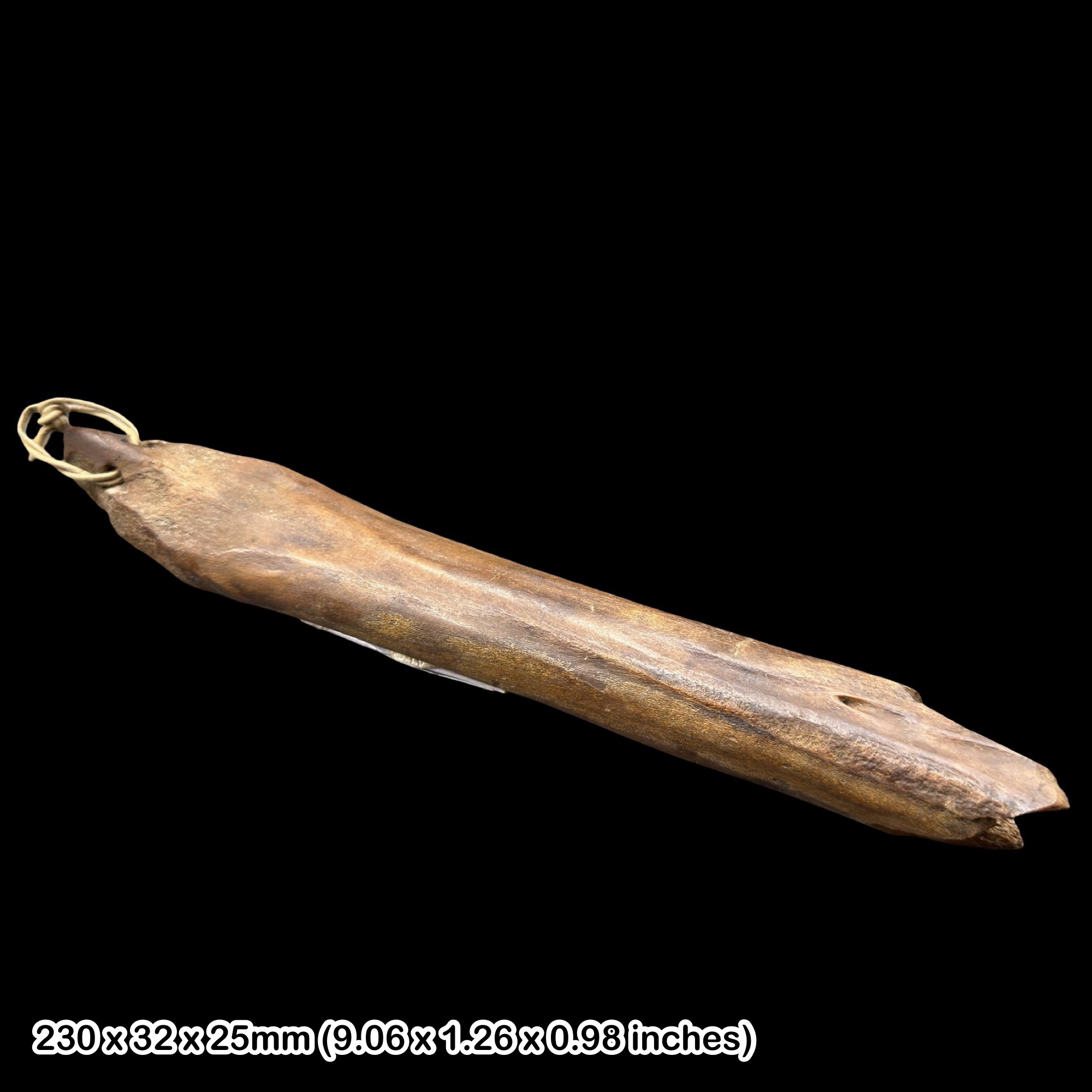
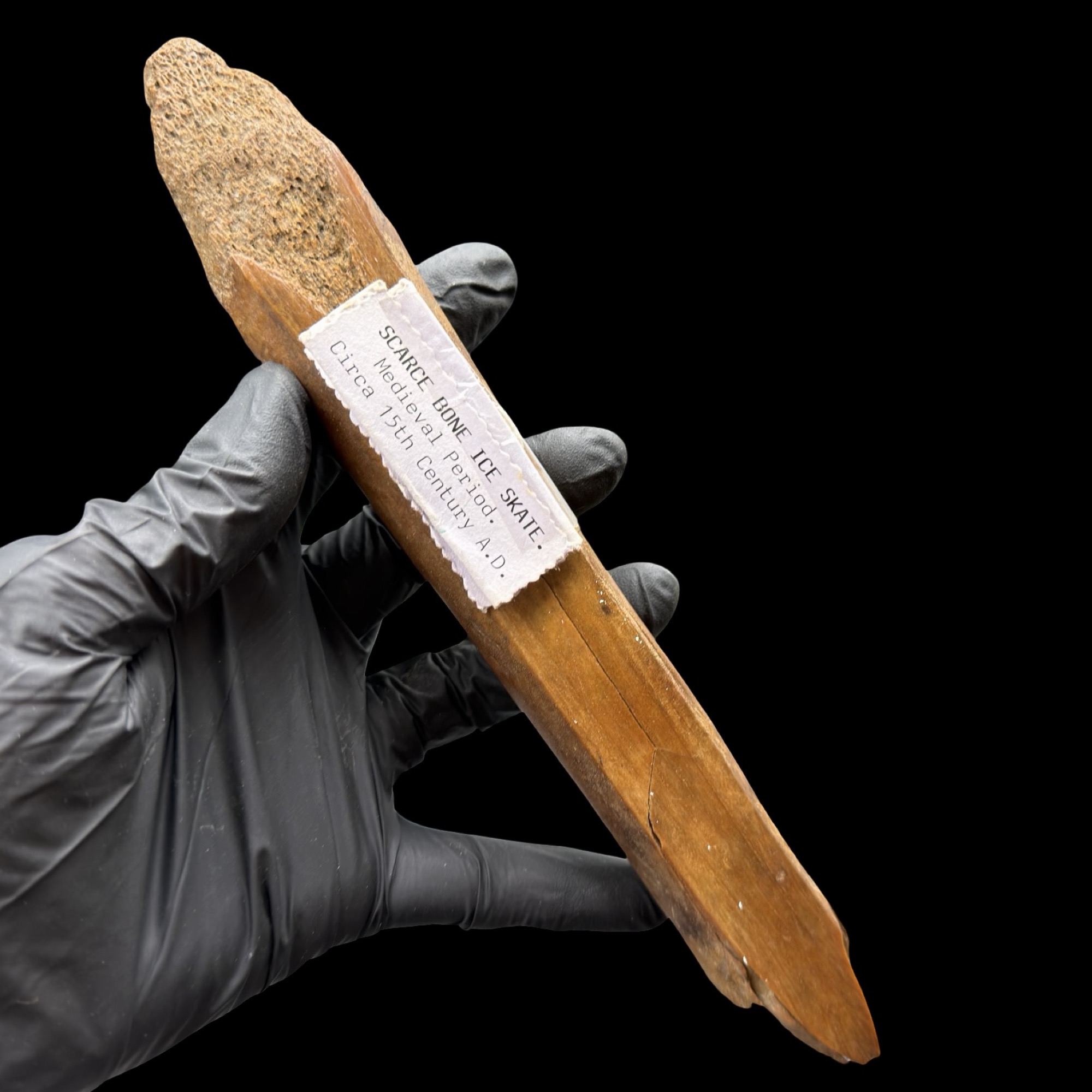
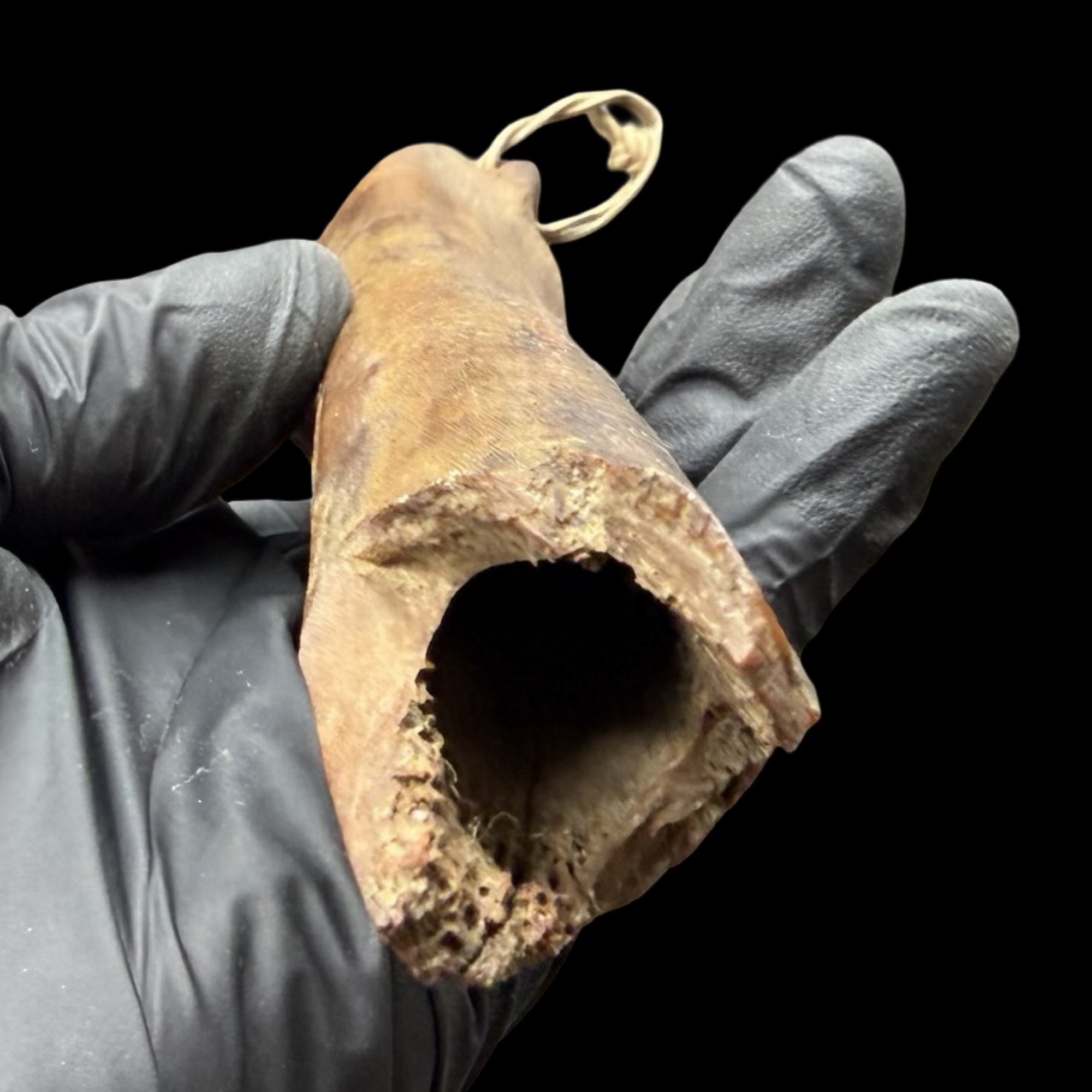
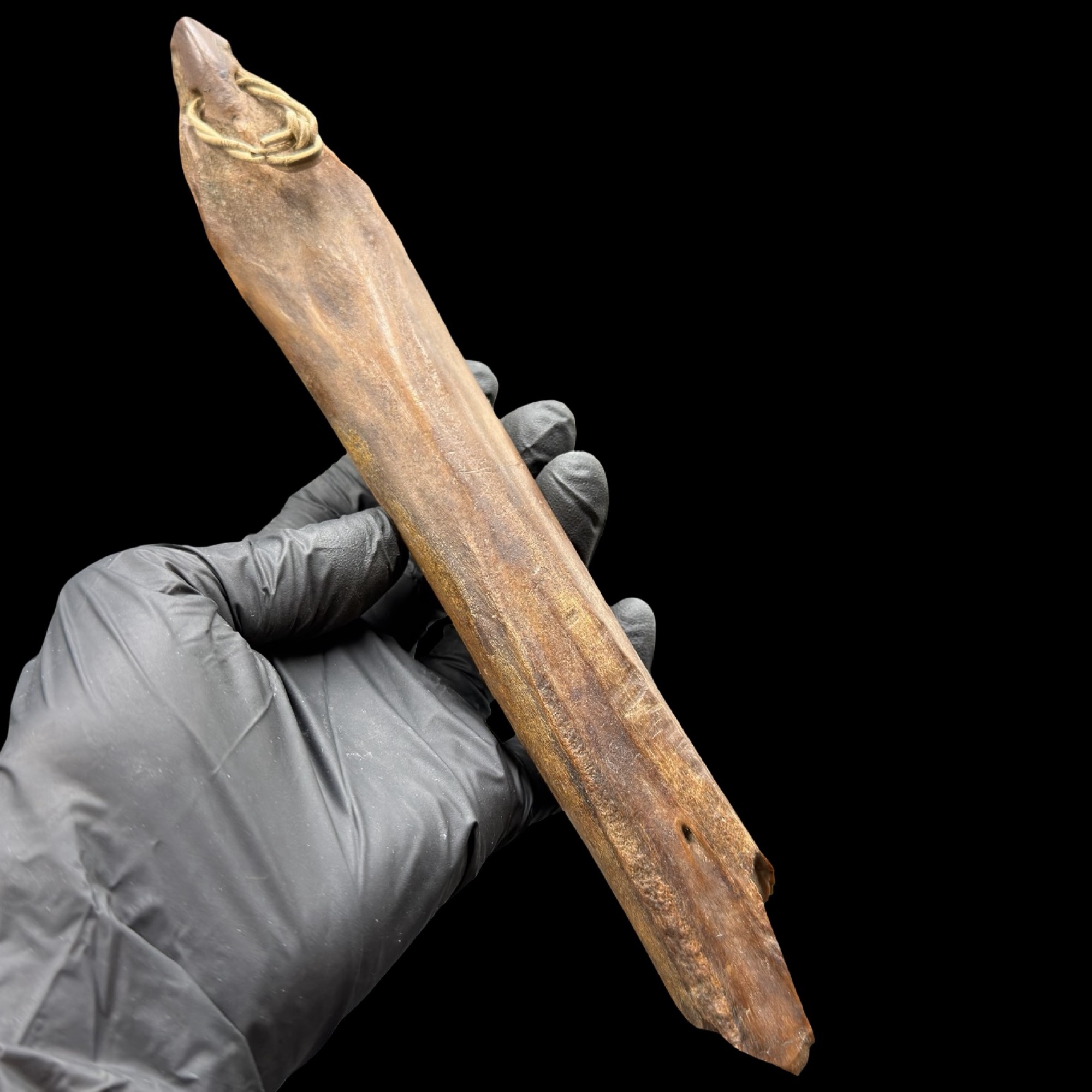
approximately the 15th century AD. Made from animal bone and shaped for use on frozen surfaces, it is a fascinating object of everyday medieval life and a highly unusual addition to any collection of ancient artefacts, historical curiosities, medieval items, early sporting objects, or European archaeological specimens.The photo shows the actual artefact you will receive, allowing you to view the form, surface texture, colour, wear, patina, and overall preservation before purchase. Full sizing can be seen in the photo. This artefact is a genuine specimen and includes a Certificate of Authenticity lifetime guarantee generic card. MEDIEVAL ICE SKATING AND PRACTICAL USEBone skates were used across parts of medieval Europe before the widespread use of metal-bladed skates. Rather than cutting into the ice in the modern style, bone skates worked by gliding over frozen rivers, lakes, ponds, and marshland. They were practical tools as well as recreational objects, helping people travel across icy landscapes during winter.A bone skate would usually be strapped or tied to the wearer’s footwear. The skater often used poles or sticks to push themselves along, much like a combination of skating and skiing. This made bone skates useful for crossing frozen ground and waterways, especially in colder regions where winter ice formed part of seasonal movement and daily life. MATERIAL AND CONSTRUCTIONThis artefact is made from bone, a durable natural material commonly used throughout the medieval period for tools, gaming pieces, handles, decorative items, and practical implements. Bone was readily available, workable, and strong enough for many domestic and outdoor uses. For ice skates, long bones from larger animals were especially suitable because they provided a naturally elongated shape that could be smoothed and adapted for gliding.Medieval bone skates were commonly shaped by cutting, scraping, grinding, and polishing the underside to create a smoother surface. Some examples include holes, grooves, or modified areas used for binding the skate to the foot with leather straps or cord. The underside could become worn and polished through repeated use on ice, while the upper surface often retained more of the natural bone form.Natural age-related features may be present, including surface wear, colour variation, mineral staining, cracking, small chips, old abrasions, and patina. These characteristics are part of the artefact’s genuine historic character and reflect its age, material, and survival over many centuries. HISTORICAL SIGNIFICANCEThis Medieval bone ice skate offers a direct connection to daily life in 15th century Europe. Unlike ceremonial or elite objects, practical artefacts such as this represent the tools and adaptations used by ordinary people in response to their environment. It reflects how natural materials were repurposed with skill and ingenuity to solve everyday problems.Bone skates are particularly appealing because they relate to movement, winter travel, work, and leisure. They show how people interacted with frozen landscapes before modern transport and manufactured sporting equipment. Objects of this type are valued by collectors because they combine archaeological interest, social history, and early sporting history in one distinctive artefact. COLLECTABLE EUROPEAN MEDIEVAL DISPLAY PIECEThis scarce Medieval bone ice skate is ideal for collectors searching for genuine medieval artefacts, European bone skates, ancient ice skates, 15th century artefacts, archaeological display pieces, historic sporting items, Viking and medieval style collectables, or unusual natural history and antiquities cabinet pieces.It would display well in a cabinet of curiosities, medieval history collection, educational display, museum-style arrangement, archaeology collection, or specialist collection of early tools and everyday artefacts. With its genuine medieval age, bone construction, practical historic function, and Certificate of Authenticity, this bone ice skate is a distinctive and highly characterful artefact from Europe’s past.
approximately the 15th century AD. Made from animal bone and shaped for use on frozen surfaces, it is a fascinating object of everyday medieval life and a highly unusual addition to any collection of ancient artefacts, historical curiosities, medieval items, early sporting objects, or European archaeological specimens.The photo shows the actual artefact you will receive, allowing you to view the form, surface texture, colour, wear, patina, and overall preservation before purchase. Full sizing can be seen in the photo. This artefact is a genuine specimen and includes a Certificate of Authenticity lifetime guarantee generic card. MEDIEVAL ICE SKATING AND PRACTICAL USEBone skates were used across parts of medieval Europe before the widespread use of metal-bladed skates. Rather than cutting into the ice in the modern style, bone skates worked by gliding over frozen rivers, lakes, ponds, and marshland. They were practical tools as well as recreational objects, helping people travel across icy landscapes during winter.A bone skate would usually be strapped or tied to the wearer’s footwear. The skater often used poles or sticks to push themselves along, much like a combination of skating and skiing. This made bone skates useful for crossing frozen ground and waterways, especially in colder regions where winter ice formed part of seasonal movement and daily life. MATERIAL AND CONSTRUCTIONThis artefact is made from bone, a durable natural material commonly used throughout the medieval period for tools, gaming pieces, handles, decorative items, and practical implements. Bone was readily available, workable, and strong enough for many domestic and outdoor uses. For ice skates, long bones from larger animals were especially suitable because they provided a naturally elongated shape that could be smoothed and adapted for gliding.Medieval bone skates were commonly shaped by cutting, scraping, grinding, and polishing the underside to create a smoother surface. Some examples include holes, grooves, or modified areas used for binding the skate to the foot with leather straps or cord. The underside could become worn and polished through repeated use on ice, while the upper surface often retained more of the natural bone form.Natural age-related features may be present, including surface wear, colour variation, mineral staining, cracking, small chips, old abrasions, and patina. These characteristics are part of the artefact’s genuine historic character and reflect its age, material, and survival over many centuries. HISTORICAL SIGNIFICANCEThis Medieval bone ice skate offers a direct connection to daily life in 15th century Europe. Unlike ceremonial or elite objects, practical artefacts such as this represent the tools and adaptations used by ordinary people in response to their environment. It reflects how natural materials were repurposed with skill and ingenuity to solve everyday problems.Bone skates are particularly appealing because they relate to movement, winter travel, work, and leisure. They show how people interacted with frozen landscapes before modern transport and manufactured sporting equipment. Objects of this type are valued by collectors because they combine archaeological interest, social history, and early sporting history in one distinctive artefact. COLLECTABLE EUROPEAN MEDIEVAL DISPLAY PIECEThis scarce Medieval bone ice skate is ideal for collectors searching for genuine medieval artefacts, European bone skates, ancient ice skates, 15th century artefacts, archaeological display pieces, historic sporting items, Viking and medieval style collectables, or unusual natural history and antiquities cabinet pieces.It would display well in a cabinet of curiosities, medieval history collection, educational display, museum-style arrangement, archaeology collection, or specialist collection of early tools and everyday artefacts. With its genuine medieval age, bone construction, practical historic function, and Certificate of Authenticity, this bone ice skate is a distinctive and highly characterful artefact from Europe’s past.