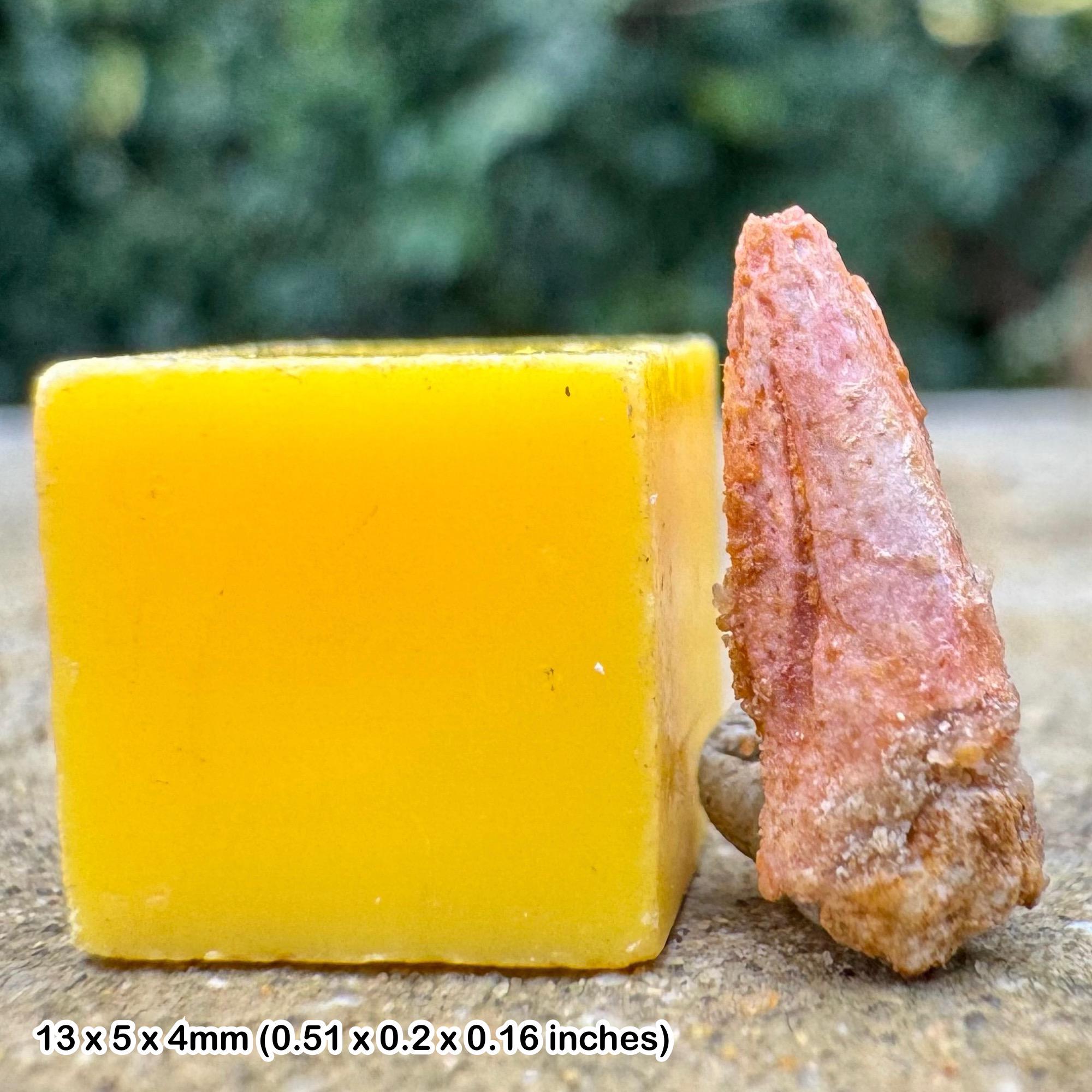
Deltadromeus Raptor Claw Fossil Genuine Dinosaur Claw Kem Kem Morocco Upper Cretaceous Rare Authentic Predator Specimen Display Piece
£ 360.00
Rare Deltadromeus Raptor Claw – Genuine Dinosaur FossilThis rare fossilised raptor claw attributed to Deltadromeus agilis is an
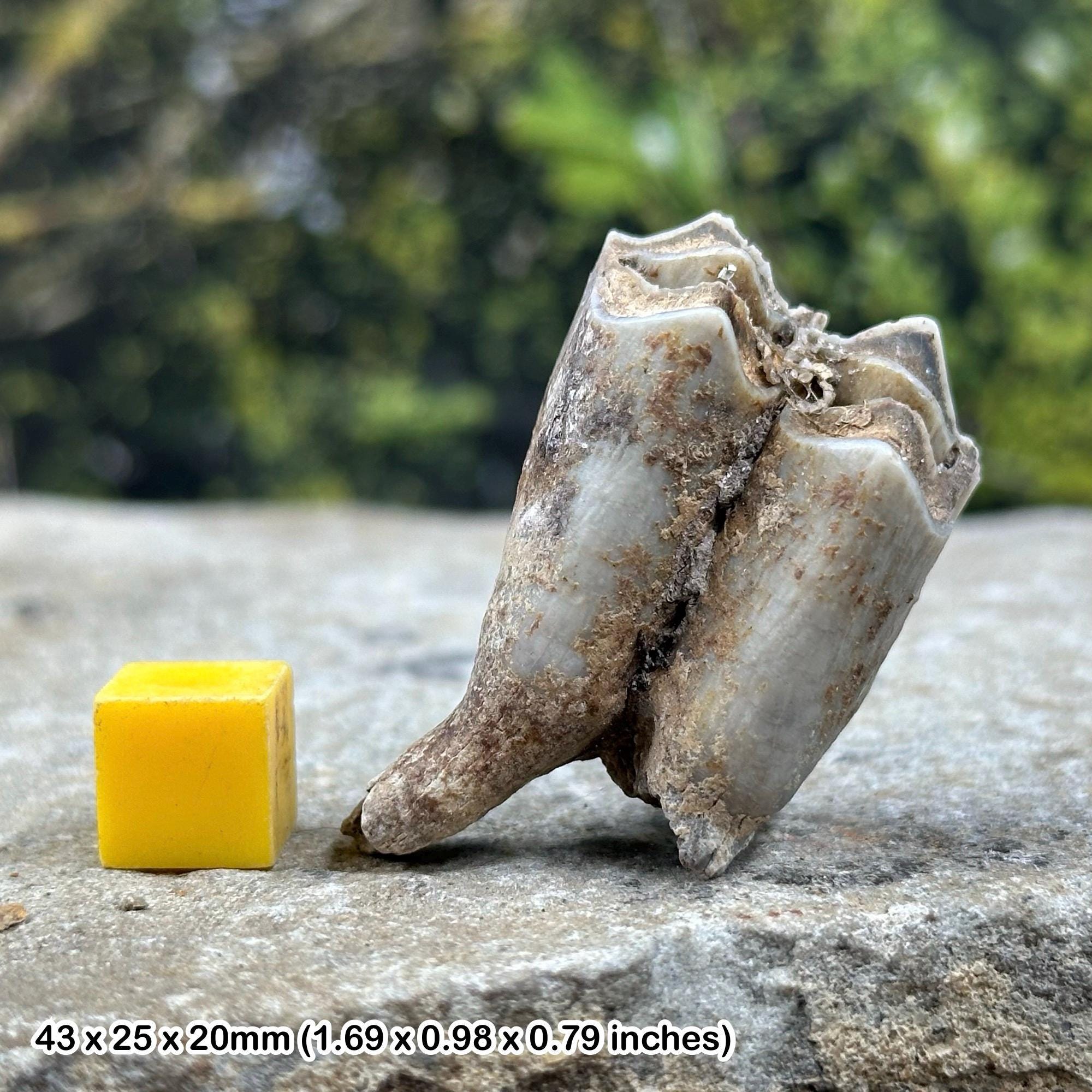
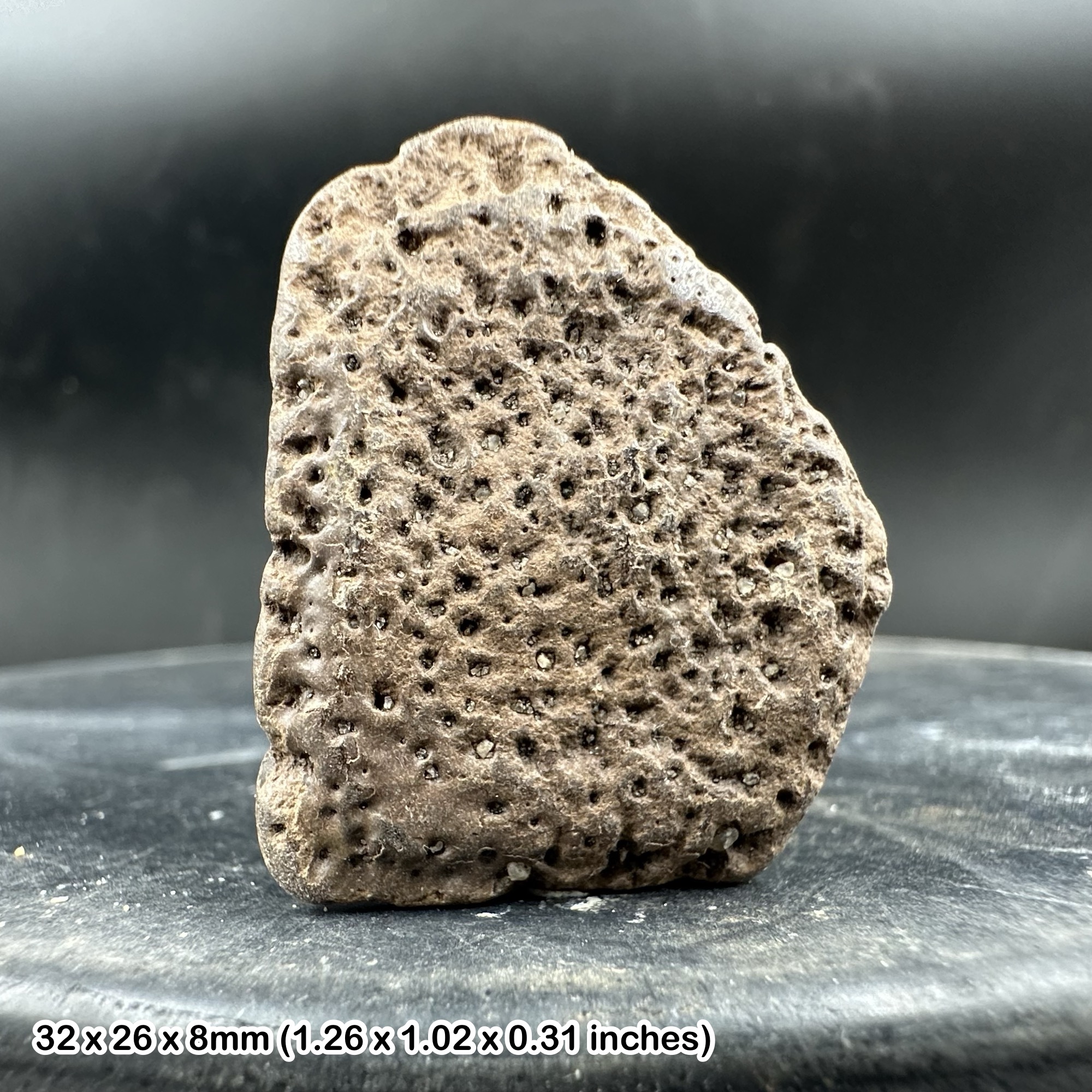
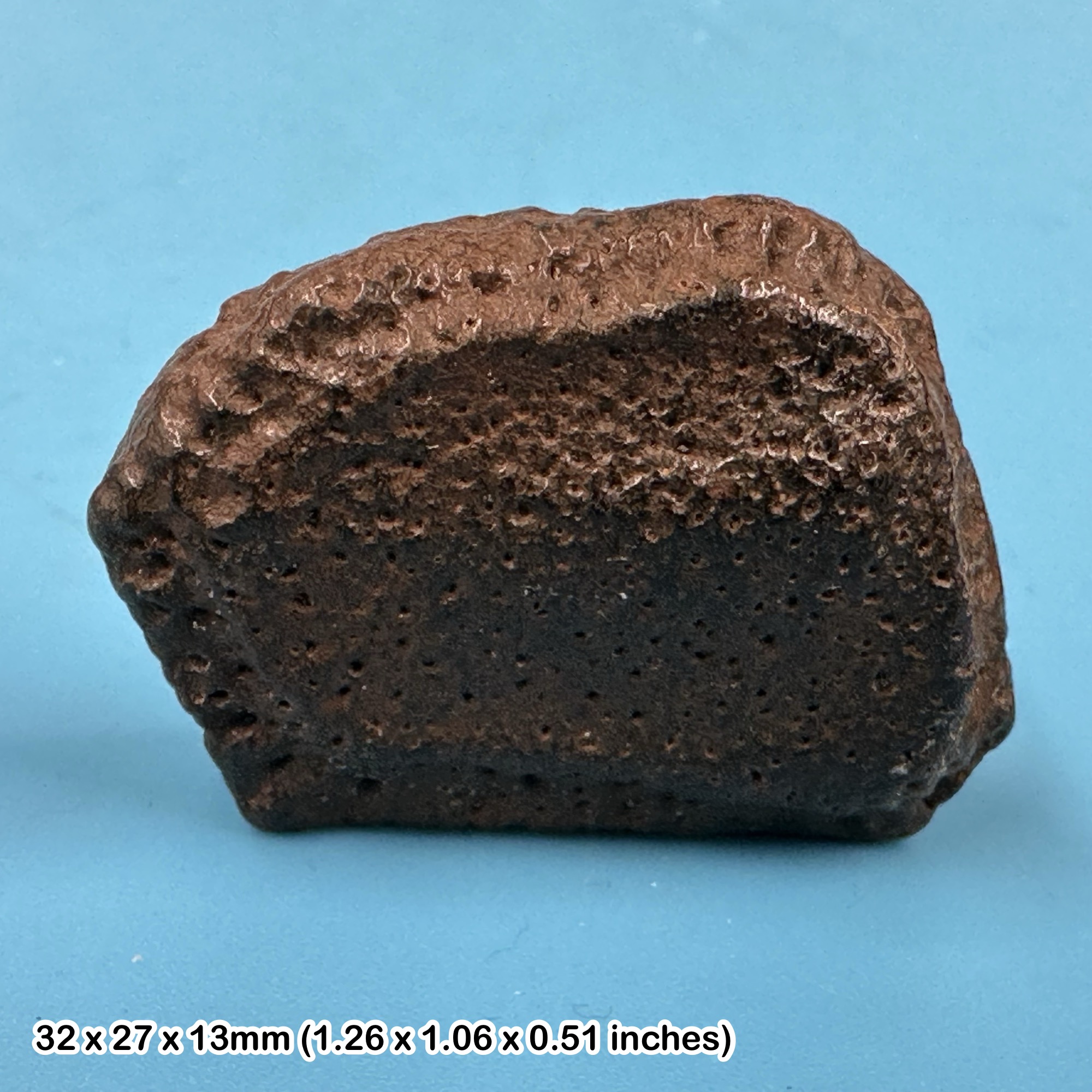
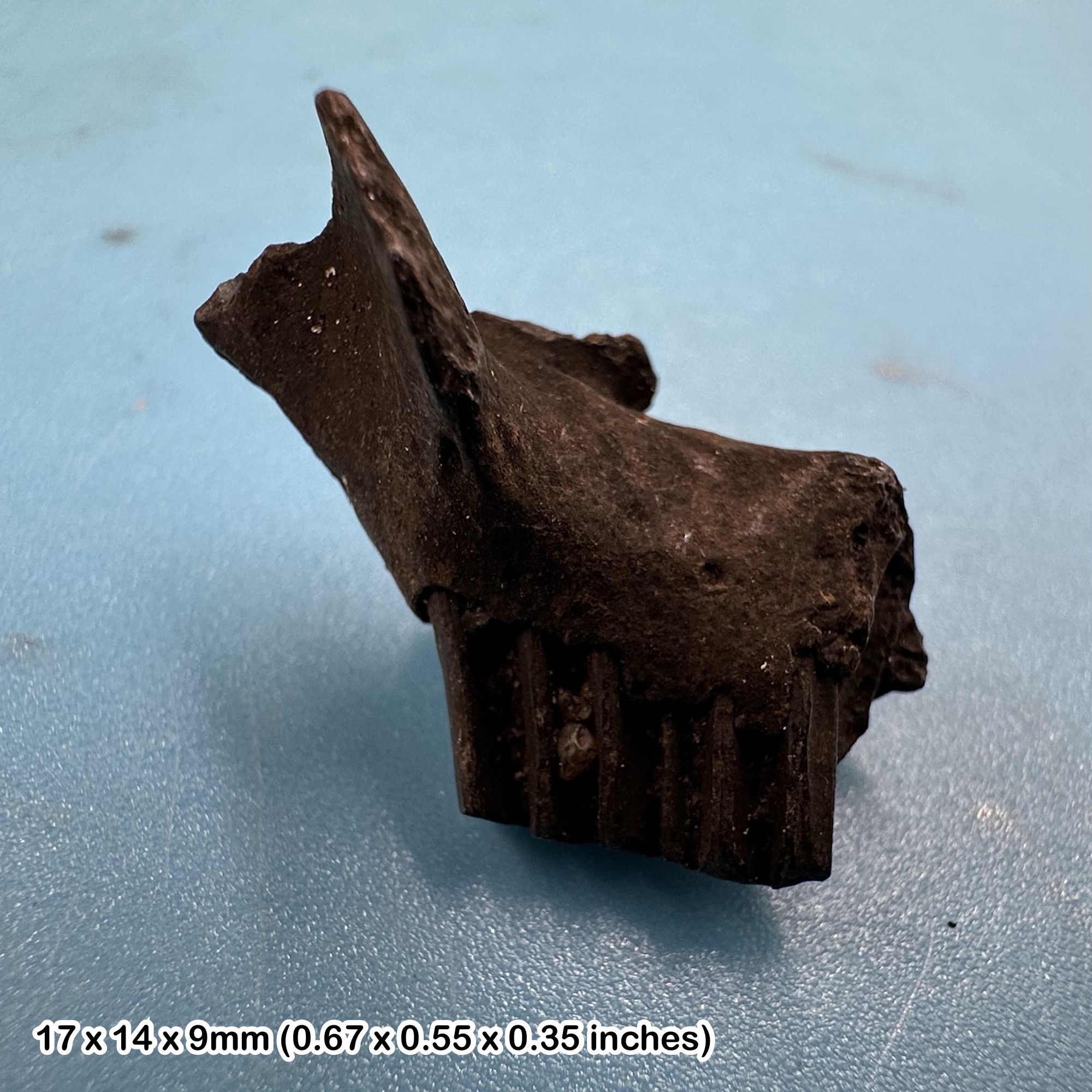
exceptional and highly collectible specimen from the renowned Kem Kem Beds of Morocco. Representing a fast, agile theropod dinosaur, this claw offers a direct connection to one of the most intriguing predators of the Upper Cretaceous. Carefully selected for its quality and visual impact, the fossil shown in the photographs is the exact specimen you will receive. It is accompanied by a fully hand-signed Premium Certificate of Authenticity, confirming its genuine nature and provenance.Geological Provenance – Kem Kem Beds, Tegana FormationThis fossil originates from the Tegana Formation within the Kem Kem Basin of southeastern Morocco, one of the most important dinosaur-bearing regions in the world. These deposits date to the Upper Cretaceous period, specifically the Cenomanian stage, approximately 95 to 100 million years ago. The Kem Kem Beds consist predominantly of fluvial sandstones and siltstones formed in ancient river systems, floodplains, and delta environments. This region preserves a diverse assemblage of vertebrate fossils, including large theropods, crocodyliforms, and a variety of aquatic species.Species Identification – Deltadromeus agilisThis claw is attributed to Deltadromeus agilis, a theropod dinosaur within the order Theropoda, first described by Sereno and colleagues in 1996. Known for its slender build and long limbs, Deltadromeus is believed to have been a fast-moving predator, adapted for speed and agility. While not a true “raptor” in the strict taxonomic sense, its claw morphology and predatory adaptations give it a raptor-like appearance, making it highly desirable among collectors.Morphology and Diagnostic FeaturesThe claw displays a strongly curved, laterally compressed shape typical of predatory theropods. The tip tapers to a sharp point, originally used for gripping prey or interacting with the environment. Subtle growth lines and natural surface textures are visible, reflecting the original biological structure of the claw. The robust curvature and streamlined form suggest an adaptation for active predation, consistent with the agile nature of Deltadromeus. Mineralisation has preserved the fossil in natural tones, enhancing both its authenticity and aesthetic appeal.Depositional Environment and FossilisationDuring the Cenomanian stage, the Kem Kem region was a lush and dynamic ecosystem dominated by river channels and seasonal floodplains. Predatory dinosaurs such as Deltadromeus thrived in this environment, hunting smaller vertebrates and scavenging when necessary. Following death or natural loss, claws and other skeletal elements were transported and buried by sediment. Rapid burial in river deposits allowed for preservation, while mineral-rich groundwater gradually replaced organic material, resulting in the fossil seen today.Rarity, Collectability, and Display ValueFossil claws from theropod dinosaurs are significantly rarer than teeth, making this specimen particularly desirable. Its association with Deltadromeus adds further interest, as this genus is less commonly represented in the fossil trade compared to larger theropods. The claw’s distinctive curved form makes it an eye-catching display piece, ideal for collectors, educators, or enthusiasts seeking something unique from the Kem Kem Beds.Authenticity and CertificationThis fossil is 100% genuine and includes a fully hand-signed Premium Certificate of Authenticity. The specimen has been carefully curated to ensure quality and authenticity. All images provided show the exact fossil you will receive, giving complete confidence in your purchase and its provenance.
exceptional and highly collectible specimen from the renowned Kem Kem Beds of Morocco. Representing a fast, agile theropod dinosaur, this claw offers a direct connection to one of the most intriguing predators of the Upper Cretaceous. Carefully selected for its quality and visual impact, the fossil shown in the photographs is the exact specimen you will receive. It is accompanied by a fully hand-signed Premium Certificate of Authenticity, confirming its genuine nature and provenance.Geological Provenance – Kem Kem Beds, Tegana FormationThis fossil originates from the Tegana Formation within the Kem Kem Basin of southeastern Morocco, one of the most important dinosaur-bearing regions in the world. These deposits date to the Upper Cretaceous period, specifically the Cenomanian stage, approximately 95 to 100 million years ago. The Kem Kem Beds consist predominantly of fluvial sandstones and siltstones formed in ancient river systems, floodplains, and delta environments. This region preserves a diverse assemblage of vertebrate fossils, including large theropods, crocodyliforms, and a variety of aquatic species.Species Identification – Deltadromeus agilisThis claw is attributed to Deltadromeus agilis, a theropod dinosaur within the order Theropoda, first described by Sereno and colleagues in 1996. Known for its slender build and long limbs, Deltadromeus is believed to have been a fast-moving predator, adapted for speed and agility. While not a true “raptor” in the strict taxonomic sense, its claw morphology and predatory adaptations give it a raptor-like appearance, making it highly desirable among collectors.Morphology and Diagnostic FeaturesThe claw displays a strongly curved, laterally compressed shape typical of predatory theropods. The tip tapers to a sharp point, originally used for gripping prey or interacting with the environment. Subtle growth lines and natural surface textures are visible, reflecting the original biological structure of the claw. The robust curvature and streamlined form suggest an adaptation for active predation, consistent with the agile nature of Deltadromeus. Mineralisation has preserved the fossil in natural tones, enhancing both its authenticity and aesthetic appeal.Depositional Environment and FossilisationDuring the Cenomanian stage, the Kem Kem region was a lush and dynamic ecosystem dominated by river channels and seasonal floodplains. Predatory dinosaurs such as Deltadromeus thrived in this environment, hunting smaller vertebrates and scavenging when necessary. Following death or natural loss, claws and other skeletal elements were transported and buried by sediment. Rapid burial in river deposits allowed for preservation, while mineral-rich groundwater gradually replaced organic material, resulting in the fossil seen today.Rarity, Collectability, and Display ValueFossil claws from theropod dinosaurs are significantly rarer than teeth, making this specimen particularly desirable. Its association with Deltadromeus adds further interest, as this genus is less commonly represented in the fossil trade compared to larger theropods. The claw’s distinctive curved form makes it an eye-catching display piece, ideal for collectors, educators, or enthusiasts seeking something unique from the Kem Kem Beds.Authenticity and CertificationThis fossil is 100% genuine and includes a fully hand-signed Premium Certificate of Authenticity. The specimen has been carefully curated to ensure quality and authenticity. All images provided show the exact fossil you will receive, giving complete confidence in your purchase and its provenance.
Other Products