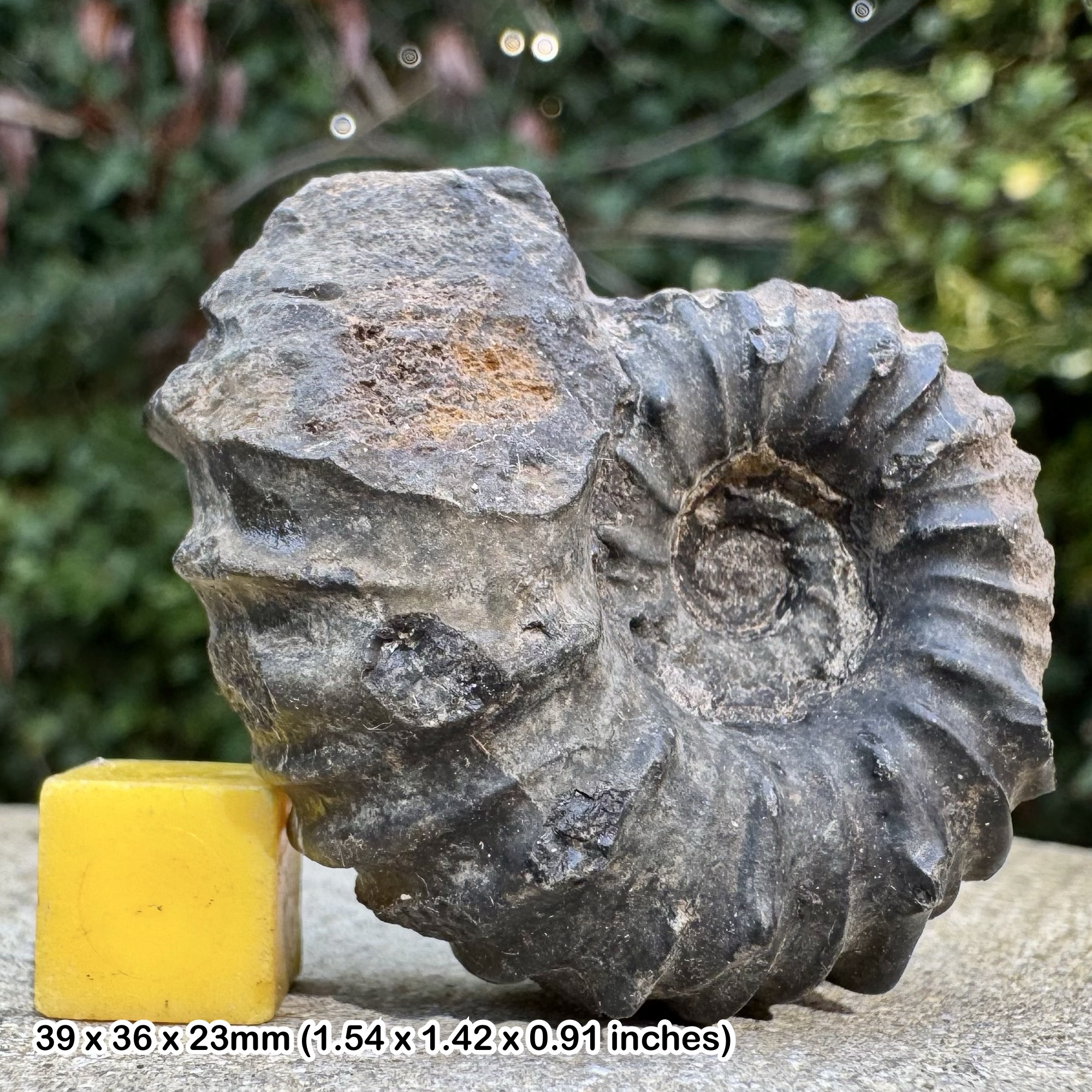
Fossil Ammonite Cheloniceras Aptian Cretaceous Colombia Authentic Collectors Specimen with Certificate of Authenticity
£ 36.00
GENUINE FOSSIL AMMONITE FROM COLOMBIAThis listing is for a genuine Cheloniceras ammonite fossil from the Aptian stage
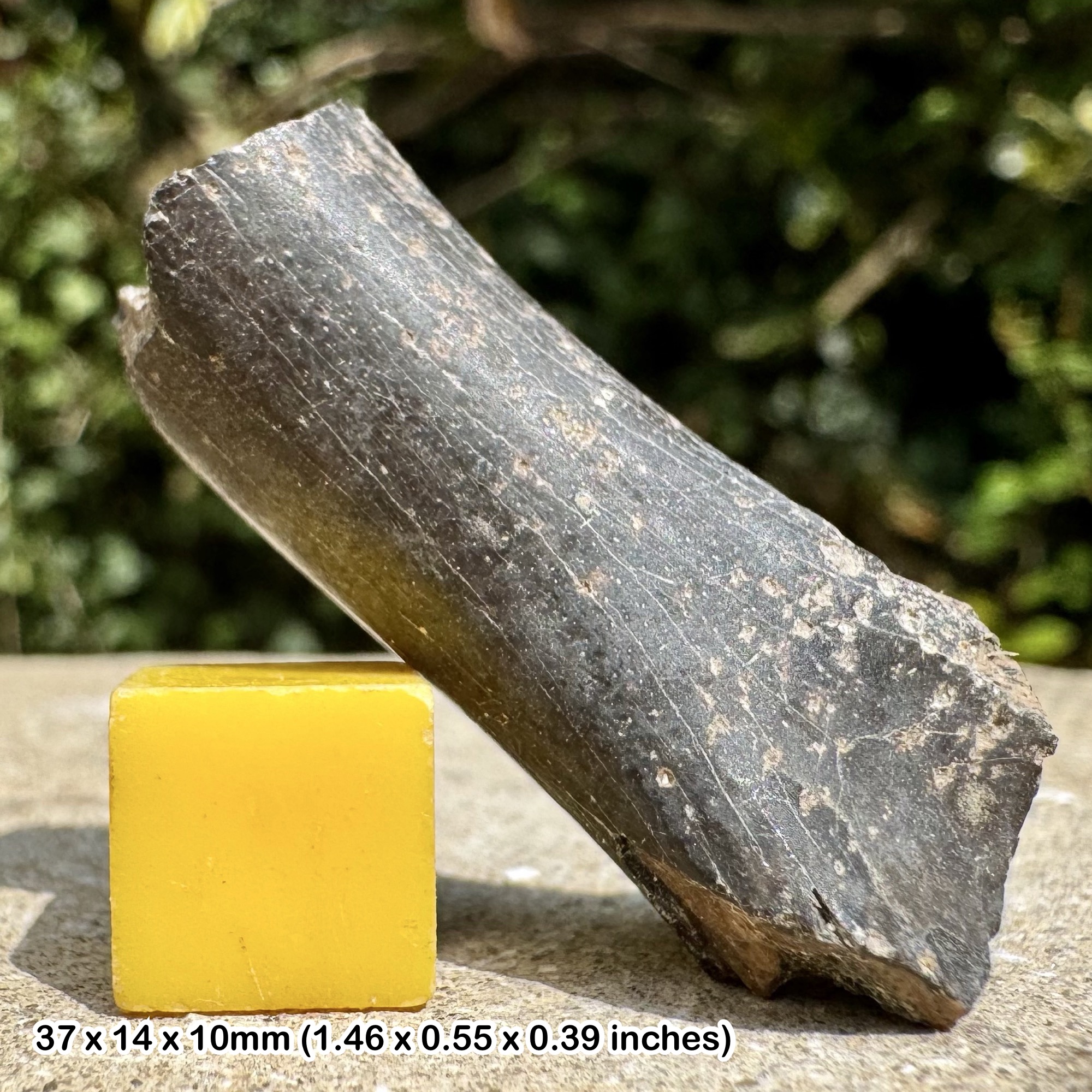
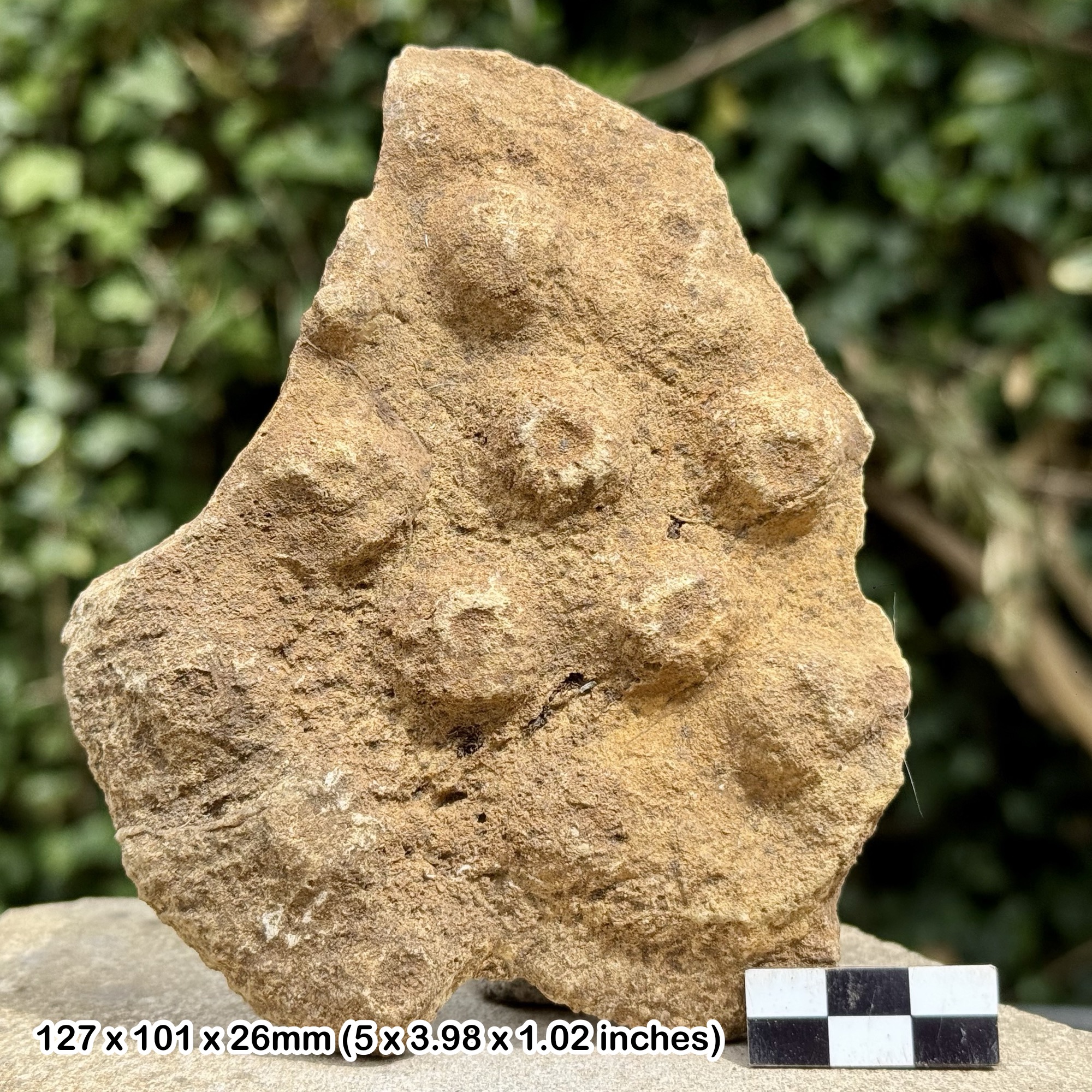
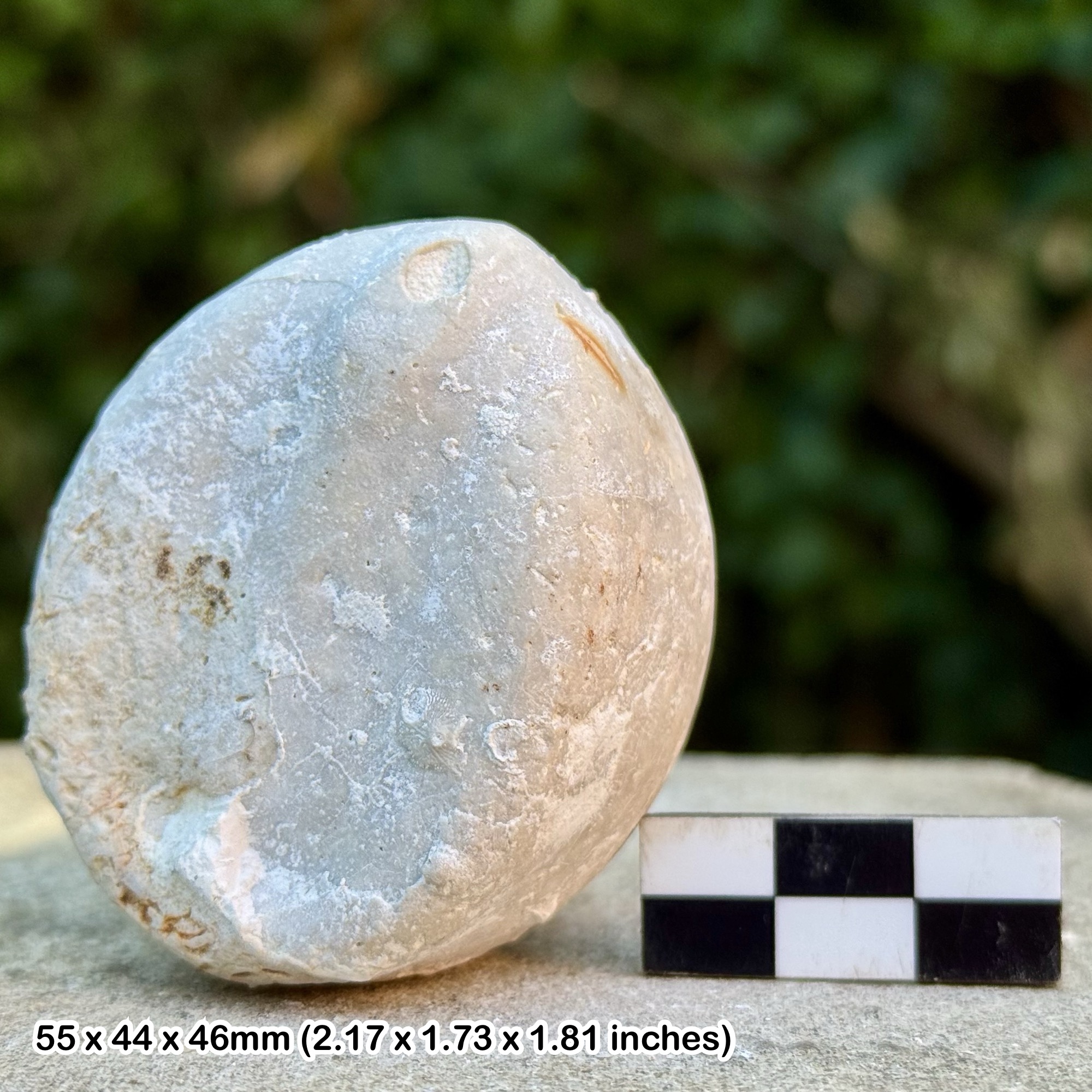
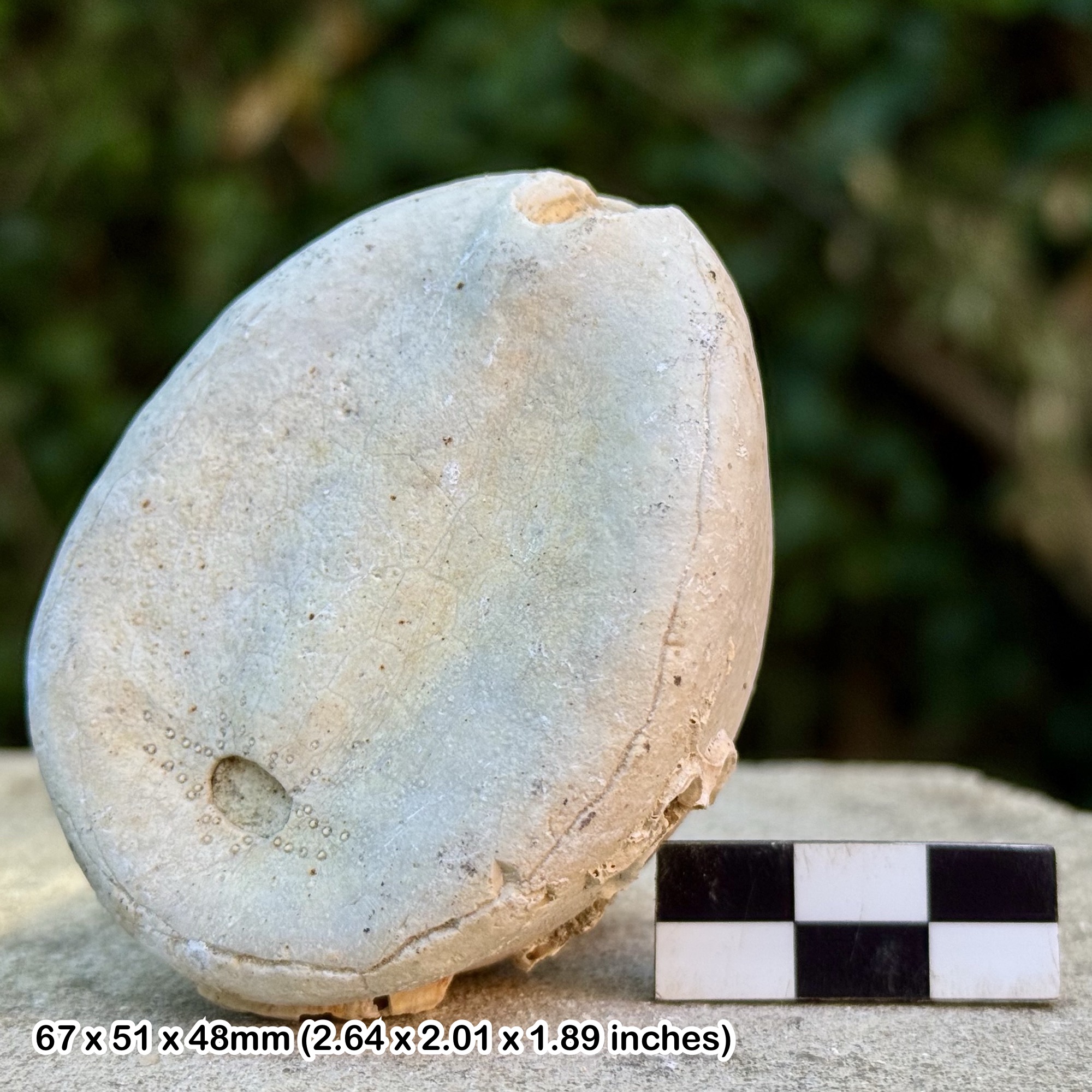
of the Early Cretaceous, discovered in Colombia. This beautifully preserved specimen dates to approximately 125–113 million years ago, a time when vast shallow seas covered much of South America. The fossil shown in the photographs is the exact specimen you will receive, carefully selected for its detail and natural appeal. Scale rule squares / cube = 1 cm – please refer to the images for accurate sizing. All of our fossils are 100% genuine specimens and are supplied with a Certificate of Authenticity. GEOLOGICAL CONTEXT: APTIAN STAGE OF THE CRETACEOUSThe Aptian represents a significant interval in the Early Cretaceous, marked by major evolutionary changes in both marine and terrestrial ecosystems. During this period, parts of what is now Colombia were submerged beneath warm tropical seas that formed along the margins of the ancient Tethys Ocean. Sediments deposited in these shallow marine environments preserved an extraordinary record of ammonites, bivalves, fish, and other marine life.Colombia’s Cretaceous formations are internationally recognised for their exceptional preservation and diversity of ammonites. Fossils from this region provide key insights into the paleoecology of the Early Cretaceous and help refine the global timescale through the use of ammonite biozones. THE SPECIES: CHELONICERASCheloniceras is a genus of ammonites belonging to the order Ammonitida, superfamily Desmoceratoidea, and family Desmoceratidae. It is distinguished by its strongly ribbed, planispiral shell, with ribs crossing the venter and often developing tubercles at the points of intersection. The ornamentation of Cheloniceras shells makes them highly recognisable and important in ammonite biostratigraphy.Ammonites of this genus were nektonic predators, swimming actively in the warm Cretaceous seas and preying on smaller marine animals such as crustaceans and juvenile molluscs. Their shells also reveal adaptations for buoyancy control and hydrodynamics, reflecting their role as fast-moving hunters.Cheloniceras is particularly important in defining Aptian ammonite zones, making specimens like this one valuable not only to collectors but also to paleontologists studying the subdivision and correlation of Cretaceous rock sequences. MORPHOLOGICAL FEATURES
• Order: Ammonitida
• Superfamily: Desmoceratoidea
• Family: Desmoceratidae
• Genus: Cheloniceras
• Geological Stage: Aptian, Early Cretaceous (approx. 125–113 Ma)
• Locality: Colombia
• Shell Traits: Strong ribbing, tuberculation, compressed planispiral form, ornamented whorls
• Significance: Index fossil for Aptian biostratigraphyThe robust ribbing and occasional nodose ornamentation make Cheloniceras an easily identifiable ammonite and a key reference fossil in Aptian stratigraphy. COLLECTOR AND SCIENTIFIC IMPORTANCEThis fossil is not only a striking display piece but also a scientifically significant specimen. Ammonites such as Cheloniceras are widely used as index fossils, allowing geologists to precisely date and correlate sedimentary layers across different regions of the world. The Colombian deposits from which this specimen originates are especially valuable for understanding Cretaceous marine environments in the Southern Hemisphere.For collectors, this specimen combines beauty, history, and scientific interest. Its detailed ribbing and excellent preservation make it a highlight in any fossil collection. Each fossil we offer is carefully selected and authenticated, ensuring that you receive a true piece of Earth’s ancient history.All of our fossils come with a Certificate of Authenticity, offering complete confidence in the genuineness of your specimen. This Cheloniceras ammonite is a rare opportunity to own a timeless relic from the Cretaceous seas of South America.
of the Early Cretaceous, discovered in Colombia. This beautifully preserved specimen dates to approximately 125–113 million years ago, a time when vast shallow seas covered much of South America. The fossil shown in the photographs is the exact specimen you will receive, carefully selected for its detail and natural appeal. Scale rule squares / cube = 1 cm – please refer to the images for accurate sizing. All of our fossils are 100% genuine specimens and are supplied with a Certificate of Authenticity. GEOLOGICAL CONTEXT: APTIAN STAGE OF THE CRETACEOUSThe Aptian represents a significant interval in the Early Cretaceous, marked by major evolutionary changes in both marine and terrestrial ecosystems. During this period, parts of what is now Colombia were submerged beneath warm tropical seas that formed along the margins of the ancient Tethys Ocean. Sediments deposited in these shallow marine environments preserved an extraordinary record of ammonites, bivalves, fish, and other marine life.Colombia’s Cretaceous formations are internationally recognised for their exceptional preservation and diversity of ammonites. Fossils from this region provide key insights into the paleoecology of the Early Cretaceous and help refine the global timescale through the use of ammonite biozones. THE SPECIES: CHELONICERASCheloniceras is a genus of ammonites belonging to the order Ammonitida, superfamily Desmoceratoidea, and family Desmoceratidae. It is distinguished by its strongly ribbed, planispiral shell, with ribs crossing the venter and often developing tubercles at the points of intersection. The ornamentation of Cheloniceras shells makes them highly recognisable and important in ammonite biostratigraphy.Ammonites of this genus were nektonic predators, swimming actively in the warm Cretaceous seas and preying on smaller marine animals such as crustaceans and juvenile molluscs. Their shells also reveal adaptations for buoyancy control and hydrodynamics, reflecting their role as fast-moving hunters.Cheloniceras is particularly important in defining Aptian ammonite zones, making specimens like this one valuable not only to collectors but also to paleontologists studying the subdivision and correlation of Cretaceous rock sequences. MORPHOLOGICAL FEATURES
• Order: Ammonitida
• Superfamily: Desmoceratoidea
• Family: Desmoceratidae
• Genus: Cheloniceras
• Geological Stage: Aptian, Early Cretaceous (approx. 125–113 Ma)
• Locality: Colombia
• Shell Traits: Strong ribbing, tuberculation, compressed planispiral form, ornamented whorls
• Significance: Index fossil for Aptian biostratigraphyThe robust ribbing and occasional nodose ornamentation make Cheloniceras an easily identifiable ammonite and a key reference fossil in Aptian stratigraphy. COLLECTOR AND SCIENTIFIC IMPORTANCEThis fossil is not only a striking display piece but also a scientifically significant specimen. Ammonites such as Cheloniceras are widely used as index fossils, allowing geologists to precisely date and correlate sedimentary layers across different regions of the world. The Colombian deposits from which this specimen originates are especially valuable for understanding Cretaceous marine environments in the Southern Hemisphere.For collectors, this specimen combines beauty, history, and scientific interest. Its detailed ribbing and excellent preservation make it a highlight in any fossil collection. Each fossil we offer is carefully selected and authenticated, ensuring that you receive a true piece of Earth’s ancient history.All of our fossils come with a Certificate of Authenticity, offering complete confidence in the genuineness of your specimen. This Cheloniceras ammonite is a rare opportunity to own a timeless relic from the Cretaceous seas of South America.
Other Products