Zetoceras Ammonite Fossil Jurassic Monaco Genuine COA Card Collector Specimen - Marine Cephalopod Natural History Display
£ 10.20
Zetoceras sp. Ammonite Fossil from MonacoThis is a genuine Zetoceras sp. ammonite fossil from the Jurassic of Monaco,
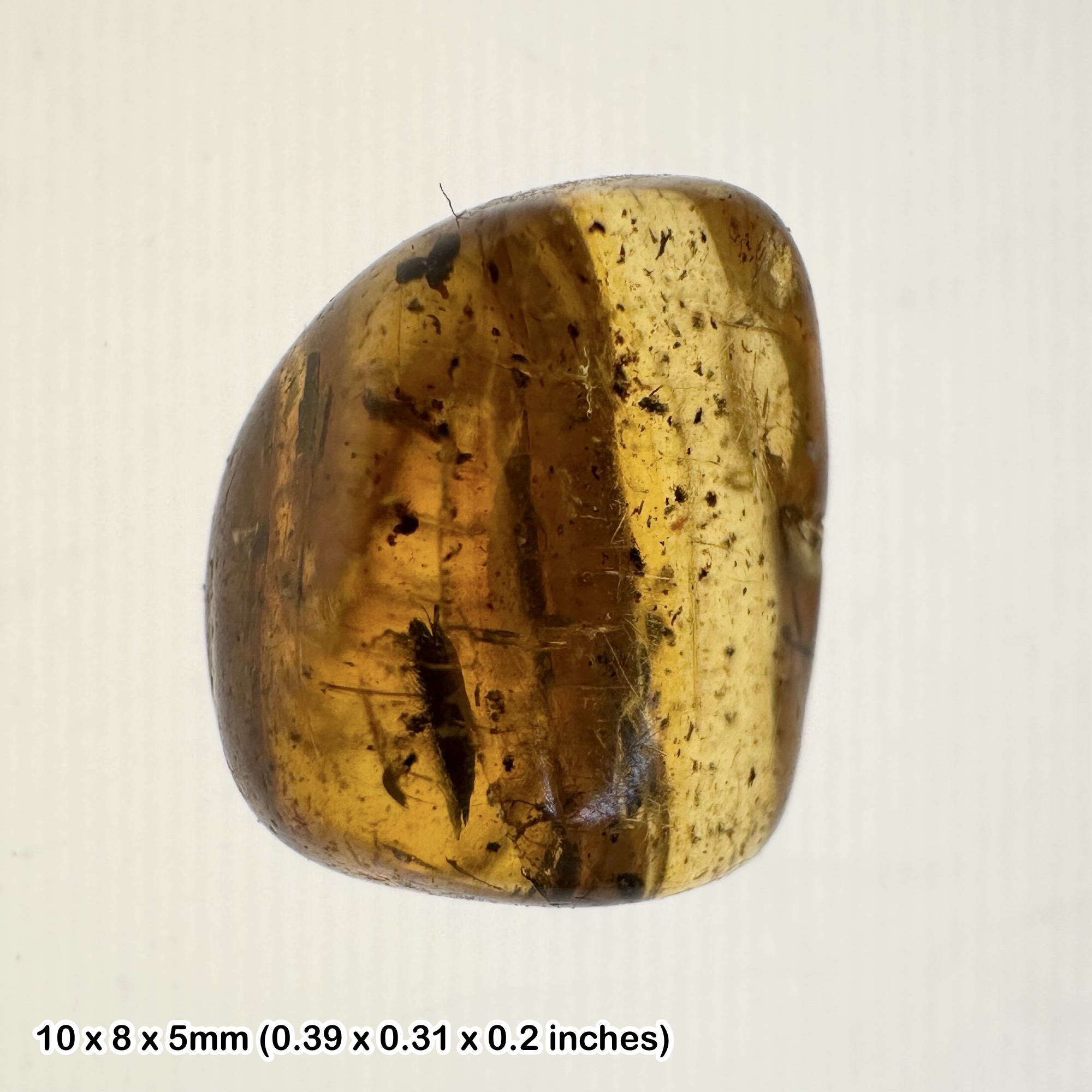
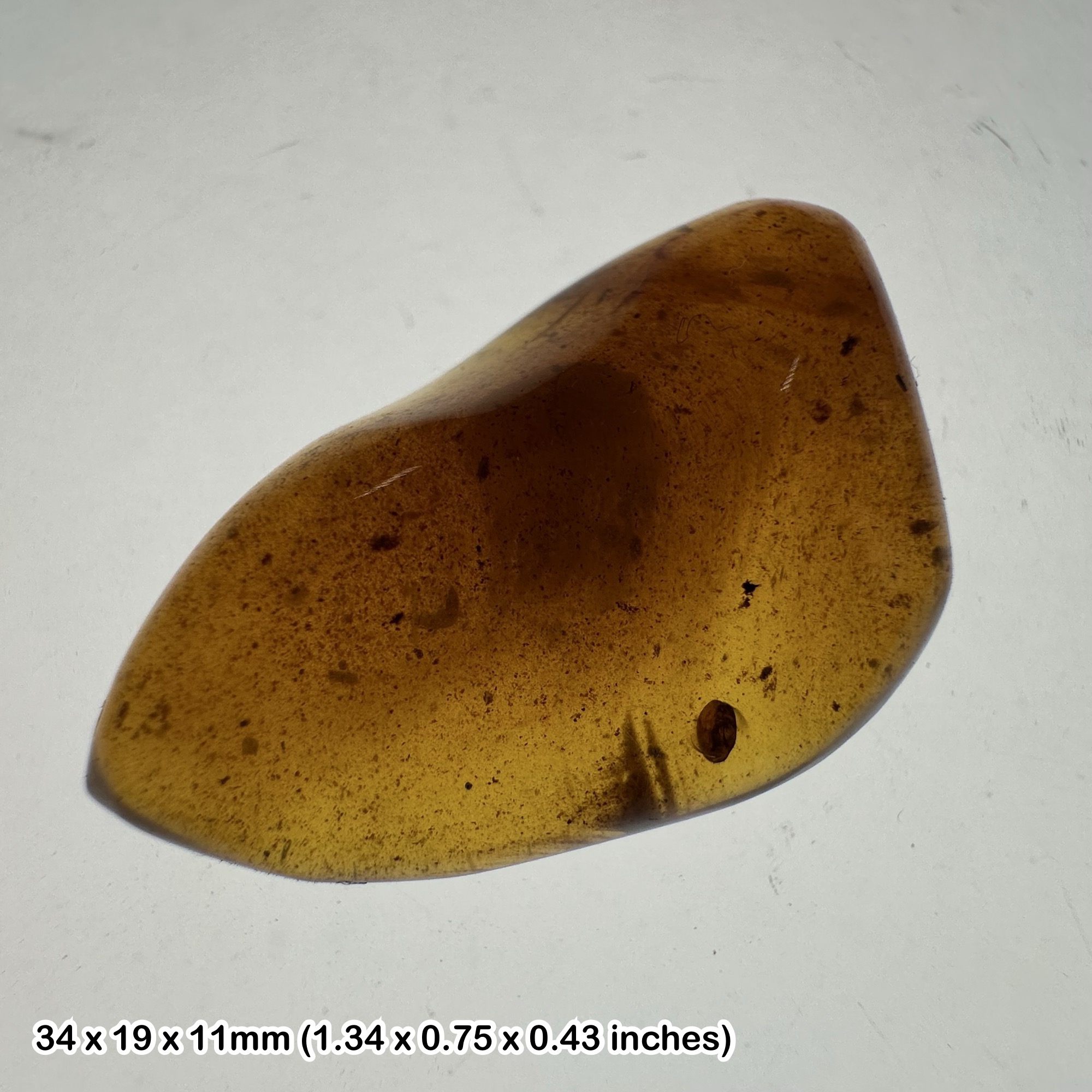
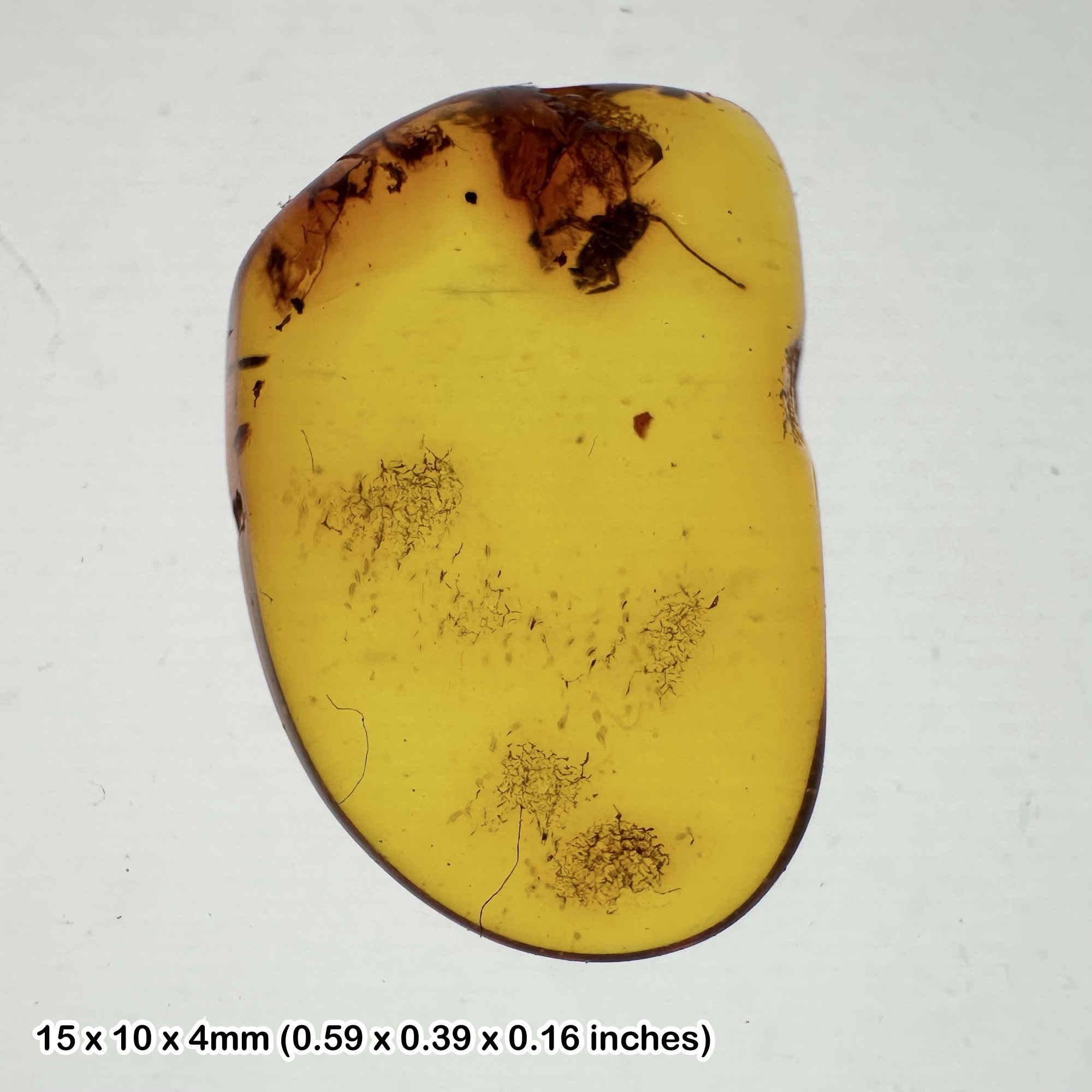
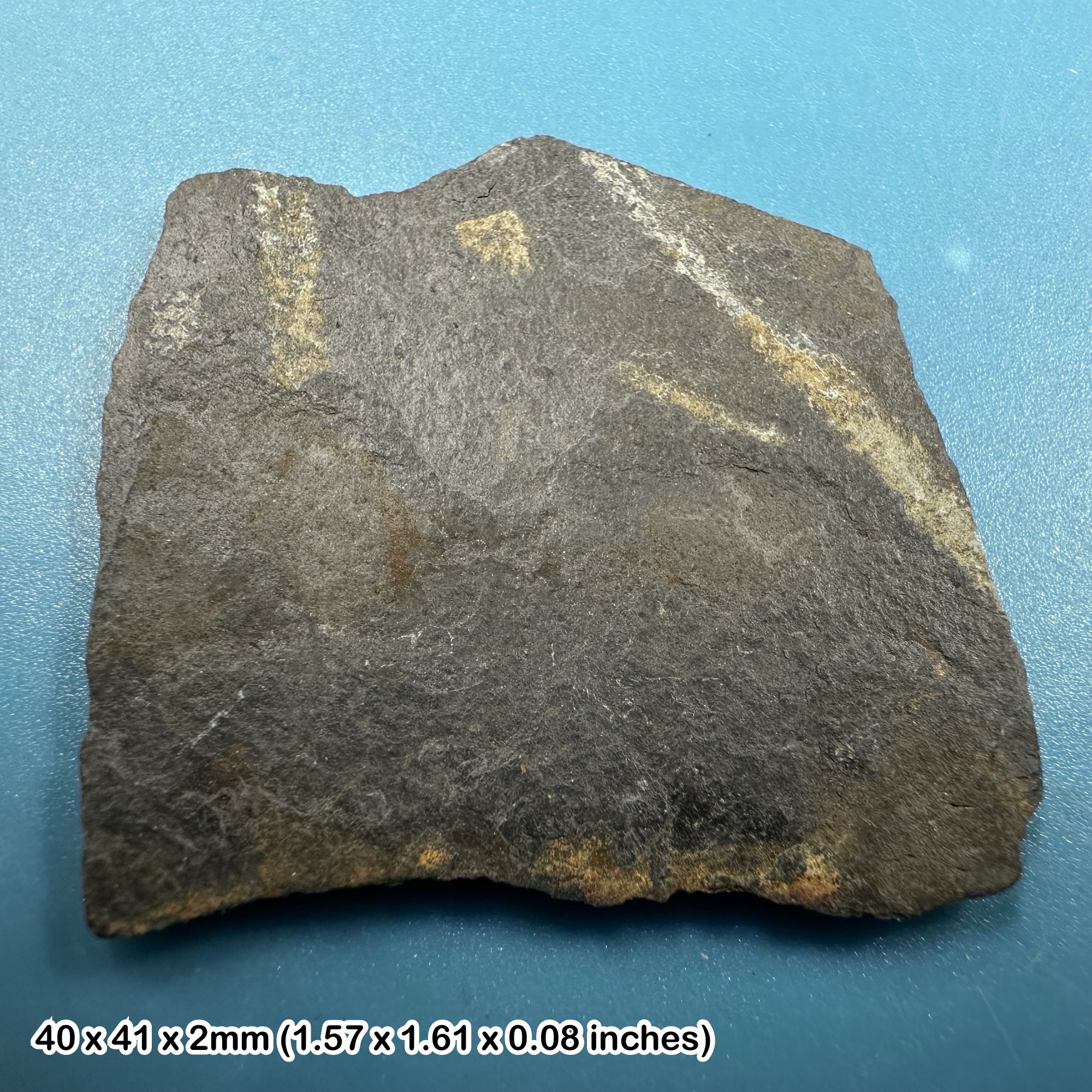
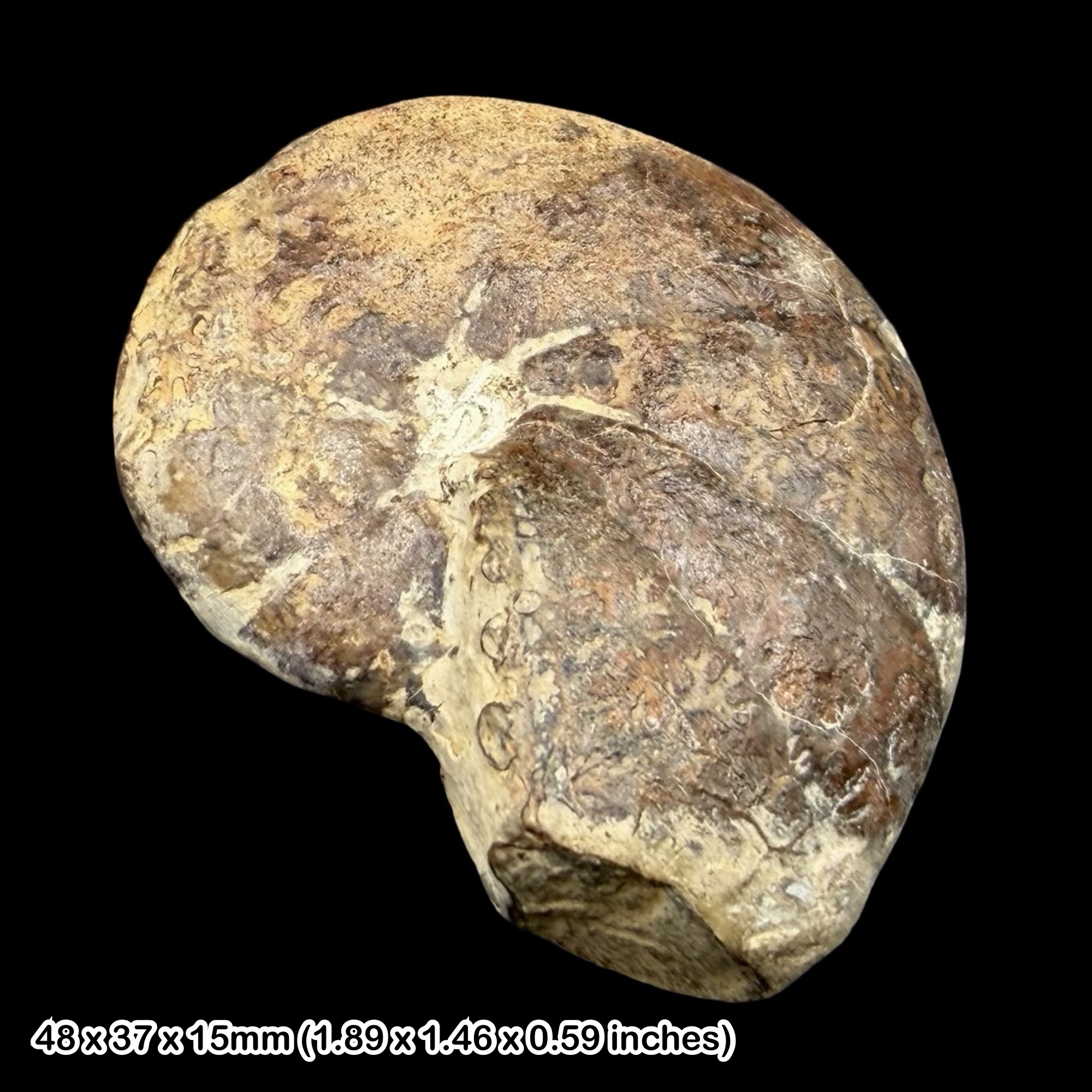
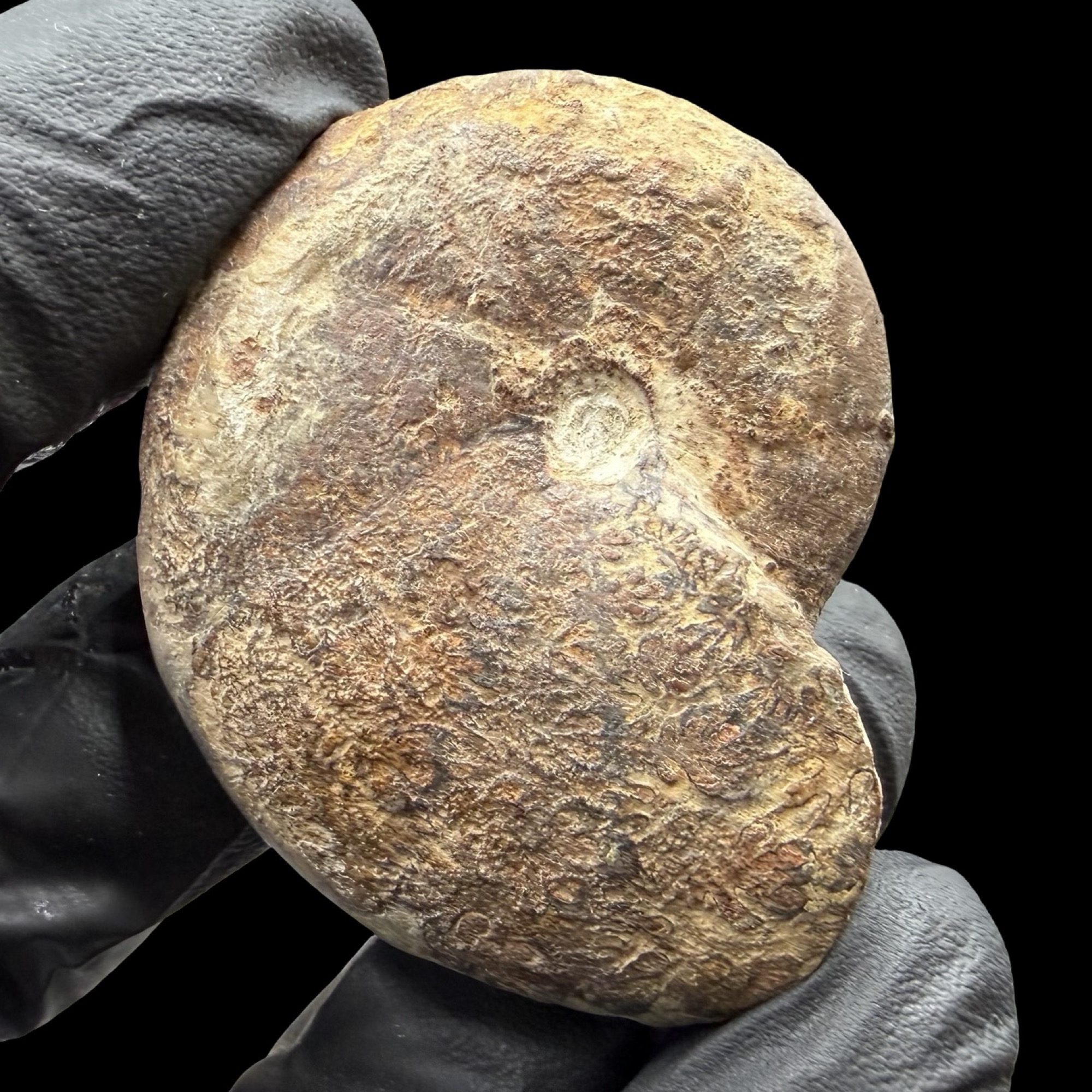
supplied with a Certificate of Authenticity lifetime guarantee generic card. This carefully chosen fossil is a desirable marine cephalopod specimen, selected for its natural character, scientific interest, and display appeal. The photograph shows the actual fossil you will receive, making it ideal for fossil collectors, ammonite enthusiasts, geology displays, educational collections, natural history cabinets, or as a distinctive prehistoric gift.Full sizing and scale can be seen in the photo.Geological Age and LocationThis ammonite dates to the Jurassic Period, a major interval of the Mesozoic Era when ammonites were among the most successful and widespread animals in the world’s oceans. The Jurassic lasted from approximately 201 to 145 million years ago and was a time of warm climates, high sea levels, and extensive shallow marine environments across much of Europe.Monaco and the surrounding Mediterranean region are geologically linked to ancient marine deposits formed along the margins of the Tethys Ocean. During the Jurassic, this part of southern Europe lay within a complex marine setting of carbonate platforms, deeper basins, and warm seas that supported a rich variety of marine life. Ammonites from these deposits are especially valued because they record the biodiversity of ancient Tethyan seas and are important fossils for understanding Jurassic marine ecosystems.Fossil Type and IdentificationThis fossil is identified as Zetoceras sp., an extinct ammonoid cephalopod. The “sp.” designation means the specimen has been identified to genus level, while the exact species is left open. Zetoceras is associated with the ammonite family Phylloceratidae, a group known for elegant, often compressed shells and complex leaf-like suture patterns.Ammonites were marine molluscs related to modern squid, cuttlefish, octopus, and nautilus. They possessed coiled, chambered shells, with the living animal occupying the outer body chamber while the earlier chambers helped regulate buoyancy. This allowed ammonites to move through the water column as active swimmers. Their shells fossilised readily, and their rapid evolution makes them among the most important fossils for dating Jurassic and Cretaceous rocks.Morphology and Notable FeaturesZetoceras is known for a compressed, involute shell form, meaning the outer whorls wrap around and partly cover the earlier whorls. This creates a neat, compact spiral appearance with a small umbilicus at the centre. Members of the Phylloceratidae are also recognised for intricate suture lines, often described as phylloid or leaf-like, where the internal chamber walls met the outer shell.These delicate suture patterns are one of the scientific features that make phylloceratid ammonites particularly interesting. Even when sutures are not fully visible on every specimen, the overall coiled shell form, whorl shape, and natural fossil surface provide strong visual appeal. As a genuine fossil, this specimen may show natural matrix, surface texture, mineralisation, colour variation, shell detail, wear, or small areas of loss caused by fossilisation and geological history. These features are part of the fossil’s authenticity and individual character.Jurassic Marine EnvironmentThis Zetoceras ammonite lived in the ancient Jurassic seas of the Mediterranean region. These waters supported a wide range of marine life, including ammonites, belemnites, bivalves, gastropods, brachiopods, corals, crinoids, fish, and marine reptiles. Ammonites were likely active predators or opportunistic feeders, using tentacles to capture small prey while moving through open water.The warm marine environments associated with the Tethys Ocean provided ideal conditions for ammonite diversification. Fossils such as this offer a direct connection to that vanished seascape, long before the modern coastline of Monaco existed. For collectors, Jurassic ammonites are especially appealing because they combine classic spiral form, ancient age, and genuine palaeontological significance.Authenticity and CollectabilityThis Zetoceras sp. ammonite fossil is a genuine specimen from Monaco and includes a Certificate of Authenticity lifetime guarantee generic card. It is suitable for collectors of ammonites, Jurassic fossils, European fossils, marine cephalopods, natural history specimens, and educational geology displays.The fossil shown in the photo is the actual specimen you will receive.
supplied with a Certificate of Authenticity lifetime guarantee generic card. This carefully chosen fossil is a desirable marine cephalopod specimen, selected for its natural character, scientific interest, and display appeal. The photograph shows the actual fossil you will receive, making it ideal for fossil collectors, ammonite enthusiasts, geology displays, educational collections, natural history cabinets, or as a distinctive prehistoric gift.Full sizing and scale can be seen in the photo.Geological Age and LocationThis ammonite dates to the Jurassic Period, a major interval of the Mesozoic Era when ammonites were among the most successful and widespread animals in the world’s oceans. The Jurassic lasted from approximately 201 to 145 million years ago and was a time of warm climates, high sea levels, and extensive shallow marine environments across much of Europe.Monaco and the surrounding Mediterranean region are geologically linked to ancient marine deposits formed along the margins of the Tethys Ocean. During the Jurassic, this part of southern Europe lay within a complex marine setting of carbonate platforms, deeper basins, and warm seas that supported a rich variety of marine life. Ammonites from these deposits are especially valued because they record the biodiversity of ancient Tethyan seas and are important fossils for understanding Jurassic marine ecosystems.Fossil Type and IdentificationThis fossil is identified as Zetoceras sp., an extinct ammonoid cephalopod. The “sp.” designation means the specimen has been identified to genus level, while the exact species is left open. Zetoceras is associated with the ammonite family Phylloceratidae, a group known for elegant, often compressed shells and complex leaf-like suture patterns.Ammonites were marine molluscs related to modern squid, cuttlefish, octopus, and nautilus. They possessed coiled, chambered shells, with the living animal occupying the outer body chamber while the earlier chambers helped regulate buoyancy. This allowed ammonites to move through the water column as active swimmers. Their shells fossilised readily, and their rapid evolution makes them among the most important fossils for dating Jurassic and Cretaceous rocks.Morphology and Notable FeaturesZetoceras is known for a compressed, involute shell form, meaning the outer whorls wrap around and partly cover the earlier whorls. This creates a neat, compact spiral appearance with a small umbilicus at the centre. Members of the Phylloceratidae are also recognised for intricate suture lines, often described as phylloid or leaf-like, where the internal chamber walls met the outer shell.These delicate suture patterns are one of the scientific features that make phylloceratid ammonites particularly interesting. Even when sutures are not fully visible on every specimen, the overall coiled shell form, whorl shape, and natural fossil surface provide strong visual appeal. As a genuine fossil, this specimen may show natural matrix, surface texture, mineralisation, colour variation, shell detail, wear, or small areas of loss caused by fossilisation and geological history. These features are part of the fossil’s authenticity and individual character.Jurassic Marine EnvironmentThis Zetoceras ammonite lived in the ancient Jurassic seas of the Mediterranean region. These waters supported a wide range of marine life, including ammonites, belemnites, bivalves, gastropods, brachiopods, corals, crinoids, fish, and marine reptiles. Ammonites were likely active predators or opportunistic feeders, using tentacles to capture small prey while moving through open water.The warm marine environments associated with the Tethys Ocean provided ideal conditions for ammonite diversification. Fossils such as this offer a direct connection to that vanished seascape, long before the modern coastline of Monaco existed. For collectors, Jurassic ammonites are especially appealing because they combine classic spiral form, ancient age, and genuine palaeontological significance.Authenticity and CollectabilityThis Zetoceras sp. ammonite fossil is a genuine specimen from Monaco and includes a Certificate of Authenticity lifetime guarantee generic card. It is suitable for collectors of ammonites, Jurassic fossils, European fossils, marine cephalopods, natural history specimens, and educational geology displays.The fossil shown in the photo is the actual specimen you will receive.