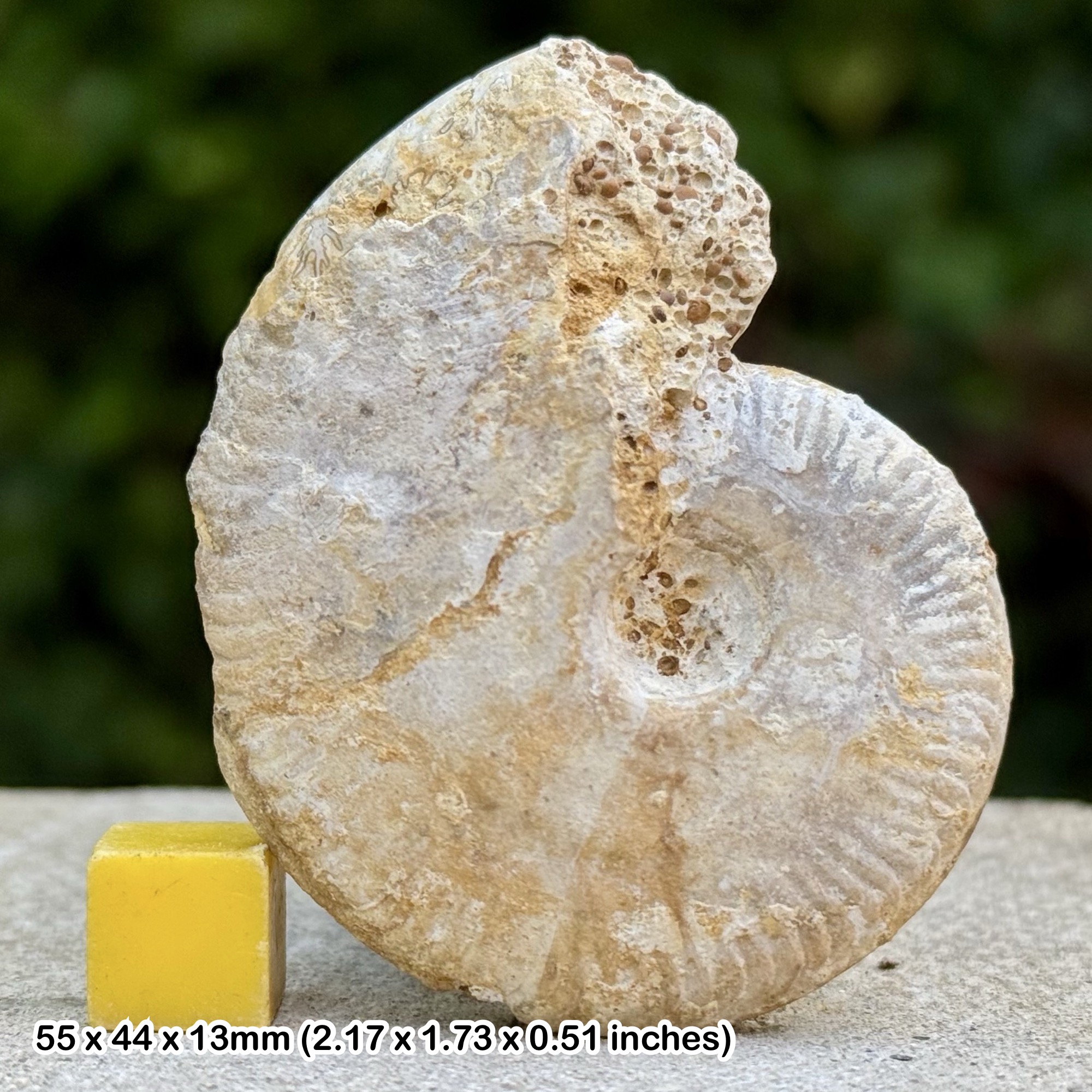
Oppelia subcostata Fossil Ammonite Lower Bajocian Jurassic Caen France with Certificate of Authenticity
£ 14.40
This listing offers a fine Oppelia (Oppelia) subcostata ammonite fossil from the
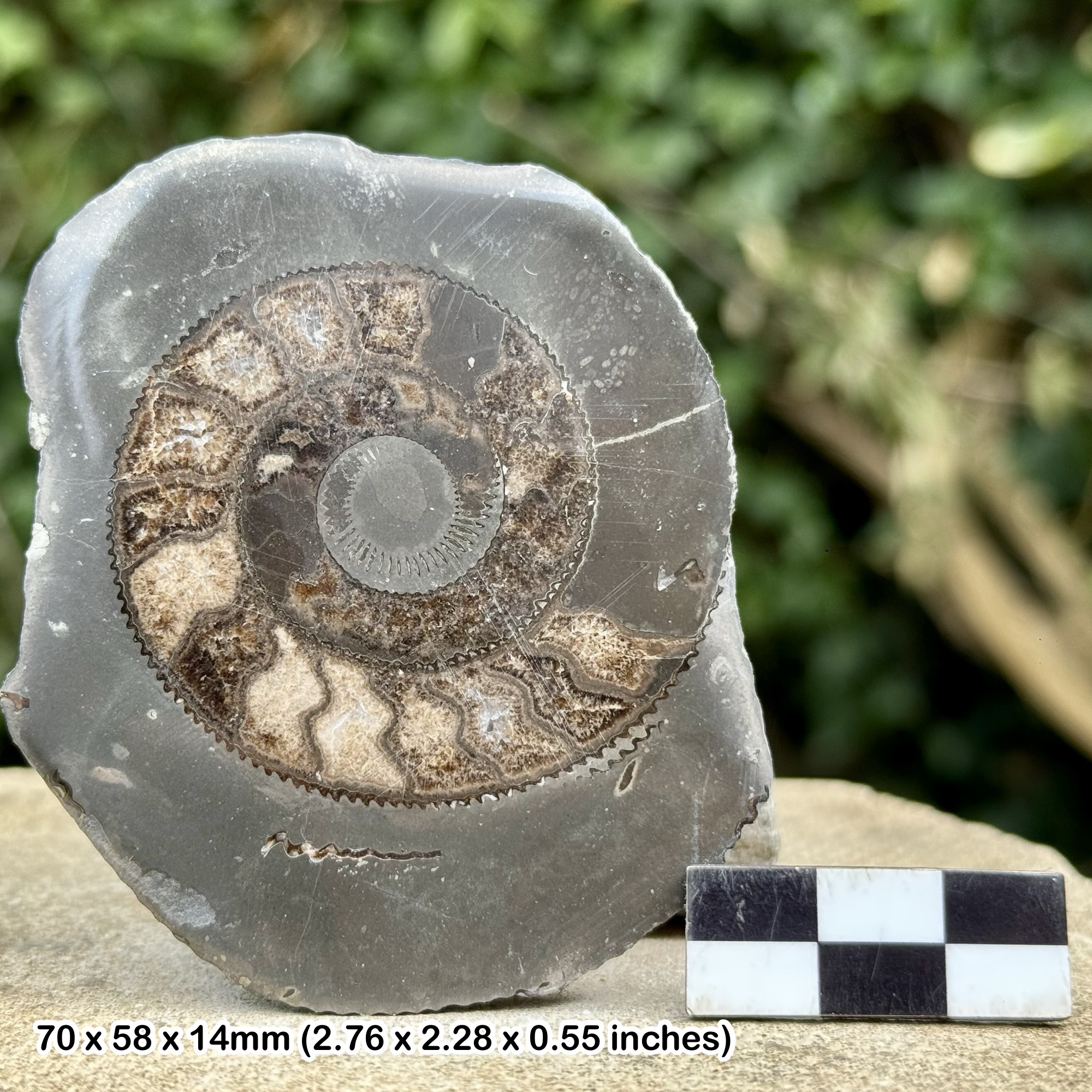
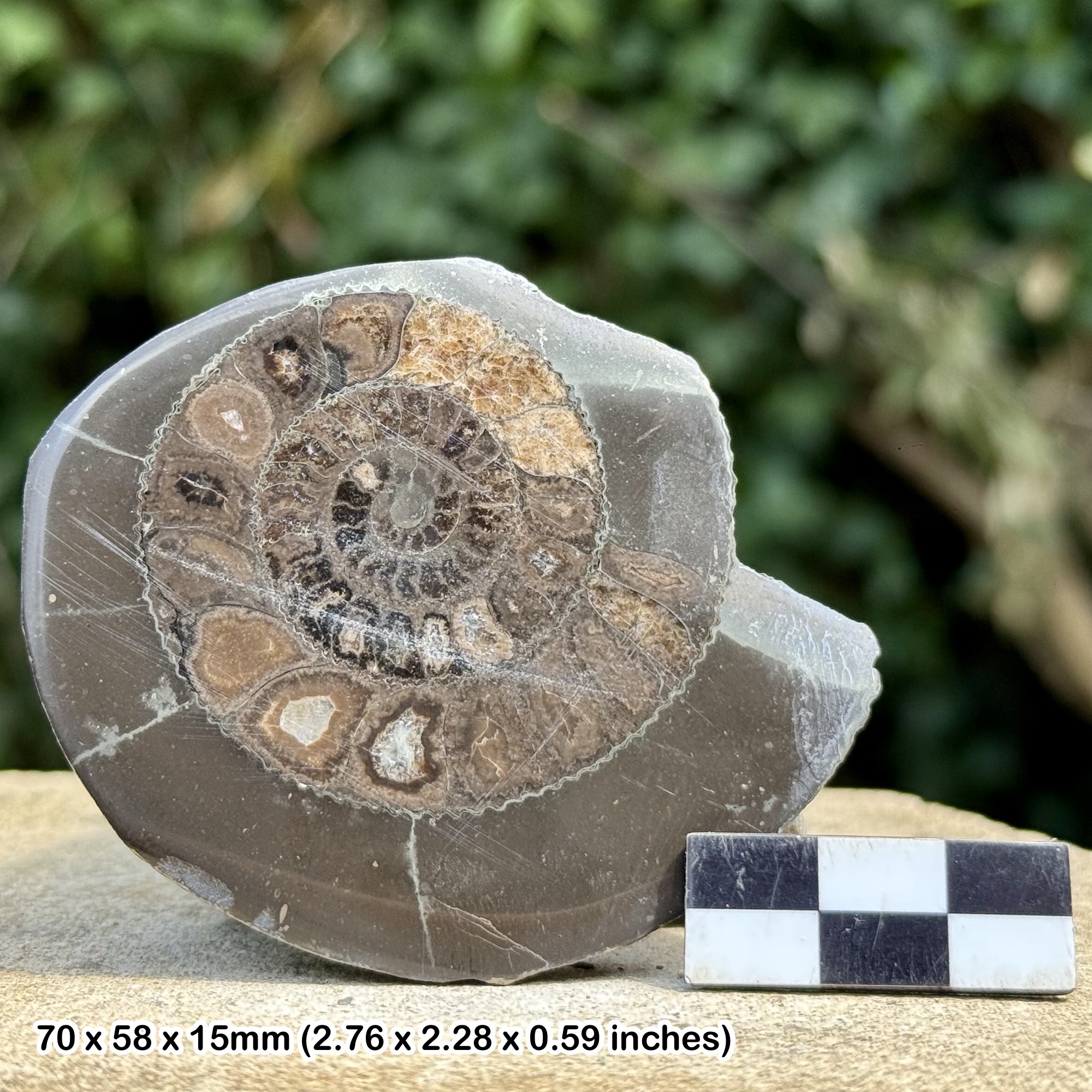
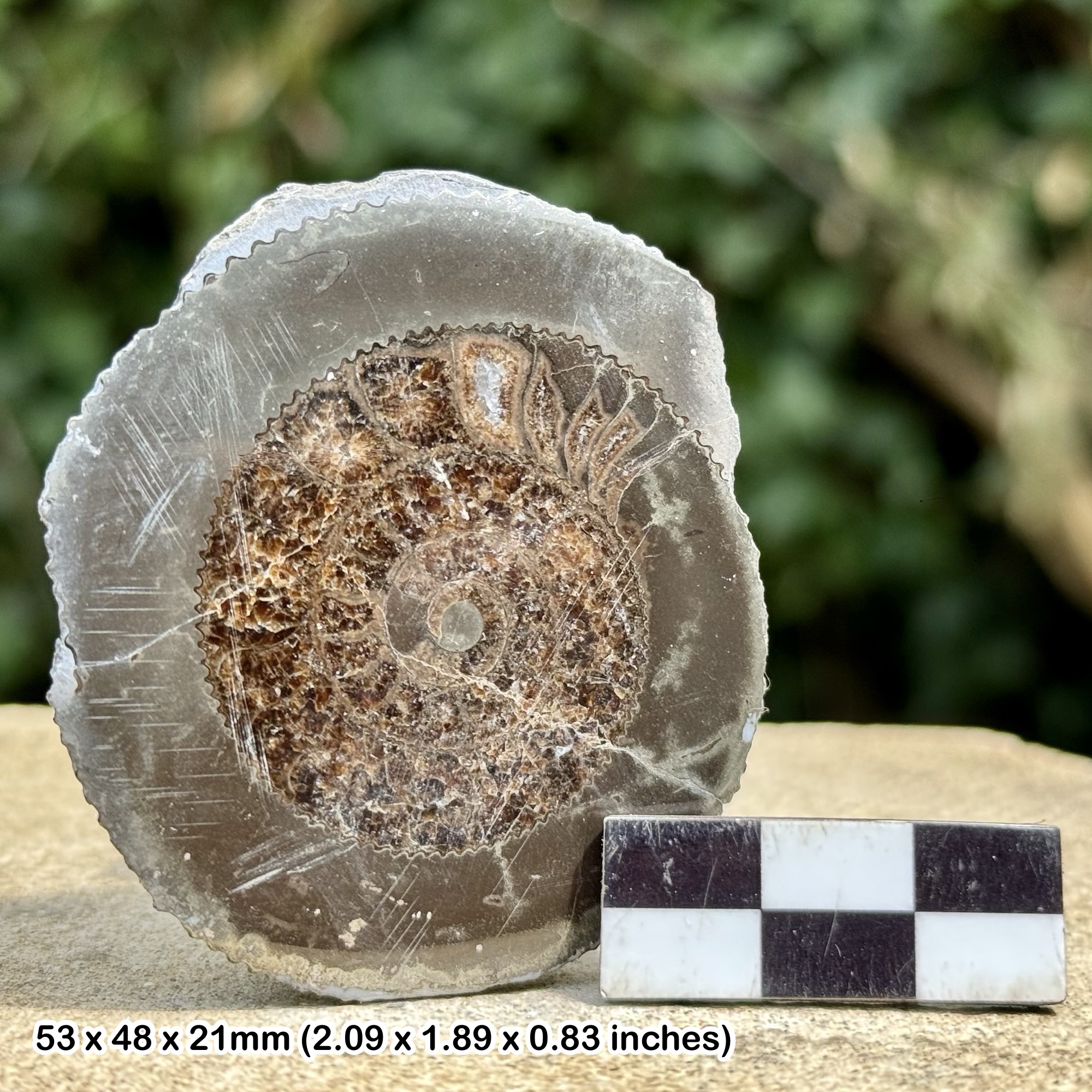
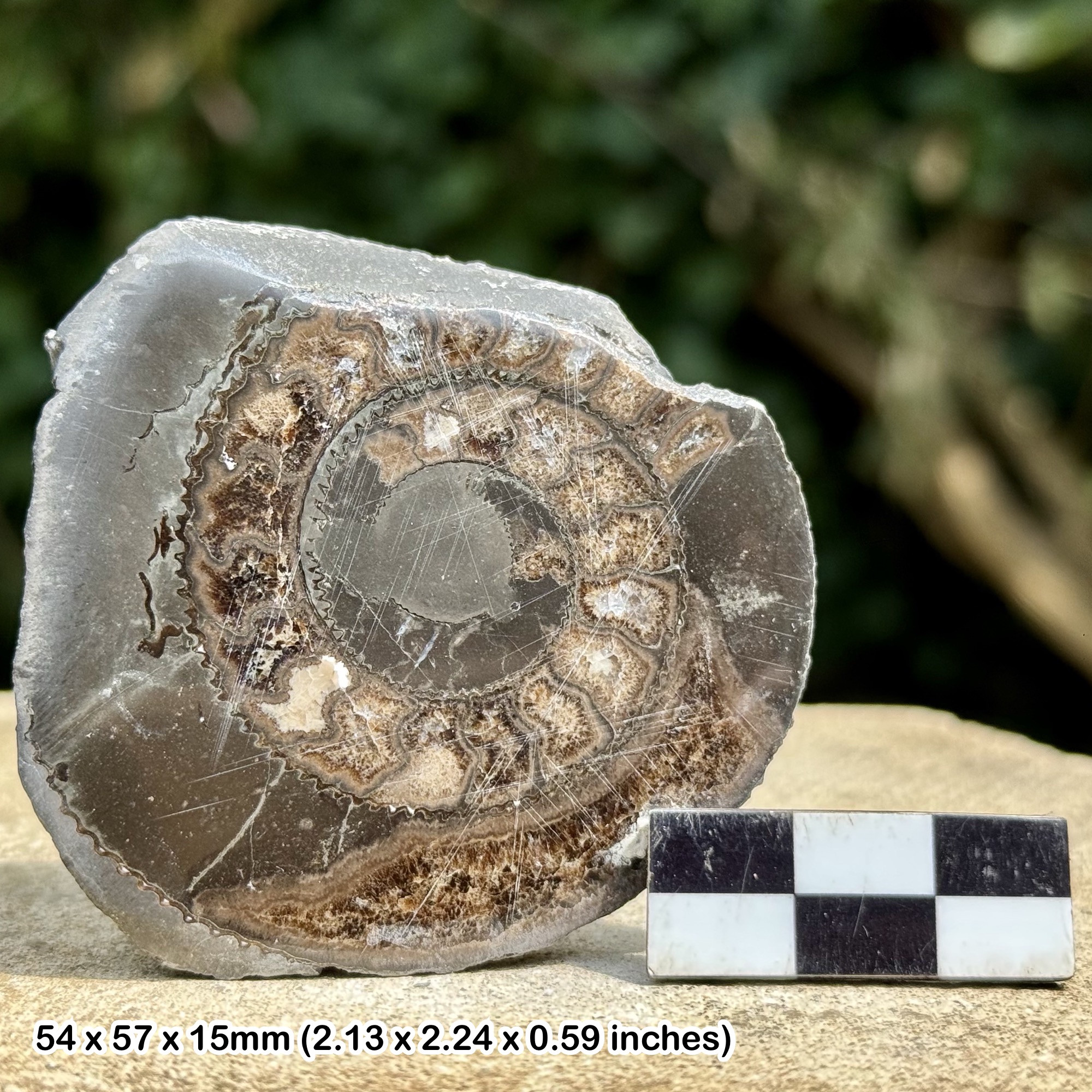
Lower Bajocian stage of the Middle Jurassic Period, approximately 171–170 million years old. Discovered in the renowned Jurassic deposits near Caen, Normandy, France, this specimen is a scientifically significant ammonite, highly valued for its diagnostic morphology and importance in Jurassic stratigraphy.All of our fossils are 100% genuine specimens and are supplied with a Certificate of Authenticity. The photographs show the exact ammonite you will receive, with a 1 cm scale cube and rule squares included for accurate size reference. GEOLOGICAL CONTEXT AND AGEThis ammonite comes from the Lower Bajocian stage of the Middle Jurassic, a time when much of northern France was submerged beneath shallow epicontinental seas connected to the Tethys Ocean. These seas were warm, nutrient-rich, and home to diverse faunas, including ammonites, belemnites, brachiopods, and early marine reptiles.The Caen region is one of France’s classic Jurassic localities, with limestone sequences that are particularly fossiliferous. The deposits belong to the Inferior Oolite facies, a stratigraphic unit famous for its rich ammonite assemblages. Ammonites such as Oppelia subcostata are crucial for defining biostratigraphic zones, which allow geologists to date and correlate Jurassic strata across Europe and beyond. MORPHOLOGY AND DISTINCTIVE FEATURESOppelia (Oppelia) subcostata is a member of the family Oppeliidae, within the superfamily Haploceratoidea of the order Ammonitida. The species is characterised by its compressed, discoidal shell with strongly involute coiling, meaning earlier whorls are mostly hidden by the outer ones.The name subcostata refers to its delicate ribbing, or costae, which are weaker than in many related species but still visible along the flanks. These ribs fade towards the venter (outer rim), which is typically narrow and smoothly rounded. The sutures are moderately complex, providing additional diagnostic features for palaeontologists.This streamlined form reflects a nektonic lifestyle, suggesting that Oppelia subcostata was an active swimmer in the Jurassic seas, preying on small crustaceans and juvenile fish. Its morphology was well adapted for life in open marine waters, where speed and manoeuvrability were key survival traits. SCIENTIFIC IMPORTANCEOppelia (Oppelia) subcostata is an important index fossil for the Lower Bajocian. Its well-defined stratigraphic range allows geologists to correlate rock sequences across wide geographic regions. Ammonites such as this are invaluable tools in refining the Jurassic timescale and reconstructing the palaeogeography of the Tethyan realm.The species also represents an important step in the evolutionary history of the Oppeliidae family, which diversified extensively during the Middle Jurassic. Specimens like this provide insights into the adaptability and ecological diversity of ammonites during this period of evolutionary innovation. COLLECTOR AND DISPLAY VALUEThis Oppelia subcostata ammonite fossil from Caen, France, is a highly desirable specimen due to its rarity, provenance, and elegant morphology. Its compressed, ribbed form makes it visually striking, while its stratigraphic significance enhances its value to collectors and researchers alike.For fossil collectors, educators, or museums, this specimen represents an outstanding addition. It connects directly to the palaeontological heritage of Normandy, a region long celebrated for its Jurassic fossils and their role in scientific discovery. YOUR GUARANTEE OF AUTHENTICITY
• 100% genuine Oppelia (Oppelia) subcostata ammonite fossil from Caen, Normandy, France
• Geological age: Lower Bajocian stage, Middle Jurassic (approx. 171–170 million years old)
• From the Inferior Oolite facies, classic Jurassic deposits
• Supplied with a Certificate of Authenticity
• Exact specimen shown in photographs (no stock images used)
• Scale cube and rule squares = 1 cm (see photos for accurate sizing)This Oppelia subcostata ammonite fossil is a scientifically important and beautifully preserved specimen from Caen’s Bajocian deposits. With its authenticity, provenance, and elegant shell morphology, it is an exceptional addition to any fossil collection.
Lower Bajocian stage of the Middle Jurassic Period, approximately 171–170 million years old. Discovered in the renowned Jurassic deposits near Caen, Normandy, France, this specimen is a scientifically significant ammonite, highly valued for its diagnostic morphology and importance in Jurassic stratigraphy.All of our fossils are 100% genuine specimens and are supplied with a Certificate of Authenticity. The photographs show the exact ammonite you will receive, with a 1 cm scale cube and rule squares included for accurate size reference. GEOLOGICAL CONTEXT AND AGEThis ammonite comes from the Lower Bajocian stage of the Middle Jurassic, a time when much of northern France was submerged beneath shallow epicontinental seas connected to the Tethys Ocean. These seas were warm, nutrient-rich, and home to diverse faunas, including ammonites, belemnites, brachiopods, and early marine reptiles.The Caen region is one of France’s classic Jurassic localities, with limestone sequences that are particularly fossiliferous. The deposits belong to the Inferior Oolite facies, a stratigraphic unit famous for its rich ammonite assemblages. Ammonites such as Oppelia subcostata are crucial for defining biostratigraphic zones, which allow geologists to date and correlate Jurassic strata across Europe and beyond. MORPHOLOGY AND DISTINCTIVE FEATURESOppelia (Oppelia) subcostata is a member of the family Oppeliidae, within the superfamily Haploceratoidea of the order Ammonitida. The species is characterised by its compressed, discoidal shell with strongly involute coiling, meaning earlier whorls are mostly hidden by the outer ones.The name subcostata refers to its delicate ribbing, or costae, which are weaker than in many related species but still visible along the flanks. These ribs fade towards the venter (outer rim), which is typically narrow and smoothly rounded. The sutures are moderately complex, providing additional diagnostic features for palaeontologists.This streamlined form reflects a nektonic lifestyle, suggesting that Oppelia subcostata was an active swimmer in the Jurassic seas, preying on small crustaceans and juvenile fish. Its morphology was well adapted for life in open marine waters, where speed and manoeuvrability were key survival traits. SCIENTIFIC IMPORTANCEOppelia (Oppelia) subcostata is an important index fossil for the Lower Bajocian. Its well-defined stratigraphic range allows geologists to correlate rock sequences across wide geographic regions. Ammonites such as this are invaluable tools in refining the Jurassic timescale and reconstructing the palaeogeography of the Tethyan realm.The species also represents an important step in the evolutionary history of the Oppeliidae family, which diversified extensively during the Middle Jurassic. Specimens like this provide insights into the adaptability and ecological diversity of ammonites during this period of evolutionary innovation. COLLECTOR AND DISPLAY VALUEThis Oppelia subcostata ammonite fossil from Caen, France, is a highly desirable specimen due to its rarity, provenance, and elegant morphology. Its compressed, ribbed form makes it visually striking, while its stratigraphic significance enhances its value to collectors and researchers alike.For fossil collectors, educators, or museums, this specimen represents an outstanding addition. It connects directly to the palaeontological heritage of Normandy, a region long celebrated for its Jurassic fossils and their role in scientific discovery. YOUR GUARANTEE OF AUTHENTICITY
• 100% genuine Oppelia (Oppelia) subcostata ammonite fossil from Caen, Normandy, France
• Geological age: Lower Bajocian stage, Middle Jurassic (approx. 171–170 million years old)
• From the Inferior Oolite facies, classic Jurassic deposits
• Supplied with a Certificate of Authenticity
• Exact specimen shown in photographs (no stock images used)
• Scale cube and rule squares = 1 cm (see photos for accurate sizing)This Oppelia subcostata ammonite fossil is a scientifically important and beautifully preserved specimen from Caen’s Bajocian deposits. With its authenticity, provenance, and elegant shell morphology, it is an exceptional addition to any fossil collection.