Euhoploceras acanthode Ammonite Fossil Bajocian Jurassic Dorset UK Authentic Specimen COA
£ 48.00
EUHOPLOCERAS ACANTHODE AMMONITE FOSSILThis listing features a Euhoploceras acanthode Ammonite Fossil from the Bajocian
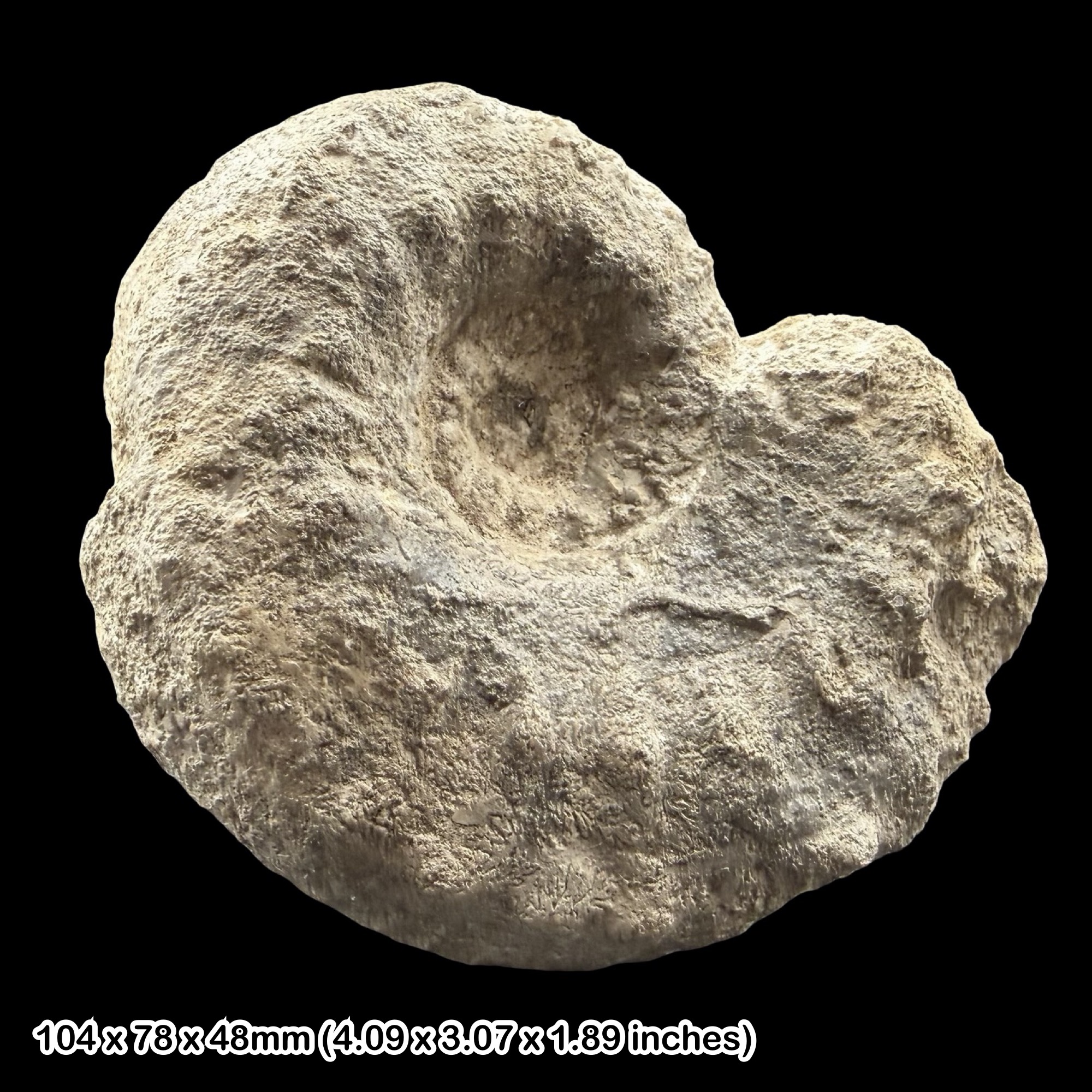
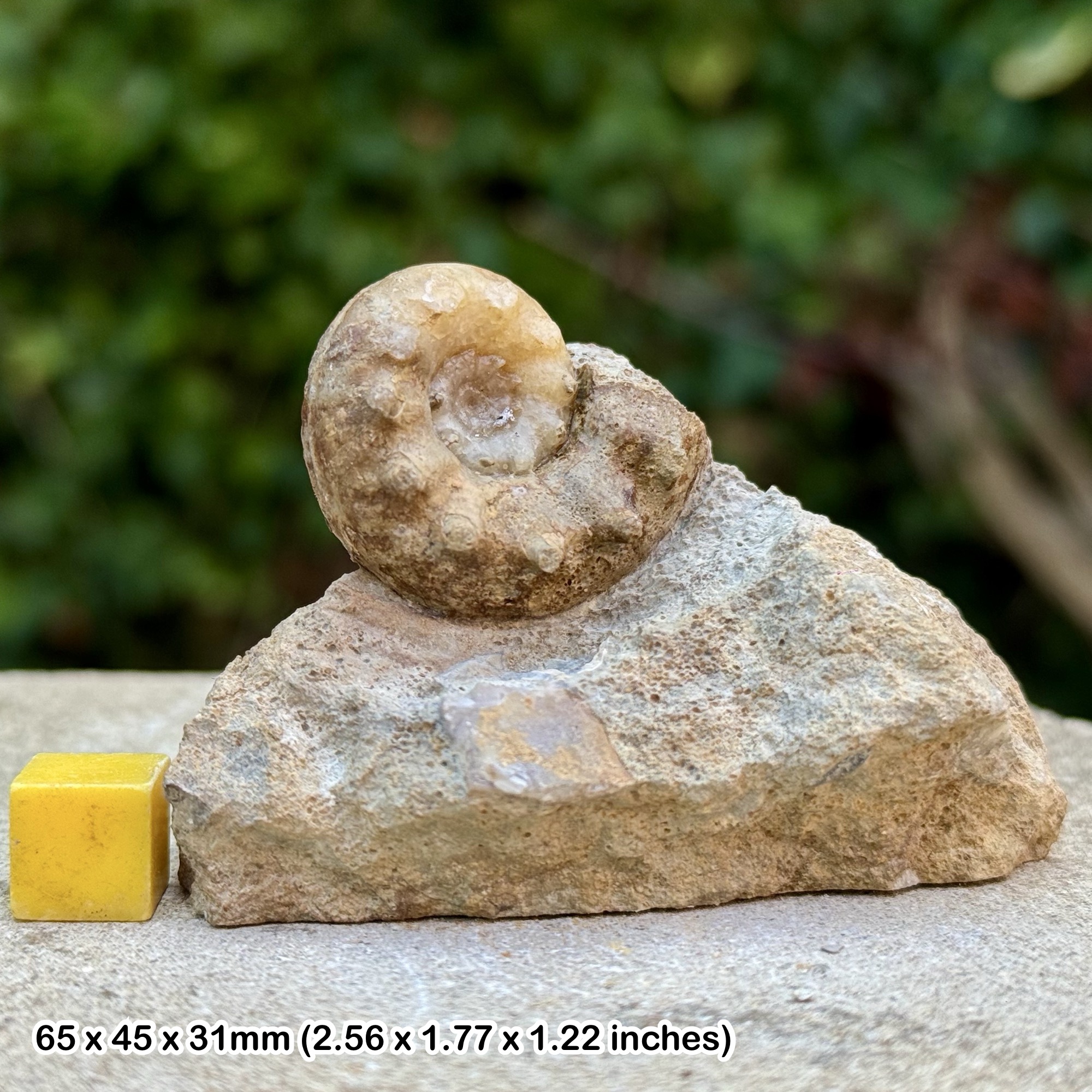
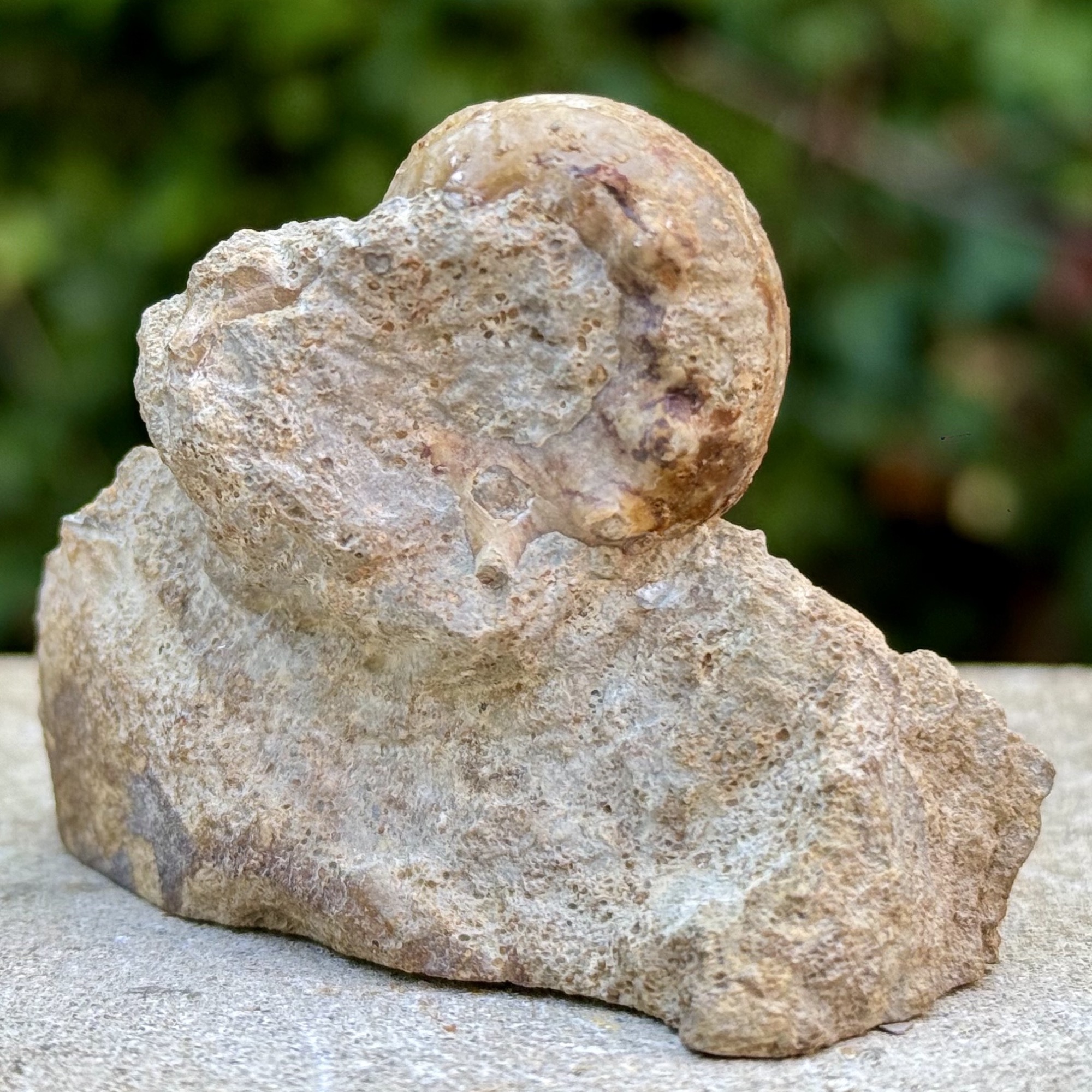
stage of the Middle Jurassic, collected at the historic Frogden Quarry, Sherborne, Dorset, United Kingdom. Dating to around 170 million years ago, this fossil represents a rare and scientifically important ammonite from one of Dorset’s classic localities. The fossil in the photographs is the exact specimen you will receive, with a 1 cm scale cube included for accurate sizing. All of our fossils are 100% genuine and supplied with a Certificate of Authenticity. GEOLOGICAL CONTEXT – FROGDEN QUARRY, DORSETThe specimen originates from the Inferior Oolite Group, exposed at Frogden Quarry, a site long recognised for its abundance of Middle Jurassic ammonites. The Bajocian stage was a period when shallow marine environments dominated southern Britain, with seas connected to the margins of the Tethys Ocean. In these environments, limestones and calcareous mudstones were deposited, creating ideal conditions for the preservation of ammonites and other marine fauna.The ammonite faunas of the Inferior Oolite are crucial to stratigraphic research, as they provide the basis for defining biozones used to correlate Jurassic rocks across Europe. Fossils from Frogden Quarry are particularly important, as they contribute to one of the most detailed zonal frameworks in Jurassic geology. SPECIES OVERVIEW – EUHOPLOCERAS ACANTHODEThis specimen has been identified as Euhoploceras acanthode, a member of the order Ammonitida, superfamily Stephanoceratoidea, and family Stephanoceratidae. Ammonites of this genus are characterised by their robust, evolute shells with coarse ribbing and prominent tubercles or spines along the whorls. These features give Euhoploceras acanthode a distinctive and striking appearance, making it a highly recognisable ammonite.The bold ornamentation of Euhoploceras was likely both functional and adaptive. The strong ribs reinforced the shell, while the tubercles and spines may have offered protection against predators or influenced hydrodynamics. Its morphology indicates a nektonic lifestyle, actively swimming in open marine waters and feeding on smaller invertebrates. PALEONTOLOGICAL IMPORTANCEEuhoploceras acanthode is an important index fossil for the Bajocian stage. Its distinct morphology and relatively narrow stratigraphic range allow paleontologists to use it as a marker species for dating and correlating Jurassic deposits. Specimens like this are key to refining geological timescales and provide valuable insights into ammonite evolution and diversity during the Middle Jurassic.This species also highlights the evolutionary success of the Stephanoceratidae, a group that developed a wide variety of shell morphologies and ornamentations during the Jurassic. The specimen embodies the ecological adaptability that made ammonites one of the most successful marine animals of their time. COLLECTOR’S AND EDUCATIONAL VALUEThis Euhoploceras acanthode ammonite fossil is a rare and desirable specimen for collectors of British Jurassic fossils. Its bold ribbing and tuberculate ornamentation make it both scientifically significant and aesthetically appealing. The provenance from Frogden Quarry in Dorset, a renowned fossil locality, further enhances its value. It is an excellent display piece and also a valuable teaching specimen for illustrating ammonite morphology, stratigraphy, and paleoecology. GUARANTEE OF AUTHENTICITY
• 100% genuine Euhoploceras acanthode ammonite fossil
• Supplied with a Certificate of Authenticity
• The exact specimen shown in the photographs will be sentThis is a rare opportunity to acquire a scientifically important and beautifully preserved Euhoploceras acanthode Ammonite Fossil from the Bajocian of Frogden Quarry, Sherborne, Dorset, UK, a striking specimen from Britain’s Jurassic Coast heritage.
stage of the Middle Jurassic, collected at the historic Frogden Quarry, Sherborne, Dorset, United Kingdom. Dating to around 170 million years ago, this fossil represents a rare and scientifically important ammonite from one of Dorset’s classic localities. The fossil in the photographs is the exact specimen you will receive, with a 1 cm scale cube included for accurate sizing. All of our fossils are 100% genuine and supplied with a Certificate of Authenticity. GEOLOGICAL CONTEXT – FROGDEN QUARRY, DORSETThe specimen originates from the Inferior Oolite Group, exposed at Frogden Quarry, a site long recognised for its abundance of Middle Jurassic ammonites. The Bajocian stage was a period when shallow marine environments dominated southern Britain, with seas connected to the margins of the Tethys Ocean. In these environments, limestones and calcareous mudstones were deposited, creating ideal conditions for the preservation of ammonites and other marine fauna.The ammonite faunas of the Inferior Oolite are crucial to stratigraphic research, as they provide the basis for defining biozones used to correlate Jurassic rocks across Europe. Fossils from Frogden Quarry are particularly important, as they contribute to one of the most detailed zonal frameworks in Jurassic geology. SPECIES OVERVIEW – EUHOPLOCERAS ACANTHODEThis specimen has been identified as Euhoploceras acanthode, a member of the order Ammonitida, superfamily Stephanoceratoidea, and family Stephanoceratidae. Ammonites of this genus are characterised by their robust, evolute shells with coarse ribbing and prominent tubercles or spines along the whorls. These features give Euhoploceras acanthode a distinctive and striking appearance, making it a highly recognisable ammonite.The bold ornamentation of Euhoploceras was likely both functional and adaptive. The strong ribs reinforced the shell, while the tubercles and spines may have offered protection against predators or influenced hydrodynamics. Its morphology indicates a nektonic lifestyle, actively swimming in open marine waters and feeding on smaller invertebrates. PALEONTOLOGICAL IMPORTANCEEuhoploceras acanthode is an important index fossil for the Bajocian stage. Its distinct morphology and relatively narrow stratigraphic range allow paleontologists to use it as a marker species for dating and correlating Jurassic deposits. Specimens like this are key to refining geological timescales and provide valuable insights into ammonite evolution and diversity during the Middle Jurassic.This species also highlights the evolutionary success of the Stephanoceratidae, a group that developed a wide variety of shell morphologies and ornamentations during the Jurassic. The specimen embodies the ecological adaptability that made ammonites one of the most successful marine animals of their time. COLLECTOR’S AND EDUCATIONAL VALUEThis Euhoploceras acanthode ammonite fossil is a rare and desirable specimen for collectors of British Jurassic fossils. Its bold ribbing and tuberculate ornamentation make it both scientifically significant and aesthetically appealing. The provenance from Frogden Quarry in Dorset, a renowned fossil locality, further enhances its value. It is an excellent display piece and also a valuable teaching specimen for illustrating ammonite morphology, stratigraphy, and paleoecology. GUARANTEE OF AUTHENTICITY
• 100% genuine Euhoploceras acanthode ammonite fossil
• Supplied with a Certificate of Authenticity
• The exact specimen shown in the photographs will be sentThis is a rare opportunity to acquire a scientifically important and beautifully preserved Euhoploceras acanthode Ammonite Fossil from the Bajocian of Frogden Quarry, Sherborne, Dorset, UK, a striking specimen from Britain’s Jurassic Coast heritage.
Other Products