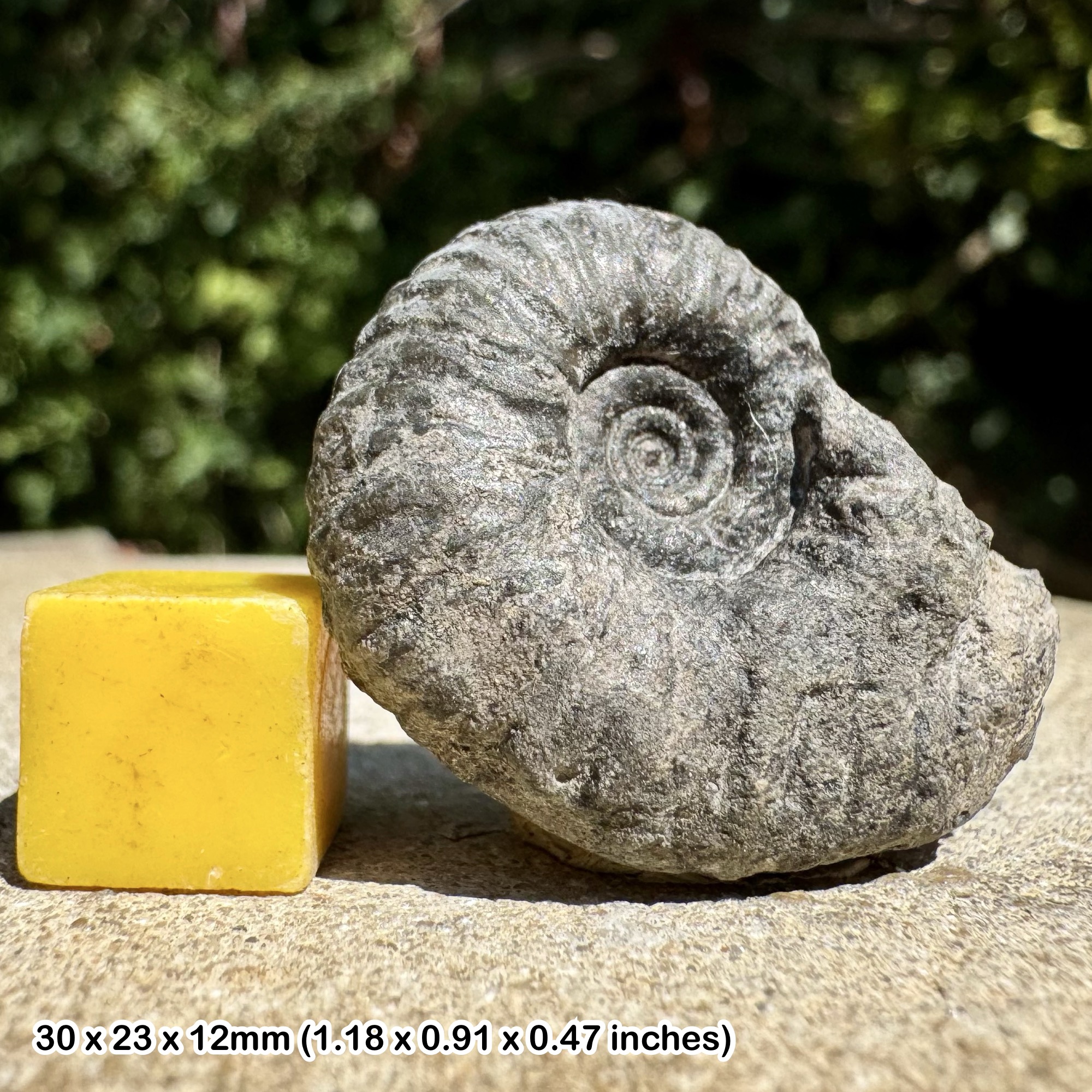
Quenstedtoceras sutherlandiae Fossil Ammonite Upper Callovian Jurassic France Genuine
£ 6.90
GENUINE QUENSTEDTOCERAS SUTHERLANDIAE FOSSIL AMMONITE FROM FRANCEThis is an exceptional Quenstedtoceras sutherlandiae fossil ammonite from the
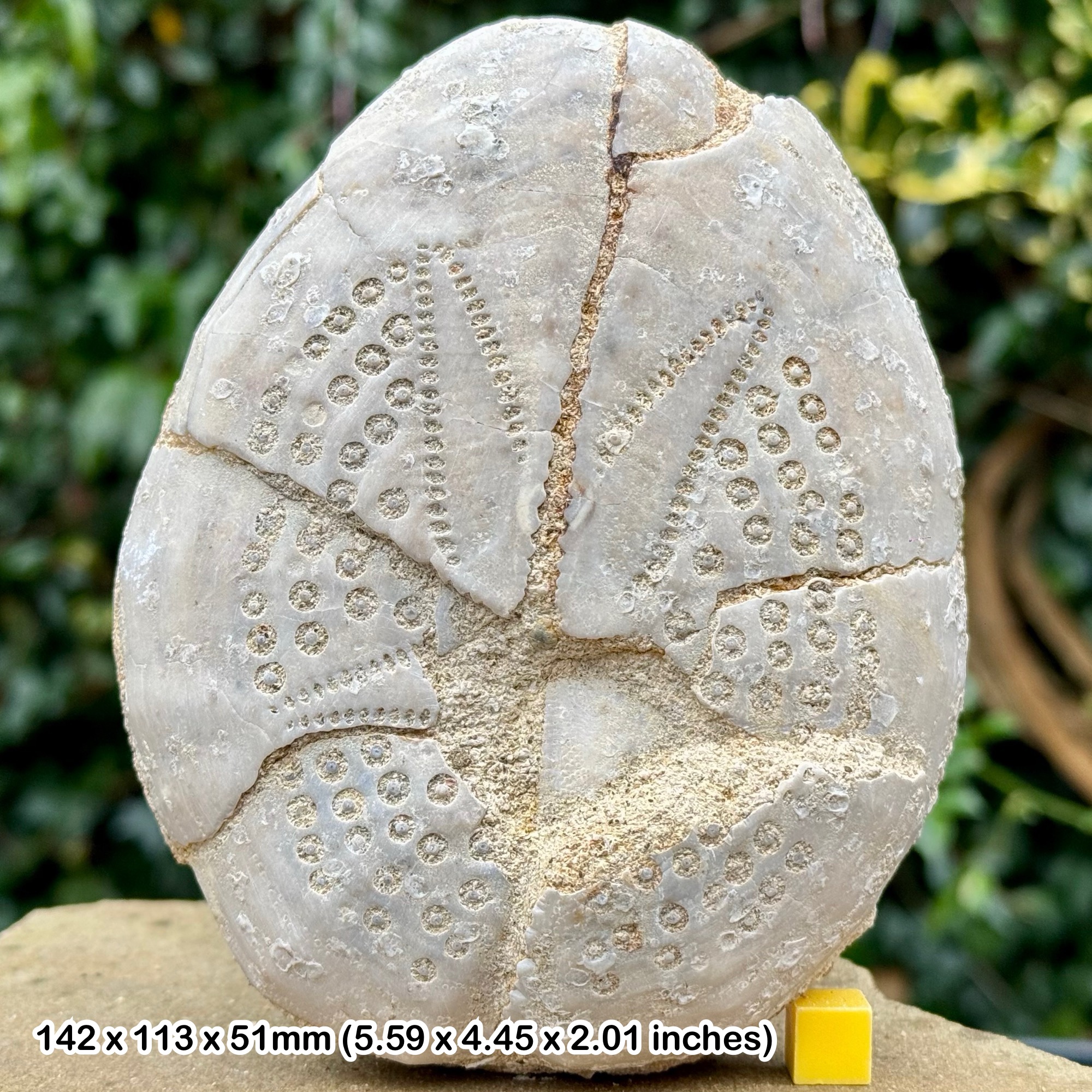
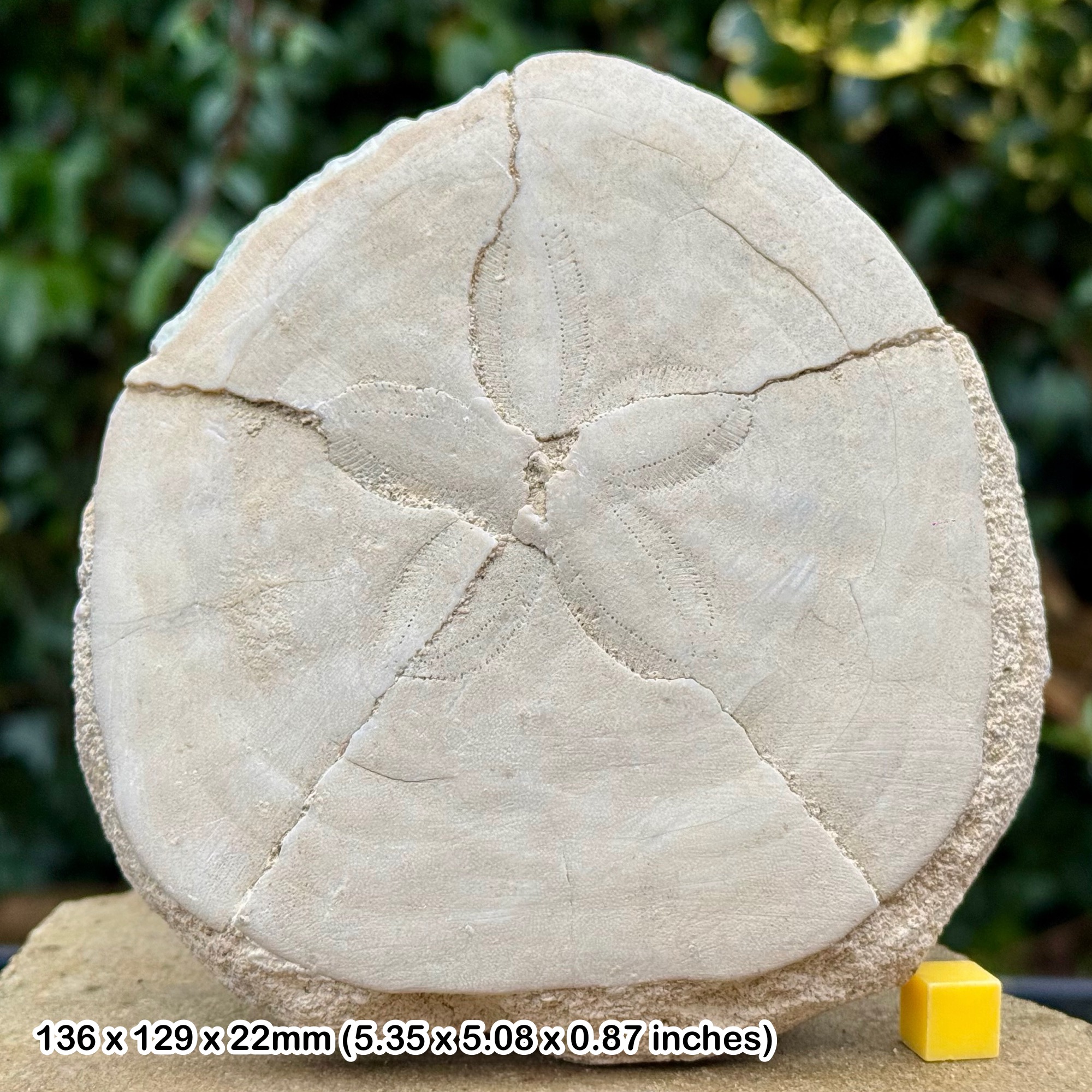
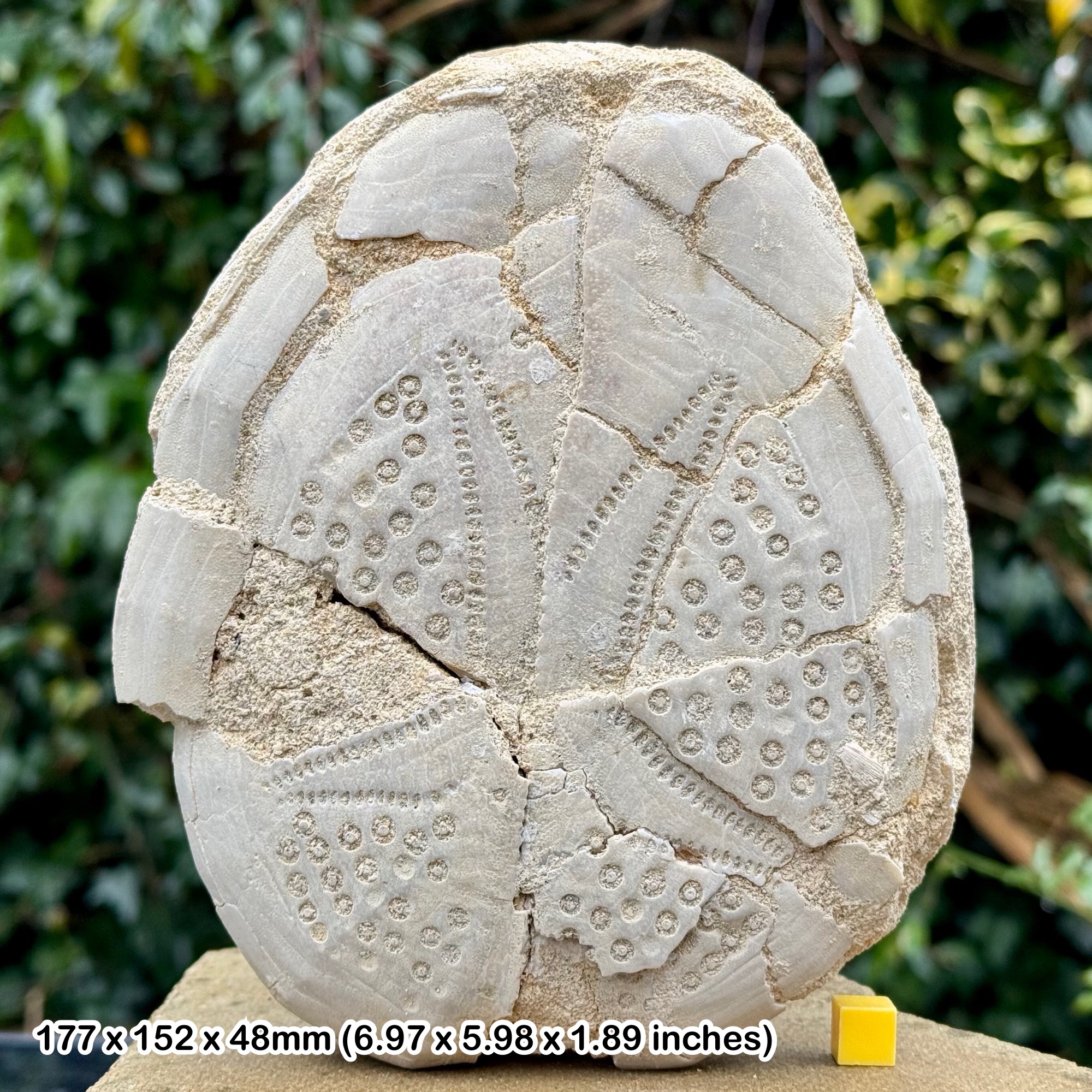
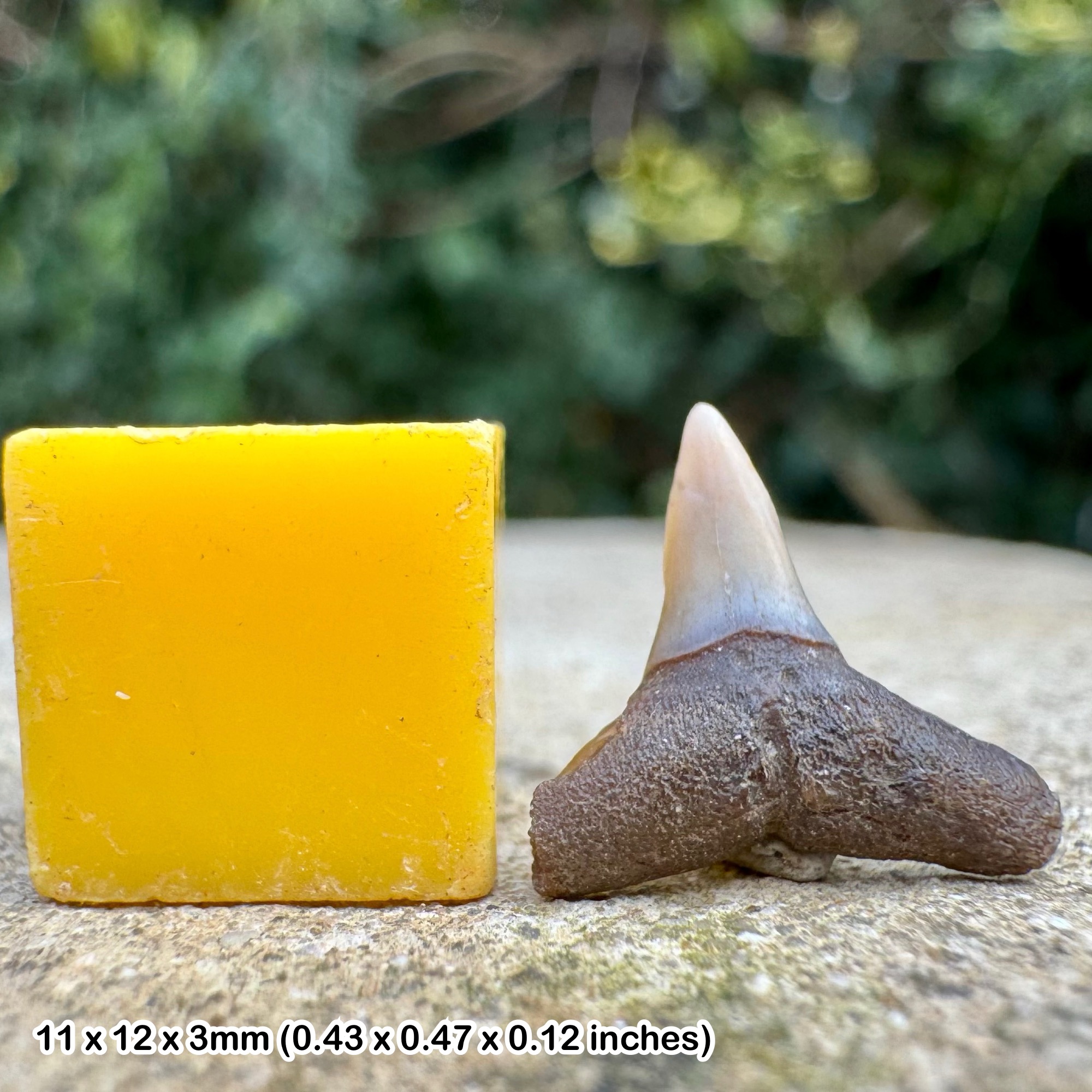
Upper Callovian Stage of the Jurassic Period, collected at Villers-sur-Mer, Calvados, Normandy, France. This locality is world-renowned for its Jurassic coastal exposures, which have yielded beautifully preserved ammonites for centuries. The specimen offered here has been carefully chosen for its scientific interest and striking preservation, making it ideal for collectors, educational purposes, or as a natural history display piece.Every fossil we supply is 100% authentic and accompanied by a Certificate of Authenticity. The photographs provided show the actual ammonite you will receive, with the scale cube set at 1 cm for reference. GEOLOGICAL CONTEXT AND AGEThis ammonite dates to the Upper Callovian Stage of the Jurassic Period, approximately 164–161 million years ago. During this time, the region that is now Normandy was submerged beneath warm, shallow epicontinental seas. These seas provided an ideal environment for ammonites, marine reptiles, bivalves, and other organisms, with fine sediment deposits allowing for exceptional preservation.The Villers-sur-Mer coastal cliffs are part of the famous Jurassic succession of Normandy, which spans several million years of Earth’s history. Fossils from this region not only represent striking natural specimens but also hold scientific importance for understanding the evolution and distribution of marine life during the Jurassic. SCIENTIFIC CLASSIFICATION
• Species: Quenstedtoceras sutherlandiae
• Genus: Quenstedtoceras
• Family: Cardioceratidae
• Superfamily: Stephanoceratoidea
• Order: Ammonitida
• Class: Cephalopoda
• Age: Upper Callovian, Jurassic (~164–161 million years ago)
• Locality: Villers-sur-Mer, Calvados, Normandy, France MORPHOLOGY AND NOTABLE TRAITSQuenstedtoceras sutherlandiae is distinguished by its finely ribbed and evolute shell, with ribs extending across the whorls in a graceful, regular pattern. The whorls are typically compressed, with a sharp keel along the venter, giving the shell a clean, elegant appearance. These diagnostic features make the species easily recognisable and highly desirable among collectors.As a member of the Cardioceratidae family, this ammonite played a vital role as a biostratigraphic marker, with its distribution helping geologists to define and correlate Upper Callovian marine deposits across Europe. Such ammonites are critical in reconstructing Jurassic marine environments and understanding evolutionary changes within the Ammonitida. DEPOSITIONAL ENVIRONMENTThe environment in which this ammonite lived was a warm, shallow marine sea, rich in nutrients and teeming with life. Fine-grained marine clays and silts buried ammonites quickly after death, protecting their shells from erosion and scavenging. This rapid burial preserved their intricate ribbing and shell morphology, creating the high-quality fossil specimens seen today.The ammonites likely lived as active predators and scavengers, using their tentacles to catch small fish, crustaceans, and plankton. Their chambered shells were filled with gas and liquid, allowing them to regulate buoyancy and move efficiently through the Jurassic seas. COLLECTABILITY AND DISPLAY VALUEThis Quenstedtoceras sutherlandiae fossil ammonite from Normandy represents a scientifically important and aesthetically striking specimen. Its strong ribbing, compressed whorls, and classic Jurassic age make it a prized fossil for collectors. As a natural piece of Earth’s history over 160 million years old, it is both a valuable teaching tool and a stunning display fossil.
• Type: Fossil Ammonite – Quenstedtoceras sutherlandiae
• Age: Upper Callovian Stage, Jurassic (~164–161 million years ago)
• Origin: Villers-sur-Mer, Calvados, Normandy, France
• Scale: Rule squares/cube = 1 cm (see photos for accurate sizing)
• Authenticity: 100% genuine specimen, supplied with Certificate of Authenticity
• Guarantee: The fossil photographed is the exact specimen you will receiveThis ammonite is a rare opportunity to own a classic Jurassic fossil from one of France’s most famous fossil localities, making it a true highlight for collectors of natural history.
Upper Callovian Stage of the Jurassic Period, collected at Villers-sur-Mer, Calvados, Normandy, France. This locality is world-renowned for its Jurassic coastal exposures, which have yielded beautifully preserved ammonites for centuries. The specimen offered here has been carefully chosen for its scientific interest and striking preservation, making it ideal for collectors, educational purposes, or as a natural history display piece.Every fossil we supply is 100% authentic and accompanied by a Certificate of Authenticity. The photographs provided show the actual ammonite you will receive, with the scale cube set at 1 cm for reference. GEOLOGICAL CONTEXT AND AGEThis ammonite dates to the Upper Callovian Stage of the Jurassic Period, approximately 164–161 million years ago. During this time, the region that is now Normandy was submerged beneath warm, shallow epicontinental seas. These seas provided an ideal environment for ammonites, marine reptiles, bivalves, and other organisms, with fine sediment deposits allowing for exceptional preservation.The Villers-sur-Mer coastal cliffs are part of the famous Jurassic succession of Normandy, which spans several million years of Earth’s history. Fossils from this region not only represent striking natural specimens but also hold scientific importance for understanding the evolution and distribution of marine life during the Jurassic. SCIENTIFIC CLASSIFICATION
• Species: Quenstedtoceras sutherlandiae
• Genus: Quenstedtoceras
• Family: Cardioceratidae
• Superfamily: Stephanoceratoidea
• Order: Ammonitida
• Class: Cephalopoda
• Age: Upper Callovian, Jurassic (~164–161 million years ago)
• Locality: Villers-sur-Mer, Calvados, Normandy, France MORPHOLOGY AND NOTABLE TRAITSQuenstedtoceras sutherlandiae is distinguished by its finely ribbed and evolute shell, with ribs extending across the whorls in a graceful, regular pattern. The whorls are typically compressed, with a sharp keel along the venter, giving the shell a clean, elegant appearance. These diagnostic features make the species easily recognisable and highly desirable among collectors.As a member of the Cardioceratidae family, this ammonite played a vital role as a biostratigraphic marker, with its distribution helping geologists to define and correlate Upper Callovian marine deposits across Europe. Such ammonites are critical in reconstructing Jurassic marine environments and understanding evolutionary changes within the Ammonitida. DEPOSITIONAL ENVIRONMENTThe environment in which this ammonite lived was a warm, shallow marine sea, rich in nutrients and teeming with life. Fine-grained marine clays and silts buried ammonites quickly after death, protecting their shells from erosion and scavenging. This rapid burial preserved their intricate ribbing and shell morphology, creating the high-quality fossil specimens seen today.The ammonites likely lived as active predators and scavengers, using their tentacles to catch small fish, crustaceans, and plankton. Their chambered shells were filled with gas and liquid, allowing them to regulate buoyancy and move efficiently through the Jurassic seas. COLLECTABILITY AND DISPLAY VALUEThis Quenstedtoceras sutherlandiae fossil ammonite from Normandy represents a scientifically important and aesthetically striking specimen. Its strong ribbing, compressed whorls, and classic Jurassic age make it a prized fossil for collectors. As a natural piece of Earth’s history over 160 million years old, it is both a valuable teaching tool and a stunning display fossil.
• Type: Fossil Ammonite – Quenstedtoceras sutherlandiae
• Age: Upper Callovian Stage, Jurassic (~164–161 million years ago)
• Origin: Villers-sur-Mer, Calvados, Normandy, France
• Scale: Rule squares/cube = 1 cm (see photos for accurate sizing)
• Authenticity: 100% genuine specimen, supplied with Certificate of Authenticity
• Guarantee: The fossil photographed is the exact specimen you will receiveThis ammonite is a rare opportunity to own a classic Jurassic fossil from one of France’s most famous fossil localities, making it a true highlight for collectors of natural history.
Other Products