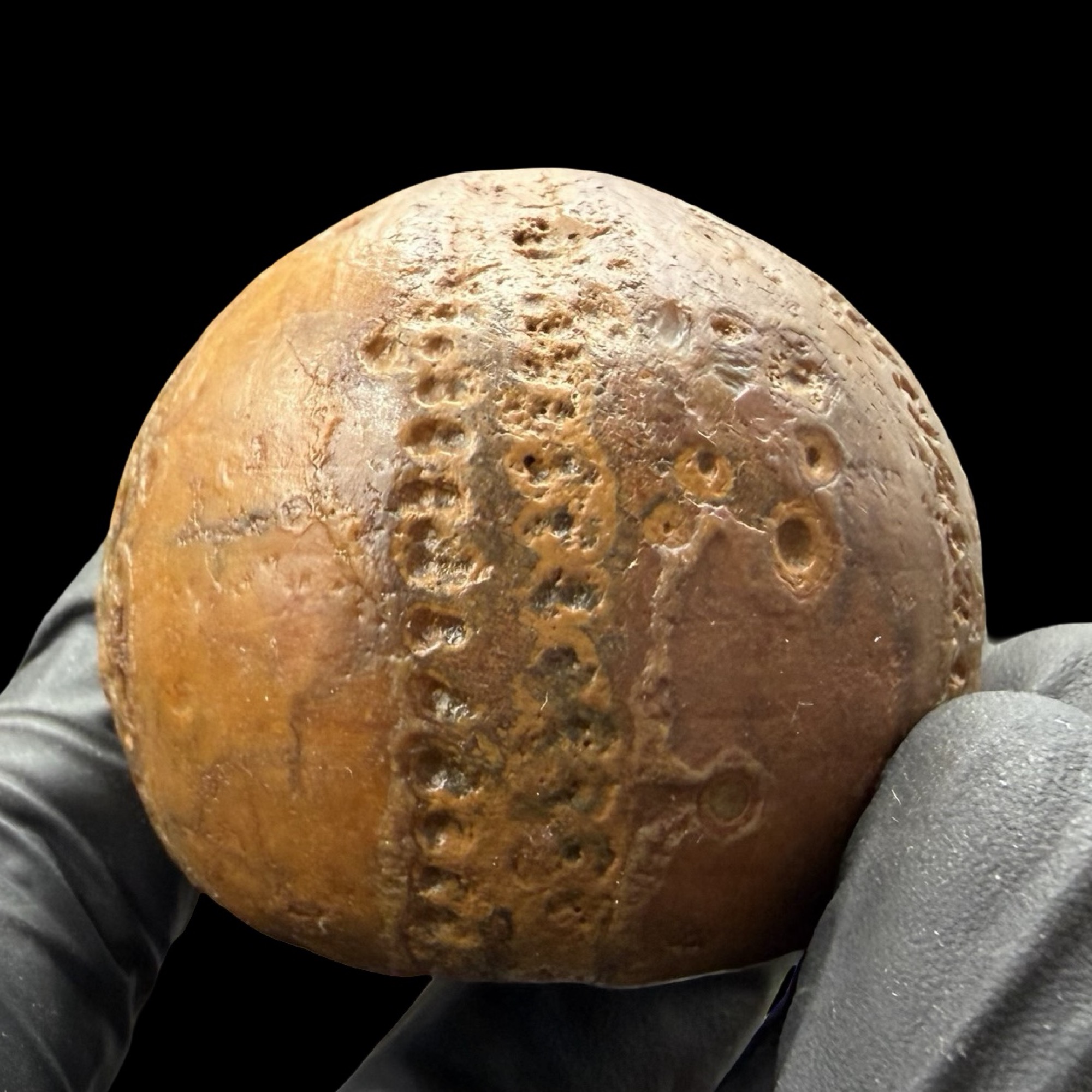
Flint Echinoid Fossil Cretaceous UK Sea Urchin Fossil Genuine Specimen with Certificate
£ 36.00
GENUINE FLINT ECHINOID FOSSIL FROM THE CRETACEOUS OF THE UNITED KINGDOMThis genuine Flint Echinoid fossil is a fascinating prehistoric marine specimen
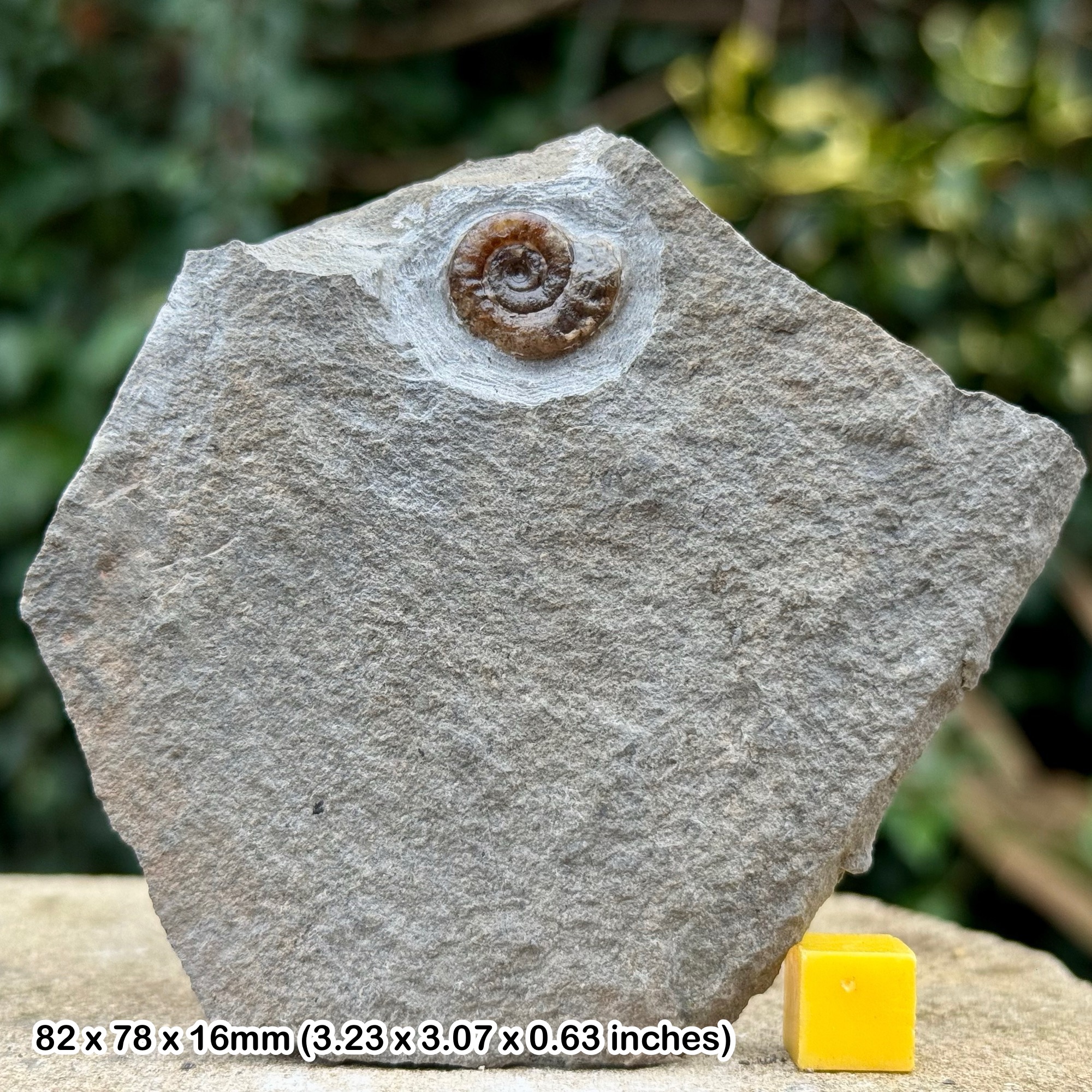
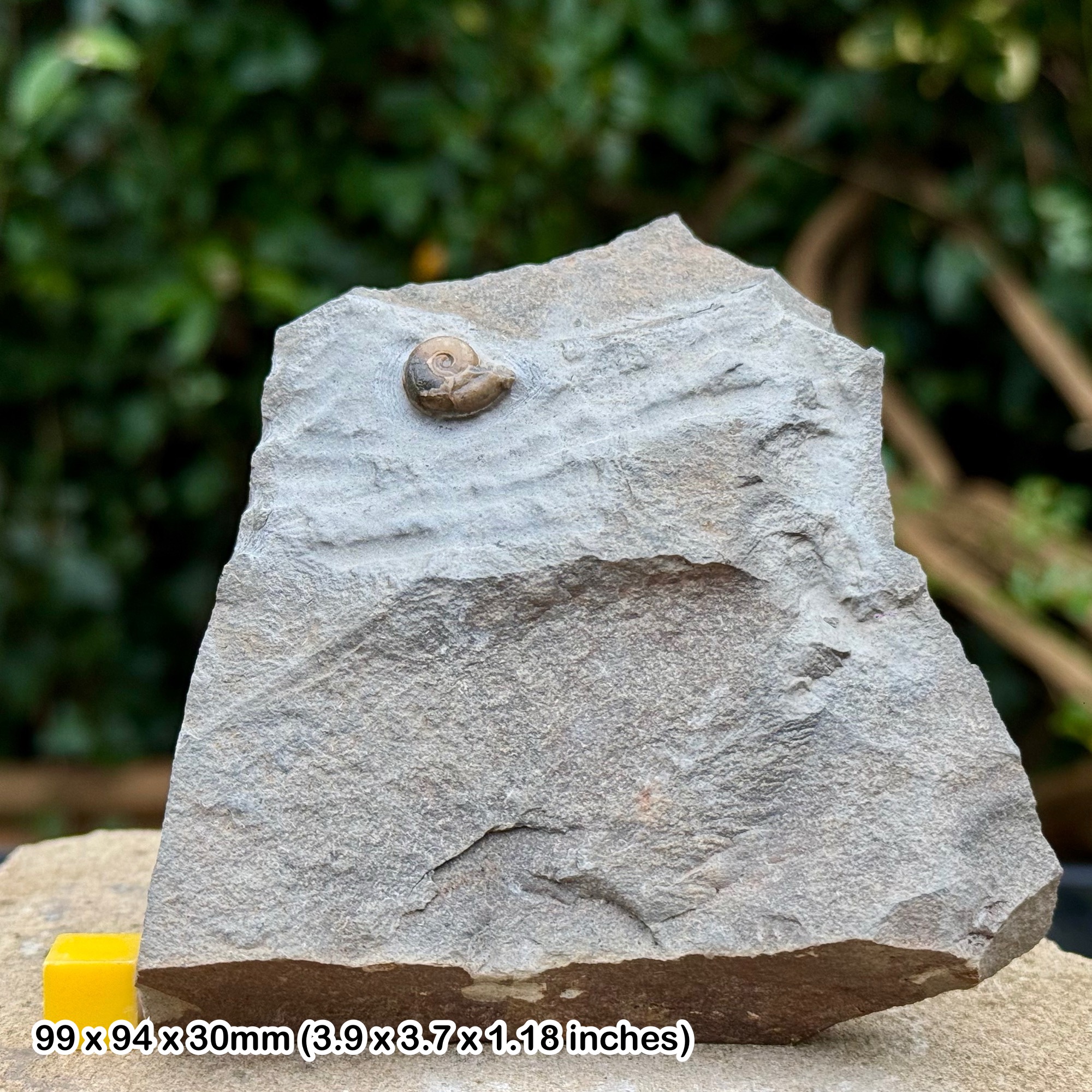
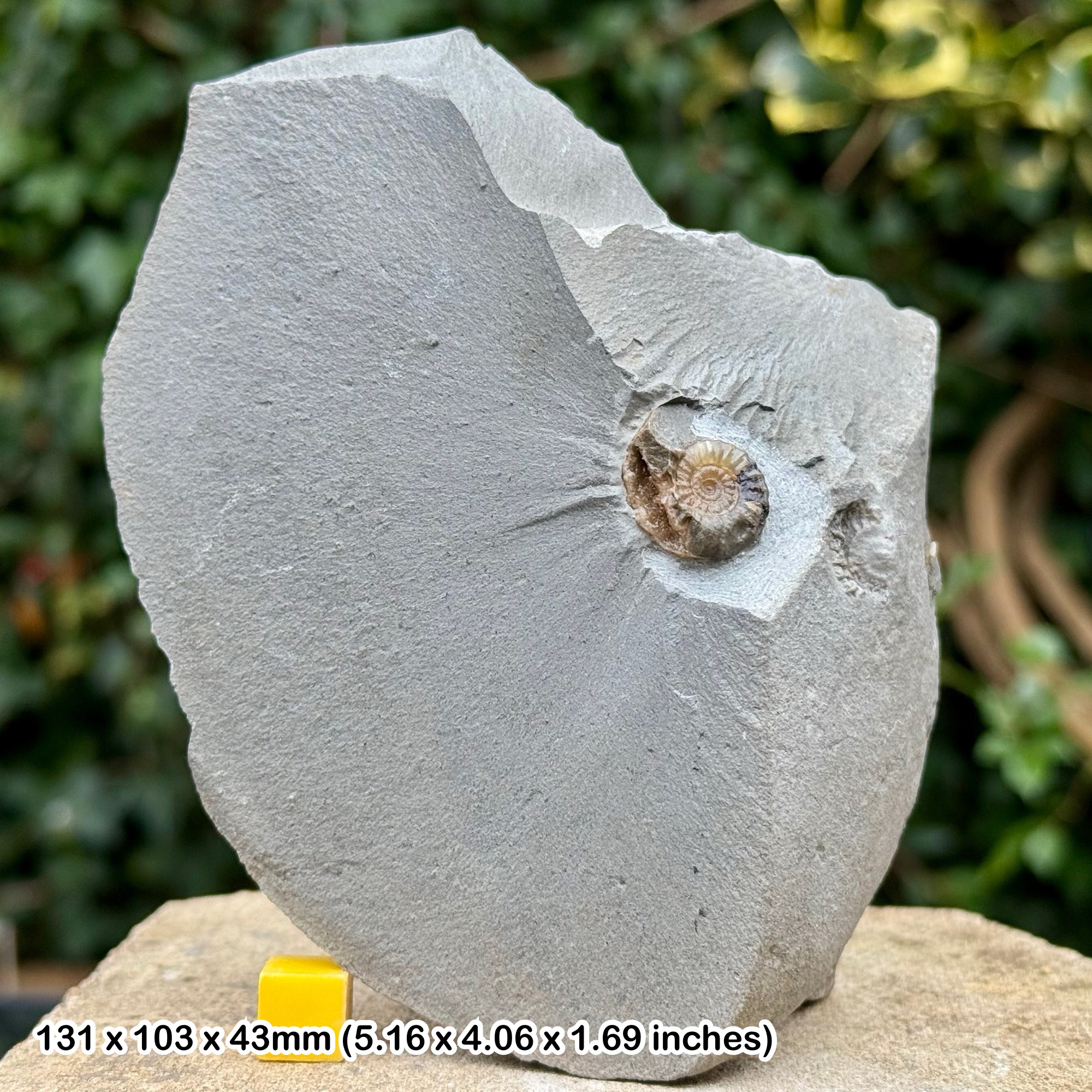
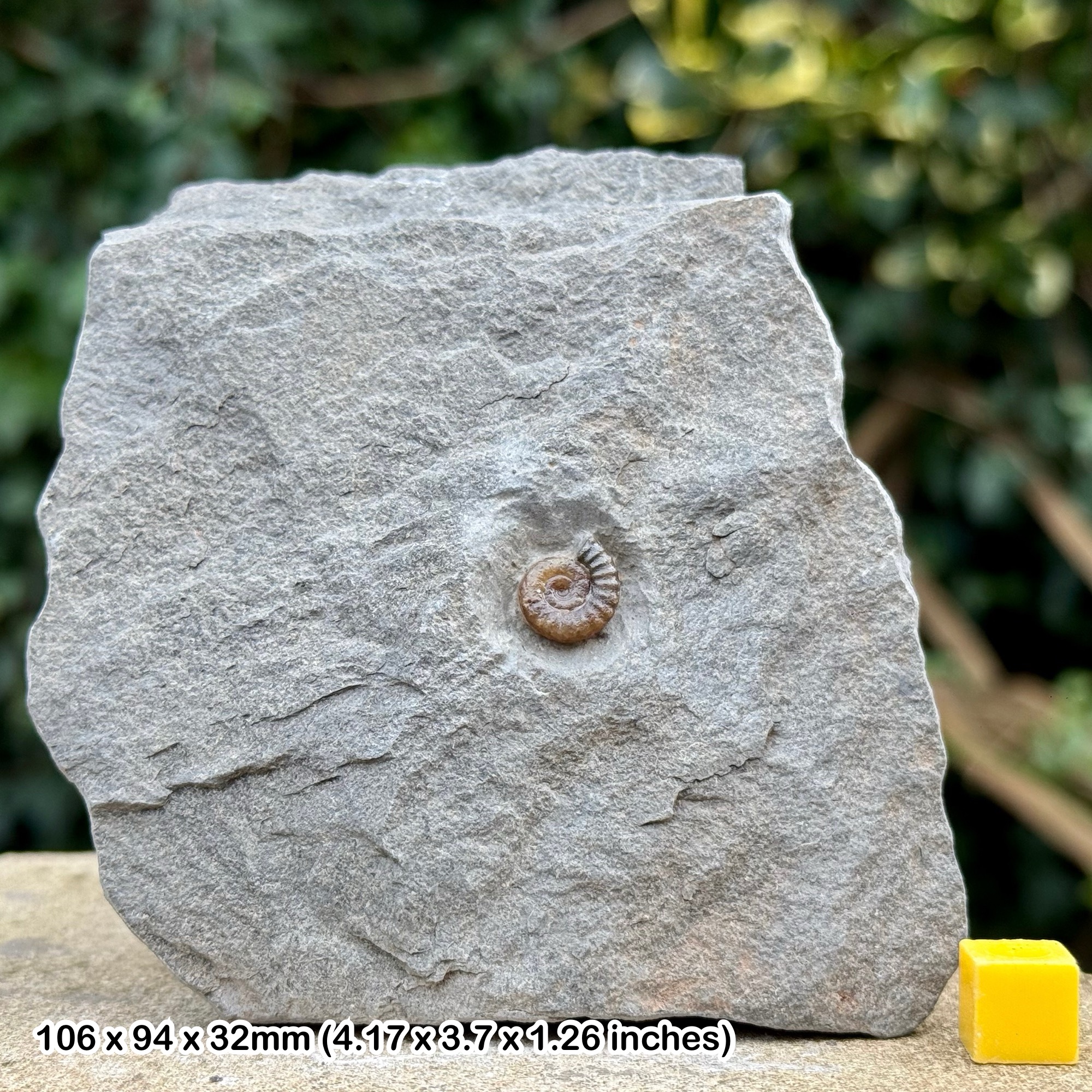
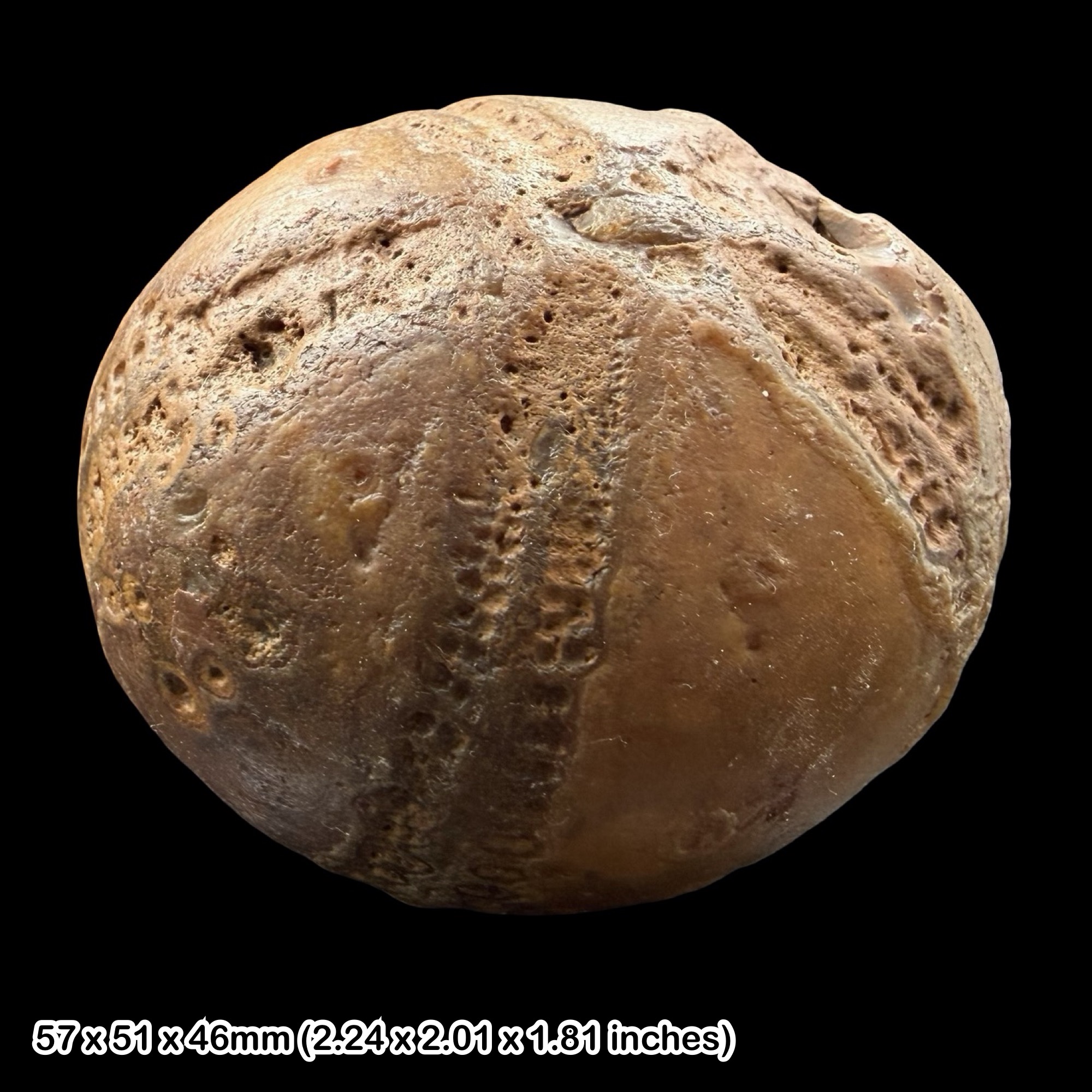
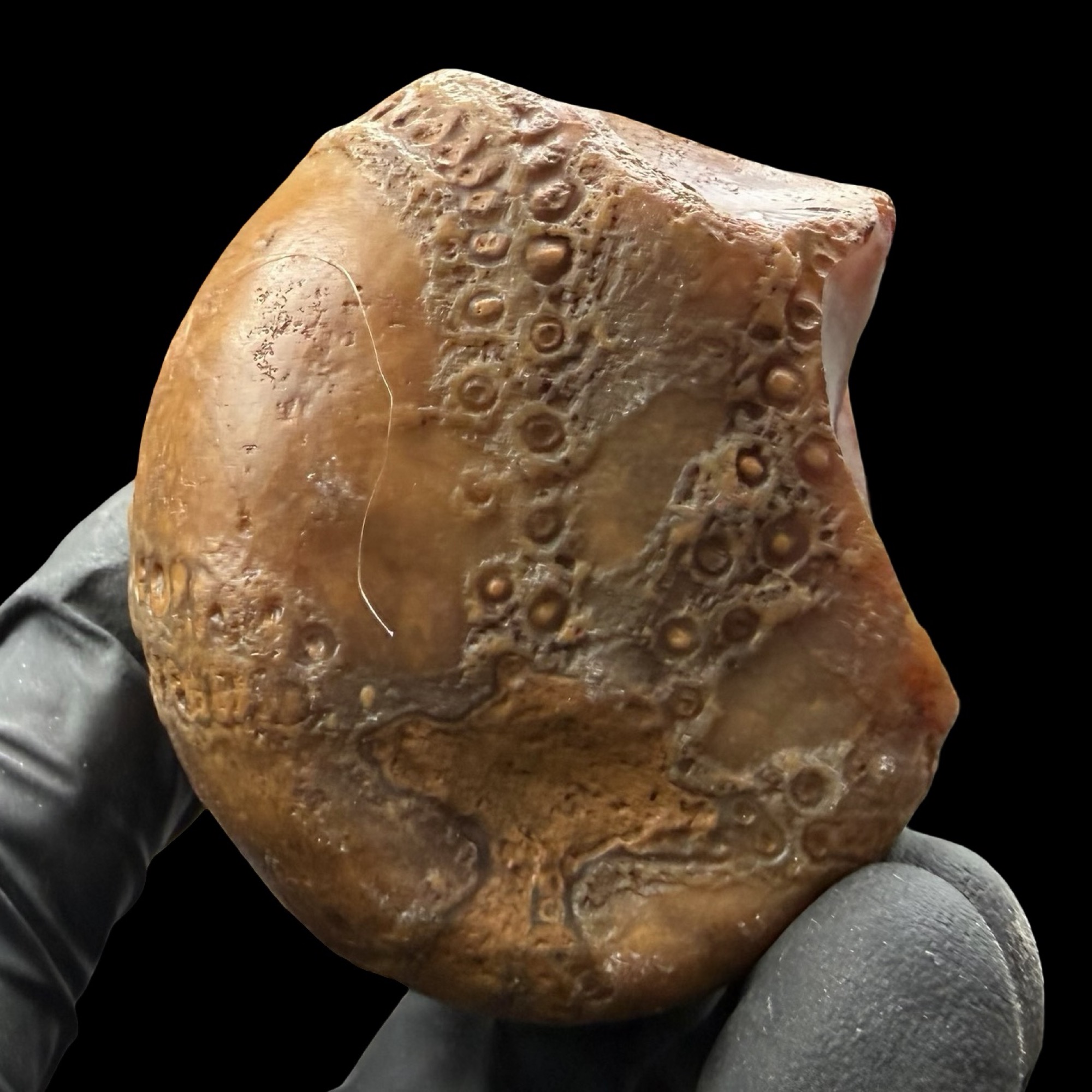
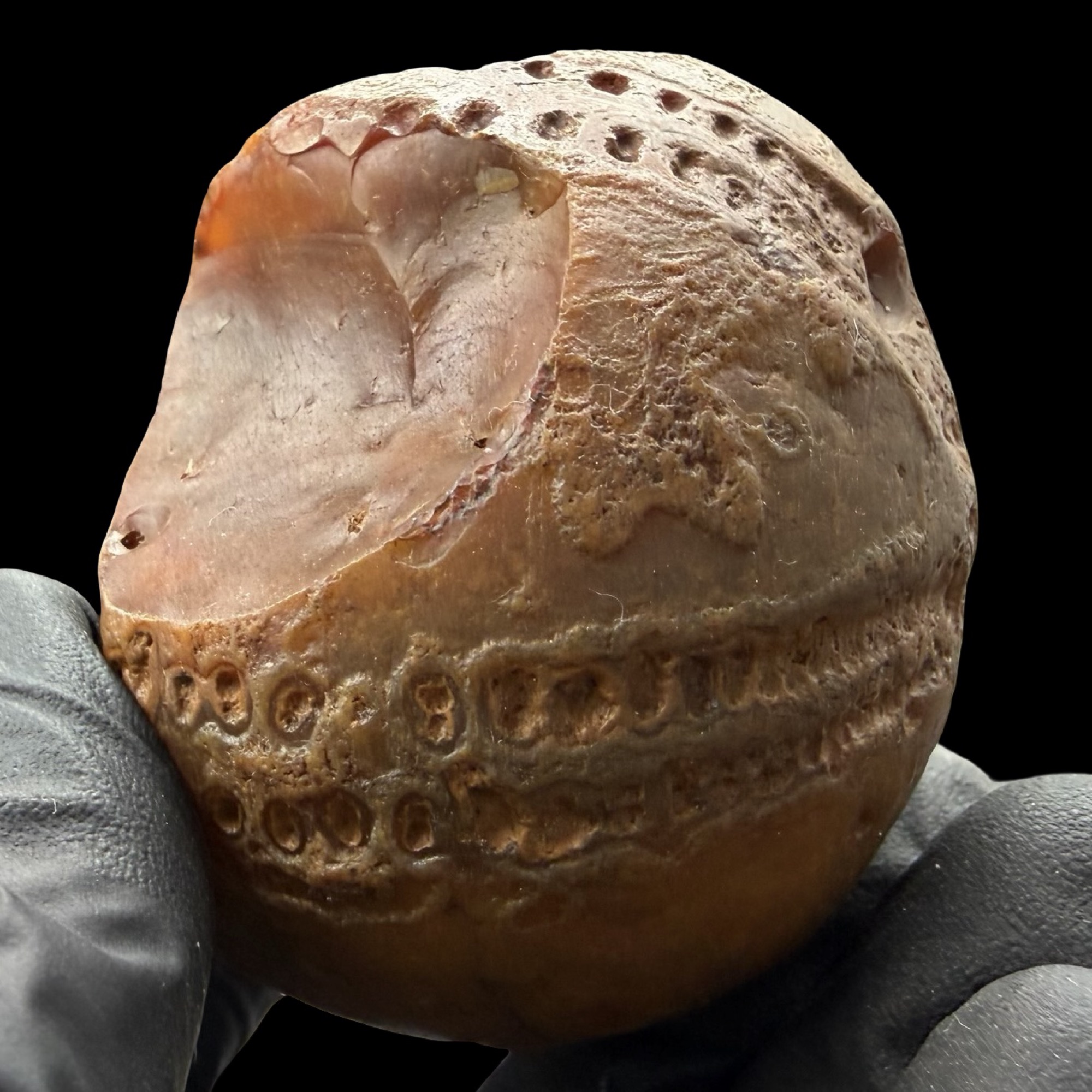
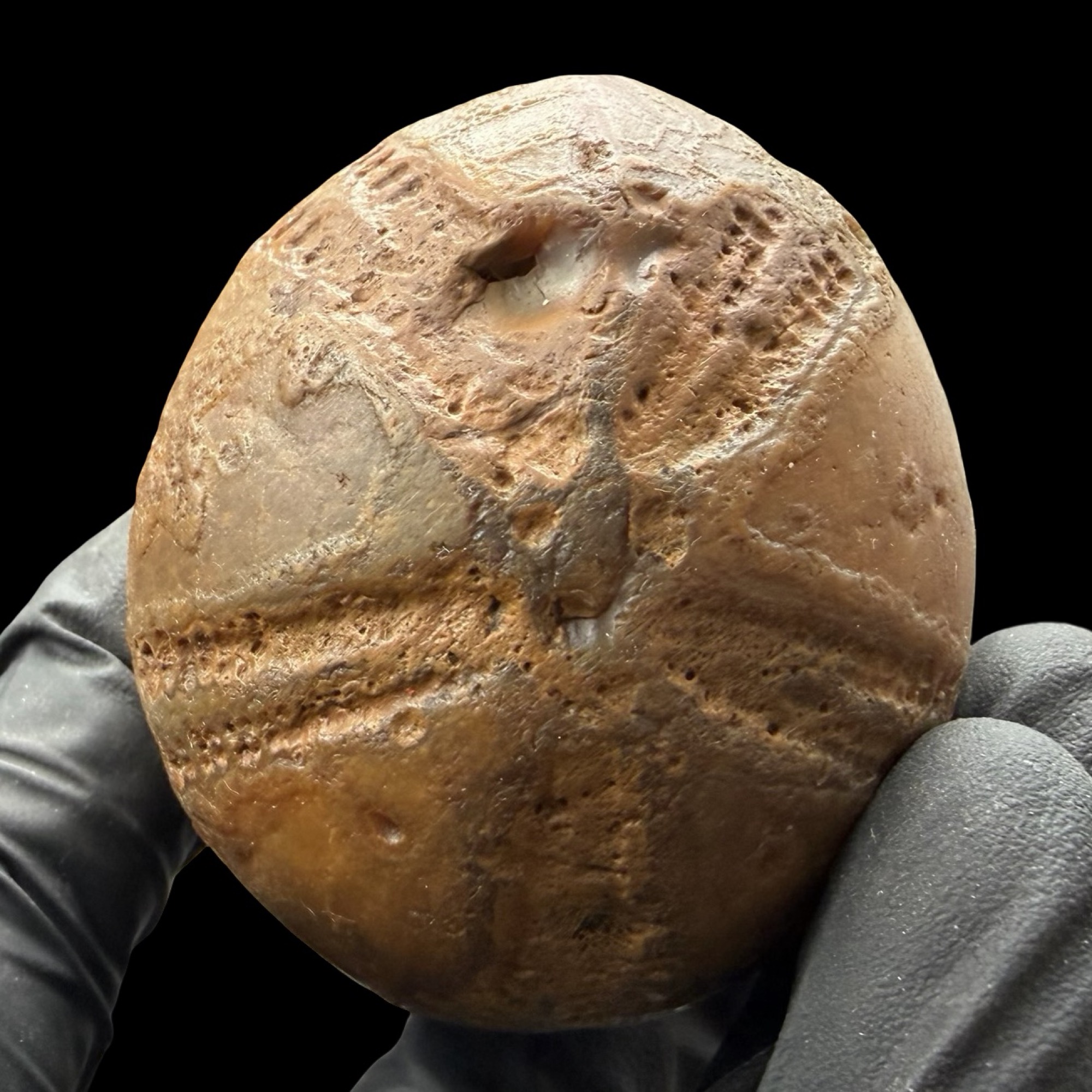
originating from Cretaceous deposits within the United Kingdom. Preserved naturally within flint formed millions of years ago beneath ancient seas, this fossil captures the remains of an extinct echinoid, commonly known as a sea urchin, preserved in remarkable geological detail.The specimen shown in the photographs is the exact fossil you will receive. Carefully selected for its quality, natural preservation and visual appeal, this fossil provides a direct connection to the marine ecosystems that covered much of prehistoric Britain during the Cretaceous period.This fossil includes a Certificate of Authenticity lifetime guarantee generic card confirming the specimen is 100% genuine.Full sizing please see photo. ABOUT ECHINOIDSEchinoids are marine invertebrates belonging to the phylum Echinodermata, making them relatives of modern sea urchins and starfish. These animals possessed rigid external skeletons known as tests, composed of tightly interlocking calcite plates that protected the soft-bodied organism living inside.Cretaceous echinoids inhabited shallow tropical seas where they lived on or within soft seabeds feeding on organic material, algae and microscopic particles. Many species developed highly symmetrical rounded shells with intricate surface patterns formed by rows of tubercles and ambulacral plates.Fossilised echinoids are highly prized due to their distinctive shape and often exceptional preservation. Depending on the species and preservation quality, specimens may display details of the original plate structure, feeding area and surface ornamentation.This flint-preserved specimen demonstrates the natural fossilisation processes that occurred when silica-rich sediments formed around or replaced the original skeletal material during geological burial. FLINT FORMATION AND CRETACEOUS GEOLOGYDuring the Cretaceous period, approximately 145 to 66 million years ago, much of what is now the United Kingdom was submerged beneath warm shallow seas rich in marine life. Thick chalk deposits accumulated from microscopic marine organisms settling onto the sea floor over millions of years.Within these chalk deposits, flint nodules gradually formed through the movement and concentration of dissolved silica. Organic remains such as echinoids, sponges and shells often acted as centres for flint formation, allowing fossils to become preserved within dense silica-rich nodules.The resulting flint fossils are exceptionally durable and frequently preserve delicate structures that might otherwise have been destroyed through erosion or weathering. Flint-preserved echinoids are particularly popular among collectors due to the attractive contrast between the dark flint matrix and the lighter fossil material.The Cretaceous chalk and flint formations of southern and eastern Britain are internationally recognised for producing a wide range of beautifully preserved marine fossils. NATURAL PRESERVATION AND FOSSIL FEATURESThis specimen retains authentic natural preservation and has not been artificially replicated or reconstructed. The fossil remains preserved within the flint developed naturally through millions of years of geological processes.Visible textures, surface patterns and mineralisation reflect the original biological structure of the echinoid and the conditions present during fossilisation. Variations in colour and texture are genuine features created by natural mineral deposition and silica replacement.The dense flint matrix also provides excellent protection for the fossil, making specimens such as this highly durable and suitable for long-term display or educational collections. SCIENTIFIC AND COLLECTABLE IMPORTANCEEchinoid fossils are important indicators of ancient marine environments and provide valuable evidence about prehistoric seabed conditions, water depth and marine biodiversity during the Cretaceous period.Flint echinoids from the United Kingdom are especially desirable because they combine geological beauty with scientifically significant fossil preservation. Their recognisable form and historical association with British chalk deposits make them excellent additions to fossil collections, geology displays and educational exhibits.This specimen is ideal for collectors of echinoid fossils, sea urchin fossils, British fossils, chalk fossils, flint fossils and authentic prehistoric marine specimens. CERTIFICATE OF AUTHENTICITYIncluded with the fossil is a Certificate of Authenticity lifetime guarantee generic card confirming that the specimen is genuine. The photographs provided show the exact fossil you will receive, allowing collectors and buyers to purchase with complete confidence.
originating from Cretaceous deposits within the United Kingdom. Preserved naturally within flint formed millions of years ago beneath ancient seas, this fossil captures the remains of an extinct echinoid, commonly known as a sea urchin, preserved in remarkable geological detail.The specimen shown in the photographs is the exact fossil you will receive. Carefully selected for its quality, natural preservation and visual appeal, this fossil provides a direct connection to the marine ecosystems that covered much of prehistoric Britain during the Cretaceous period.This fossil includes a Certificate of Authenticity lifetime guarantee generic card confirming the specimen is 100% genuine.Full sizing please see photo. ABOUT ECHINOIDSEchinoids are marine invertebrates belonging to the phylum Echinodermata, making them relatives of modern sea urchins and starfish. These animals possessed rigid external skeletons known as tests, composed of tightly interlocking calcite plates that protected the soft-bodied organism living inside.Cretaceous echinoids inhabited shallow tropical seas where they lived on or within soft seabeds feeding on organic material, algae and microscopic particles. Many species developed highly symmetrical rounded shells with intricate surface patterns formed by rows of tubercles and ambulacral plates.Fossilised echinoids are highly prized due to their distinctive shape and often exceptional preservation. Depending on the species and preservation quality, specimens may display details of the original plate structure, feeding area and surface ornamentation.This flint-preserved specimen demonstrates the natural fossilisation processes that occurred when silica-rich sediments formed around or replaced the original skeletal material during geological burial. FLINT FORMATION AND CRETACEOUS GEOLOGYDuring the Cretaceous period, approximately 145 to 66 million years ago, much of what is now the United Kingdom was submerged beneath warm shallow seas rich in marine life. Thick chalk deposits accumulated from microscopic marine organisms settling onto the sea floor over millions of years.Within these chalk deposits, flint nodules gradually formed through the movement and concentration of dissolved silica. Organic remains such as echinoids, sponges and shells often acted as centres for flint formation, allowing fossils to become preserved within dense silica-rich nodules.The resulting flint fossils are exceptionally durable and frequently preserve delicate structures that might otherwise have been destroyed through erosion or weathering. Flint-preserved echinoids are particularly popular among collectors due to the attractive contrast between the dark flint matrix and the lighter fossil material.The Cretaceous chalk and flint formations of southern and eastern Britain are internationally recognised for producing a wide range of beautifully preserved marine fossils. NATURAL PRESERVATION AND FOSSIL FEATURESThis specimen retains authentic natural preservation and has not been artificially replicated or reconstructed. The fossil remains preserved within the flint developed naturally through millions of years of geological processes.Visible textures, surface patterns and mineralisation reflect the original biological structure of the echinoid and the conditions present during fossilisation. Variations in colour and texture are genuine features created by natural mineral deposition and silica replacement.The dense flint matrix also provides excellent protection for the fossil, making specimens such as this highly durable and suitable for long-term display or educational collections. SCIENTIFIC AND COLLECTABLE IMPORTANCEEchinoid fossils are important indicators of ancient marine environments and provide valuable evidence about prehistoric seabed conditions, water depth and marine biodiversity during the Cretaceous period.Flint echinoids from the United Kingdom are especially desirable because they combine geological beauty with scientifically significant fossil preservation. Their recognisable form and historical association with British chalk deposits make them excellent additions to fossil collections, geology displays and educational exhibits.This specimen is ideal for collectors of echinoid fossils, sea urchin fossils, British fossils, chalk fossils, flint fossils and authentic prehistoric marine specimens. CERTIFICATE OF AUTHENTICITYIncluded with the fossil is a Certificate of Authenticity lifetime guarantee generic card confirming that the specimen is genuine. The photographs provided show the exact fossil you will receive, allowing collectors and buyers to purchase with complete confidence.
Other Products