Hematite Palm Stone Genuine Polished Iron Ore Crystal Mineral Display Stone with Certificate of Authenticity
£ 12.60
GENUINE HEMATITE PALM STONE MINERAL SPECIMENThis genuine Hematite Palm Stone is a beautifully polished natural mineral
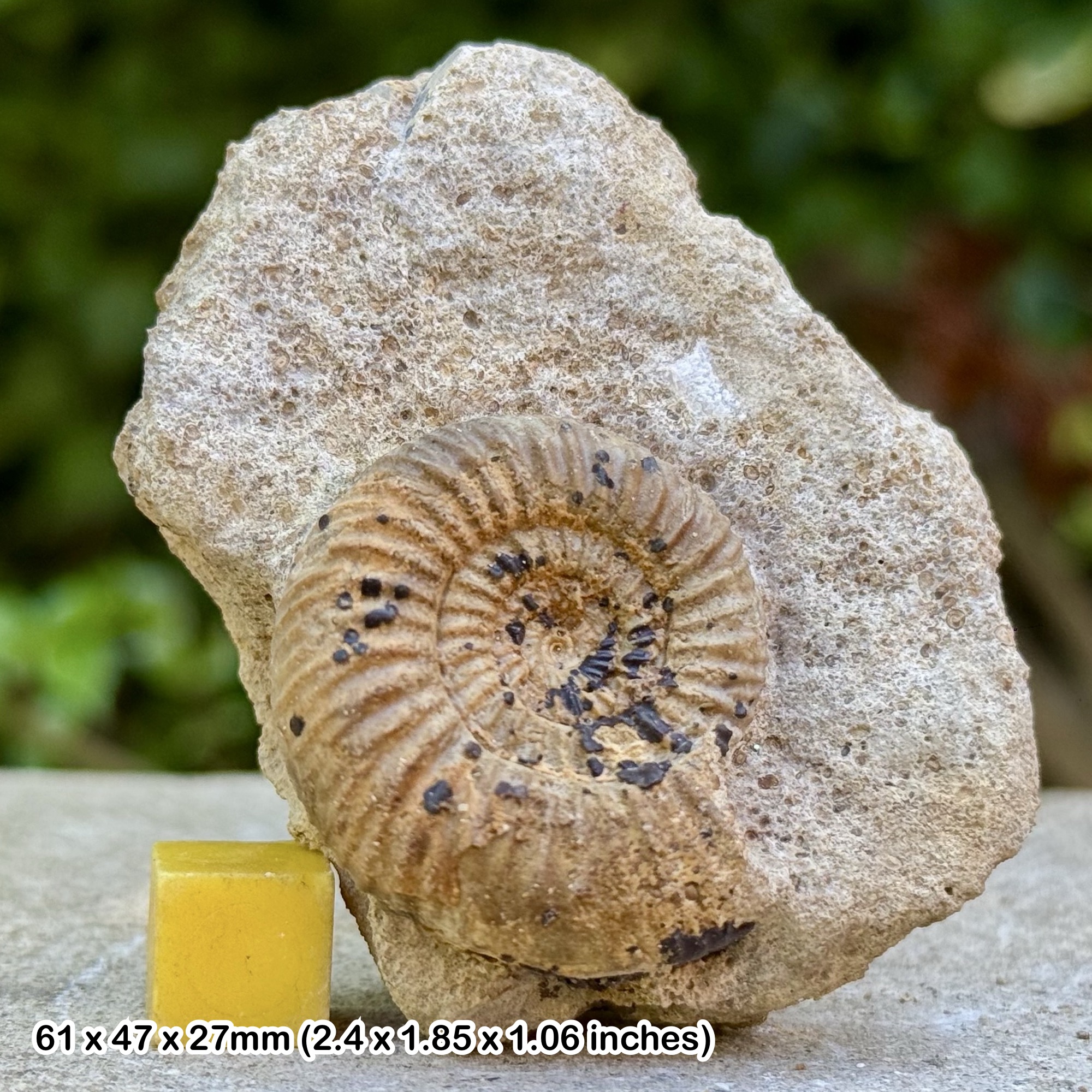
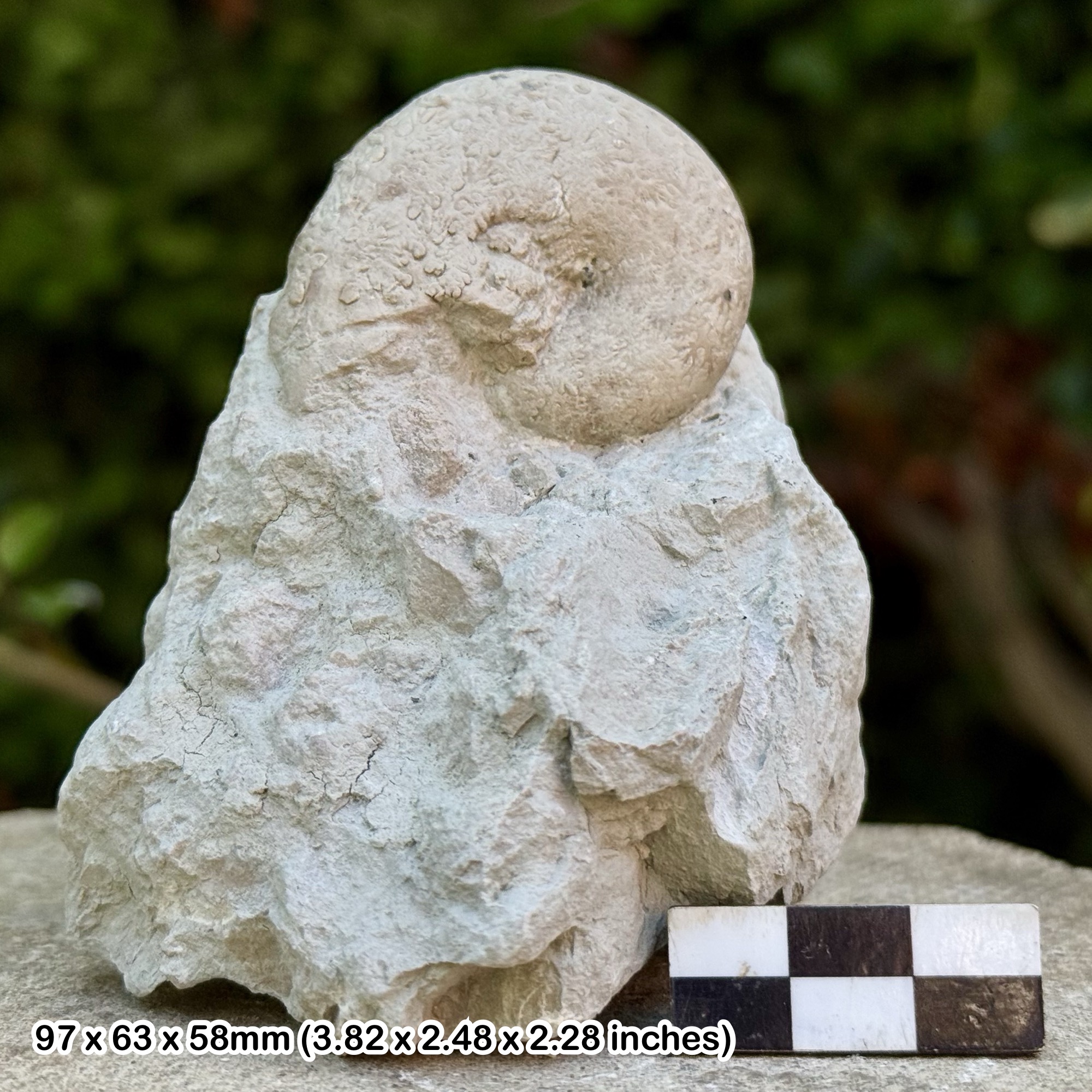
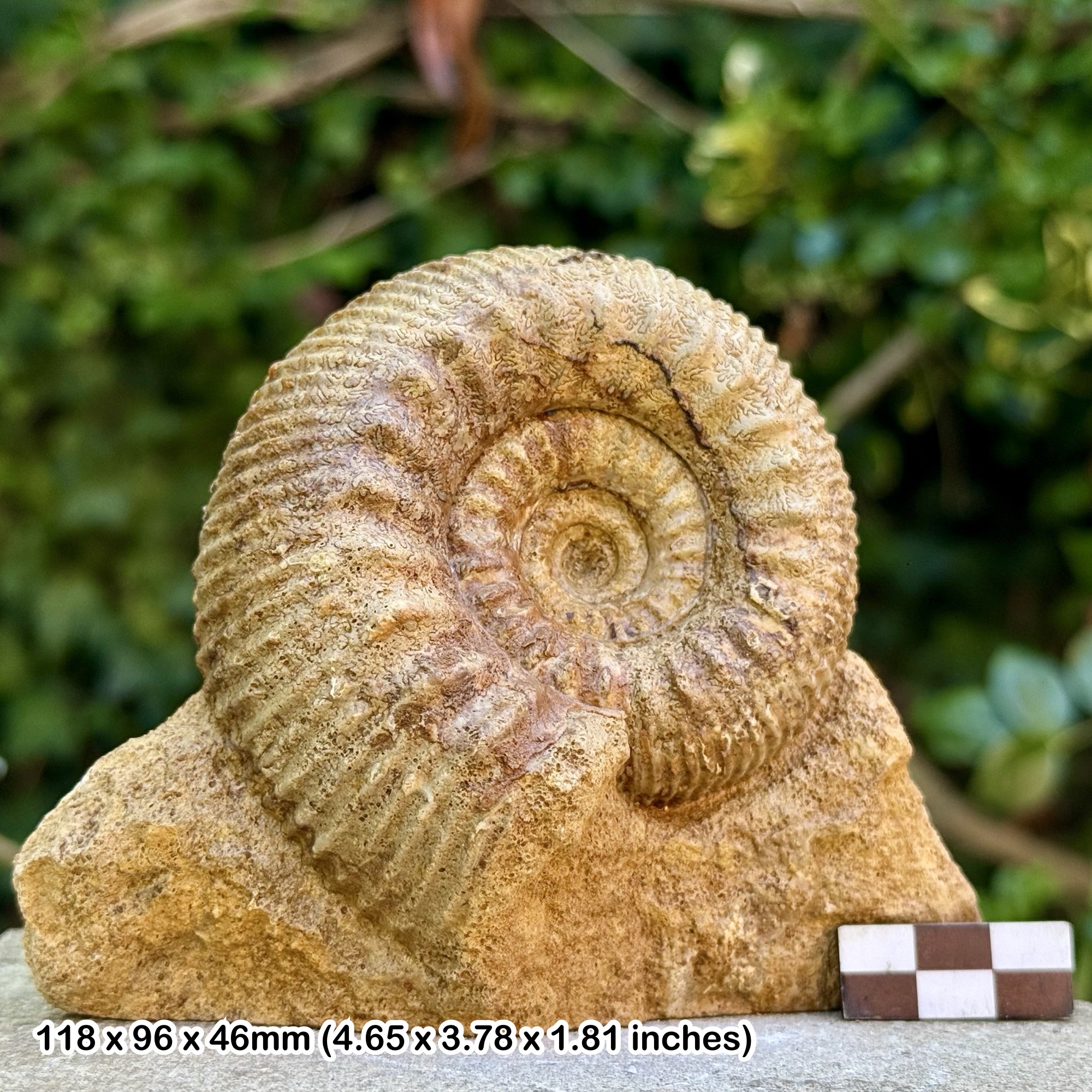
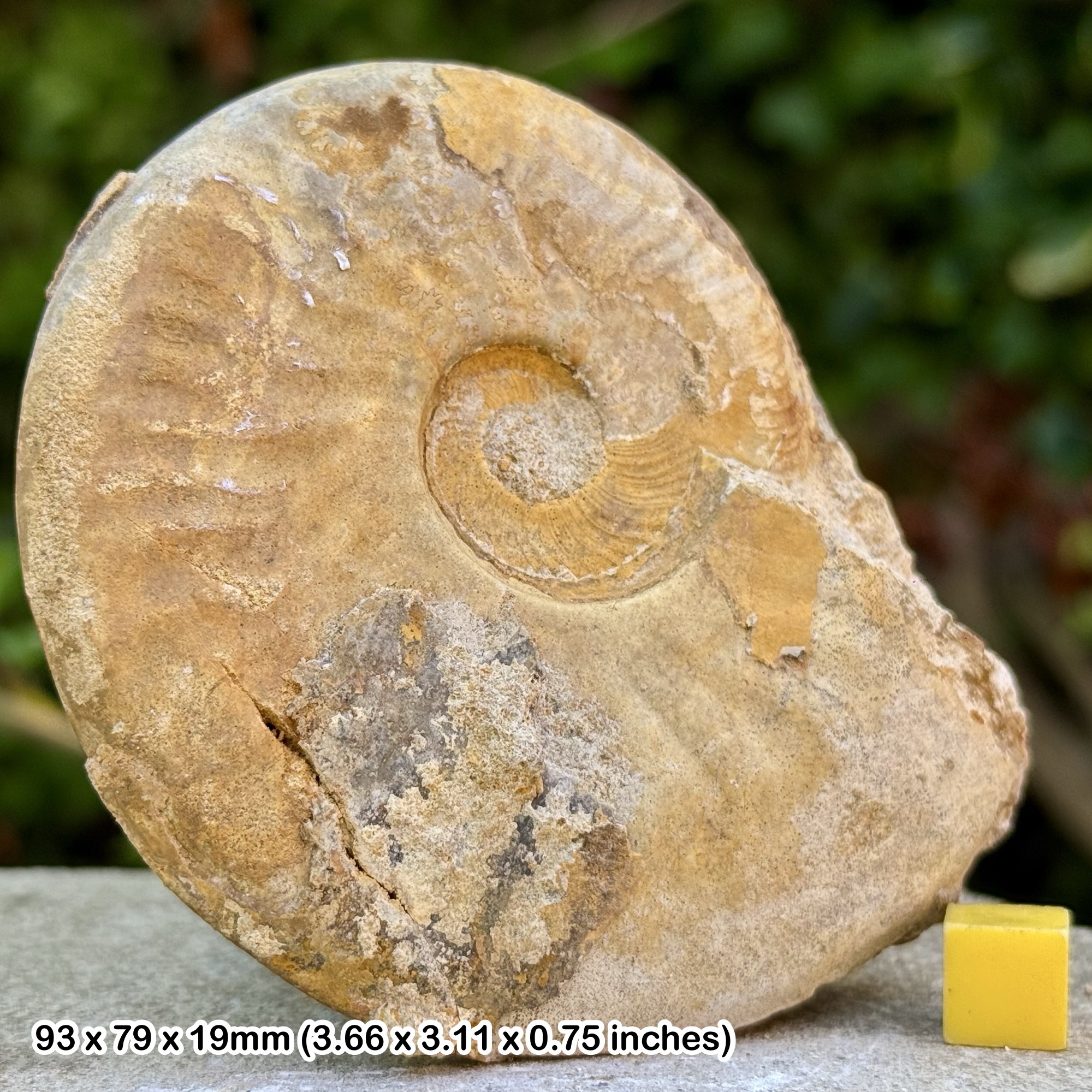
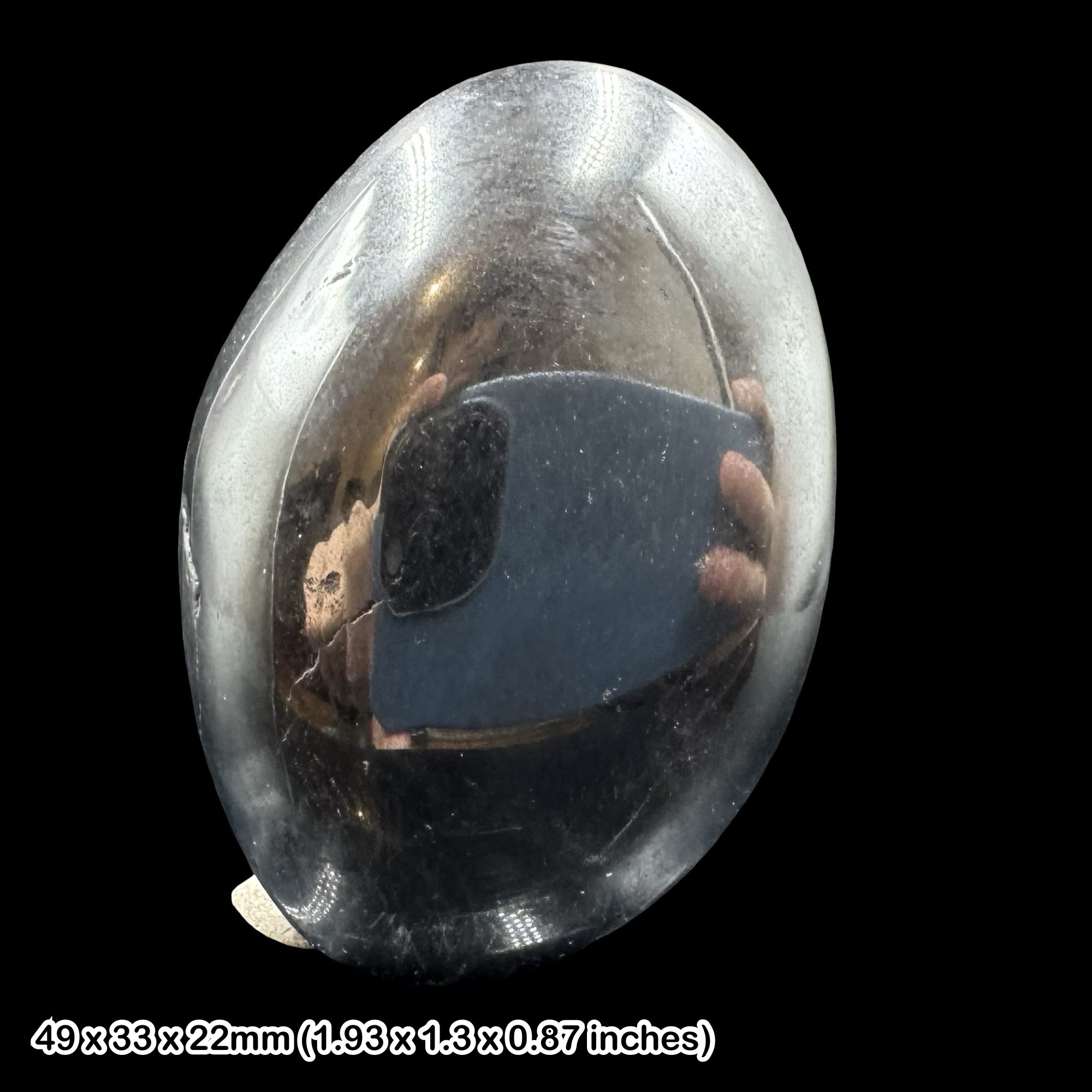
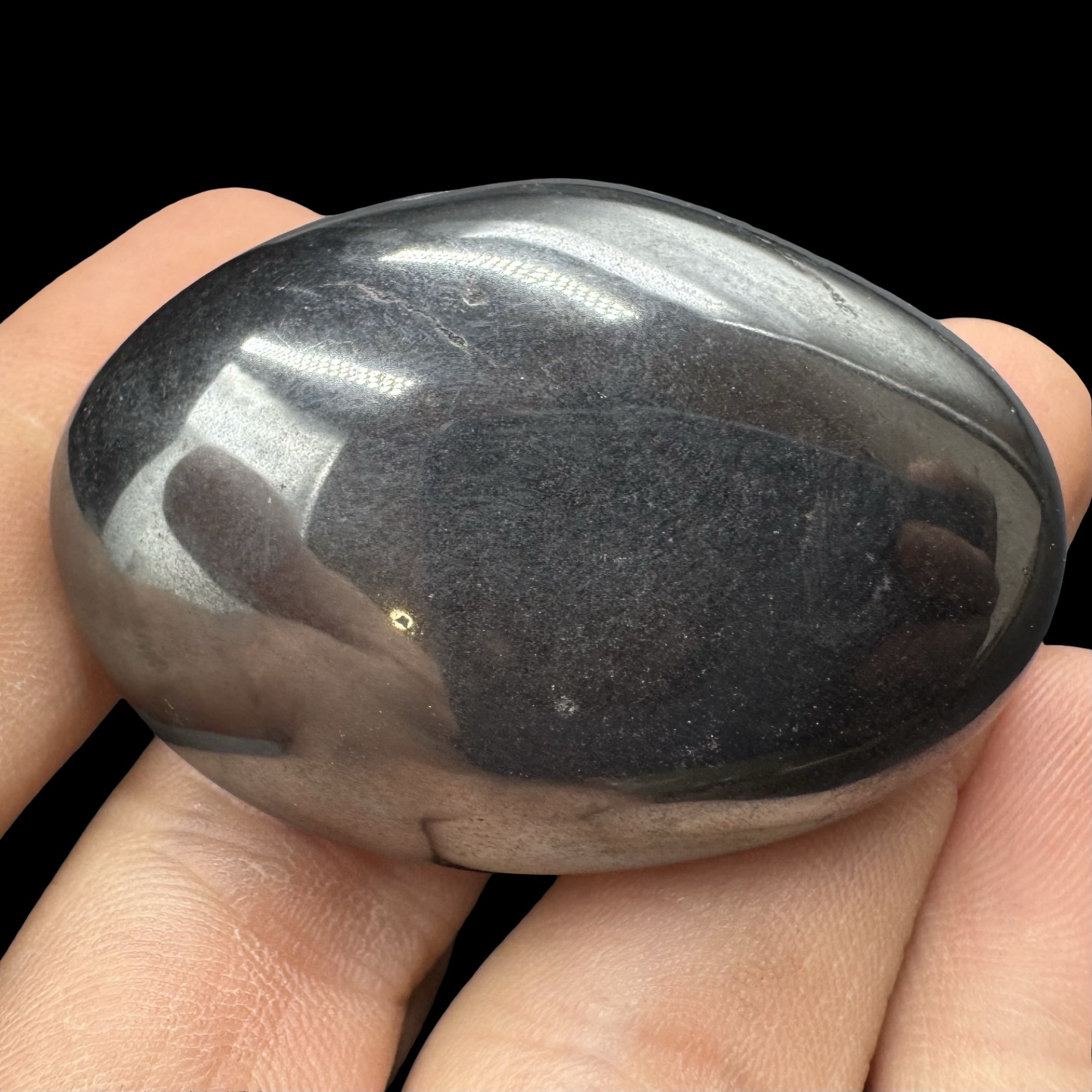
specimen displaying the distinctive metallic lustre and dense composition that make Hematite one of the world’s most recognisable iron oxide minerals. Carefully shaped and polished to enhance its natural appearance, this palm stone is ideal for mineral collectors, decorative displays, geology enthusiasts, and natural history collections.The specimen shown in the photographs is the exact piece you will receive, allowing collectors and buyers to view the natural colouration, polished finish, reflective surfaces, and overall presentation before purchase. Every specimen includes a Certificate of Authenticity lifetime guarantee generic card confirming the authenticity of the mineral.Please refer to the listing photographs for full sizing and scale details. HEMATITE MINERAL COMPOSITION AND GEOLOGICAL CLASSIFICATIONHematite is an iron oxide mineral with the chemical formula Fe₂O₃ and is one of the most important natural ores of iron found within the Earth’s crust. The mineral belongs to the trigonal crystal system and is widely recognised for its metallic silver-grey appearance when polished, although natural Hematite can also occur in earthy red, reddish-brown, black, or steel-grey forms depending on texture and crystal structure.The name Hematite originates from the Greek word for blood due to the mineral’s distinctive red streak, a classic identifying feature used by mineralogists and collectors. Despite its polished metallic appearance, Hematite often leaves a reddish powder when tested against an unglazed surface.This polished palm stone highlights the dense, reflective nature of Hematite while preserving the mineral’s authentic geological character. Its smooth surface and metallic sheen create an eye-catching natural display specimen with strong visual depth and texture. CRYSTAL HABIT, TEXTURE AND NATURAL FEATURESHematite occurs in several natural crystal habits including massive formations, botryoidal structures, kidney ore formations, specular crystalline masses, and granular compact deposits. Palm stones are typically shaped from dense massive Hematite material, which takes an excellent polish due to its compact mineral structure.The polished surface often displays reflective metallic tones ranging from deep gunmetal grey to bright silver-black depending on lighting conditions. Subtle natural variations, internal mineral textures, and occasional inclusions contribute to the individuality of each specimen.Because Hematite is naturally rich in iron, the stone has a satisfying density and substantial feel compared to many other polished minerals. This weight and smooth finish make Hematite palm stones especially popular for collectors and decorative mineral displays.Natural inclusions, texture variations, minor surface irregularities, and internal mineral patterns are all authentic features formed through geological processes over millions of years and add to the uniqueness of the specimen. GEOLOGICAL FORMATION AND IRON ORE ORIGINSHematite forms in a wide range of geological environments including sedimentary iron deposits, hydrothermal veins, metamorphic systems, and volcanic formations. Many of the world’s largest Hematite deposits developed through ancient chemical precipitation processes within marine environments billions of years ago.The mineral commonly forms alongside magnetite, quartz, calcite, and other iron-bearing minerals in ore-rich geological regions. Over immense geological timescales, mineral-rich fluids and oxidation processes contribute to the formation of dense Hematite masses with the metallic appearance seen in polished specimens.Its durability, density, and striking reflective appearance have made Hematite an important mineral throughout human history for both industrial and decorative purposes. IDEAL FOR COLLECTORS, DISPLAY AND DECORATIVE USEThis Hematite Palm Stone is ideal for:
• Mineral and crystal collections
• Geological and educational displays
• Decorative interior displays
• Curiosity cabinets and shelving
• Natural history collections
• Collector photography setups
• Unique mineral giftsThe polished metallic finish and natural iron-rich composition give this specimen a timeless mineralogical appeal suitable for a wide range of collection styles and display settings.Hematite has also been traditionally associated with grounding and spiritual symbolism in various cultures, though today it is primarily appreciated for its geological significance, metallic beauty, and collector value.Each specimen is individually selected for quality, polish, and natural character, ensuring that every piece offers distinctive mineralogical features and authentic geological appeal created entirely by natural Earth processes.
specimen displaying the distinctive metallic lustre and dense composition that make Hematite one of the world’s most recognisable iron oxide minerals. Carefully shaped and polished to enhance its natural appearance, this palm stone is ideal for mineral collectors, decorative displays, geology enthusiasts, and natural history collections.The specimen shown in the photographs is the exact piece you will receive, allowing collectors and buyers to view the natural colouration, polished finish, reflective surfaces, and overall presentation before purchase. Every specimen includes a Certificate of Authenticity lifetime guarantee generic card confirming the authenticity of the mineral.Please refer to the listing photographs for full sizing and scale details. HEMATITE MINERAL COMPOSITION AND GEOLOGICAL CLASSIFICATIONHematite is an iron oxide mineral with the chemical formula Fe₂O₃ and is one of the most important natural ores of iron found within the Earth’s crust. The mineral belongs to the trigonal crystal system and is widely recognised for its metallic silver-grey appearance when polished, although natural Hematite can also occur in earthy red, reddish-brown, black, or steel-grey forms depending on texture and crystal structure.The name Hematite originates from the Greek word for blood due to the mineral’s distinctive red streak, a classic identifying feature used by mineralogists and collectors. Despite its polished metallic appearance, Hematite often leaves a reddish powder when tested against an unglazed surface.This polished palm stone highlights the dense, reflective nature of Hematite while preserving the mineral’s authentic geological character. Its smooth surface and metallic sheen create an eye-catching natural display specimen with strong visual depth and texture. CRYSTAL HABIT, TEXTURE AND NATURAL FEATURESHematite occurs in several natural crystal habits including massive formations, botryoidal structures, kidney ore formations, specular crystalline masses, and granular compact deposits. Palm stones are typically shaped from dense massive Hematite material, which takes an excellent polish due to its compact mineral structure.The polished surface often displays reflective metallic tones ranging from deep gunmetal grey to bright silver-black depending on lighting conditions. Subtle natural variations, internal mineral textures, and occasional inclusions contribute to the individuality of each specimen.Because Hematite is naturally rich in iron, the stone has a satisfying density and substantial feel compared to many other polished minerals. This weight and smooth finish make Hematite palm stones especially popular for collectors and decorative mineral displays.Natural inclusions, texture variations, minor surface irregularities, and internal mineral patterns are all authentic features formed through geological processes over millions of years and add to the uniqueness of the specimen. GEOLOGICAL FORMATION AND IRON ORE ORIGINSHematite forms in a wide range of geological environments including sedimentary iron deposits, hydrothermal veins, metamorphic systems, and volcanic formations. Many of the world’s largest Hematite deposits developed through ancient chemical precipitation processes within marine environments billions of years ago.The mineral commonly forms alongside magnetite, quartz, calcite, and other iron-bearing minerals in ore-rich geological regions. Over immense geological timescales, mineral-rich fluids and oxidation processes contribute to the formation of dense Hematite masses with the metallic appearance seen in polished specimens.Its durability, density, and striking reflective appearance have made Hematite an important mineral throughout human history for both industrial and decorative purposes. IDEAL FOR COLLECTORS, DISPLAY AND DECORATIVE USEThis Hematite Palm Stone is ideal for:
• Mineral and crystal collections
• Geological and educational displays
• Decorative interior displays
• Curiosity cabinets and shelving
• Natural history collections
• Collector photography setups
• Unique mineral giftsThe polished metallic finish and natural iron-rich composition give this specimen a timeless mineralogical appeal suitable for a wide range of collection styles and display settings.Hematite has also been traditionally associated with grounding and spiritual symbolism in various cultures, though today it is primarily appreciated for its geological significance, metallic beauty, and collector value.Each specimen is individually selected for quality, polish, and natural character, ensuring that every piece offers distinctive mineralogical features and authentic geological appeal created entirely by natural Earth processes.
Other Products