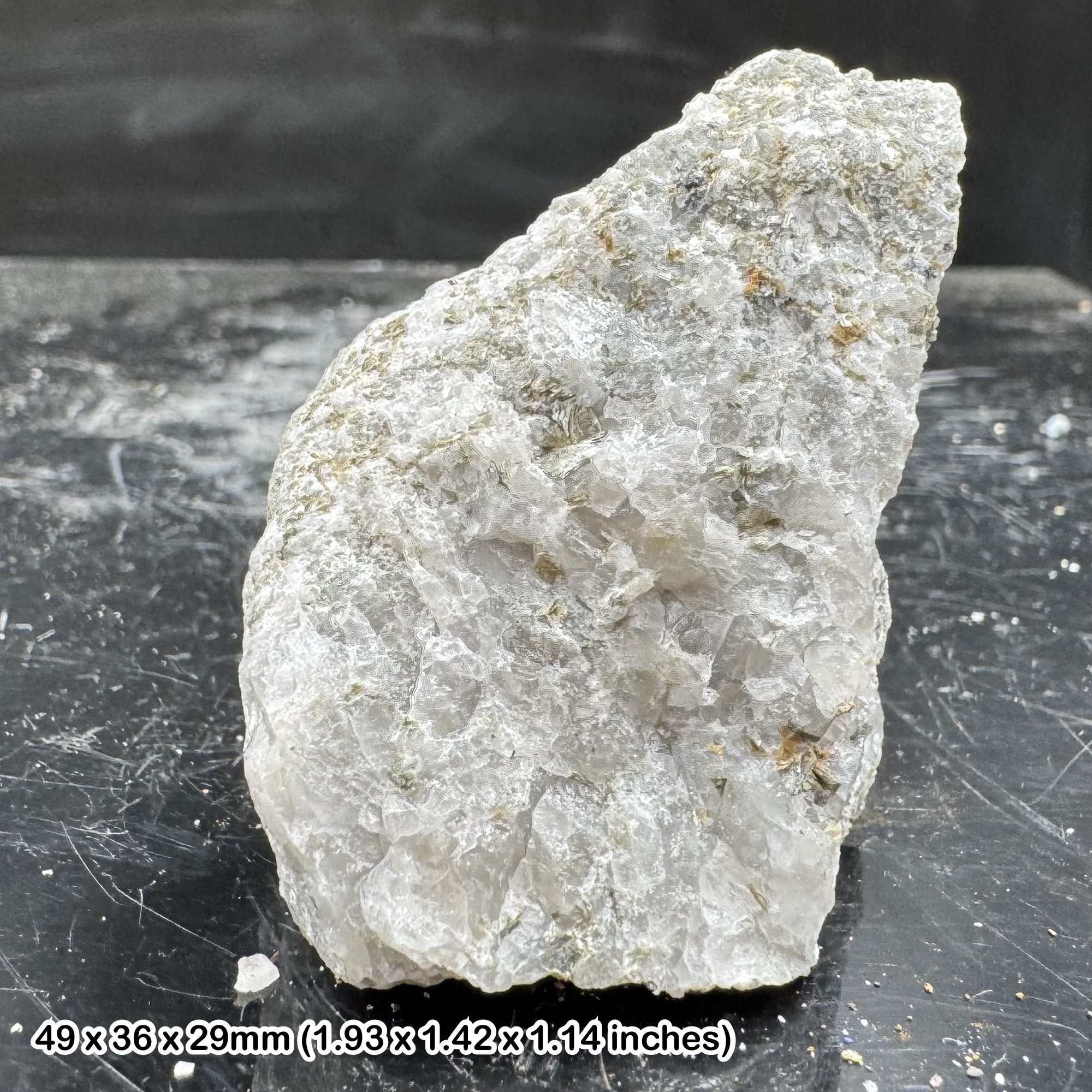
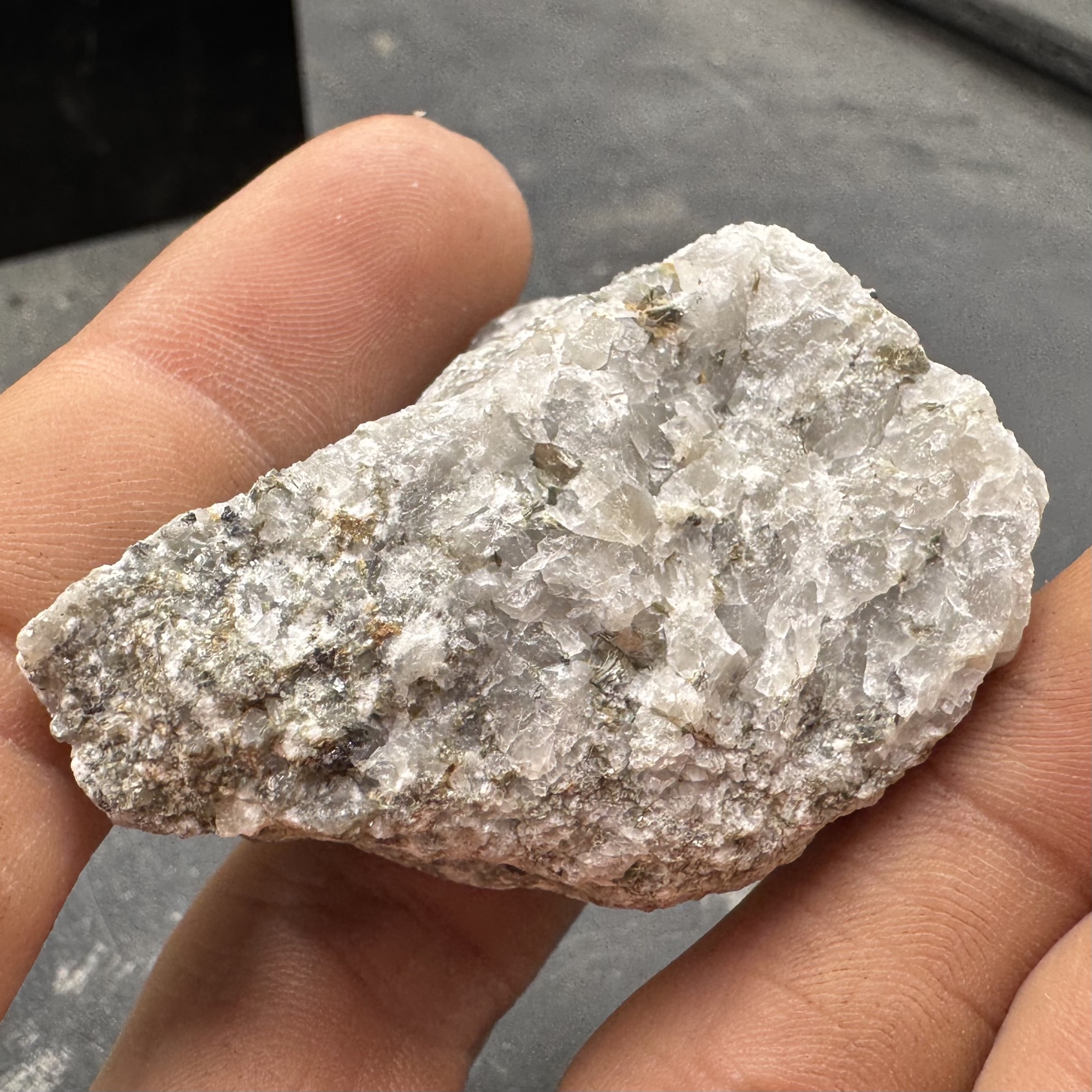
Arsenopyrite with Quartz Portugal Genuine Mineral Crystal Specimen with Certificate of Authenticity
£ 13.80
GENUINE ARSENOPYRITE WITH QUARTZ MINERAL SPECIMEN FROM PORTUGALThis genuine Arsenopyrite with Quartz specimen from Portugal is a naturally
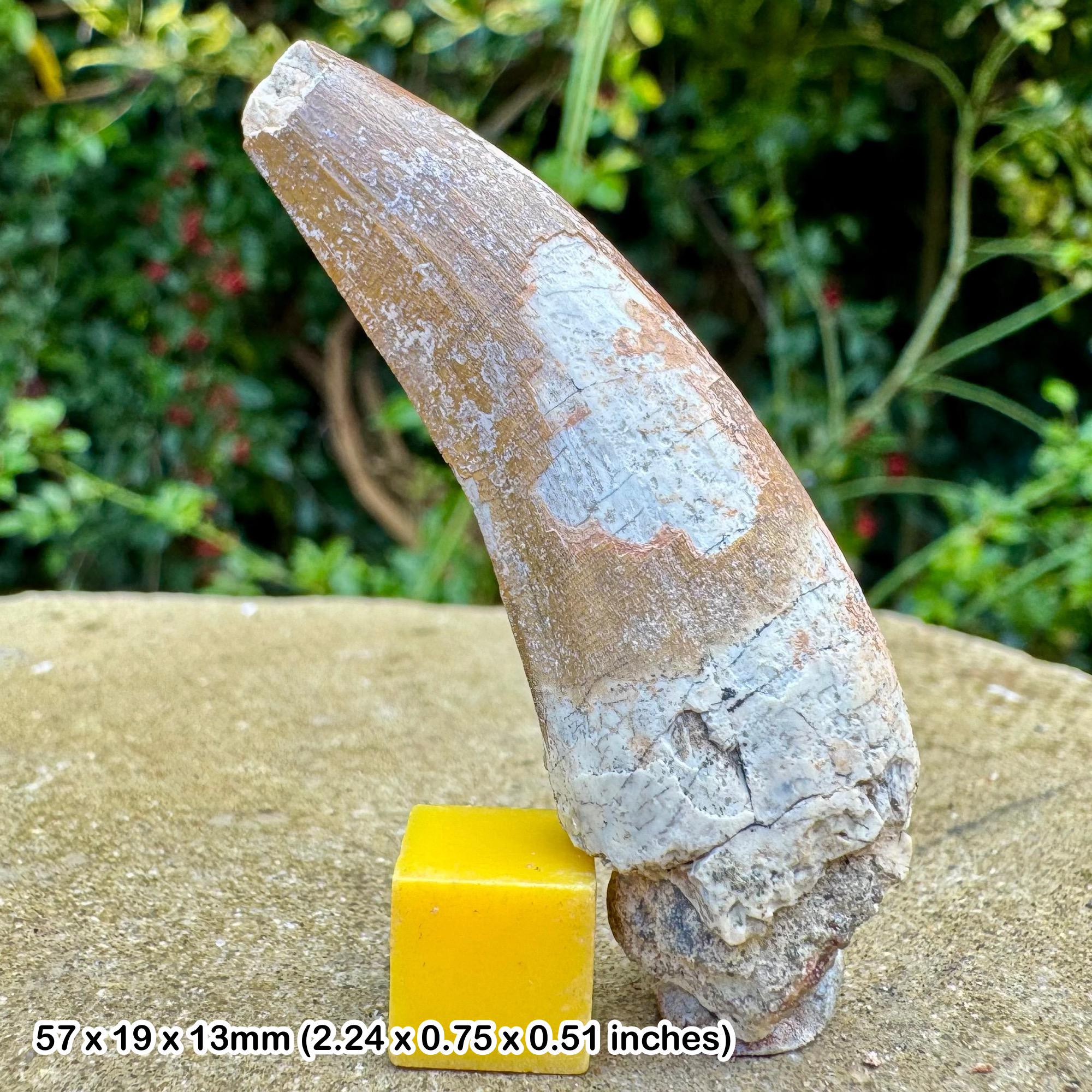
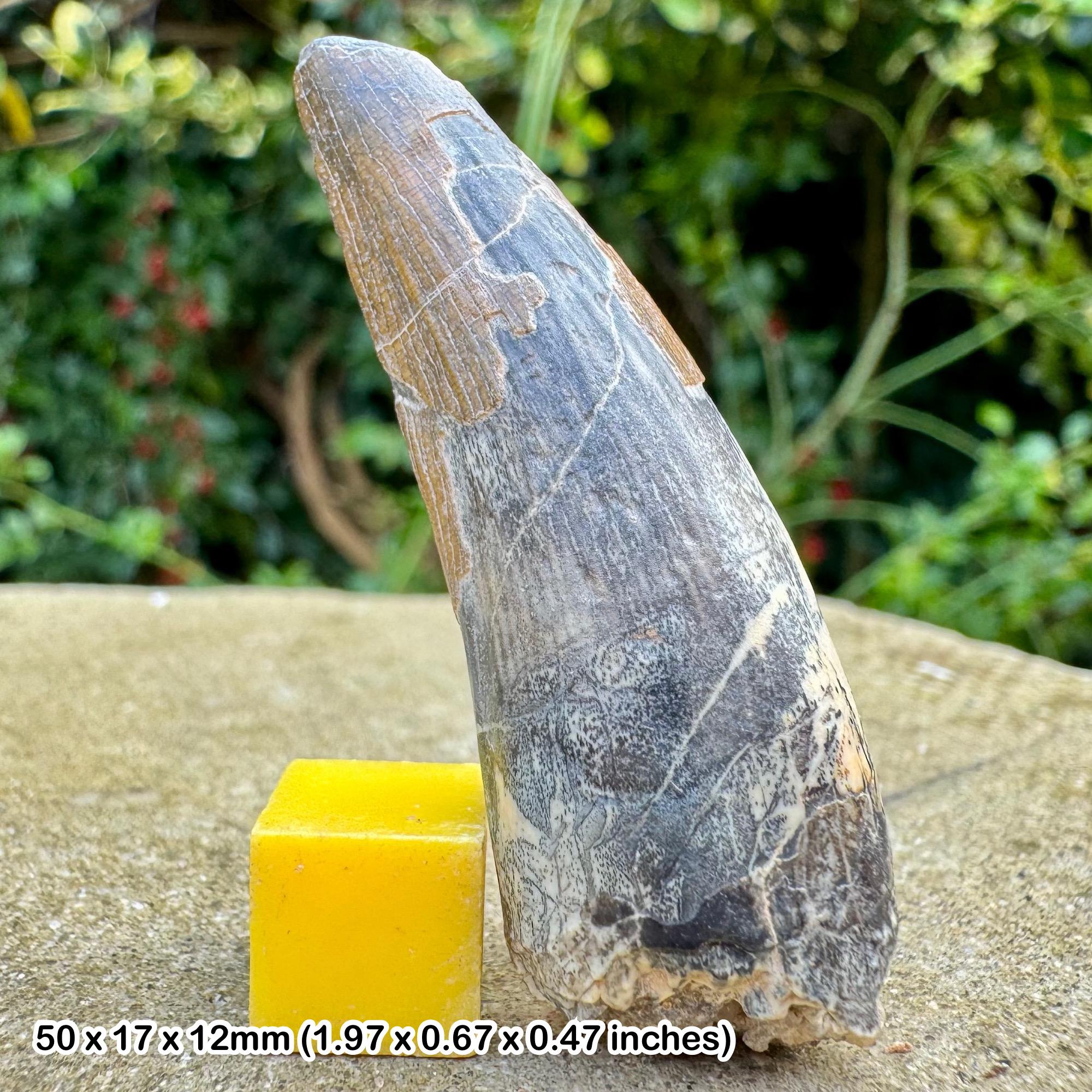
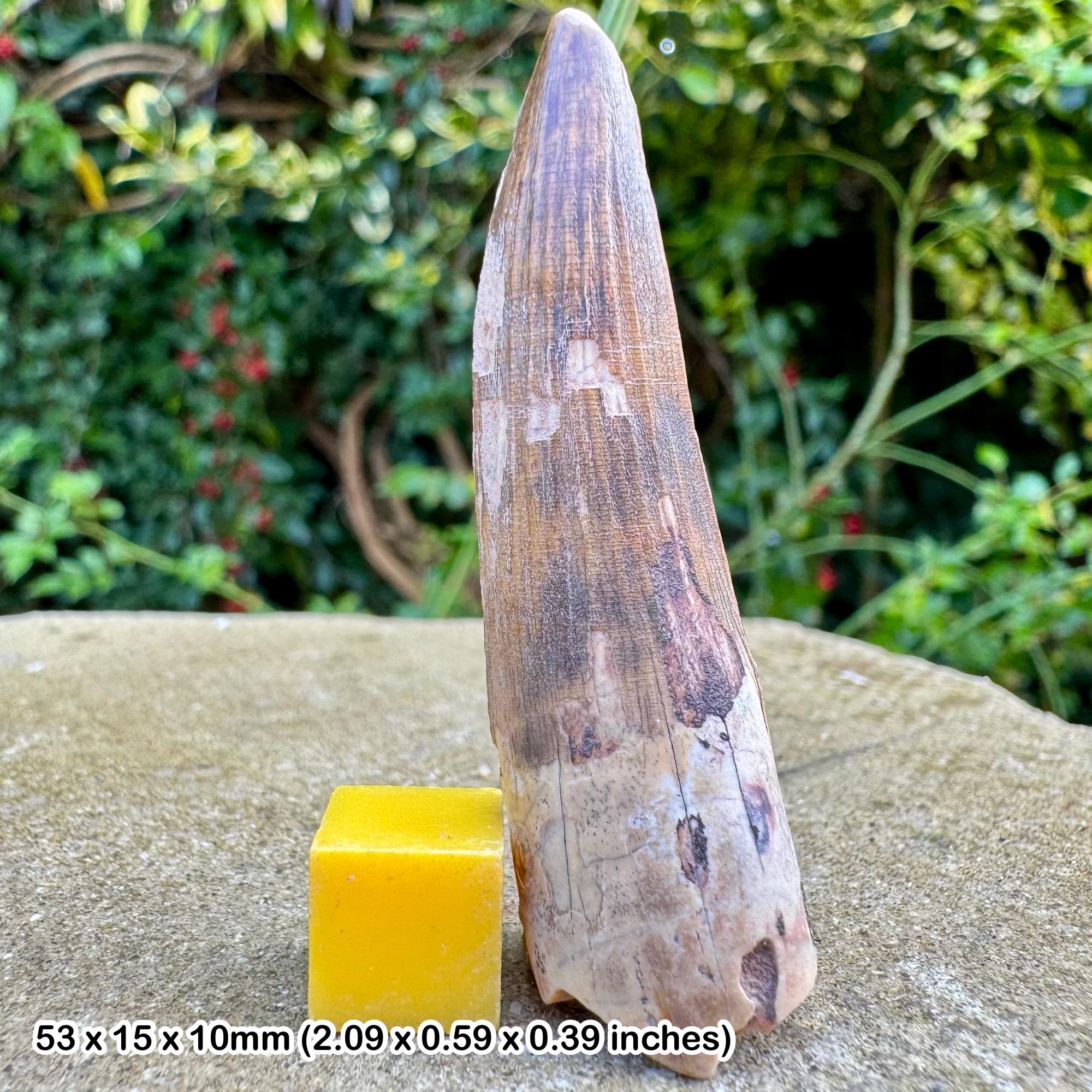
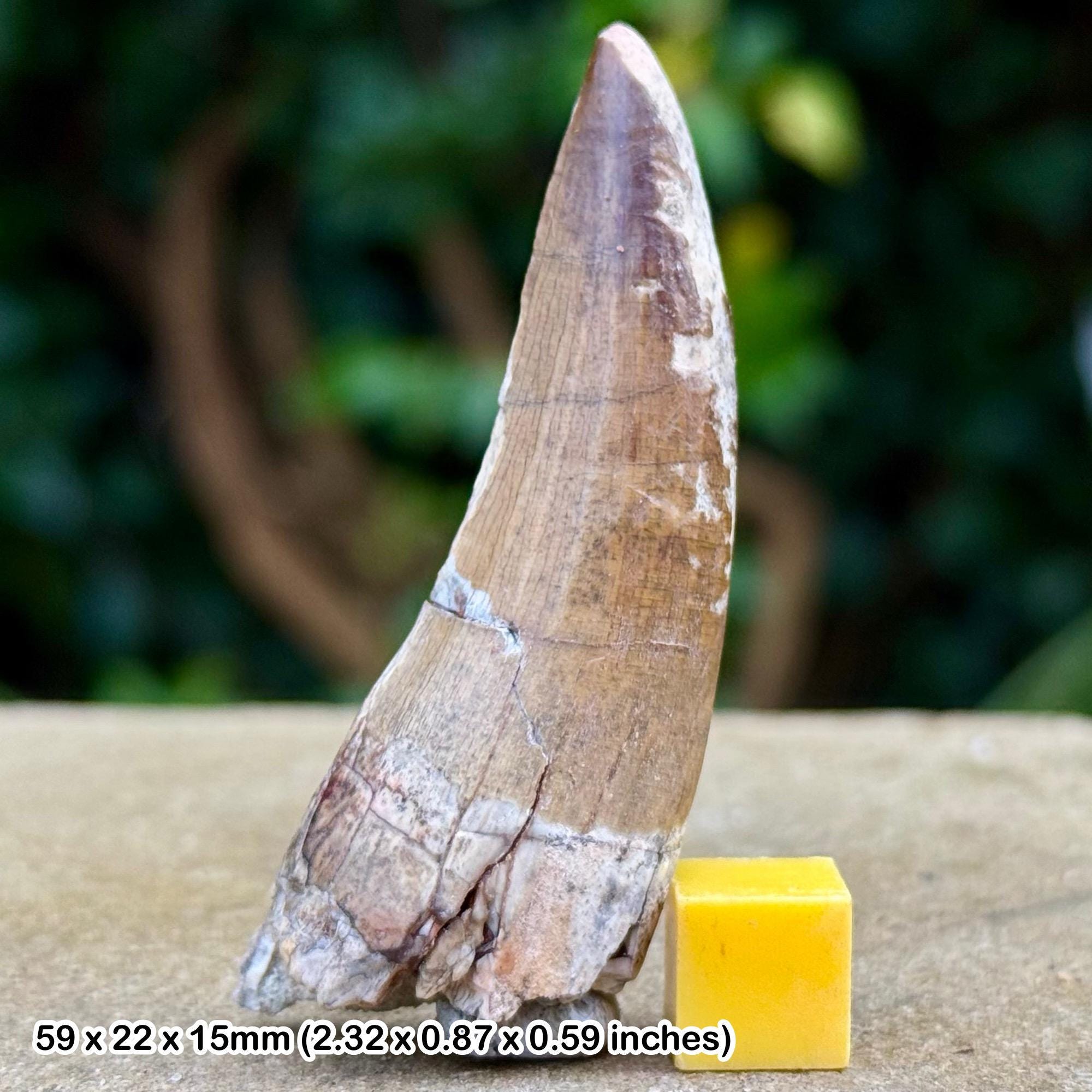
formed mineral display piece featuring metallic Arsenopyrite crystal formations associated with contrasting Quartz matrix and crystal growth. Carefully selected for its crystal structure, geological character, and collector appeal, this specimen is an excellent addition to mineral collections, geological displays, natural history cabinets, and decorative mineral arrangements.The exact specimen shown in the photographs is the piece you will receive, allowing collectors and enthusiasts to closely examine the crystal habit, metallic lustre, and associated quartz formations before purchase. Every specimen includes a Certificate of Authenticity lifetime guarantee generic card confirming the authenticity of the mineral specimen.Please refer to the listing photographs for full sizing and scale details. ARSENOPYRITE MINERAL COMPOSITION AND CRYSTAL STRUCTUREArsenopyrite is an iron arsenic sulphide mineral with the chemical formula FeAsS and is recognised as one of the most important arsenic-bearing minerals found within hydrothermal ore deposits. It belongs to the sulphide mineral group and is especially appreciated by collectors for its bright metallic lustre, sharply formed crystal habits, and distinctive silver-grey to steel-grey colouration.The mineral commonly forms in prismatic, columnar, tabular, or striated crystal habits and may develop highly reflective crystal faces with natural geometric patterns. Some specimens display excellent crystal definition with sharply terminated formations, while others occur as intergrown crystalline masses embedded within quartz veins and host rock.Arsenopyrite is often visually compared to pyrite due to its metallic appearance, although it typically displays a slightly whiter silver-grey tone and distinct crystal morphology. Natural tarnishing or oxidation may occasionally produce subtle bronze, grey, or darker surface variations depending on environmental exposure. QUARTZ ASSOCIATION AND MINERAL CONTRASTThis specimen features Arsenopyrite naturally associated with Quartz, creating strong visual contrast between the metallic sulphide mineral and the lighter silica-rich matrix. Quartz, composed of silicon dioxide (SiO₂), is one of the world’s most abundant minerals and commonly forms in hydrothermal environments alongside metallic ore minerals.The Quartz matrix may display translucent, milky, crystalline, or massive formations depending on growth conditions within the deposit. In many cases, quartz acts as the host mineral within hydrothermal veins where metallic minerals such as Arsenopyrite crystallise from mineral-rich fluids deep underground.The contrast between bright metallic Arsenopyrite and lighter Quartz gives the specimen excellent display quality and highlights the natural crystal structures formed during mineralisation.Natural inclusions, contact points, fractures, crystal intergrowths, and matrix irregularities are authentic geological characteristics that formed naturally during crystal growth and contribute to the individuality and collector value of each specimen. GEOLOGICAL FORMATION AND PORTUGUESE MINERAL DEPOSITSPortugal is internationally recognised for its historic mining districts and mineral-rich hydrothermal deposits, many of which have produced high-quality sulphide mineral specimens. Arsenopyrite commonly forms in hydrothermal veins associated with granitic intrusions and polymetallic ore systems where hot mineral-rich fluids circulate through fractures within surrounding rock.As these fluids cool over geological timescales, metallic sulphide minerals crystallise alongside quartz and other associated minerals. The resulting deposits often contain complex mineral assemblages featuring highly aesthetic crystal formations and well-developed metallic minerals.Portuguese mineral localities are particularly valued by collectors for their combination of geological significance, historical mining importance, and attractive crystallised specimens. IDEAL FOR MINERAL COLLECTORS AND GEOLOGICAL DISPLAYSThis Arsenopyrite with Quartz specimen is ideal for:
• Mineral and crystal collections
• Geological and educational displays
• Sulphide mineral collections
• Natural history cabinets
• Decorative mineral displays
• Collector photography setups
• Unique geology and mineral giftsIts combination of metallic crystal structure and contrasting quartz matrix creates a visually impressive display specimen suitable for both experienced mineral collectors and those developing an interest in geology and natural mineral formation.Arsenopyrite specimens are especially appreciated for their striking metallic appearance and well-defined crystal habits, making them highly desirable additions to collections focused on ore minerals, hydrothermal geology, and classic sulphide minerals.Each specimen is individually chosen for quality, crystal visibility, and natural character, ensuring that every piece showcases authentic geological structures and mineral formations created naturally within the Earth over immense geological timescales.
formed mineral display piece featuring metallic Arsenopyrite crystal formations associated with contrasting Quartz matrix and crystal growth. Carefully selected for its crystal structure, geological character, and collector appeal, this specimen is an excellent addition to mineral collections, geological displays, natural history cabinets, and decorative mineral arrangements.The exact specimen shown in the photographs is the piece you will receive, allowing collectors and enthusiasts to closely examine the crystal habit, metallic lustre, and associated quartz formations before purchase. Every specimen includes a Certificate of Authenticity lifetime guarantee generic card confirming the authenticity of the mineral specimen.Please refer to the listing photographs for full sizing and scale details. ARSENOPYRITE MINERAL COMPOSITION AND CRYSTAL STRUCTUREArsenopyrite is an iron arsenic sulphide mineral with the chemical formula FeAsS and is recognised as one of the most important arsenic-bearing minerals found within hydrothermal ore deposits. It belongs to the sulphide mineral group and is especially appreciated by collectors for its bright metallic lustre, sharply formed crystal habits, and distinctive silver-grey to steel-grey colouration.The mineral commonly forms in prismatic, columnar, tabular, or striated crystal habits and may develop highly reflective crystal faces with natural geometric patterns. Some specimens display excellent crystal definition with sharply terminated formations, while others occur as intergrown crystalline masses embedded within quartz veins and host rock.Arsenopyrite is often visually compared to pyrite due to its metallic appearance, although it typically displays a slightly whiter silver-grey tone and distinct crystal morphology. Natural tarnishing or oxidation may occasionally produce subtle bronze, grey, or darker surface variations depending on environmental exposure. QUARTZ ASSOCIATION AND MINERAL CONTRASTThis specimen features Arsenopyrite naturally associated with Quartz, creating strong visual contrast between the metallic sulphide mineral and the lighter silica-rich matrix. Quartz, composed of silicon dioxide (SiO₂), is one of the world’s most abundant minerals and commonly forms in hydrothermal environments alongside metallic ore minerals.The Quartz matrix may display translucent, milky, crystalline, or massive formations depending on growth conditions within the deposit. In many cases, quartz acts as the host mineral within hydrothermal veins where metallic minerals such as Arsenopyrite crystallise from mineral-rich fluids deep underground.The contrast between bright metallic Arsenopyrite and lighter Quartz gives the specimen excellent display quality and highlights the natural crystal structures formed during mineralisation.Natural inclusions, contact points, fractures, crystal intergrowths, and matrix irregularities are authentic geological characteristics that formed naturally during crystal growth and contribute to the individuality and collector value of each specimen. GEOLOGICAL FORMATION AND PORTUGUESE MINERAL DEPOSITSPortugal is internationally recognised for its historic mining districts and mineral-rich hydrothermal deposits, many of which have produced high-quality sulphide mineral specimens. Arsenopyrite commonly forms in hydrothermal veins associated with granitic intrusions and polymetallic ore systems where hot mineral-rich fluids circulate through fractures within surrounding rock.As these fluids cool over geological timescales, metallic sulphide minerals crystallise alongside quartz and other associated minerals. The resulting deposits often contain complex mineral assemblages featuring highly aesthetic crystal formations and well-developed metallic minerals.Portuguese mineral localities are particularly valued by collectors for their combination of geological significance, historical mining importance, and attractive crystallised specimens. IDEAL FOR MINERAL COLLECTORS AND GEOLOGICAL DISPLAYSThis Arsenopyrite with Quartz specimen is ideal for:
• Mineral and crystal collections
• Geological and educational displays
• Sulphide mineral collections
• Natural history cabinets
• Decorative mineral displays
• Collector photography setups
• Unique geology and mineral giftsIts combination of metallic crystal structure and contrasting quartz matrix creates a visually impressive display specimen suitable for both experienced mineral collectors and those developing an interest in geology and natural mineral formation.Arsenopyrite specimens are especially appreciated for their striking metallic appearance and well-defined crystal habits, making them highly desirable additions to collections focused on ore minerals, hydrothermal geology, and classic sulphide minerals.Each specimen is individually chosen for quality, crystal visibility, and natural character, ensuring that every piece showcases authentic geological structures and mineral formations created naturally within the Earth over immense geological timescales.
Other Products