Apiocrinites elegans Crinoid Fossil Watton Cliff Dorset Jurassic COA Genuine Forest Marble Shell Block Bathonian UK Display Specimen
£ 36.00
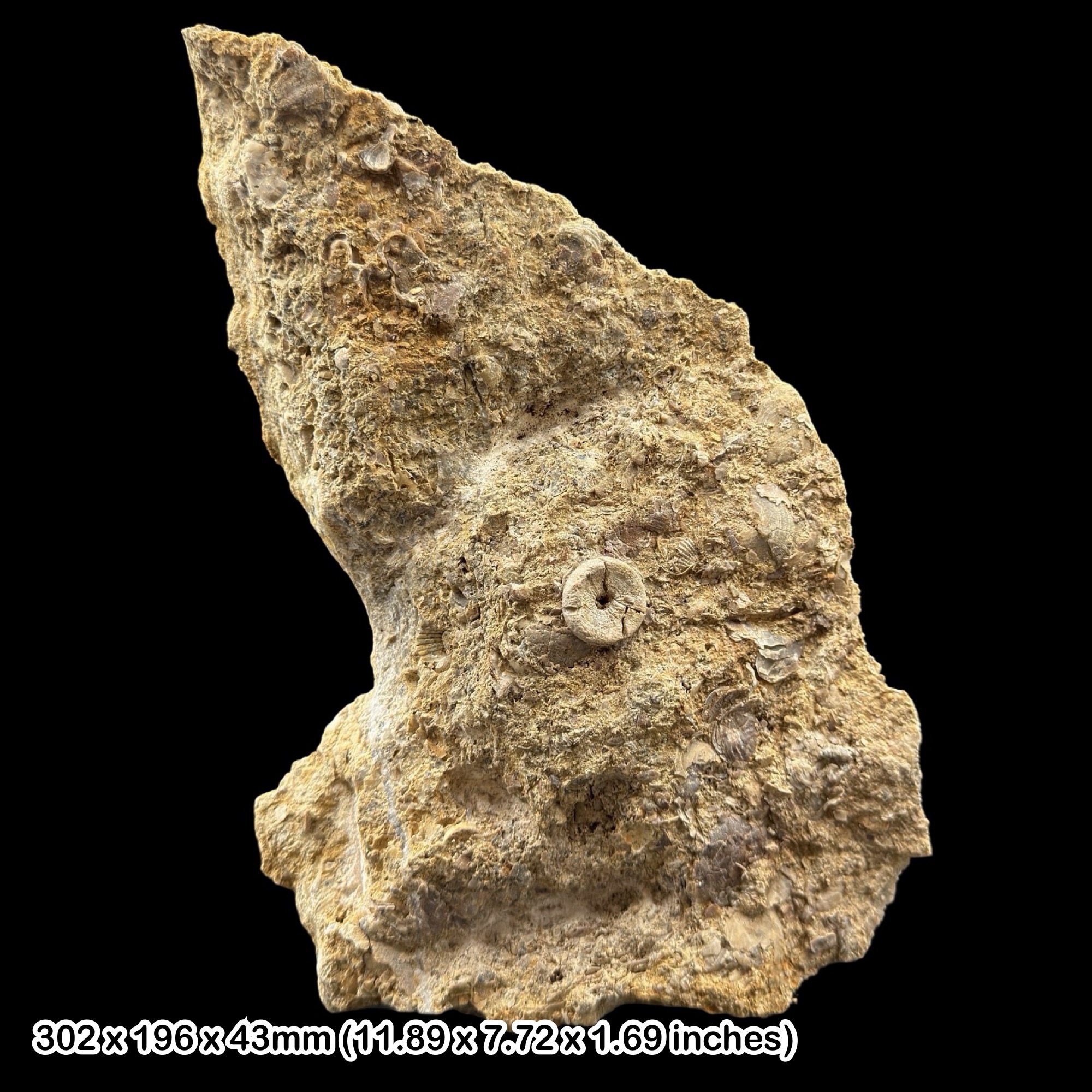
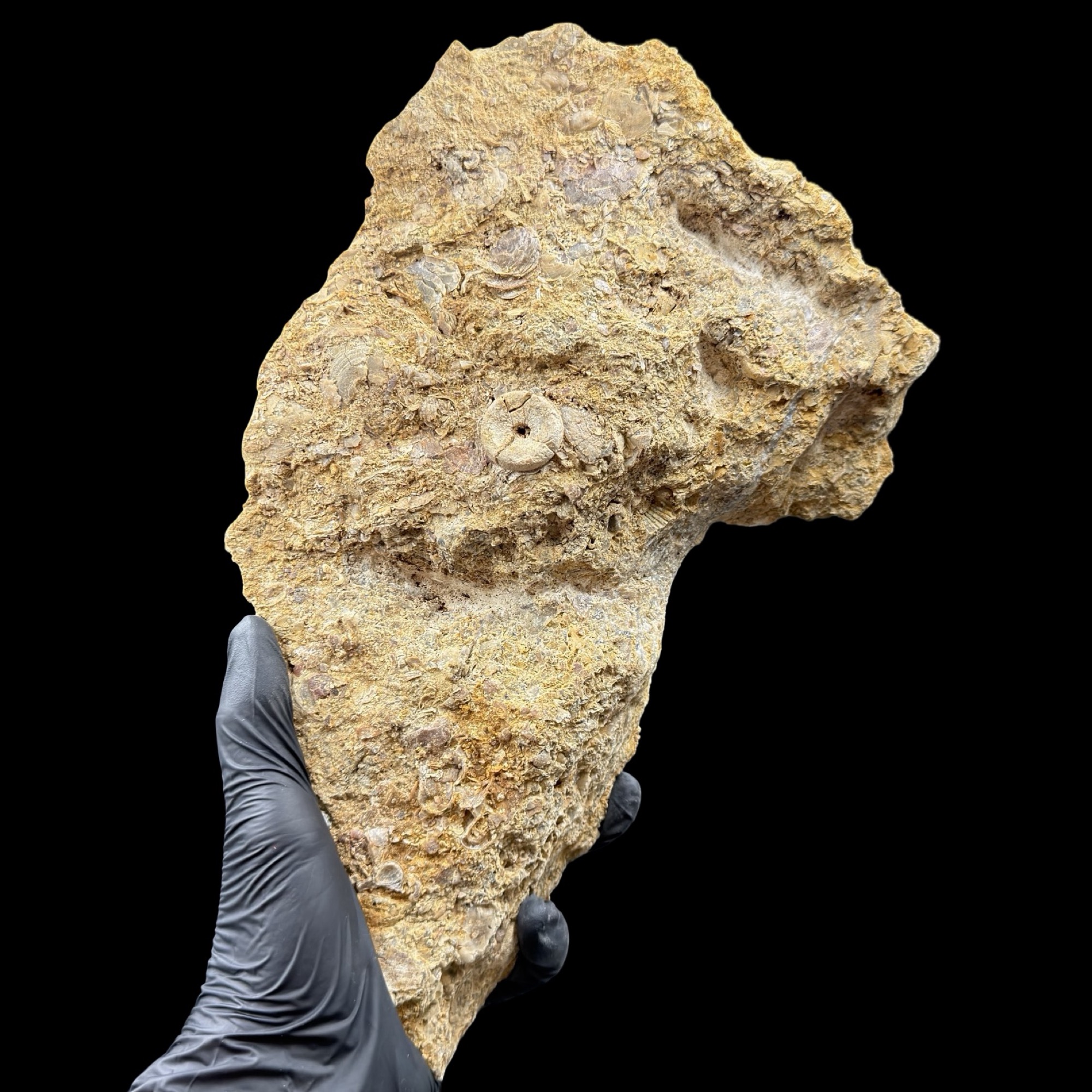
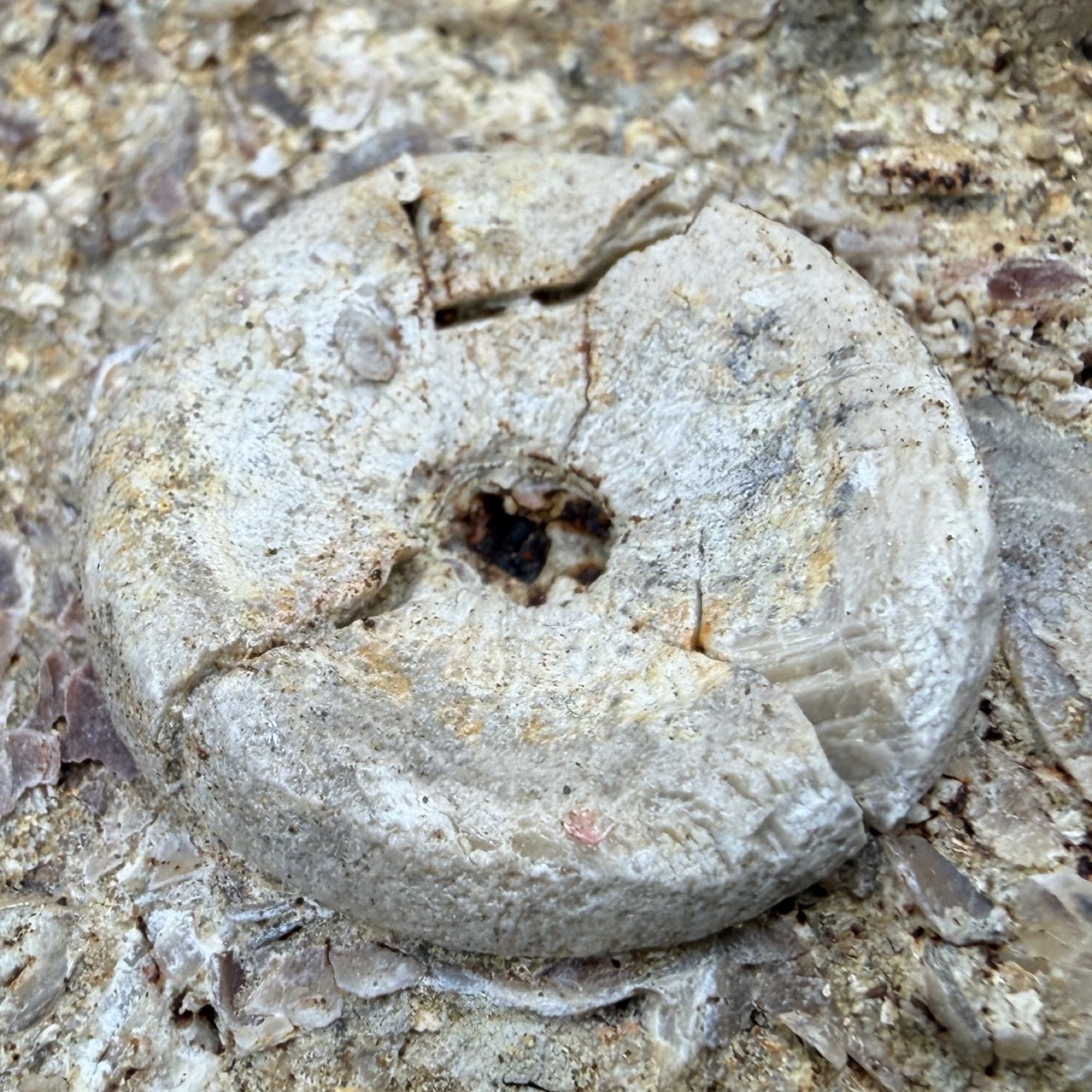
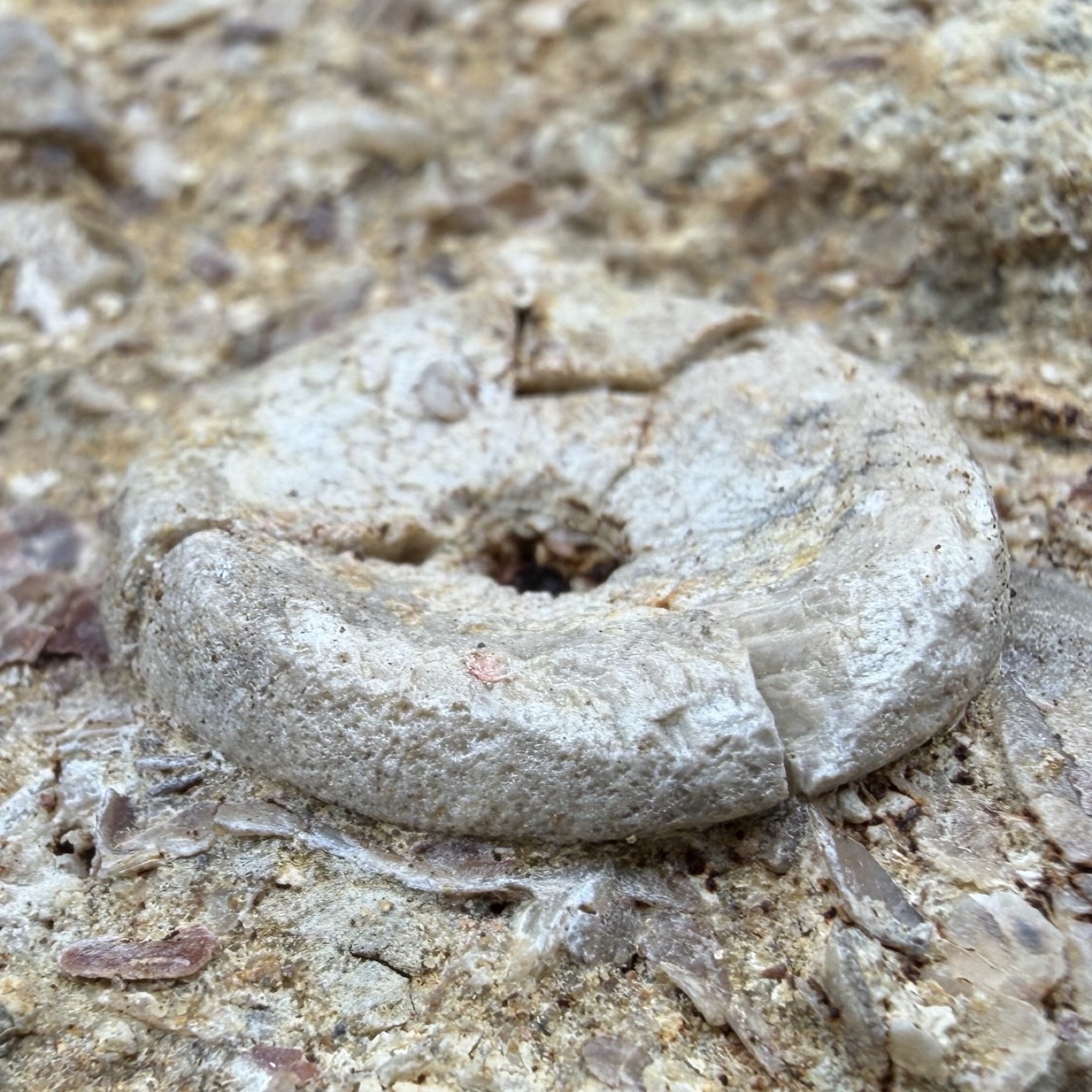
GENUINE APIOCRINITES ELEGANS CRINOID IN FOREST MARBLE SHELL BLOCKThis listing is for a genuine Apiocrinites elegans crinoid in Forest Marble
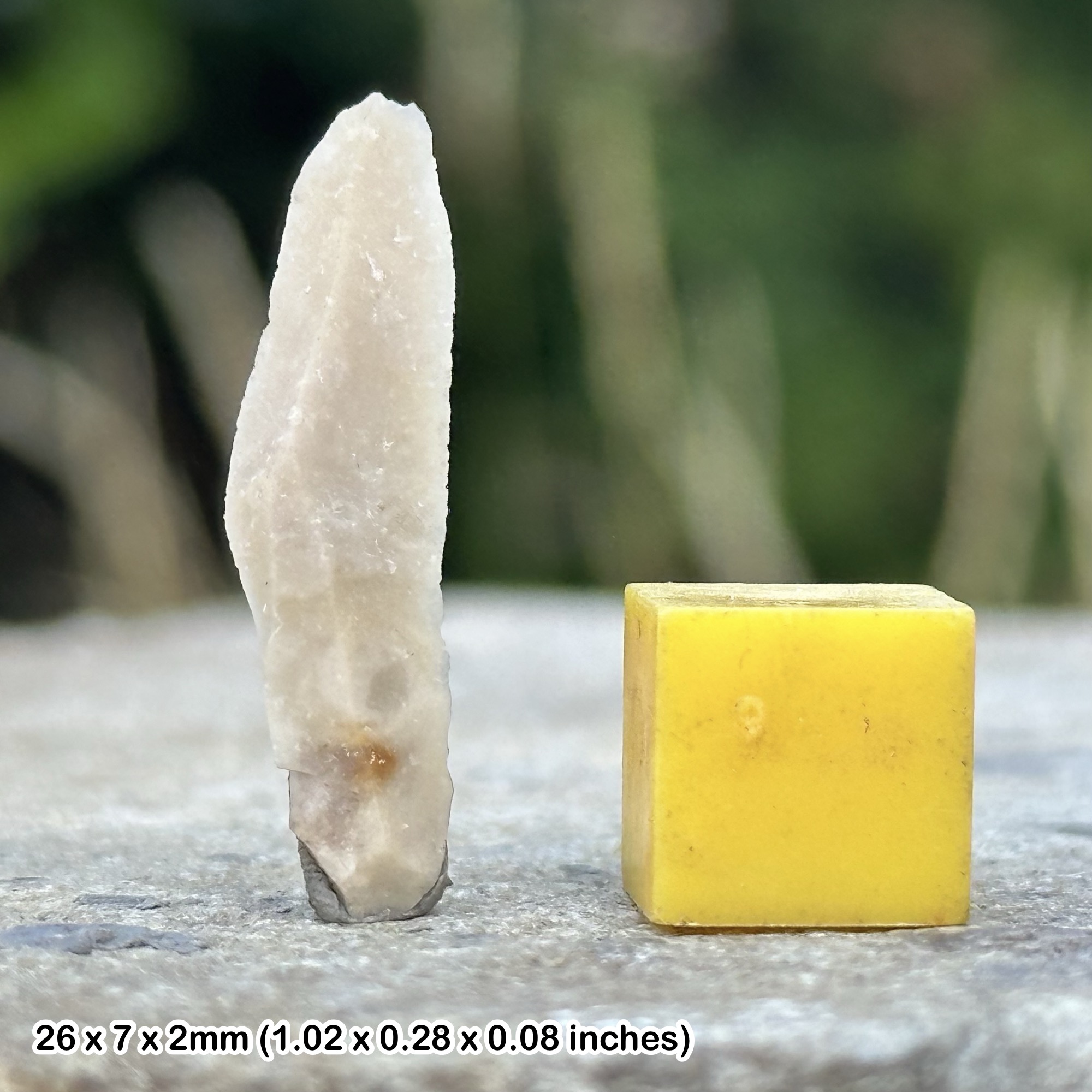
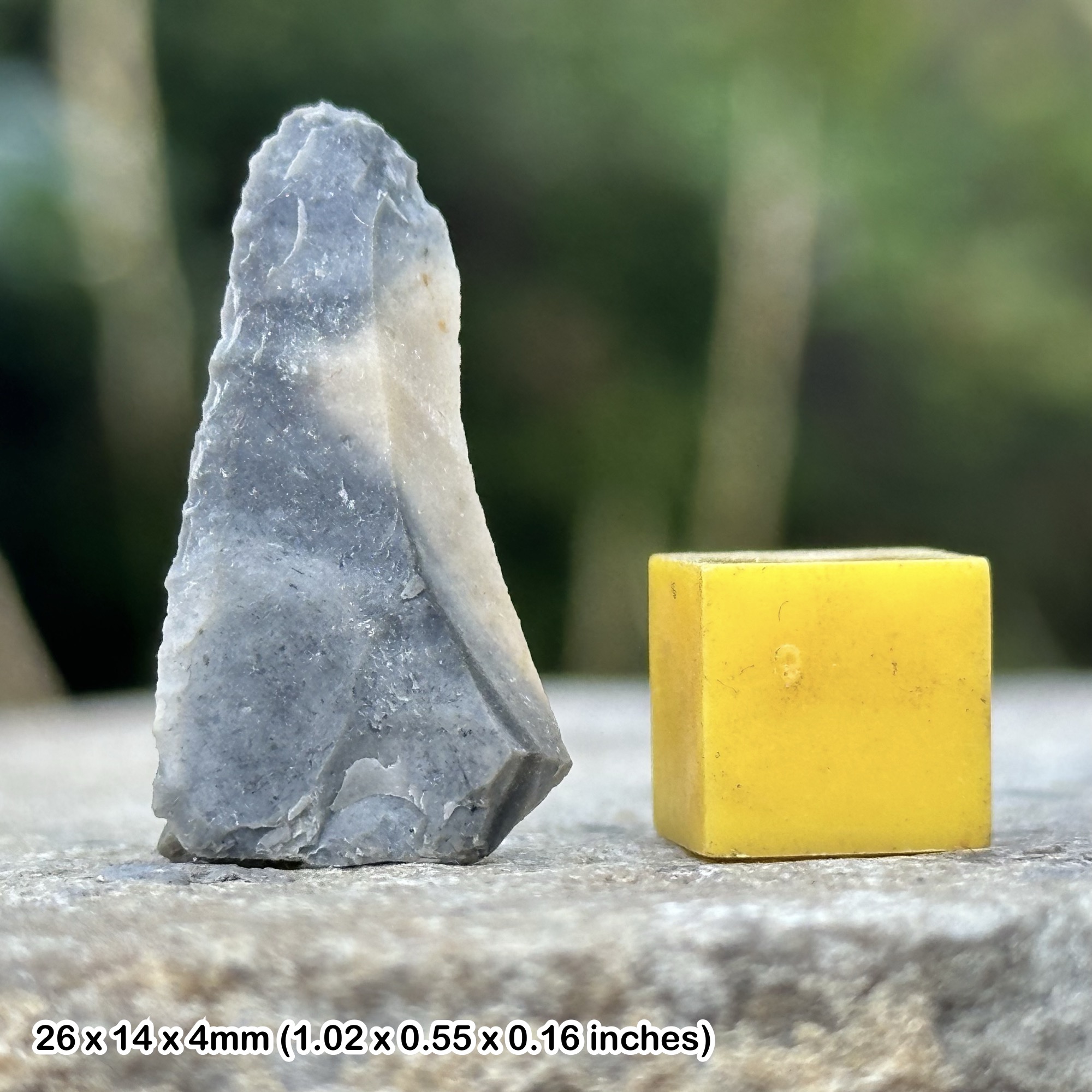
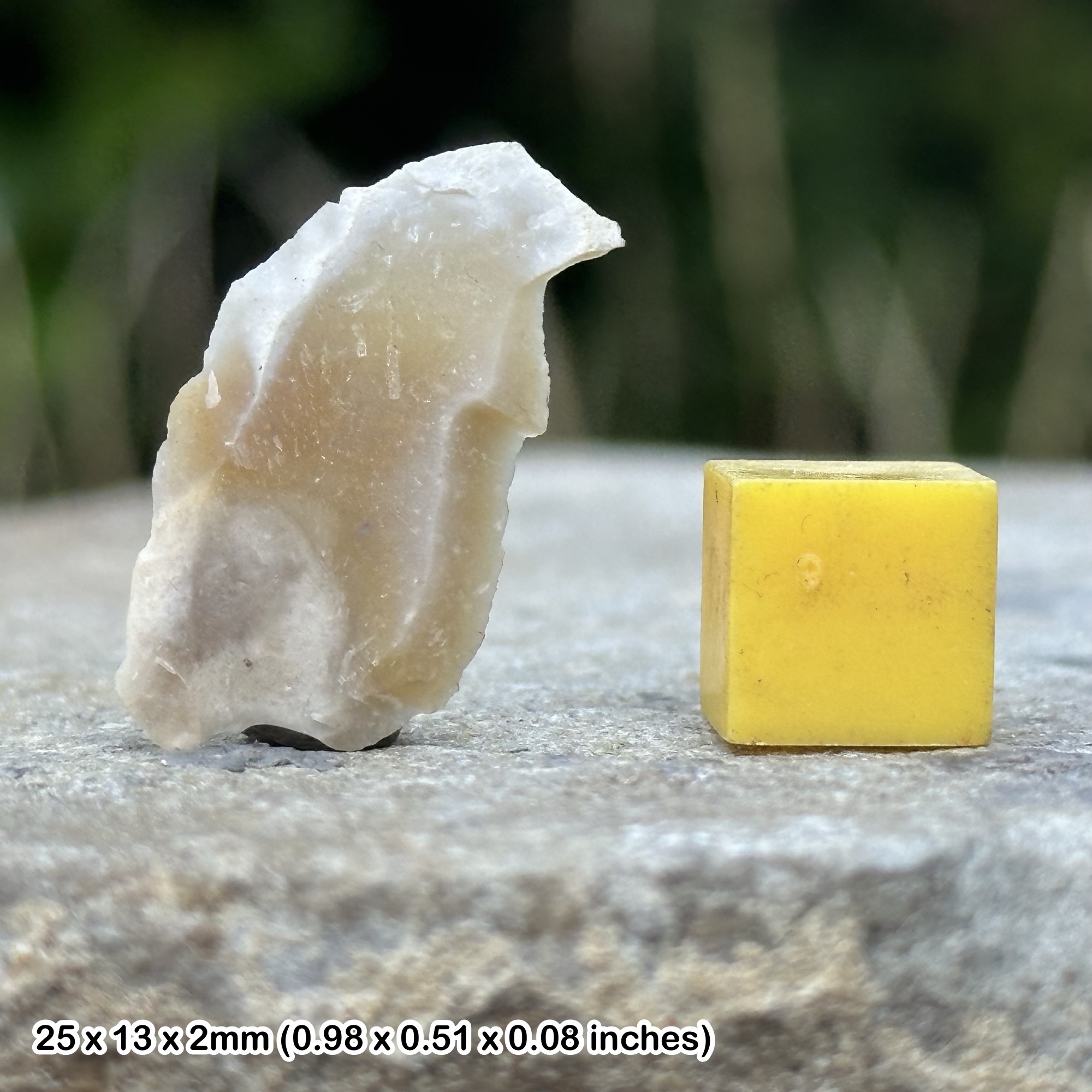
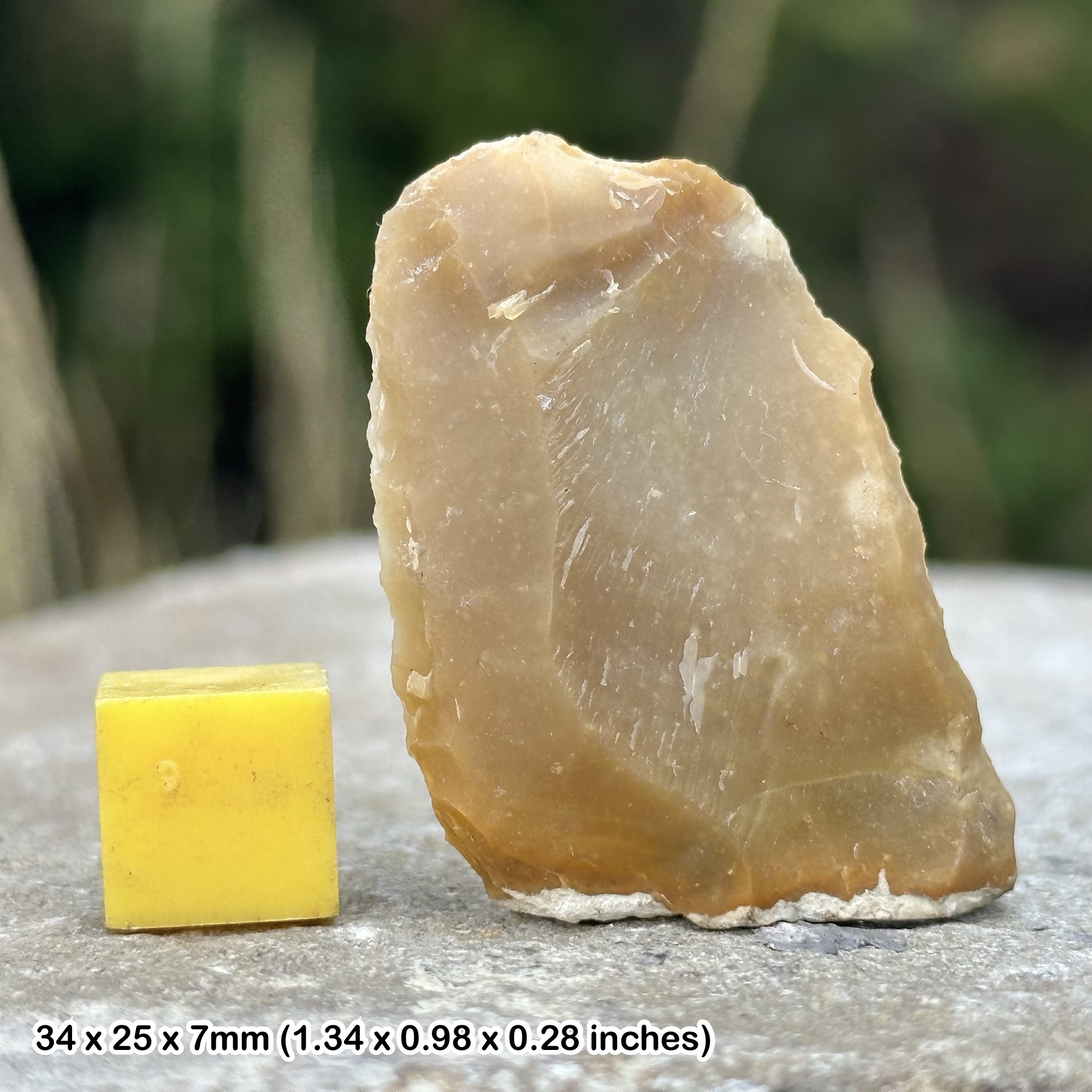
shell block from the Forest Marble Formation, Bathonian stage of the Jurassic, collected from Watton Cliff, Dorset, UK. This carefully chosen fossil specimen includes a Certificate of Authenticity lifetime guarantee generic card. The photo shows the actual fossil you will receive, allowing you to view the natural crinoid remains, shell-rich matrix, surface texture, preservation and overall display character of this individual piece before purchase. Full sizing details can be seen in the photo.Your specimen was discovered by our own team members, Alister and Alison, and has been cleaned, prepped and treated by Alison. This gives the fossil a clear collecting history, from discovery through to careful preparation and presentation. APIOCRINITES ELEGANS SPECIES INFORMATIONApiocrinites elegans is a Jurassic crinoid species, part of an ancient group of marine echinoderms related to modern sea lilies, feather stars, starfish and sea urchins. Crinoids are sometimes called “sea lilies” because many species had a stem, a cup-like body and branching arms that gave them a flower-like appearance while they lived attached to the sea floor.Apiocrinites is especially well known for its robust, elegant crinoid form. Fossil material may include stem ossicles, columnals, plates from the cup, or associated fragments preserved within the surrounding rock. The genus is notable for its strong, often rounded stem elements and distinctive Jurassic character. As an echinoderm, its skeleton was made of calcite plates, which helped preserve parts of the animal after burial in marine sediment.The species Apiocrinites elegans is a desirable fossil for collectors because crinoids represent a very different part of Jurassic marine life from the more commonly collected ammonites and bivalves. Where ammonites were active swimming cephalopods, crinoids were seabed-dwelling filter feeders, using their arms to collect food particles from the water. FOREST MARBLE FORMATION AND SHELL BLOCK MATRIXThis specimen is preserved in a Forest Marble shell block, giving it additional geological and display interest. The Forest Marble Formation is a Middle Jurassic rock unit known for its shelly limestones, mudstones and sedimentary layers formed in shallow marine and coastal environments. Shell blocks from this formation can contain a mixture of fossil fragments, including bivalves, brachiopods, echinoderm remains and other marine invertebrate material.The shell-rich matrix gives this fossil a natural palaeoenvironmental context. Rather than an isolated crinoid fragment, the block preserves evidence of the broader Jurassic seabed community. The mixture of crinoid remains and shelly material reflects a dynamic marine setting where hard skeletal parts accumulated, were transported, buried and eventually fossilised within the rock. BATHONIAN JURASSIC AGEThis fossil dates from the Bathonian stage of the Middle Jurassic, approximately 168 to 166 million years ago. During this time, parts of what is now Dorset were influenced by shallow seas, lagoons, coastal waters and shifting sedimentary environments. These habitats supported diverse marine life, including crinoids, bivalves, brachiopods, gastropods, echinoids and other invertebrates.The Bathonian is an important interval in British Jurassic geology, and fossils from this stage are valued for the insight they provide into Middle Jurassic ecosystems. Crinoid material from this age is especially appealing because it represents the structure and diversity of ancient sea-floor communities. WATTON CLIFF, DORSET FOSSIL LOCALITYWatton Cliff in Dorset is a notable fossil locality associated with the Forest Marble Formation and the wider Jurassic geology of southern England. Fossils from this area are collectable because they combine strong British locality appeal with recognised geological context. Dorset is internationally famous for its fossil heritage, and specimens from Watton Cliff offer a valuable Middle Jurassic contrast to the better-known Lower Jurassic fossils of Lyme Regis and Charmouth.An Apiocrinites elegans crinoid in shell block from Watton Cliff is a distinctive addition to collections focused on British fossils, Jurassic echinoderms, Dorset geology, Forest Marble fossils or ancient marine environments. PREPARATION, AUTHENTICITY AND DISPLAY APPEALThis fossil has been cleaned, prepped and treated by Alison to help present the specimen clearly while retaining its natural geological character. Careful preparation is important with crinoid and shell block specimens, as it helps reveal the fossil details and matrix texture while preserving the authentic appearance of the piece.The specimen is suitable for fossil collectors, crinoid enthusiasts, geology students, natural history displays, educational collections, cabinet displays or as a distinctive gift for someone interested in British palaeontology. It is supplied with a Certificate of Authenticity lifetime guarantee generic card, confirming that it is a genuine fossil specimen. The fossil shown in the photo is the exact piece you will receive.
shell block from the Forest Marble Formation, Bathonian stage of the Jurassic, collected from Watton Cliff, Dorset, UK. This carefully chosen fossil specimen includes a Certificate of Authenticity lifetime guarantee generic card. The photo shows the actual fossil you will receive, allowing you to view the natural crinoid remains, shell-rich matrix, surface texture, preservation and overall display character of this individual piece before purchase. Full sizing details can be seen in the photo.Your specimen was discovered by our own team members, Alister and Alison, and has been cleaned, prepped and treated by Alison. This gives the fossil a clear collecting history, from discovery through to careful preparation and presentation. APIOCRINITES ELEGANS SPECIES INFORMATIONApiocrinites elegans is a Jurassic crinoid species, part of an ancient group of marine echinoderms related to modern sea lilies, feather stars, starfish and sea urchins. Crinoids are sometimes called “sea lilies” because many species had a stem, a cup-like body and branching arms that gave them a flower-like appearance while they lived attached to the sea floor.Apiocrinites is especially well known for its robust, elegant crinoid form. Fossil material may include stem ossicles, columnals, plates from the cup, or associated fragments preserved within the surrounding rock. The genus is notable for its strong, often rounded stem elements and distinctive Jurassic character. As an echinoderm, its skeleton was made of calcite plates, which helped preserve parts of the animal after burial in marine sediment.The species Apiocrinites elegans is a desirable fossil for collectors because crinoids represent a very different part of Jurassic marine life from the more commonly collected ammonites and bivalves. Where ammonites were active swimming cephalopods, crinoids were seabed-dwelling filter feeders, using their arms to collect food particles from the water. FOREST MARBLE FORMATION AND SHELL BLOCK MATRIXThis specimen is preserved in a Forest Marble shell block, giving it additional geological and display interest. The Forest Marble Formation is a Middle Jurassic rock unit known for its shelly limestones, mudstones and sedimentary layers formed in shallow marine and coastal environments. Shell blocks from this formation can contain a mixture of fossil fragments, including bivalves, brachiopods, echinoderm remains and other marine invertebrate material.The shell-rich matrix gives this fossil a natural palaeoenvironmental context. Rather than an isolated crinoid fragment, the block preserves evidence of the broader Jurassic seabed community. The mixture of crinoid remains and shelly material reflects a dynamic marine setting where hard skeletal parts accumulated, were transported, buried and eventually fossilised within the rock. BATHONIAN JURASSIC AGEThis fossil dates from the Bathonian stage of the Middle Jurassic, approximately 168 to 166 million years ago. During this time, parts of what is now Dorset were influenced by shallow seas, lagoons, coastal waters and shifting sedimentary environments. These habitats supported diverse marine life, including crinoids, bivalves, brachiopods, gastropods, echinoids and other invertebrates.The Bathonian is an important interval in British Jurassic geology, and fossils from this stage are valued for the insight they provide into Middle Jurassic ecosystems. Crinoid material from this age is especially appealing because it represents the structure and diversity of ancient sea-floor communities. WATTON CLIFF, DORSET FOSSIL LOCALITYWatton Cliff in Dorset is a notable fossil locality associated with the Forest Marble Formation and the wider Jurassic geology of southern England. Fossils from this area are collectable because they combine strong British locality appeal with recognised geological context. Dorset is internationally famous for its fossil heritage, and specimens from Watton Cliff offer a valuable Middle Jurassic contrast to the better-known Lower Jurassic fossils of Lyme Regis and Charmouth.An Apiocrinites elegans crinoid in shell block from Watton Cliff is a distinctive addition to collections focused on British fossils, Jurassic echinoderms, Dorset geology, Forest Marble fossils or ancient marine environments. PREPARATION, AUTHENTICITY AND DISPLAY APPEALThis fossil has been cleaned, prepped and treated by Alison to help present the specimen clearly while retaining its natural geological character. Careful preparation is important with crinoid and shell block specimens, as it helps reveal the fossil details and matrix texture while preserving the authentic appearance of the piece.The specimen is suitable for fossil collectors, crinoid enthusiasts, geology students, natural history displays, educational collections, cabinet displays or as a distinctive gift for someone interested in British palaeontology. It is supplied with a Certificate of Authenticity lifetime guarantee generic card, confirming that it is a genuine fossil specimen. The fossil shown in the photo is the exact piece you will receive.
Other Products