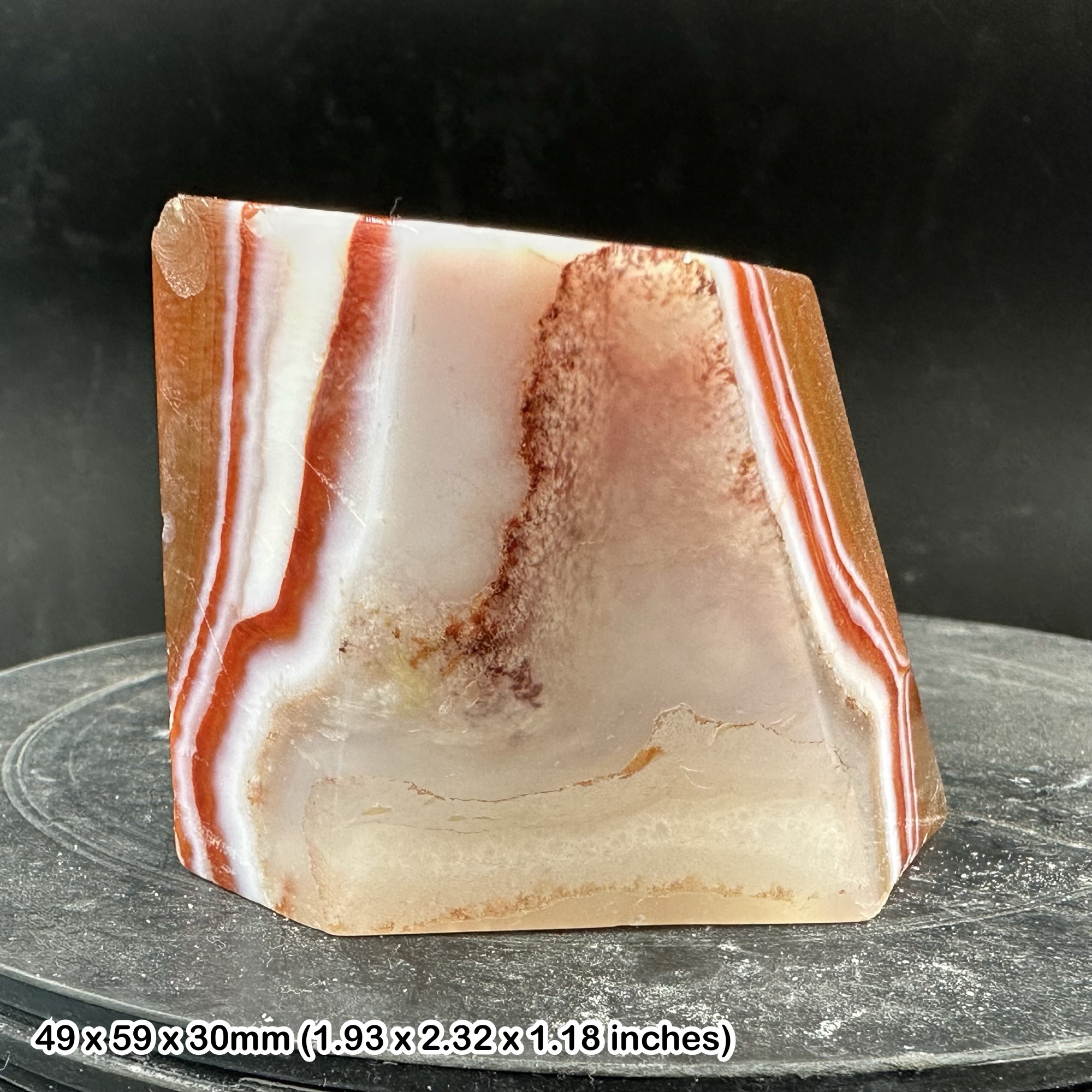
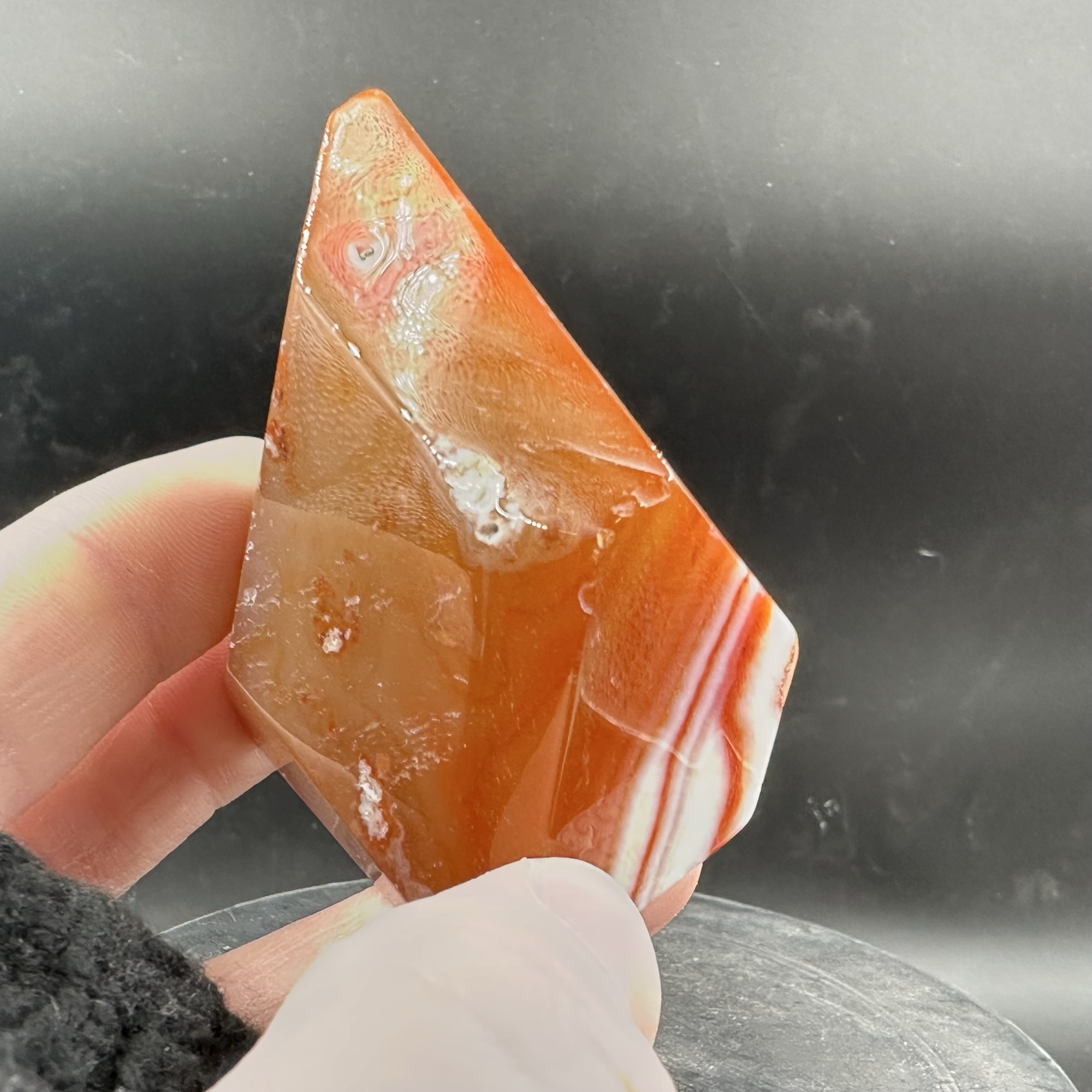
Carnelian Shaped Stone Natural Red Chalcedony Quartz Mineral Madagascar
£ 19.20
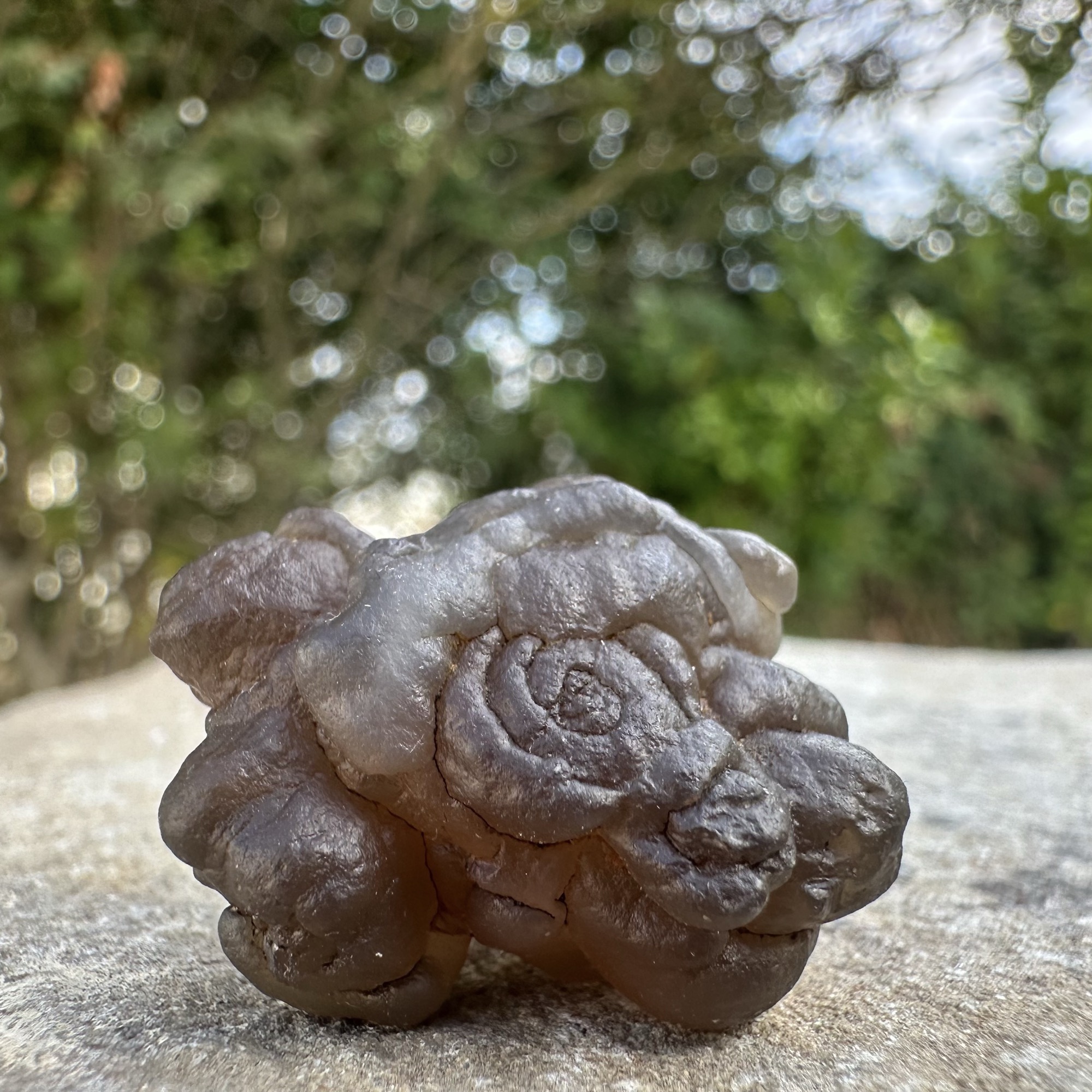
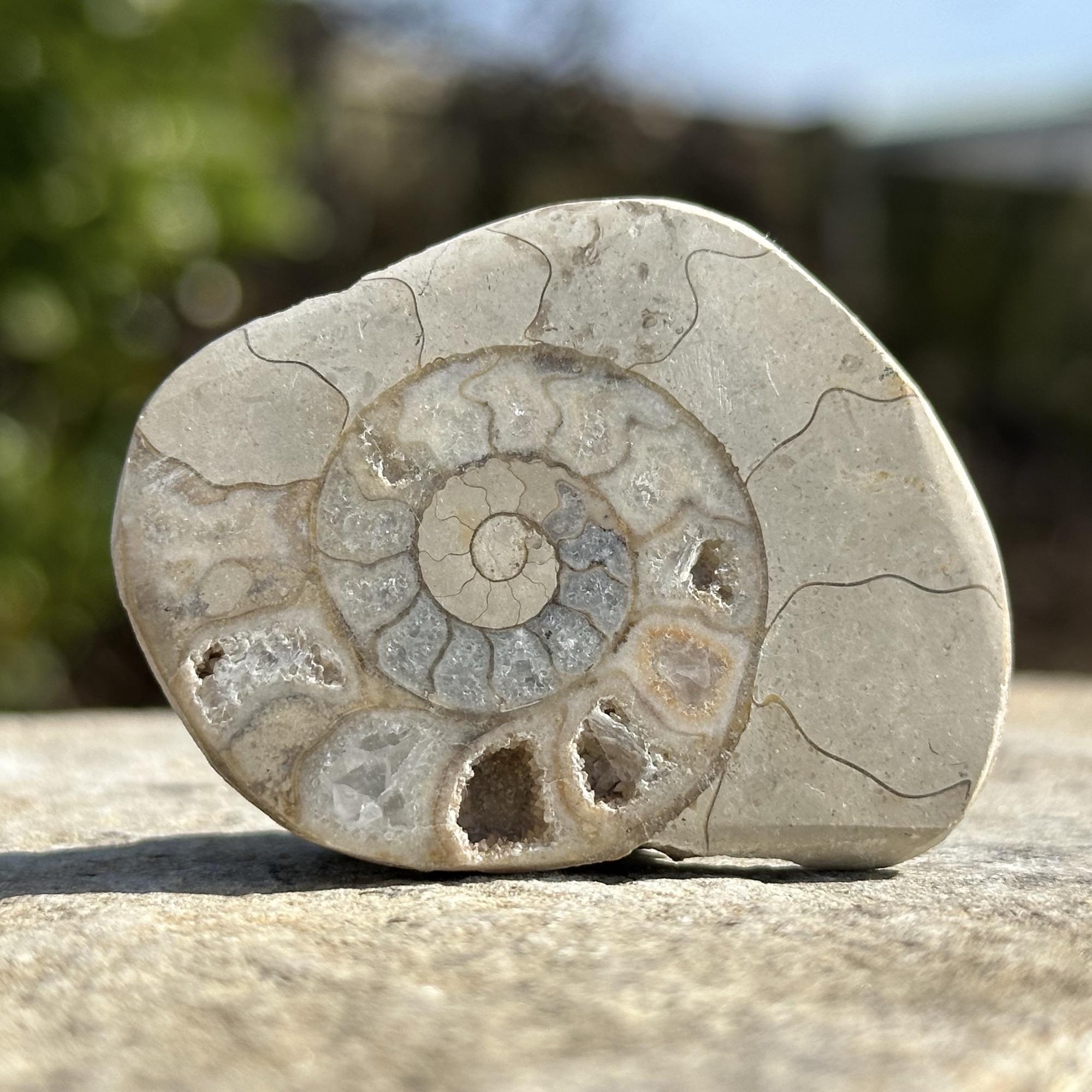
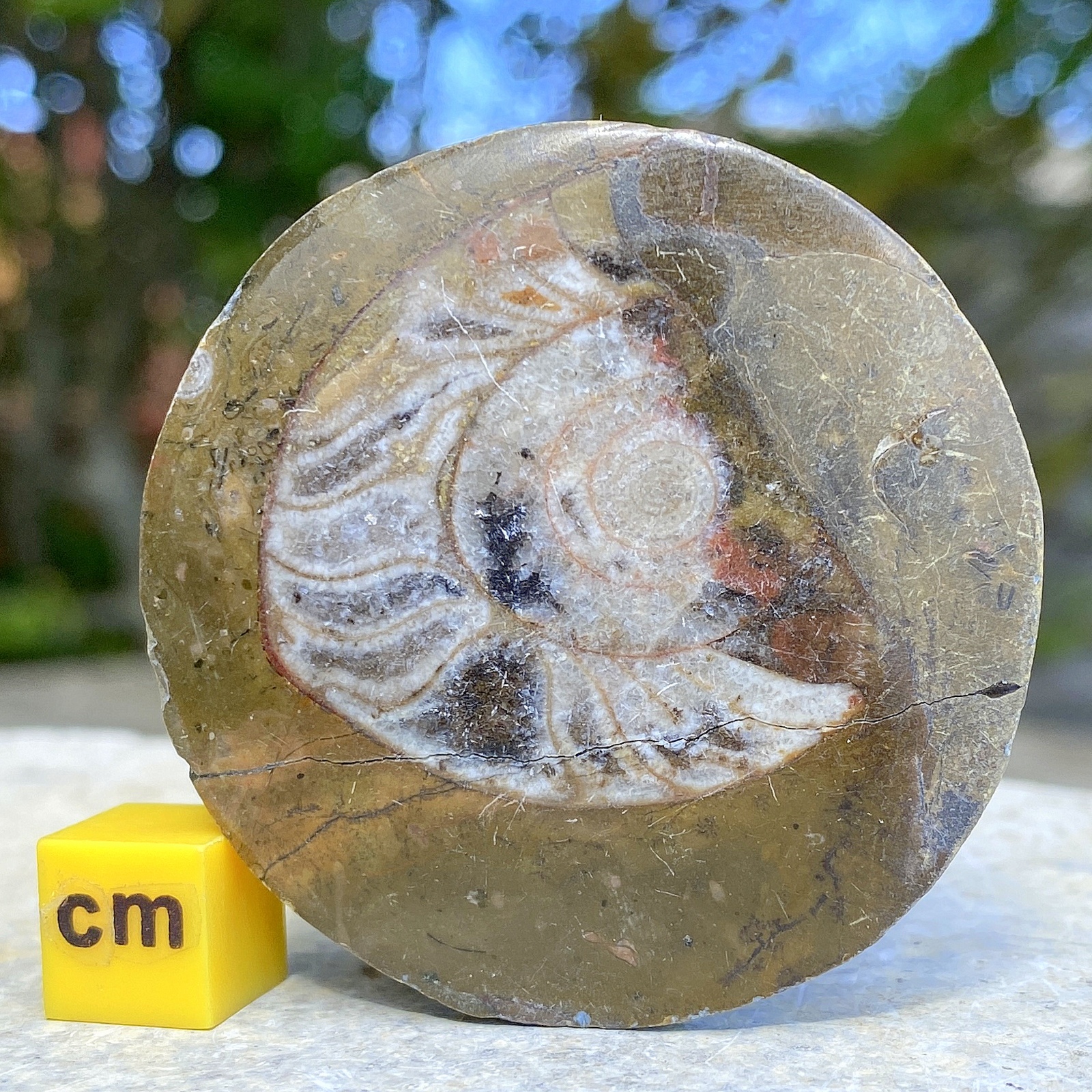
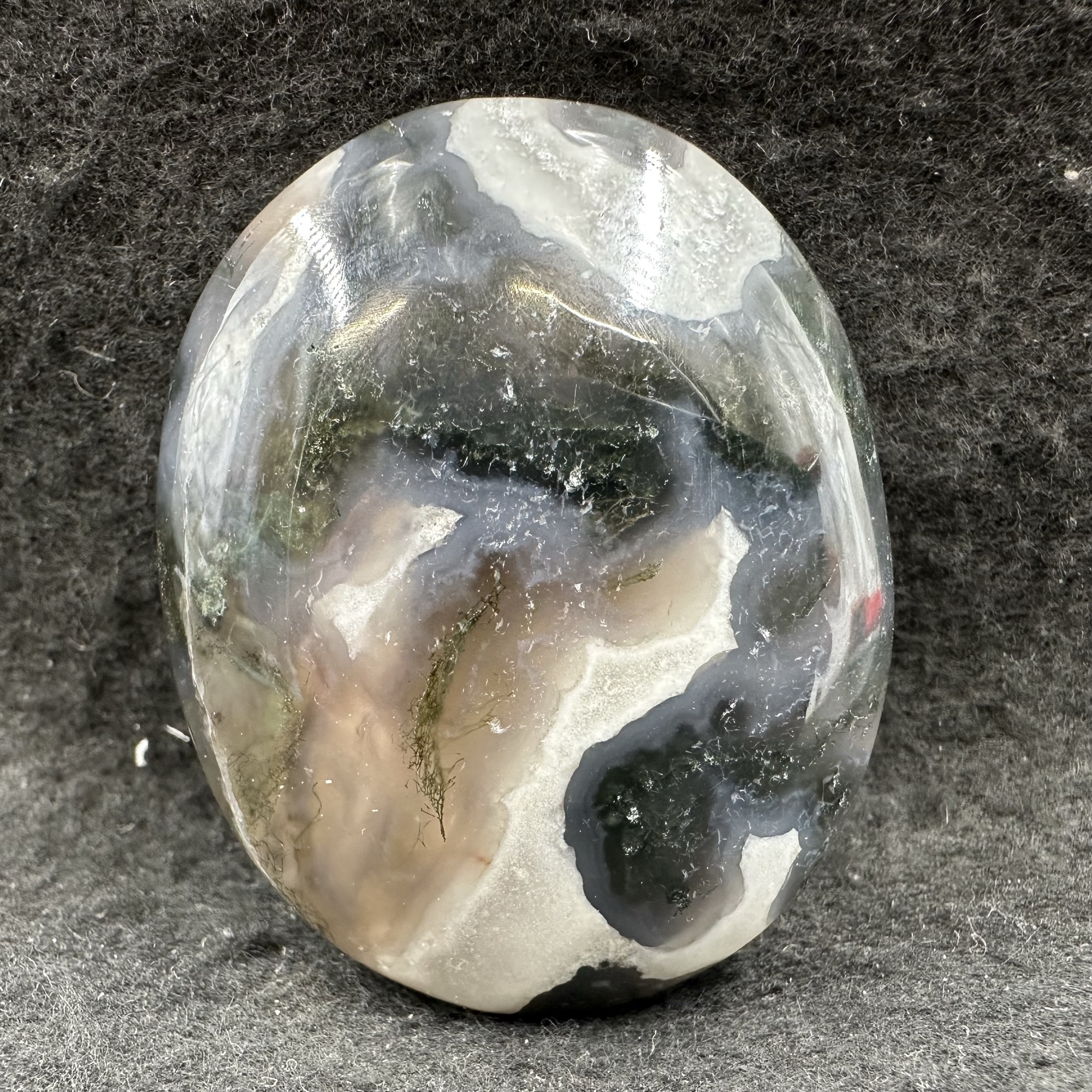
CARNELIAN SHAPED STONE – NATURAL CHALCEDONY QUARTZ FROM MADAGASCARThis Carnelian Shaped Stone is a polished mineral specimen carved from natural
carnelian, a reddish-orange variety of chalcedony belonging to the quartz mineral family. The stone has been shaped and polished to highlight the rich colour and smooth texture characteristic of high-quality carnelian. Its warm tones and polished surface make it an appealing addition to mineral collections, decorative displays, or natural stone assortments.Carnelian is known for its vibrant orange to reddish hues, which develop due to trace amounts of iron within the silica structure during geological formation. The polishing process enhances the natural translucency of the stone and reveals subtle internal patterns and colour variations formed over geological time.The photographs included in this listing show the actual specimen you will receive, allowing collectors and buyers to clearly view the stone’s colour, polish, and natural features prior to purchase.This crystal is a genuine specimen and includes a Certificate of Authenticity lifetime guarantee generic card.Please refer to the listing photographs for full sizing and scale. MINERAL IDENTIFICATION – CARNELIAN CHALCEDONYCarnelian is a variety of chalcedony, which is a microcrystalline form of quartz composed primarily of silicon dioxide. Chalcedony consists of extremely fine intergrowths of quartz and moganite crystals that form compact masses rather than visible crystal structures.Key mineralogical details include:
• Mineral Name: Quartz
• Variety: Chalcedony (Carnelian)
• Chemical Formula: SiO₂ (Silicon Dioxide)
• Mineral Class: Silicate
• Crystal System: Trigonal
• Mohs Hardness: 6.5–7
• Lustre: Waxy to vitreous
• Transparency: Translucent to opaqueCarnelian typically displays orange, reddish-orange, or deep reddish-brown colours depending on the concentration and oxidation state of iron impurities present within the stone. GEOLOGICAL FORMATION OF CARNELIANCarnelian forms through the gradual deposition of silica-rich fluids within cavities, fractures, or porous rock formations. As these fluids cool and solidify, layers of chalcedony develop, often producing banded or massive structures.The colour in carnelian develops when iron-bearing minerals become incorporated into the silica during crystallisation. Oxidation of the iron during geological processes produces the warm orange and red tones associated with the stone.Carnelian is commonly found in geological environments such as:
• Volcanic rock cavities
• Hydrothermal veins
• Silica-rich sedimentary deposits
• Weathered basalt formationsIn many deposits, chalcedony minerals occur alongside other silica varieties including agate, jasper, and quartz. NATURAL COLOUR AND INTERNAL CHARACTERISTICSCarnelian is known for its distinctive colour range, which can include:
• Soft orange tones
• Deep reddish-orange hues
• Warm brownish-red shades
• Translucent amber-like areasThe colour may appear uniform or show subtle internal variations depending on mineral distribution during formation. When polished, the stone often reveals natural patterns such as faint banding, internal clouding, or colour zoning.These natural features are part of the geological history of the mineral and make each specimen visually unique. LAPIDARY SHAPING AND POLISHINGThis specimen has been shaped and polished through lapidary techniques designed to smooth the stone while preserving its natural colour and internal structure. The shaping process typically involves several stages: 1. Cutting rough mineral material into manageable pieces 2. Grinding and shaping the stone to the desired form 3. Progressive smoothing using finer abrasives 4. Final polishing to produce a smooth reflective surfaceThe polished finish enhances the stone’s natural lustre and allows light to interact with the translucent chalcedony structure. MADAGASCAR MINERAL LOCALITYMadagascar is well known among mineral collectors for producing a wide range of quartz varieties and silica-based stones. The island’s complex geological history includes volcanic and sedimentary environments that provide favourable conditions for the formation of chalcedony minerals such as carnelian.Deposits from Madagascar often produce stones with strong colour saturation and attractive natural patterns, making them popular among collectors and lapidary artisans. MINERAL COLLECTING AND DISPLAYCarnelian shaped stones are widely appreciated by mineral enthusiasts due to their natural colour and smooth polished finish. The stone can be displayed individually or as part of a larger mineral or gemstone collection.This specimen may be suitable for:
• Mineral and crystal collections
• Chalcedony and quartz variety collections
• Geological study displays
• Decorative natural stone arrangements
• Unique natural gift itemsIn some traditions, carnelian stones are traditionally associated with symbolic or spiritual interpretations, though these interpretations are belief-based rather than scientific explanations.Because the listing photographs show the exact specimen, buyers can purchase confidently knowing the precise mineral piece they will receive. AUTHENTIC NATURAL MINERAL SPECIMENThis Carnelian Shaped Stone from Madagascar is a genuine chalcedony quartz mineral specimen selected for its colour and polished finish.The specimen includes a Certificate of Authenticity lifetime guarantee generic card, confirming the authenticity of the stone.Please review the listing photographs for full sizing and scale, as they form part of the description and clearly show the exact specimen available for purchase.
carnelian, a reddish-orange variety of chalcedony belonging to the quartz mineral family. The stone has been shaped and polished to highlight the rich colour and smooth texture characteristic of high-quality carnelian. Its warm tones and polished surface make it an appealing addition to mineral collections, decorative displays, or natural stone assortments.Carnelian is known for its vibrant orange to reddish hues, which develop due to trace amounts of iron within the silica structure during geological formation. The polishing process enhances the natural translucency of the stone and reveals subtle internal patterns and colour variations formed over geological time.The photographs included in this listing show the actual specimen you will receive, allowing collectors and buyers to clearly view the stone’s colour, polish, and natural features prior to purchase.This crystal is a genuine specimen and includes a Certificate of Authenticity lifetime guarantee generic card.Please refer to the listing photographs for full sizing and scale. MINERAL IDENTIFICATION – CARNELIAN CHALCEDONYCarnelian is a variety of chalcedony, which is a microcrystalline form of quartz composed primarily of silicon dioxide. Chalcedony consists of extremely fine intergrowths of quartz and moganite crystals that form compact masses rather than visible crystal structures.Key mineralogical details include:
• Mineral Name: Quartz
• Variety: Chalcedony (Carnelian)
• Chemical Formula: SiO₂ (Silicon Dioxide)
• Mineral Class: Silicate
• Crystal System: Trigonal
• Mohs Hardness: 6.5–7
• Lustre: Waxy to vitreous
• Transparency: Translucent to opaqueCarnelian typically displays orange, reddish-orange, or deep reddish-brown colours depending on the concentration and oxidation state of iron impurities present within the stone. GEOLOGICAL FORMATION OF CARNELIANCarnelian forms through the gradual deposition of silica-rich fluids within cavities, fractures, or porous rock formations. As these fluids cool and solidify, layers of chalcedony develop, often producing banded or massive structures.The colour in carnelian develops when iron-bearing minerals become incorporated into the silica during crystallisation. Oxidation of the iron during geological processes produces the warm orange and red tones associated with the stone.Carnelian is commonly found in geological environments such as:
• Volcanic rock cavities
• Hydrothermal veins
• Silica-rich sedimentary deposits
• Weathered basalt formationsIn many deposits, chalcedony minerals occur alongside other silica varieties including agate, jasper, and quartz. NATURAL COLOUR AND INTERNAL CHARACTERISTICSCarnelian is known for its distinctive colour range, which can include:
• Soft orange tones
• Deep reddish-orange hues
• Warm brownish-red shades
• Translucent amber-like areasThe colour may appear uniform or show subtle internal variations depending on mineral distribution during formation. When polished, the stone often reveals natural patterns such as faint banding, internal clouding, or colour zoning.These natural features are part of the geological history of the mineral and make each specimen visually unique. LAPIDARY SHAPING AND POLISHINGThis specimen has been shaped and polished through lapidary techniques designed to smooth the stone while preserving its natural colour and internal structure. The shaping process typically involves several stages: 1. Cutting rough mineral material into manageable pieces 2. Grinding and shaping the stone to the desired form 3. Progressive smoothing using finer abrasives 4. Final polishing to produce a smooth reflective surfaceThe polished finish enhances the stone’s natural lustre and allows light to interact with the translucent chalcedony structure. MADAGASCAR MINERAL LOCALITYMadagascar is well known among mineral collectors for producing a wide range of quartz varieties and silica-based stones. The island’s complex geological history includes volcanic and sedimentary environments that provide favourable conditions for the formation of chalcedony minerals such as carnelian.Deposits from Madagascar often produce stones with strong colour saturation and attractive natural patterns, making them popular among collectors and lapidary artisans. MINERAL COLLECTING AND DISPLAYCarnelian shaped stones are widely appreciated by mineral enthusiasts due to their natural colour and smooth polished finish. The stone can be displayed individually or as part of a larger mineral or gemstone collection.This specimen may be suitable for:
• Mineral and crystal collections
• Chalcedony and quartz variety collections
• Geological study displays
• Decorative natural stone arrangements
• Unique natural gift itemsIn some traditions, carnelian stones are traditionally associated with symbolic or spiritual interpretations, though these interpretations are belief-based rather than scientific explanations.Because the listing photographs show the exact specimen, buyers can purchase confidently knowing the precise mineral piece they will receive. AUTHENTIC NATURAL MINERAL SPECIMENThis Carnelian Shaped Stone from Madagascar is a genuine chalcedony quartz mineral specimen selected for its colour and polished finish.The specimen includes a Certificate of Authenticity lifetime guarantee generic card, confirming the authenticity of the stone.Please review the listing photographs for full sizing and scale, as they form part of the description and clearly show the exact specimen available for purchase.
Other Products