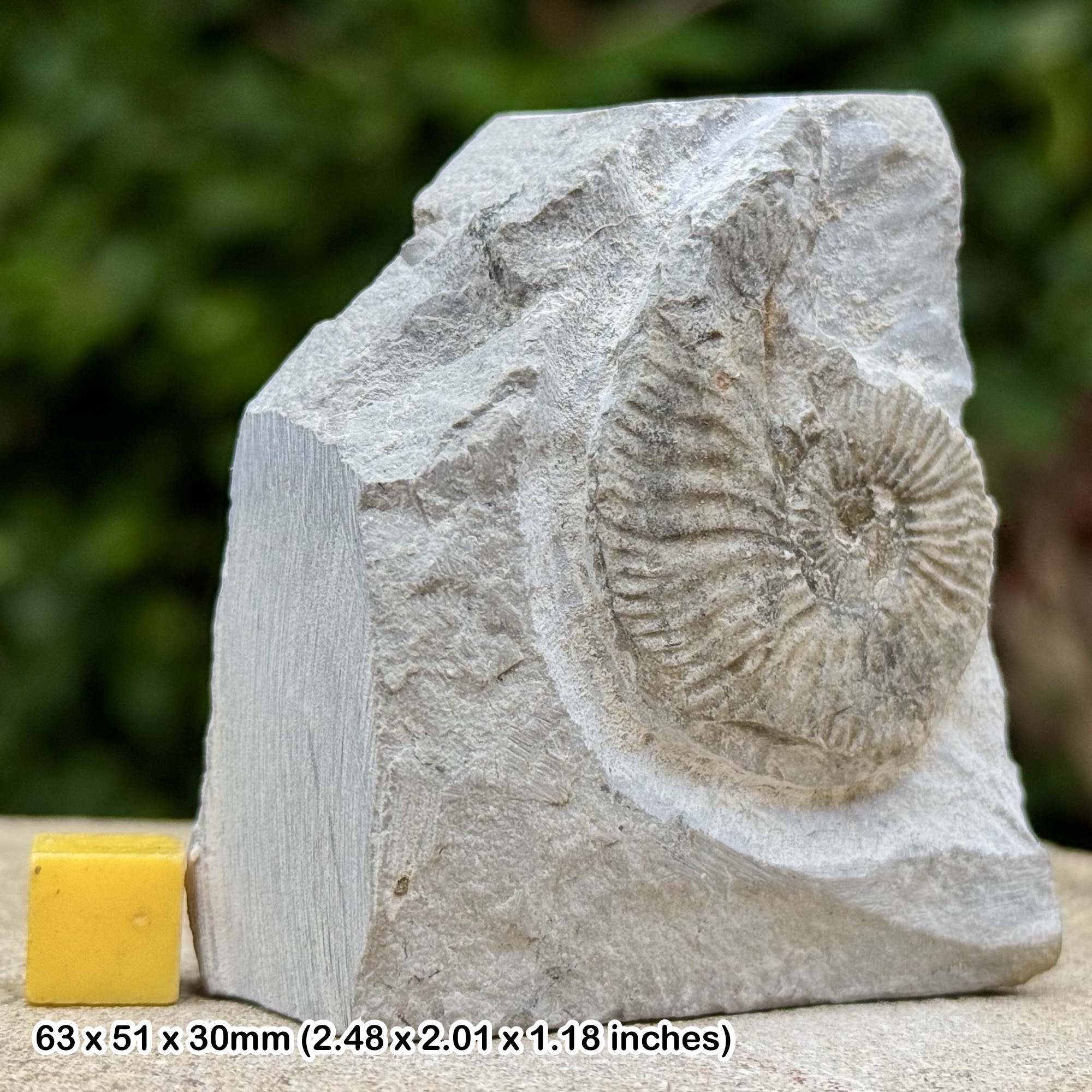
Berriasella Ammonite Fossil from Berriasian Cretaceous Ginestous Garde France Authentic Specimen
£ 18.00
GEOLOGICAL CONTEXT AND PROVENANCEThis specimen is a genuine Berriasella ammonite fossil from the Berriasian Stage
of the Early Cretaceous Period, approximately 145 – 139 million years ago. It originates from Ginestous, Gard, France, a locality well known for its richly fossiliferous Lower Cretaceous deposits. The Berriasian is the very first stage of the Cretaceous, and ammonites such as Berriasella play an essential role in defining its biozones.The Gard region offers excellent exposures of sedimentary rocks laid down in shallow marine conditions along the ancient Tethys Ocean. These deposits preserve a wealth of ammonites and other marine fossils, making the locality important both for scientific research and for collectors of high-quality specimens. FOSSIL TYPE AND SPECIES INFORMATIONBerriasella belongs to the Order Ammonitida, Superfamily Perisphinctoidea, and Family Neocomitidae. The genus is one of the most important Lower Cretaceous ammonite groups, widely used as a biostratigraphic marker for the Berriasian Stage. Its fossils are found across Europe and the Mediterranean, helping palaeontologists establish correlations between different regions.The genus is significant for its distinctive ribbing and shell morphology. Ammonites such as Berriasella have been integral to defining the beginning of the Cretaceous Period, with species used in setting the Global Boundary Stratotype Section and Point (GSSP) for the Berriasian. MORPHOLOGICAL FEATURES AND IDENTIFICATIONThis specimen of Berriasella displays the characteristic coiling and ribbing of the genus. The shell is moderately involute, with strong, prominent ribs that extend across the flanks and onto the venter. The whorls are tightly coiled, producing a compact yet elegant structure. The ribbing often bifurcates or branches, creating a decorative and easily recognisable pattern.These morphological traits reflect adaptations to a nektonic lifestyle. The ribbing strengthened the shell while improving hydrodynamics during swimming. Like all ammonites, Berriasella possessed a chambered shell that allowed it to regulate buoyancy and occupy different depths of the water column. DEPOSITIONAL ENVIRONMENTDuring the Berriasian, the Ginestous region of Gard lay beneath warm, shallow seas associated with the Tethys Ocean. Sediments of limestone and marl were deposited in these environments, creating excellent conditions for the preservation of ammonite shells. Fossils from these beds often retain fine morphological detail, making them highly sought after by collectors.Ammonites like Berriasella were nektonic predators, feeding on planktonic crustaceans and small molluscs. They were also a key food source for larger marine reptiles and predatory fish. Their abundance and diversity make them a cornerstone of Cretaceous marine palaeontology. COLLECTOR APPEAL AND AUTHENTICITYThis Berriasella ammonite is a scientifically important specimen from the very start of the Cretaceous. Its provenance from Ginestous in Gard, France, combined with its distinctive ribbed morphology, makes it highly appealing to collectors, educators, and researchers.
• 100% Genuine Specimen – All of our fossils are authentic and supplied with a Certificate of Authenticity.
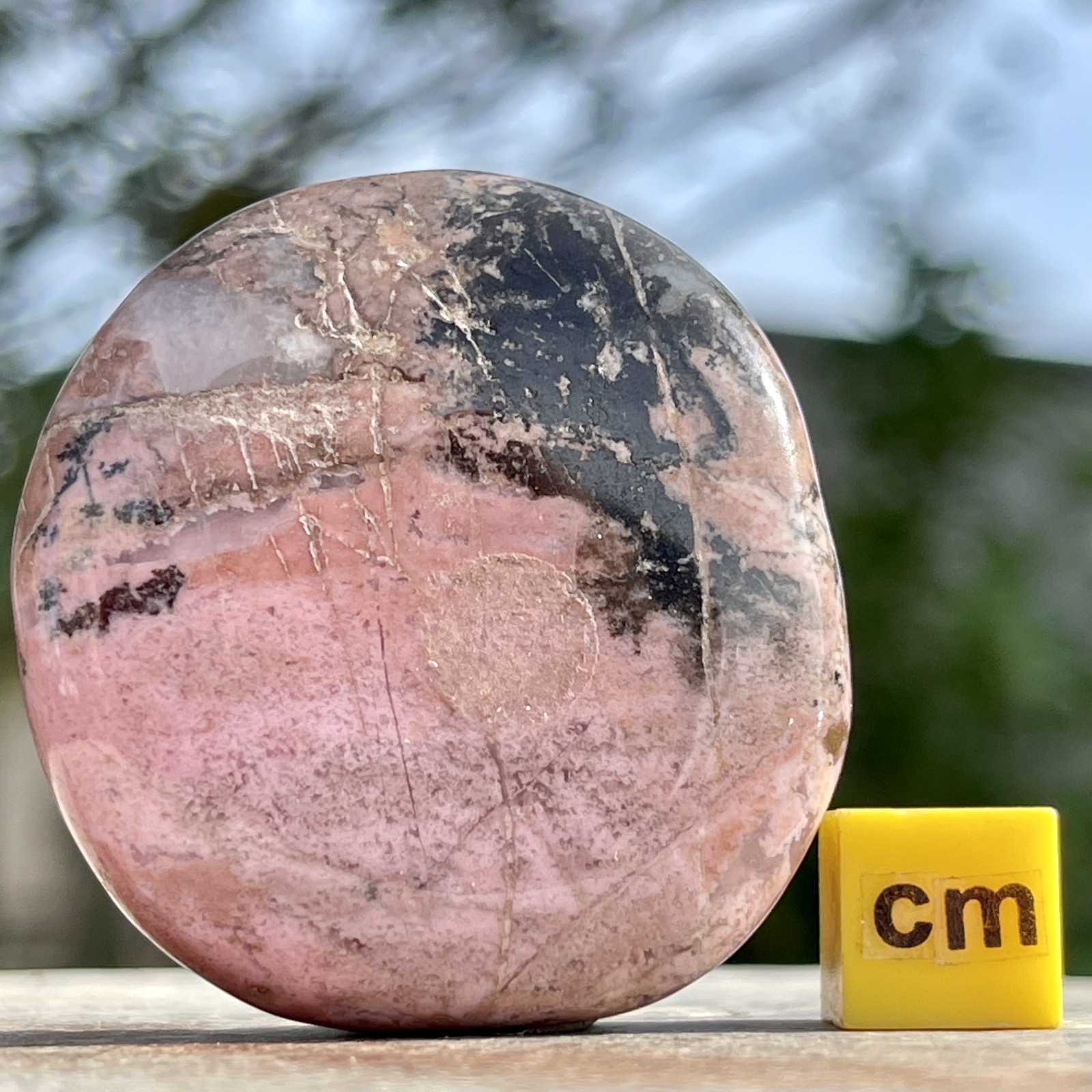
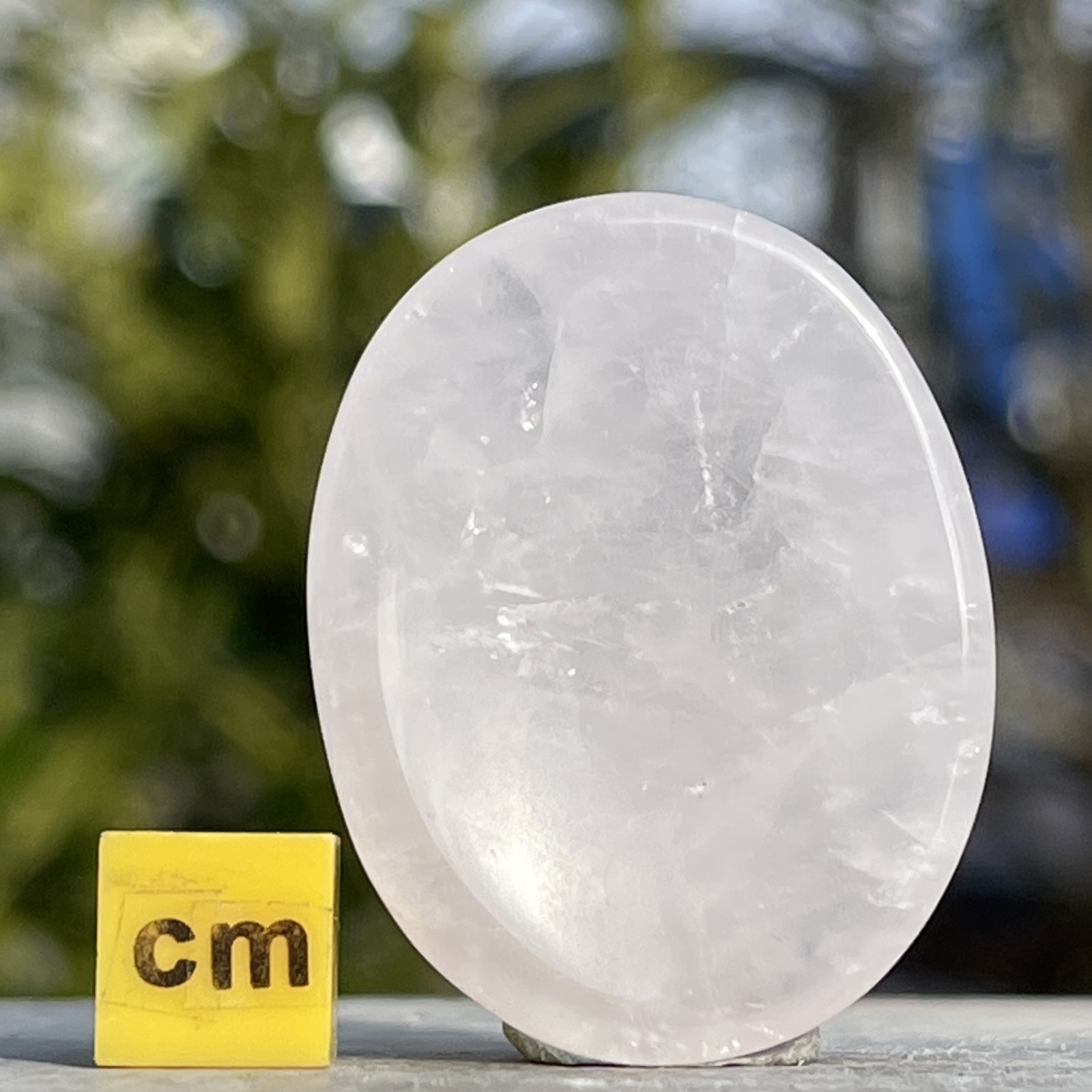
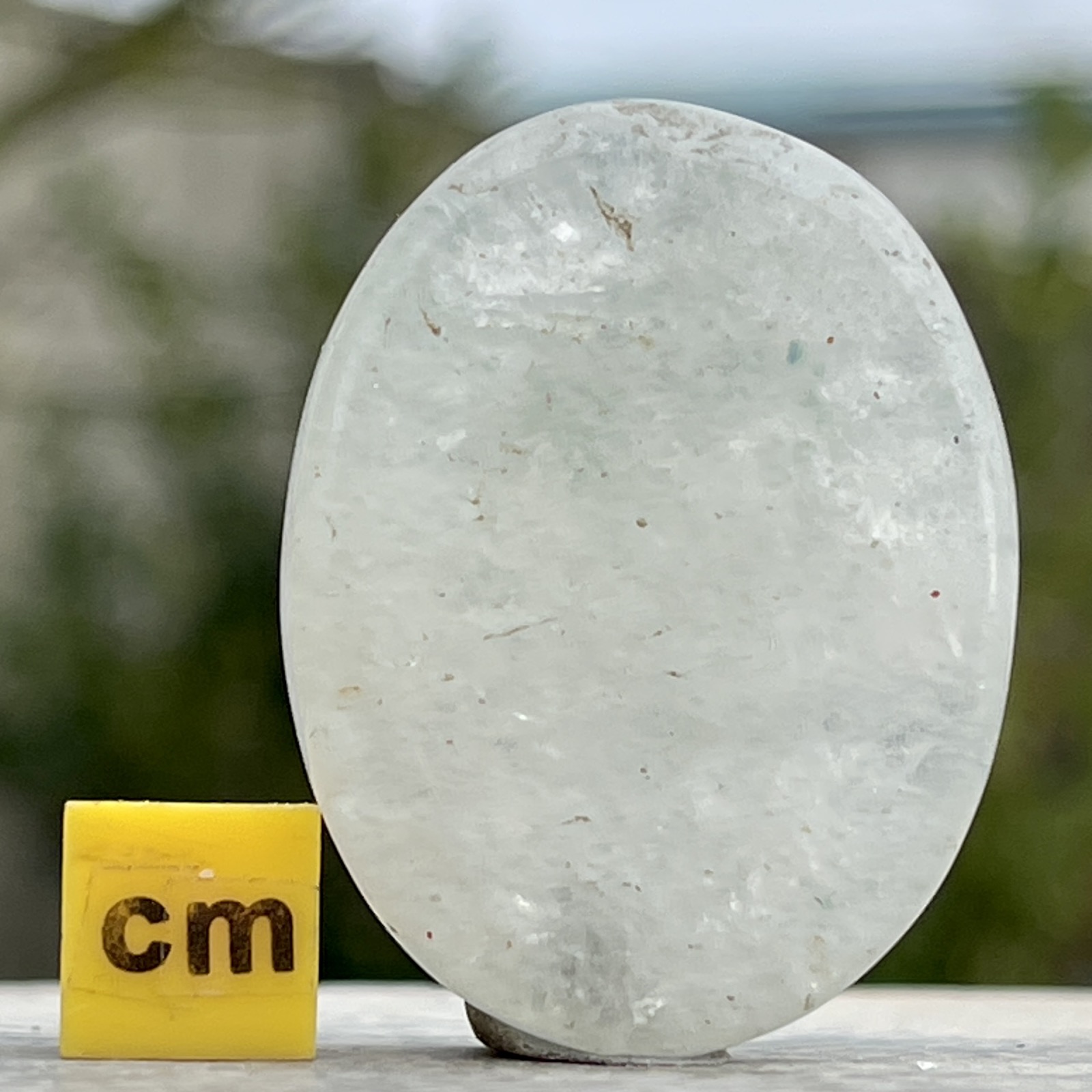
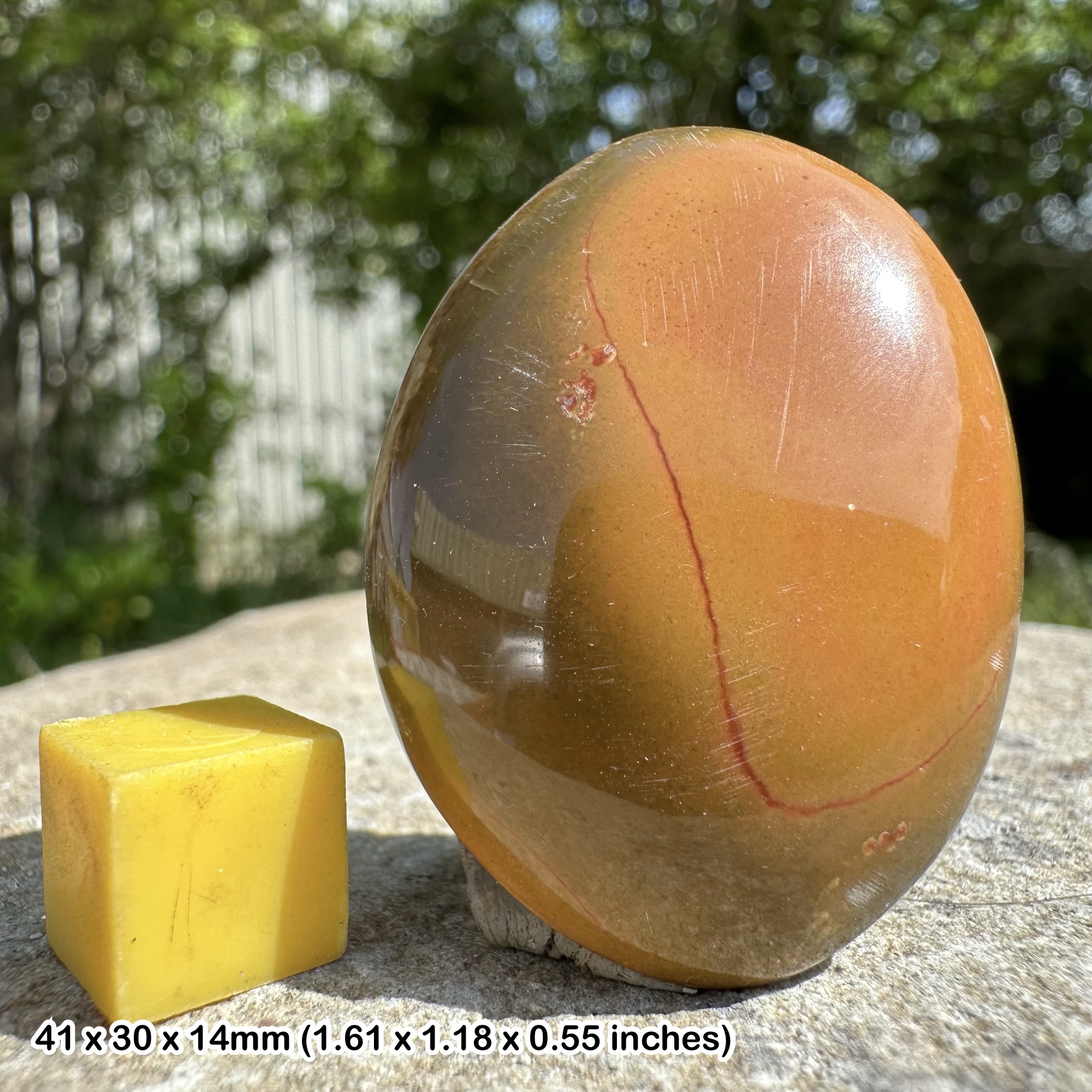
• Exact Fossil Shown – The photographs depict the actual ammonite you will receive.
• Scale Reference – Scale rule squares / cube = 1 cm. Please check the photos for accurate sizing.This carefully chosen Berriasella ammonite fossil connects you directly to the dawn of the Cretaceous seas. Its rarity, historical importance, and striking natural beauty make it an exceptional addition to any fossil collection or natural history display.
of the Early Cretaceous Period, approximately 145 – 139 million years ago. It originates from Ginestous, Gard, France, a locality well known for its richly fossiliferous Lower Cretaceous deposits. The Berriasian is the very first stage of the Cretaceous, and ammonites such as Berriasella play an essential role in defining its biozones.The Gard region offers excellent exposures of sedimentary rocks laid down in shallow marine conditions along the ancient Tethys Ocean. These deposits preserve a wealth of ammonites and other marine fossils, making the locality important both for scientific research and for collectors of high-quality specimens. FOSSIL TYPE AND SPECIES INFORMATIONBerriasella belongs to the Order Ammonitida, Superfamily Perisphinctoidea, and Family Neocomitidae. The genus is one of the most important Lower Cretaceous ammonite groups, widely used as a biostratigraphic marker for the Berriasian Stage. Its fossils are found across Europe and the Mediterranean, helping palaeontologists establish correlations between different regions.The genus is significant for its distinctive ribbing and shell morphology. Ammonites such as Berriasella have been integral to defining the beginning of the Cretaceous Period, with species used in setting the Global Boundary Stratotype Section and Point (GSSP) for the Berriasian. MORPHOLOGICAL FEATURES AND IDENTIFICATIONThis specimen of Berriasella displays the characteristic coiling and ribbing of the genus. The shell is moderately involute, with strong, prominent ribs that extend across the flanks and onto the venter. The whorls are tightly coiled, producing a compact yet elegant structure. The ribbing often bifurcates or branches, creating a decorative and easily recognisable pattern.These morphological traits reflect adaptations to a nektonic lifestyle. The ribbing strengthened the shell while improving hydrodynamics during swimming. Like all ammonites, Berriasella possessed a chambered shell that allowed it to regulate buoyancy and occupy different depths of the water column. DEPOSITIONAL ENVIRONMENTDuring the Berriasian, the Ginestous region of Gard lay beneath warm, shallow seas associated with the Tethys Ocean. Sediments of limestone and marl were deposited in these environments, creating excellent conditions for the preservation of ammonite shells. Fossils from these beds often retain fine morphological detail, making them highly sought after by collectors.Ammonites like Berriasella were nektonic predators, feeding on planktonic crustaceans and small molluscs. They were also a key food source for larger marine reptiles and predatory fish. Their abundance and diversity make them a cornerstone of Cretaceous marine palaeontology. COLLECTOR APPEAL AND AUTHENTICITYThis Berriasella ammonite is a scientifically important specimen from the very start of the Cretaceous. Its provenance from Ginestous in Gard, France, combined with its distinctive ribbed morphology, makes it highly appealing to collectors, educators, and researchers.
• 100% Genuine Specimen – All of our fossils are authentic and supplied with a Certificate of Authenticity.
• Exact Fossil Shown – The photographs depict the actual ammonite you will receive.
• Scale Reference – Scale rule squares / cube = 1 cm. Please check the photos for accurate sizing.This carefully chosen Berriasella ammonite fossil connects you directly to the dawn of the Cretaceous seas. Its rarity, historical importance, and striking natural beauty make it an exceptional addition to any fossil collection or natural history display.