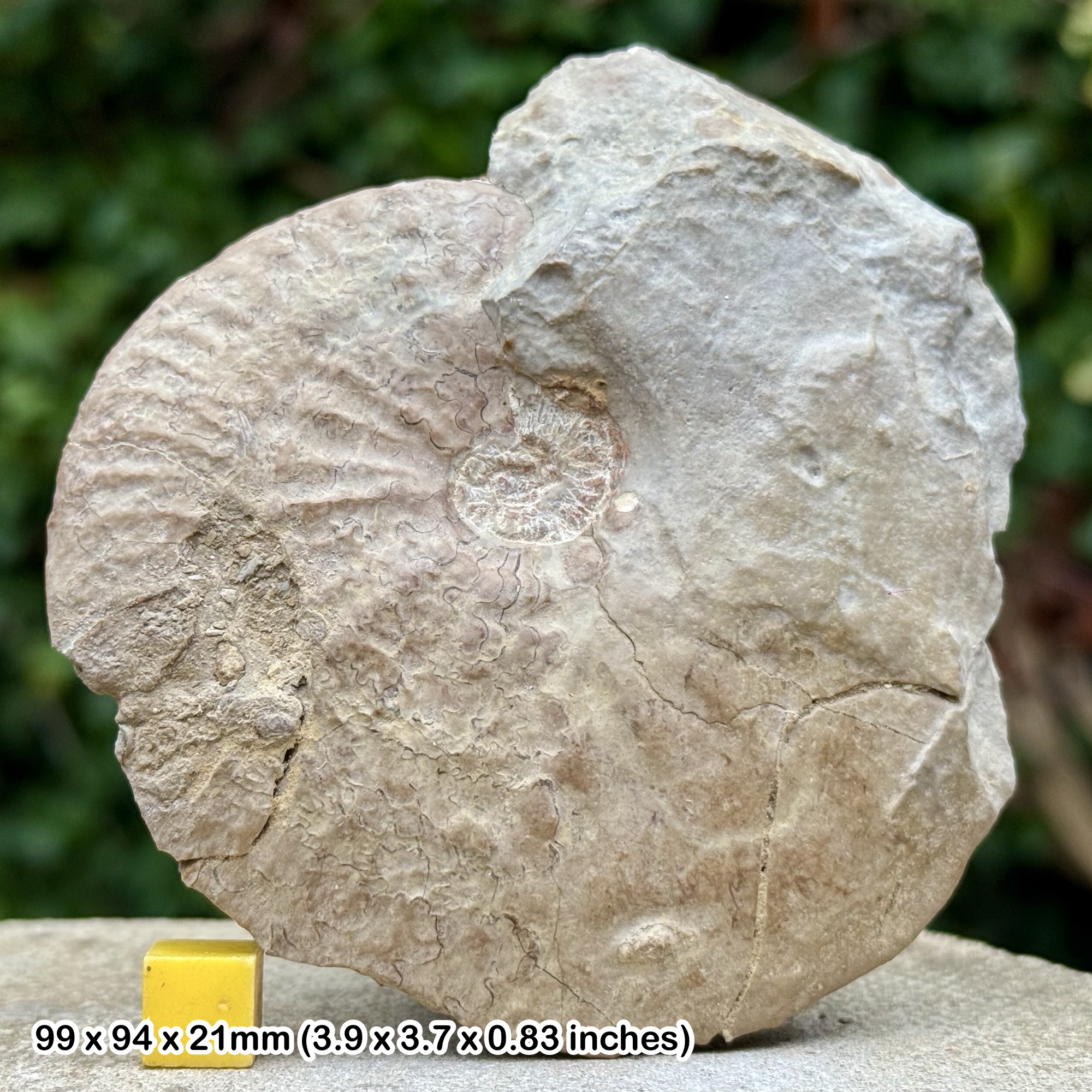
Rare Karakschikiceras pronecostatum Ammonite Fossil from Valanginian Cretaceous Thorenc 06 France Authentic Specimen
£ 36.00
GEOLOGICAL CONTEXT AND PROVENANCEThis rare specimen is a genuine Karakschikiceras pronecostatum ammonite fossil
from the Valanginian Stage of the Early Cretaceous Period, approximately 139 – 133 million years ago. It originates from Thorenc, Alpes-Maritimes, France, an area celebrated for its rich Cretaceous marine deposits. These fossil beds formed along the margins of the Tethys Ocean and provide a superb record of ammonite diversity during the Early Cretaceous.The Valanginian is an important interval in Earth’s history, following the Berriasian at the base of the Cretaceous. Ammonites from this stage are critical biostratigraphic markers, helping geologists date and correlate marine sediments. The presence of Karakschikiceras pronecostatum in Thorenc is significant for refining ammonite zones and reconstructing the marine ecosystems of this time. FOSSIL TYPE AND SPECIES INFORMATIONKarakschikiceras pronecostatum belongs to the Order Ammonitida, Superfamily Perisphinctoidea, and Family Neocomitidae. This group of ammonites is particularly important for Early Cretaceous stratigraphy and is noted for its distinctive ribbing patterns and evolute shells.The genus Karakschikiceras is recognised for its strong, costate ribbing, which often continues uninterrupted across the venter, giving the shell a bold, sculptured appearance. The species pronecostatum exemplifies these traits, with its ribs arranged in a consistent, striking pattern that makes it easy to identify. MORPHOLOGICAL FEATURES AND IDENTIFICATIONThis specimen displays the classic morphology of Karakschikiceras pronecostatum. Its shell is evolute, with whorls that expose the earlier coils, and marked by strong radial ribs that extend across the flanks and sweep boldly over the venter. These ribs are straight and regularly spaced, lending the shell a robust and well-structured appearance.The ribbing pattern is diagnostic of the species and is not only visually striking but also a key feature used in scientific identification. Like other ammonites, the chambered shell provided buoyancy control, enabling the animal to navigate shallow marine waters. Its form suggests an active nektonic lifestyle, preying on smaller invertebrates and playing an important role within the Valanginian marine food web. DEPOSITIONAL ENVIRONMENTDuring the Valanginian, Thorenc and the surrounding Alpes-Maritimes were covered by shallow seas connected to the Tethys Ocean. These warm, nutrient-rich waters supported a diverse marine ecosystem that included ammonites, belemnites, gastropods, bivalves, echinoids, and larger marine reptiles.Sediments in this region were dominated by limestones and marls, which created ideal conditions for the preservation of ammonites. Fossils from this environment often retain remarkable detail, preserving the ribbing and overall morphology of species like Karakschikiceras pronecostatum. COLLECTOR APPEAL AND AUTHENTICITYThis Karakschikiceras pronecostatum ammonite fossil is both scientifically important and visually appealing. Its bold ribbing, evolute coiling, and provenance from the classic Valanginian deposits of Thorenc, France, make it a highly desirable specimen for collectors, educators, and natural history enthusiasts.
• 100% Genuine Specimen – Supplied with a Certificate of Authenticity.
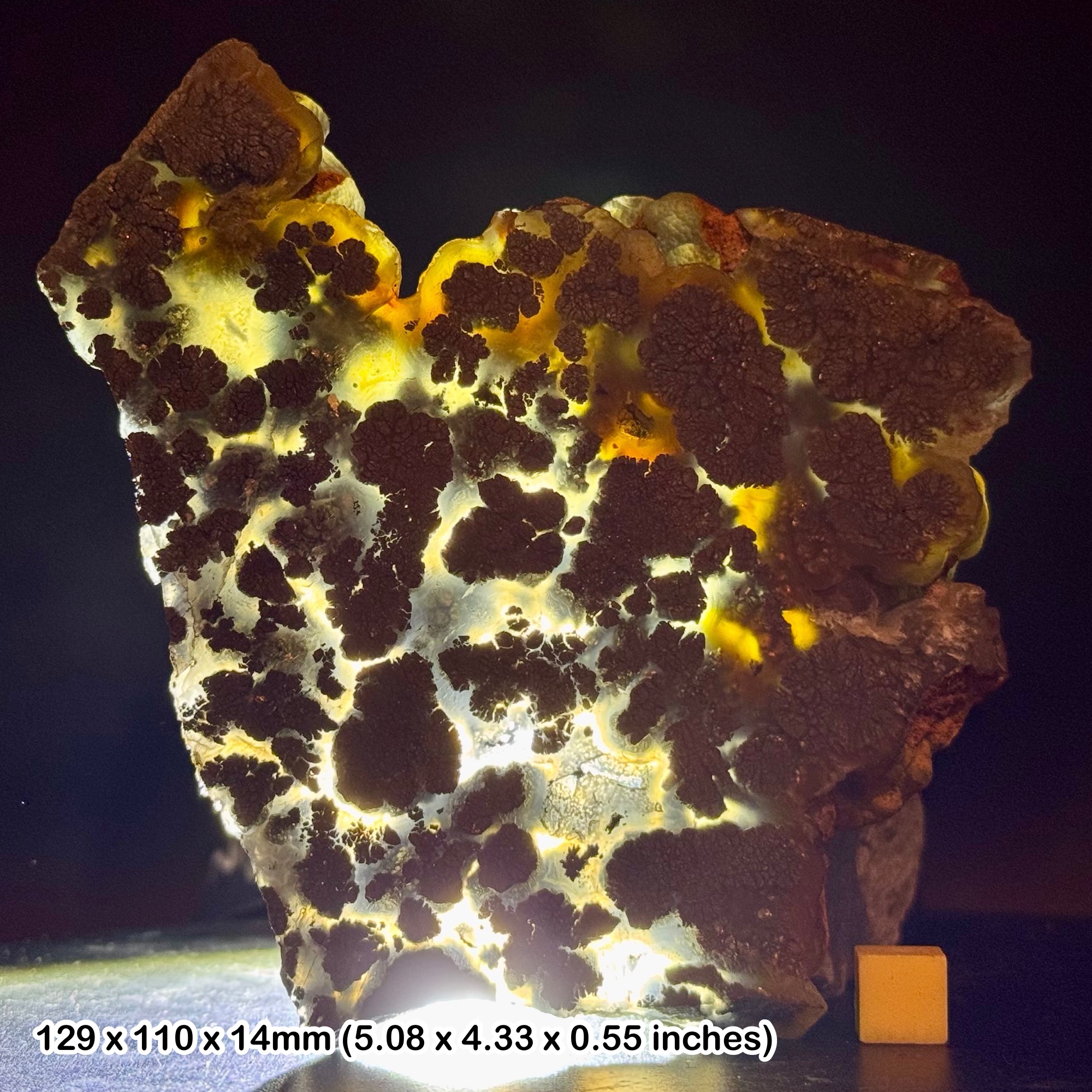
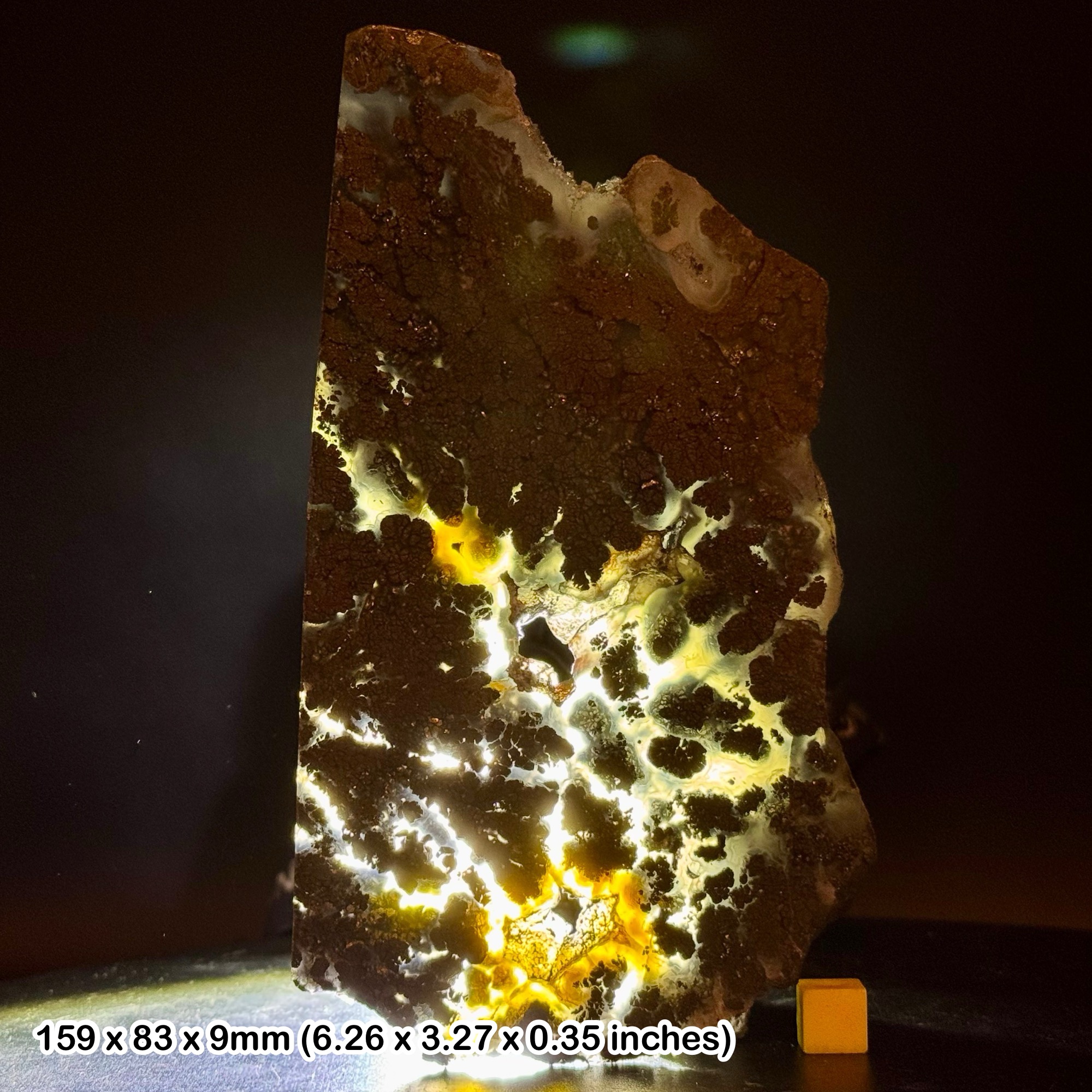
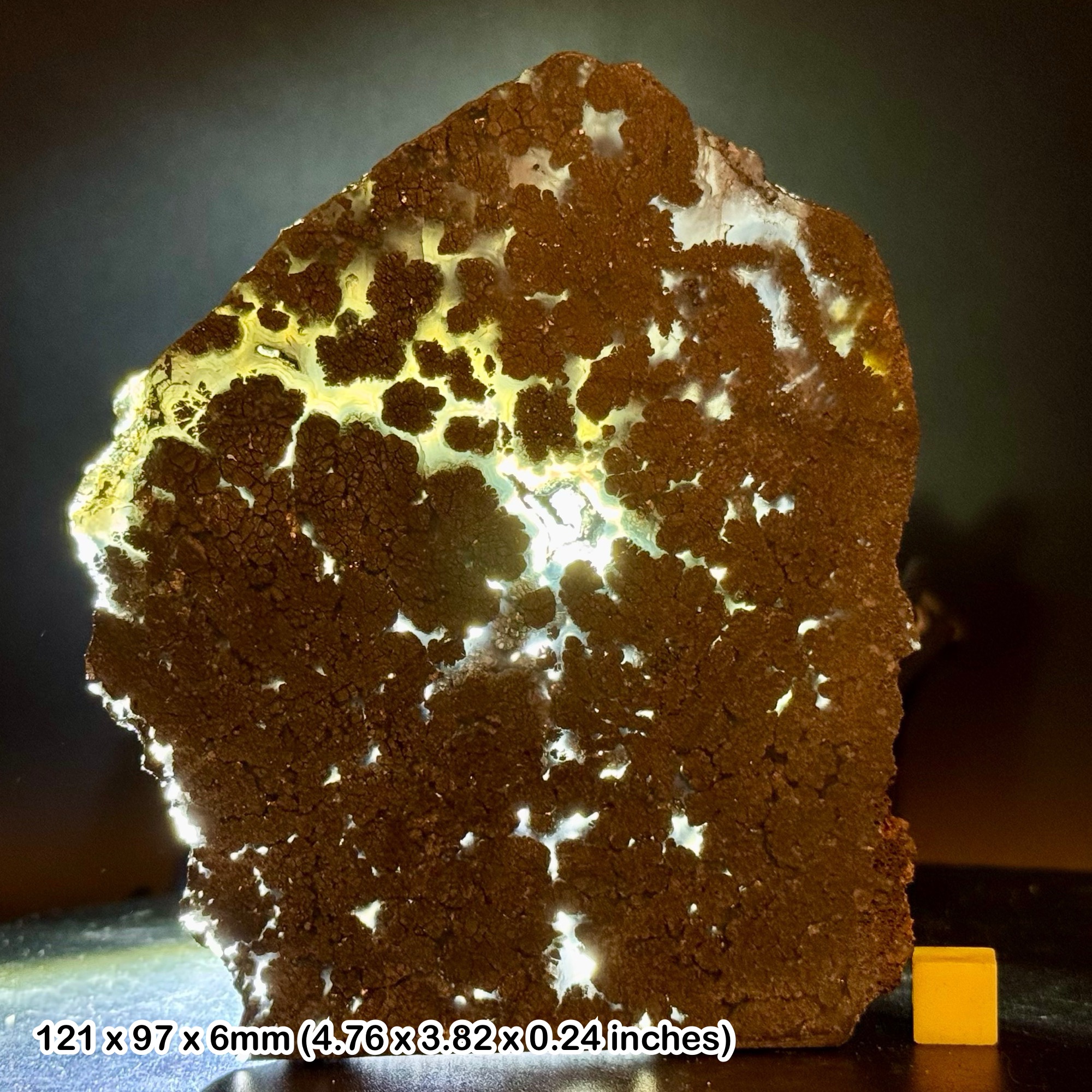
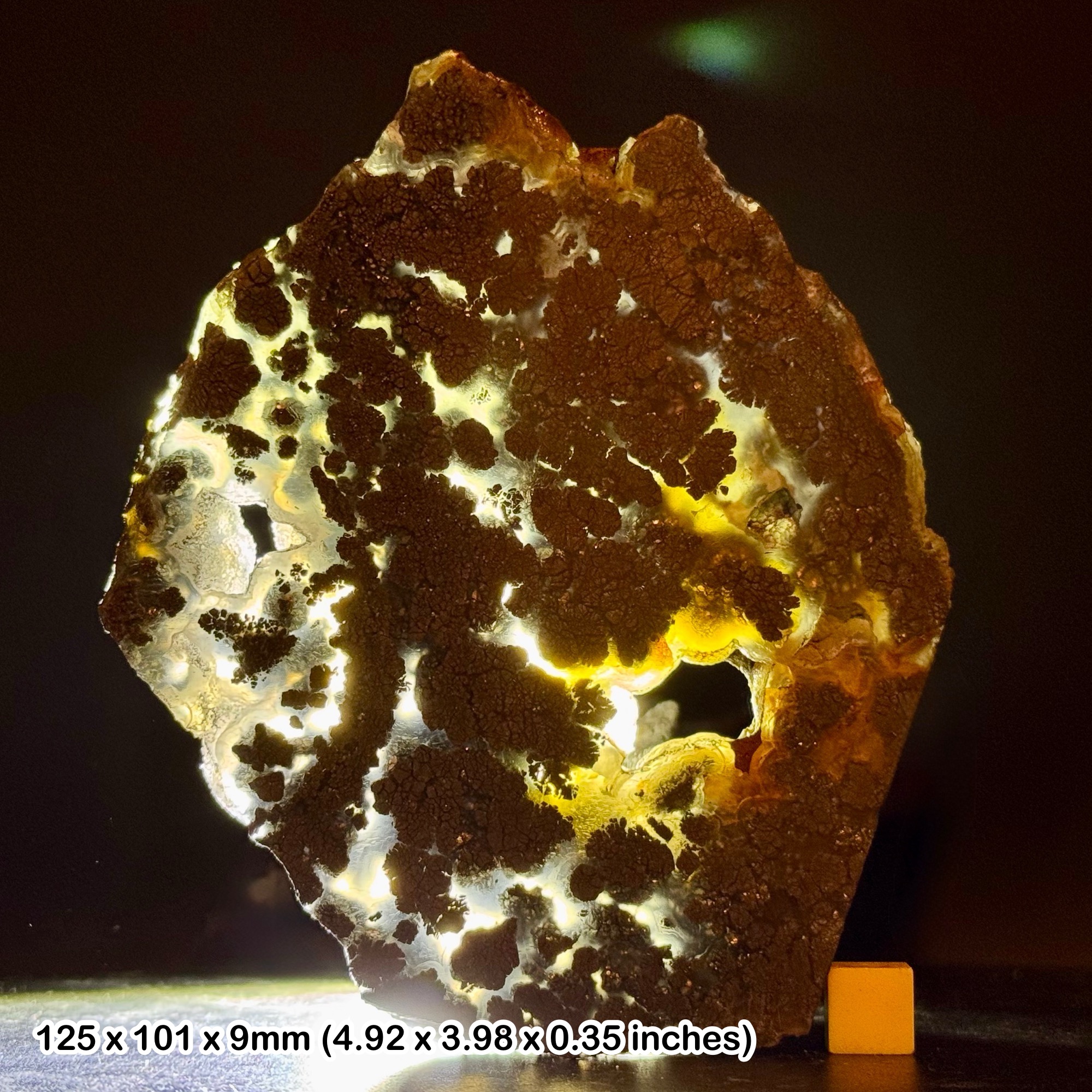
• Exact Fossil Shown – The photographs display the actual ammonite you will receive.
• Scale Reference – Scale rule squares / cube = 1 cm. Please consult the images for accurate sizing.This carefully chosen Karakschikiceras pronecostatum ammonite fossil captures the beauty and scientific significance of Early Cretaceous ammonites. With its rarity, well-preserved ribbing, and excellent provenance, it makes an outstanding addition to any fossil collection or natural history display.
from the Valanginian Stage of the Early Cretaceous Period, approximately 139 – 133 million years ago. It originates from Thorenc, Alpes-Maritimes, France, an area celebrated for its rich Cretaceous marine deposits. These fossil beds formed along the margins of the Tethys Ocean and provide a superb record of ammonite diversity during the Early Cretaceous.The Valanginian is an important interval in Earth’s history, following the Berriasian at the base of the Cretaceous. Ammonites from this stage are critical biostratigraphic markers, helping geologists date and correlate marine sediments. The presence of Karakschikiceras pronecostatum in Thorenc is significant for refining ammonite zones and reconstructing the marine ecosystems of this time. FOSSIL TYPE AND SPECIES INFORMATIONKarakschikiceras pronecostatum belongs to the Order Ammonitida, Superfamily Perisphinctoidea, and Family Neocomitidae. This group of ammonites is particularly important for Early Cretaceous stratigraphy and is noted for its distinctive ribbing patterns and evolute shells.The genus Karakschikiceras is recognised for its strong, costate ribbing, which often continues uninterrupted across the venter, giving the shell a bold, sculptured appearance. The species pronecostatum exemplifies these traits, with its ribs arranged in a consistent, striking pattern that makes it easy to identify. MORPHOLOGICAL FEATURES AND IDENTIFICATIONThis specimen displays the classic morphology of Karakschikiceras pronecostatum. Its shell is evolute, with whorls that expose the earlier coils, and marked by strong radial ribs that extend across the flanks and sweep boldly over the venter. These ribs are straight and regularly spaced, lending the shell a robust and well-structured appearance.The ribbing pattern is diagnostic of the species and is not only visually striking but also a key feature used in scientific identification. Like other ammonites, the chambered shell provided buoyancy control, enabling the animal to navigate shallow marine waters. Its form suggests an active nektonic lifestyle, preying on smaller invertebrates and playing an important role within the Valanginian marine food web. DEPOSITIONAL ENVIRONMENTDuring the Valanginian, Thorenc and the surrounding Alpes-Maritimes were covered by shallow seas connected to the Tethys Ocean. These warm, nutrient-rich waters supported a diverse marine ecosystem that included ammonites, belemnites, gastropods, bivalves, echinoids, and larger marine reptiles.Sediments in this region were dominated by limestones and marls, which created ideal conditions for the preservation of ammonites. Fossils from this environment often retain remarkable detail, preserving the ribbing and overall morphology of species like Karakschikiceras pronecostatum. COLLECTOR APPEAL AND AUTHENTICITYThis Karakschikiceras pronecostatum ammonite fossil is both scientifically important and visually appealing. Its bold ribbing, evolute coiling, and provenance from the classic Valanginian deposits of Thorenc, France, make it a highly desirable specimen for collectors, educators, and natural history enthusiasts.
• 100% Genuine Specimen – Supplied with a Certificate of Authenticity.
• Exact Fossil Shown – The photographs display the actual ammonite you will receive.
• Scale Reference – Scale rule squares / cube = 1 cm. Please consult the images for accurate sizing.This carefully chosen Karakschikiceras pronecostatum ammonite fossil captures the beauty and scientific significance of Early Cretaceous ammonites. With its rarity, well-preserved ribbing, and excellent provenance, it makes an outstanding addition to any fossil collection or natural history display.