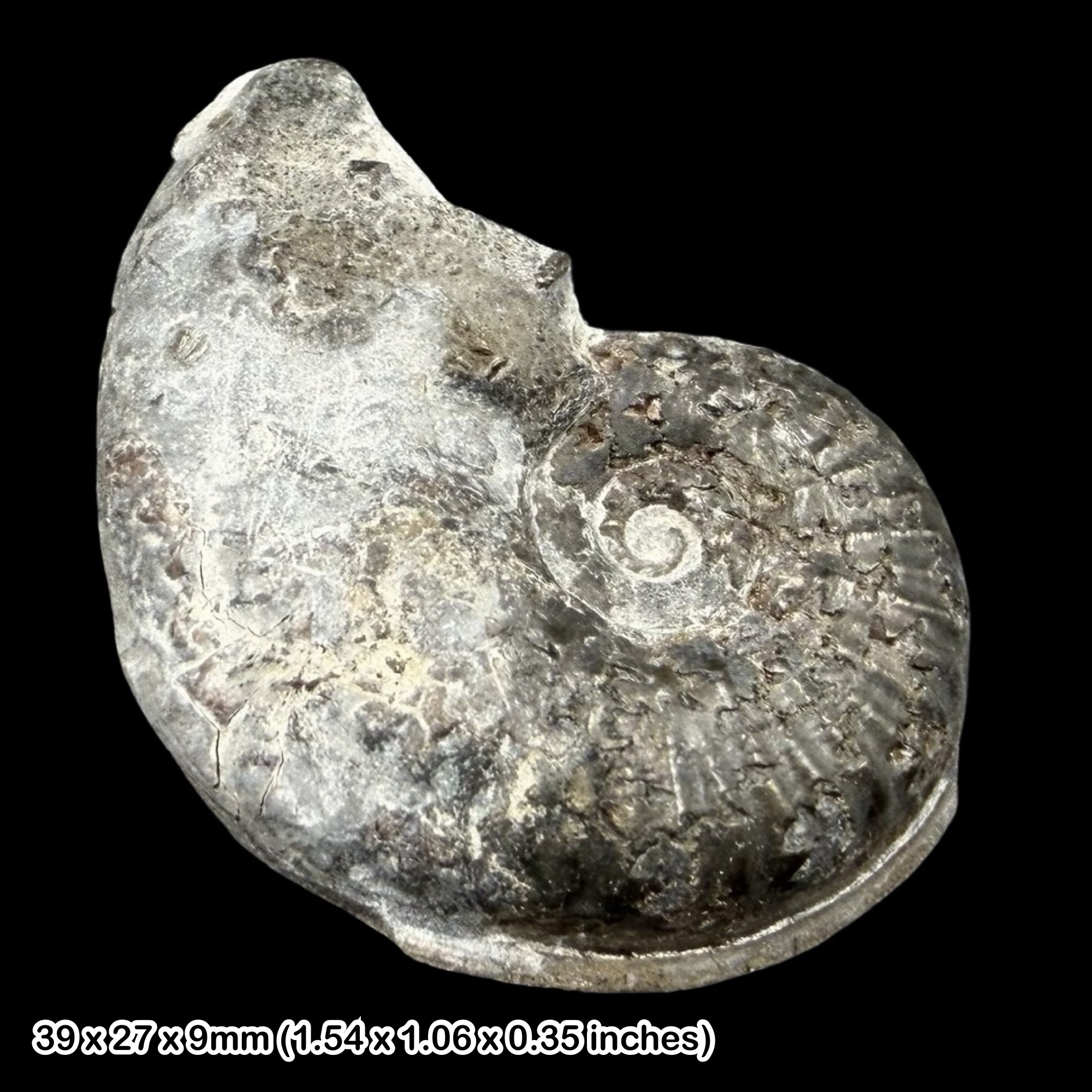
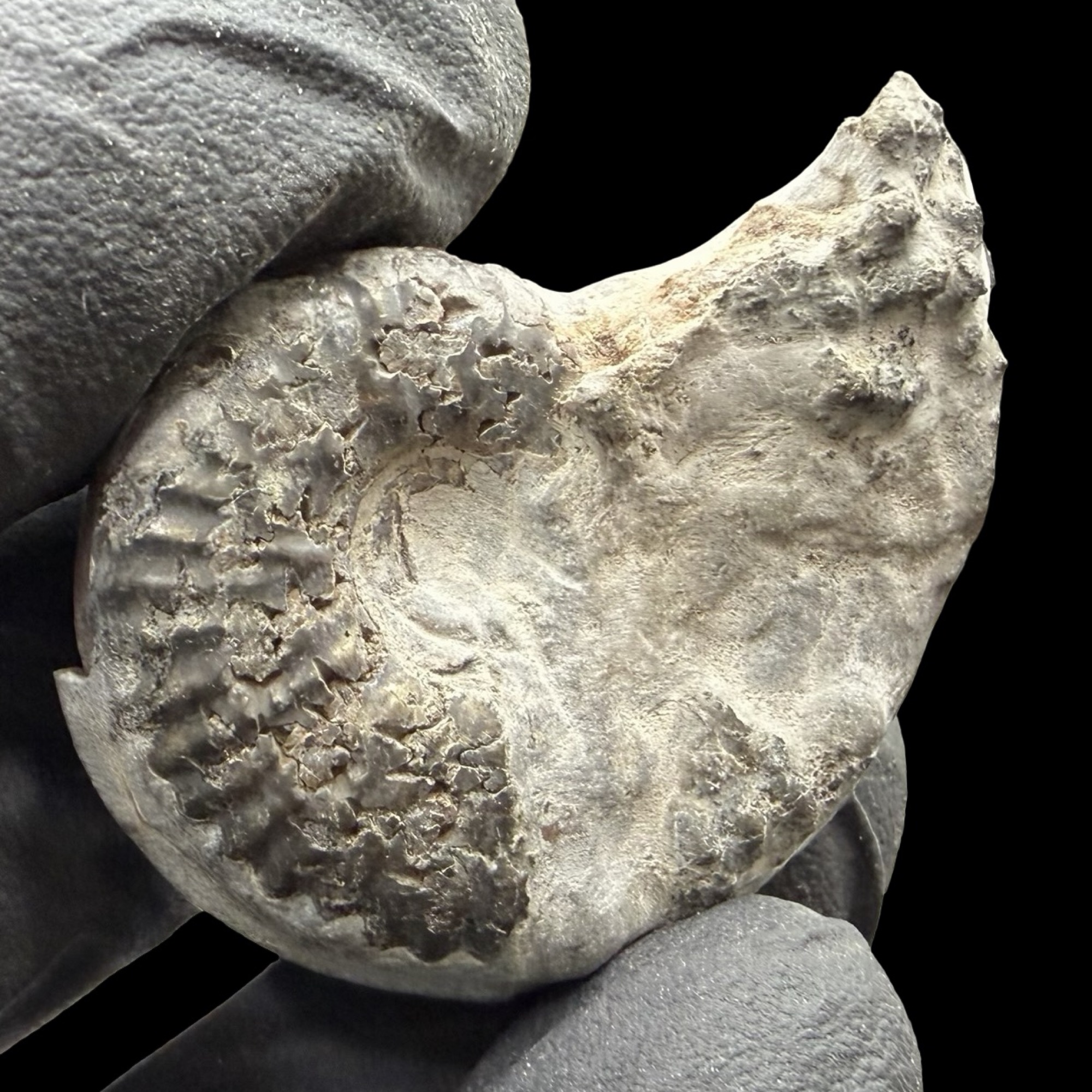
Haugia jugosa Ammonite Fossil Jurassic France Genuine COA Toarcian Aveyron Occitanie Collectable Lower Jurassic Display
£ 12.60
GENUINE HAUGIA JUGOSA AMMONITE FOSSILThis listing is for a genuine Haugia jugosa ammonite fossil from Aveyron,
Occitanie, France. Dating to the Lower Jurassic, Toarcian Stage, this carefully chosen fossil represents an authentic marine cephalopod from the ancient Jurassic seas of southern France. The photograph shows the actual specimen you will receive, allowing you to view the fossil’s natural preservation, shell form, surface detail, colour, matrix and overall character before purchase.This fossil is supplied with a Certificate of Authenticity lifetime guarantee generic card, confirming that it is a genuine specimen. Full sizing details can be seen in the photo. FOSSIL TYPE AND SPECIESHaugia jugosa is an ammonite, an extinct group of shelled marine cephalopods related to modern squid, octopus and cuttlefish. Ammonites are among the most recognisable fossils from the Jurassic Period, admired for their spiral shells, natural symmetry and importance in dating ancient marine rocks.The ammonite shell was divided internally into chambers. The living animal occupied the outer body chamber, while earlier chambers helped regulate buoyancy as the ammonite moved through the water column. As the animal grew, it produced new chambers, creating the coiled planispiral shell that gives ammonites their classic and highly collectable appearance.Haugia is a well-known Jurassic ammonite genus associated with the Toarcian faunas of Europe. Ammonites of this type are valued for their distinctive shell ornamentation, commonly including strong ribs, defined whorls and an attractive coiled form. The genus belongs to the order Ammonitida, a major ammonite group that flourished throughout the Jurassic and Cretaceous periods. LOWER JURASSIC TOARCIAN AGEThis specimen dates from the Toarcian Stage of the Lower Jurassic, approximately 183 to 174 million years old. The Toarcian is a particularly important interval in Jurassic geology because ammonites evolved rapidly during this time, producing many species that are useful for biostratigraphy. This means ammonites like Haugia jugosa can help geologists compare and date rock layers from different regions.During the Toarcian, much of what is now western and southern Europe was covered by warm marine waters. These seas supported a varied ecosystem of ammonites, belemnites, bivalves, brachiopods, gastropods, crinoids, fish and marine reptiles. Sediments deposited on the Jurassic sea floor later hardened into fossil-bearing rocks, preserving the remains of ancient marine life for millions of years. AVEYRON, OCCITANIE FOSSIL LOCALITYThis fossil comes from Aveyron in Occitanie, France, a region known for important Jurassic marine deposits. Southern France has produced a wide range of ammonites and other marine fossils from the Mesozoic Era, making it a desirable collecting area for European Jurassic material.A labelled specimen from Aveyron has excellent collecting appeal because it combines a named species, precise regional provenance and a clear Lower Jurassic age. French ammonites are popular with collectors because they provide strong comparison material alongside British, German and other European Jurassic fossils. This makes the specimen especially suitable for collections focused on European ammonites, Toarcian fossils or classic Jurassic marine life. AMMONITE MORPHOLOGY AND NATURAL FEATURESHaugia jugosa ammonites are appreciated for their coiled shell form and visible ornamentation. Depending on preservation, features may include whorl detail, curved ribbing, shell curvature, chamber traces, natural matrix, mineralisation and surface texture. These details reflect the original architecture of the ammonite shell and the geological processes that preserved it over millions of years.The ribbing and coiling are not only visually attractive, but also important features used in ammonite identification. They record the growth of the shell and help distinguish different ammonite groups within the Jurassic fossil record. As a natural fossil, each specimen is unique, with individual differences in colour, surface preservation, matrix, compression, mineral staining and overall appearance. COLLECTING AND DISPLAY APPEALThis Haugia jugosa ammonite fossil is ideal for collectors of Jurassic ammonites, French fossils, Toarcian fossils, Lower Jurassic specimens, European fossils and natural history display pieces. It would make an excellent addition to a fossil cabinet, geology collection, educational display, school teaching set or natural history gift.The fossil has been carefully chosen and photographed so the buyer can clearly see the actual specimen being supplied. Its appeal comes from the combination of genuine authenticity, named species, classic ammonite form, Lower Jurassic age and desirable French locality. AUTHENTICITY AND PRESENTATIONThis is a 100% genuine fossil specimen and includes a Certificate of Authenticity lifetime guarantee generic card. The listing photograph shows the actual specimen you will receive, and full sizing can be checked from the photo. The fossil is suitable for display, study, collecting or gifting.
Occitanie, France. Dating to the Lower Jurassic, Toarcian Stage, this carefully chosen fossil represents an authentic marine cephalopod from the ancient Jurassic seas of southern France. The photograph shows the actual specimen you will receive, allowing you to view the fossil’s natural preservation, shell form, surface detail, colour, matrix and overall character before purchase.This fossil is supplied with a Certificate of Authenticity lifetime guarantee generic card, confirming that it is a genuine specimen. Full sizing details can be seen in the photo. FOSSIL TYPE AND SPECIESHaugia jugosa is an ammonite, an extinct group of shelled marine cephalopods related to modern squid, octopus and cuttlefish. Ammonites are among the most recognisable fossils from the Jurassic Period, admired for their spiral shells, natural symmetry and importance in dating ancient marine rocks.The ammonite shell was divided internally into chambers. The living animal occupied the outer body chamber, while earlier chambers helped regulate buoyancy as the ammonite moved through the water column. As the animal grew, it produced new chambers, creating the coiled planispiral shell that gives ammonites their classic and highly collectable appearance.Haugia is a well-known Jurassic ammonite genus associated with the Toarcian faunas of Europe. Ammonites of this type are valued for their distinctive shell ornamentation, commonly including strong ribs, defined whorls and an attractive coiled form. The genus belongs to the order Ammonitida, a major ammonite group that flourished throughout the Jurassic and Cretaceous periods. LOWER JURASSIC TOARCIAN AGEThis specimen dates from the Toarcian Stage of the Lower Jurassic, approximately 183 to 174 million years old. The Toarcian is a particularly important interval in Jurassic geology because ammonites evolved rapidly during this time, producing many species that are useful for biostratigraphy. This means ammonites like Haugia jugosa can help geologists compare and date rock layers from different regions.During the Toarcian, much of what is now western and southern Europe was covered by warm marine waters. These seas supported a varied ecosystem of ammonites, belemnites, bivalves, brachiopods, gastropods, crinoids, fish and marine reptiles. Sediments deposited on the Jurassic sea floor later hardened into fossil-bearing rocks, preserving the remains of ancient marine life for millions of years. AVEYRON, OCCITANIE FOSSIL LOCALITYThis fossil comes from Aveyron in Occitanie, France, a region known for important Jurassic marine deposits. Southern France has produced a wide range of ammonites and other marine fossils from the Mesozoic Era, making it a desirable collecting area for European Jurassic material.A labelled specimen from Aveyron has excellent collecting appeal because it combines a named species, precise regional provenance and a clear Lower Jurassic age. French ammonites are popular with collectors because they provide strong comparison material alongside British, German and other European Jurassic fossils. This makes the specimen especially suitable for collections focused on European ammonites, Toarcian fossils or classic Jurassic marine life. AMMONITE MORPHOLOGY AND NATURAL FEATURESHaugia jugosa ammonites are appreciated for their coiled shell form and visible ornamentation. Depending on preservation, features may include whorl detail, curved ribbing, shell curvature, chamber traces, natural matrix, mineralisation and surface texture. These details reflect the original architecture of the ammonite shell and the geological processes that preserved it over millions of years.The ribbing and coiling are not only visually attractive, but also important features used in ammonite identification. They record the growth of the shell and help distinguish different ammonite groups within the Jurassic fossil record. As a natural fossil, each specimen is unique, with individual differences in colour, surface preservation, matrix, compression, mineral staining and overall appearance. COLLECTING AND DISPLAY APPEALThis Haugia jugosa ammonite fossil is ideal for collectors of Jurassic ammonites, French fossils, Toarcian fossils, Lower Jurassic specimens, European fossils and natural history display pieces. It would make an excellent addition to a fossil cabinet, geology collection, educational display, school teaching set or natural history gift.The fossil has been carefully chosen and photographed so the buyer can clearly see the actual specimen being supplied. Its appeal comes from the combination of genuine authenticity, named species, classic ammonite form, Lower Jurassic age and desirable French locality. AUTHENTICITY AND PRESENTATIONThis is a 100% genuine fossil specimen and includes a Certificate of Authenticity lifetime guarantee generic card. The listing photograph shows the actual specimen you will receive, and full sizing can be checked from the photo. The fossil is suitable for display, study, collecting or gifting.