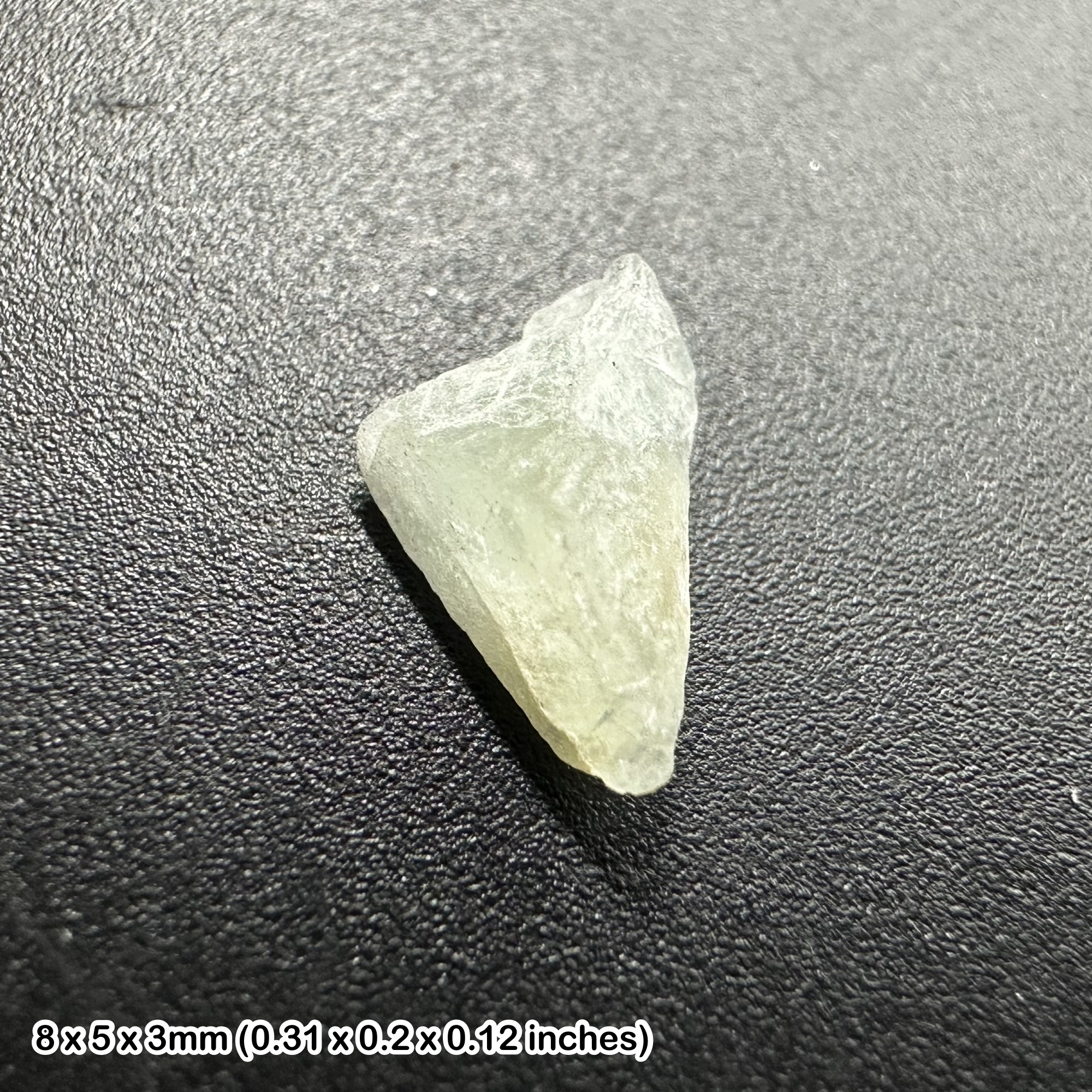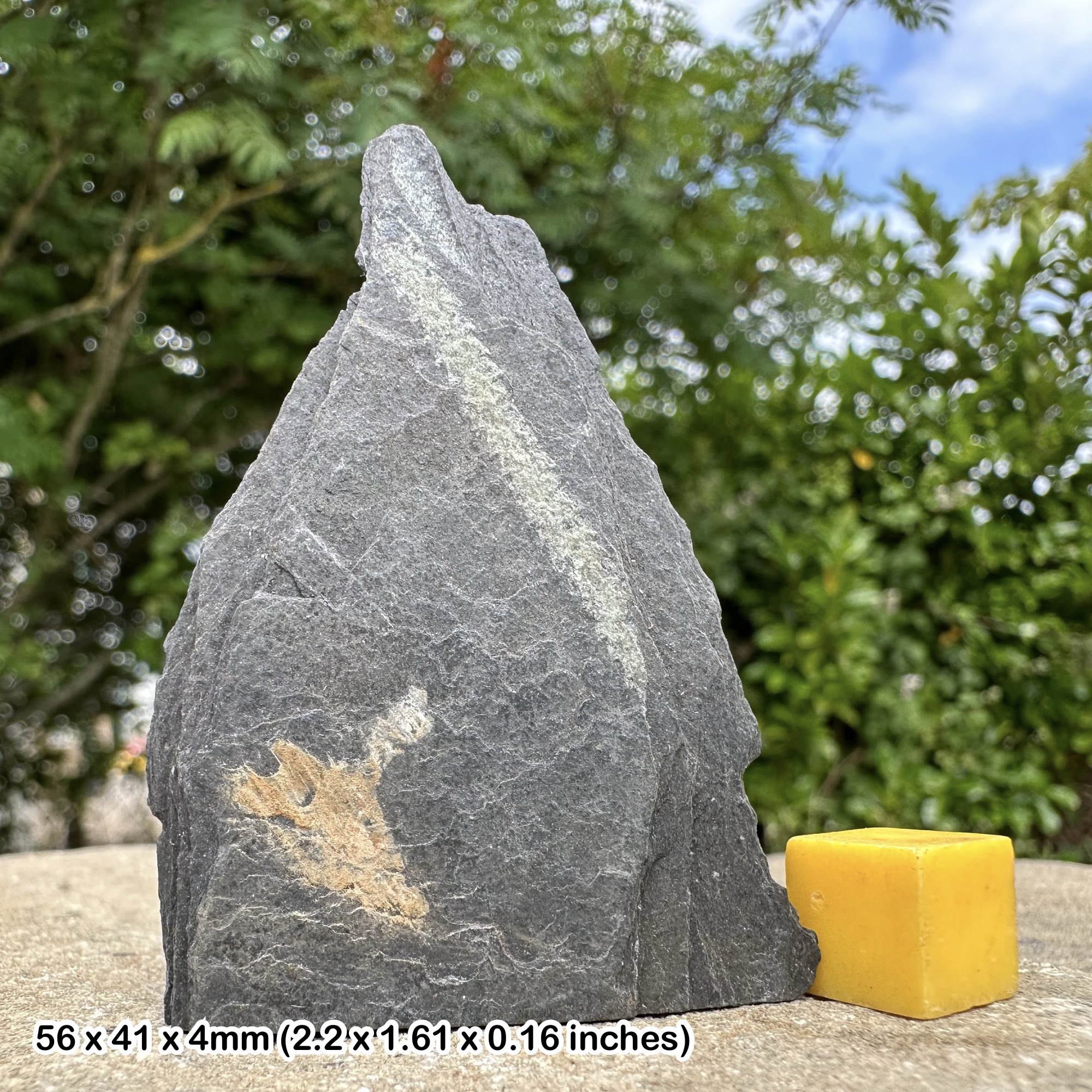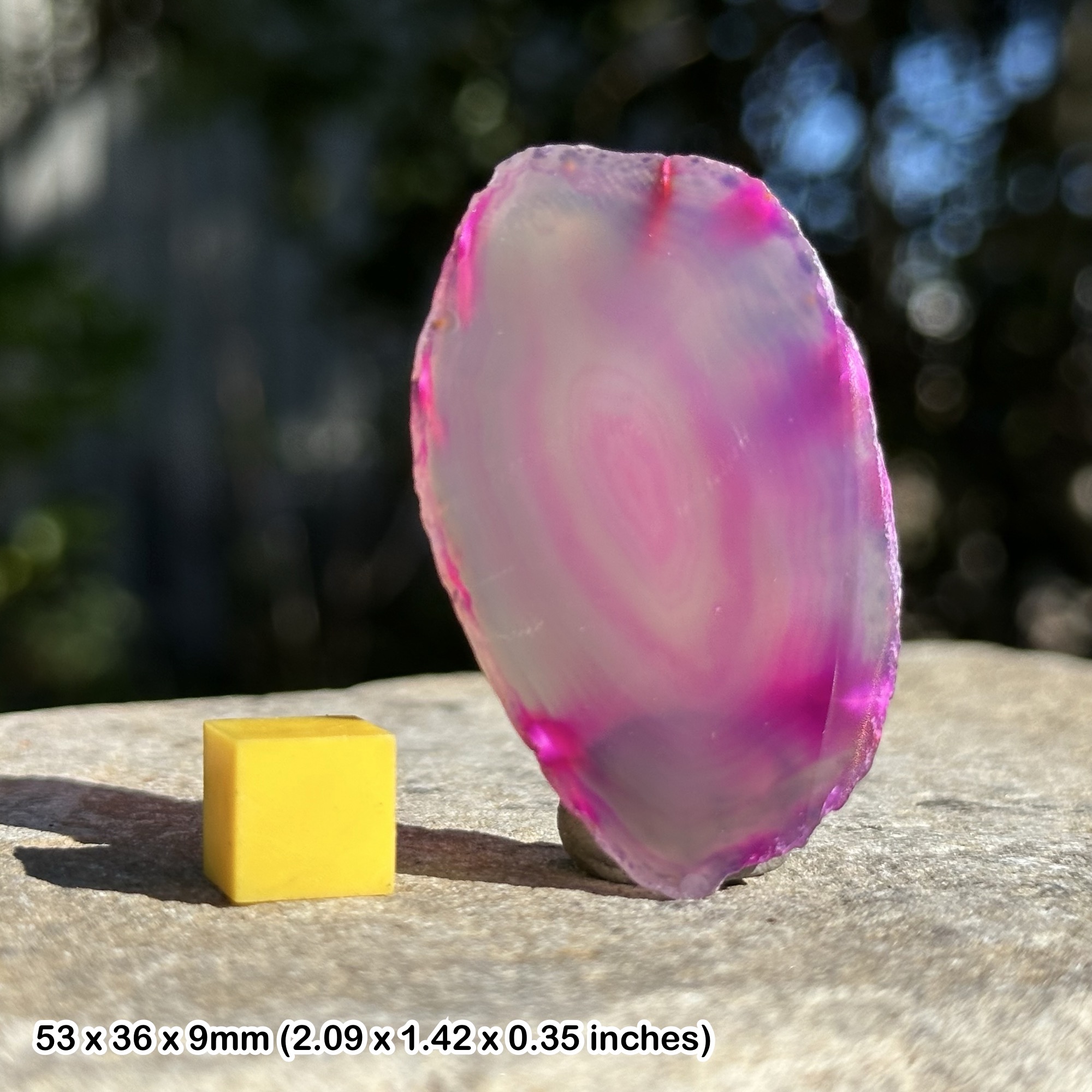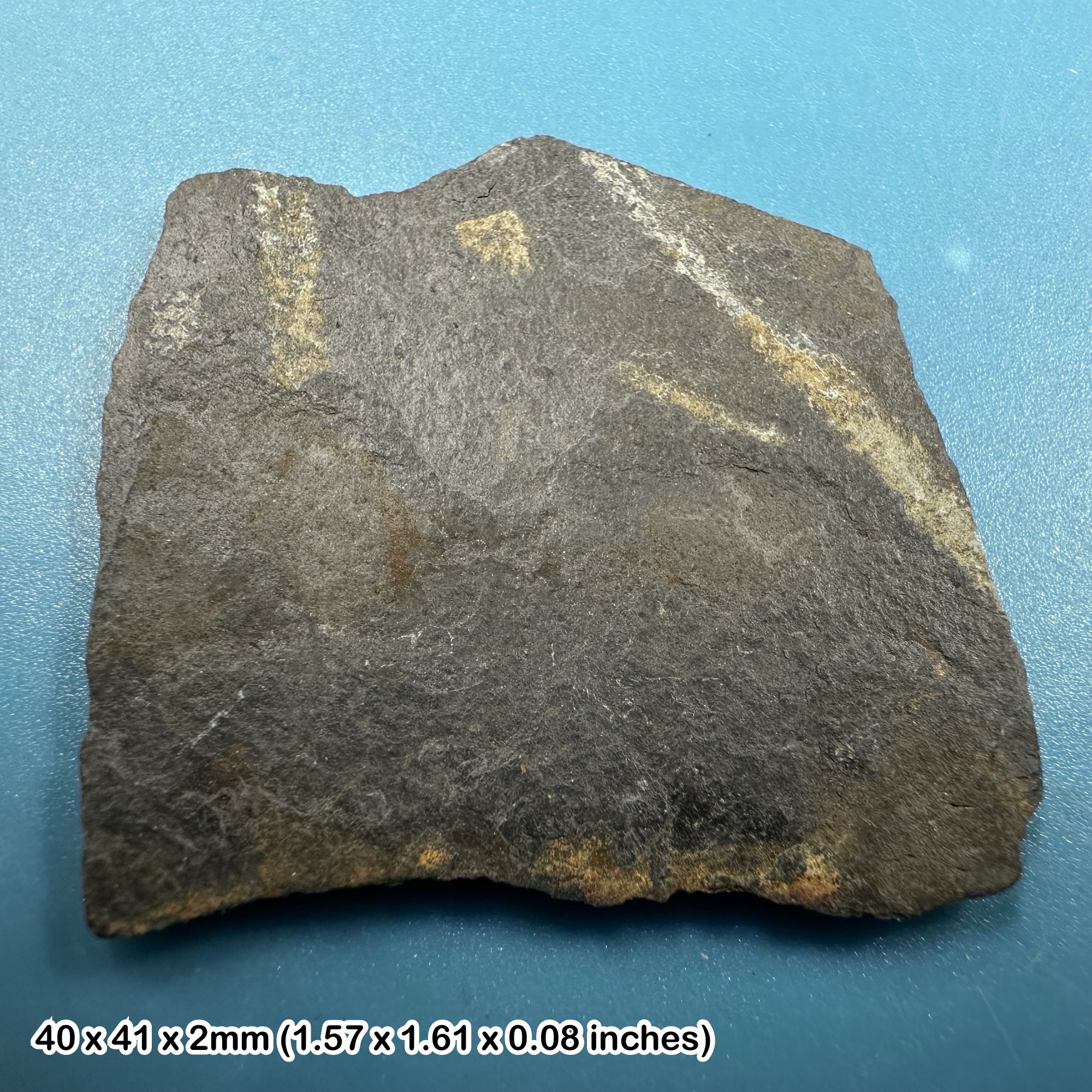
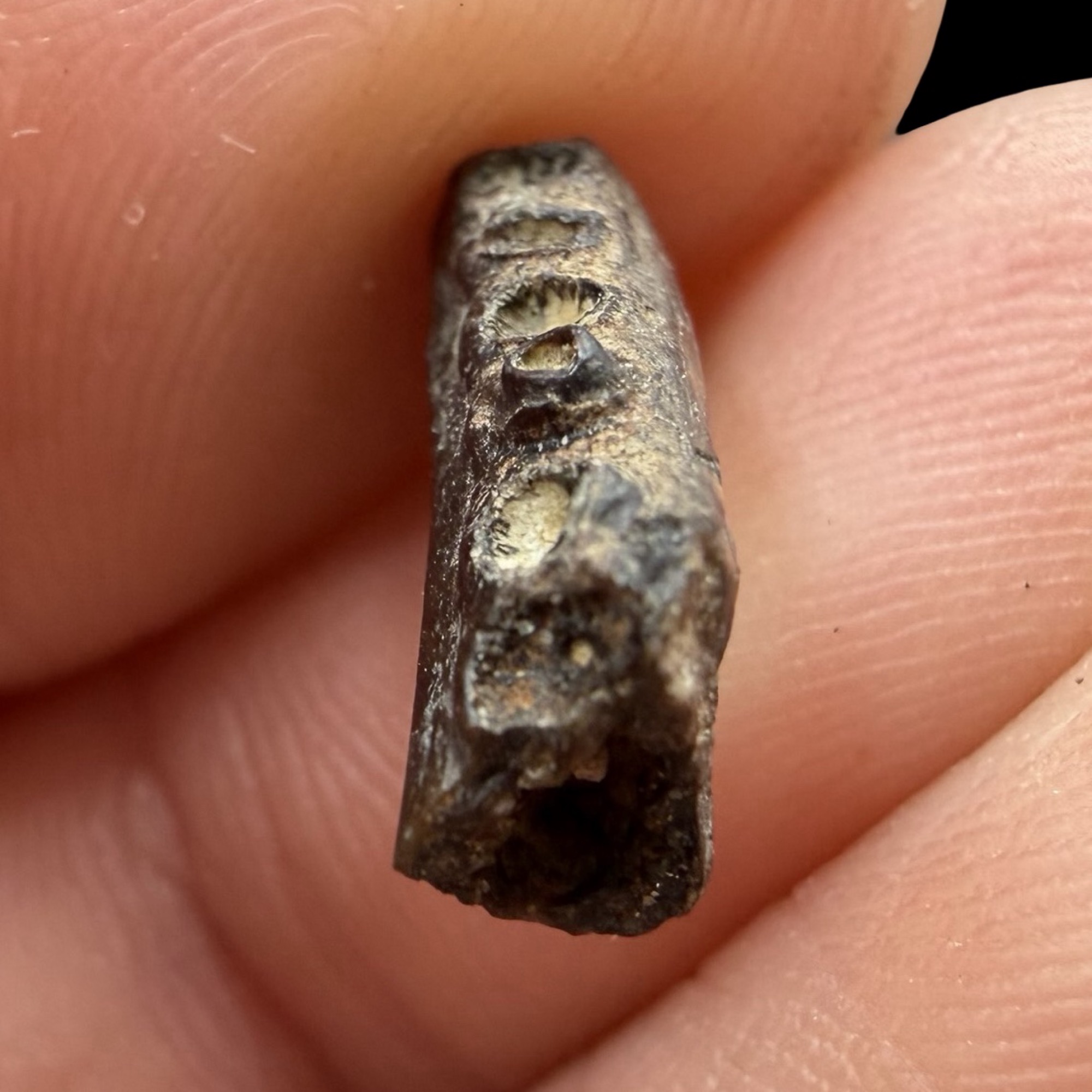
Fossil Fish Jaw Eocene Isle of Wight Totland Bay UK Headon Hill Formation Authentic Specimen Certified Rare Display
£ 120.00
Fossil Fish Jaw – Genuine Eocene Specimen from the Isle of WightThis authentic fossil fish jaw originates from the Totland Member of the Headon
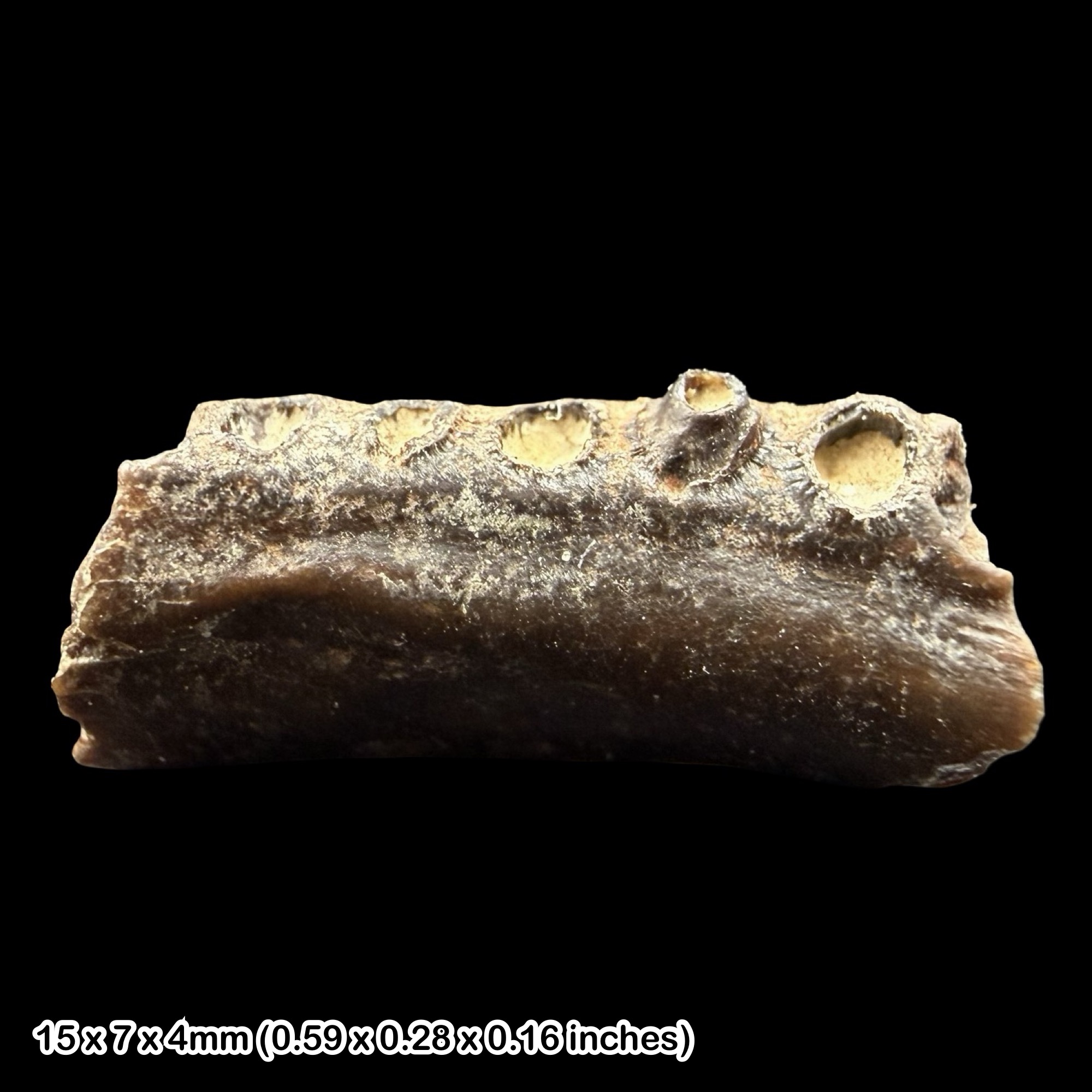
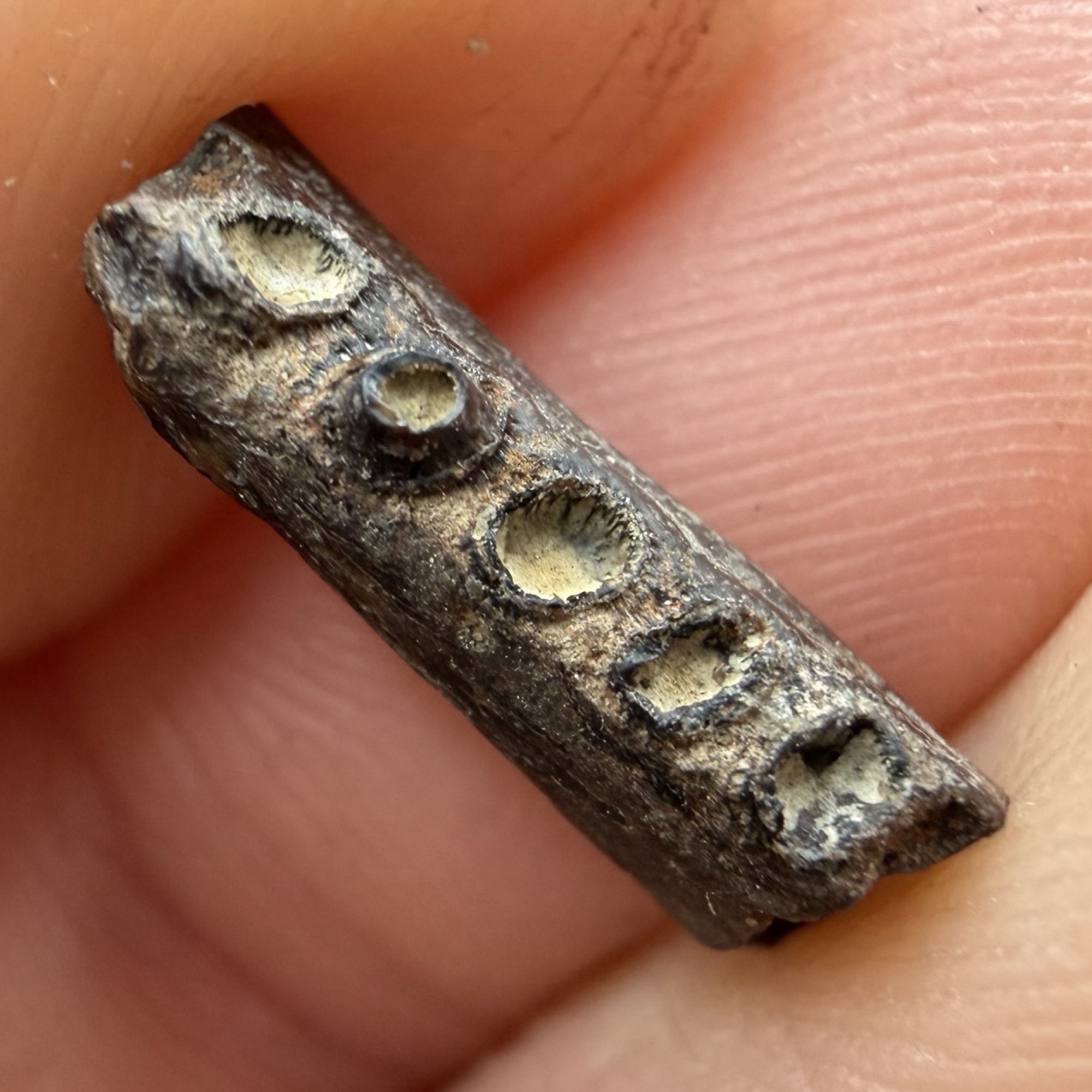
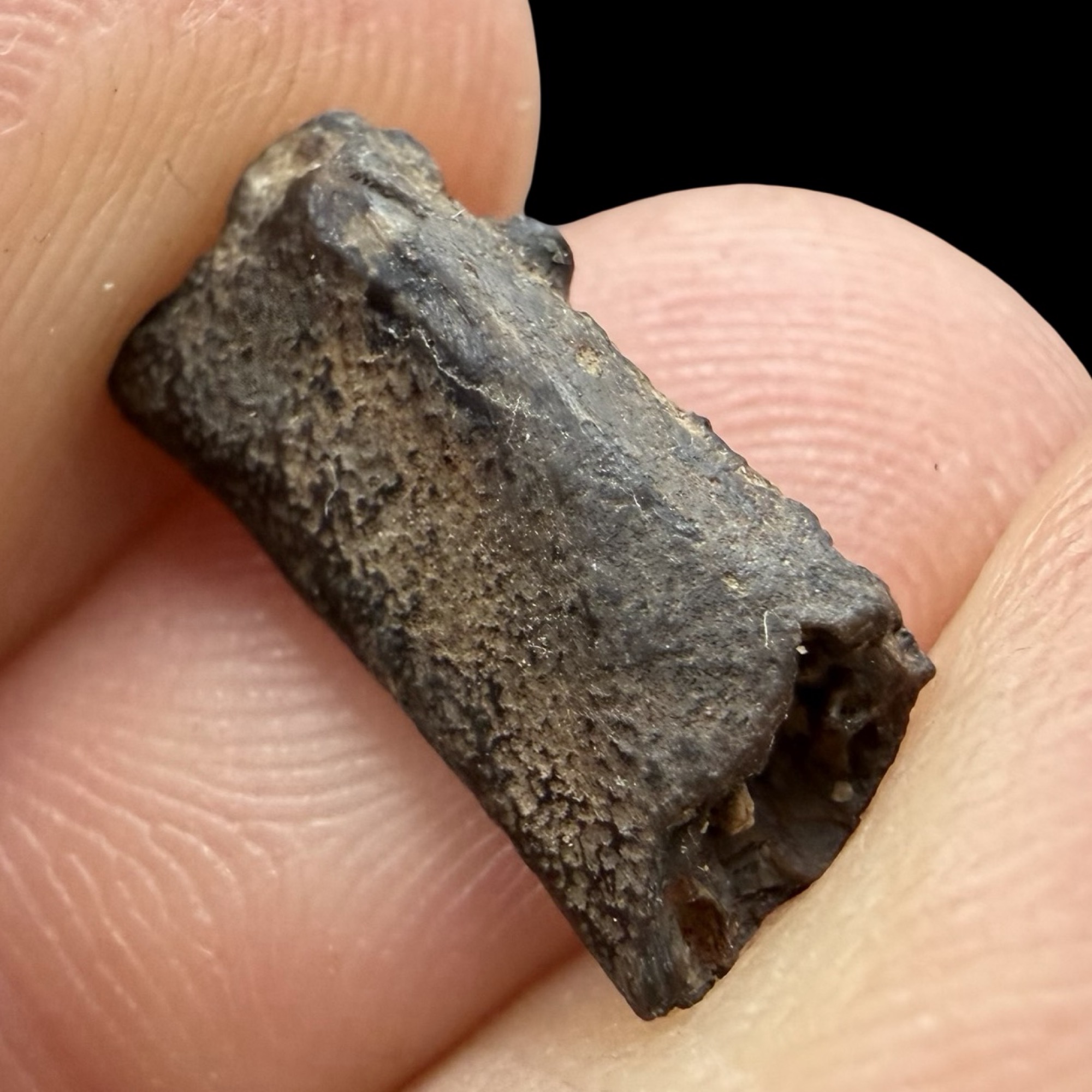
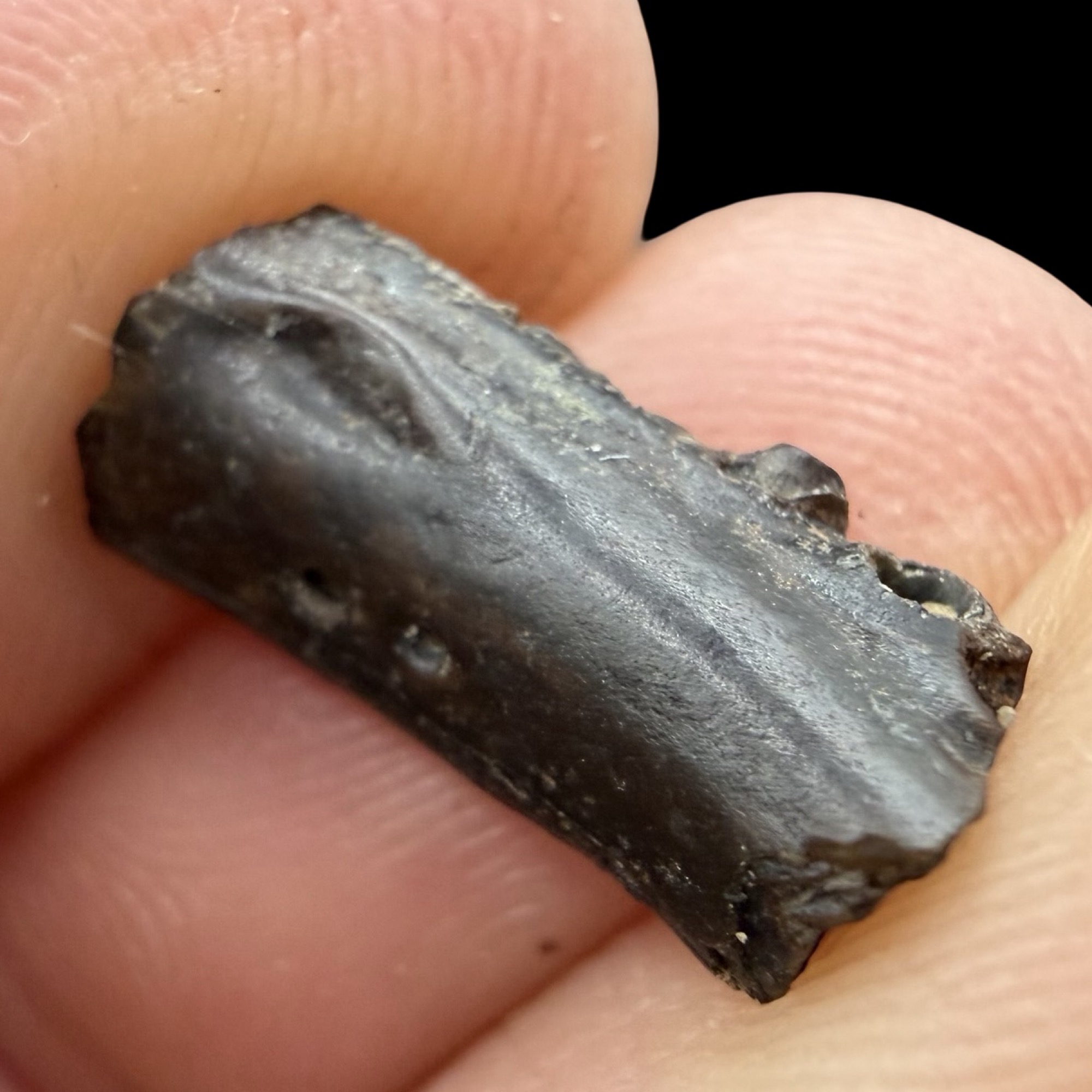
Hill Formation at Totland Bay on the Isle of Wight, a highly regarded Eocene fossil locality in southern England. The specimen shown in the photographs is the exact piece you will receive, carefully selected for its preservation, detail, and display appeal. This is a genuine fossil and includes a Certificate of Authenticity with a lifetime guarantee, providing complete confidence in its provenance.Discovery and Professional PreparationYour fossil was discovered by our experienced team members, Alister and Alison, ensuring full traceability from discovery through to sale. After careful recovery, the specimen was expertly cleaned, stabilised, and prepared by Alison. This meticulous preparation preserves the structural integrity of the fossil while enhancing the visibility of fine anatomical features, allowing the jaw structure to be clearly appreciated.Geological Context – Headon Hill Formation, Eocene EpochThe Headon Hill Formation dates to the late Eocene epoch, approximately 34 to 38 million years ago, when southern Britain experienced warm, subtropical conditions. The Totland Member represents a sequence of freshwater, lagoonal, and estuarine deposits formed in a dynamic environment of lakes, rivers, and coastal plains. These low-energy conditions were ideal for preserving vertebrate remains, including delicate skeletal elements such as fish jaws.Fish Jaw Anatomy and Functional SignificanceFish jaws are essential structures used for feeding and prey capture, often reflecting the diet and ecological role of the species. This fossil jaw section preserves elements of the original bone structure, potentially including tooth sockets and portions of the jawline. The morphology suggests a functional adaptation for gripping or processing food, offering insight into the feeding behaviour of ancient fish species that inhabited Eocene waterways.Morphology and Preservation FeaturesThe fossil displays natural bone texture and mineralisation, with subtle surface detail that reflects the original biological structure. The preserved jaw section may show articulation points and structural thickness indicative of its role within the skull. Fossilisation has enhanced the specimen’s durability, while variations in colour and matrix contribute to its unique appearance. Each piece is one-of-a-kind, shaped by both biological and geological processes over millions of years.Palaeoenvironment and Ecosystem InsightDuring the Eocene, the Isle of Wight supported a rich and diverse ecosystem of freshwater and brackish habitats. Fish played a key role within these environments, forming part of complex food webs alongside reptiles, early mammals, and plant life. This fossil provides a direct connection to that ancient ecosystem, representing a fragment of life from a time when Britain was covered in lush wetlands and warm climates.Collector Appeal and Display ValueFish jaw fossils from the Headon Hill Formation are relatively uncommon and highly desirable for collectors interested in vertebrate palaeontology. This specimen offers both scientific interest and strong visual appeal, making it ideal for display in a private collection, educational setting, or study space. Its identifiable structure and excellent preservation make it a standout piece.Authenticity, Provenance and PresentationThis fossil has been carefully chosen for its quality, authenticity, and presentation. It is a genuine piece of prehistoric history, professionally prepared and ready for display. Full sizing can be confirmed via the accompanying photographs, ensuring transparency before purchase. Each specimen represents a unique snapshot of ancient life, preserved for millions of years and now available as a tangible connection to the Eocene world.
Hill Formation at Totland Bay on the Isle of Wight, a highly regarded Eocene fossil locality in southern England. The specimen shown in the photographs is the exact piece you will receive, carefully selected for its preservation, detail, and display appeal. This is a genuine fossil and includes a Certificate of Authenticity with a lifetime guarantee, providing complete confidence in its provenance.Discovery and Professional PreparationYour fossil was discovered by our experienced team members, Alister and Alison, ensuring full traceability from discovery through to sale. After careful recovery, the specimen was expertly cleaned, stabilised, and prepared by Alison. This meticulous preparation preserves the structural integrity of the fossil while enhancing the visibility of fine anatomical features, allowing the jaw structure to be clearly appreciated.Geological Context – Headon Hill Formation, Eocene EpochThe Headon Hill Formation dates to the late Eocene epoch, approximately 34 to 38 million years ago, when southern Britain experienced warm, subtropical conditions. The Totland Member represents a sequence of freshwater, lagoonal, and estuarine deposits formed in a dynamic environment of lakes, rivers, and coastal plains. These low-energy conditions were ideal for preserving vertebrate remains, including delicate skeletal elements such as fish jaws.Fish Jaw Anatomy and Functional SignificanceFish jaws are essential structures used for feeding and prey capture, often reflecting the diet and ecological role of the species. This fossil jaw section preserves elements of the original bone structure, potentially including tooth sockets and portions of the jawline. The morphology suggests a functional adaptation for gripping or processing food, offering insight into the feeding behaviour of ancient fish species that inhabited Eocene waterways.Morphology and Preservation FeaturesThe fossil displays natural bone texture and mineralisation, with subtle surface detail that reflects the original biological structure. The preserved jaw section may show articulation points and structural thickness indicative of its role within the skull. Fossilisation has enhanced the specimen’s durability, while variations in colour and matrix contribute to its unique appearance. Each piece is one-of-a-kind, shaped by both biological and geological processes over millions of years.Palaeoenvironment and Ecosystem InsightDuring the Eocene, the Isle of Wight supported a rich and diverse ecosystem of freshwater and brackish habitats. Fish played a key role within these environments, forming part of complex food webs alongside reptiles, early mammals, and plant life. This fossil provides a direct connection to that ancient ecosystem, representing a fragment of life from a time when Britain was covered in lush wetlands and warm climates.Collector Appeal and Display ValueFish jaw fossils from the Headon Hill Formation are relatively uncommon and highly desirable for collectors interested in vertebrate palaeontology. This specimen offers both scientific interest and strong visual appeal, making it ideal for display in a private collection, educational setting, or study space. Its identifiable structure and excellent preservation make it a standout piece.Authenticity, Provenance and PresentationThis fossil has been carefully chosen for its quality, authenticity, and presentation. It is a genuine piece of prehistoric history, professionally prepared and ready for display. Full sizing can be confirmed via the accompanying photographs, ensuring transparency before purchase. Each specimen represents a unique snapshot of ancient life, preserved for millions of years and now available as a tangible connection to the Eocene world.