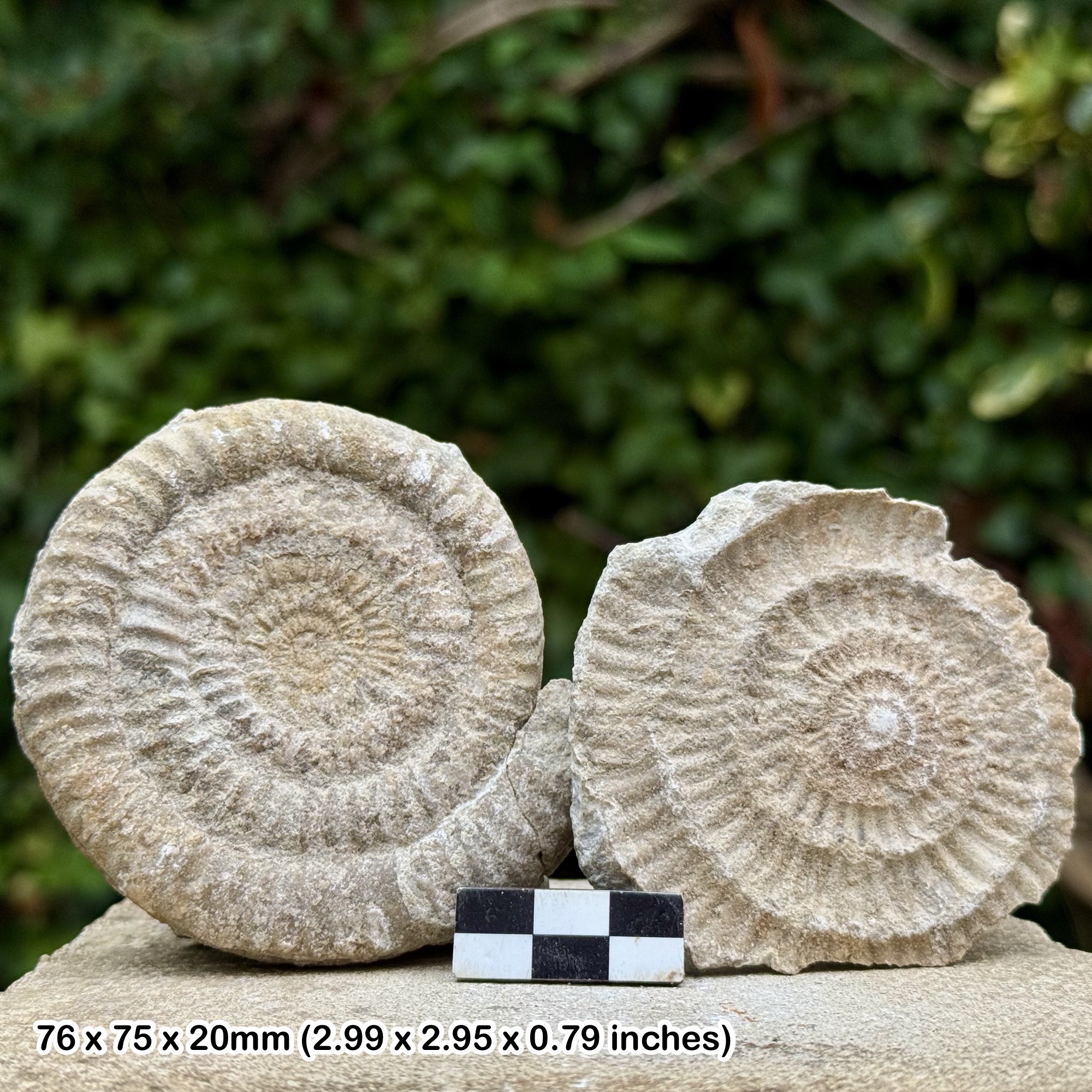
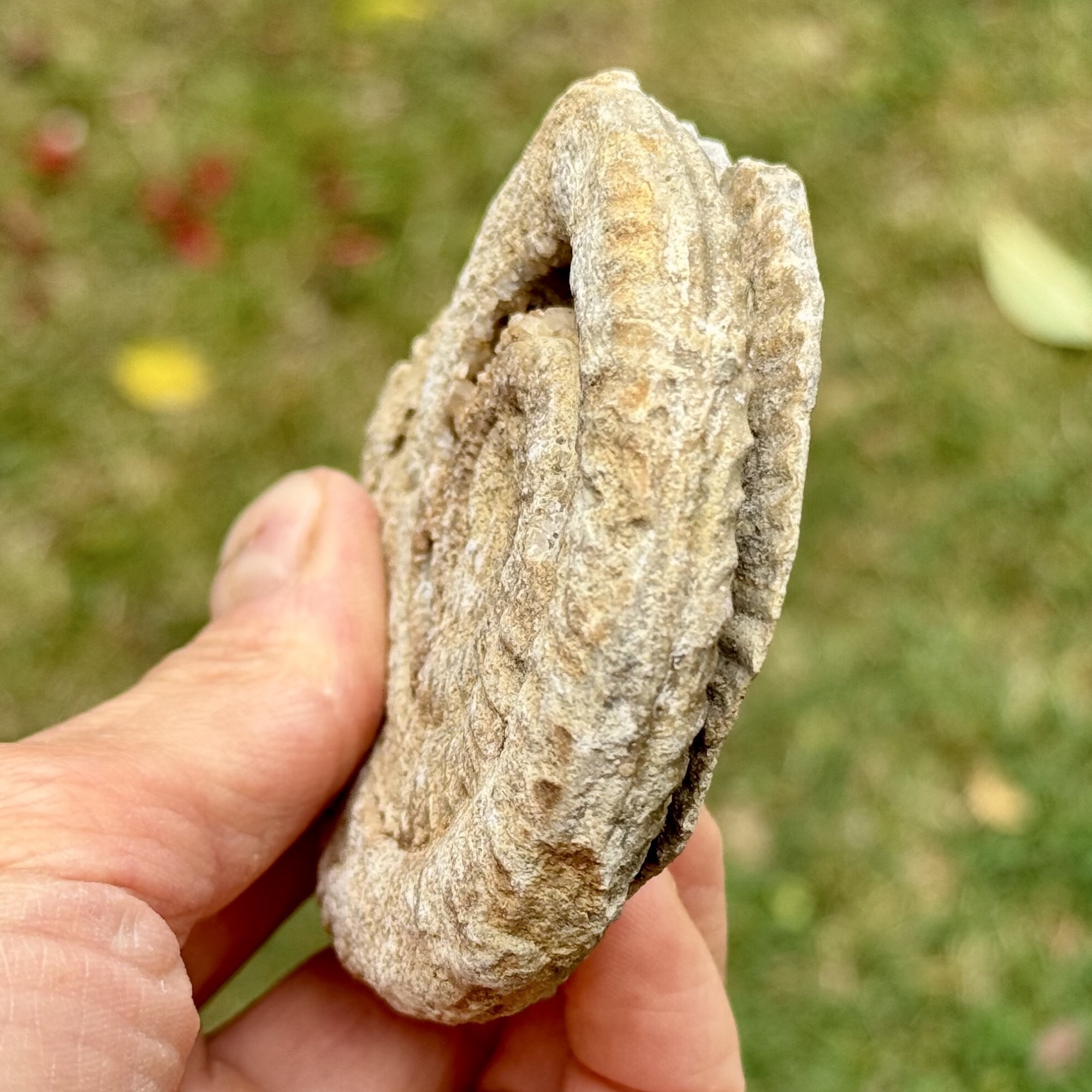
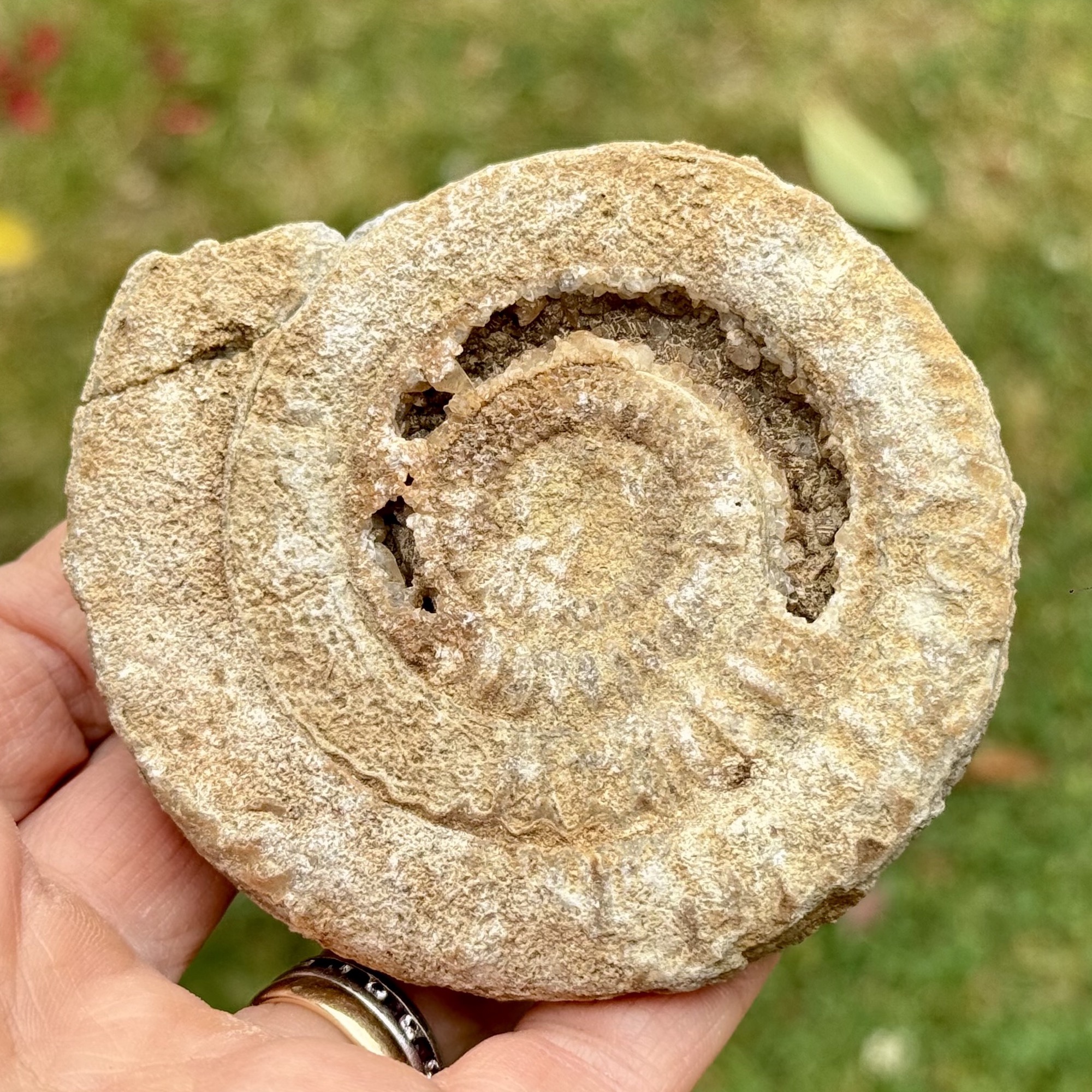
RARE Fossil Ammonite Coroniceras Metophioceras rougemonti Lower Sinemurian Jurassic UK
£ 24.00
RARE JURASSIC FOSSIL FROM KEYNSHAMThis listing offers a rare ammonite fossil of Coroniceras (Metophioceras)
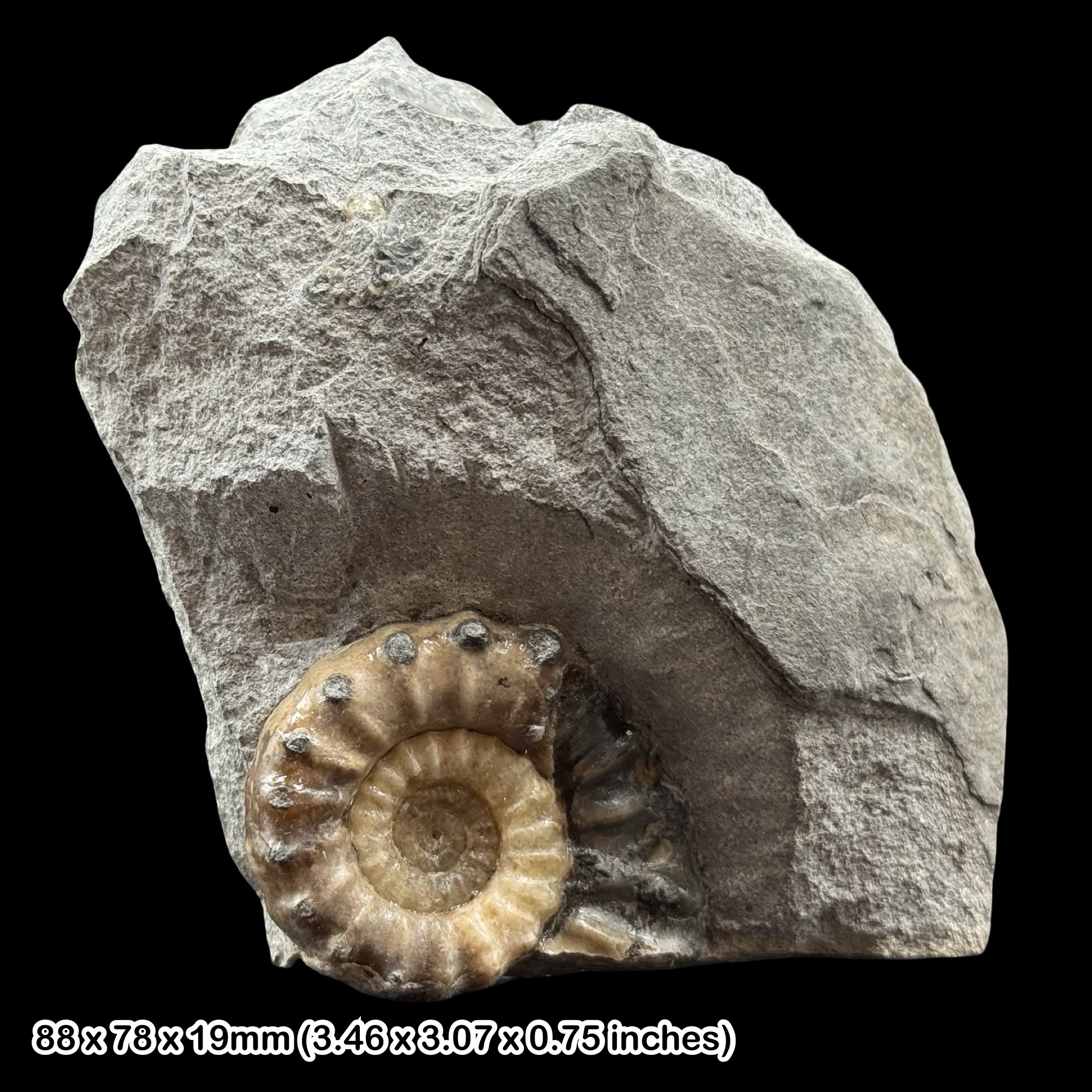
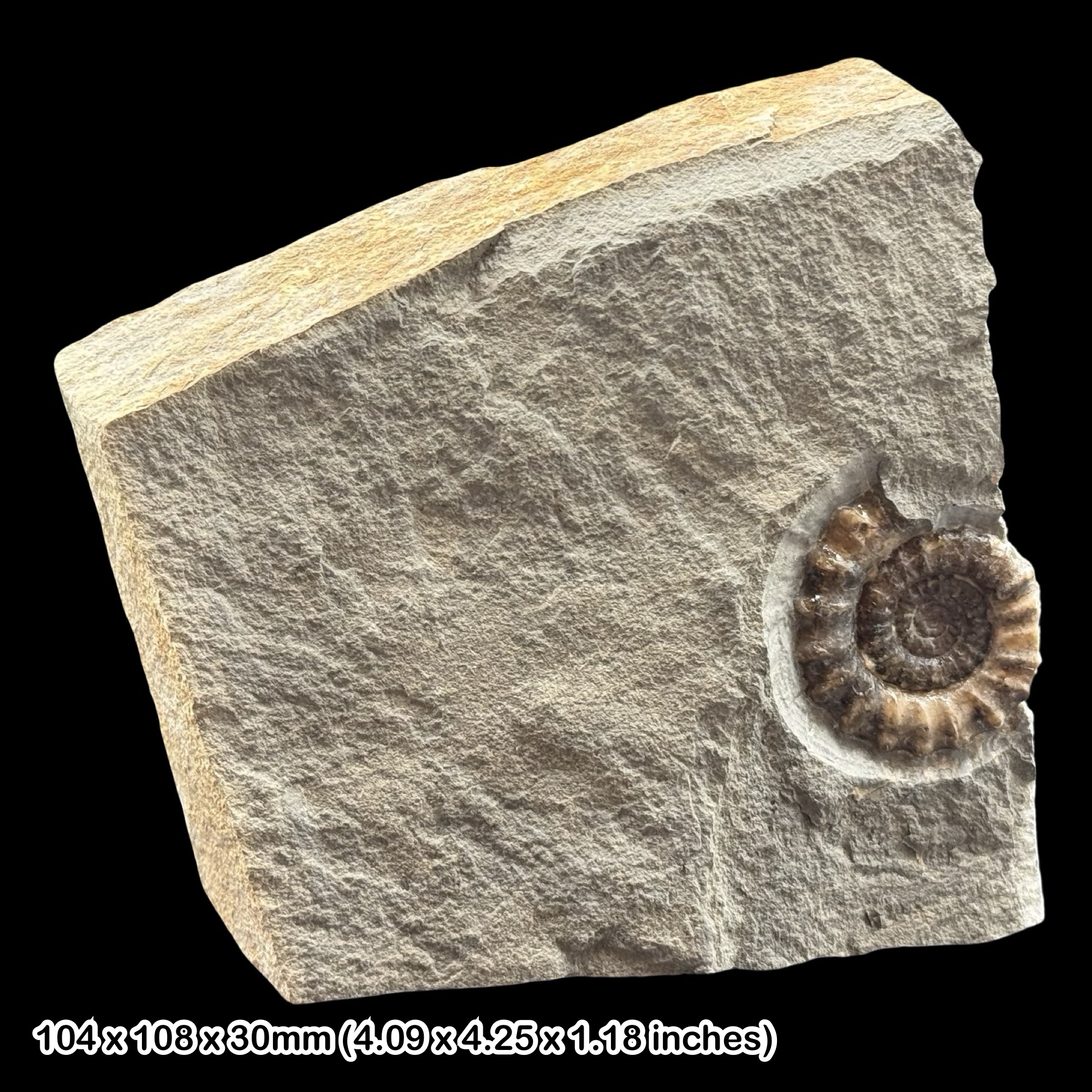
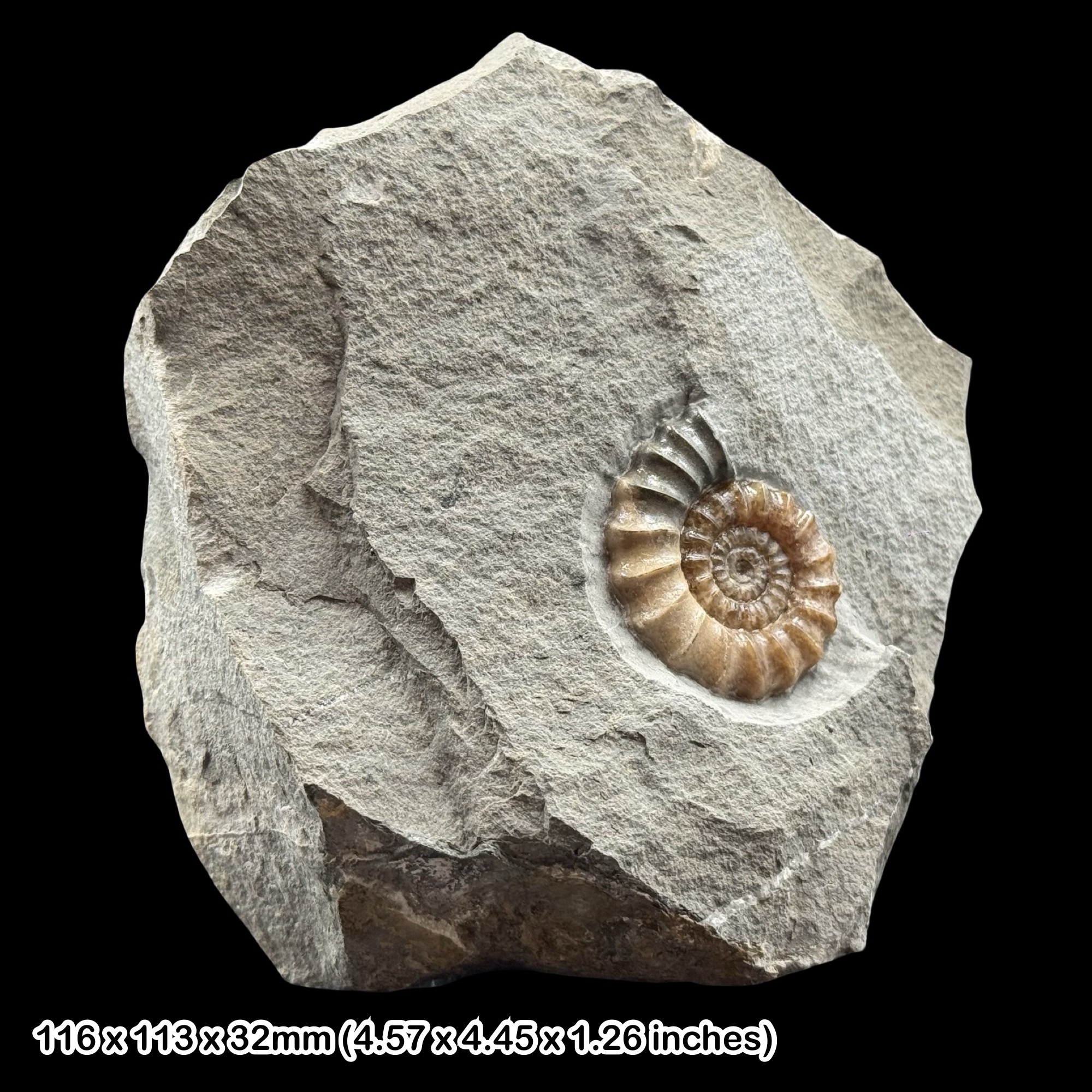
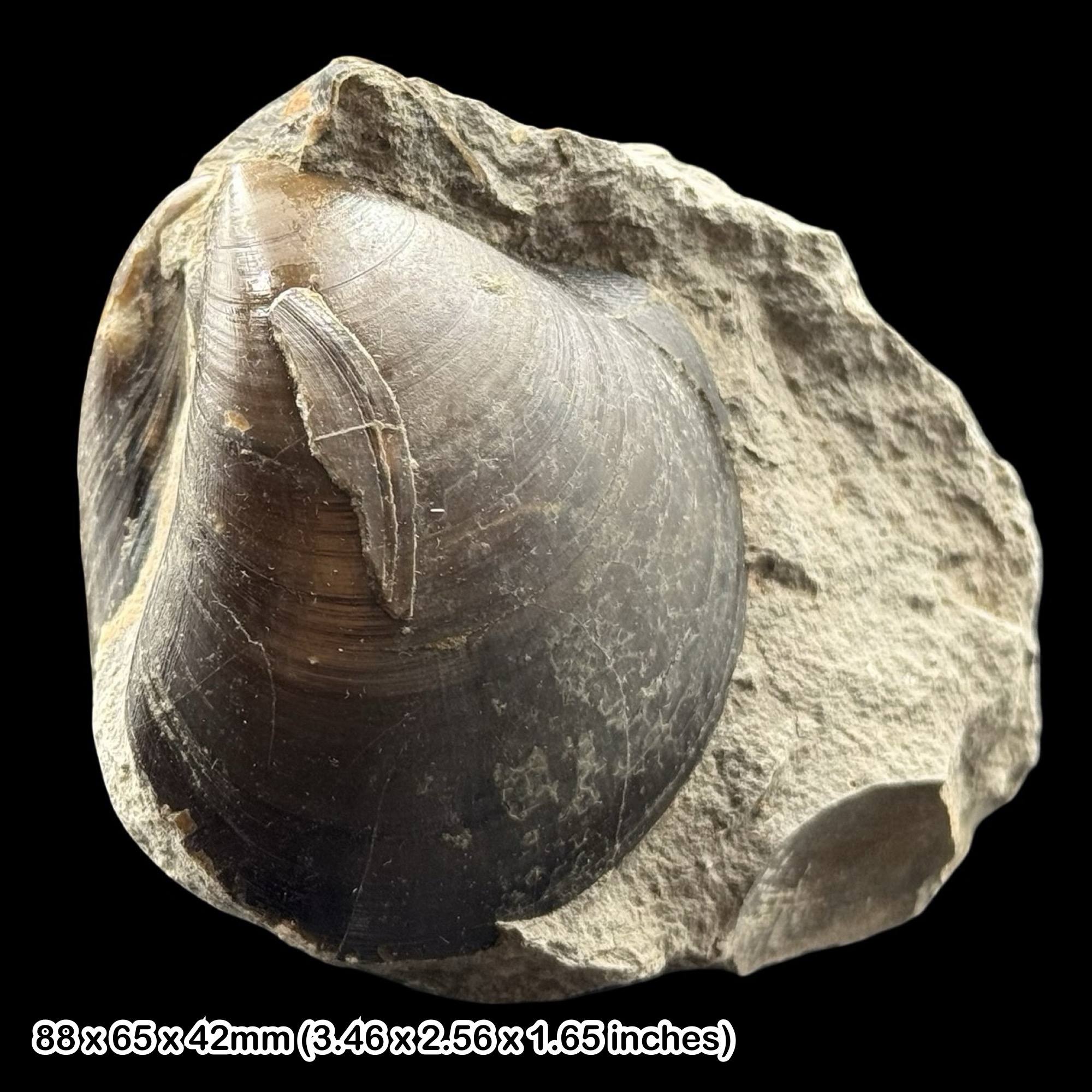
rougemonti from Keynsham, Somerset, United Kingdom. Dating to the Lower Sinemurian stage of the Early Jurassic, this specimen is an authentic representation of one of the most iconic fossil groups of Britain’s Jurassic coast. With its striking preservation and historic provenance, it is a fossil of both scientific and collector’s importance. Every specimen is carefully selected and comes complete with a Certificate of Authenticity. GEOLOGICAL AGE AND PROVENANCEThe fossil originates from the Lower Sinemurian, approximately 197–196 million years ago. This period followed the Triassic–Jurassic transition, a time when marine ecosystems flourished after a major extinction event. The area around Keynsham in Somerset preserves sedimentary rocks deposited in shallow marine environments, where ammonites such as Coroniceras (Metophioceras) rougemonti thrived. These rocks form part of the early Jurassic strata of southern England, known for their paleontological significance and their role in defining important ammonite biozones. TAXONOMY AND CLASSIFICATIONThis specimen belongs to the class Cephalopoda, order Ammonitida, superfamily Psilocerataceae, and family Psiloceratidae. The genus Coroniceras is a key group of early Jurassic ammonites, with Metophioceras often treated as a subgenus. These ammonites serve as index fossils, meaning they are used by geologists to date and correlate Lower Jurassic rock sequences worldwide. The species rougemonti is a distinctive and relatively scarce form, making this example especially desirable. MORPHOLOGY AND DISTINCTIVE FEATURESCoroniceras (Metophioceras) rougemonti is characterised by its large, evolute shell with wide, flattened whorls and strong radial ribbing that continues across the venter. The ribs are evenly spaced, giving the fossil a bold and ornate appearance, typical of the genus. These features not only made the ammonite well-adapted to its marine environment but also make it easily recognisable to collectors and scientists. The natural coiling of the shell and the crisp ribbing provide visual appeal while serving as key diagnostic traits for paleontologists. SCIENTIFIC AND COLLECTIBLE IMPORTANCEThis ammonite is of particular significance due to its role in the early Jurassic Bucklandi Zone, one of the most important ammonite biozones for stratigraphic correlation. Specimens like this allow researchers to better understand the evolutionary history of ammonites during the Sinemurian. For collectors, it represents both a rare and scientifically valuable fossil from a classic British locality. Its connection to early Jurassic stratigraphy makes it a standout piece for display in both academic and private collections. PRESERVATION AND DISPLAYThe fossil has been carefully chosen for its quality and authenticity, with preparation designed to highlight the fine ribbing and natural morphology of the shell. The photographs provided show the exact specimen you will receive, complete with a 1 cm scale cube for accurate sizing. The fossil’s natural aesthetic and striking form make it suitable not only as a research specimen but also as an impressive display piece. AUTHENTICITY GUARANTEEDAll of our fossils are 100% genuine specimens and are accompanied by a Certificate of Authenticity. This rare Coroniceras (Metophioceras) rougemonti ammonite from the Lower Sinemurian of Keynsham offers a unique opportunity to own an authentic fragment of Earth’s Jurassic history, making it a prized addition for fossil enthusiasts, collectors, and educators alike.
rougemonti from Keynsham, Somerset, United Kingdom. Dating to the Lower Sinemurian stage of the Early Jurassic, this specimen is an authentic representation of one of the most iconic fossil groups of Britain’s Jurassic coast. With its striking preservation and historic provenance, it is a fossil of both scientific and collector’s importance. Every specimen is carefully selected and comes complete with a Certificate of Authenticity. GEOLOGICAL AGE AND PROVENANCEThe fossil originates from the Lower Sinemurian, approximately 197–196 million years ago. This period followed the Triassic–Jurassic transition, a time when marine ecosystems flourished after a major extinction event. The area around Keynsham in Somerset preserves sedimentary rocks deposited in shallow marine environments, where ammonites such as Coroniceras (Metophioceras) rougemonti thrived. These rocks form part of the early Jurassic strata of southern England, known for their paleontological significance and their role in defining important ammonite biozones. TAXONOMY AND CLASSIFICATIONThis specimen belongs to the class Cephalopoda, order Ammonitida, superfamily Psilocerataceae, and family Psiloceratidae. The genus Coroniceras is a key group of early Jurassic ammonites, with Metophioceras often treated as a subgenus. These ammonites serve as index fossils, meaning they are used by geologists to date and correlate Lower Jurassic rock sequences worldwide. The species rougemonti is a distinctive and relatively scarce form, making this example especially desirable. MORPHOLOGY AND DISTINCTIVE FEATURESCoroniceras (Metophioceras) rougemonti is characterised by its large, evolute shell with wide, flattened whorls and strong radial ribbing that continues across the venter. The ribs are evenly spaced, giving the fossil a bold and ornate appearance, typical of the genus. These features not only made the ammonite well-adapted to its marine environment but also make it easily recognisable to collectors and scientists. The natural coiling of the shell and the crisp ribbing provide visual appeal while serving as key diagnostic traits for paleontologists. SCIENTIFIC AND COLLECTIBLE IMPORTANCEThis ammonite is of particular significance due to its role in the early Jurassic Bucklandi Zone, one of the most important ammonite biozones for stratigraphic correlation. Specimens like this allow researchers to better understand the evolutionary history of ammonites during the Sinemurian. For collectors, it represents both a rare and scientifically valuable fossil from a classic British locality. Its connection to early Jurassic stratigraphy makes it a standout piece for display in both academic and private collections. PRESERVATION AND DISPLAYThe fossil has been carefully chosen for its quality and authenticity, with preparation designed to highlight the fine ribbing and natural morphology of the shell. The photographs provided show the exact specimen you will receive, complete with a 1 cm scale cube for accurate sizing. The fossil’s natural aesthetic and striking form make it suitable not only as a research specimen but also as an impressive display piece. AUTHENTICITY GUARANTEEDAll of our fossils are 100% genuine specimens and are accompanied by a Certificate of Authenticity. This rare Coroniceras (Metophioceras) rougemonti ammonite from the Lower Sinemurian of Keynsham offers a unique opportunity to own an authentic fragment of Earth’s Jurassic history, making it a prized addition for fossil enthusiasts, collectors, and educators alike.
Other Products