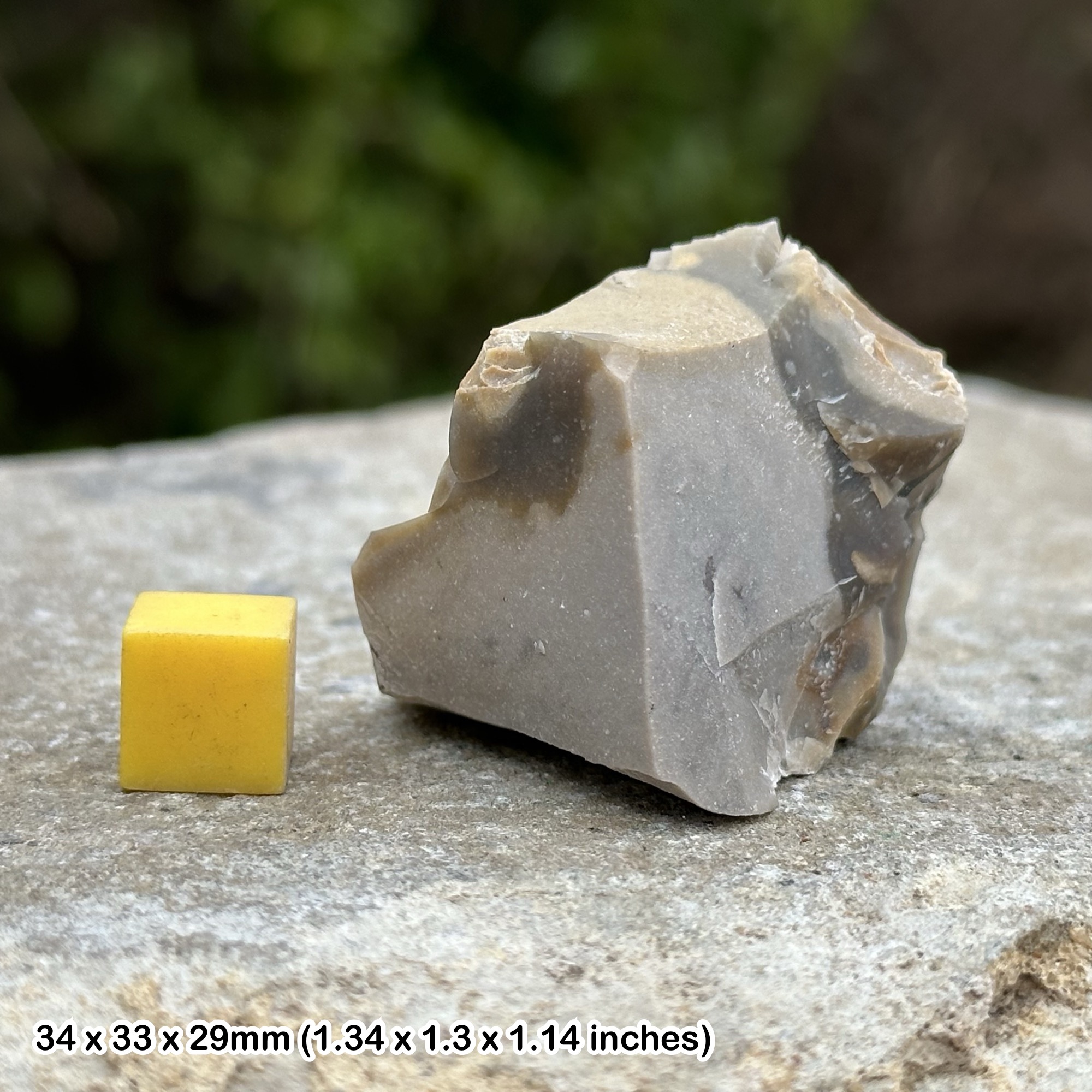
Flint Cretaceous Norfolk Natural Chalk Silica Nodule Specimen Genuine English Geological Collectors Piece with Certificate of Authenticity
£ 2.40
CRETACEOUS FLINT SPECIMEN – NORFOLK, ENGLANDThis genuine Flint specimen from Norfolk, England, originates from Cretaceous
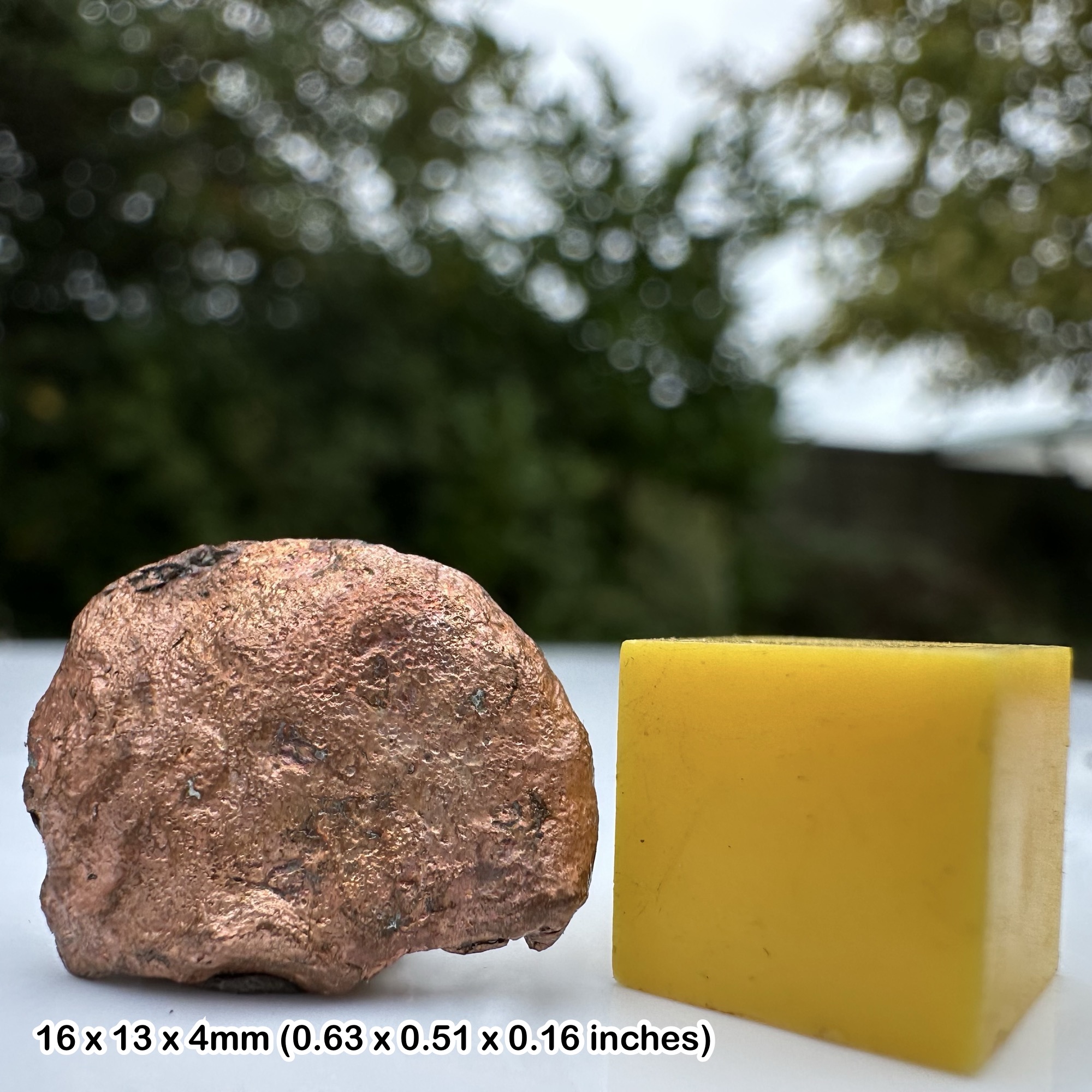
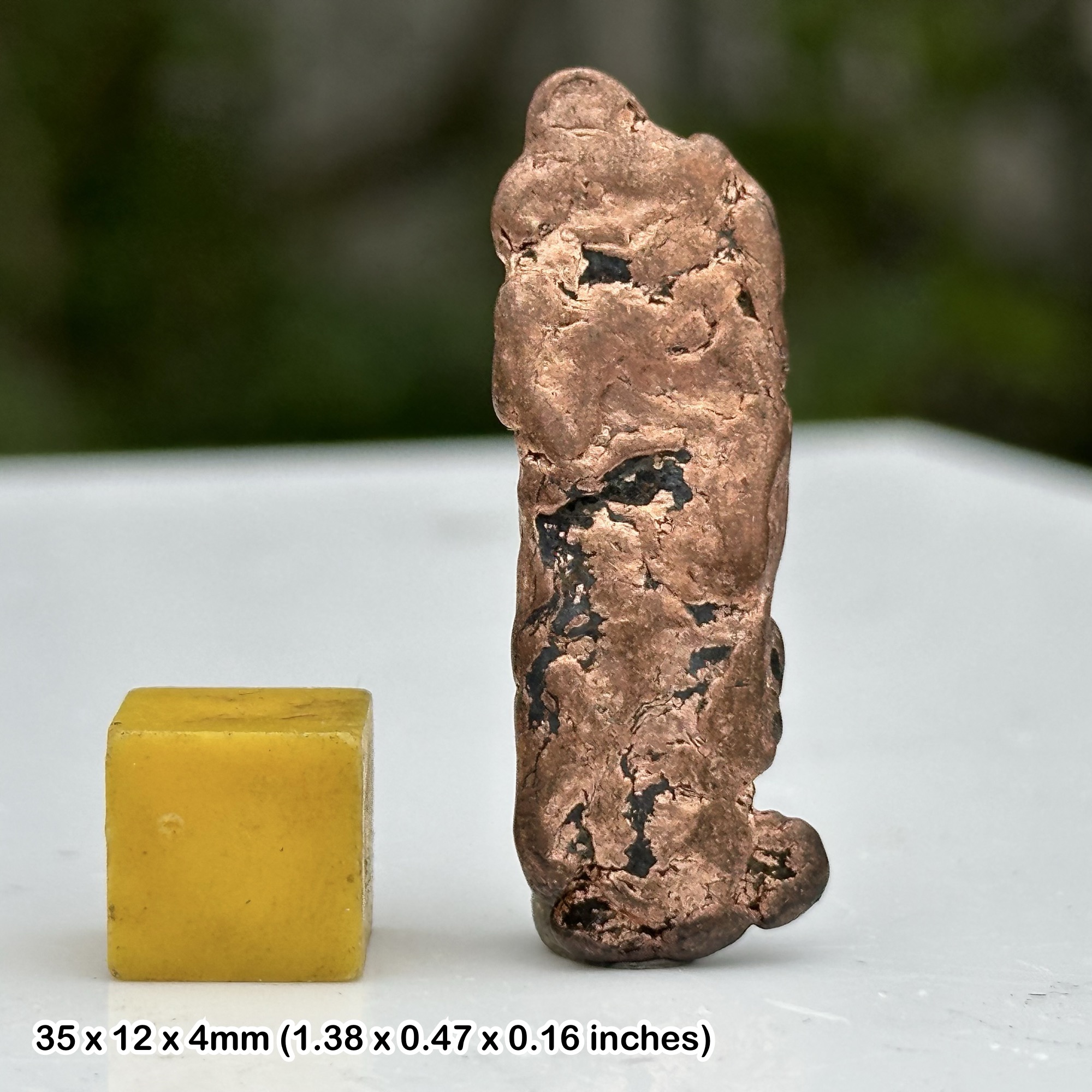
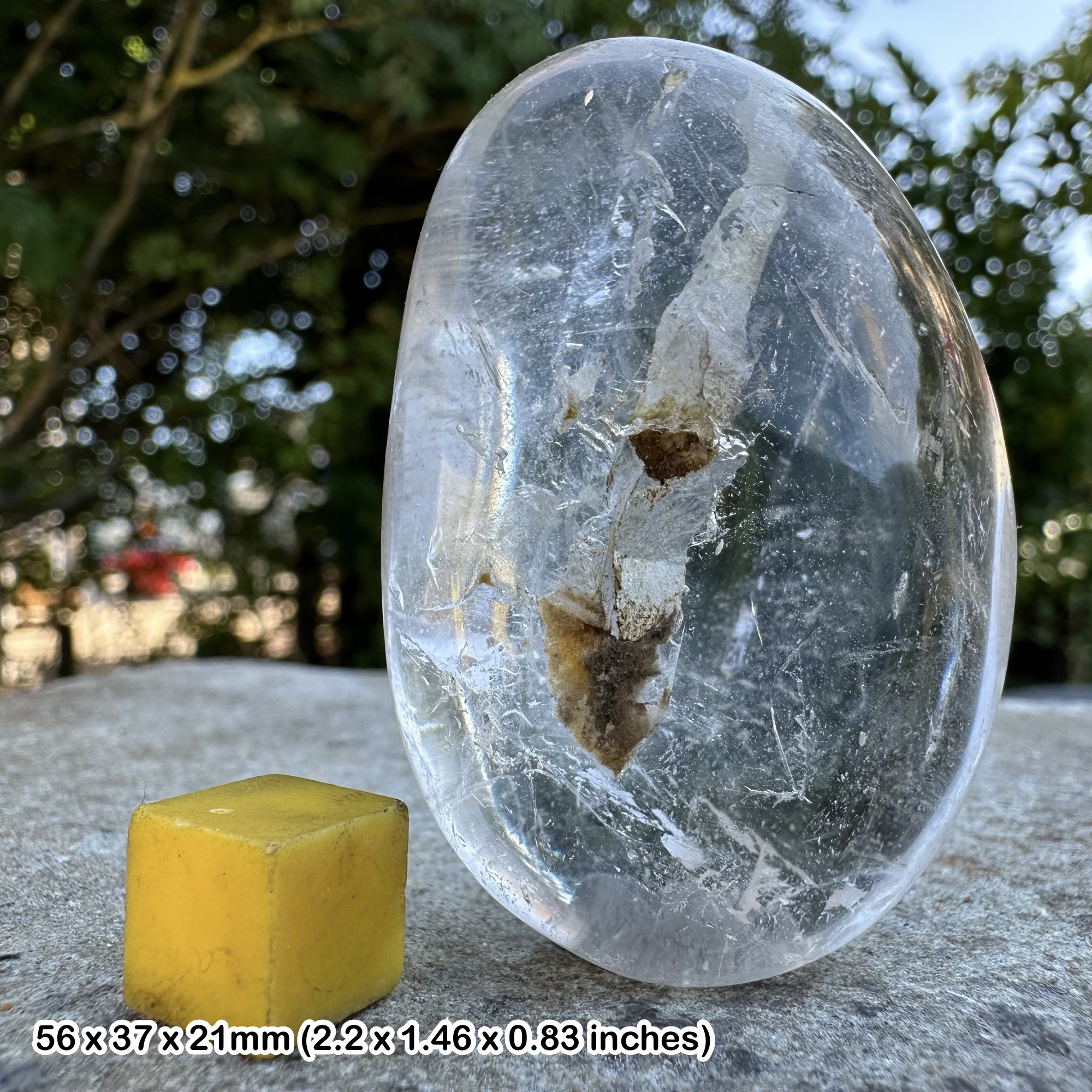
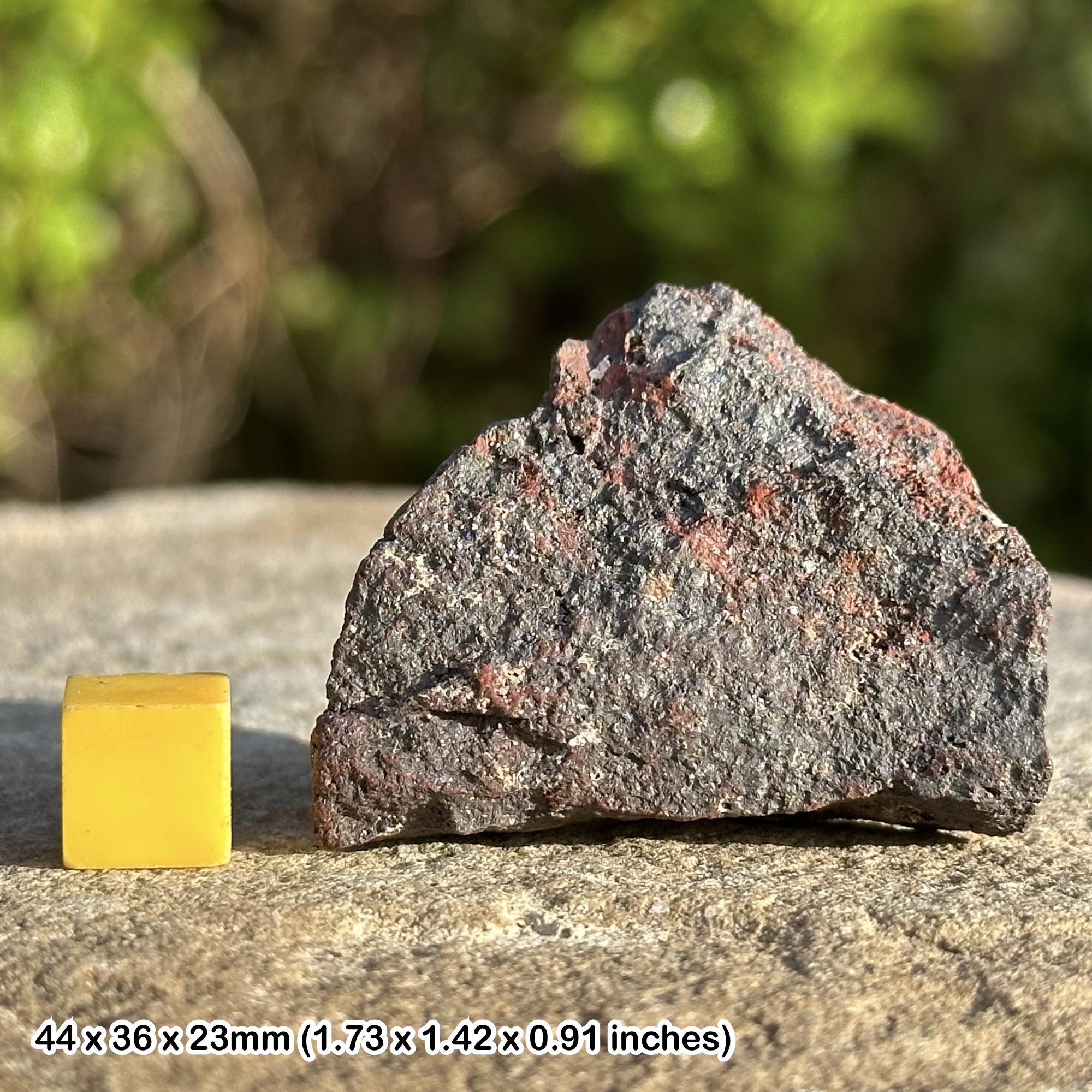
chalk deposits formed approximately 66–100 million years ago. Flint is one of the most recognisable geological materials in Britain, especially along the Norfolk coastline where nodules weather out of the Upper Cretaceous Chalk Formation.The photograph shows the exact specimen you will receive. Each piece is carefully selected for character, surface texture, and geological authenticity. Full sizing can be confirmed in the listing photographs.This crystal is a genuine specimen and includes a Certificate of Authenticity lifetime guarantee generic card. MINERAL TYPE & SCIENTIFIC COMPOSITIONFlint is a variety of microcrystalline quartz (SiO₂), classified as a form of chert. It belongs to the trigonal crystal system, although individual crystals are too small to be visible without magnification.Key mineral characteristics include:
• Mineral Group: Quartz
• Variety: Flint (Chert)
• Chemical Formula: SiO₂
• Crystal System: Trigonal
• Hardness: 6.5–7 on the Mohs scale
• Lustre: Waxy to dull externally, vitreous on fresh fracture
• Fracture: Conchoidal (smooth, shell-like breakage)Flint is typically dark grey, black, or brown internally, often with a pale white or cream chalk cortex on the outer surface where it formed within chalk beds. GEOLOGICAL FORMATION – CRETACEOUS CHALK SEASDuring the Late Cretaceous Period, much of what is now southern and eastern England was covered by a warm, shallow sea. Over millions of years, microscopic marine organisms such as coccolithophores accumulated on the seabed, forming thick deposits of calcium carbonate that later lithified into chalk.Flint formed within these chalk layers as silica-rich fluids replaced portions of the carbonate sediment. The silica often originated from the skeletal remains of siliceous organisms such as sponges and radiolarians. Over time, silica precipitated and concentrated into nodules within the soft chalk.The result was the formation of flint nodules, often with irregular shapes and smooth outer cortex surfaces. NORFOLK LOCALITY & GEOLOGICAL SIGNIFICANCENorfolk’s coastline is famous for its extensive chalk cliffs and beach exposures, where flint nodules are naturally released by erosion. These deposits belong to the Upper Cretaceous Chalk Group, part of a widespread formation extending across southern England.Flint from Norfolk is historically significant, having been used for:
• Prehistoric tools and implements
• Traditional building materials in East Anglia
• Decorative stonework in churches and historic structuresIts durability, sharp conchoidal fracture, and distinctive appearance made it a valuable material throughout human history. APPEARANCE & NATURAL FEATURESThis Cretaceous flint specimen may display:
• Dark grey to black interior
• White chalk cortex on outer surface
• Smooth water-worn or naturally weathered texture
• Glassy conchoidal fracture surfaces
• Occasional fossil impressions or inclusionsEach specimen is unique due to natural variation in nodule shape, surface weathering, and internal patterning. COLLECTING, EDUCATIONAL & DISPLAY VALUECretaceous flint from Norfolk is ideal for:
• British geological collections
• Chalk formation study specimens
• Educational teaching displays
• Natural history cabinets
• Collectors of UK locality mineralsFlint is traditionally associated in spiritual contexts with grounding and strength, though this listing focuses on its geological importance and historical relevance.Its strong connection to Britain’s geological and cultural heritage makes it a meaningful collector’s piece. AUTHENTICITY & CERTIFICATE INCLUDEDThis is a genuine Cretaceous flint specimen from Norfolk, England. The photograph shows the exact piece you will receive, carefully selected for quality and authenticity.Your purchase includes a Certificate of Authenticity lifetime guarantee generic card. Please refer to the listing photographs for full sizing and scale.A classic example of English Cretaceous geology, this Norfolk flint specimen offers a tangible connection to ancient chalk seas and Britain’s natural history.
chalk deposits formed approximately 66–100 million years ago. Flint is one of the most recognisable geological materials in Britain, especially along the Norfolk coastline where nodules weather out of the Upper Cretaceous Chalk Formation.The photograph shows the exact specimen you will receive. Each piece is carefully selected for character, surface texture, and geological authenticity. Full sizing can be confirmed in the listing photographs.This crystal is a genuine specimen and includes a Certificate of Authenticity lifetime guarantee generic card. MINERAL TYPE & SCIENTIFIC COMPOSITIONFlint is a variety of microcrystalline quartz (SiO₂), classified as a form of chert. It belongs to the trigonal crystal system, although individual crystals are too small to be visible without magnification.Key mineral characteristics include:
• Mineral Group: Quartz
• Variety: Flint (Chert)
• Chemical Formula: SiO₂
• Crystal System: Trigonal
• Hardness: 6.5–7 on the Mohs scale
• Lustre: Waxy to dull externally, vitreous on fresh fracture
• Fracture: Conchoidal (smooth, shell-like breakage)Flint is typically dark grey, black, or brown internally, often with a pale white or cream chalk cortex on the outer surface where it formed within chalk beds. GEOLOGICAL FORMATION – CRETACEOUS CHALK SEASDuring the Late Cretaceous Period, much of what is now southern and eastern England was covered by a warm, shallow sea. Over millions of years, microscopic marine organisms such as coccolithophores accumulated on the seabed, forming thick deposits of calcium carbonate that later lithified into chalk.Flint formed within these chalk layers as silica-rich fluids replaced portions of the carbonate sediment. The silica often originated from the skeletal remains of siliceous organisms such as sponges and radiolarians. Over time, silica precipitated and concentrated into nodules within the soft chalk.The result was the formation of flint nodules, often with irregular shapes and smooth outer cortex surfaces. NORFOLK LOCALITY & GEOLOGICAL SIGNIFICANCENorfolk’s coastline is famous for its extensive chalk cliffs and beach exposures, where flint nodules are naturally released by erosion. These deposits belong to the Upper Cretaceous Chalk Group, part of a widespread formation extending across southern England.Flint from Norfolk is historically significant, having been used for:
• Prehistoric tools and implements
• Traditional building materials in East Anglia
• Decorative stonework in churches and historic structuresIts durability, sharp conchoidal fracture, and distinctive appearance made it a valuable material throughout human history. APPEARANCE & NATURAL FEATURESThis Cretaceous flint specimen may display:
• Dark grey to black interior
• White chalk cortex on outer surface
• Smooth water-worn or naturally weathered texture
• Glassy conchoidal fracture surfaces
• Occasional fossil impressions or inclusionsEach specimen is unique due to natural variation in nodule shape, surface weathering, and internal patterning. COLLECTING, EDUCATIONAL & DISPLAY VALUECretaceous flint from Norfolk is ideal for:
• British geological collections
• Chalk formation study specimens
• Educational teaching displays
• Natural history cabinets
• Collectors of UK locality mineralsFlint is traditionally associated in spiritual contexts with grounding and strength, though this listing focuses on its geological importance and historical relevance.Its strong connection to Britain’s geological and cultural heritage makes it a meaningful collector’s piece. AUTHENTICITY & CERTIFICATE INCLUDEDThis is a genuine Cretaceous flint specimen from Norfolk, England. The photograph shows the exact piece you will receive, carefully selected for quality and authenticity.Your purchase includes a Certificate of Authenticity lifetime guarantee generic card. Please refer to the listing photographs for full sizing and scale.A classic example of English Cretaceous geology, this Norfolk flint specimen offers a tangible connection to ancient chalk seas and Britain’s natural history.