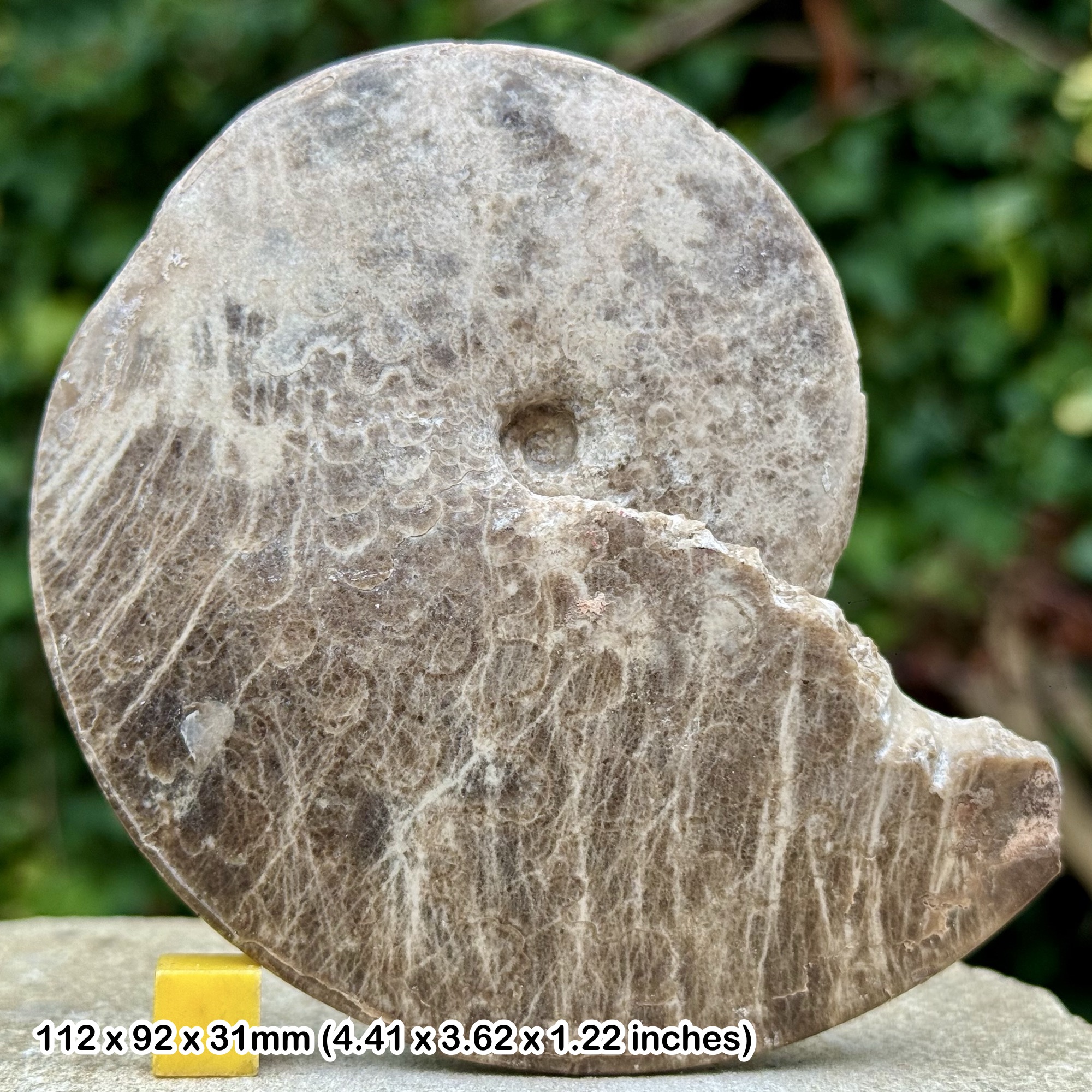
Choffaticeras segne Fossil Ammonite Turonian Cretaceous Asfla Atlas Morocco with Certificate of Authenticity
£ 60.00
GENUINE CHOFFATICERAS SEGNE FOSSIL AMMONITEThis listing is for a Choffaticeras segne fossil ammonite, originating from the
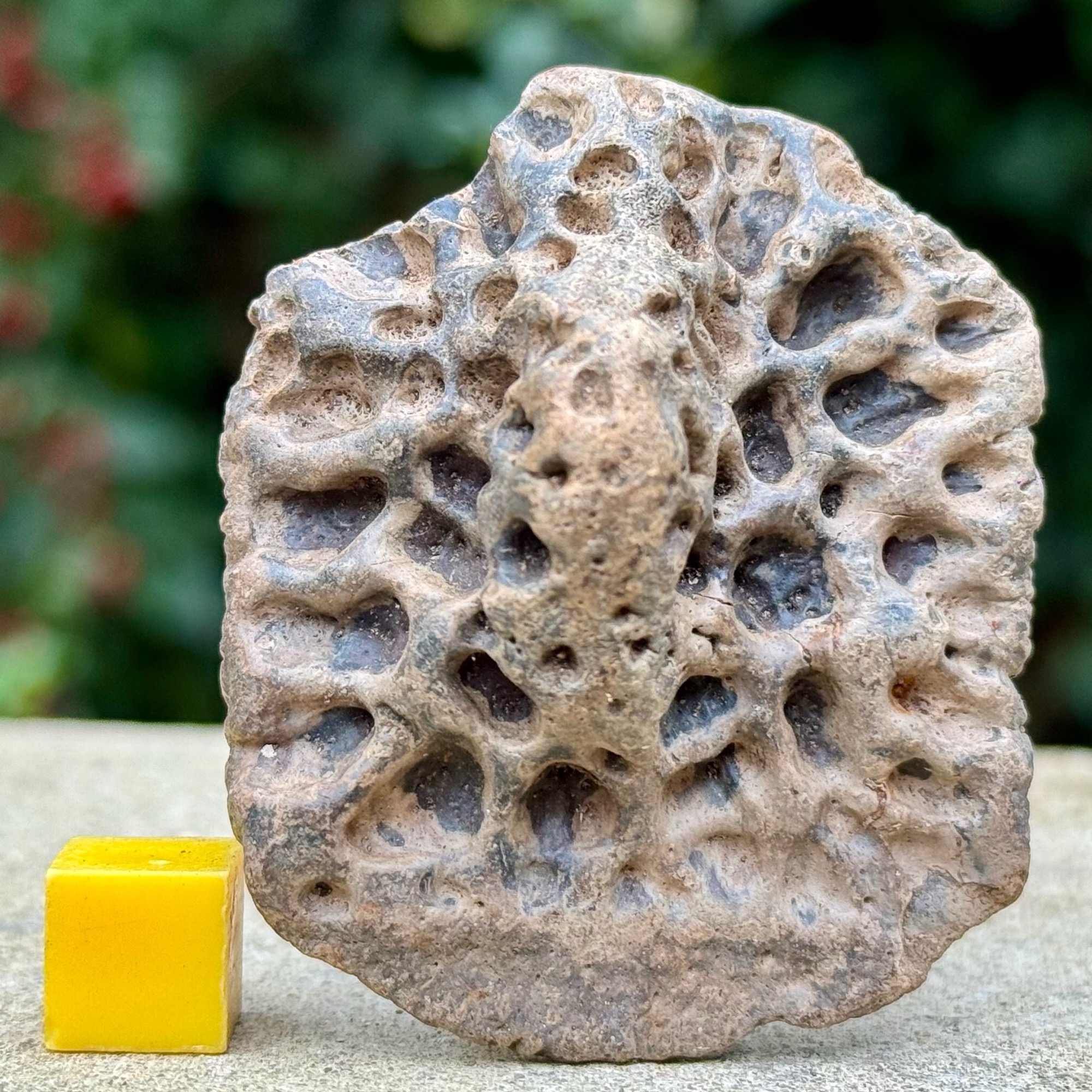
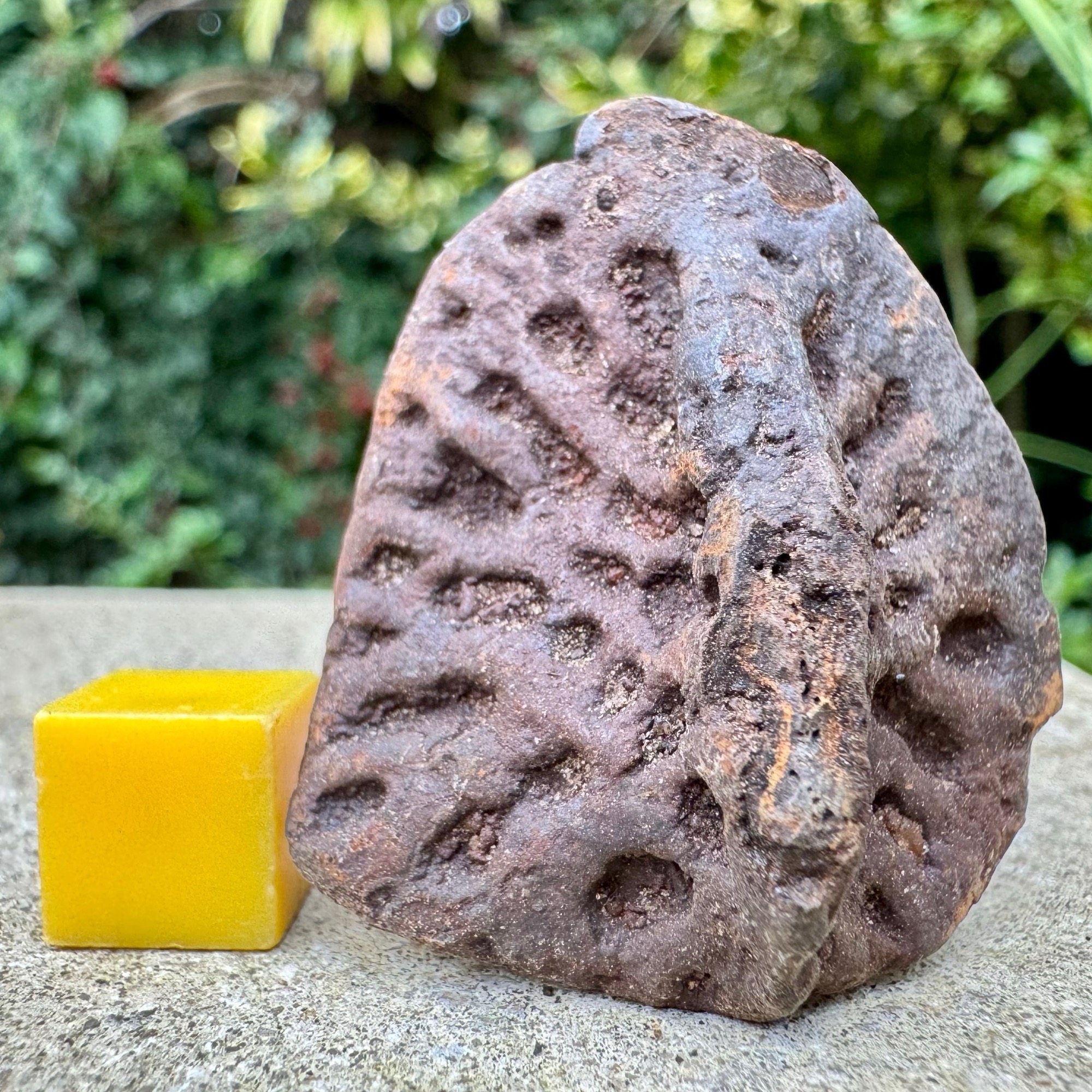
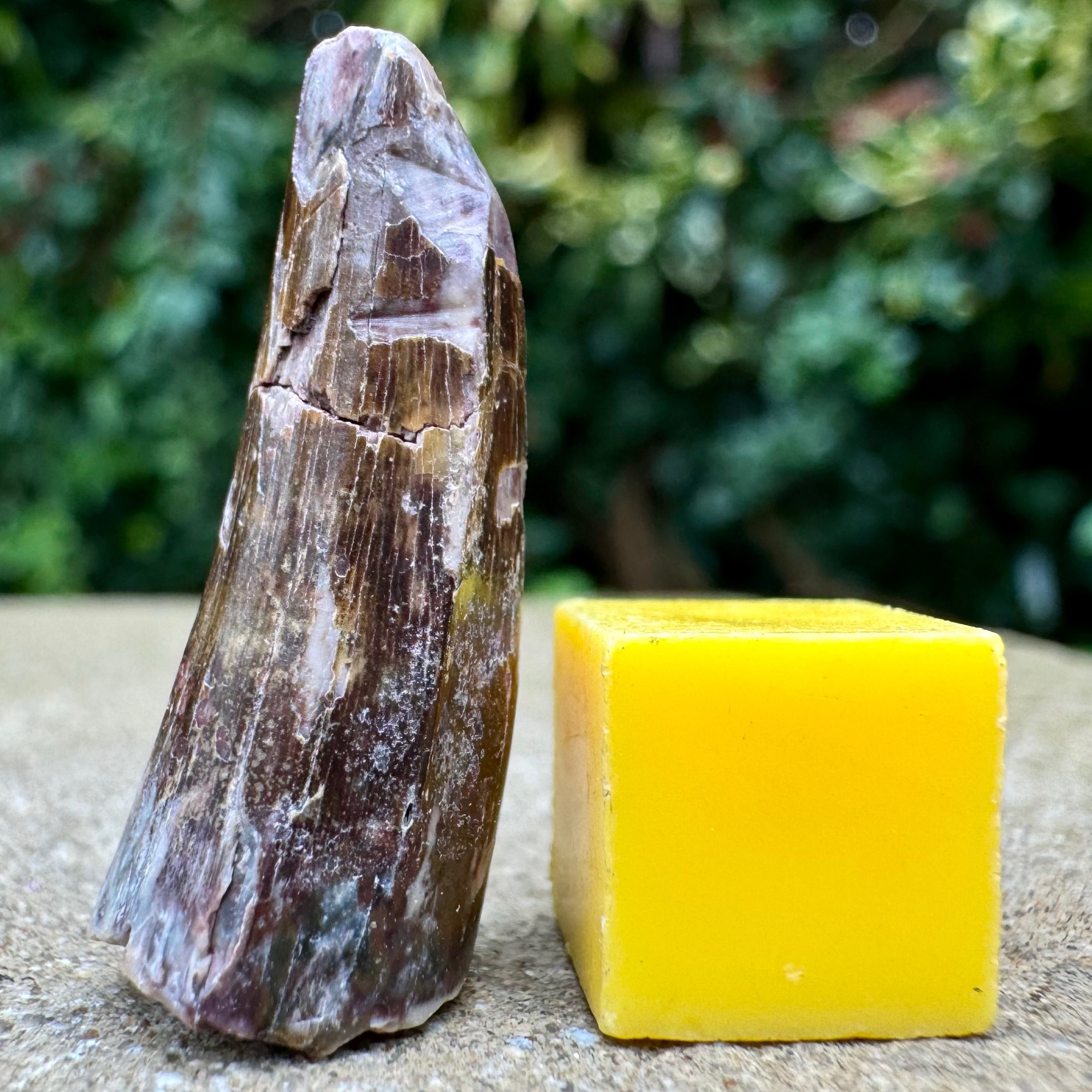
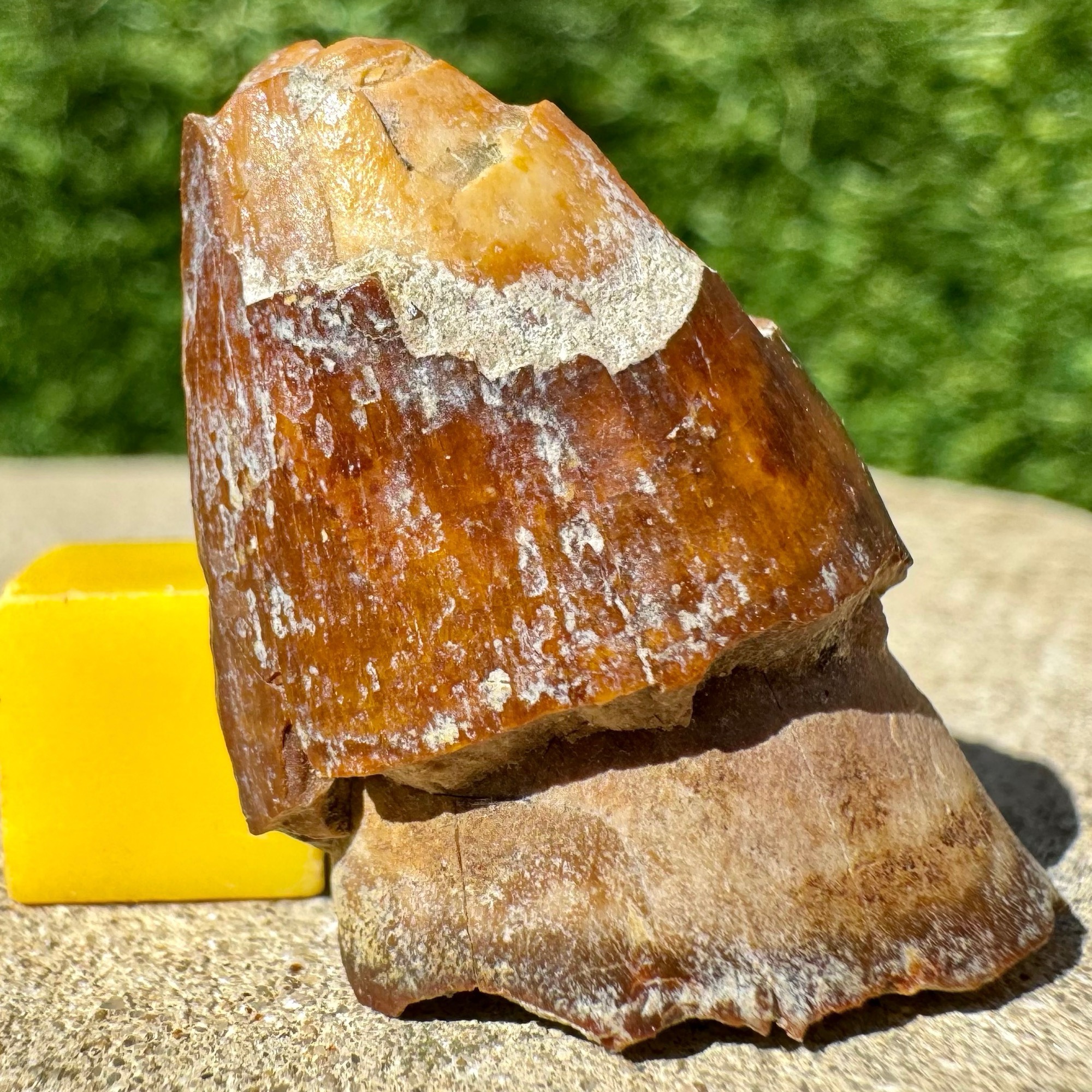
Turonian Stage of the Late Cretaceous period, approximately 90–94 million years old. The specimen was discovered in the Asfla region of the Atlas Mountains, Morocco, a location world-renowned for its exceptional Cretaceous marine fossils. Each fossil is a one-of-a-kind specimen and comes with a Certificate of Authenticity, guaranteeing its genuineness. The photographs provided show the exact fossil you will receive, with a 1cm cube and scale rule included for accurate size reference. GEOLOGICAL CONTEXTThe Turonian Stage is a subdivision of the Late Cretaceous, representing a time when much of North Africa was submerged beneath warm epicontinental seas. These shallow marine environments were rich in life, supporting abundant ammonites, belemnites, and other marine invertebrates. The Atlas Mountains of Morocco, though now uplifted and eroded, preserve these sediments in remarkable detail, offering a unique window into ecosystems that thrived nearly 90 million years ago.The Asfla Atlas site is highly regarded among collectors and researchers for producing well-preserved ammonites such as Choffaticeras, which provide key insights into evolutionary patterns and biostratigraphy within the Cretaceous record. SCIENTIFIC CLASSIFICATION
• Genus: Choffaticeras
• Species: Choffaticeras segne
• Order: Ammonitida
• Superfamily: Acanthocerataceae
• Family: Collignoniceratidae
• Geological Stage: Turonian (Late Cretaceous)
• Provenance: Asfla, Atlas Mountains, MoroccoChoffaticeras segne was first formally described based on specimens from North Africa and remains an important index fossil for correlating Turonian-aged strata across the region. MORPHOLOGICAL FEATURESThis fossil ammonite displays the classic features of Choffaticeras segne, including:
• Robust, involute shell form with tightly coiled whorls.
• Strong ribbing across the surface, a hallmark trait of this genus.
• Tuberculated ornamentation along the flanks, aiding species identification.
• A relatively thick shell cross-section, characteristic of ammonites adapted to open marine environments.These morphological traits not only make the specimen visually striking but also provide important diagnostic features that confirm its species identity. SCIENTIFIC AND COLLECTOR IMPORTANCEAmmonites such as Choffaticeras segne are critical for the study of biostratigraphy, as their rapid evolutionary turnover and wide distribution make them valuable index fossils for dating and correlating Cretaceous marine strata. For collectors, this species holds a special appeal due to its distinct ornamentation and its provenance from one of the world’s most famous fossil localities.The preservation of this specimen highlights the remarkable fossil record of the Atlas Mountains, making it both a scientifically significant and aesthetically impressive piece. DISPLAY AND EDUCATIONAL VALUEThis ammonite is large and highly detailed, making it an excellent piece for display in a private collection, museum, or educational setting. Its features clearly demonstrate ammonite shell morphology, ornamentation, and evolutionary adaptations, making it a superb teaching specimen for illustrating Cretaceous marine ecosystems.By owning a Choffaticeras segne fossil ammonite from Morocco, you are acquiring not only a rare collector’s item but also a genuine relic of Earth’s geological history, preserving the legacy of a marine predator that thrived in the warm seas of the Late Cretaceous.
Turonian Stage of the Late Cretaceous period, approximately 90–94 million years old. The specimen was discovered in the Asfla region of the Atlas Mountains, Morocco, a location world-renowned for its exceptional Cretaceous marine fossils. Each fossil is a one-of-a-kind specimen and comes with a Certificate of Authenticity, guaranteeing its genuineness. The photographs provided show the exact fossil you will receive, with a 1cm cube and scale rule included for accurate size reference. GEOLOGICAL CONTEXTThe Turonian Stage is a subdivision of the Late Cretaceous, representing a time when much of North Africa was submerged beneath warm epicontinental seas. These shallow marine environments were rich in life, supporting abundant ammonites, belemnites, and other marine invertebrates. The Atlas Mountains of Morocco, though now uplifted and eroded, preserve these sediments in remarkable detail, offering a unique window into ecosystems that thrived nearly 90 million years ago.The Asfla Atlas site is highly regarded among collectors and researchers for producing well-preserved ammonites such as Choffaticeras, which provide key insights into evolutionary patterns and biostratigraphy within the Cretaceous record. SCIENTIFIC CLASSIFICATION
• Genus: Choffaticeras
• Species: Choffaticeras segne
• Order: Ammonitida
• Superfamily: Acanthocerataceae
• Family: Collignoniceratidae
• Geological Stage: Turonian (Late Cretaceous)
• Provenance: Asfla, Atlas Mountains, MoroccoChoffaticeras segne was first formally described based on specimens from North Africa and remains an important index fossil for correlating Turonian-aged strata across the region. MORPHOLOGICAL FEATURESThis fossil ammonite displays the classic features of Choffaticeras segne, including:
• Robust, involute shell form with tightly coiled whorls.
• Strong ribbing across the surface, a hallmark trait of this genus.
• Tuberculated ornamentation along the flanks, aiding species identification.
• A relatively thick shell cross-section, characteristic of ammonites adapted to open marine environments.These morphological traits not only make the specimen visually striking but also provide important diagnostic features that confirm its species identity. SCIENTIFIC AND COLLECTOR IMPORTANCEAmmonites such as Choffaticeras segne are critical for the study of biostratigraphy, as their rapid evolutionary turnover and wide distribution make them valuable index fossils for dating and correlating Cretaceous marine strata. For collectors, this species holds a special appeal due to its distinct ornamentation and its provenance from one of the world’s most famous fossil localities.The preservation of this specimen highlights the remarkable fossil record of the Atlas Mountains, making it both a scientifically significant and aesthetically impressive piece. DISPLAY AND EDUCATIONAL VALUEThis ammonite is large and highly detailed, making it an excellent piece for display in a private collection, museum, or educational setting. Its features clearly demonstrate ammonite shell morphology, ornamentation, and evolutionary adaptations, making it a superb teaching specimen for illustrating Cretaceous marine ecosystems.By owning a Choffaticeras segne fossil ammonite from Morocco, you are acquiring not only a rare collector’s item but also a genuine relic of Earth’s geological history, preserving the legacy of a marine predator that thrived in the warm seas of the Late Cretaceous.
Other Products