Eogaudryceras numidum Ammonite Fossil Albian Cretaceous Hungary COA Genuine Rare Lower Cretaceous Collectable Fossil
£ 12.60
Genuine Eogaudryceras numidum Ammonite FossilThis listing is for a genuine Eogaudryceras numidum ammonite fossil from
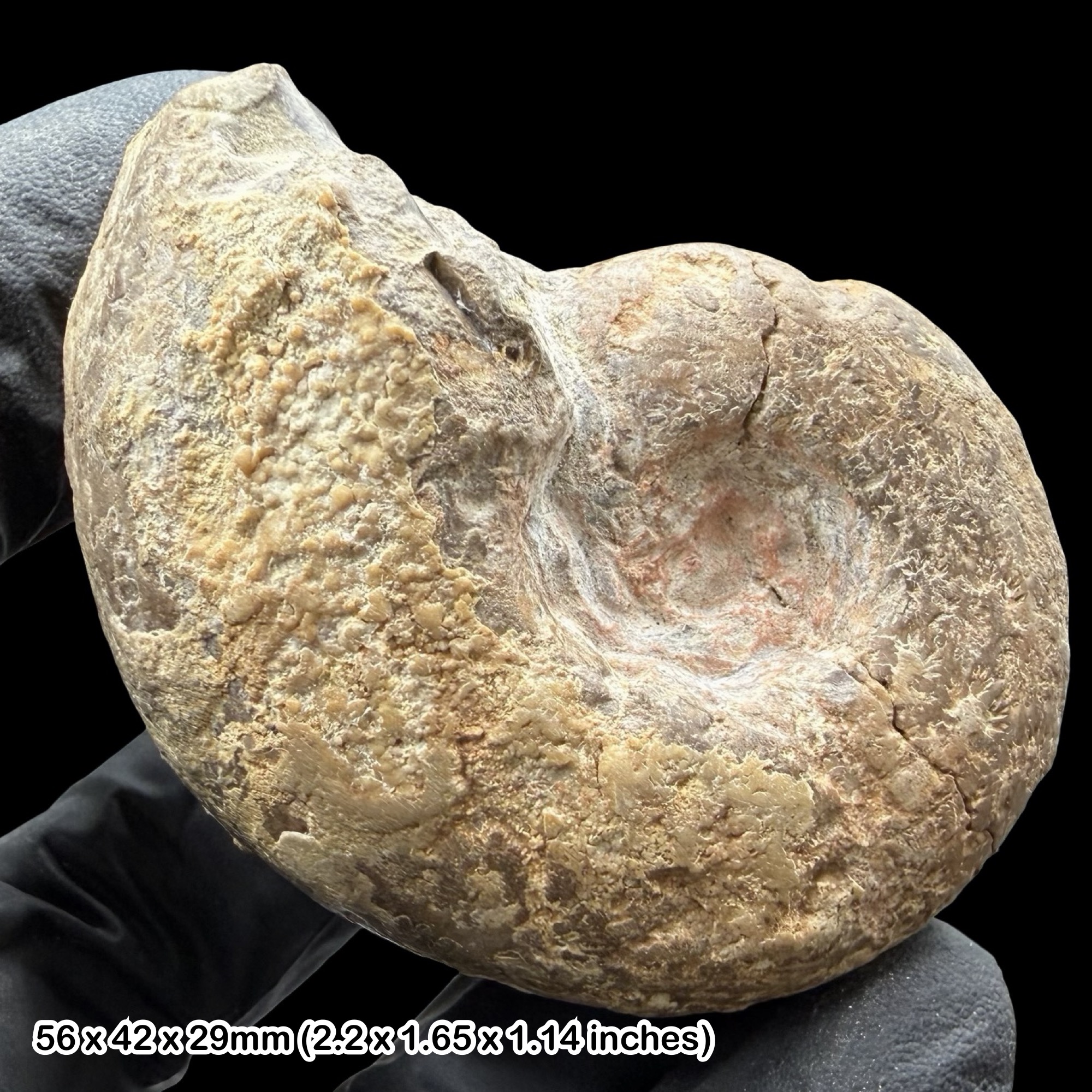
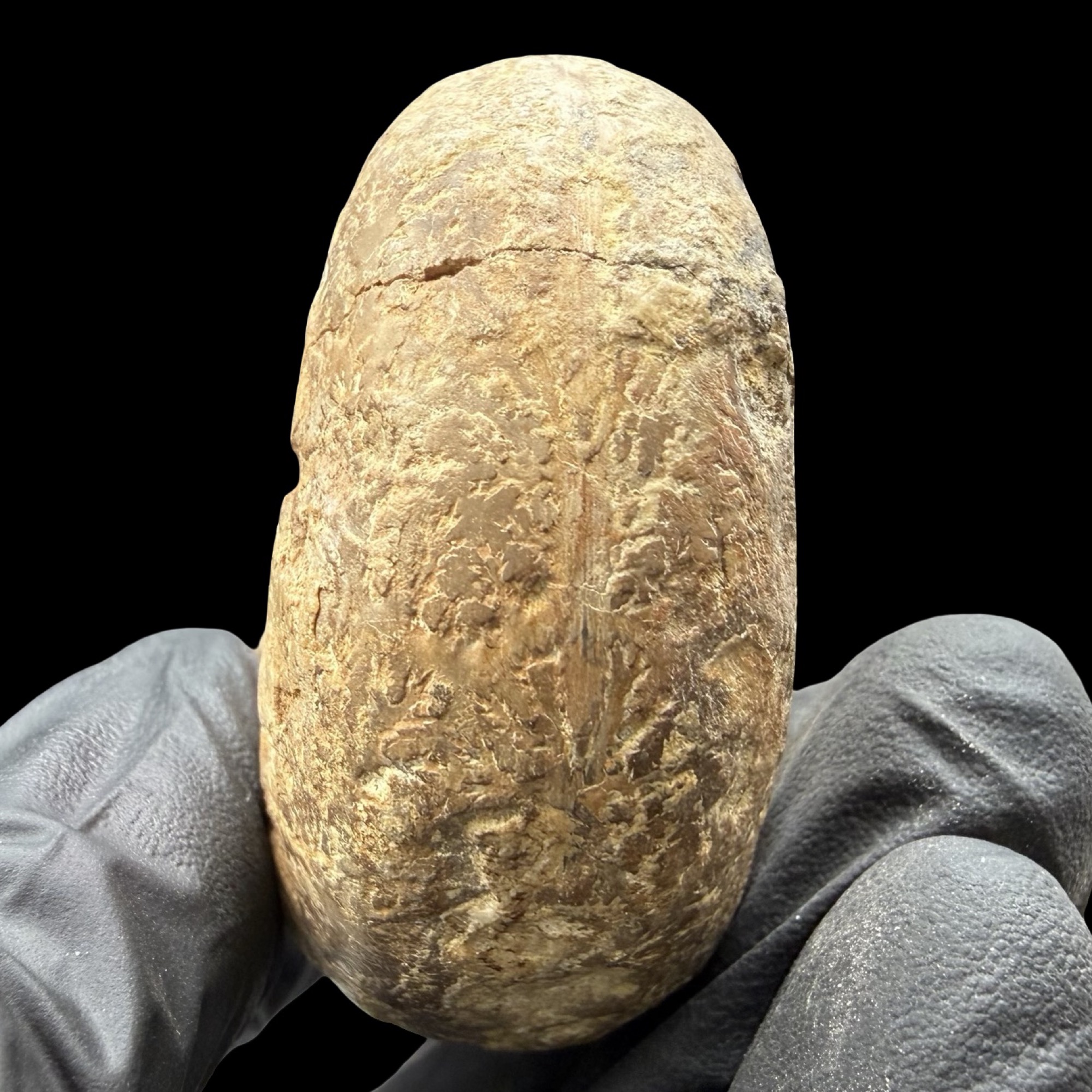
Hungary, dating to the Lower Cretaceous, Albian stage. This carefully chosen fossil is an authentic natural specimen and includes a Certificate of Authenticity lifetime guarantee generic card. The photograph shows the actual fossil you will receive, making this a reliable and attractive choice for collectors who value genuine, individually selected fossil specimens.Ammonites are one of the most popular and recognisable groups of prehistoric marine fossils. Their elegant spiral shells, scientific importance, and strong display appeal make them highly desirable for fossil collections, educational use, natural history displays, and gifts for anyone interested in prehistoric life. Full sizing details can be seen in the photo.Species and Fossil TypeEogaudryceras numidum is an ammonite, an extinct marine cephalopod related to modern squid, cuttlefish, octopus, and nautilus. Ammonites lived in ancient seas and had chambered shells that helped control buoyancy. The living animal occupied the outer body chamber, while the inner chambers were separated by internal walls known as septa.Eogaudryceras belongs to the lytoceratid ammonites, a group often recognised for their rounded whorl sections, open coiling tendencies in some related forms, and fine ornamental shell features. Many lytoceratids are noted for their delicate ribbing or striated shell surfaces, giving them a refined and elegant appearance when well preserved. These ammonites are valued by collectors both for their attractive morphology and for their place within the broader evolutionary history of Cretaceous cephalopods.Geological Age and Cretaceous SettingThis fossil dates to the Albian stage of the Lower Cretaceous Period. The Albian represents one of the later stages of the Early Cretaceous, a time when warm seas covered many areas of Europe and supported diverse marine ecosystems. Ammonites were abundant and rapidly evolving during this period, making them especially useful fossils for dating and comparing marine rock layers.During the Albian, ancient seas contained a rich range of life including ammonites, belemnites, bivalves, gastropods, echinoids, fish, marine reptiles, and many forms of planktonic organisms. Ammonites such as Eogaudryceras were part of this active marine food web, likely swimming or drifting through the water column while feeding on small marine organisms. Their shells could become preserved after death when they settled into soft sea-floor sediment and were gradually buried over millions of years.Hungarian Fossil LocalityHungary has important Mesozoic fossil-bearing deposits, including marine sediments that preserve evidence of ancient Cretaceous seas. Fossils from this region can offer an excellent insight into the prehistoric marine environments that once existed across parts of Europe. The presence of ammonites in these deposits reflects open marine conditions and helps link the rocks to wider Cretaceous ammonite faunas known from other parts of Europe and the Tethyan realm.The Tethyan seas were a major marine region during the Mesozoic Era, supporting a wide diversity of ammonites and other invertebrates. Fossils from this broad palaeogeographic setting are particularly appealing to collectors because they represent ancient ocean life from a time when the continents and seas looked very different from today.Morphology and Collectable FeaturesEogaudryceras ammonites are generally appreciated for their classic coiled ammonite form and natural shell detail. Depending on preservation, specimens may display rounded whorls, fine growth lines, subtle ribbing, visible coiling, and natural matrix or mineralisation. These features make each fossil unique, with its own character shaped by burial, fossilisation, and geological history.As a genuine fossil specimen, this ammonite may show natural signs of age and preservation such as surface texture, mineral replacement, small chips, weathering, compression, repaired areas, or matrix attachment. These are normal features of authentic fossils and help demonstrate that the piece is a real prehistoric specimen rather than a modern replica or cast.Provenance and AuthenticityFossil type: AmmoniteSpecies: Eogaudryceras numidumAge: Lower Cretaceous, AlbianLocality: HungaryCertificate: Includes a Certificate of Authenticity lifetime guarantee generic cardSpecimen shown: The photo shows the actual fossil you will receiveSize: Full sizing shown in the photoThis Eogaudryceras numidum ammonite fossil is a carefully selected natural history specimen suitable for display, study, gifting, or adding to a fossil collection. Its Lower Cretaceous age, Hungarian origin, attractive ammonite form, and included Certificate of Authenticity make it an excellent choice for collectors of genuine ammonites, Cretaceous fossils, marine cephalopods, and prehistoric natural history specimens.
Hungary, dating to the Lower Cretaceous, Albian stage. This carefully chosen fossil is an authentic natural specimen and includes a Certificate of Authenticity lifetime guarantee generic card. The photograph shows the actual fossil you will receive, making this a reliable and attractive choice for collectors who value genuine, individually selected fossil specimens.Ammonites are one of the most popular and recognisable groups of prehistoric marine fossils. Their elegant spiral shells, scientific importance, and strong display appeal make them highly desirable for fossil collections, educational use, natural history displays, and gifts for anyone interested in prehistoric life. Full sizing details can be seen in the photo.Species and Fossil TypeEogaudryceras numidum is an ammonite, an extinct marine cephalopod related to modern squid, cuttlefish, octopus, and nautilus. Ammonites lived in ancient seas and had chambered shells that helped control buoyancy. The living animal occupied the outer body chamber, while the inner chambers were separated by internal walls known as septa.Eogaudryceras belongs to the lytoceratid ammonites, a group often recognised for their rounded whorl sections, open coiling tendencies in some related forms, and fine ornamental shell features. Many lytoceratids are noted for their delicate ribbing or striated shell surfaces, giving them a refined and elegant appearance when well preserved. These ammonites are valued by collectors both for their attractive morphology and for their place within the broader evolutionary history of Cretaceous cephalopods.Geological Age and Cretaceous SettingThis fossil dates to the Albian stage of the Lower Cretaceous Period. The Albian represents one of the later stages of the Early Cretaceous, a time when warm seas covered many areas of Europe and supported diverse marine ecosystems. Ammonites were abundant and rapidly evolving during this period, making them especially useful fossils for dating and comparing marine rock layers.During the Albian, ancient seas contained a rich range of life including ammonites, belemnites, bivalves, gastropods, echinoids, fish, marine reptiles, and many forms of planktonic organisms. Ammonites such as Eogaudryceras were part of this active marine food web, likely swimming or drifting through the water column while feeding on small marine organisms. Their shells could become preserved after death when they settled into soft sea-floor sediment and were gradually buried over millions of years.Hungarian Fossil LocalityHungary has important Mesozoic fossil-bearing deposits, including marine sediments that preserve evidence of ancient Cretaceous seas. Fossils from this region can offer an excellent insight into the prehistoric marine environments that once existed across parts of Europe. The presence of ammonites in these deposits reflects open marine conditions and helps link the rocks to wider Cretaceous ammonite faunas known from other parts of Europe and the Tethyan realm.The Tethyan seas were a major marine region during the Mesozoic Era, supporting a wide diversity of ammonites and other invertebrates. Fossils from this broad palaeogeographic setting are particularly appealing to collectors because they represent ancient ocean life from a time when the continents and seas looked very different from today.Morphology and Collectable FeaturesEogaudryceras ammonites are generally appreciated for their classic coiled ammonite form and natural shell detail. Depending on preservation, specimens may display rounded whorls, fine growth lines, subtle ribbing, visible coiling, and natural matrix or mineralisation. These features make each fossil unique, with its own character shaped by burial, fossilisation, and geological history.As a genuine fossil specimen, this ammonite may show natural signs of age and preservation such as surface texture, mineral replacement, small chips, weathering, compression, repaired areas, or matrix attachment. These are normal features of authentic fossils and help demonstrate that the piece is a real prehistoric specimen rather than a modern replica or cast.Provenance and AuthenticityFossil type: AmmoniteSpecies: Eogaudryceras numidumAge: Lower Cretaceous, AlbianLocality: HungaryCertificate: Includes a Certificate of Authenticity lifetime guarantee generic cardSpecimen shown: The photo shows the actual fossil you will receiveSize: Full sizing shown in the photoThis Eogaudryceras numidum ammonite fossil is a carefully selected natural history specimen suitable for display, study, gifting, or adding to a fossil collection. Its Lower Cretaceous age, Hungarian origin, attractive ammonite form, and included Certificate of Authenticity make it an excellent choice for collectors of genuine ammonites, Cretaceous fossils, marine cephalopods, and prehistoric natural history specimens.