Heteroceras Moriezense Heteromorphic Ammonite Fossil Cretaceous France COA
£ 60.00
Genuine Heteroceras moriezense Heteromorphic Ammonite FossilThis listing is for a genuine Heteroceras moriezense heteromorphic ammonite
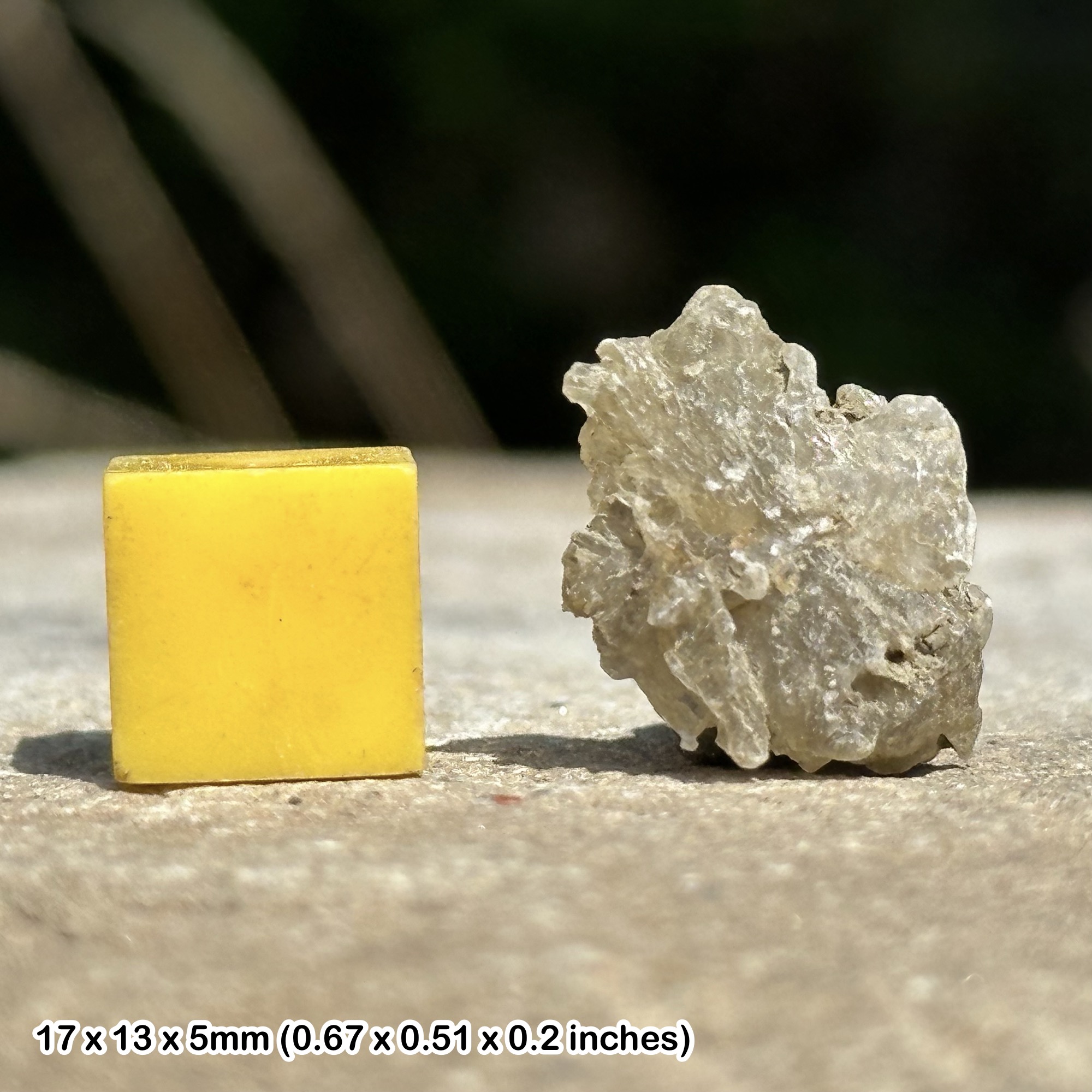
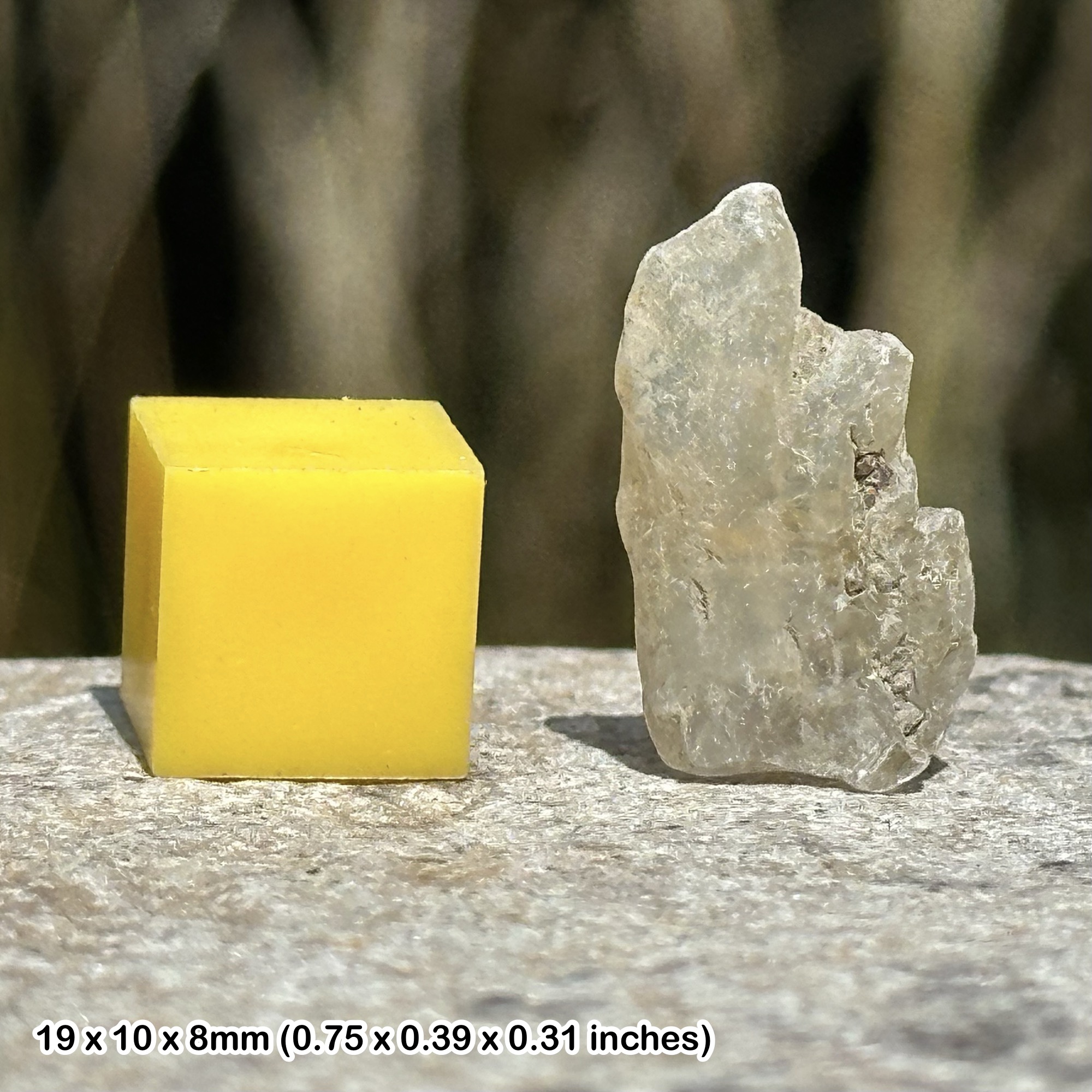
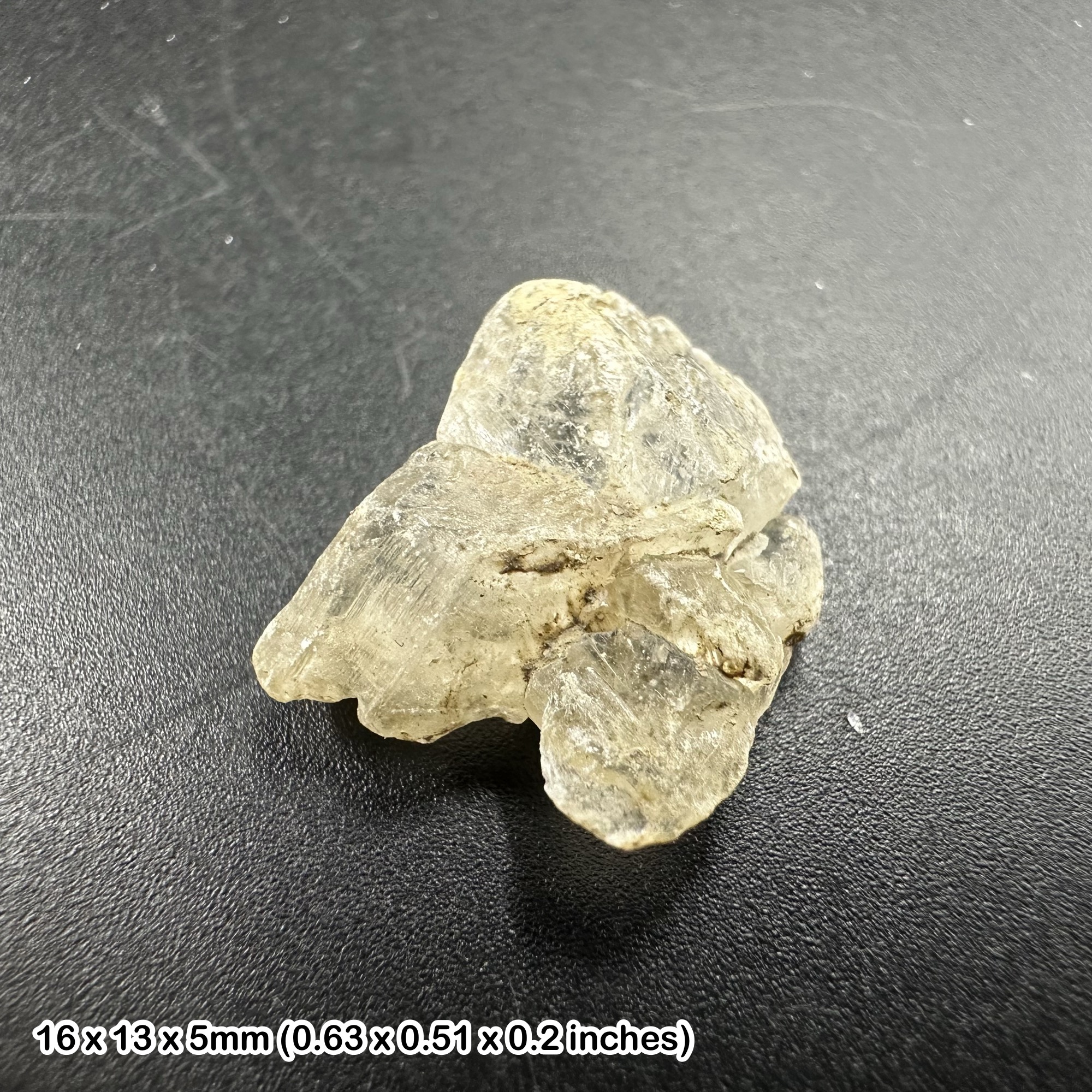
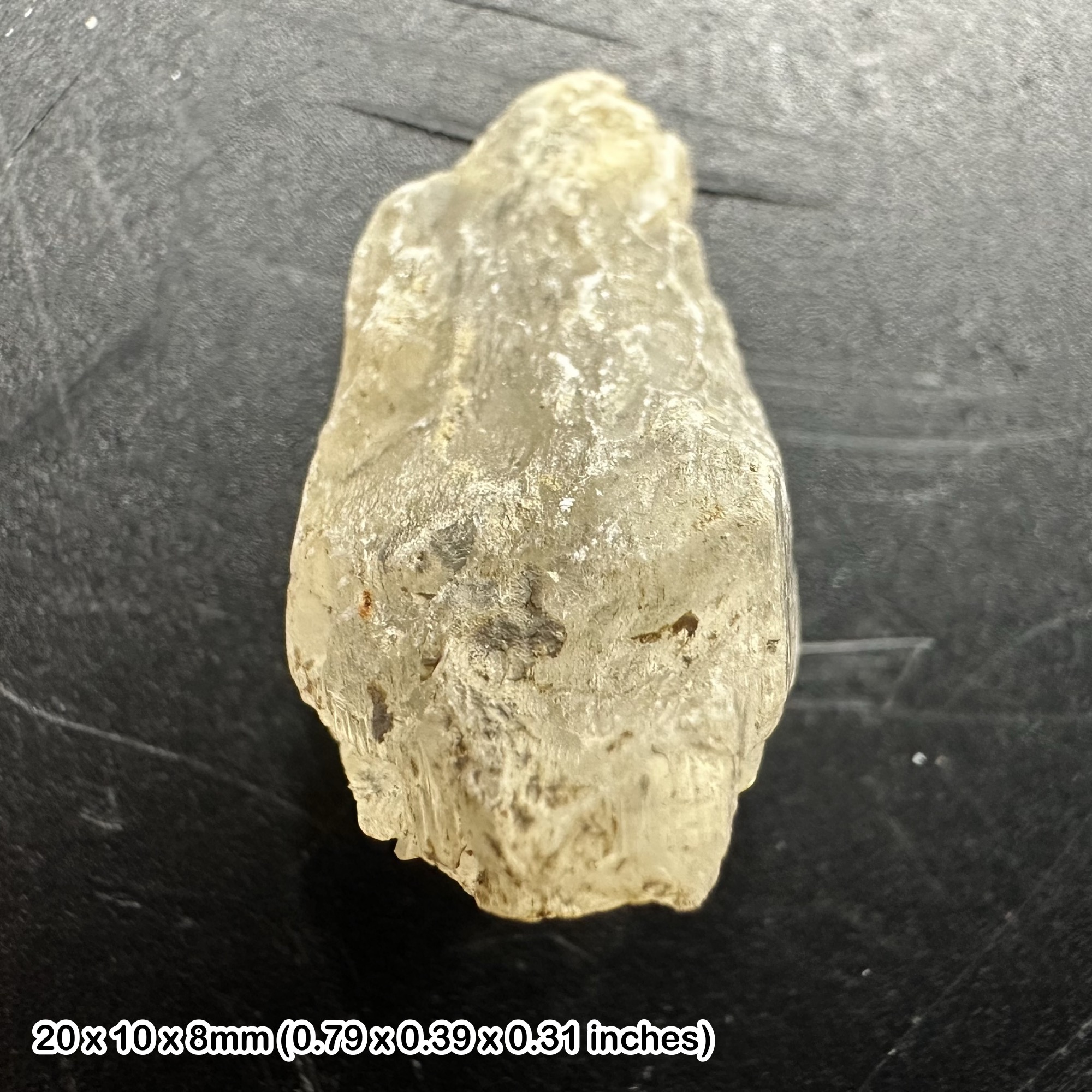
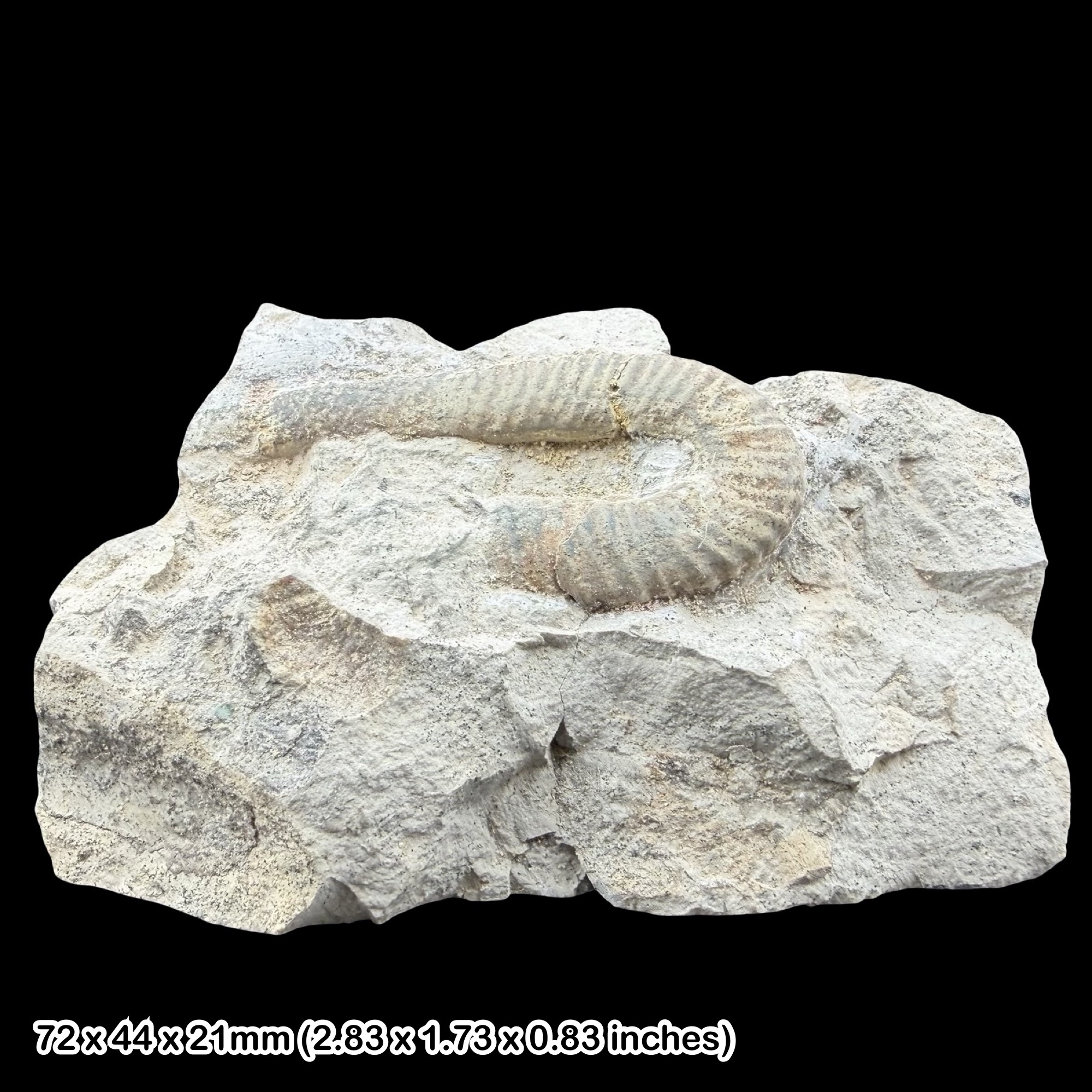
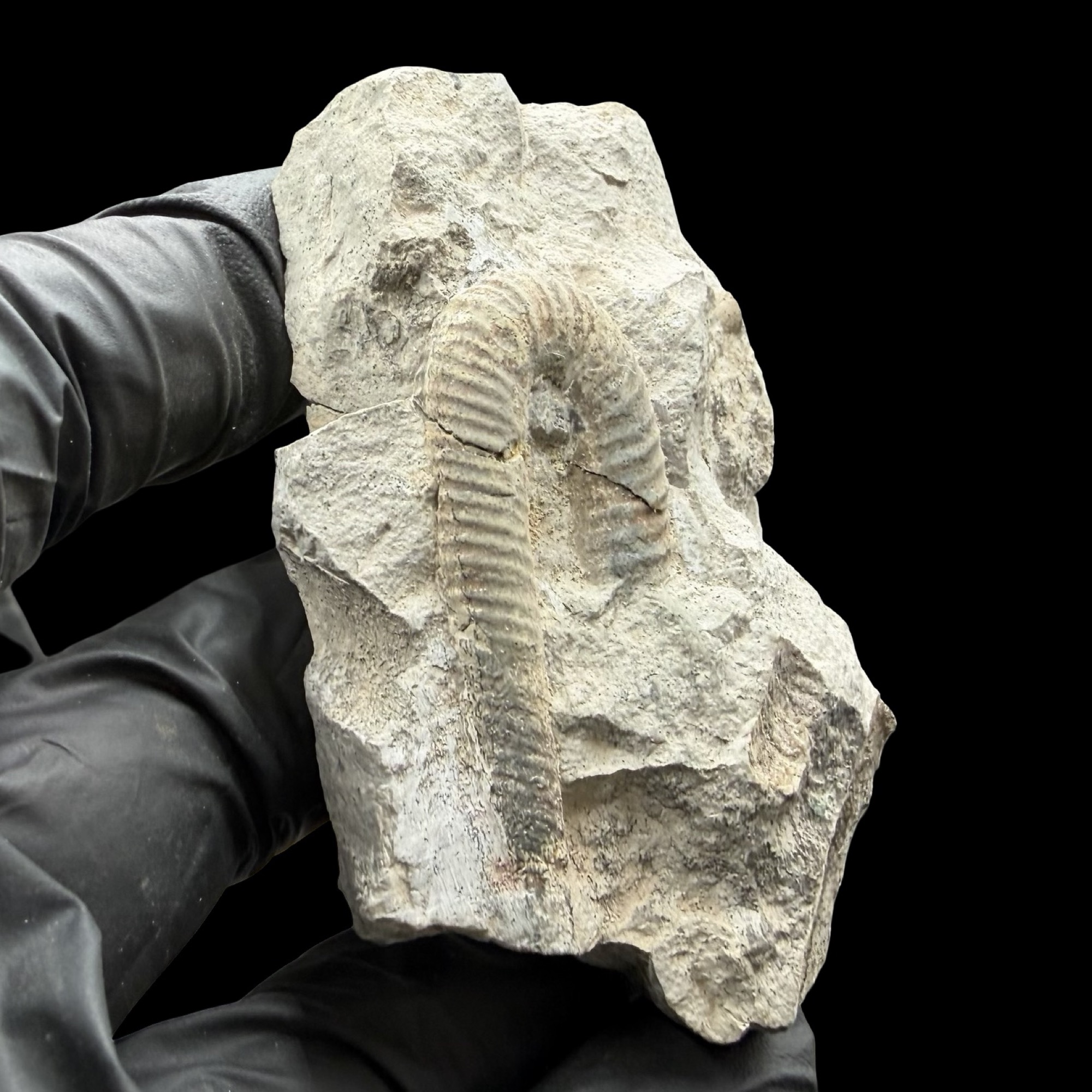
fossil from the Lower Cretaceous, Barremian stage, collected from Alpes-de-Haute-Provence, France. This is a carefully chosen fossil specimen, and the photo shows the actual ammonite you will receive, making it an excellent choice for collectors of unusual ammonites, Cretaceous fossils, French fossils, and natural history specimens.Lower Cretaceous Age and Barremian GeologyThis fossil dates from the Barremian stage of the Lower Cretaceous, approximately 129 to 125 million years ago. During this time, large areas of southern Europe were influenced by warm marine conditions, with shallow seas, deeper basins, and carbonate-rich environments supporting a wide variety of marine life. Ammonites, belemnites, bivalves, gastropods, brachiopods, echinoids, crustaceans, fish, and marine reptiles were all part of these ancient ecosystems.The Barremian is particularly important for heteromorphic ammonites, a group known for their unusual shell shapes and highly varied growth forms. Unlike many classic ammonites with tightly coiled spiral shells, heteromorphic ammonites developed shells that could be partly uncoiled, curved, hooked, helical, or irregular in form. This makes them especially desirable for collectors who appreciate distinctive fossil morphology.Alpes-de-Haute-Provence Fossil LocalityAlpes-de-Haute-Provence in south-eastern France is internationally recognised for its rich Mesozoic fossil deposits, especially ammonites from Jurassic and Cretaceous marine sediments. The region preserves evidence of ancient seas that once covered parts of what is now southern France. Fossils from this area are valued for their geological importance, attractive preservation, and connection to classic European ammonite-bearing strata.French Lower Cretaceous ammonites are popular among collectors because they often represent well-studied faunas from important marine basins. A fossil with a named species, precise geological stage, and locality information has added value for display, study, and collection organisation.Fossil Type and SpeciesHeteroceras moriezense is an extinct ammonite species. Ammonites were marine cephalopods related to modern squid, octopus, cuttlefish, and nautilus. They lived within chambered shells, with the living animal occupying the outer body chamber while earlier chambers assisted with buoyancy.The genus Heteroceras is known for its heteromorphic shell form. Depending on preservation, specimens may show an open or irregular coil, curved growth sections, ribbed ornamentation, and distinctive shell structure. These features make Heteroceras ammonites visually striking and scientifically interesting, as their shell forms show how diverse ammonite evolution had become by the Early Cretaceous.Scientific Classification and MorphologyHeteroceras belongs to the ammonite order Ammonitida, within the wider group of heteromorphic ammonites that became especially varied during the Cretaceous Period. The shell morphology of Heteroceras differs from the tightly coiled planispiral form seen in many Jurassic ammonites. Its unusual shape is one of the key reasons this genus is so sought after by collectors.The species Heteroceras moriezense is associated with Lower Cretaceous ammonite faunas from France and is named in connection with the Moriez area of Alpes-de-Haute-Provence. Its ribbing, shell curvature, and heteromorphic form make it a distinctive fossil for collectors interested in ammonite diversity, Cretaceous cephalopods, and unusual prehistoric marine life.Collector Appeal and Display ValueThis Heteroceras moriezense ammonite fossil would make a strong addition to any collection focused on Cretaceous fossils, heteromorphic ammonites, French fossils, fossil cephalopods, or named ammonite species. Its unusual form makes it especially eye-catching compared with more traditional coiled ammonites, offering a fascinating example of the variety found within extinct marine cephalopods.It would display well in a fossil cabinet, study tray, geology collection, natural history display, classroom resource, or museum-style arrangement. Its precise identification and locality information also make it suitable for collectors who organise fossils by period, stage, country, or taxonomic group.Authenticity and CertificateThis fossil is a genuine specimen and includes a Certificate of Authenticity lifetime guarantee generic card. Full sizing can be seen in the photo, so please refer to the image for exact scale and dimensions. As a natural fossil specimen, variations in colour, matrix, surface texture, ribbing, preservation, and shell detail are part of its individual character. The photograph shows the actual Heteroceras moriezense ammonite fossil you will receive, allowing you to view the specimen’s condition, shape, detail, and natural preservation before purchase.
fossil from the Lower Cretaceous, Barremian stage, collected from Alpes-de-Haute-Provence, France. This is a carefully chosen fossil specimen, and the photo shows the actual ammonite you will receive, making it an excellent choice for collectors of unusual ammonites, Cretaceous fossils, French fossils, and natural history specimens.Lower Cretaceous Age and Barremian GeologyThis fossil dates from the Barremian stage of the Lower Cretaceous, approximately 129 to 125 million years ago. During this time, large areas of southern Europe were influenced by warm marine conditions, with shallow seas, deeper basins, and carbonate-rich environments supporting a wide variety of marine life. Ammonites, belemnites, bivalves, gastropods, brachiopods, echinoids, crustaceans, fish, and marine reptiles were all part of these ancient ecosystems.The Barremian is particularly important for heteromorphic ammonites, a group known for their unusual shell shapes and highly varied growth forms. Unlike many classic ammonites with tightly coiled spiral shells, heteromorphic ammonites developed shells that could be partly uncoiled, curved, hooked, helical, or irregular in form. This makes them especially desirable for collectors who appreciate distinctive fossil morphology.Alpes-de-Haute-Provence Fossil LocalityAlpes-de-Haute-Provence in south-eastern France is internationally recognised for its rich Mesozoic fossil deposits, especially ammonites from Jurassic and Cretaceous marine sediments. The region preserves evidence of ancient seas that once covered parts of what is now southern France. Fossils from this area are valued for their geological importance, attractive preservation, and connection to classic European ammonite-bearing strata.French Lower Cretaceous ammonites are popular among collectors because they often represent well-studied faunas from important marine basins. A fossil with a named species, precise geological stage, and locality information has added value for display, study, and collection organisation.Fossil Type and SpeciesHeteroceras moriezense is an extinct ammonite species. Ammonites were marine cephalopods related to modern squid, octopus, cuttlefish, and nautilus. They lived within chambered shells, with the living animal occupying the outer body chamber while earlier chambers assisted with buoyancy.The genus Heteroceras is known for its heteromorphic shell form. Depending on preservation, specimens may show an open or irregular coil, curved growth sections, ribbed ornamentation, and distinctive shell structure. These features make Heteroceras ammonites visually striking and scientifically interesting, as their shell forms show how diverse ammonite evolution had become by the Early Cretaceous.Scientific Classification and MorphologyHeteroceras belongs to the ammonite order Ammonitida, within the wider group of heteromorphic ammonites that became especially varied during the Cretaceous Period. The shell morphology of Heteroceras differs from the tightly coiled planispiral form seen in many Jurassic ammonites. Its unusual shape is one of the key reasons this genus is so sought after by collectors.The species Heteroceras moriezense is associated with Lower Cretaceous ammonite faunas from France and is named in connection with the Moriez area of Alpes-de-Haute-Provence. Its ribbing, shell curvature, and heteromorphic form make it a distinctive fossil for collectors interested in ammonite diversity, Cretaceous cephalopods, and unusual prehistoric marine life.Collector Appeal and Display ValueThis Heteroceras moriezense ammonite fossil would make a strong addition to any collection focused on Cretaceous fossils, heteromorphic ammonites, French fossils, fossil cephalopods, or named ammonite species. Its unusual form makes it especially eye-catching compared with more traditional coiled ammonites, offering a fascinating example of the variety found within extinct marine cephalopods.It would display well in a fossil cabinet, study tray, geology collection, natural history display, classroom resource, or museum-style arrangement. Its precise identification and locality information also make it suitable for collectors who organise fossils by period, stage, country, or taxonomic group.Authenticity and CertificateThis fossil is a genuine specimen and includes a Certificate of Authenticity lifetime guarantee generic card. Full sizing can be seen in the photo, so please refer to the image for exact scale and dimensions. As a natural fossil specimen, variations in colour, matrix, surface texture, ribbing, preservation, and shell detail are part of its individual character. The photograph shows the actual Heteroceras moriezense ammonite fossil you will receive, allowing you to view the specimen’s condition, shape, detail, and natural preservation before purchase.
Other Products