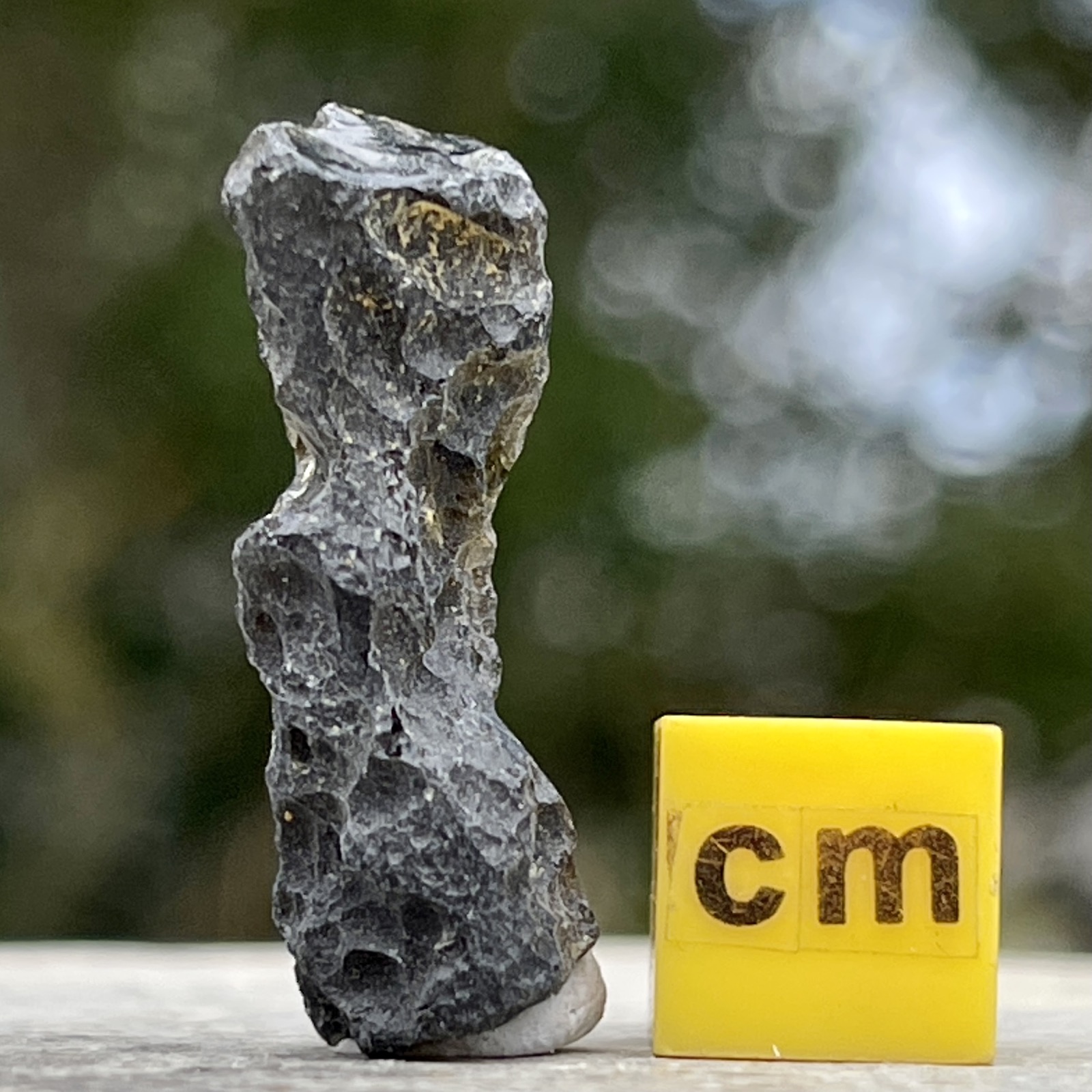
Indochinite Tektite Genuine Impact Glass Meteorite Specimen 20–40mm Space Rock
£ 4.80
GENUINE INDOCHINITE TEKTITE – NATURAL IMPACT GLASS SPECIMENThis Indochinite tektite is a genuine natural impact glass specimen measuring
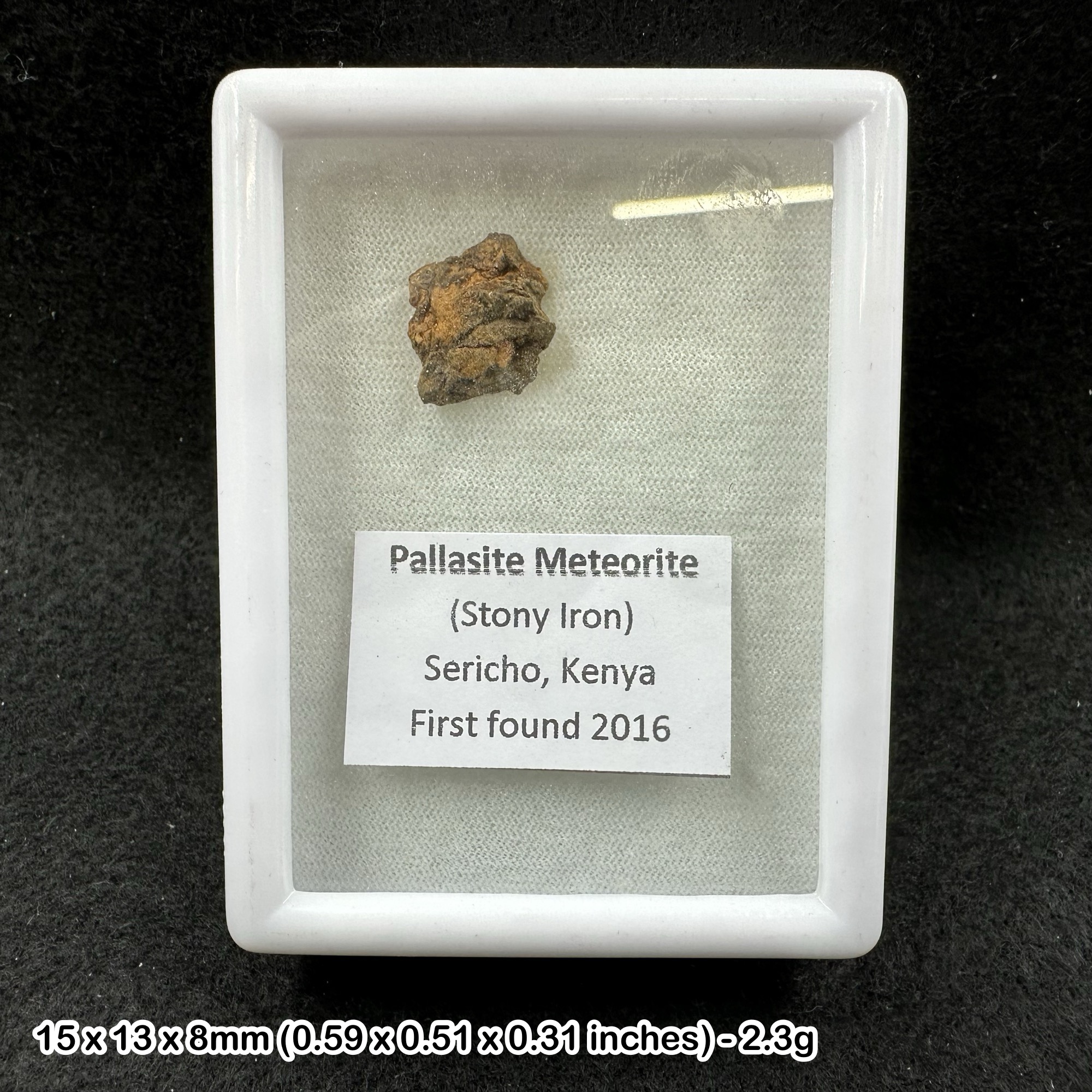
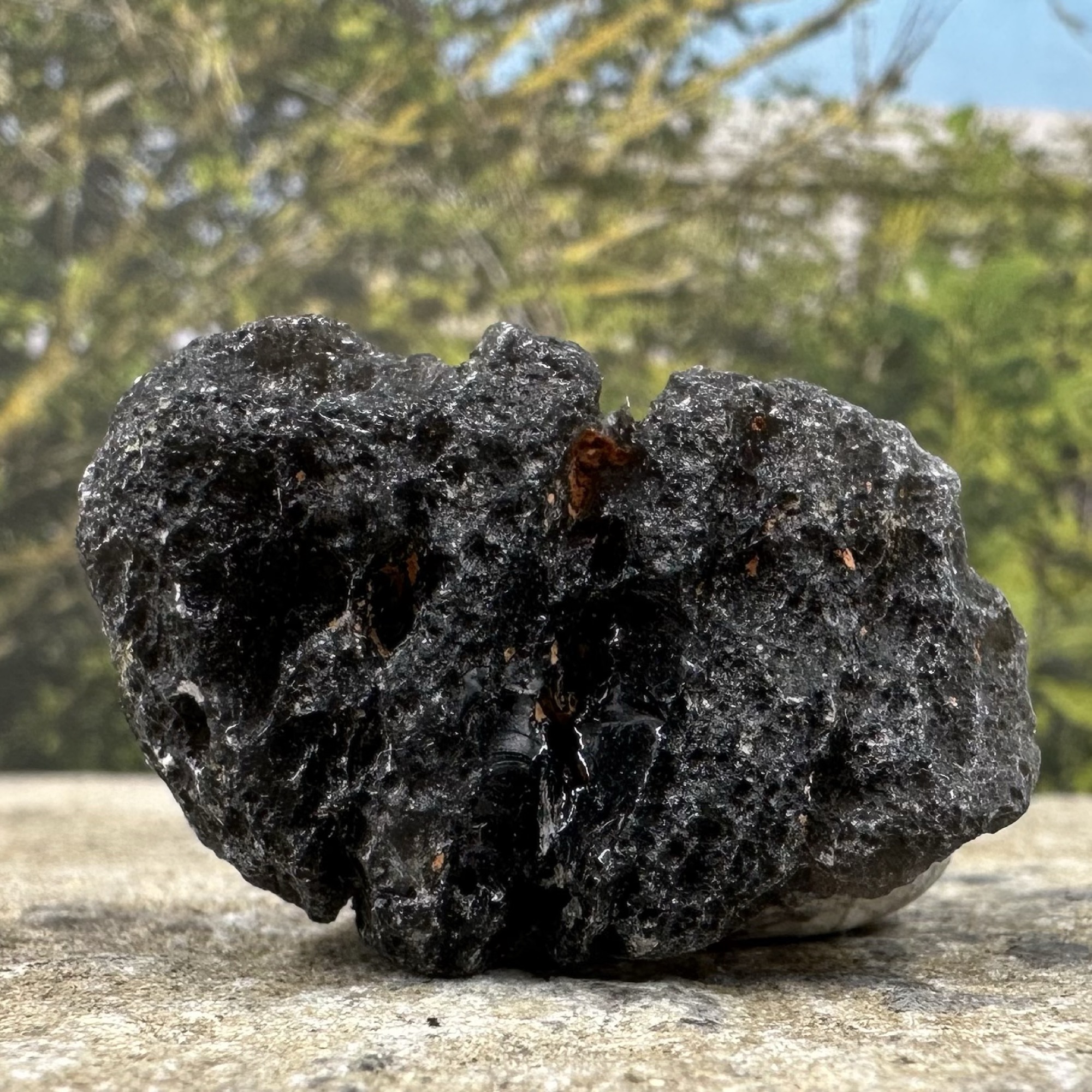
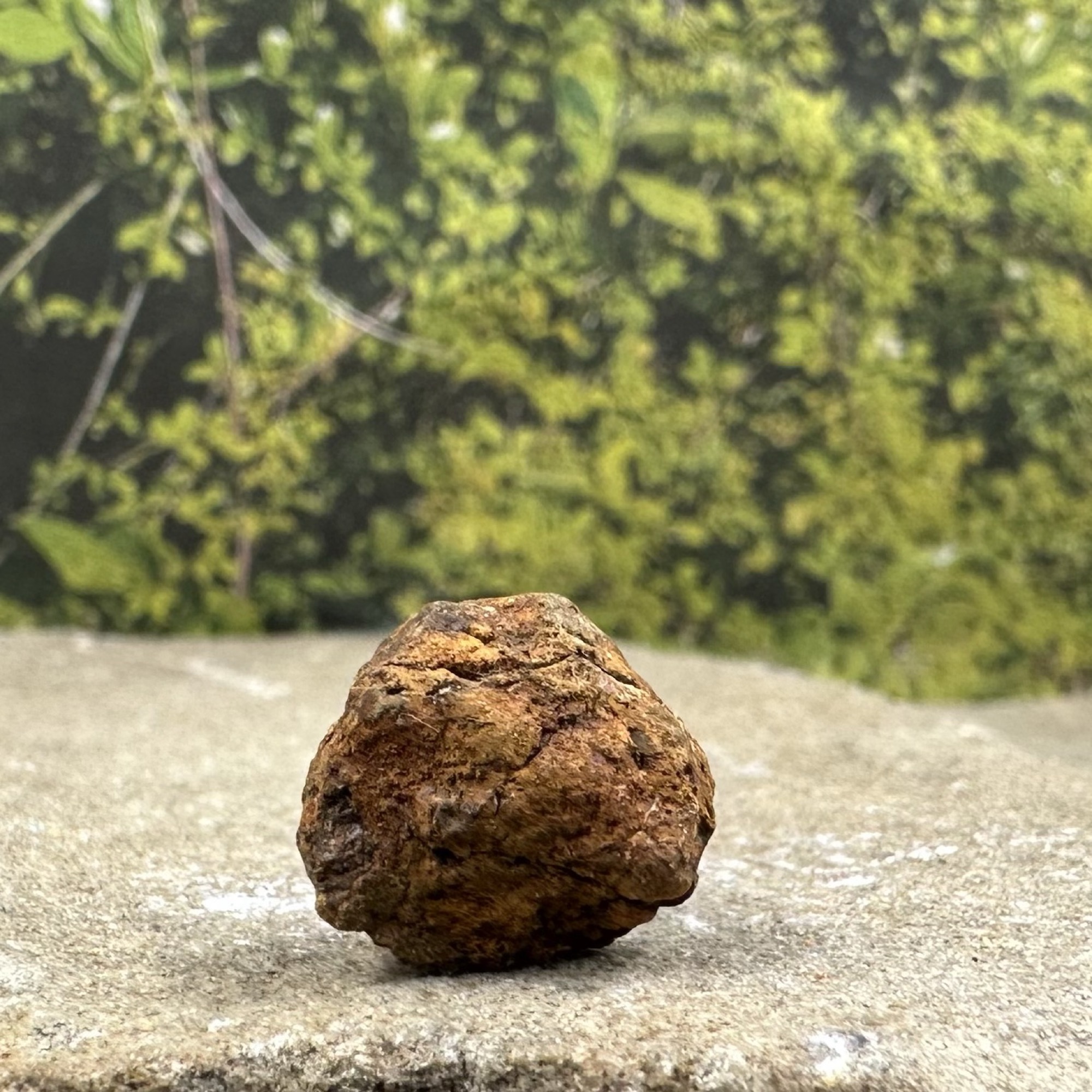
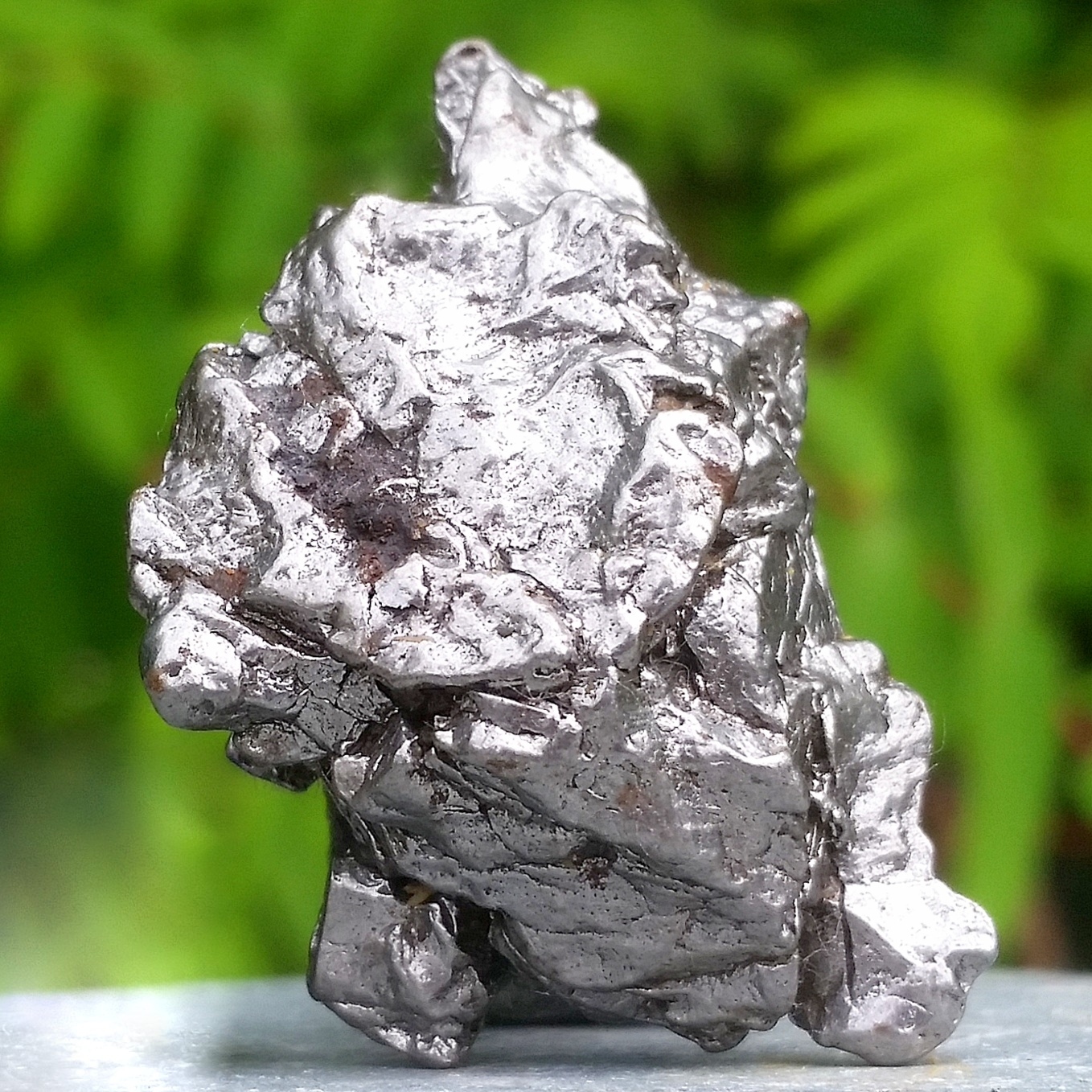
approximately 20–40mm. Formed during a powerful meteorite impact event, tektites are unique geological objects created when terrestrial material is melted, ejected into the atmosphere, and rapidly cooled into natural glass.Each specimen is carefully selected and supplied with a Certificate of Authenticity lifetime guarantee generic card, confirming that the piece is a genuine tektite specimen. The photograph included with the listing shows an example of the actual specimen you will receive, and each piece displays its own natural shape, surface texture, and structural features.Indochinite tektites are among the most widely known members of the tektite family and are valued by collectors for their distinctive dark glass composition and their association with one of the largest known impact events of the late Cenozoic era. WHAT ARE TEKTITESTektites are natural silica-rich glass objects formed during meteorite impact events. When a large meteorite strikes the Earth, the extreme temperatures and pressures generated by the impact melt portions of the surrounding rock and soil. Some of this molten material is blasted high into the atmosphere where it rapidly cools and solidifies into glass before falling back to Earth.Unlike volcanic glass such as obsidian, tektites are directly associated with hypervelocity extraterrestrial impact events. Their formation involves temperatures exceeding several thousand degrees Celsius and rapid cooling during atmospheric flight.The term “tektite” originates from the Greek word tektos, meaning molten or fused. INDOCHINITE TEKTITES AND THE AUSTRALASIAN STREWN FIELDIndochinites belong to the Australasian tektite strewn field, the largest known tektite distribution on Earth. This strewn field extends across a vast geographic region including Southeast Asia, southern China, Thailand, Vietnam, Laos, Cambodia, and surrounding areas.The impact event responsible for these tektites occurred approximately 790,000 years ago during the Pleistocene epoch. The collision created enormous quantities of molten material that were ejected over thousands of kilometres before solidifying and falling across the region.Indochinite tektites are typically recovered from sedimentary deposits, river gravels, and soil layers throughout Southeast Asia, where erosion and weathering expose the glass fragments. PHYSICAL CHARACTERISTICS AND APPEARANCEIndochinite tektites are composed primarily of natural silica-rich glass, typically containing high percentages of silicon dioxide along with smaller amounts of aluminium, iron, calcium, magnesium, and potassium.Typical characteristics of Indochinite tektites include:
• Dark brown to deep black colouration
• Glassy surface texture
• Aerodynamic shapes created during atmospheric flight
• Natural surface sculpting from ablation and weatheringDuring atmospheric re-entry and cooling, molten droplets of impact glass solidified into a variety of forms including elongated shapes, rounded droplets, and irregular natural fragments. Surface features may include pitting, grooves, or sculpted patterns produced by natural erosion.Most Indochinite specimens are opaque to slightly translucent along thin edges when viewed under strong light. FORMATION DURING METEORITE IMPACTThe formation of tektites is closely linked to the extreme physics of large meteorite impacts. When a meteorite strikes Earth at cosmic velocities, the impact generates enormous shock pressures and temperatures capable of vaporising and melting the surrounding rock.Some of the molten material is launched into ballistic trajectories above the atmosphere. During this flight, molten droplets cool rapidly and solidify into natural glass before falling back to Earth as tektites.The rapid cooling process prevents the formation of crystals, resulting in the smooth glassy texture typical of tektites. COLLECTING AND SCIENTIFIC INTERESTIndochinite tektites are popular among meteorite and impact geology collectors due to their direct connection to one of the largest known impact events in recent geological history.They are commonly collected for:
• Meteorite and impact glass collections
• Geological and planetary science study
• Natural history displays
• Educational collections focusing on meteorite impactsBecause tektites originate from the interaction between extraterrestrial impacts and terrestrial materials, they represent a fascinating link between planetary science and Earth geology. AUTHENTICITY AND SPECIMEN INFORMATIONThis listing is for one genuine Indochinite tektite specimen.Key specimen details include:
• Type: Indochinite Tektite (natural impact glass)
• Strewn field: Australasian impact field
• Geological age: Approximately 790,000 years old (Pleistocene)
• Size: Approximately 20–40mm (see photographs for scale reference)
• Each specimen is individually selected
• The photograph shows an example of the specimen you will receive
• Includes Certificate of Authenticity lifetime guarantee generic cardEach tektite displays natural variations in shape, texture, and surface patterning created during atmospheric cooling and geological weathering. These characteristics make every specimen a unique example of natural impact glass formed during a powerful meteorite collision with Earth.
approximately 20–40mm. Formed during a powerful meteorite impact event, tektites are unique geological objects created when terrestrial material is melted, ejected into the atmosphere, and rapidly cooled into natural glass.Each specimen is carefully selected and supplied with a Certificate of Authenticity lifetime guarantee generic card, confirming that the piece is a genuine tektite specimen. The photograph included with the listing shows an example of the actual specimen you will receive, and each piece displays its own natural shape, surface texture, and structural features.Indochinite tektites are among the most widely known members of the tektite family and are valued by collectors for their distinctive dark glass composition and their association with one of the largest known impact events of the late Cenozoic era. WHAT ARE TEKTITESTektites are natural silica-rich glass objects formed during meteorite impact events. When a large meteorite strikes the Earth, the extreme temperatures and pressures generated by the impact melt portions of the surrounding rock and soil. Some of this molten material is blasted high into the atmosphere where it rapidly cools and solidifies into glass before falling back to Earth.Unlike volcanic glass such as obsidian, tektites are directly associated with hypervelocity extraterrestrial impact events. Their formation involves temperatures exceeding several thousand degrees Celsius and rapid cooling during atmospheric flight.The term “tektite” originates from the Greek word tektos, meaning molten or fused. INDOCHINITE TEKTITES AND THE AUSTRALASIAN STREWN FIELDIndochinites belong to the Australasian tektite strewn field, the largest known tektite distribution on Earth. This strewn field extends across a vast geographic region including Southeast Asia, southern China, Thailand, Vietnam, Laos, Cambodia, and surrounding areas.The impact event responsible for these tektites occurred approximately 790,000 years ago during the Pleistocene epoch. The collision created enormous quantities of molten material that were ejected over thousands of kilometres before solidifying and falling across the region.Indochinite tektites are typically recovered from sedimentary deposits, river gravels, and soil layers throughout Southeast Asia, where erosion and weathering expose the glass fragments. PHYSICAL CHARACTERISTICS AND APPEARANCEIndochinite tektites are composed primarily of natural silica-rich glass, typically containing high percentages of silicon dioxide along with smaller amounts of aluminium, iron, calcium, magnesium, and potassium.Typical characteristics of Indochinite tektites include:
• Dark brown to deep black colouration
• Glassy surface texture
• Aerodynamic shapes created during atmospheric flight
• Natural surface sculpting from ablation and weatheringDuring atmospheric re-entry and cooling, molten droplets of impact glass solidified into a variety of forms including elongated shapes, rounded droplets, and irregular natural fragments. Surface features may include pitting, grooves, or sculpted patterns produced by natural erosion.Most Indochinite specimens are opaque to slightly translucent along thin edges when viewed under strong light. FORMATION DURING METEORITE IMPACTThe formation of tektites is closely linked to the extreme physics of large meteorite impacts. When a meteorite strikes Earth at cosmic velocities, the impact generates enormous shock pressures and temperatures capable of vaporising and melting the surrounding rock.Some of the molten material is launched into ballistic trajectories above the atmosphere. During this flight, molten droplets cool rapidly and solidify into natural glass before falling back to Earth as tektites.The rapid cooling process prevents the formation of crystals, resulting in the smooth glassy texture typical of tektites. COLLECTING AND SCIENTIFIC INTERESTIndochinite tektites are popular among meteorite and impact geology collectors due to their direct connection to one of the largest known impact events in recent geological history.They are commonly collected for:
• Meteorite and impact glass collections
• Geological and planetary science study
• Natural history displays
• Educational collections focusing on meteorite impactsBecause tektites originate from the interaction between extraterrestrial impacts and terrestrial materials, they represent a fascinating link between planetary science and Earth geology. AUTHENTICITY AND SPECIMEN INFORMATIONThis listing is for one genuine Indochinite tektite specimen.Key specimen details include:
• Type: Indochinite Tektite (natural impact glass)
• Strewn field: Australasian impact field
• Geological age: Approximately 790,000 years old (Pleistocene)
• Size: Approximately 20–40mm (see photographs for scale reference)
• Each specimen is individually selected
• The photograph shows an example of the specimen you will receive
• Includes Certificate of Authenticity lifetime guarantee generic cardEach tektite displays natural variations in shape, texture, and surface patterning created during atmospheric cooling and geological weathering. These characteristics make every specimen a unique example of natural impact glass formed during a powerful meteorite collision with Earth.