Indosphinctes Ammonite Fossil Callovian Madagascar Genuine COA
£ 36.00
Genuine Indosphinctes sp. Ammonite FossilThis listing is for a genuine Indosphinctes sp. ammonite fossil from the Middle
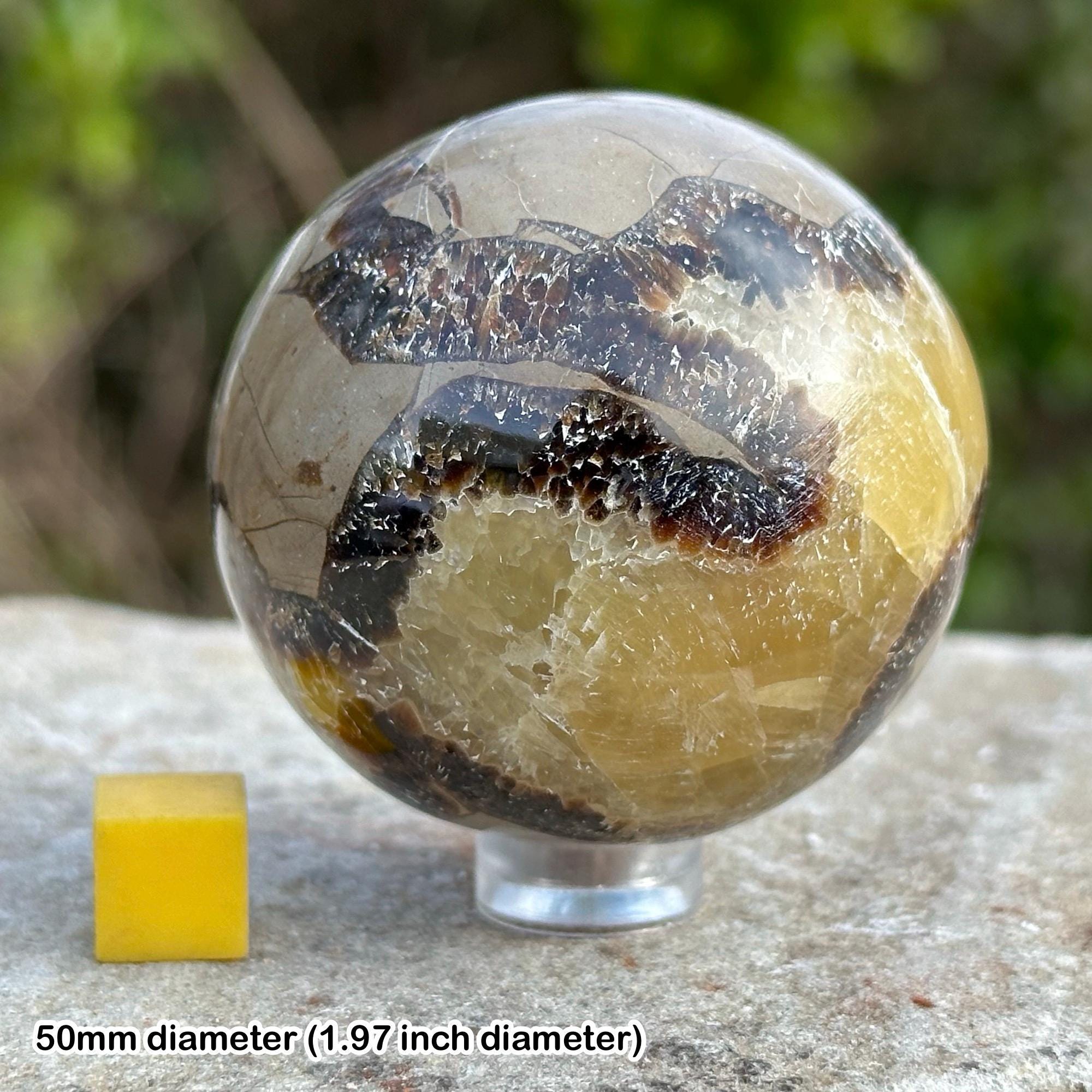
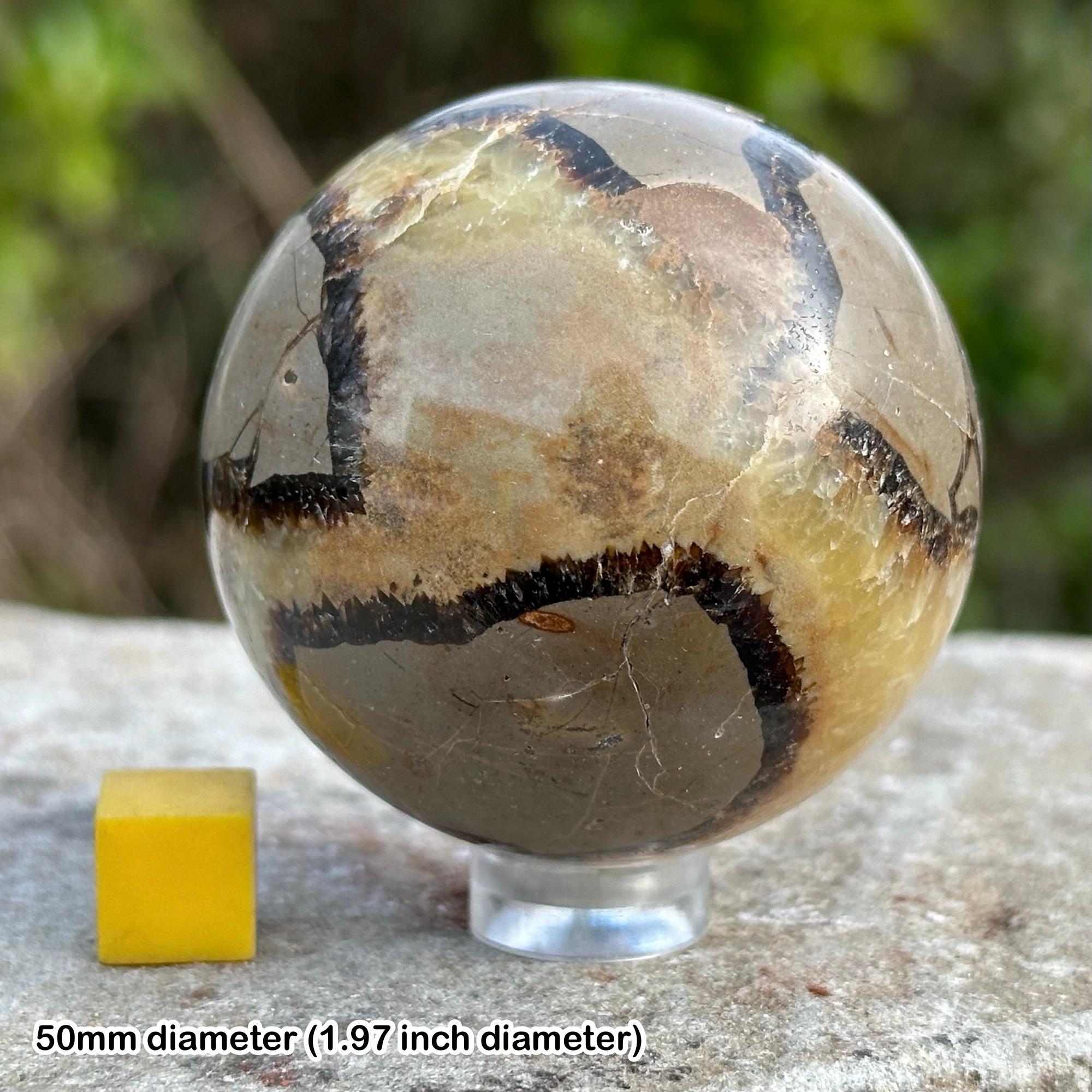
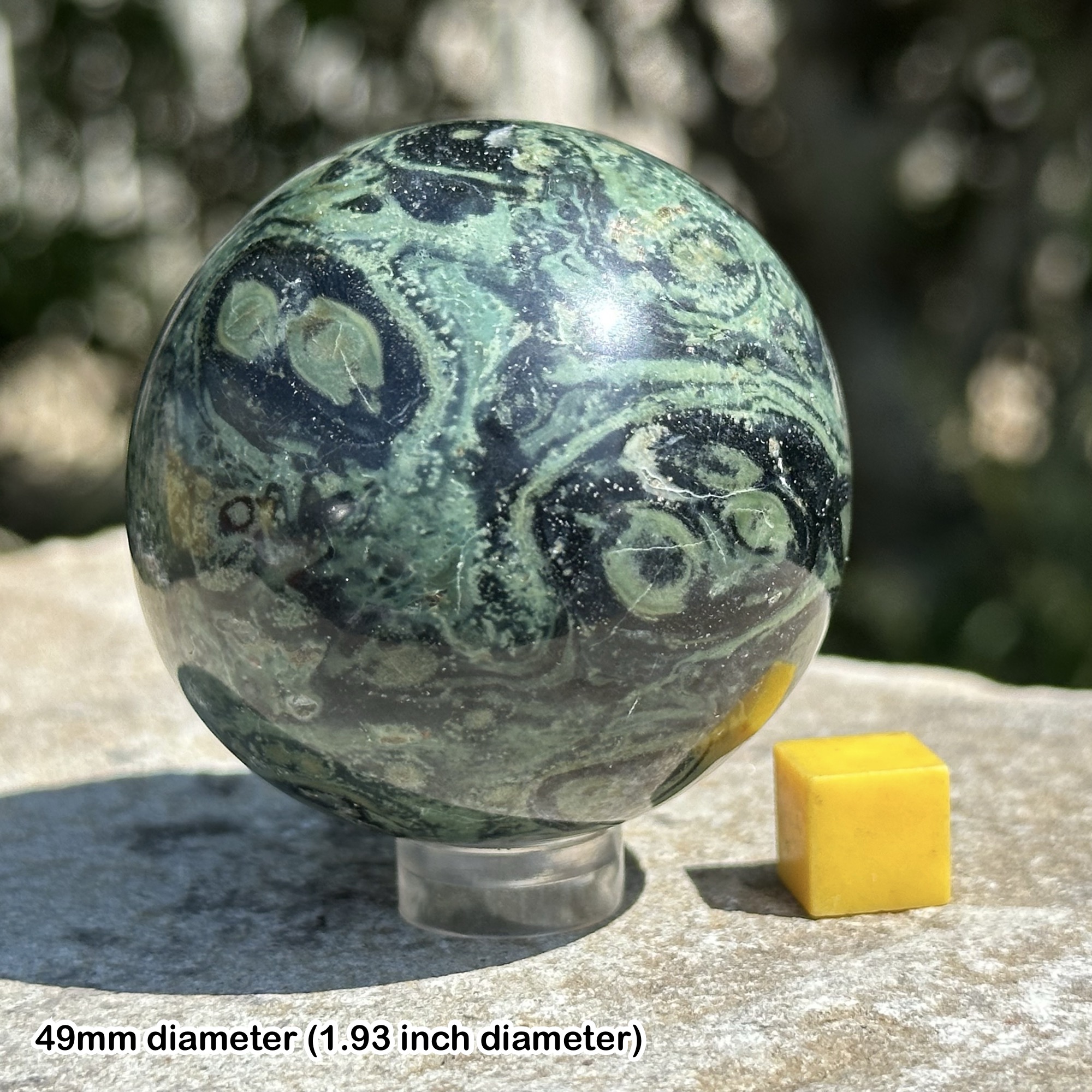
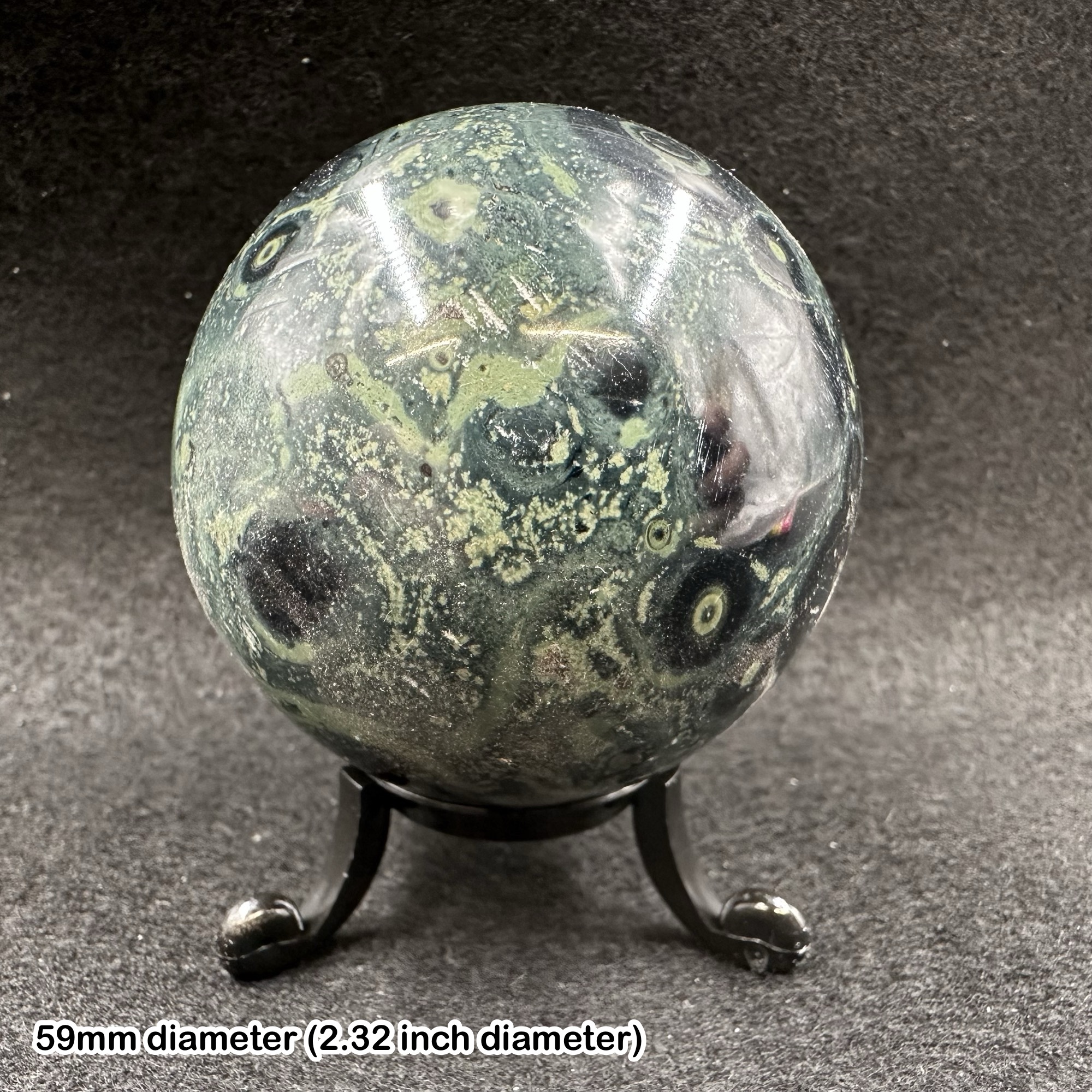
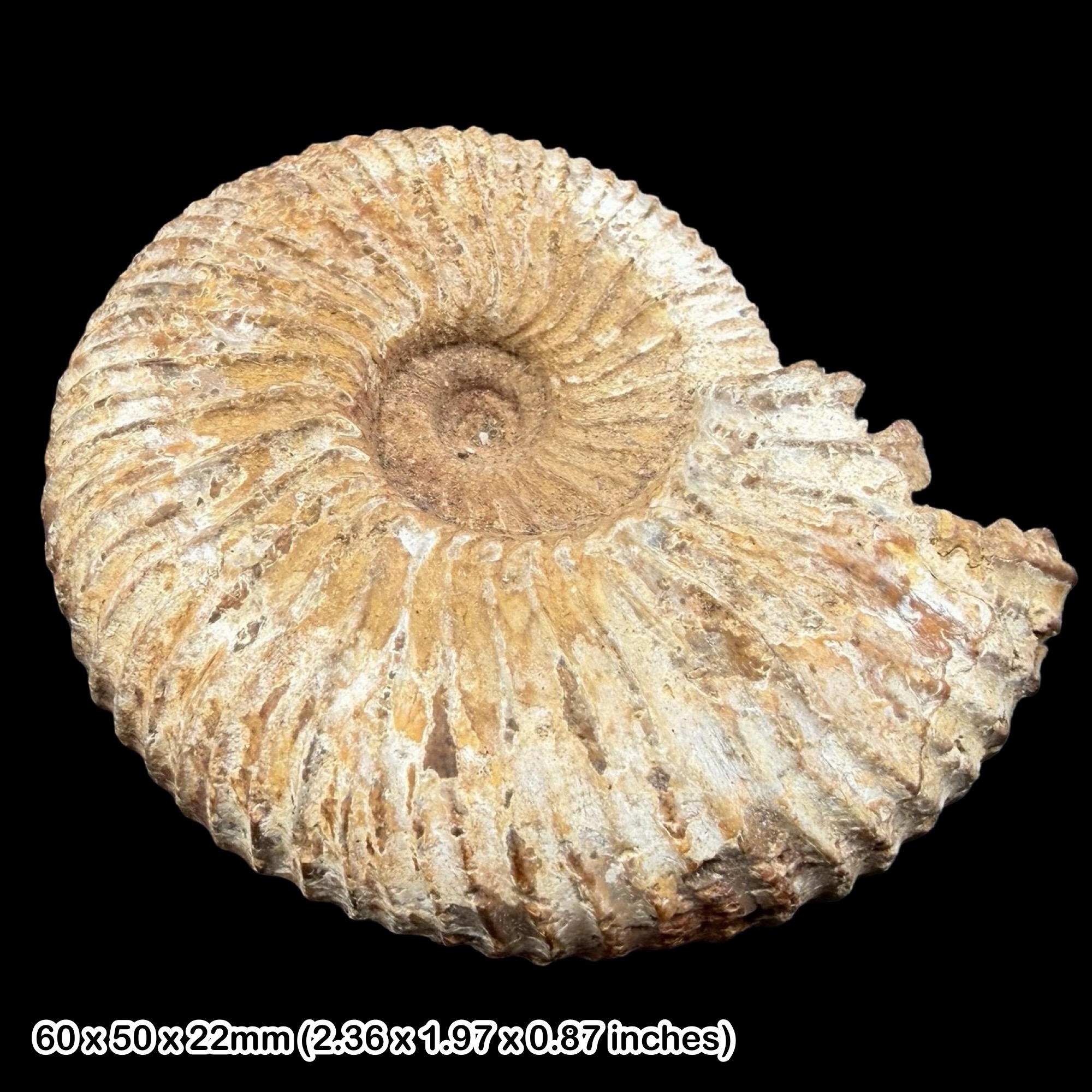
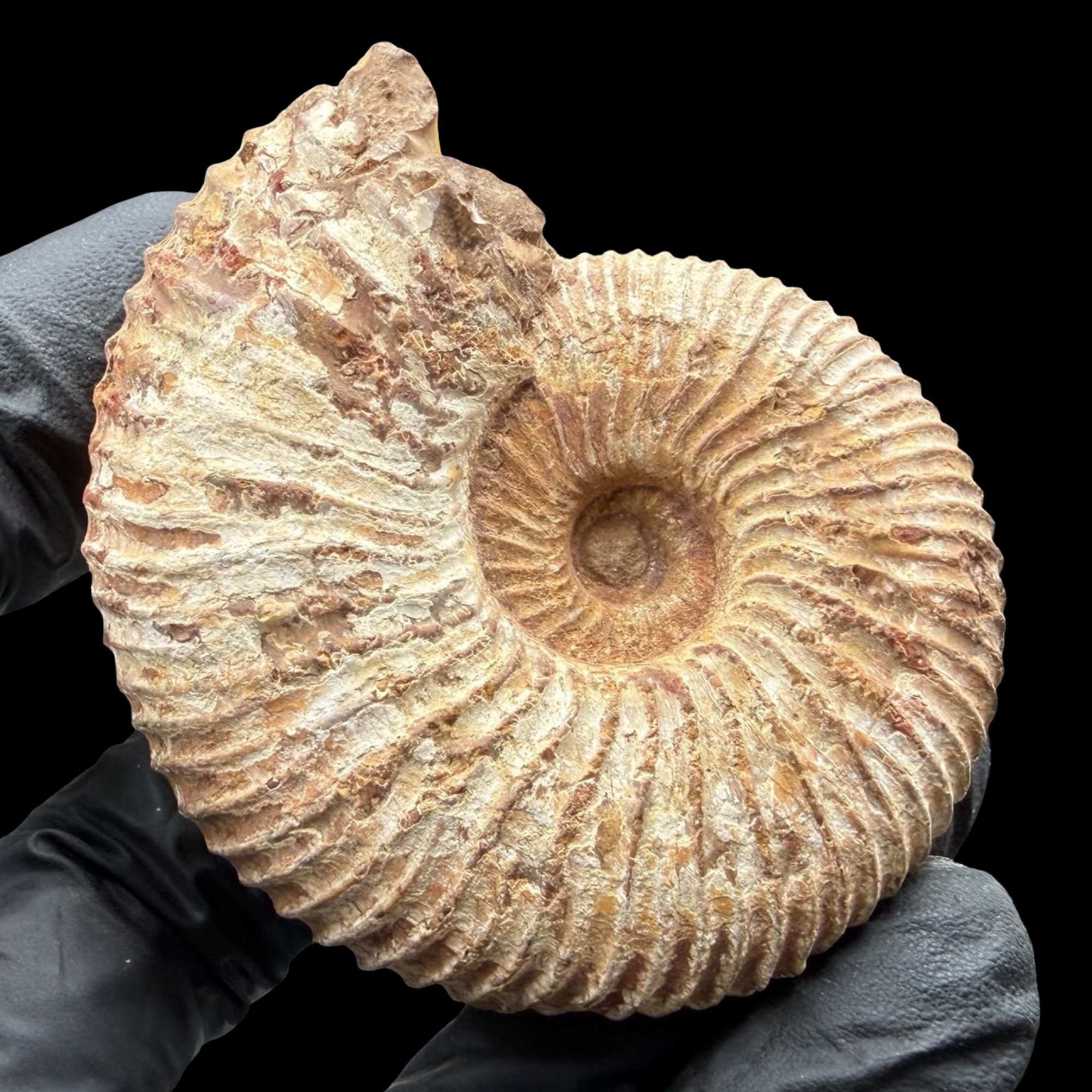
Jurassic, Callovian stage, collected from Tūlear, Madagascar. This is a carefully chosen fossil specimen, and the photo shows the actual ammonite you will receive, making it an excellent choice for fossil collectors, natural history enthusiasts, educational displays, and anyone interested in classic Jurassic marine fossils from Madagascar.Middle Jurassic Age and Callovian GeologyThis ammonite dates from the Callovian stage of the Middle Jurassic, approximately 166 to 163 million years ago. During this time, much of the world was covered by warm shallow seas, and ammonites were among the most successful and widespread marine animals. These ancient seas supported a rich ecosystem of ammonites, belemnites, bivalves, brachiopods, gastropods, echinoids, crinoids, fish, and marine reptiles.The Callovian is an important stage in ammonite biostratigraphy because ammonites evolved quickly and are widely used to compare and date sedimentary rock layers. A specimen identified to genus level, with a clear geological age and locality, has strong collector and educational value.Tūlear, Madagascar LocalityTūlear, also known as Toliara, is located in south-western Madagascar, a region well known for Jurassic and Cretaceous fossil deposits. Madagascar is famous among collectors for producing attractive ammonites, many of which show strong ribbing, well-preserved shell form, and appealing natural colouration.During the Jurassic, Madagascar lay within marine environments connected to the ancient southern oceans as the supercontinent Gondwana continued to break apart. Sediments deposited in these ancient seas preserved ammonites and other marine fossils, giving collectors today a direct link to the prehistoric marine ecosystems that once covered the region.Fossil Type and GenusIndosphinctes sp. is an extinct ammonite. Ammonites were marine cephalopods related to modern squid, octopus, cuttlefish, and nautilus. They lived inside coiled chambered shells, with the living animal occupying the outer body chamber while earlier chambers helped control buoyancy.The “sp.” in the name means the fossil has been identified to the genus Indosphinctes, but not assigned to a specific species. This is common in fossil collecting when the preserved features support genus-level identification but do not allow a confident species-level name. The genus itself remains highly collectable and scientifically interesting, especially when paired with a clear Jurassic age and Madagascan locality.Morphology and Natural FeaturesIndosphinctes ammonites are generally associated with a classic planispiral ammonite shell form, with whorls arranged in a regular coil. Depending on preservation, specimens may show ribbing across the flanks, visible whorl development, a defined outer margin, and natural shell ornamentation. Ribbing, whorl shape, shell proportions, and the form of the outer whorl are all important features used by palaeontologists and collectors when studying ammonites.Ammonites such as Indosphinctes are appreciated for their natural geometry and their scientific importance. Their spiral shells record growth over time, while their changing forms help geologists understand the sequence of Jurassic marine deposits.Scientific and Collector InterestIndosphinctes belongs to the ammonite order Ammonitida, a major group of extinct marine cephalopods that became especially diverse during the Jurassic Period. Many Callovian ammonites are useful in biostratigraphy because they evolved rapidly and spread through ancient marine environments. Fossils from this stage are popular with collectors who focus on Jurassic ammonites, fossil cephalopods, Madagascan fossils, or named fossil genera.This specimen would make a strong addition to a fossil cabinet, study collection, geology display, classroom resource, or natural history collection. It is suitable for both new collectors and experienced fossil enthusiasts looking for a genuine Jurassic ammonite from Madagascar.Authenticity and CertificateThis fossil is a genuine specimen and includes a Certificate of Authenticity lifetime guarantee generic card. Full sizing can be seen in the photo, so please refer to the image for exact scale and dimensions. As a natural fossil, variations in colour, matrix, texture, preservation, and surface detail are part of its individual character. The photograph shows the actual Indosphinctes sp. ammonite fossil you will receive, allowing you to view the specimen’s condition, shape, detail, and natural preservation before purchase.
Jurassic, Callovian stage, collected from Tūlear, Madagascar. This is a carefully chosen fossil specimen, and the photo shows the actual ammonite you will receive, making it an excellent choice for fossil collectors, natural history enthusiasts, educational displays, and anyone interested in classic Jurassic marine fossils from Madagascar.Middle Jurassic Age and Callovian GeologyThis ammonite dates from the Callovian stage of the Middle Jurassic, approximately 166 to 163 million years ago. During this time, much of the world was covered by warm shallow seas, and ammonites were among the most successful and widespread marine animals. These ancient seas supported a rich ecosystem of ammonites, belemnites, bivalves, brachiopods, gastropods, echinoids, crinoids, fish, and marine reptiles.The Callovian is an important stage in ammonite biostratigraphy because ammonites evolved quickly and are widely used to compare and date sedimentary rock layers. A specimen identified to genus level, with a clear geological age and locality, has strong collector and educational value.Tūlear, Madagascar LocalityTūlear, also known as Toliara, is located in south-western Madagascar, a region well known for Jurassic and Cretaceous fossil deposits. Madagascar is famous among collectors for producing attractive ammonites, many of which show strong ribbing, well-preserved shell form, and appealing natural colouration.During the Jurassic, Madagascar lay within marine environments connected to the ancient southern oceans as the supercontinent Gondwana continued to break apart. Sediments deposited in these ancient seas preserved ammonites and other marine fossils, giving collectors today a direct link to the prehistoric marine ecosystems that once covered the region.Fossil Type and GenusIndosphinctes sp. is an extinct ammonite. Ammonites were marine cephalopods related to modern squid, octopus, cuttlefish, and nautilus. They lived inside coiled chambered shells, with the living animal occupying the outer body chamber while earlier chambers helped control buoyancy.The “sp.” in the name means the fossil has been identified to the genus Indosphinctes, but not assigned to a specific species. This is common in fossil collecting when the preserved features support genus-level identification but do not allow a confident species-level name. The genus itself remains highly collectable and scientifically interesting, especially when paired with a clear Jurassic age and Madagascan locality.Morphology and Natural FeaturesIndosphinctes ammonites are generally associated with a classic planispiral ammonite shell form, with whorls arranged in a regular coil. Depending on preservation, specimens may show ribbing across the flanks, visible whorl development, a defined outer margin, and natural shell ornamentation. Ribbing, whorl shape, shell proportions, and the form of the outer whorl are all important features used by palaeontologists and collectors when studying ammonites.Ammonites such as Indosphinctes are appreciated for their natural geometry and their scientific importance. Their spiral shells record growth over time, while their changing forms help geologists understand the sequence of Jurassic marine deposits.Scientific and Collector InterestIndosphinctes belongs to the ammonite order Ammonitida, a major group of extinct marine cephalopods that became especially diverse during the Jurassic Period. Many Callovian ammonites are useful in biostratigraphy because they evolved rapidly and spread through ancient marine environments. Fossils from this stage are popular with collectors who focus on Jurassic ammonites, fossil cephalopods, Madagascan fossils, or named fossil genera.This specimen would make a strong addition to a fossil cabinet, study collection, geology display, classroom resource, or natural history collection. It is suitable for both new collectors and experienced fossil enthusiasts looking for a genuine Jurassic ammonite from Madagascar.Authenticity and CertificateThis fossil is a genuine specimen and includes a Certificate of Authenticity lifetime guarantee generic card. Full sizing can be seen in the photo, so please refer to the image for exact scale and dimensions. As a natural fossil, variations in colour, matrix, texture, preservation, and surface detail are part of its individual character. The photograph shows the actual Indosphinctes sp. ammonite fossil you will receive, allowing you to view the specimen’s condition, shape, detail, and natural preservation before purchase.
Other Products