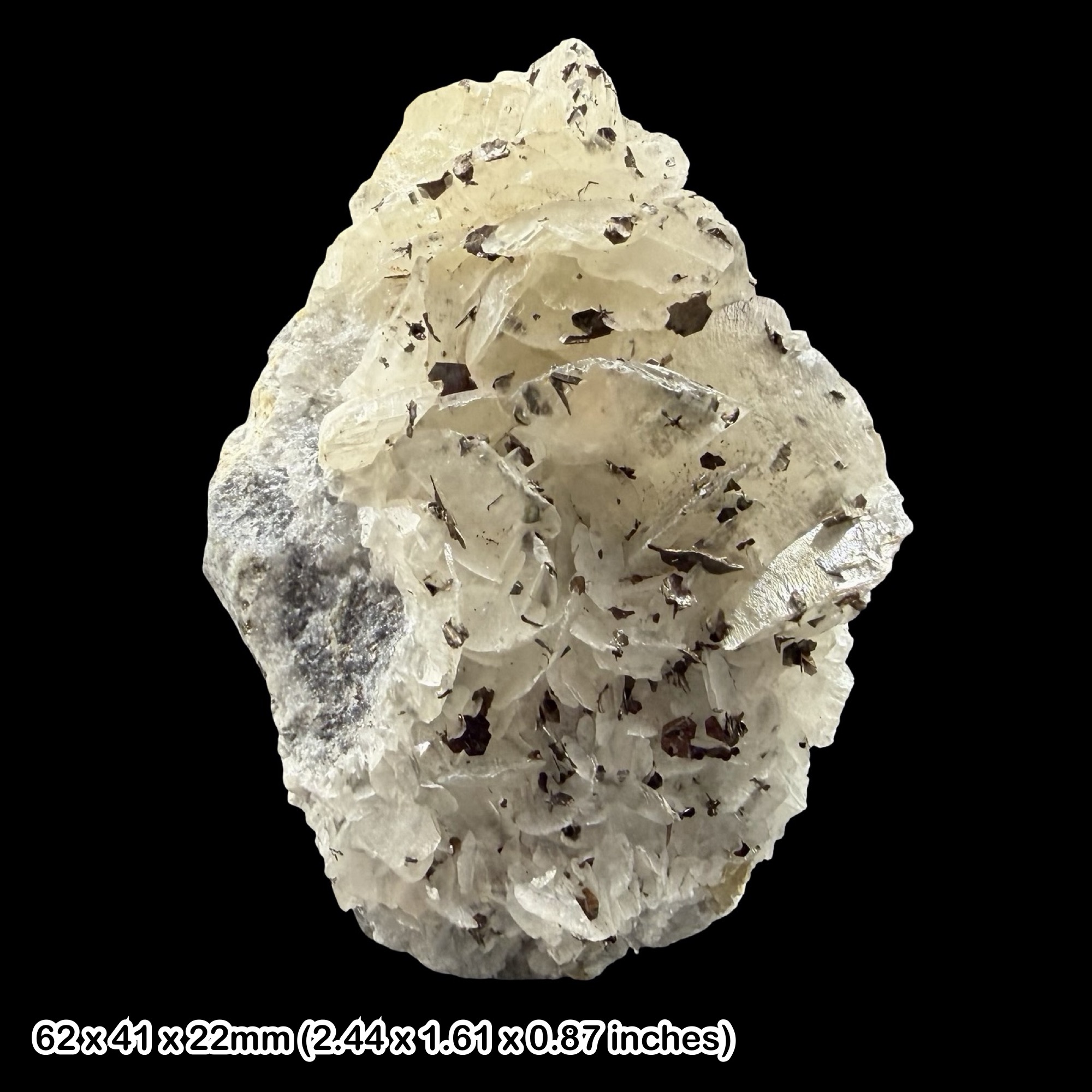
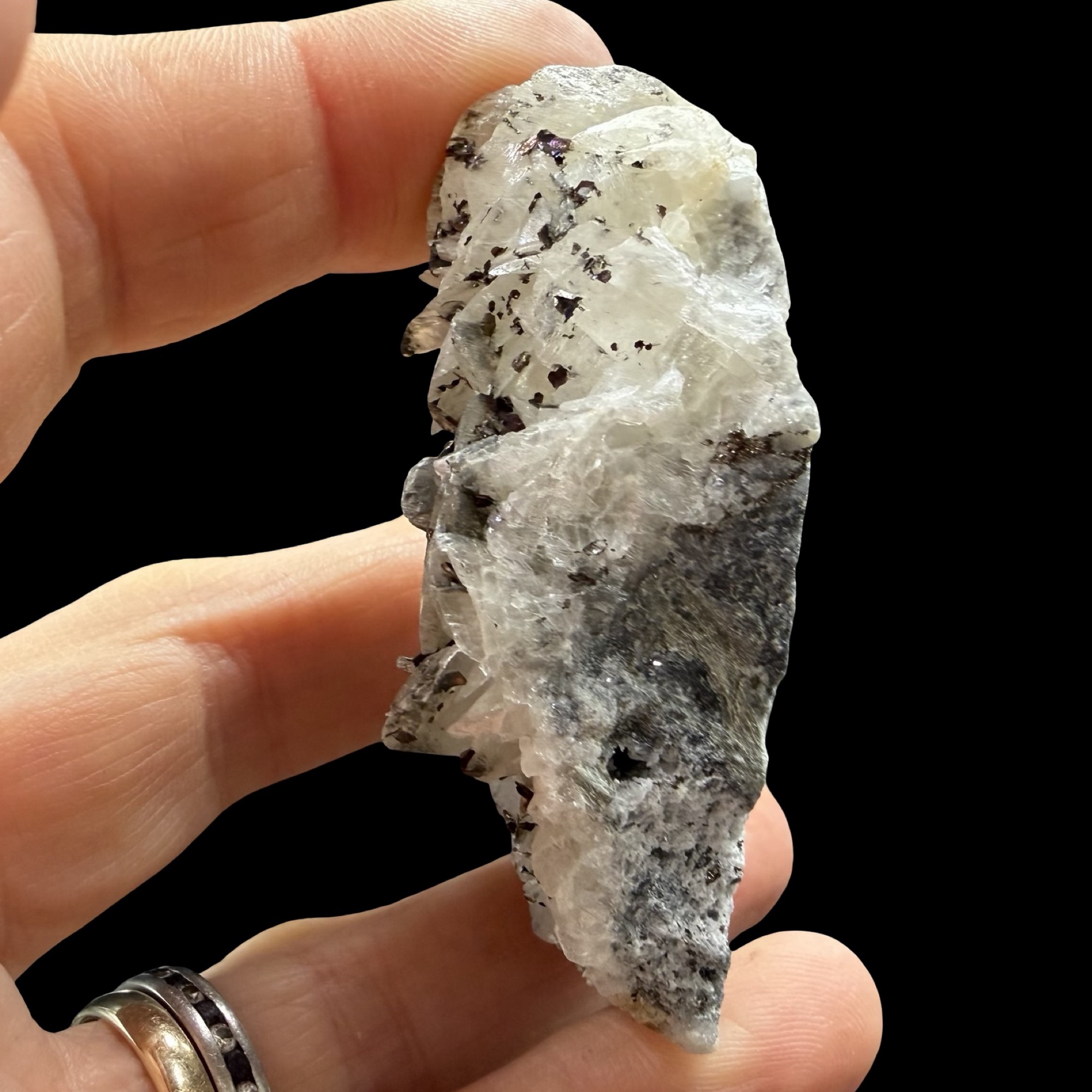
Calcite with Chalcopyrite Crystal Specimen Natural Mineral Display Piece Genuine Calcite Chalcopyrite Mineral UK Seller Gift
£ 13.20
CALCITE WITH CHALCOPYRITE CRYSTAL SPECIMEN – NATURAL MINERAL DISPLAY PIECEThis striking Calcite with Chalcopyrite crystal specimen is a genuine natural
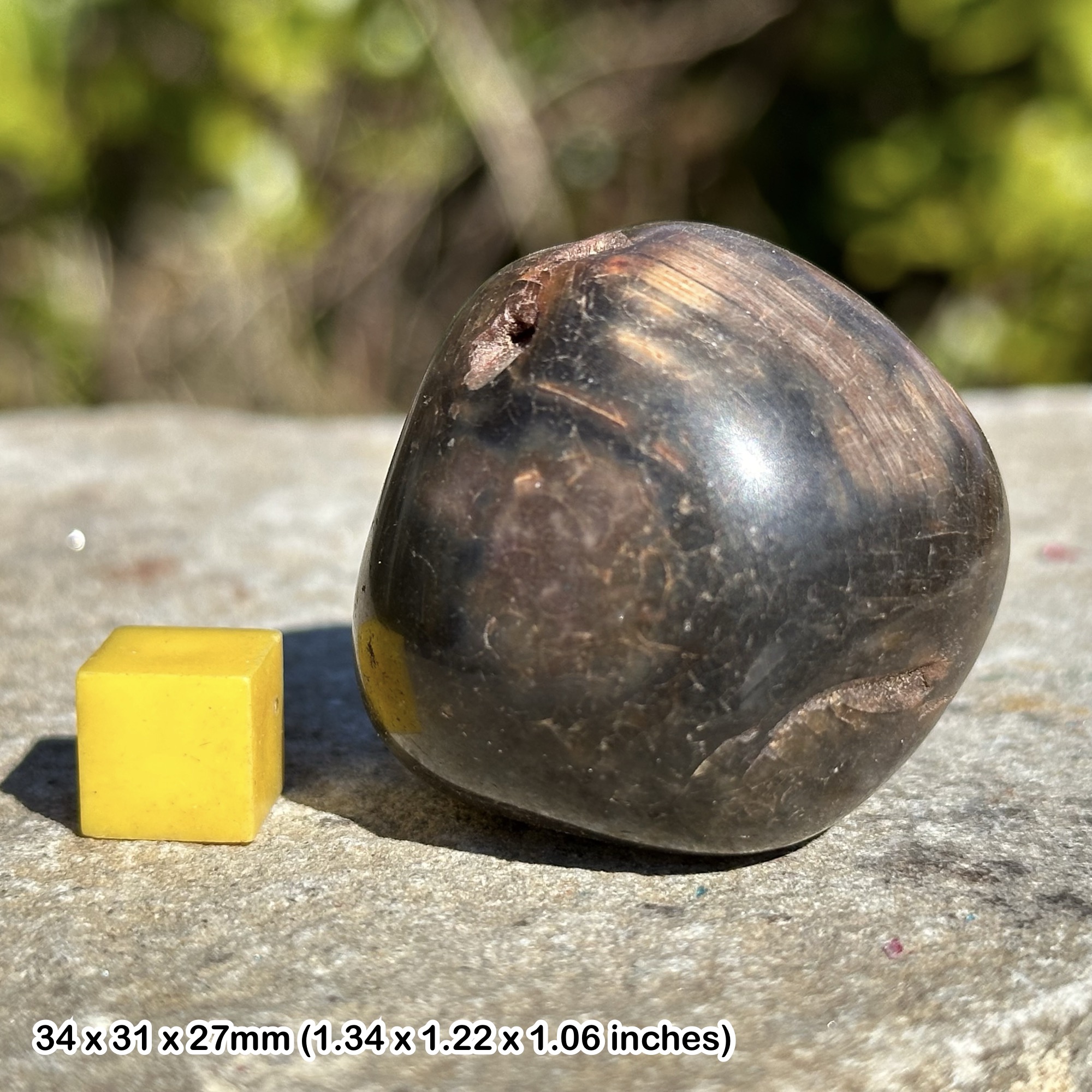
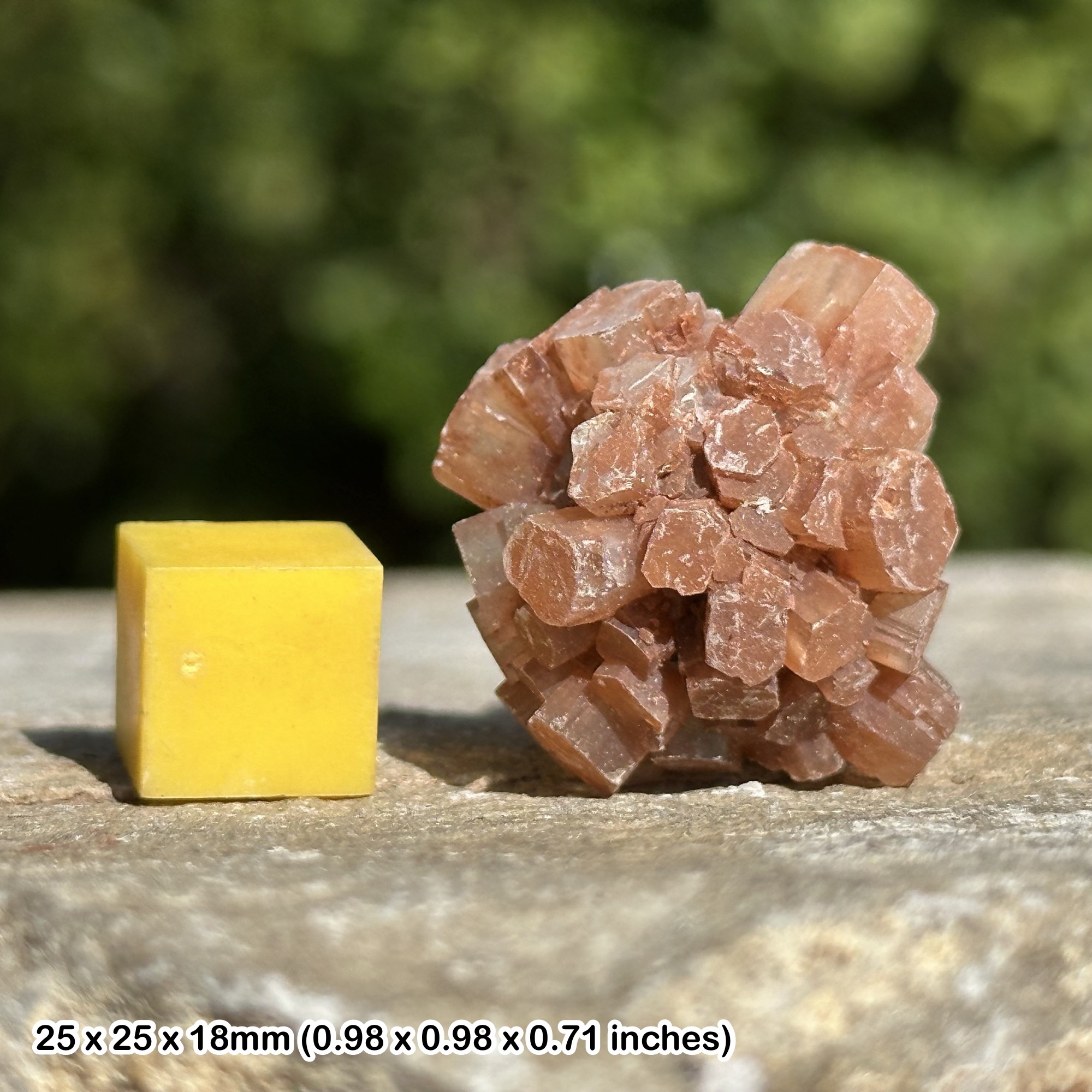
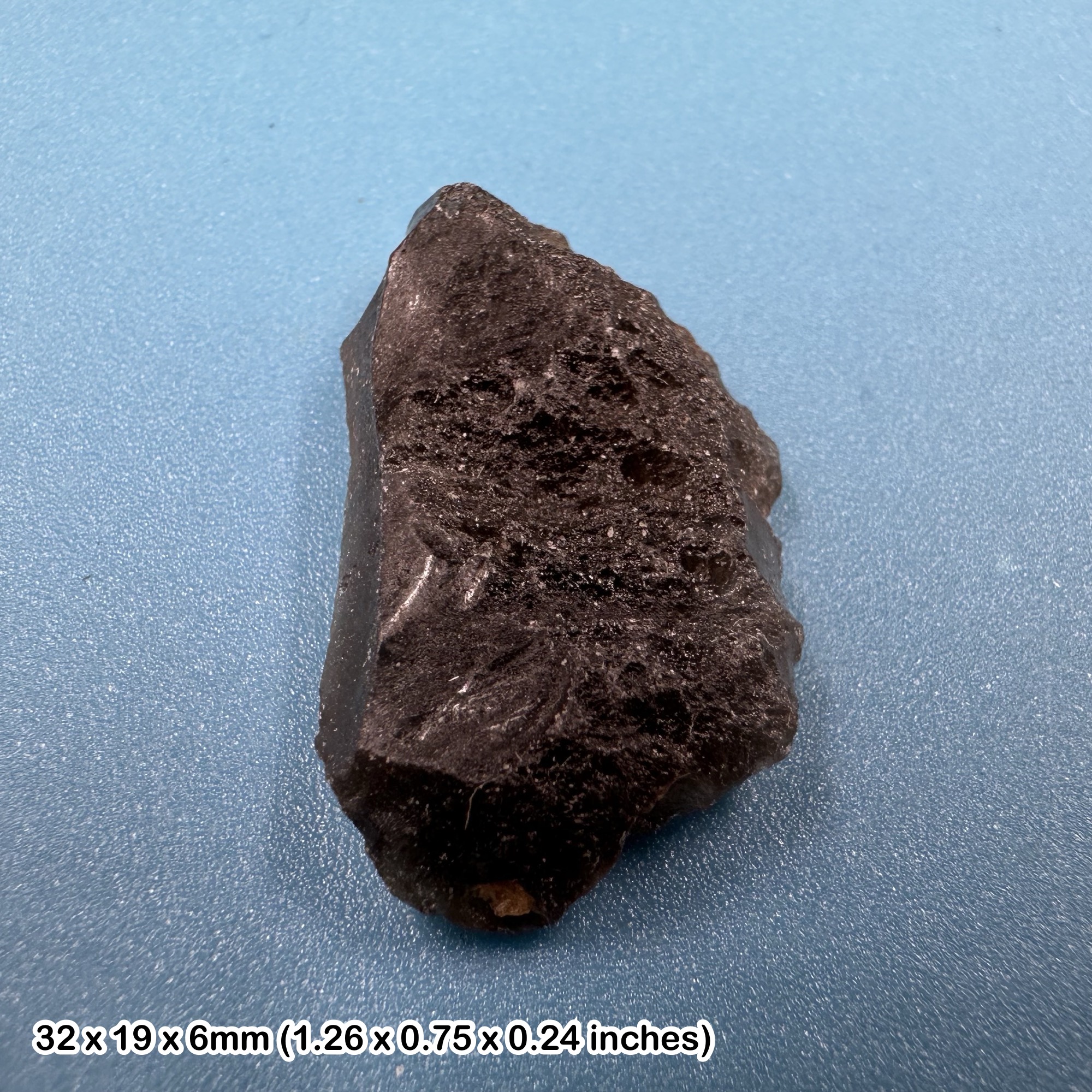
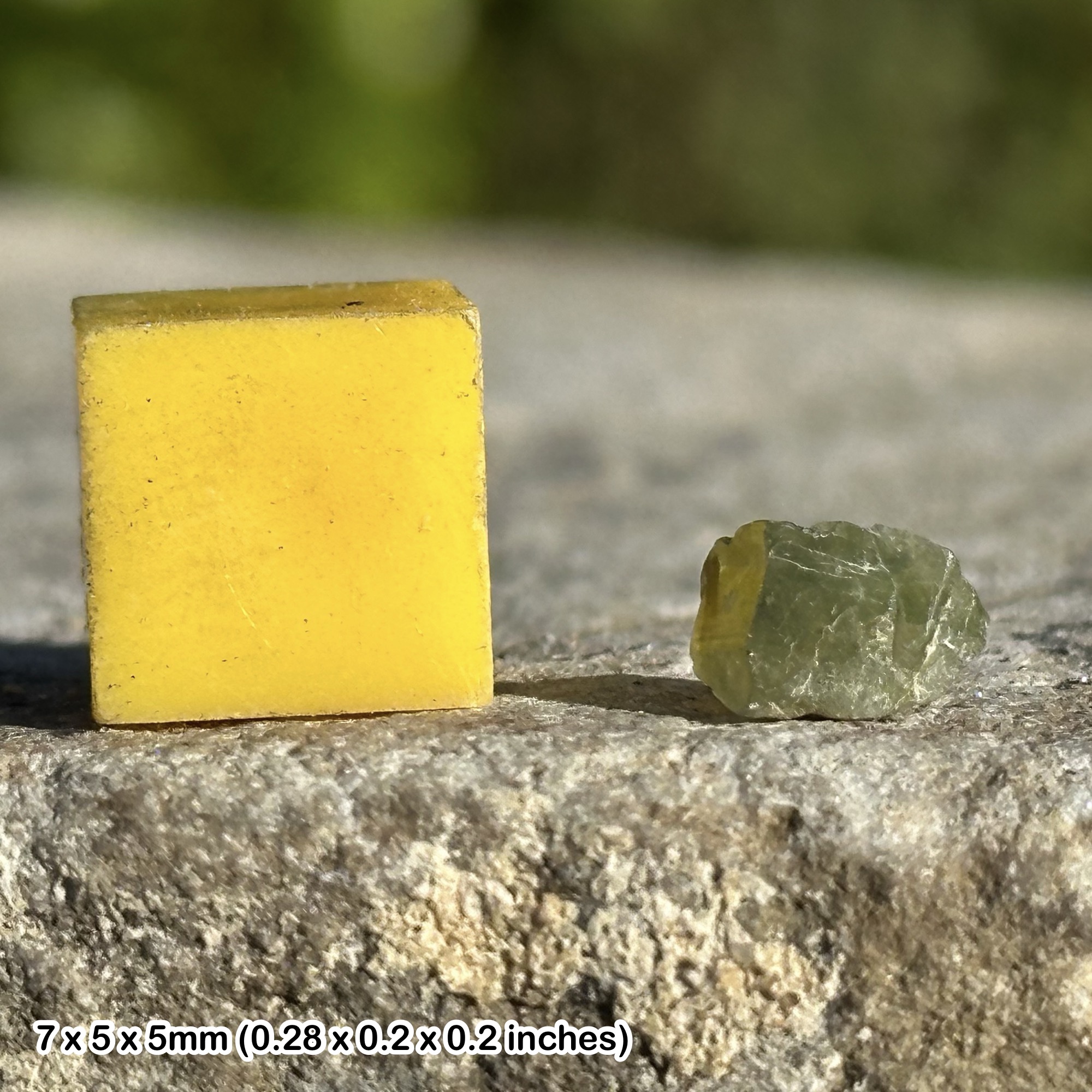
mineral, carefully selected for its visual appeal and geological interest. The exact piece shown in the photographs is the one you will receive, making this a unique addition to any mineral collection or display. Each specimen includes a Certificate of Authenticity lifetime guarantee card, confirming its natural origin and quality.Full sizing is available in the listing photographs, allowing you to clearly assess the scale and presence of this crystal. GEOLOGICAL COMPOSITION AND MINERALOGYThis specimen features Calcite, a widely occurring calcium carbonate mineral (CaCO₃), combined with Chalcopyrite, a copper iron sulfide mineral (CuFeS₂). Calcite is known for its relatively soft hardness (Mohs 3) and its ability to form in a variety of crystal habits, often displaying rhombohedral or scalenohedral structures. Its formation typically occurs in sedimentary environments, hydrothermal veins, and limestone deposits.Chalcopyrite, by contrast, is a primary ore of copper and forms in hydrothermal systems, often alongside other sulfide minerals. It is instantly recognisable by its metallic lustre and brassy golden-yellow colour, sometimes showing iridescent tarnish due to surface oxidation. When paired with Calcite, Chalcopyrite creates a visually dynamic contrast between metallic and crystalline textures. CRYSTAL HABIT, COLOUR AND AESTHETIC APPEALThe Calcite in this specimen typically presents as well-formed crystalline structures, ranging from translucent to opaque, with natural variations in clarity and surface texture. Colour tones may include white, cream, or pale honey hues, depending on trace elements and formation conditions.The Chalcopyrite appears as embedded or surface-associated metallic clusters, displaying a rich golden tone with occasional flashes of iridescence. This combination creates a highly attractive visual contrast, making the specimen ideal for collectors, display cabinets, or interior décor.Natural inclusions, growth patterns, and surface formations add further individuality, ensuring no two specimens are exactly alike. FORMATION ENVIRONMENTCalcite with Chalcopyrite commonly forms in hydrothermal vein systems where mineral-rich fluids circulate through fractures in rock. As temperatures and pressures change, dissolved minerals crystallise, leading to the intergrowth of carbonate minerals like Calcite and sulfides such as Chalcopyrite.This geological process can occur over millions of years, resulting in the intricate textures and associations seen in this specimen. AUTHENTICITY AND PRESENTATION• 100% genuine natural mineral specimen• Includes Certificate of Authenticity lifetime guarantee card• Carefully selected for quality and visual appeal• You will receive the exact specimen shown in the photographsThis crystal is ideal for mineral collectors, geology enthusiasts, educational use, or as a distinctive decorative piece. Its natural formation and contrasting mineral composition make it a standout example of Earth’s geological processes.
mineral, carefully selected for its visual appeal and geological interest. The exact piece shown in the photographs is the one you will receive, making this a unique addition to any mineral collection or display. Each specimen includes a Certificate of Authenticity lifetime guarantee card, confirming its natural origin and quality.Full sizing is available in the listing photographs, allowing you to clearly assess the scale and presence of this crystal. GEOLOGICAL COMPOSITION AND MINERALOGYThis specimen features Calcite, a widely occurring calcium carbonate mineral (CaCO₃), combined with Chalcopyrite, a copper iron sulfide mineral (CuFeS₂). Calcite is known for its relatively soft hardness (Mohs 3) and its ability to form in a variety of crystal habits, often displaying rhombohedral or scalenohedral structures. Its formation typically occurs in sedimentary environments, hydrothermal veins, and limestone deposits.Chalcopyrite, by contrast, is a primary ore of copper and forms in hydrothermal systems, often alongside other sulfide minerals. It is instantly recognisable by its metallic lustre and brassy golden-yellow colour, sometimes showing iridescent tarnish due to surface oxidation. When paired with Calcite, Chalcopyrite creates a visually dynamic contrast between metallic and crystalline textures. CRYSTAL HABIT, COLOUR AND AESTHETIC APPEALThe Calcite in this specimen typically presents as well-formed crystalline structures, ranging from translucent to opaque, with natural variations in clarity and surface texture. Colour tones may include white, cream, or pale honey hues, depending on trace elements and formation conditions.The Chalcopyrite appears as embedded or surface-associated metallic clusters, displaying a rich golden tone with occasional flashes of iridescence. This combination creates a highly attractive visual contrast, making the specimen ideal for collectors, display cabinets, or interior décor.Natural inclusions, growth patterns, and surface formations add further individuality, ensuring no two specimens are exactly alike. FORMATION ENVIRONMENTCalcite with Chalcopyrite commonly forms in hydrothermal vein systems where mineral-rich fluids circulate through fractures in rock. As temperatures and pressures change, dissolved minerals crystallise, leading to the intergrowth of carbonate minerals like Calcite and sulfides such as Chalcopyrite.This geological process can occur over millions of years, resulting in the intricate textures and associations seen in this specimen. AUTHENTICITY AND PRESENTATION• 100% genuine natural mineral specimen• Includes Certificate of Authenticity lifetime guarantee card• Carefully selected for quality and visual appeal• You will receive the exact specimen shown in the photographsThis crystal is ideal for mineral collectors, geology enthusiasts, educational use, or as a distinctive decorative piece. Its natural formation and contrasting mineral composition make it a standout example of Earth’s geological processes.