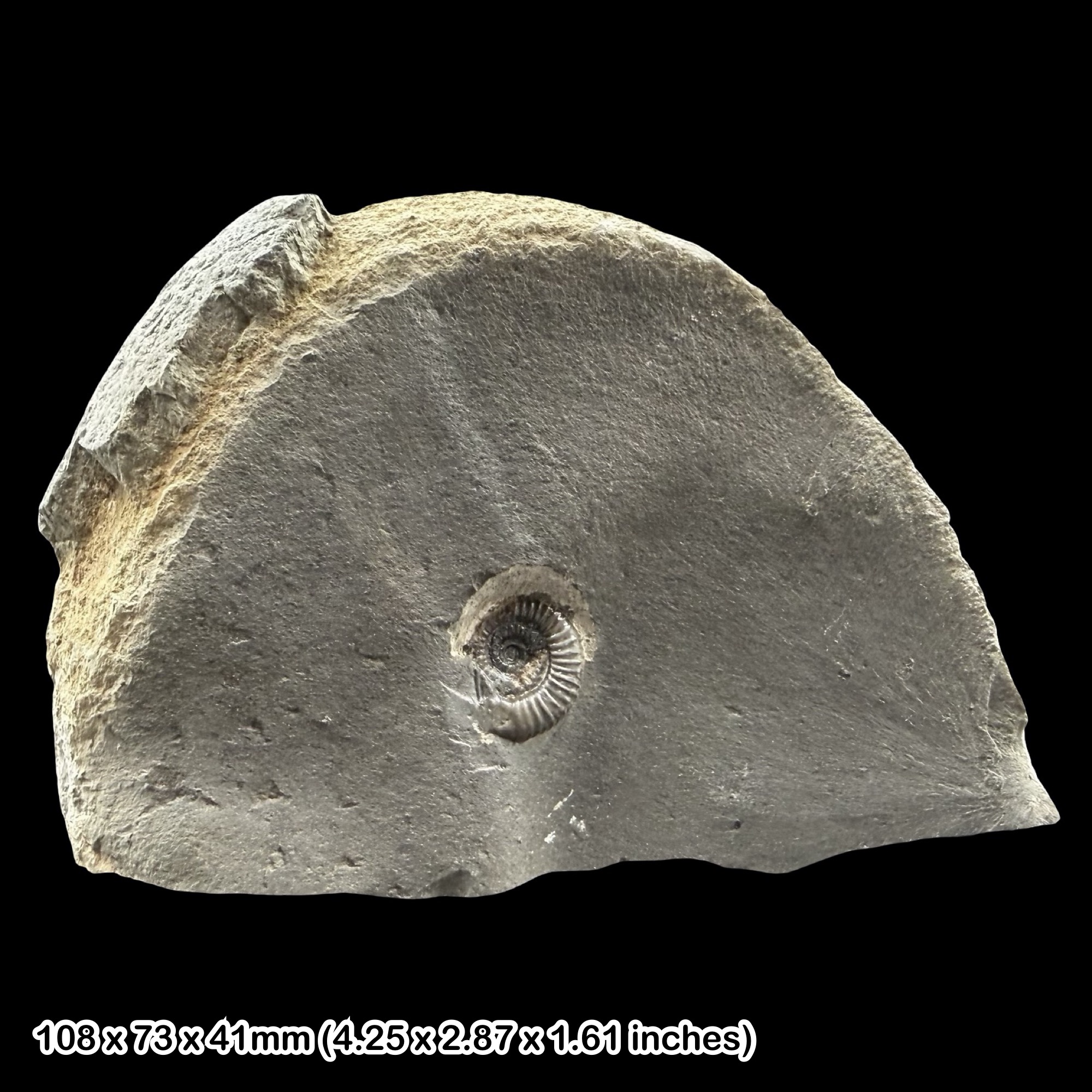
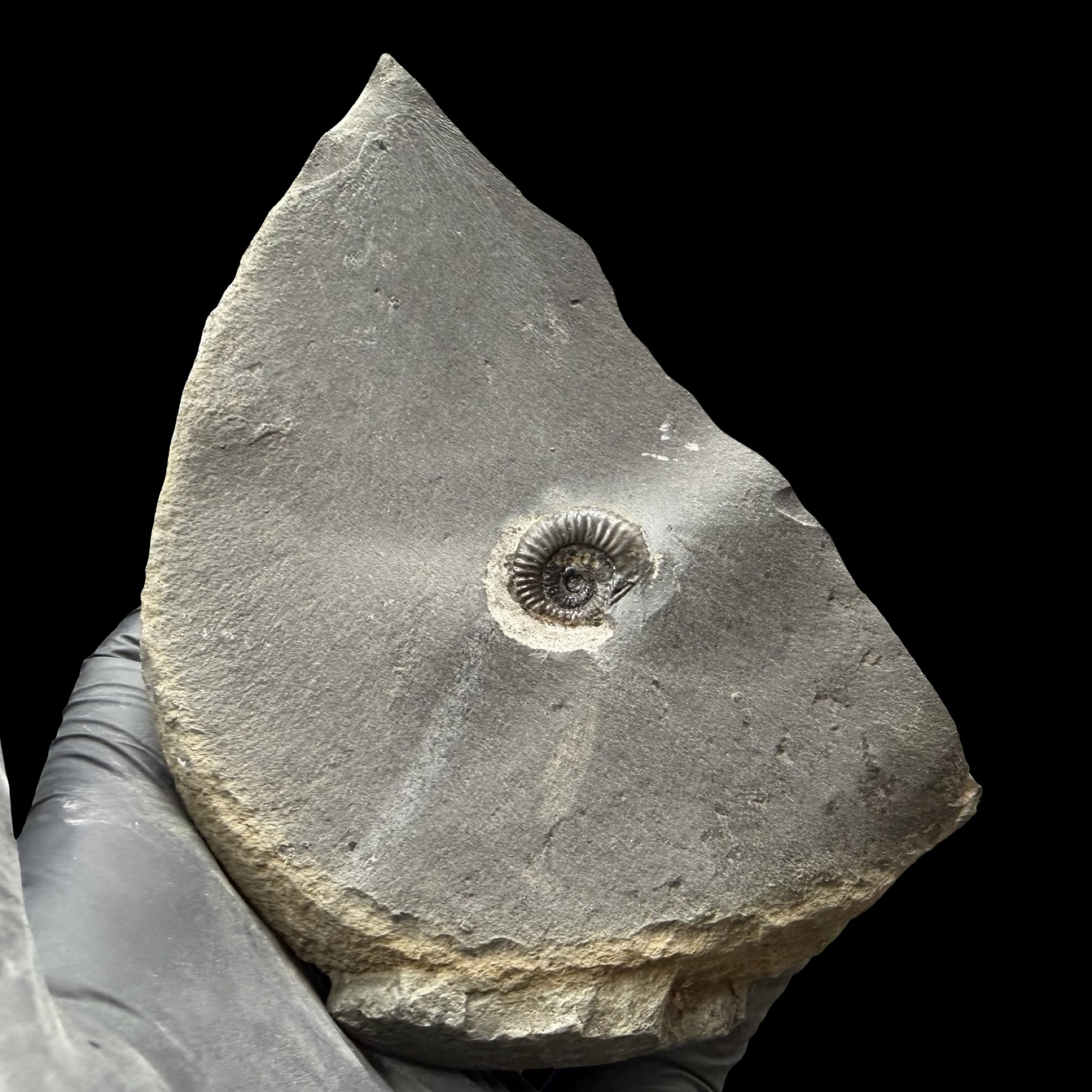
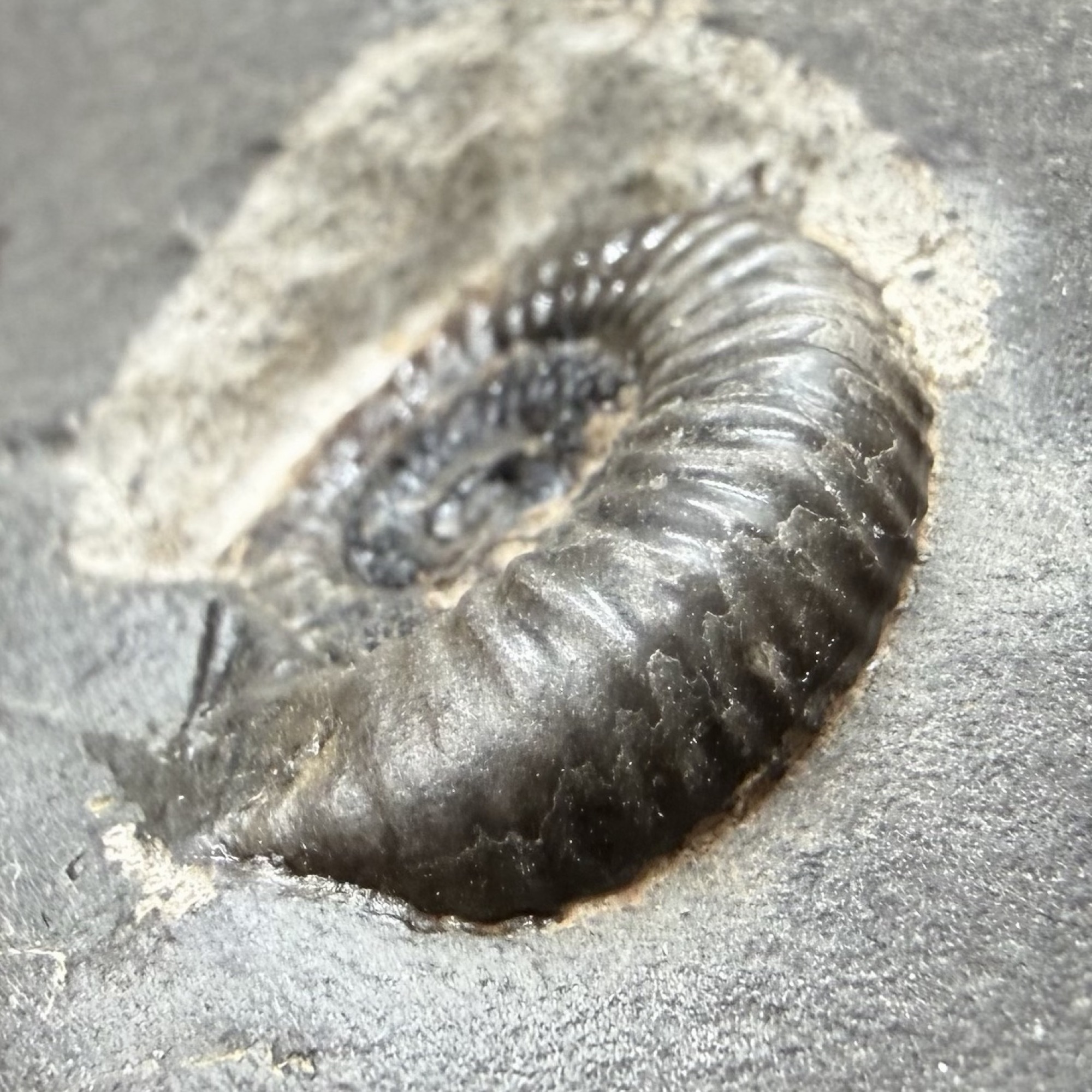
Juvenile Dactylioceras Ammonite Fossil Jurassic Yorkshire UK COA Saltwick Bay Upper Toarcian Display Specimen
£ 36.00
GENUINE JUVENILE DACTYLIOCERAS AMMONITE FOSSILThis listing is for a genuine juvenile Dactylioceras ammonite fossil from the
Upper Toarcian, Jurassic, collected from Saltwick Bay, North Yorkshire, United Kingdom. This is a carefully chosen fossil specimen with classic British Jurassic provenance, selected for its natural character, scientific interest and collectable display appeal.The photograph shows the actual specimen you will receive, allowing you to view the ammonite’s preservation, shape and natural presentation before purchase. Full sizing and scale details can be seen in the photo. Your specimen was discovered by our own team members, Alister and Alison, and has been carefully cleaned, prepped and treated by Alison. It is supplied with a Certificate of Authenticity lifetime guarantee generic card, confirming that this is a genuine fossil specimen suitable for collectors, educational displays, natural history cabinets and geology gifts. ABOUT DACTYLIOCERAS AMMONITESDactylioceras is an extinct genus of ammonite from the Early Jurassic seas. Ammonites were marine cephalopods, related to modern squid, octopus and nautilus, but unlike squid and octopus they lived inside a coiled, chambered shell. The living animal occupied the final outer chamber, while earlier chambers helped regulate buoyancy as it moved through the ancient marine environment.Dactylioceras is one of the most recognisable ammonite genera from the Toarcian Stage of the Lower Jurassic. It belongs to the family Dactylioceratidae, within the superfamily Eoderoceratoidea and the order Ammonitida. The genus is well known from classic British Jurassic deposits, especially around the Yorkshire coast and other fossil-rich Lower Jurassic localities. JUVENILE SHELL FORM AND FEATURESThis specimen is described as a juvenile Dactylioceras, making it especially interesting for collectors who appreciate growth stages and ammonite development. Juvenile ammonites preserve the early coiled shell form of the animal, showing how the shell began before later growth enlarged the whorls and body chamber.Dactylioceras ammonites are typically recognised by their planispiral coiling, rounded whorls and strong ribbed ornament. Many examples show regular ribs crossing the whorls, giving the shell an attractive textured appearance. Even in juvenile examples, this ribbing can be an appealing feature, helping show the distinctive shell architecture of the genus.The shell was originally divided internally into chambers by walls called septa. These chambers were connected by a tube called the siphuncle, allowing the animal to control gas and fluid within the shell for buoyancy. This chambered shell system helped ammonites thrive in Jurassic seas and makes them one of the most iconic fossil groups from the Mesozoic Era. UPPER TOARCIAN JURASSIC AGEThis fossil dates to the Upper Toarcian, part of the Lower Jurassic, around 183 to 174 million years ago. During this time, much of what is now the United Kingdom was covered by warm shallow seas. These marine environments supported ammonites, belemnites, bivalves, fish, marine reptiles and many other forms of sea life.Ammonites from the Toarcian are especially important to geology because they evolved rapidly and were widely distributed, making them valuable index fossils for dating and correlating rock layers. A juvenile Dactylioceras from the Upper Toarcian provides a small but fascinating link to this ancient marine ecosystem. SALTWICK BAY, NORTH YORKSHIRE LOCALITYSaltwick Bay, North Yorkshire is part of the famous Yorkshire coast, one of the classic fossil-collecting regions of the United Kingdom. The cliffs and foreshore around this area expose Jurassic rocks that have been studied and collected for generations. Fossils from Saltwick Bay are sought after for their British provenance, natural beauty and connection to the ancient seas of northern England.The Yorkshire coast is particularly well known for ammonites, belemnites, marine reptile material and other Jurassic fossils. A Dactylioceras ammonite from this locality is a highly appealing specimen for collectors of British fossils and Jurassic natural history. COLLECTABLE BRITISH JURASSIC DISPLAY FOSSILThis juvenile Dactylioceras ammonite fossil from Saltwick Bay is a desirable specimen for collectors of British fossils, Yorkshire fossils, Jurassic ammonites, Toarcian fossils and natural history display pieces. Its juvenile growth stage, recognised genus and classic North Yorkshire locality give it strong collectable and educational value.The specimen has been carefully selected for authenticity, natural appearance and display interest. With its genuine Jurassic age, Upper Toarcian provenance, actual-specimen photograph and included Certificate of Authenticity lifetime guarantee generic card, this juvenile Dactylioceras ammonite offers a direct connection to the ancient marine world of Jurassic Britain.
Upper Toarcian, Jurassic, collected from Saltwick Bay, North Yorkshire, United Kingdom. This is a carefully chosen fossil specimen with classic British Jurassic provenance, selected for its natural character, scientific interest and collectable display appeal.The photograph shows the actual specimen you will receive, allowing you to view the ammonite’s preservation, shape and natural presentation before purchase. Full sizing and scale details can be seen in the photo. Your specimen was discovered by our own team members, Alister and Alison, and has been carefully cleaned, prepped and treated by Alison. It is supplied with a Certificate of Authenticity lifetime guarantee generic card, confirming that this is a genuine fossil specimen suitable for collectors, educational displays, natural history cabinets and geology gifts. ABOUT DACTYLIOCERAS AMMONITESDactylioceras is an extinct genus of ammonite from the Early Jurassic seas. Ammonites were marine cephalopods, related to modern squid, octopus and nautilus, but unlike squid and octopus they lived inside a coiled, chambered shell. The living animal occupied the final outer chamber, while earlier chambers helped regulate buoyancy as it moved through the ancient marine environment.Dactylioceras is one of the most recognisable ammonite genera from the Toarcian Stage of the Lower Jurassic. It belongs to the family Dactylioceratidae, within the superfamily Eoderoceratoidea and the order Ammonitida. The genus is well known from classic British Jurassic deposits, especially around the Yorkshire coast and other fossil-rich Lower Jurassic localities. JUVENILE SHELL FORM AND FEATURESThis specimen is described as a juvenile Dactylioceras, making it especially interesting for collectors who appreciate growth stages and ammonite development. Juvenile ammonites preserve the early coiled shell form of the animal, showing how the shell began before later growth enlarged the whorls and body chamber.Dactylioceras ammonites are typically recognised by their planispiral coiling, rounded whorls and strong ribbed ornament. Many examples show regular ribs crossing the whorls, giving the shell an attractive textured appearance. Even in juvenile examples, this ribbing can be an appealing feature, helping show the distinctive shell architecture of the genus.The shell was originally divided internally into chambers by walls called septa. These chambers were connected by a tube called the siphuncle, allowing the animal to control gas and fluid within the shell for buoyancy. This chambered shell system helped ammonites thrive in Jurassic seas and makes them one of the most iconic fossil groups from the Mesozoic Era. UPPER TOARCIAN JURASSIC AGEThis fossil dates to the Upper Toarcian, part of the Lower Jurassic, around 183 to 174 million years ago. During this time, much of what is now the United Kingdom was covered by warm shallow seas. These marine environments supported ammonites, belemnites, bivalves, fish, marine reptiles and many other forms of sea life.Ammonites from the Toarcian are especially important to geology because they evolved rapidly and were widely distributed, making them valuable index fossils for dating and correlating rock layers. A juvenile Dactylioceras from the Upper Toarcian provides a small but fascinating link to this ancient marine ecosystem. SALTWICK BAY, NORTH YORKSHIRE LOCALITYSaltwick Bay, North Yorkshire is part of the famous Yorkshire coast, one of the classic fossil-collecting regions of the United Kingdom. The cliffs and foreshore around this area expose Jurassic rocks that have been studied and collected for generations. Fossils from Saltwick Bay are sought after for their British provenance, natural beauty and connection to the ancient seas of northern England.The Yorkshire coast is particularly well known for ammonites, belemnites, marine reptile material and other Jurassic fossils. A Dactylioceras ammonite from this locality is a highly appealing specimen for collectors of British fossils and Jurassic natural history. COLLECTABLE BRITISH JURASSIC DISPLAY FOSSILThis juvenile Dactylioceras ammonite fossil from Saltwick Bay is a desirable specimen for collectors of British fossils, Yorkshire fossils, Jurassic ammonites, Toarcian fossils and natural history display pieces. Its juvenile growth stage, recognised genus and classic North Yorkshire locality give it strong collectable and educational value.The specimen has been carefully selected for authenticity, natural appearance and display interest. With its genuine Jurassic age, Upper Toarcian provenance, actual-specimen photograph and included Certificate of Authenticity lifetime guarantee generic card, this juvenile Dactylioceras ammonite offers a direct connection to the ancient marine world of Jurassic Britain.
Other Products