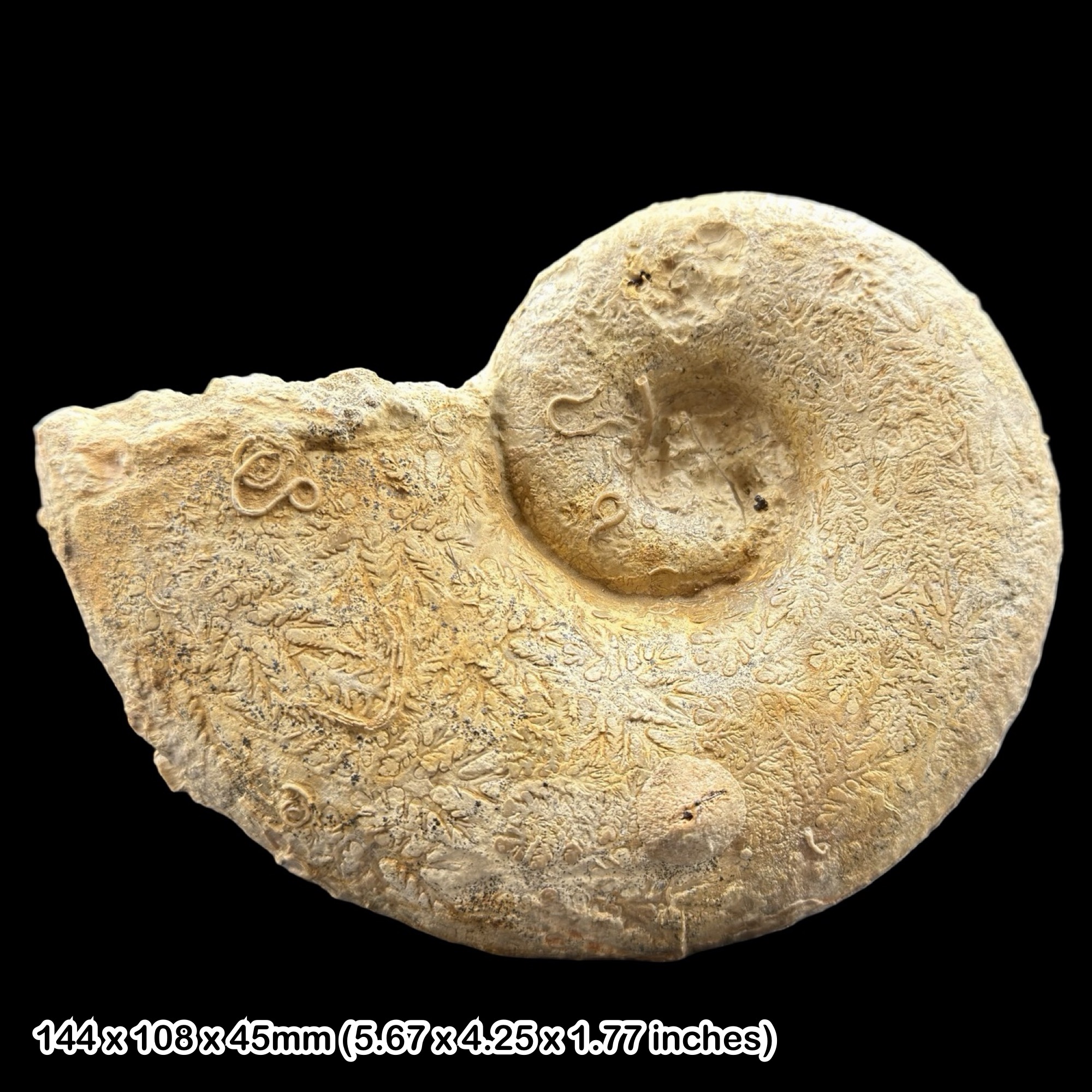
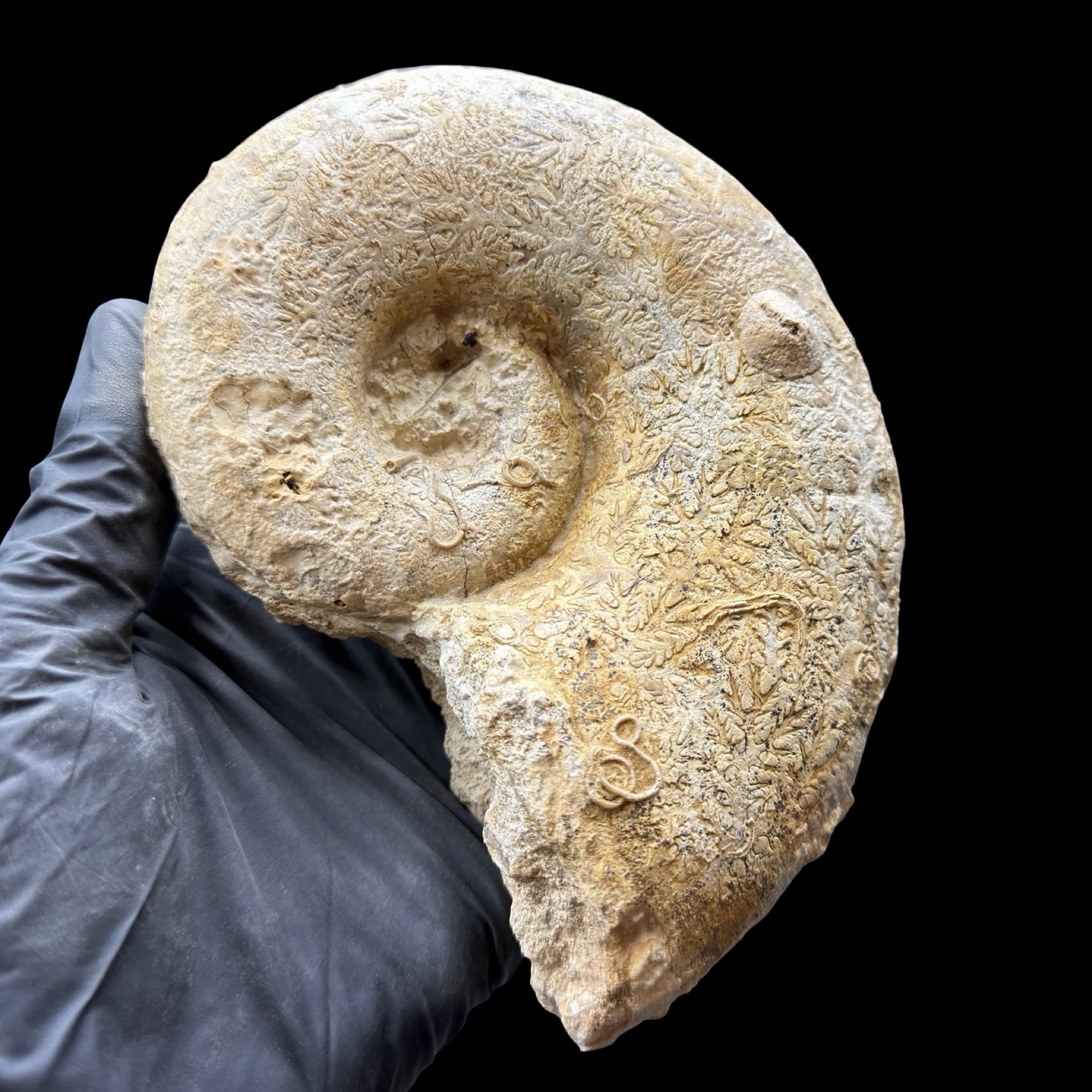
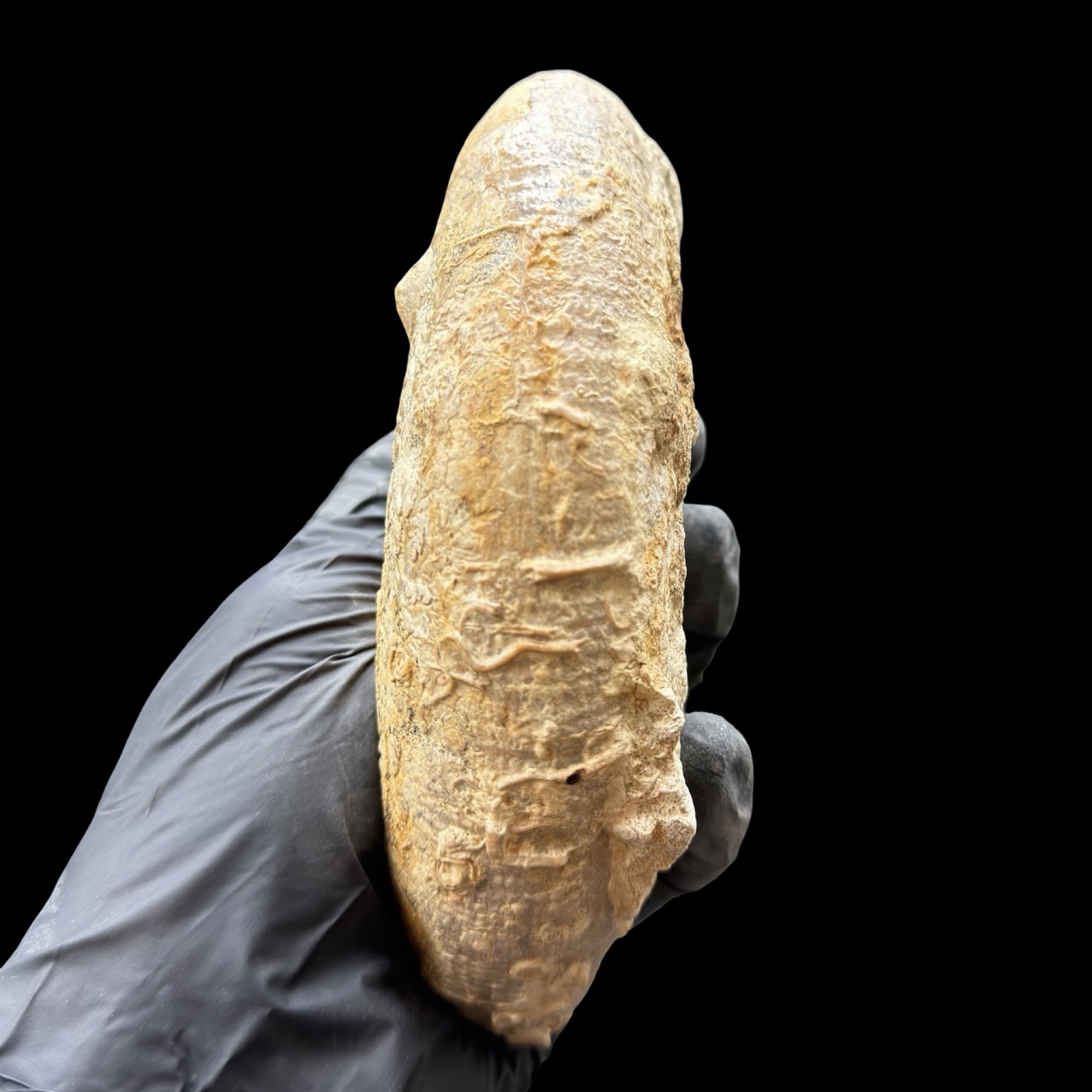
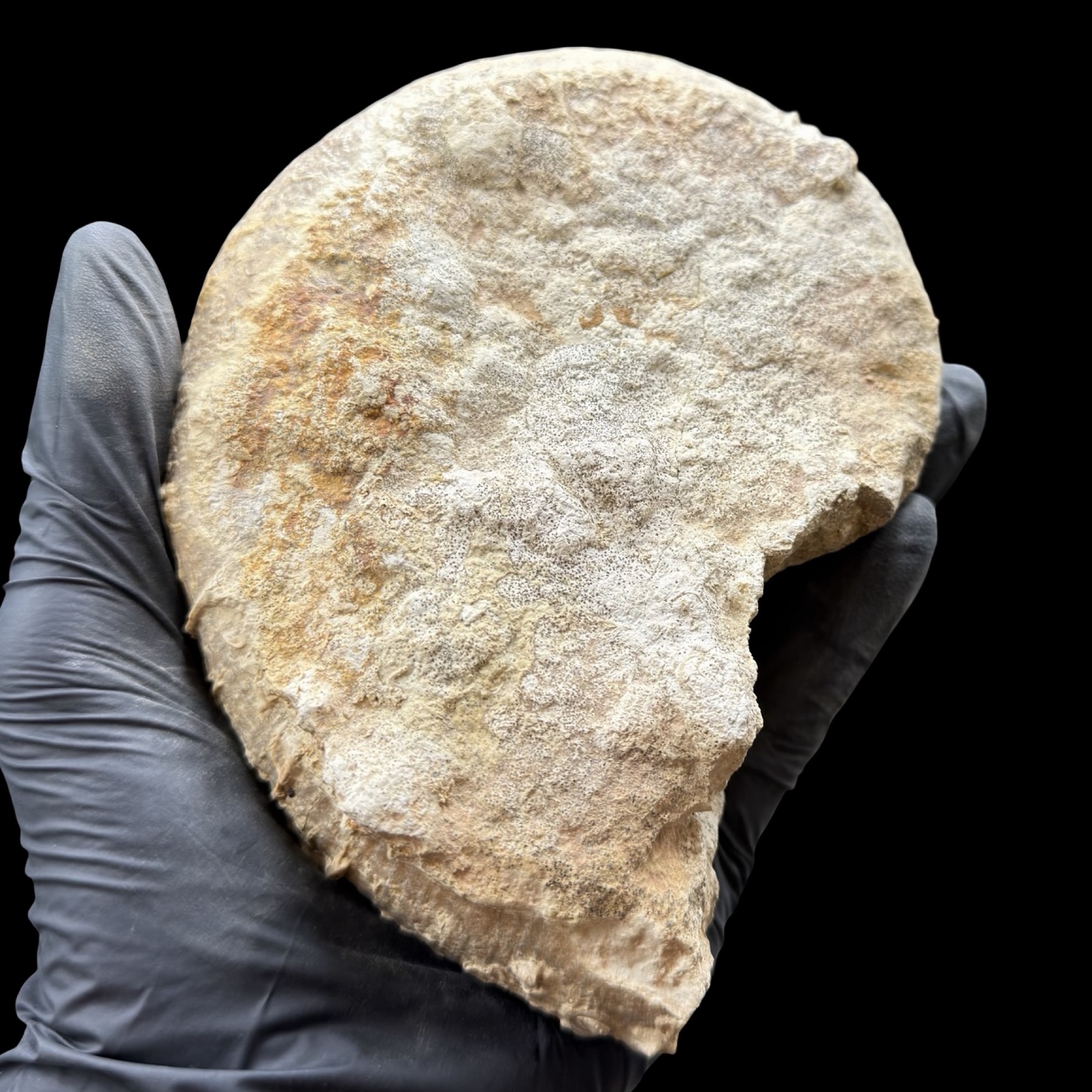
Lytoceras fimbriatum Ammonite Fossil Jurassic Somerset UK COA Genuine Specimen Beacon Limestone Ilminster British Fossil
£ 60.00
Genuine Lytoceras fimbriatum Ammonite Fossil from Ilminster, SomersetThis Lytoceras fimbriatum fossil ammonite is a genuine Jurassic specimen from
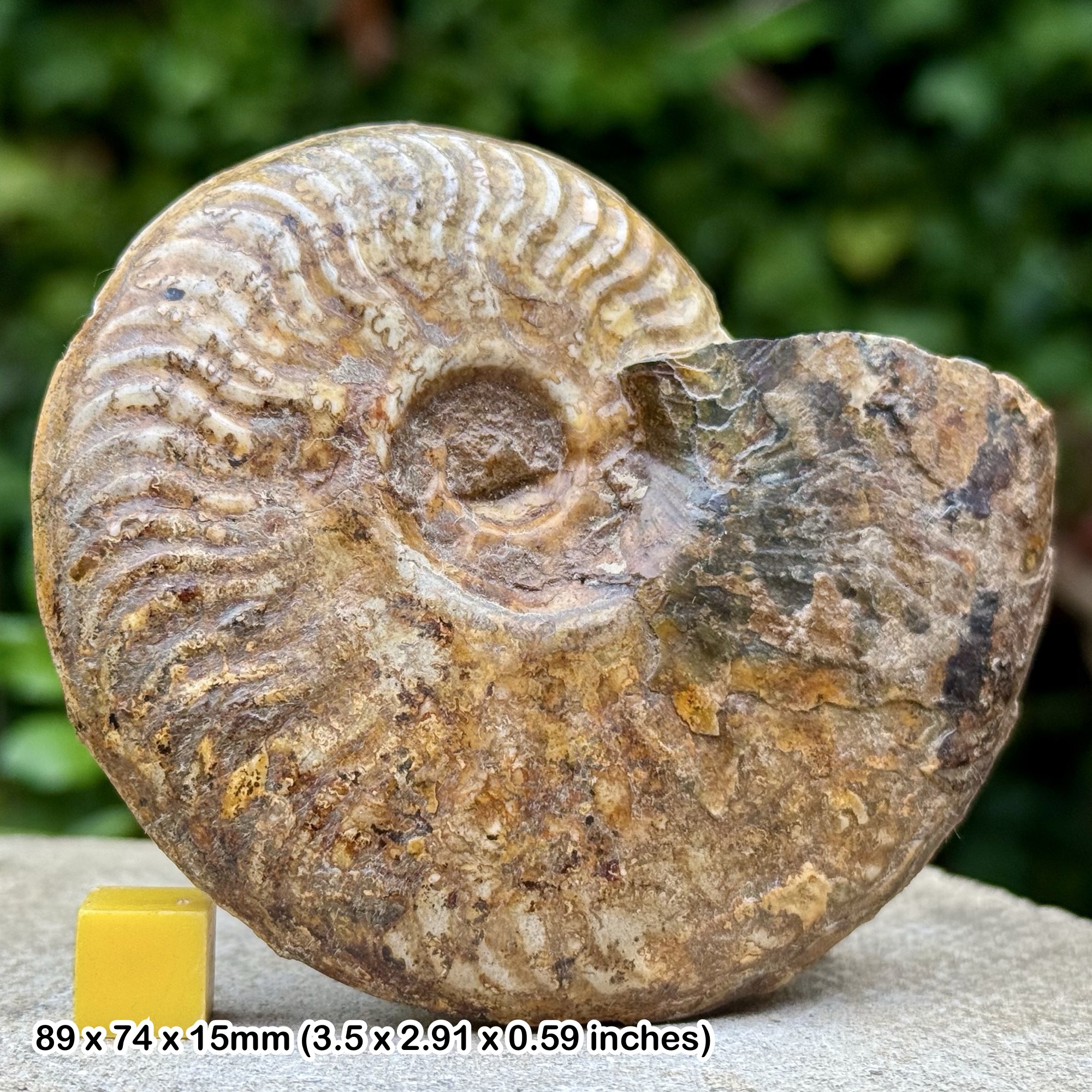
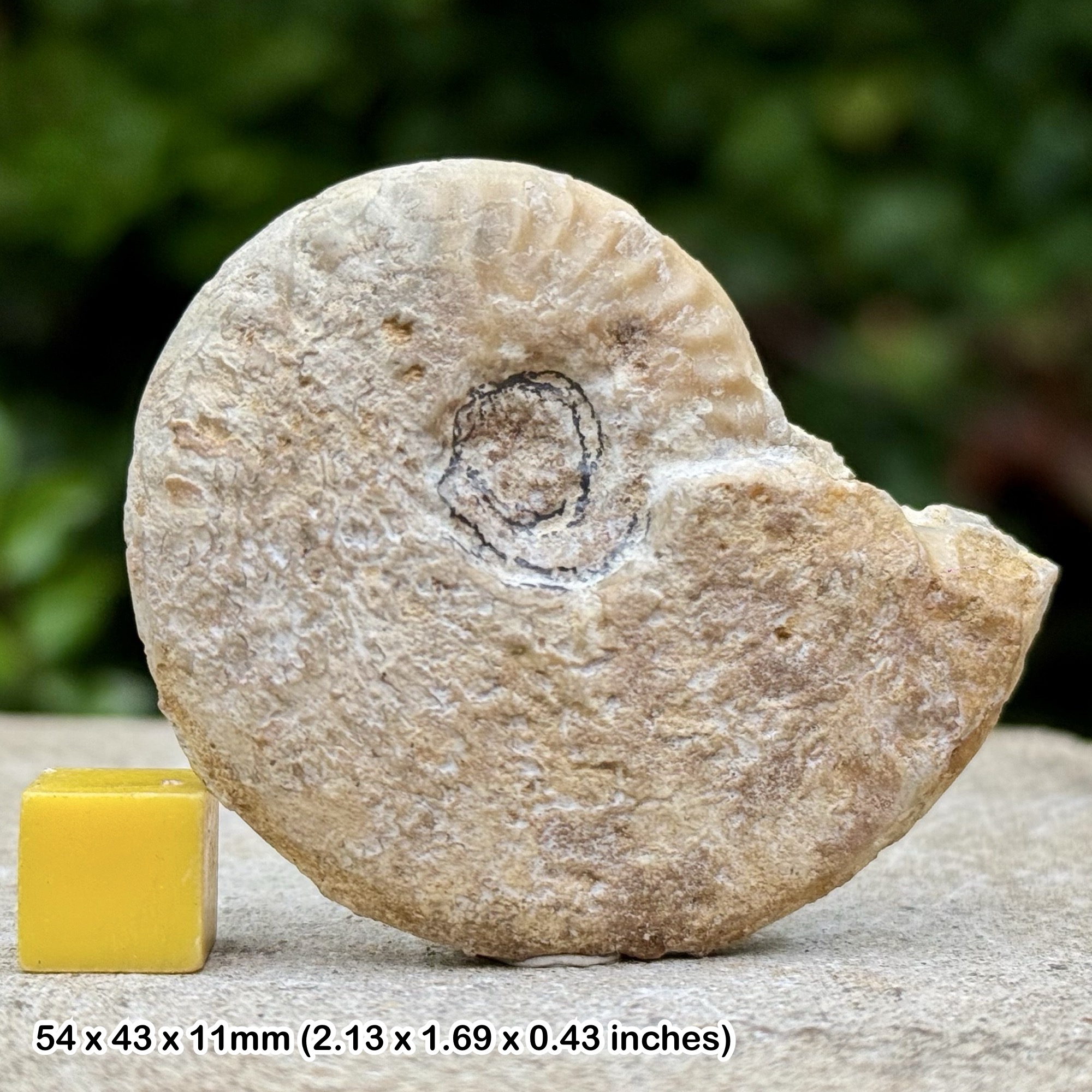
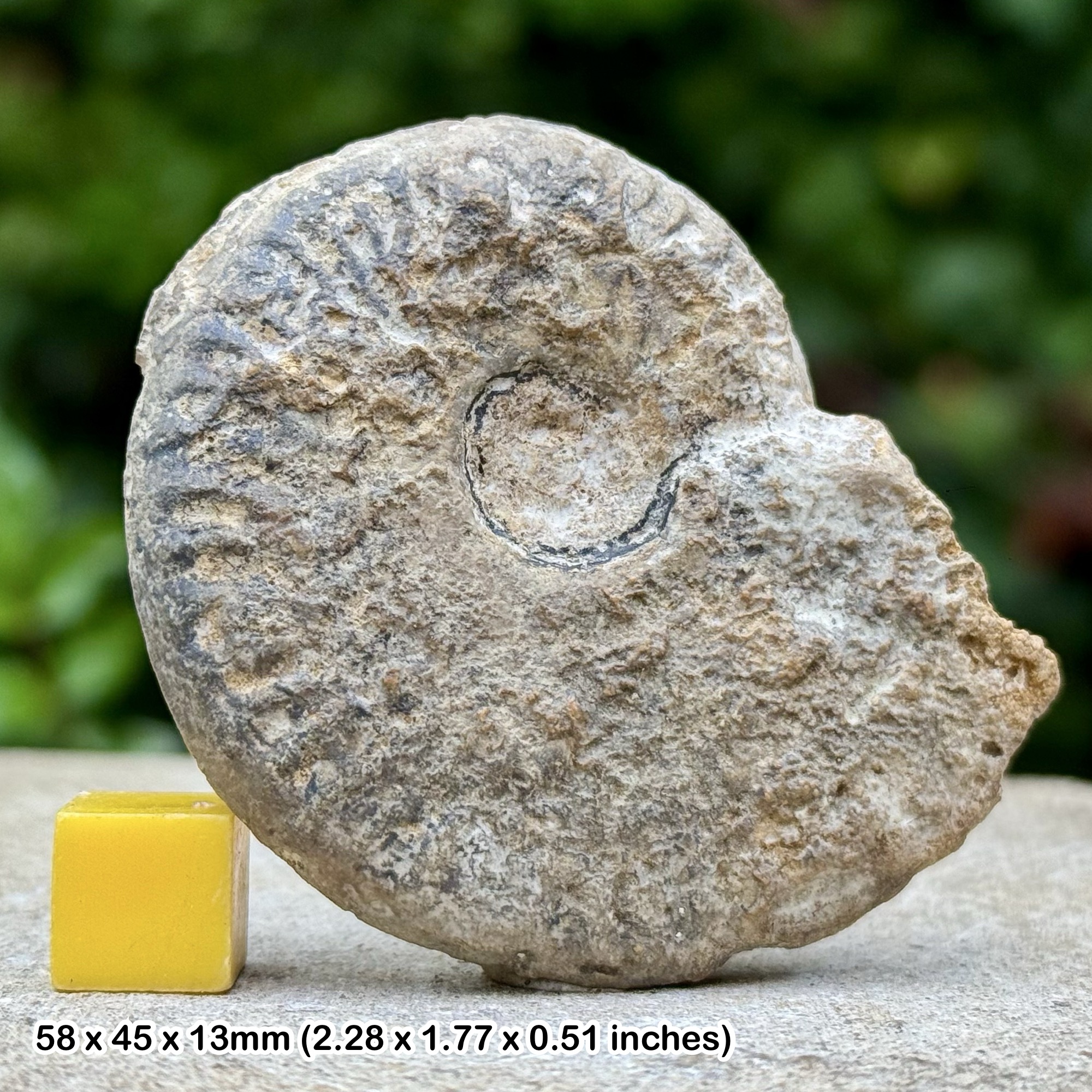
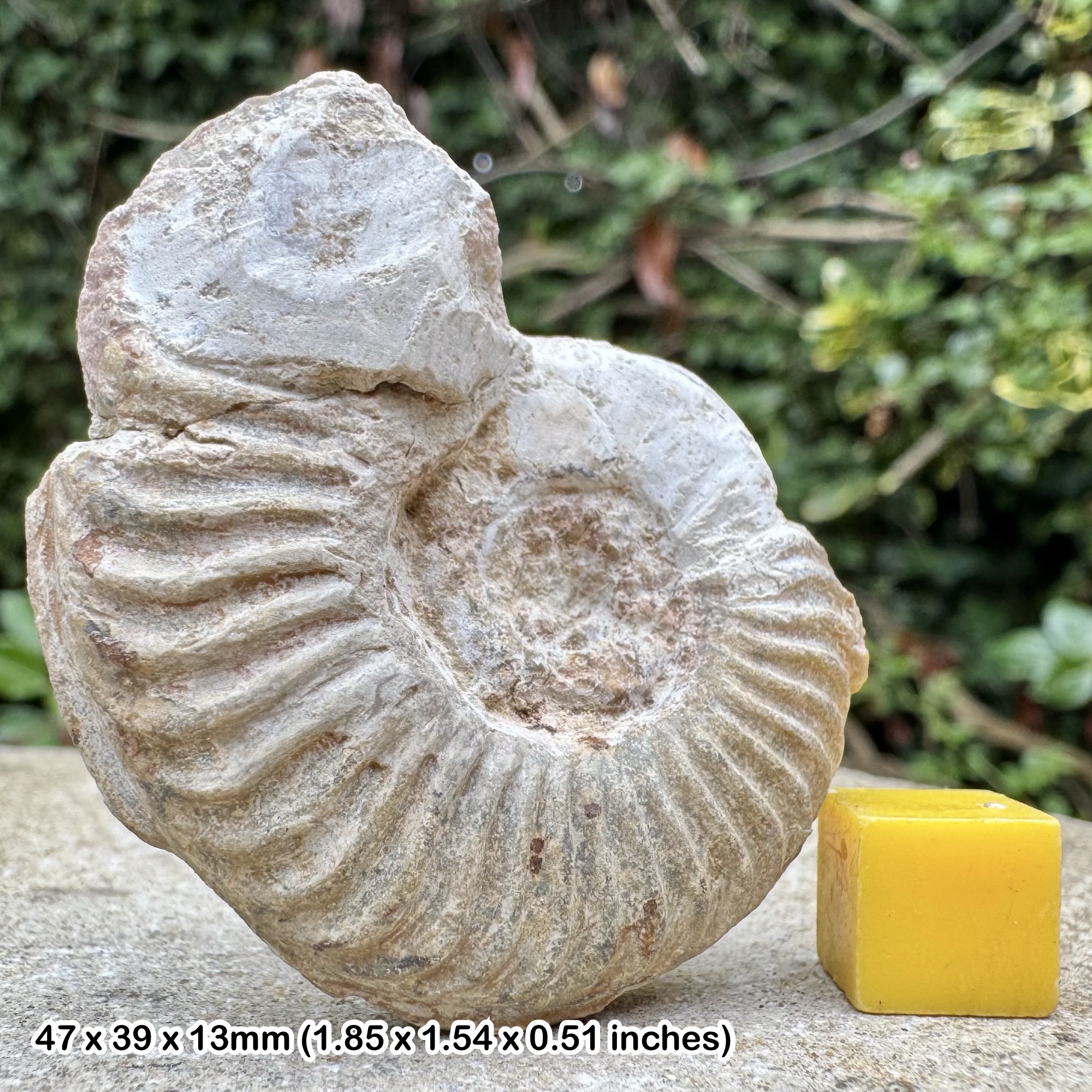
the Beacon Limestone of Ilminster, Somerset, UK. It is a carefully chosen fossil with strong natural character, scientific interest and display appeal, representing an elegant ammonite from the ancient Jurassic seas of Britain.The photograph shows the actual specimen you will receive, making this a unique individual fossil rather than a stock image or representative example. For full sizing and visible condition, please see the listing photo.Species and Scientific InterestLytoceras fimbriatum is a classic Jurassic ammonite species belonging to the genus Lytoceras, a group of ammonites known for their distinctive open-looking coiled shells, rounded whorls and fine ornamental features. Ammonites were extinct marine cephalopods, related to modern squid, cuttlefish and nautilus, but unlike squid they lived within a chambered external shell.The shell of Lytoceras fimbriatum would originally have contained internal chambers separated by walls called septa. These chambers helped the living animal control buoyancy in the water column, allowing it to move through the Jurassic sea. The final, outer chamber housed the soft-bodied animal, which likely used tentacles to catch small prey and scavenge food in the marine environment.Lytoceras is especially admired by fossil collectors for its graceful shell form and fine ribbing. The species fimbriatum is associated with delicate ornamentation, often showing fine, closely spaced ribs or growth lines depending on preservation. These features make Lytoceras ammonites attractive display fossils as well as interesting palaeontological specimens.Geology, Age and LocalityThis fossil comes from the Beacon Limestone at Ilminster in Somerset, an important British Jurassic locality well known for fossil ammonites and other marine fossils. The Beacon Limestone is part of the Jurassic rock succession of southwest England and records a time when the region was covered by shallow marine waters rich in cephalopods, bivalves and other sea life.The Ilminster area has long been recognised by fossil collectors for its ammonite-bearing limestone beds. Fossils from this locality are prized for their connection to Britain’s classic Jurassic geology and for the variety of ammonite species found within the deposits. The sediments represent an ancient seabed environment where shells and marine remains accumulated, were buried, mineralised and preserved over millions of years.During the Jurassic Period, ammonites such as Lytoceras fimbriatum were widespread and successful marine animals. Their rapid evolution and abundance make ammonites valuable index fossils for understanding the age and correlation of rock layers. A specimen from Ilminster therefore offers both natural beauty and geological significance.Preparation and AuthenticityYour specimen was discovered by our own team members, Alister and Alison, and has been cleaned, prepped and treated by Alison. This preparation helps reveal the fossil’s natural form while preserving its genuine character as an authentic geological specimen.This fossil is a genuine specimen and includes a Certificate of Authenticity lifetime guarantee generic card. It has been selected as a real fossil from the Beacon Limestone and is supplied exactly as shown in the listing photograph.Display, Collecting and Educational ValueThis Lytoceras fimbriatum ammonite is ideal for fossil collectors, geology enthusiasts, natural history displays, educational collections and anyone interested in British Jurassic fossils. Its combination of scientific interest, classic ammonite form and desirable Somerset locality makes it a highly appealing specimen.As a genuine fossil from Ilminster, Somerset, this piece provides a direct link to the ancient marine world of the Jurassic Period. It would make an excellent display fossil, collector’s item, teaching specimen or natural history gift, especially for those interested in ammonites, cephalopods, British fossils, Jurassic geology and the fossil-rich limestone deposits of southwest England.
the Beacon Limestone of Ilminster, Somerset, UK. It is a carefully chosen fossil with strong natural character, scientific interest and display appeal, representing an elegant ammonite from the ancient Jurassic seas of Britain.The photograph shows the actual specimen you will receive, making this a unique individual fossil rather than a stock image or representative example. For full sizing and visible condition, please see the listing photo.Species and Scientific InterestLytoceras fimbriatum is a classic Jurassic ammonite species belonging to the genus Lytoceras, a group of ammonites known for their distinctive open-looking coiled shells, rounded whorls and fine ornamental features. Ammonites were extinct marine cephalopods, related to modern squid, cuttlefish and nautilus, but unlike squid they lived within a chambered external shell.The shell of Lytoceras fimbriatum would originally have contained internal chambers separated by walls called septa. These chambers helped the living animal control buoyancy in the water column, allowing it to move through the Jurassic sea. The final, outer chamber housed the soft-bodied animal, which likely used tentacles to catch small prey and scavenge food in the marine environment.Lytoceras is especially admired by fossil collectors for its graceful shell form and fine ribbing. The species fimbriatum is associated with delicate ornamentation, often showing fine, closely spaced ribs or growth lines depending on preservation. These features make Lytoceras ammonites attractive display fossils as well as interesting palaeontological specimens.Geology, Age and LocalityThis fossil comes from the Beacon Limestone at Ilminster in Somerset, an important British Jurassic locality well known for fossil ammonites and other marine fossils. The Beacon Limestone is part of the Jurassic rock succession of southwest England and records a time when the region was covered by shallow marine waters rich in cephalopods, bivalves and other sea life.The Ilminster area has long been recognised by fossil collectors for its ammonite-bearing limestone beds. Fossils from this locality are prized for their connection to Britain’s classic Jurassic geology and for the variety of ammonite species found within the deposits. The sediments represent an ancient seabed environment where shells and marine remains accumulated, were buried, mineralised and preserved over millions of years.During the Jurassic Period, ammonites such as Lytoceras fimbriatum were widespread and successful marine animals. Their rapid evolution and abundance make ammonites valuable index fossils for understanding the age and correlation of rock layers. A specimen from Ilminster therefore offers both natural beauty and geological significance.Preparation and AuthenticityYour specimen was discovered by our own team members, Alister and Alison, and has been cleaned, prepped and treated by Alison. This preparation helps reveal the fossil’s natural form while preserving its genuine character as an authentic geological specimen.This fossil is a genuine specimen and includes a Certificate of Authenticity lifetime guarantee generic card. It has been selected as a real fossil from the Beacon Limestone and is supplied exactly as shown in the listing photograph.Display, Collecting and Educational ValueThis Lytoceras fimbriatum ammonite is ideal for fossil collectors, geology enthusiasts, natural history displays, educational collections and anyone interested in British Jurassic fossils. Its combination of scientific interest, classic ammonite form and desirable Somerset locality makes it a highly appealing specimen.As a genuine fossil from Ilminster, Somerset, this piece provides a direct link to the ancient marine world of the Jurassic Period. It would make an excellent display fossil, collector’s item, teaching specimen or natural history gift, especially for those interested in ammonites, cephalopods, British fossils, Jurassic geology and the fossil-rich limestone deposits of southwest England.
Other Products