Fossil Coral Palmstone Polished Coral Fossil Specimen Natural Ancient Marine Fossil with Certificate of Authenticity
£ 6.00
GENUINE FOSSIL CORAL PALMSTONE NATURAL MARINE FOSSIL SPECIMENThis genuine Fossil Coral Palmstone is a naturally preserved marine fossil
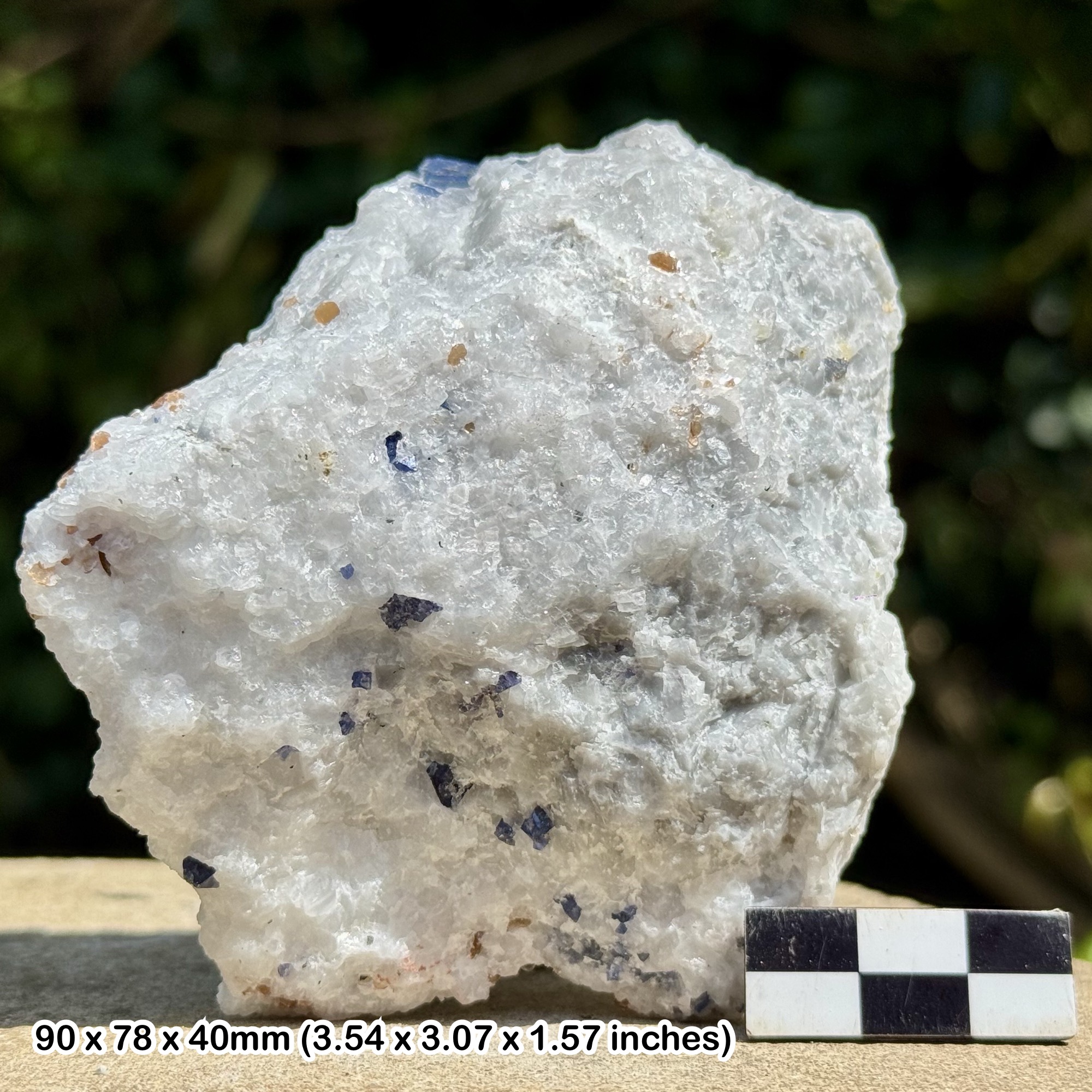
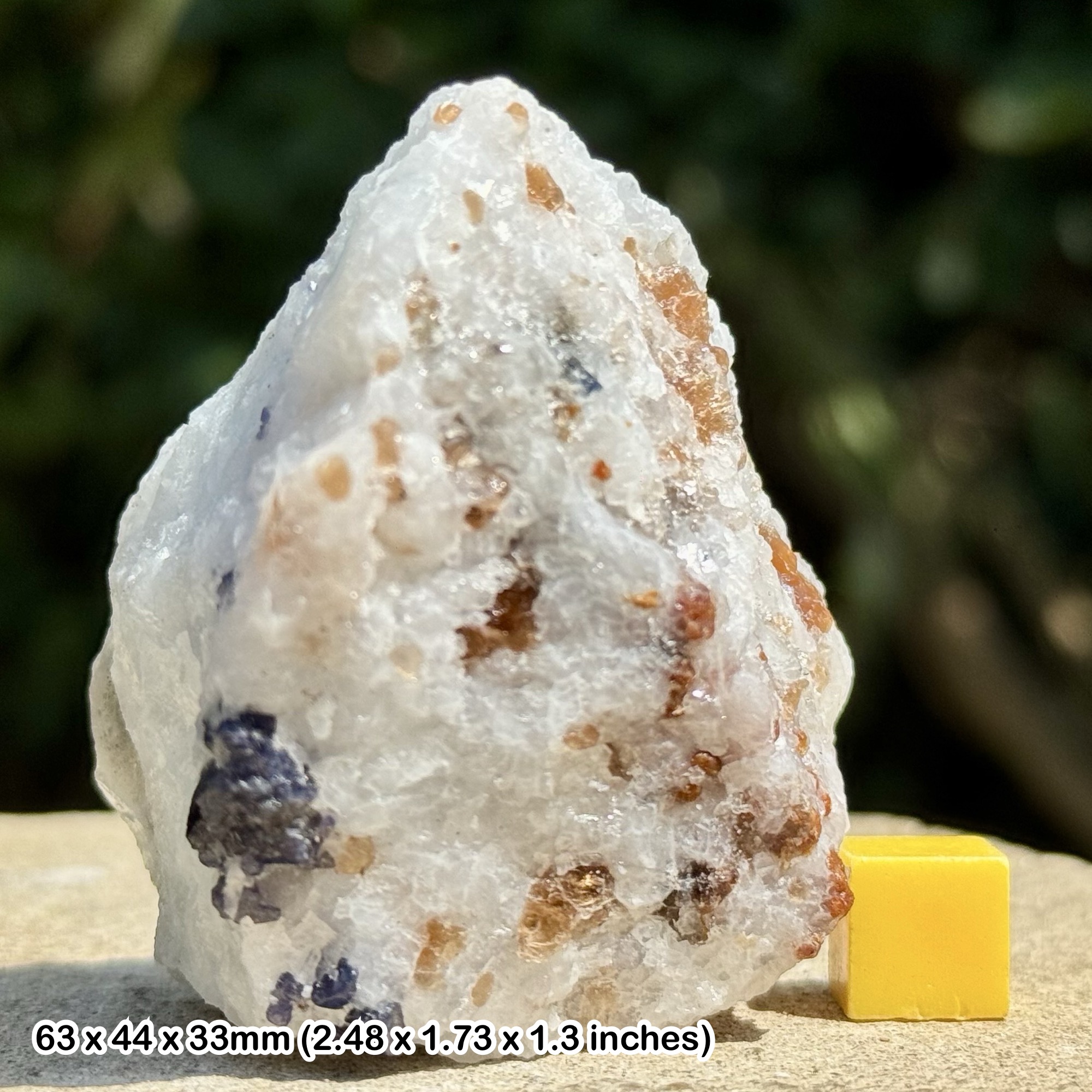
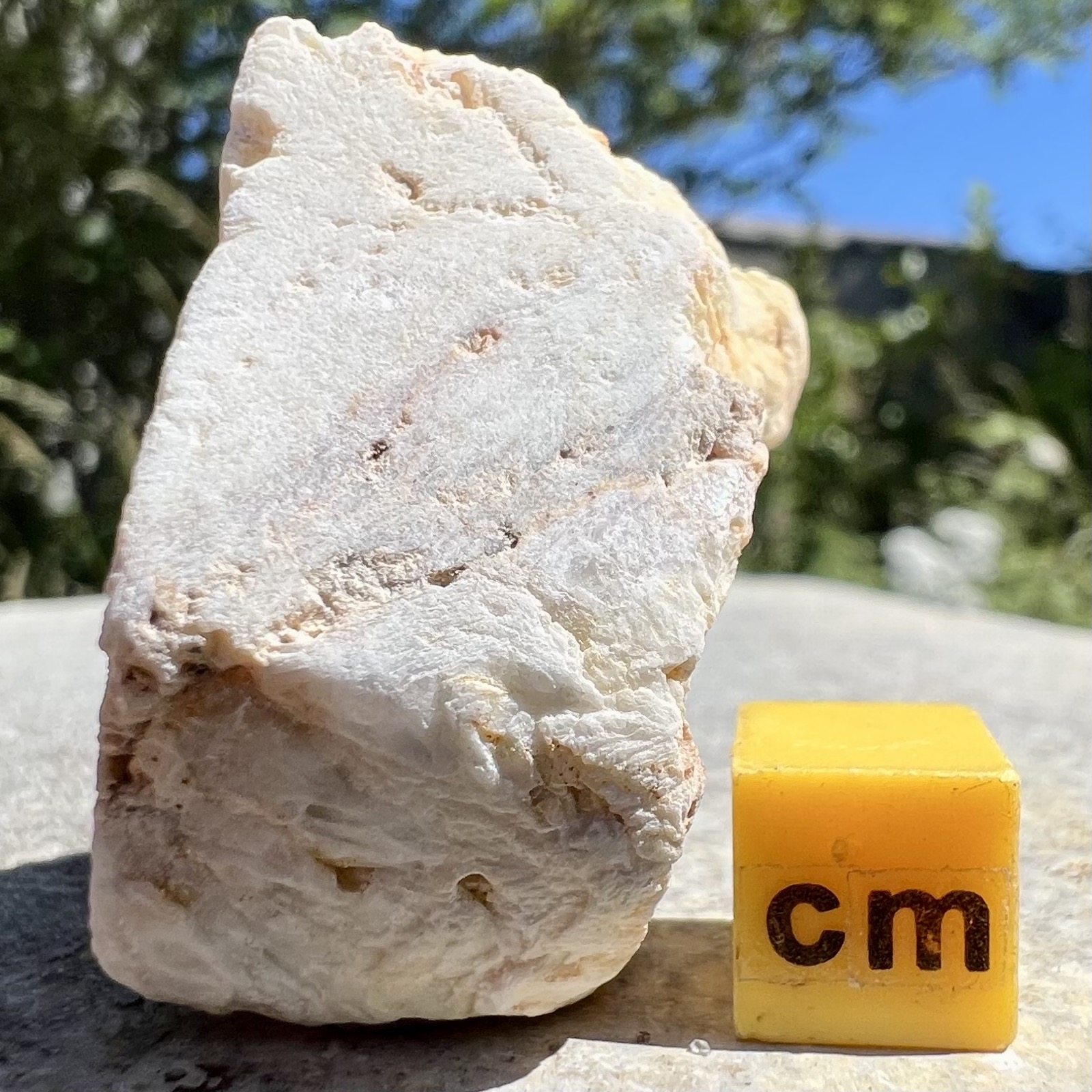
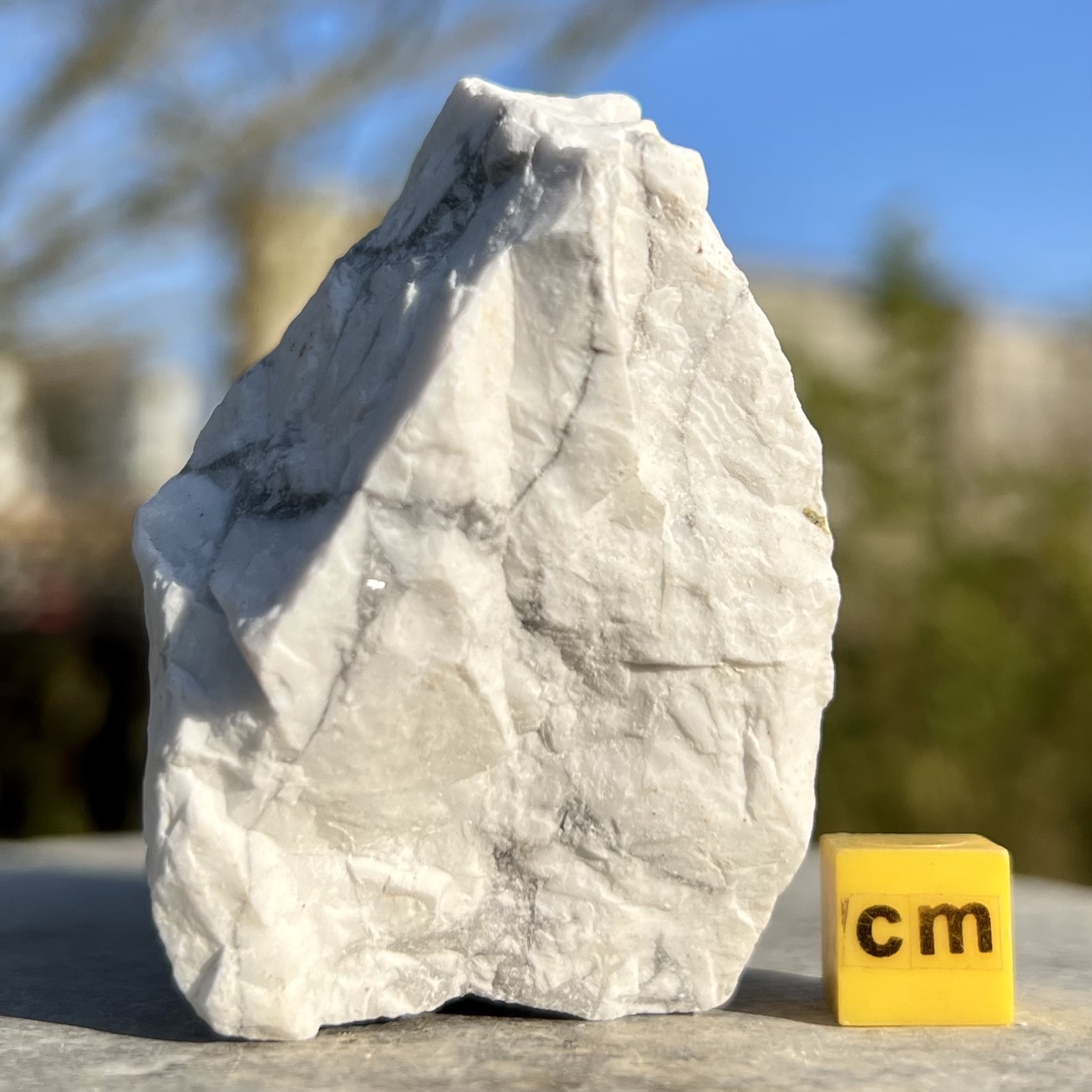
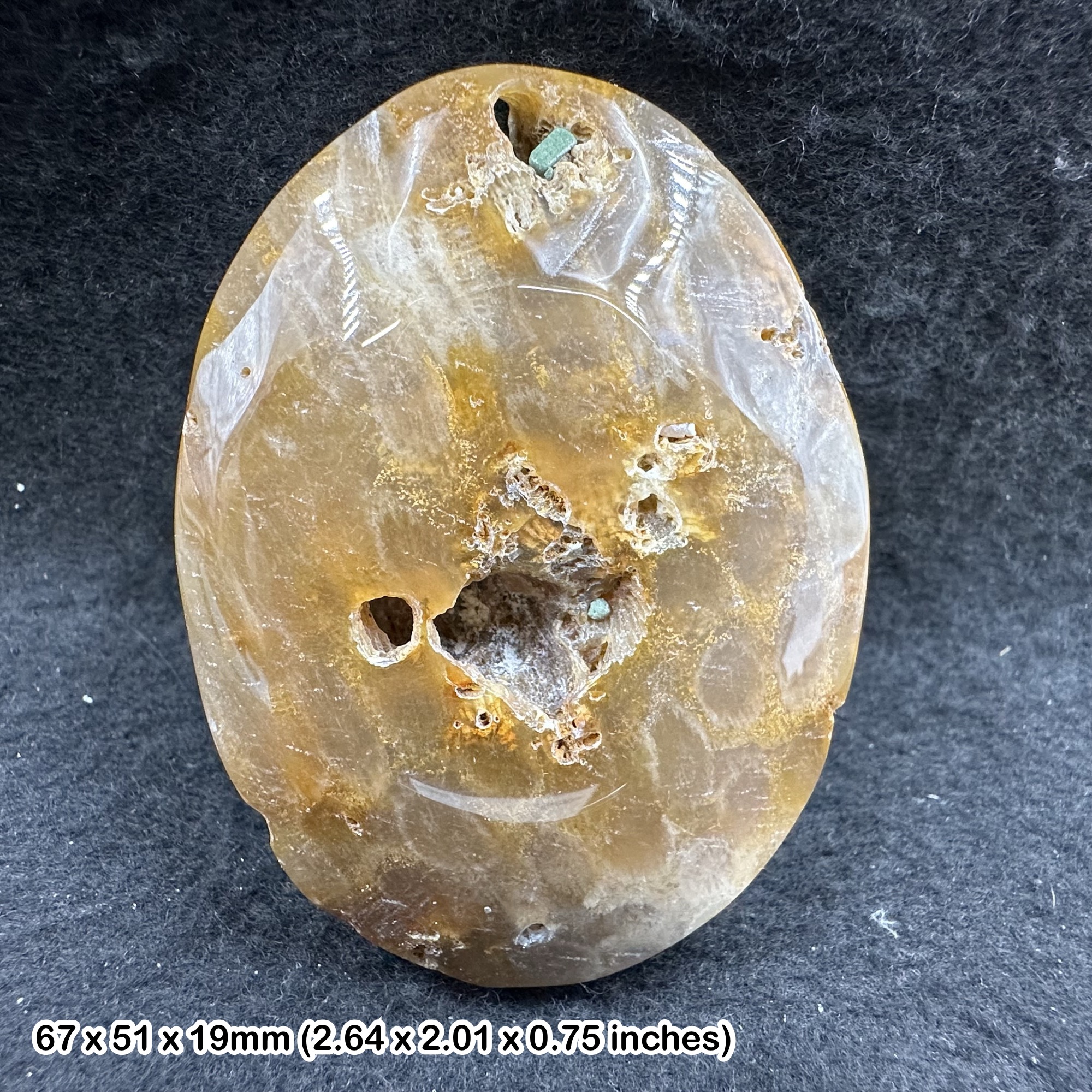
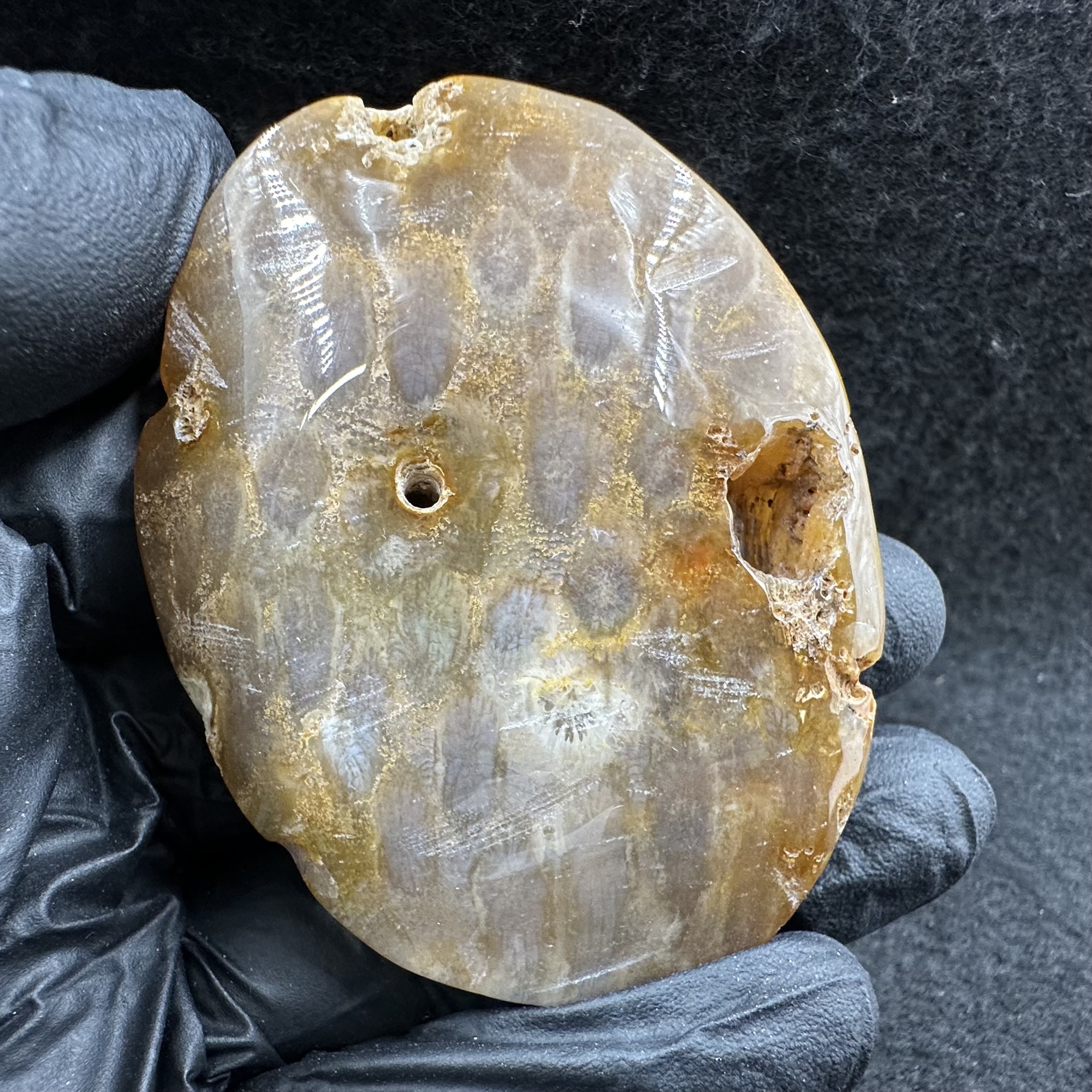
specimen carefully polished to reveal the intricate structures of ancient coral colonies fossilised over millions of years. Featuring highly detailed coral polyp patterns, organic fossil textures, and natural mineralisation, each piece offers a fascinating combination of paleontological history and geological beauty.The specimen shown in the photographs is the actual piece you will receive, making this an ideal choice for collectors who appreciate one-of-a-kind natural fossils with individually identifiable patterns and surface characteristics.Each specimen includes a Certificate of Authenticity lifetime guarantee generic card confirming the genuine nature of the fossil. ANCIENT CORAL FOSSIL FORMATIONFossil coral forms when prehistoric coral colonies become buried beneath sediment and are gradually preserved through mineral replacement processes over vast geological timescales. Originally composed of calcium carbonate skeletal structures created by marine coral organisms, the material slowly undergoes fossilisation as groundwater rich in dissolved minerals permeates the fossil.During this process, the original coral structure may become replaced or infilled with minerals such as chalcedony, quartz, calcite, or agate-like silica compounds while preserving the natural cellular formations of the coral colony. This creates the distinctive flower-like, honeycomb, or star-patterned appearance associated with polished fossil coral.These fossils provide a direct physical connection to ancient marine reef ecosystems that existed millions of years ago beneath prehistoric oceans. FOSSIL PATTERNS AND NATURAL CHARACTERISTICSEach Fossil Coral Palmstone displays naturally occurring fossil structures unique to the original coral colony and fossilisation conditions. Polishing enhances the visibility of the preserved coral detail while maintaining the authenticity of the specimen.Natural features may include:
• Fossilised coral polyp formations
• Flower-like radial fossil patterns
• Hexagonal or cellular coral structures
• Cream, beige, tan, brown, grey, or reddish colour tones
• Chalcedony or agatized mineral replacement
• Natural mineral veining and inclusions
• Smooth polished palmstone finishThe preserved structures visible throughout the fossil are genuine ancient biological formations rather than artificially created patterns, making each specimen completely individual in appearance. GEOLOGICAL AND PALEONTOLOGICAL SIGNIFICANCECorals are marine invertebrates belonging to the phylum Cnidaria and have existed in Earth’s oceans for hundreds of millions of years. Fossilised coral specimens are highly valued by fossil collectors and geologists because they preserve the original growth structures of ancient reef-building organisms.The fossilisation process commonly occurs within sedimentary environments where coral colonies become protected from rapid decomposition. Over time, silica-rich or mineral-rich groundwater gradually replaces the organic skeletal material while retaining the original structure of the coral.Some fossil coral specimens become partially agatized, meaning silica minerals crystallise within the fossil, increasing durability and enhancing natural colour and pattern visibility. Polished specimens are especially prized because the preparation process reveals internal fossil structures with exceptional clarity.These fossils represent both a biological specimen and a geological mineral formation, combining paleontology and mineralogy within a single natural display piece. COLLECTING, DISPLAY AND EDUCATIONAL USEFossil Coral Palmstones are highly popular among fossil collectors, geology enthusiasts, natural history collectors, and decorative mineral collectors. Their detailed fossil structures and polished finish make them suitable for both scientific appreciation and decorative display.This specimen is ideal for:
• Fossil and mineral collections
• Natural history displays
• Geological and paleontological study
• Educational collections
• Display cabinets and shelves
• Photography and artistic reference
• Unique nature-inspired gifts
• Office or home décor displaysFossil coral is also traditionally associated in spiritual practices with themes connected to nature, history, and ancient oceans, although these associations are cultural and historical rather than scientific. GENUINE NATURAL FOSSIL SPECIMENThis Fossil Coral Palmstone is a genuine natural fossil specimen carefully selected for its quality, fossil detail, and visual appeal. The polished surface enhances the preserved coral formations while maintaining the natural integrity of the fossil.Included with your purchase:
• Genuine Fossil Coral Palmstone fossil specimen
• Certificate of Authenticity lifetime guarantee generic card
• The exact specimen shown in the photographs
• Carefully selected polished fossil display pieceBecause this is a genuine fossil formed naturally over millions of years, the specimen contains authentic preserved coral structures, natural mineralisation patterns, and unique geological characteristics that cannot be replicated artificially.
specimen carefully polished to reveal the intricate structures of ancient coral colonies fossilised over millions of years. Featuring highly detailed coral polyp patterns, organic fossil textures, and natural mineralisation, each piece offers a fascinating combination of paleontological history and geological beauty.The specimen shown in the photographs is the actual piece you will receive, making this an ideal choice for collectors who appreciate one-of-a-kind natural fossils with individually identifiable patterns and surface characteristics.Each specimen includes a Certificate of Authenticity lifetime guarantee generic card confirming the genuine nature of the fossil. ANCIENT CORAL FOSSIL FORMATIONFossil coral forms when prehistoric coral colonies become buried beneath sediment and are gradually preserved through mineral replacement processes over vast geological timescales. Originally composed of calcium carbonate skeletal structures created by marine coral organisms, the material slowly undergoes fossilisation as groundwater rich in dissolved minerals permeates the fossil.During this process, the original coral structure may become replaced or infilled with minerals such as chalcedony, quartz, calcite, or agate-like silica compounds while preserving the natural cellular formations of the coral colony. This creates the distinctive flower-like, honeycomb, or star-patterned appearance associated with polished fossil coral.These fossils provide a direct physical connection to ancient marine reef ecosystems that existed millions of years ago beneath prehistoric oceans. FOSSIL PATTERNS AND NATURAL CHARACTERISTICSEach Fossil Coral Palmstone displays naturally occurring fossil structures unique to the original coral colony and fossilisation conditions. Polishing enhances the visibility of the preserved coral detail while maintaining the authenticity of the specimen.Natural features may include:
• Fossilised coral polyp formations
• Flower-like radial fossil patterns
• Hexagonal or cellular coral structures
• Cream, beige, tan, brown, grey, or reddish colour tones
• Chalcedony or agatized mineral replacement
• Natural mineral veining and inclusions
• Smooth polished palmstone finishThe preserved structures visible throughout the fossil are genuine ancient biological formations rather than artificially created patterns, making each specimen completely individual in appearance. GEOLOGICAL AND PALEONTOLOGICAL SIGNIFICANCECorals are marine invertebrates belonging to the phylum Cnidaria and have existed in Earth’s oceans for hundreds of millions of years. Fossilised coral specimens are highly valued by fossil collectors and geologists because they preserve the original growth structures of ancient reef-building organisms.The fossilisation process commonly occurs within sedimentary environments where coral colonies become protected from rapid decomposition. Over time, silica-rich or mineral-rich groundwater gradually replaces the organic skeletal material while retaining the original structure of the coral.Some fossil coral specimens become partially agatized, meaning silica minerals crystallise within the fossil, increasing durability and enhancing natural colour and pattern visibility. Polished specimens are especially prized because the preparation process reveals internal fossil structures with exceptional clarity.These fossils represent both a biological specimen and a geological mineral formation, combining paleontology and mineralogy within a single natural display piece. COLLECTING, DISPLAY AND EDUCATIONAL USEFossil Coral Palmstones are highly popular among fossil collectors, geology enthusiasts, natural history collectors, and decorative mineral collectors. Their detailed fossil structures and polished finish make them suitable for both scientific appreciation and decorative display.This specimen is ideal for:
• Fossil and mineral collections
• Natural history displays
• Geological and paleontological study
• Educational collections
• Display cabinets and shelves
• Photography and artistic reference
• Unique nature-inspired gifts
• Office or home décor displaysFossil coral is also traditionally associated in spiritual practices with themes connected to nature, history, and ancient oceans, although these associations are cultural and historical rather than scientific. GENUINE NATURAL FOSSIL SPECIMENThis Fossil Coral Palmstone is a genuine natural fossil specimen carefully selected for its quality, fossil detail, and visual appeal. The polished surface enhances the preserved coral formations while maintaining the natural integrity of the fossil.Included with your purchase:
• Genuine Fossil Coral Palmstone fossil specimen
• Certificate of Authenticity lifetime guarantee generic card
• The exact specimen shown in the photographs
• Carefully selected polished fossil display pieceBecause this is a genuine fossil formed naturally over millions of years, the specimen contains authentic preserved coral structures, natural mineralisation patterns, and unique geological characteristics that cannot be replicated artificially.
Other Products