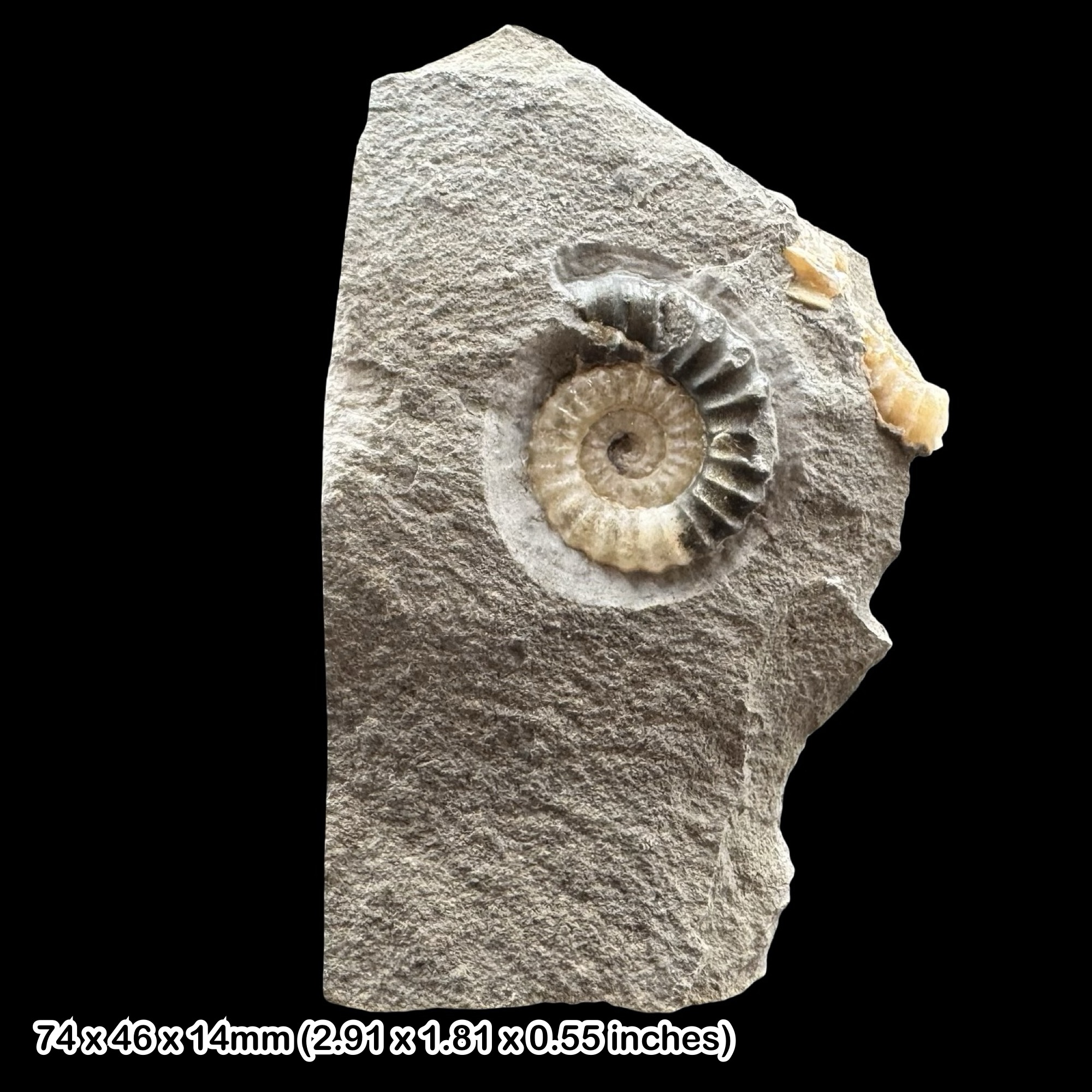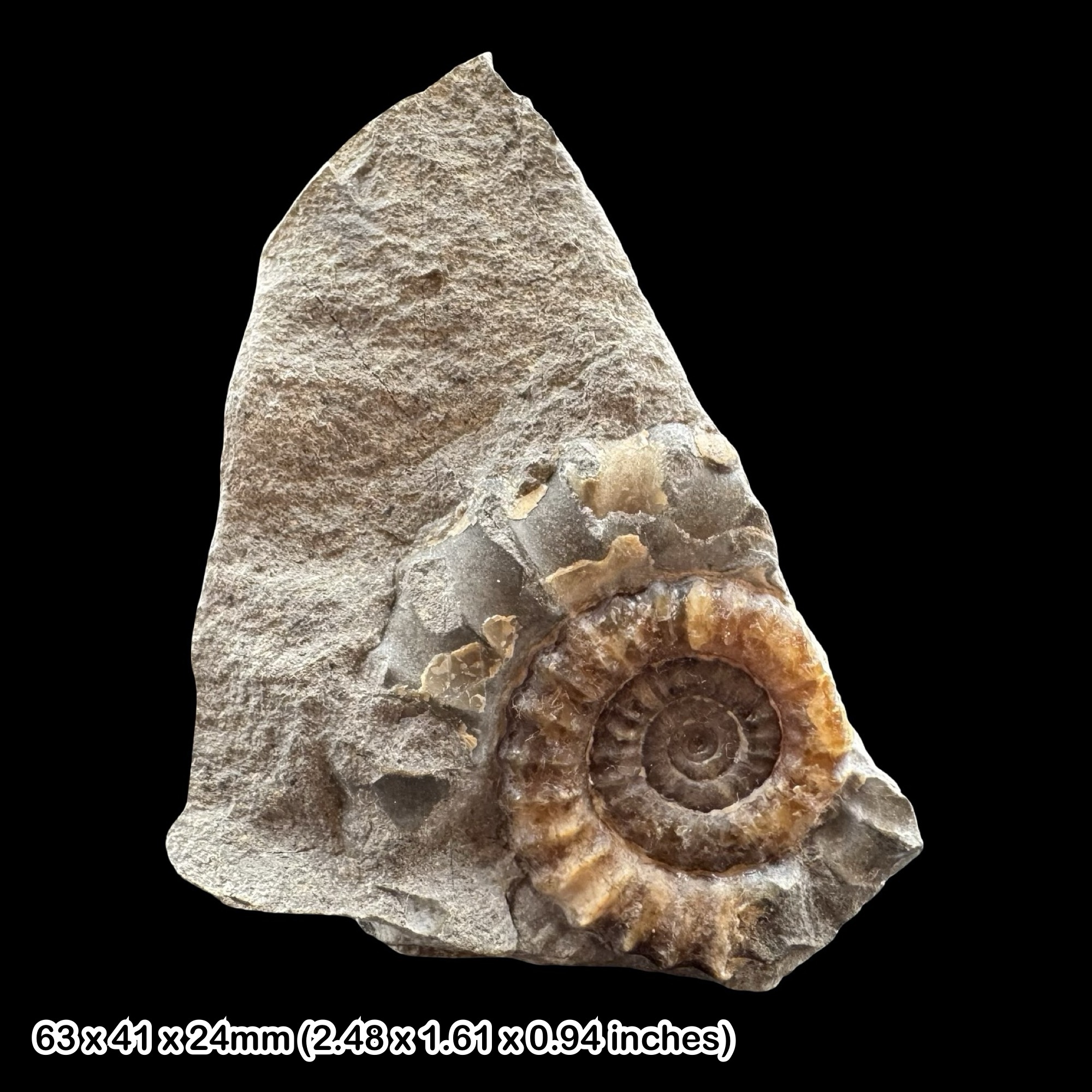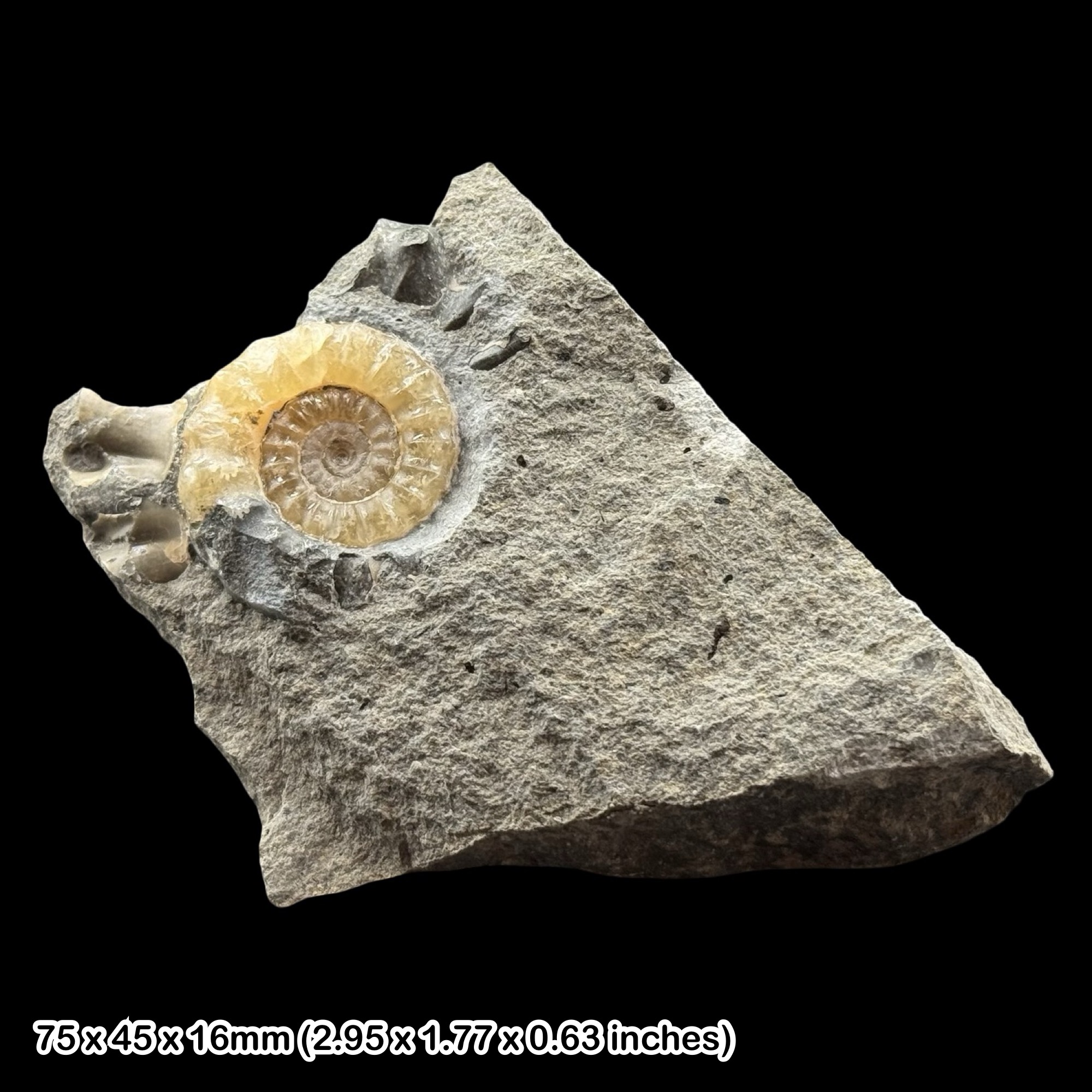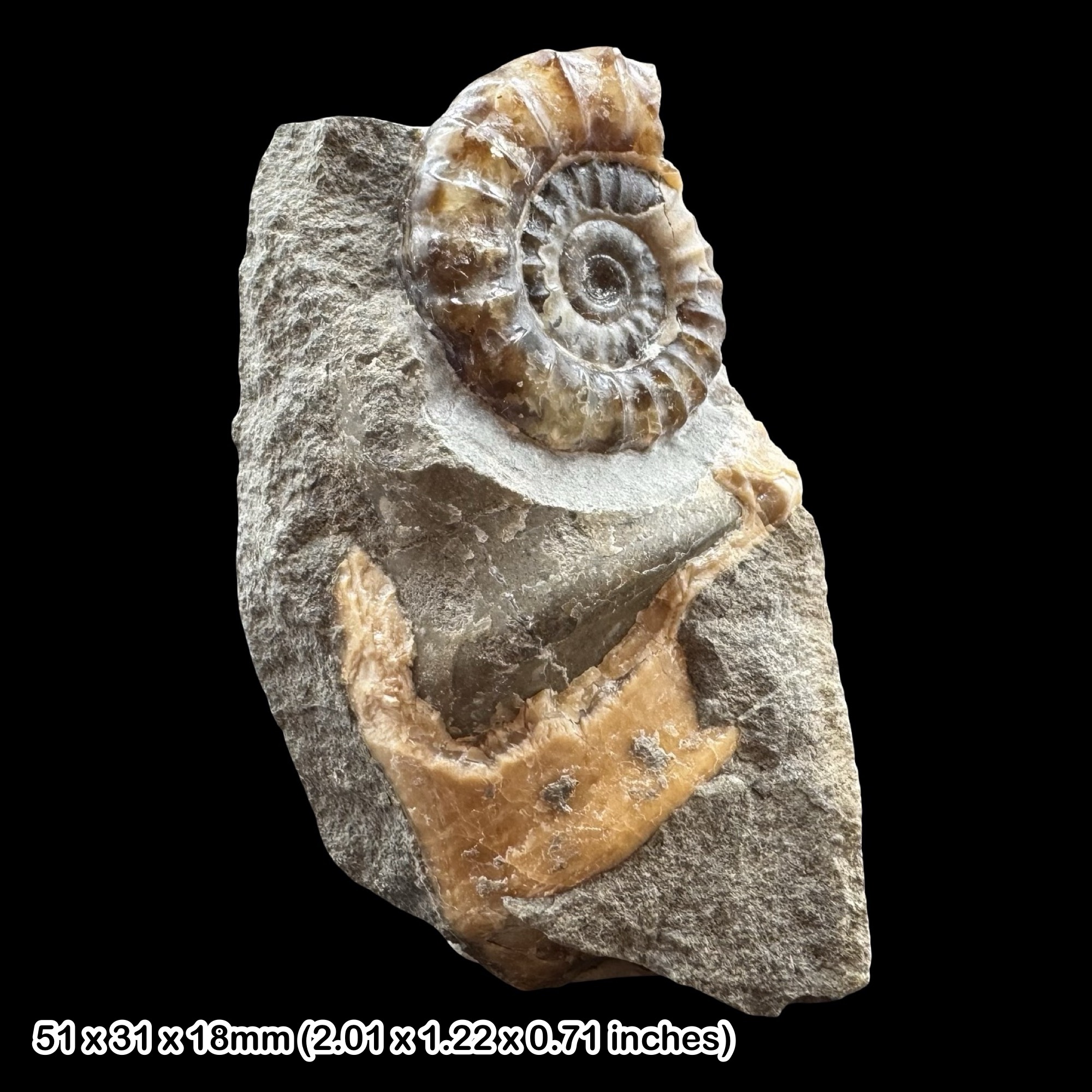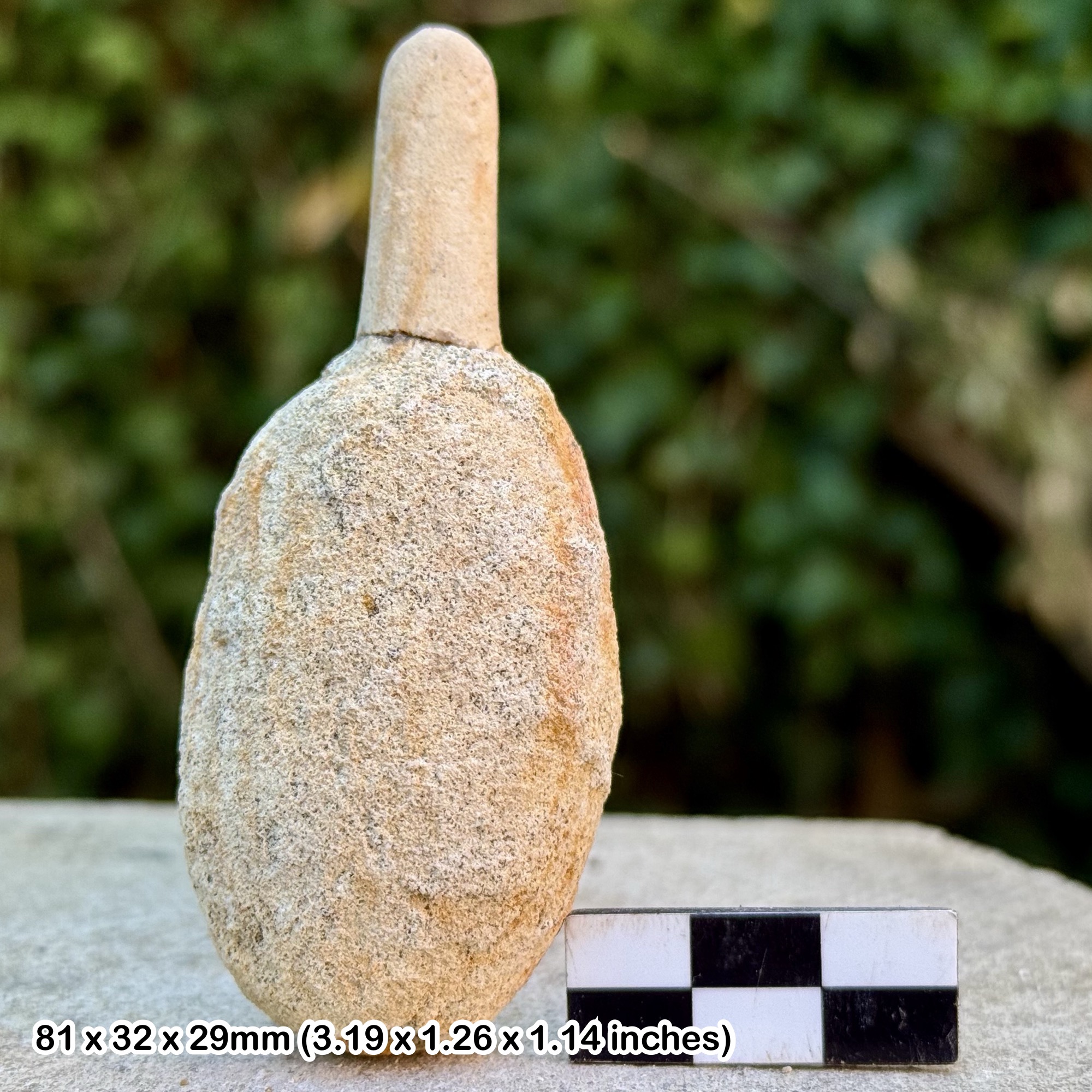
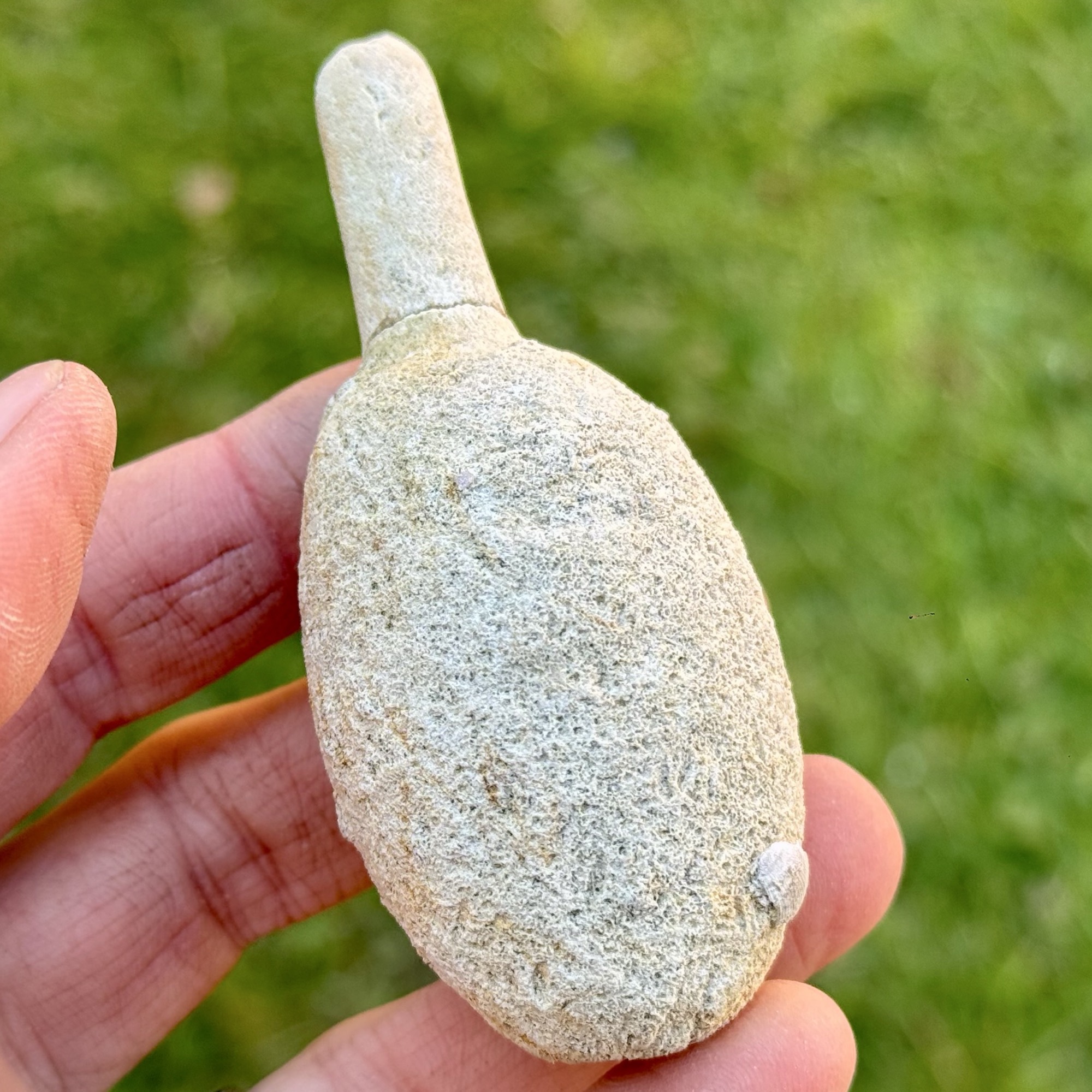
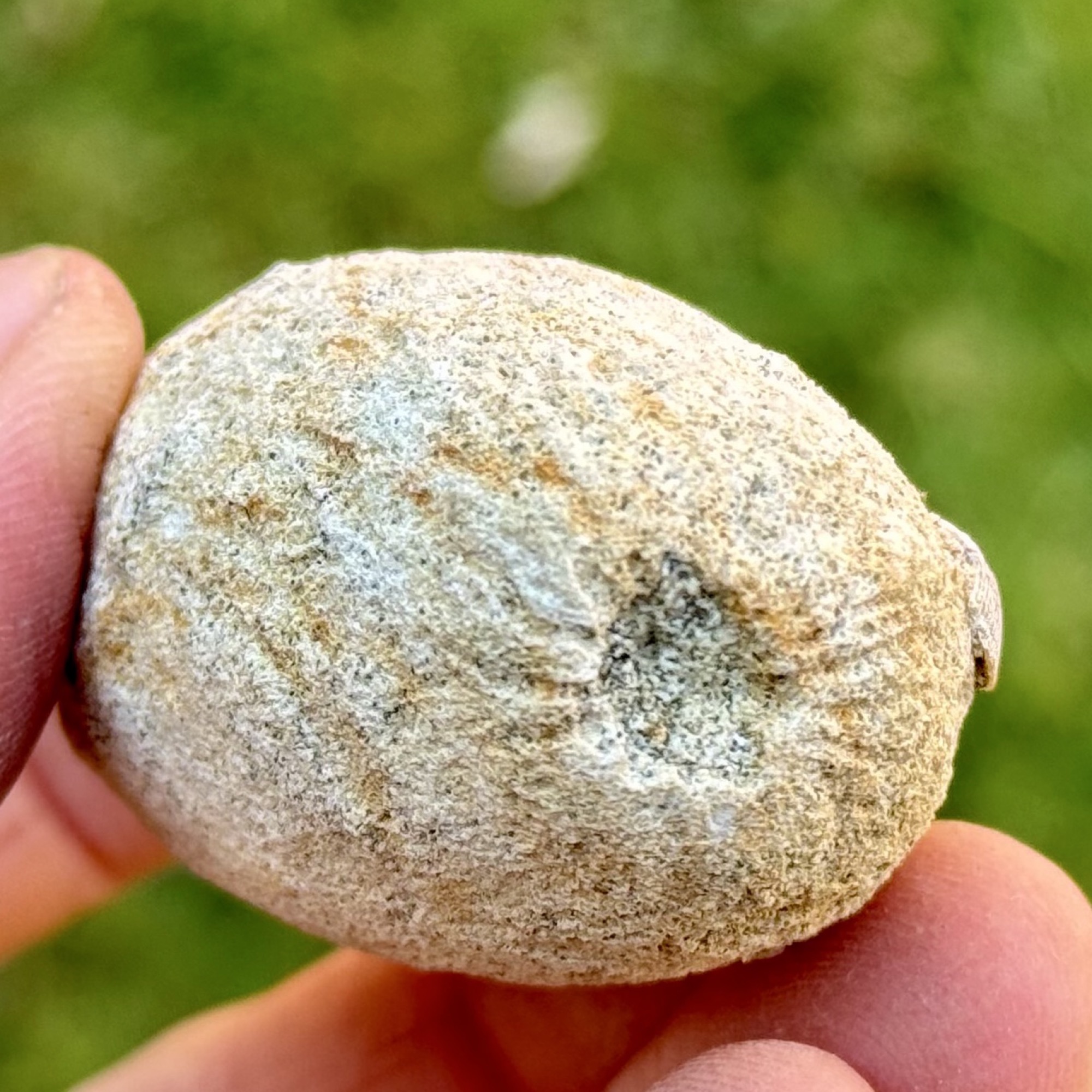
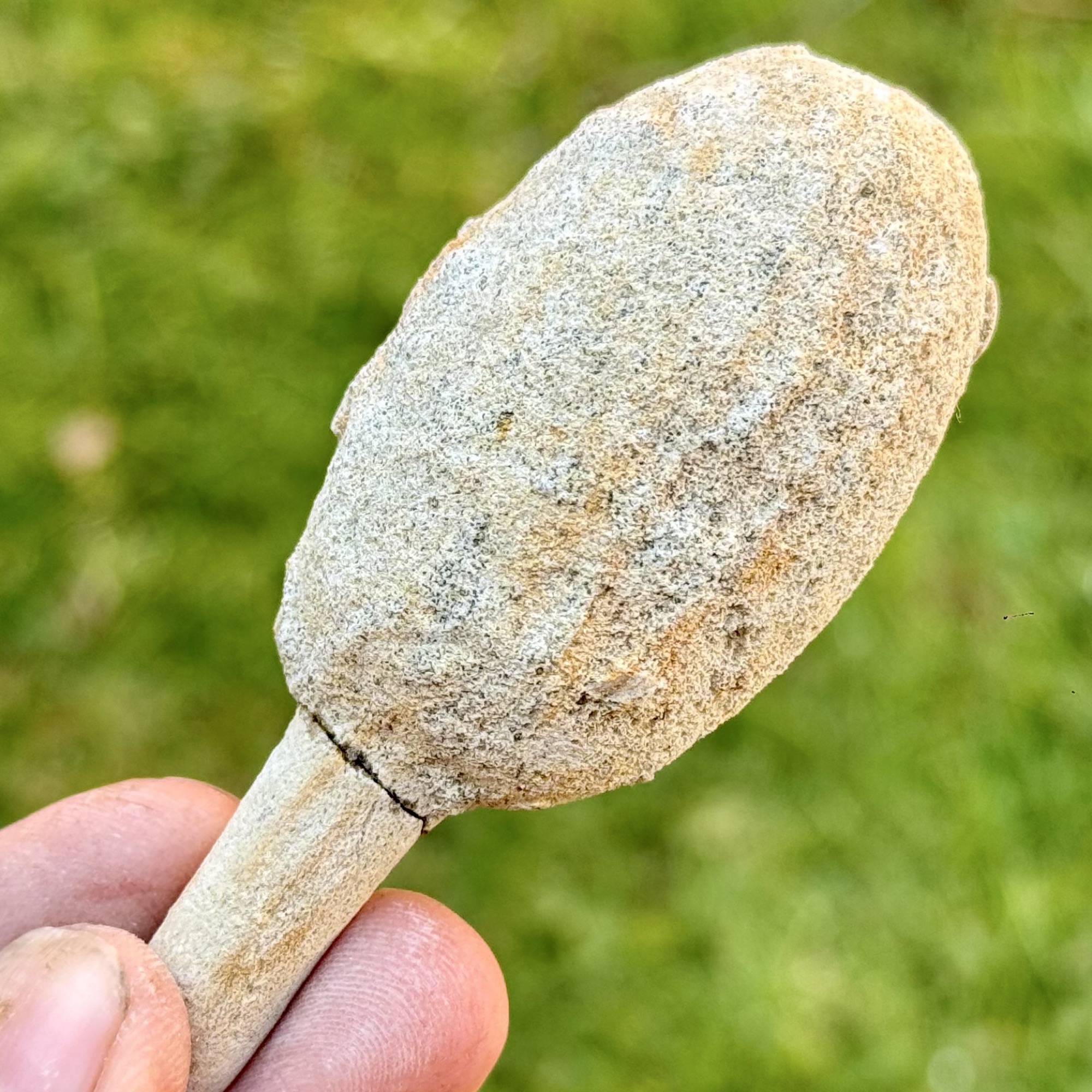
EXCEPTIONALLY RARE: Siphonia tulipa Fossil Sponge | Upper Albian Cretaceous Haldon Hills Devon UK | Genuine Specimen with COA
£ 420.00
Discover an exceptionally rare and scientifically significant fossil—this
beautifully preserved specimen of Siphonia tulipa, an extinct Cretaceous sponge from the Upper Albian stage of the Cretaceous period, collected from the Upper Greensand Formation of the Haldon Hills, Devon, UK. Sponges of this calibre and preservation are seldom found and highly sought after by collectors and researchers alike.Fossil Type: Sponge (Porifera)Species: Siphonia tulipaGeological Period: Cretaceous (~113 to 100.5 million years ago)Geological Stage: Upper AlbianFormation: Upper GreensandLocation: Haldon Hills, Devon, United KingdomScale Rule: Squares/Cube = 1cm (Please refer to the photo for accurate sizing)Specimen: The specimen shown in the photo is the exact one you will receiveAuthenticity: All of our fossils are 100% genuine specimens and come with a Certificate of Authenticity GEOLOGICAL AND PALEONTOLOGICAL INFORMATIONSiphonia tulipa is a genus of extinct siliceous sponge characterised by its elegant vase- or tulip-shaped body, often with a central osculum (opening) and stalked base for attachment to the seafloor. These sponges lived in shallow marine environments during the Upper Albian of the Cretaceous period, a time marked by significant marine diversification.
• Phylum: Porifera
• Class: Demospongiae
• Order: Hadromerida
• Family: Siphoniidae
• Genus: Siphonia
• Species: Siphonia tulipa
• Geological Stage: Upper Albian (~105 million years ago)
• Depositional Environment: Shallow, warm marine shelf with calcareous and glauconitic sandy sediments typical of the Upper Greensand; ideal for sponge colonization and fossilization
• Morphological Features: Distinctive tulip or flask-shaped body with a central osculum; typically hollow with preserved internal canal structures; fine surface texture may show radial ridging or tubercles
• Notable: Fossils of Siphonia tulipa from Haldon Hills are extremely rare and prized for their completeness and clarity of preservation
• Biozone: Correlates with Upper Albian ammonite zones (e.g., Mortoniceras inflatum Zone), aiding regional stratigraphic dating
• Identifier: First formally described in 19th-century British paleontological literature during the survey of the Upper Greensand faunas WHY THIS FOSSIL IS SPECIALThis is not your average fossil sponge—Siphonia tulipa is exceptionally rare, especially in such a well-preserved state from the classic Upper Greensand of Devon. Its beautiful form, striking preservation, and scientific relevance make it a centrepiece for any fossil collection or educational exhibit. WHY BUY FROM US?
• 100% genuine fossil with Certificate of Authenticity
• Exact specimen shown is what you’ll receive
• Carefully sourced from historic UK fossil sites
• Ideal for collectors, researchers, and museumsSecure this remarkable example of ancient marine life—an exceptionally rare Siphonia tulipa fossil sponge from the Upper Albian Cretaceous of Haldon Hills, Devon, preserved for over 100 million years beneath England’s prehistoric seas.
beautifully preserved specimen of Siphonia tulipa, an extinct Cretaceous sponge from the Upper Albian stage of the Cretaceous period, collected from the Upper Greensand Formation of the Haldon Hills, Devon, UK. Sponges of this calibre and preservation are seldom found and highly sought after by collectors and researchers alike.Fossil Type: Sponge (Porifera)Species: Siphonia tulipaGeological Period: Cretaceous (~113 to 100.5 million years ago)Geological Stage: Upper AlbianFormation: Upper GreensandLocation: Haldon Hills, Devon, United KingdomScale Rule: Squares/Cube = 1cm (Please refer to the photo for accurate sizing)Specimen: The specimen shown in the photo is the exact one you will receiveAuthenticity: All of our fossils are 100% genuine specimens and come with a Certificate of Authenticity GEOLOGICAL AND PALEONTOLOGICAL INFORMATIONSiphonia tulipa is a genus of extinct siliceous sponge characterised by its elegant vase- or tulip-shaped body, often with a central osculum (opening) and stalked base for attachment to the seafloor. These sponges lived in shallow marine environments during the Upper Albian of the Cretaceous period, a time marked by significant marine diversification.
• Phylum: Porifera
• Class: Demospongiae
• Order: Hadromerida
• Family: Siphoniidae
• Genus: Siphonia
• Species: Siphonia tulipa
• Geological Stage: Upper Albian (~105 million years ago)
• Depositional Environment: Shallow, warm marine shelf with calcareous and glauconitic sandy sediments typical of the Upper Greensand; ideal for sponge colonization and fossilization
• Morphological Features: Distinctive tulip or flask-shaped body with a central osculum; typically hollow with preserved internal canal structures; fine surface texture may show radial ridging or tubercles
• Notable: Fossils of Siphonia tulipa from Haldon Hills are extremely rare and prized for their completeness and clarity of preservation
• Biozone: Correlates with Upper Albian ammonite zones (e.g., Mortoniceras inflatum Zone), aiding regional stratigraphic dating
• Identifier: First formally described in 19th-century British paleontological literature during the survey of the Upper Greensand faunas WHY THIS FOSSIL IS SPECIALThis is not your average fossil sponge—Siphonia tulipa is exceptionally rare, especially in such a well-preserved state from the classic Upper Greensand of Devon. Its beautiful form, striking preservation, and scientific relevance make it a centrepiece for any fossil collection or educational exhibit. WHY BUY FROM US?
• 100% genuine fossil with Certificate of Authenticity
• Exact specimen shown is what you’ll receive
• Carefully sourced from historic UK fossil sites
• Ideal for collectors, researchers, and museumsSecure this remarkable example of ancient marine life—an exceptionally rare Siphonia tulipa fossil sponge from the Upper Albian Cretaceous of Haldon Hills, Devon, preserved for over 100 million years beneath England’s prehistoric seas.
Other Products