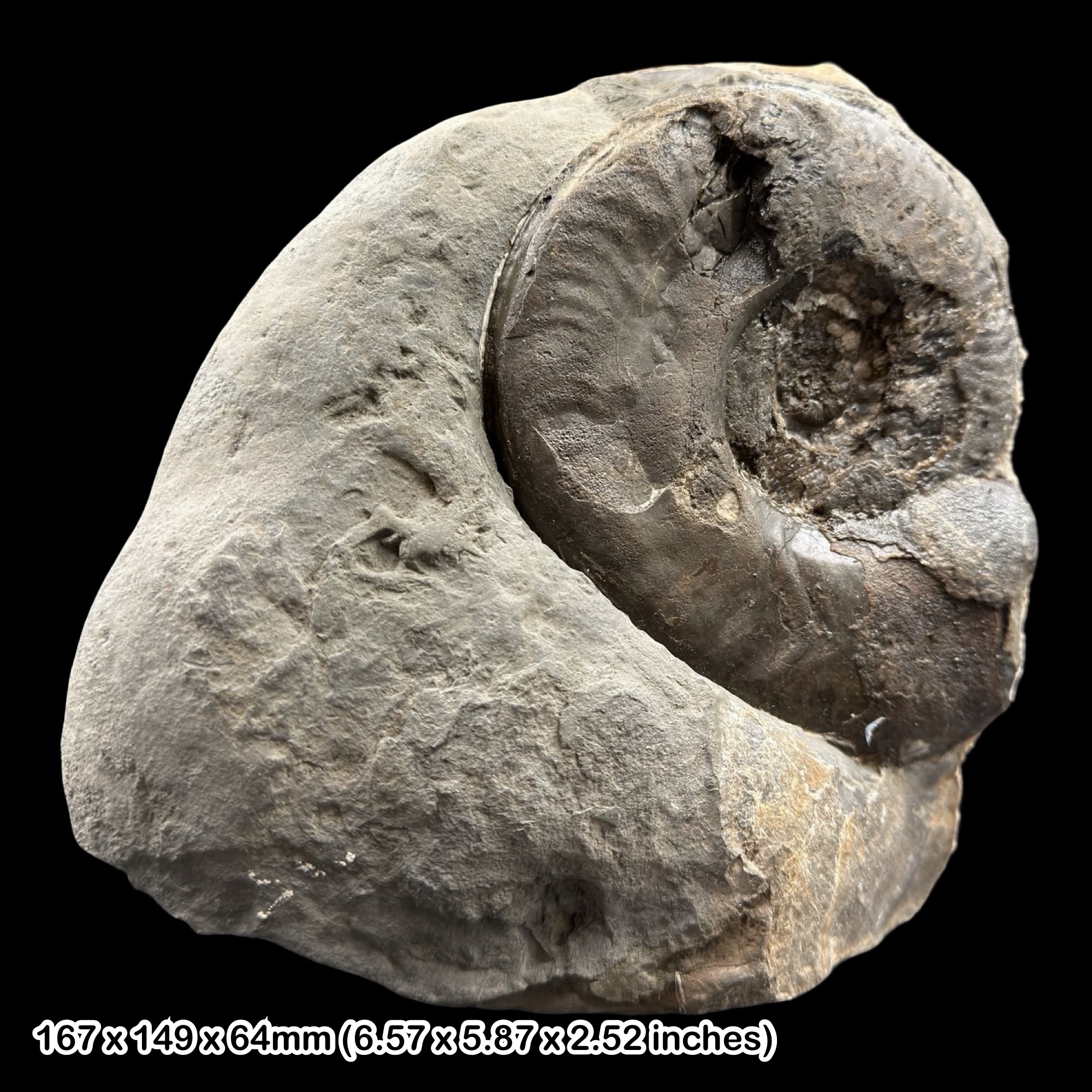
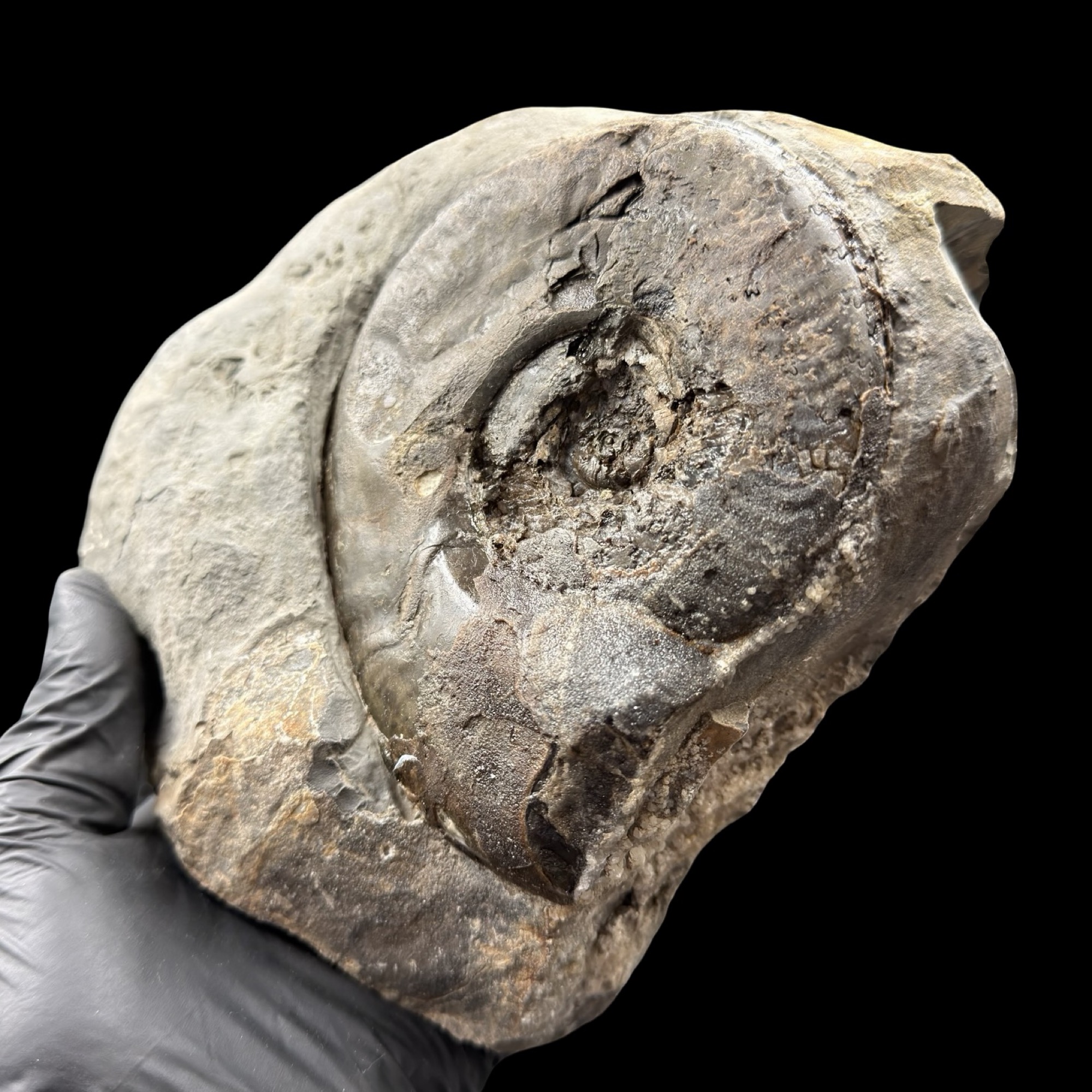
Harpoceras Fossil Ammonite Jurassic Yorkshire UK Genuine Specimen Certificate Authenticity Rare Lower Toarcian Collector Display
£ 60.00
Harpoceras Fossil Ammonite – Lower Toarcian Jurassic of YorkshireThis important fossil ammonite from the genus Harpoceras originates from the
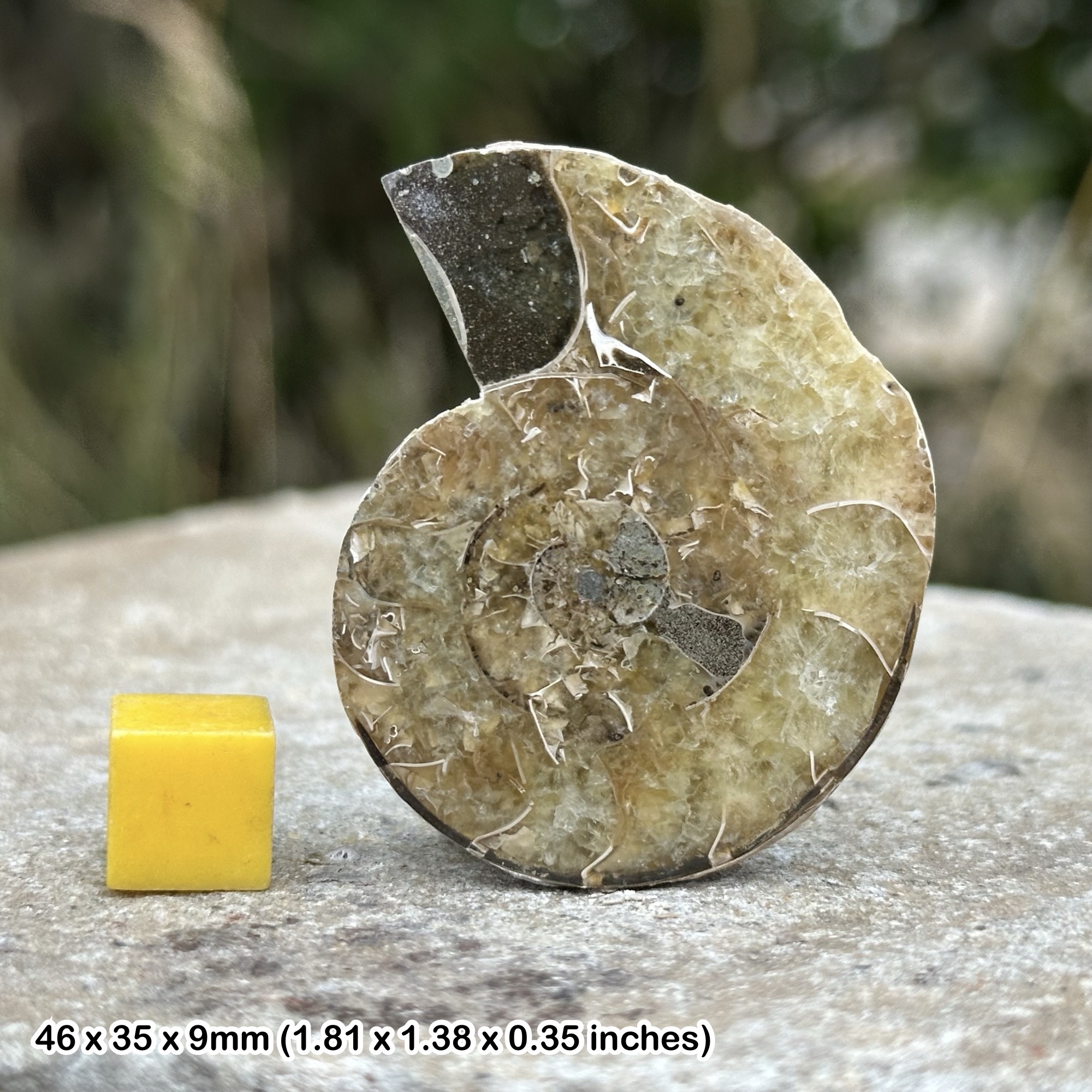
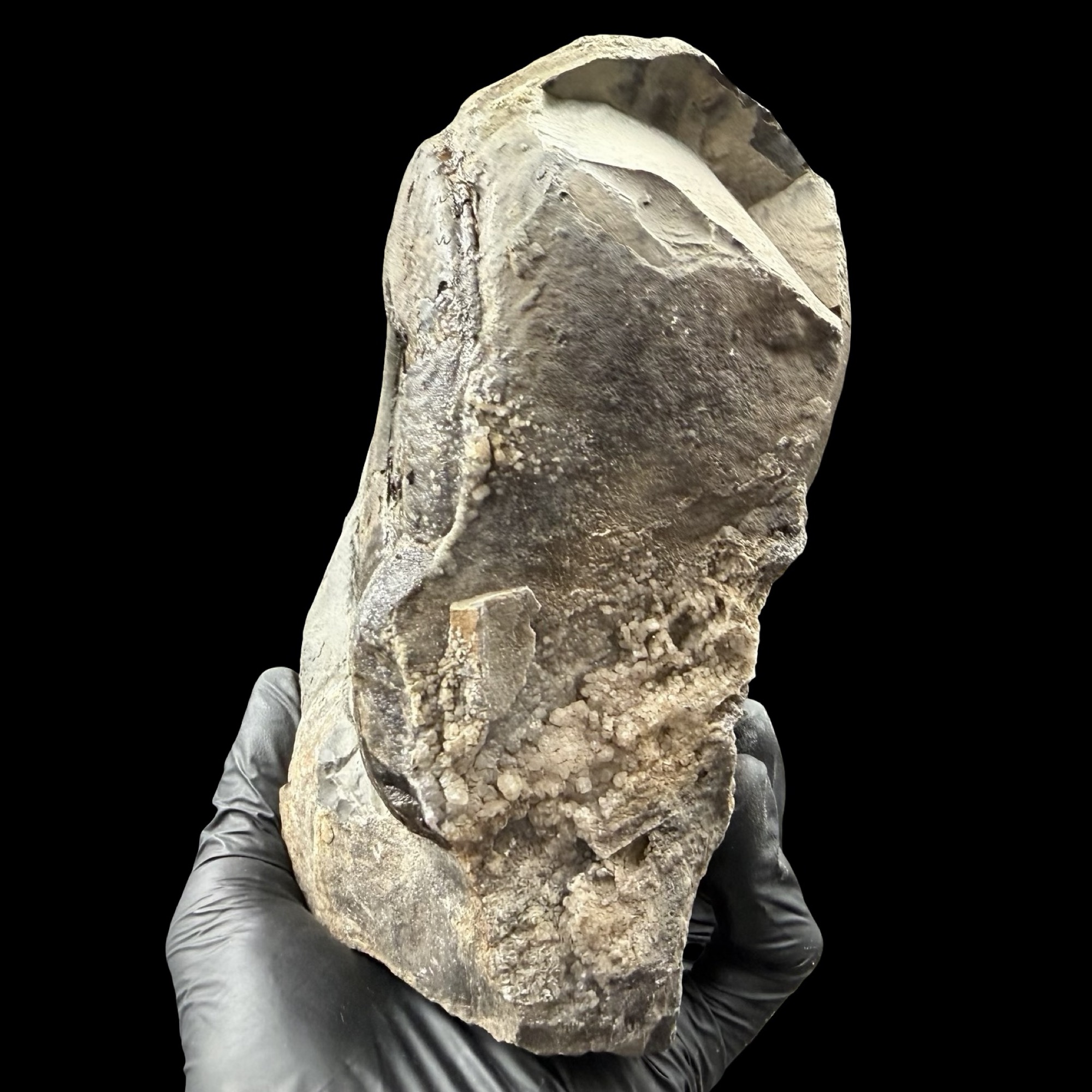
Lower Toarcian deposits of Kettleness on the Yorkshire coast, United Kingdom. Dating to approximately 183 million years ago, this specimen represents a classic Early Jurassic marine fossil from one of Britain’s most iconic fossil-hunting locations.Discovered by our dedicated team members, Alister and Alison, this ammonite has been expertly cleaned, prepared, and treated by Alison to reveal its natural structure while preserving its authenticity. The exact specimen shown in the photographs is the one you will receive, making this a unique and highly collectible piece.Geological Setting and StratigraphyThe Lower Toarcian stage forms part of the Lias Group, a sequence of marine sediments deposited in a relatively deep, calm sea. The Kettleness exposures are particularly known for their finely layered shales and mudstones, which have yielded a wide variety of exceptionally preserved fossils.This interval is associated with well-defined ammonite biozones, including those characterised by Harpoceras species. These ammonites are widely used as index fossils, helping geologists accurately date and correlate Jurassic rock layers across Europe.Taxonomy and Scientific ClassificationHarpoceras belongs to the order Ammonitida and the superfamily Hildoceratoidea, a group recognised for their streamlined shells and evolutionary importance during the Early Jurassic. These cephalopods were active marine predators, closely related to modern squid and octopus.The genus is especially notable for its refined morphology and is commonly associated with the Harpoceras falciferum Zone, a key stratigraphic marker within the Lower Toarcian.Morphology and Shell CharacteristicsThis specimen displays the elegant, compressed shell form typical of Harpoceras. The planispiral coiling is well defined, with a relatively narrow whorl section and a smooth to finely ribbed surface. Unlike more heavily ornamented ammonites, Harpoceras is known for its streamlined appearance.A prominent keel runs along the outer margin of the shell, a defining feature that would have improved hydrodynamic efficiency as the animal moved through the water. Subtle growth lines are visible across the surface, reflecting the gradual development of the shell throughout the organism’s life.The natural mineralisation enhances the fossil’s visual appeal, highlighting its form and preserving fine details that make it both scientifically valuable and aesthetically pleasing.Depositional Environment and PreservationDuring the Toarcian, the Yorkshire region was submerged beneath a marine basin where fine sediments accumulated steadily. Periods of low oxygen on the sea floor helped protect organic remains from decay, allowing delicate fossils like ammonites to be preserved in remarkable detail.This specimen has been carefully prepared by Alison to expose its features while retaining elements of the surrounding matrix. The balance between fossil and host rock creates a striking display and maintains the fossil’s natural context.Full sizing can be confirmed via the provided photographs.Authenticity and ProvenanceThis fossil is a genuine specimen and includes a Certificate of Authenticity lifetime guarantee card, ensuring confidence in its origin and identification. Every fossil we offer is responsibly sourced and handled directly by our team, providing full traceability from discovery to final preparation.Collector Appeal and Display QualityAmmonites from the Yorkshire Jurassic coast are highly prized for their quality and historical significance. This Harpoceras specimen stands out for its elegant form and excellent preservation, making it a desirable addition to any fossil collection.Ideal for collectors of ammonites, Jurassic fossils, or British geological specimens, this piece offers both scientific insight and strong visual impact. Whether displayed in a cabinet, office, or study, it provides a direct connection to the ancient seas that once covered the United Kingdom.
Lower Toarcian deposits of Kettleness on the Yorkshire coast, United Kingdom. Dating to approximately 183 million years ago, this specimen represents a classic Early Jurassic marine fossil from one of Britain’s most iconic fossil-hunting locations.Discovered by our dedicated team members, Alister and Alison, this ammonite has been expertly cleaned, prepared, and treated by Alison to reveal its natural structure while preserving its authenticity. The exact specimen shown in the photographs is the one you will receive, making this a unique and highly collectible piece.Geological Setting and StratigraphyThe Lower Toarcian stage forms part of the Lias Group, a sequence of marine sediments deposited in a relatively deep, calm sea. The Kettleness exposures are particularly known for their finely layered shales and mudstones, which have yielded a wide variety of exceptionally preserved fossils.This interval is associated with well-defined ammonite biozones, including those characterised by Harpoceras species. These ammonites are widely used as index fossils, helping geologists accurately date and correlate Jurassic rock layers across Europe.Taxonomy and Scientific ClassificationHarpoceras belongs to the order Ammonitida and the superfamily Hildoceratoidea, a group recognised for their streamlined shells and evolutionary importance during the Early Jurassic. These cephalopods were active marine predators, closely related to modern squid and octopus.The genus is especially notable for its refined morphology and is commonly associated with the Harpoceras falciferum Zone, a key stratigraphic marker within the Lower Toarcian.Morphology and Shell CharacteristicsThis specimen displays the elegant, compressed shell form typical of Harpoceras. The planispiral coiling is well defined, with a relatively narrow whorl section and a smooth to finely ribbed surface. Unlike more heavily ornamented ammonites, Harpoceras is known for its streamlined appearance.A prominent keel runs along the outer margin of the shell, a defining feature that would have improved hydrodynamic efficiency as the animal moved through the water. Subtle growth lines are visible across the surface, reflecting the gradual development of the shell throughout the organism’s life.The natural mineralisation enhances the fossil’s visual appeal, highlighting its form and preserving fine details that make it both scientifically valuable and aesthetically pleasing.Depositional Environment and PreservationDuring the Toarcian, the Yorkshire region was submerged beneath a marine basin where fine sediments accumulated steadily. Periods of low oxygen on the sea floor helped protect organic remains from decay, allowing delicate fossils like ammonites to be preserved in remarkable detail.This specimen has been carefully prepared by Alison to expose its features while retaining elements of the surrounding matrix. The balance between fossil and host rock creates a striking display and maintains the fossil’s natural context.Full sizing can be confirmed via the provided photographs.Authenticity and ProvenanceThis fossil is a genuine specimen and includes a Certificate of Authenticity lifetime guarantee card, ensuring confidence in its origin and identification. Every fossil we offer is responsibly sourced and handled directly by our team, providing full traceability from discovery to final preparation.Collector Appeal and Display QualityAmmonites from the Yorkshire Jurassic coast are highly prized for their quality and historical significance. This Harpoceras specimen stands out for its elegant form and excellent preservation, making it a desirable addition to any fossil collection.Ideal for collectors of ammonites, Jurassic fossils, or British geological specimens, this piece offers both scientific insight and strong visual impact. Whether displayed in a cabinet, office, or study, it provides a direct connection to the ancient seas that once covered the United Kingdom.
Other Products