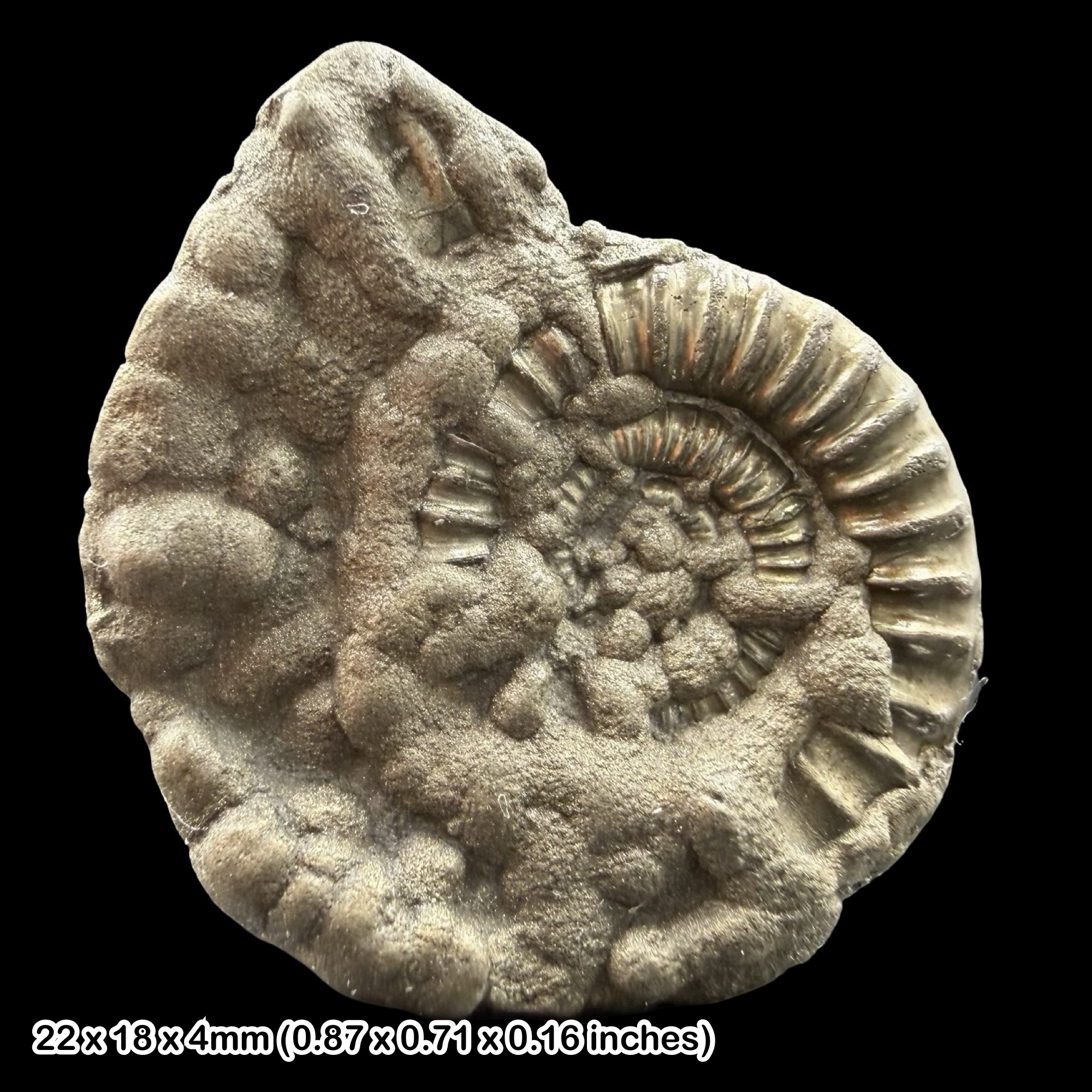
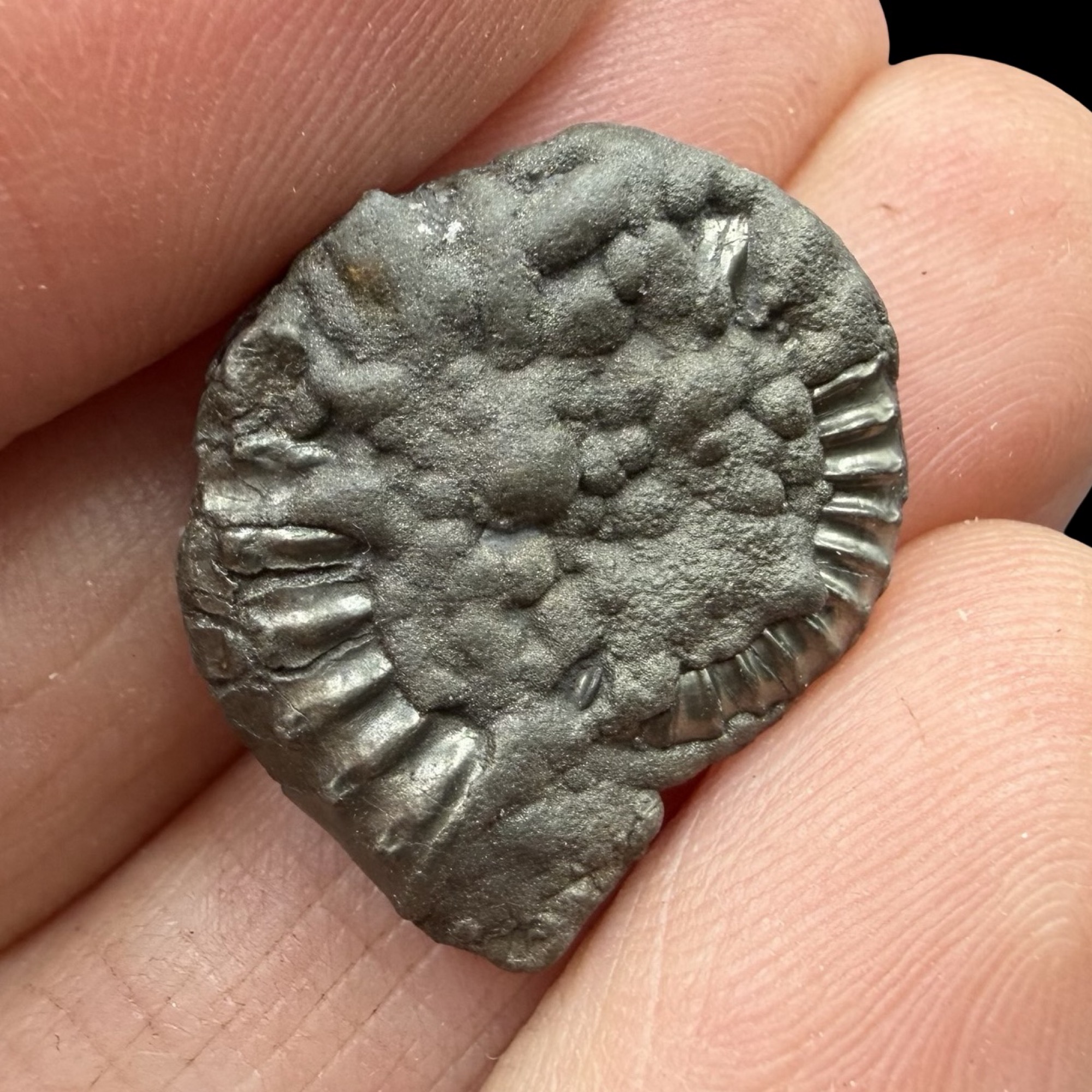
Crucilobiceras Golden Pyrite Ammonite Fossil Jurassic Dorset UK Black Ven Marls Lower Lias Stonebarrow Cliff Charmouth Lyme Regis
£ 14.40
GENUINE GOLDEN PYRITE CRUCILOBICERAS AMMONITE FROM THE JURASSIC COASTOffered here is a superb Crucilobiceras golden pyrite ammonite fossil, collected
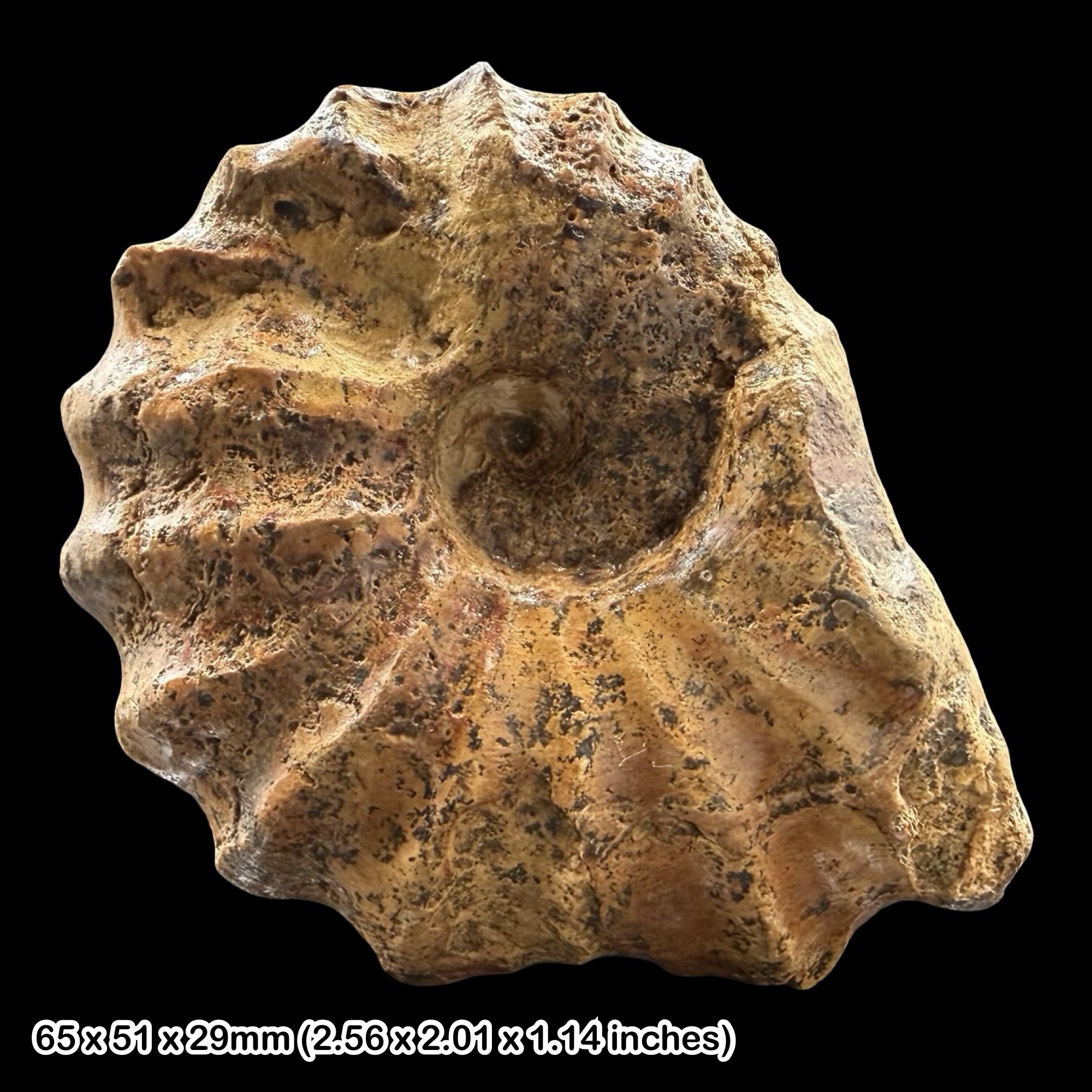
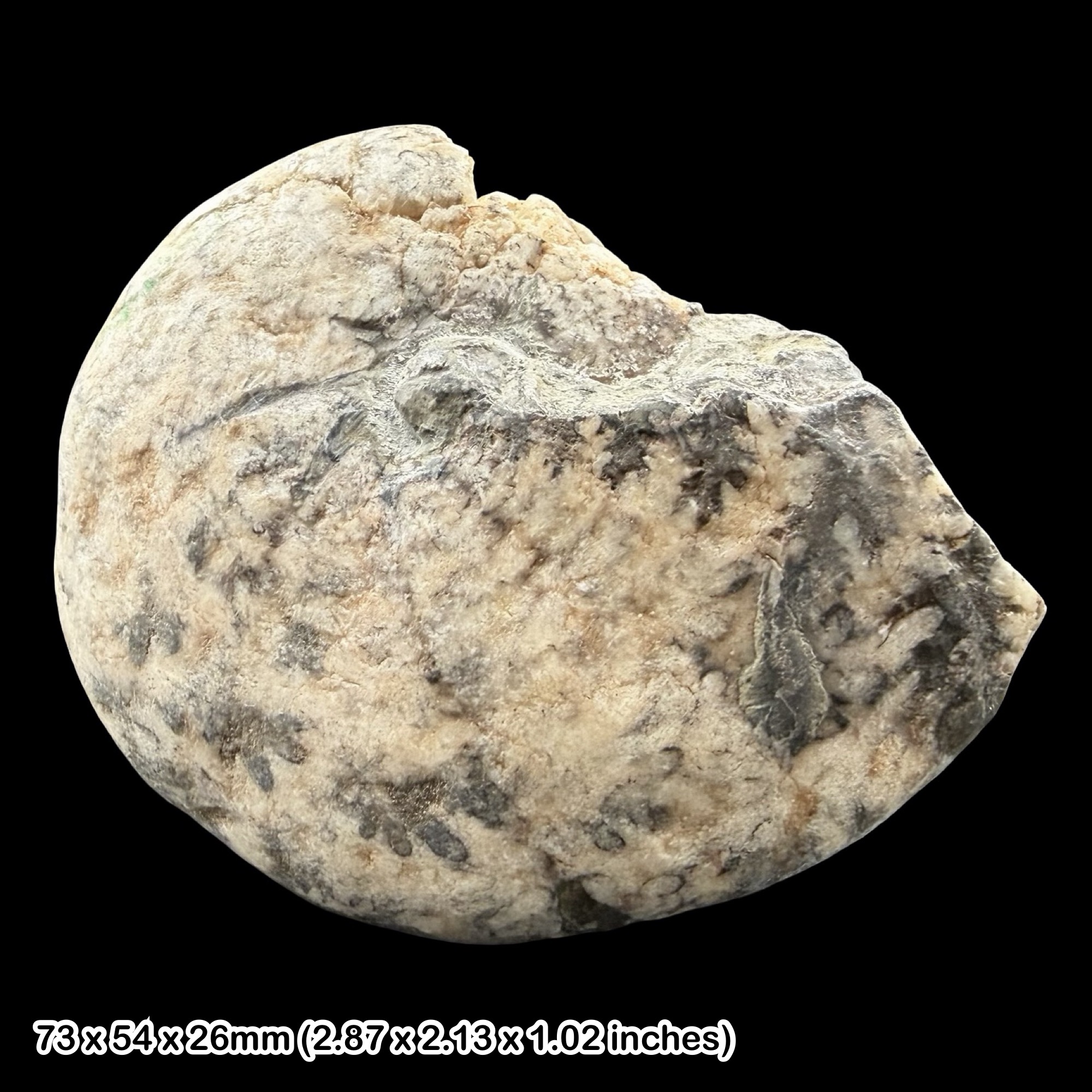
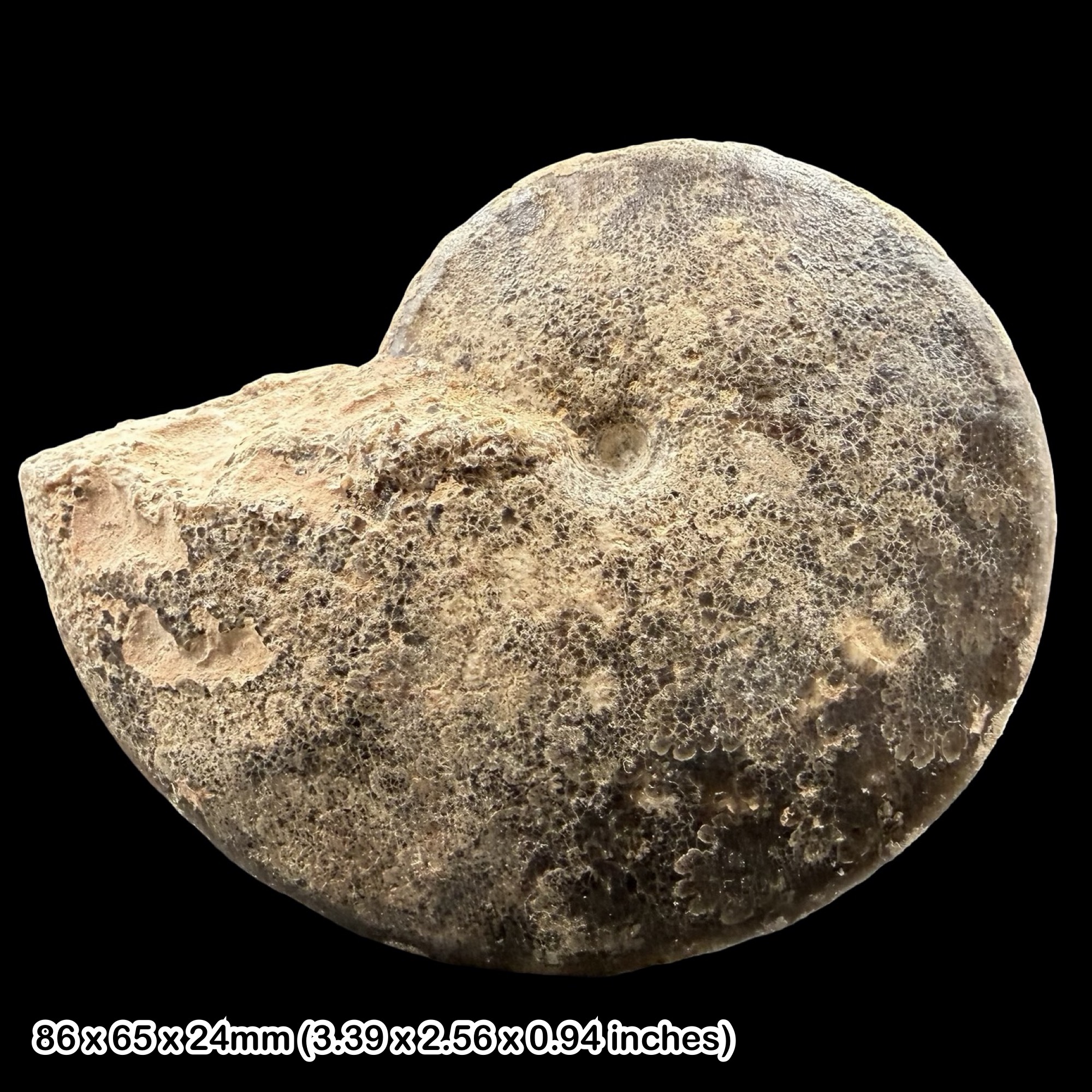
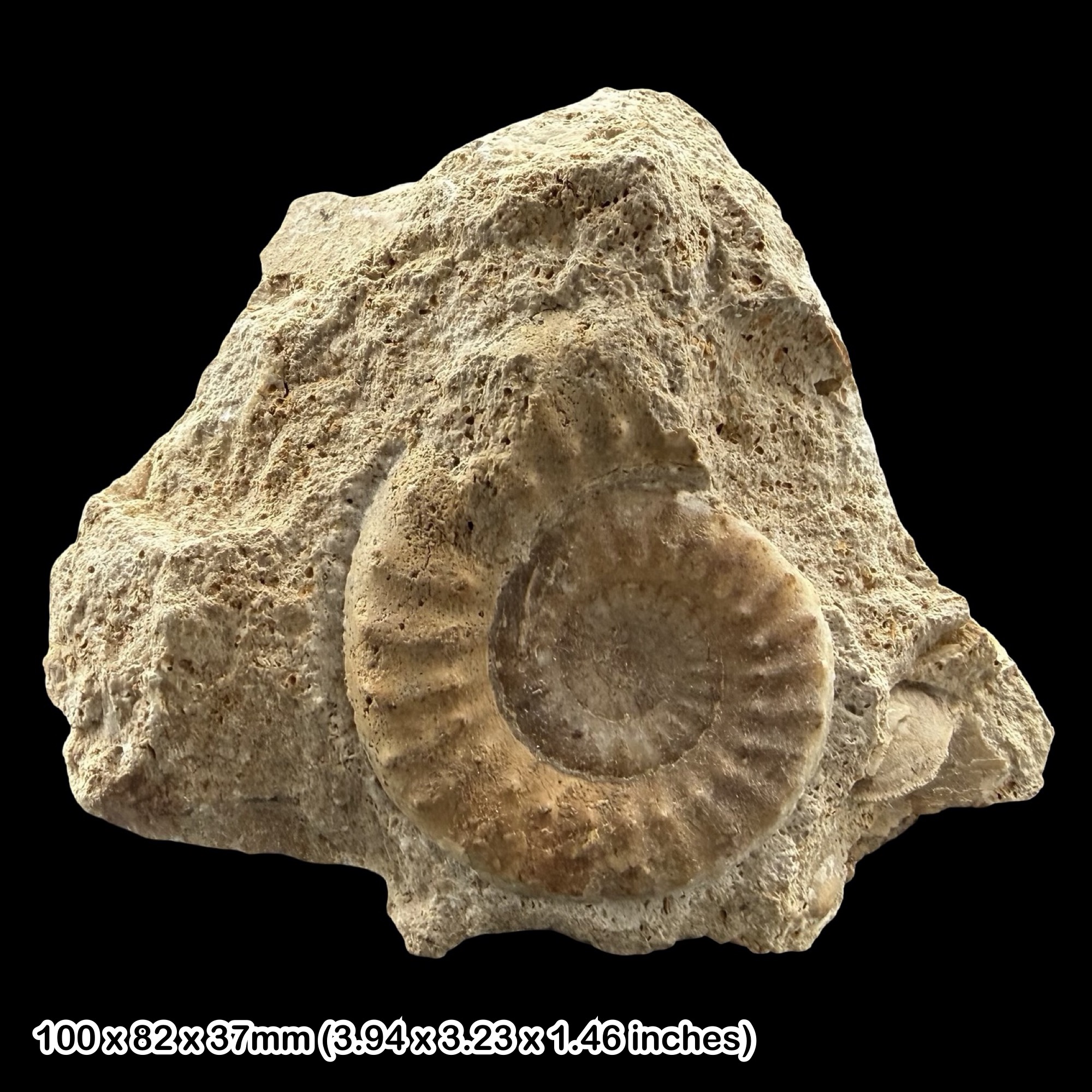
from the famous Black Ven Marls at Stonebarrow Cliff, Charmouth, along the world-renowned Jurassic Coast at Lyme Regis, Dorset, UK. This is a carefully chosen natural specimen, and the photographs show the exact fossil you will receive, with full sizing clearly visible in the images.The fossil was discovered by our own team members, Alister and Alison, on 22 January 2026, and has been professionally cleaned, prepared, and treated by Alison to ensure long-term stability and excellent visual presentation. The specimen is supplied with a lifetime Certificate of Authenticity on a generic card, guaranteeing it as a genuine fossil. SPECIES OVERVIEW – CRUCILOBICERASCrucilobiceras is a distinctive ammonite genus from the Lower Jurassic (Lower Lias), belonging to the Order Ammonitida, within the Family Eoderoceratidae. These ammonites lived during the Sinemurian Stage, approximately 195 million years ago, when warm, shallow seas covered much of southern Britain.Crucilobiceras is an important genus within Early Jurassic ammonite successions and is valued by collectors for its robust shell form and strong ornamentation. Specimens from Dorset are particularly desirable due to their classic preservation and historical importance in British palaeontology. MORPHOLOGY AND DIAGNOSTIC CHARACTERISTICSThis specimen displays the characteristic features that define Crucilobiceras, including:
• A broad, evolute shell, with earlier whorls clearly visible
• Strong, well-developed radial ribs across the flanks
• A sturdy, rounded whorl section
• Clear growth lines and natural symmetryThe bold ribbing and solid shell structure give Crucilobiceras a powerful appearance, making it an especially eye-catching ammonite for display and study. GOLDEN PYRITE PRESERVATIONOne of the most striking aspects of this fossil is its natural golden pyrite mineralisation. Pyrite formed when iron and sulphur combined under low-oxygen conditions within the Jurassic seabed sediments. Over millions of years, this process replaced or infilled the original shell material, preserving fine morphological detail while producing a shimmering metallic gold finish.Pyritised ammonites from the Black Ven Marls are highly sought after because they combine strong scientific value with exceptional aesthetic appeal. The reflective surface enhances the ribbing and shell form, making this specimen stand out in any collection. GEOLOGICAL CONTEXT – BLACK VEN MARLS, LOWER LIASThe Black Ven Marls were deposited in a quiet offshore marine environment during the Early Jurassic. Fine-grained muds accumulated on the sea floor, allowing ammonites and other marine organisms to be rapidly buried and fossilised.Stonebarrow Cliff and Charmouth are part of the UNESCO World Heritage-listed Jurassic Coast, one of the most important fossil regions in the world. Fossils from this locality have been collected and studied for over two centuries and continue to play a crucial role in understanding Jurassic marine ecosystems. COLLECTOR, EDUCATIONAL, AND DISPLAY VALUECrucilobiceras ammonites are highly desirable for:
• Fossil and ammonite collectors
• Mineral collectors drawn to pyrite preservation
• Educational and teaching collections
• Display cabinets and curated fossil shelvesThe combination of bold shell morphology and golden pyrite mineralisation makes this specimen both visually impressive and scientifically meaningful. PROVENANCE AND AUTHENTICITY
• Fossil: Crucilobiceras golden pyrite ammonite
• Formation: Black Ven Marls, Lower Lias
• Geological age: Lower Jurassic, Sinemurian Stage
• Locality: Stonebarrow Cliff, Charmouth, Lyme Regis, Dorset, UK
• Discovered: 22 January 2026 by Alister and Alison
• Prepared by: Alison
• Certificate: Lifetime Certificate of Authenticity includedThis fossil represents a genuine piece of Dorset’s Jurassic seabed, preserving a marine animal that lived nearly 200 million years ago, and offers a rare opportunity to own a beautifully preserved golden pyrite ammonite from one of the world’s most celebrated fossil localities.
from the famous Black Ven Marls at Stonebarrow Cliff, Charmouth, along the world-renowned Jurassic Coast at Lyme Regis, Dorset, UK. This is a carefully chosen natural specimen, and the photographs show the exact fossil you will receive, with full sizing clearly visible in the images.The fossil was discovered by our own team members, Alister and Alison, on 22 January 2026, and has been professionally cleaned, prepared, and treated by Alison to ensure long-term stability and excellent visual presentation. The specimen is supplied with a lifetime Certificate of Authenticity on a generic card, guaranteeing it as a genuine fossil. SPECIES OVERVIEW – CRUCILOBICERASCrucilobiceras is a distinctive ammonite genus from the Lower Jurassic (Lower Lias), belonging to the Order Ammonitida, within the Family Eoderoceratidae. These ammonites lived during the Sinemurian Stage, approximately 195 million years ago, when warm, shallow seas covered much of southern Britain.Crucilobiceras is an important genus within Early Jurassic ammonite successions and is valued by collectors for its robust shell form and strong ornamentation. Specimens from Dorset are particularly desirable due to their classic preservation and historical importance in British palaeontology. MORPHOLOGY AND DIAGNOSTIC CHARACTERISTICSThis specimen displays the characteristic features that define Crucilobiceras, including:
• A broad, evolute shell, with earlier whorls clearly visible
• Strong, well-developed radial ribs across the flanks
• A sturdy, rounded whorl section
• Clear growth lines and natural symmetryThe bold ribbing and solid shell structure give Crucilobiceras a powerful appearance, making it an especially eye-catching ammonite for display and study. GOLDEN PYRITE PRESERVATIONOne of the most striking aspects of this fossil is its natural golden pyrite mineralisation. Pyrite formed when iron and sulphur combined under low-oxygen conditions within the Jurassic seabed sediments. Over millions of years, this process replaced or infilled the original shell material, preserving fine morphological detail while producing a shimmering metallic gold finish.Pyritised ammonites from the Black Ven Marls are highly sought after because they combine strong scientific value with exceptional aesthetic appeal. The reflective surface enhances the ribbing and shell form, making this specimen stand out in any collection. GEOLOGICAL CONTEXT – BLACK VEN MARLS, LOWER LIASThe Black Ven Marls were deposited in a quiet offshore marine environment during the Early Jurassic. Fine-grained muds accumulated on the sea floor, allowing ammonites and other marine organisms to be rapidly buried and fossilised.Stonebarrow Cliff and Charmouth are part of the UNESCO World Heritage-listed Jurassic Coast, one of the most important fossil regions in the world. Fossils from this locality have been collected and studied for over two centuries and continue to play a crucial role in understanding Jurassic marine ecosystems. COLLECTOR, EDUCATIONAL, AND DISPLAY VALUECrucilobiceras ammonites are highly desirable for:
• Fossil and ammonite collectors
• Mineral collectors drawn to pyrite preservation
• Educational and teaching collections
• Display cabinets and curated fossil shelvesThe combination of bold shell morphology and golden pyrite mineralisation makes this specimen both visually impressive and scientifically meaningful. PROVENANCE AND AUTHENTICITY
• Fossil: Crucilobiceras golden pyrite ammonite
• Formation: Black Ven Marls, Lower Lias
• Geological age: Lower Jurassic, Sinemurian Stage
• Locality: Stonebarrow Cliff, Charmouth, Lyme Regis, Dorset, UK
• Discovered: 22 January 2026 by Alister and Alison
• Prepared by: Alison
• Certificate: Lifetime Certificate of Authenticity includedThis fossil represents a genuine piece of Dorset’s Jurassic seabed, preserving a marine animal that lived nearly 200 million years ago, and offers a rare opportunity to own a beautifully preserved golden pyrite ammonite from one of the world’s most celebrated fossil localities.
Other Products