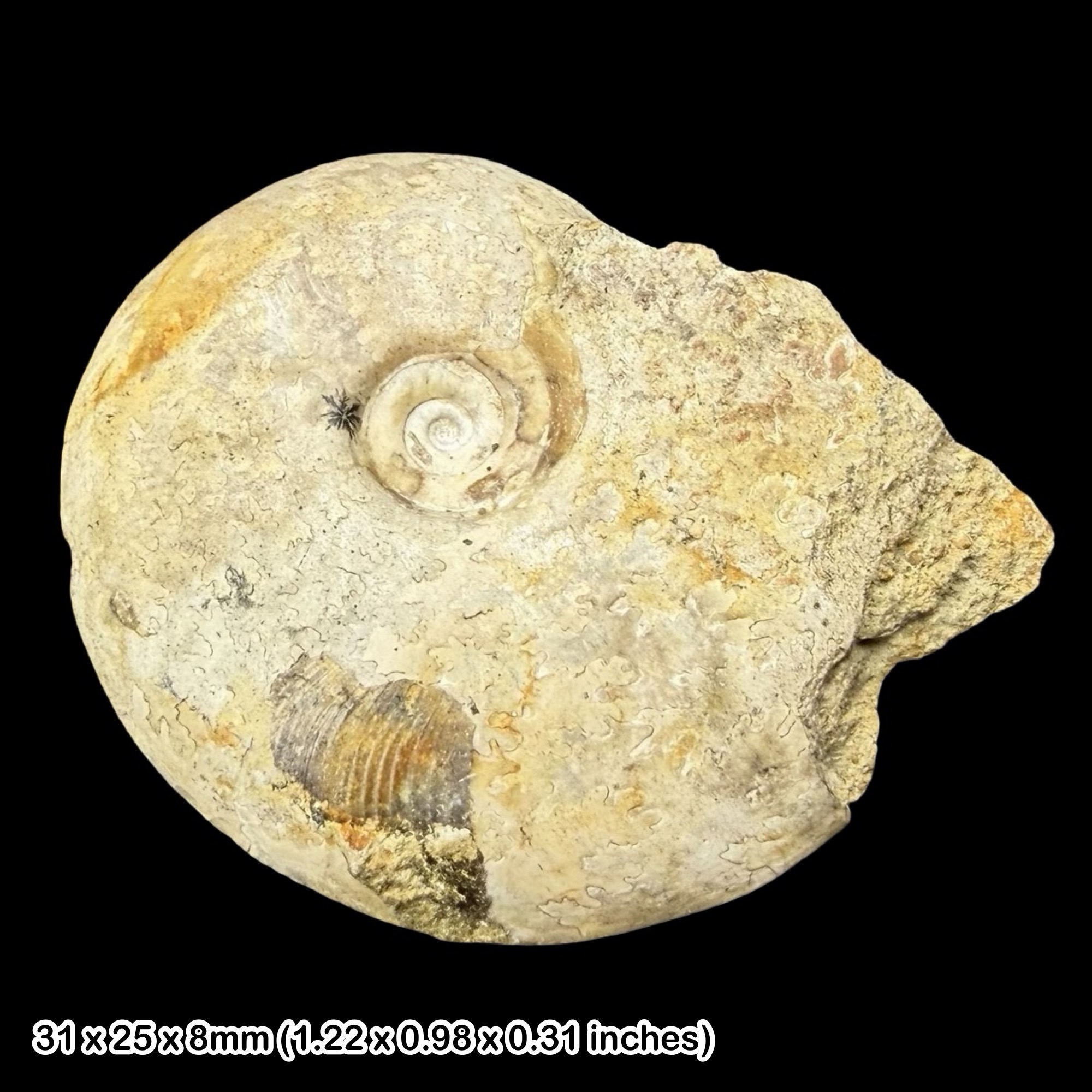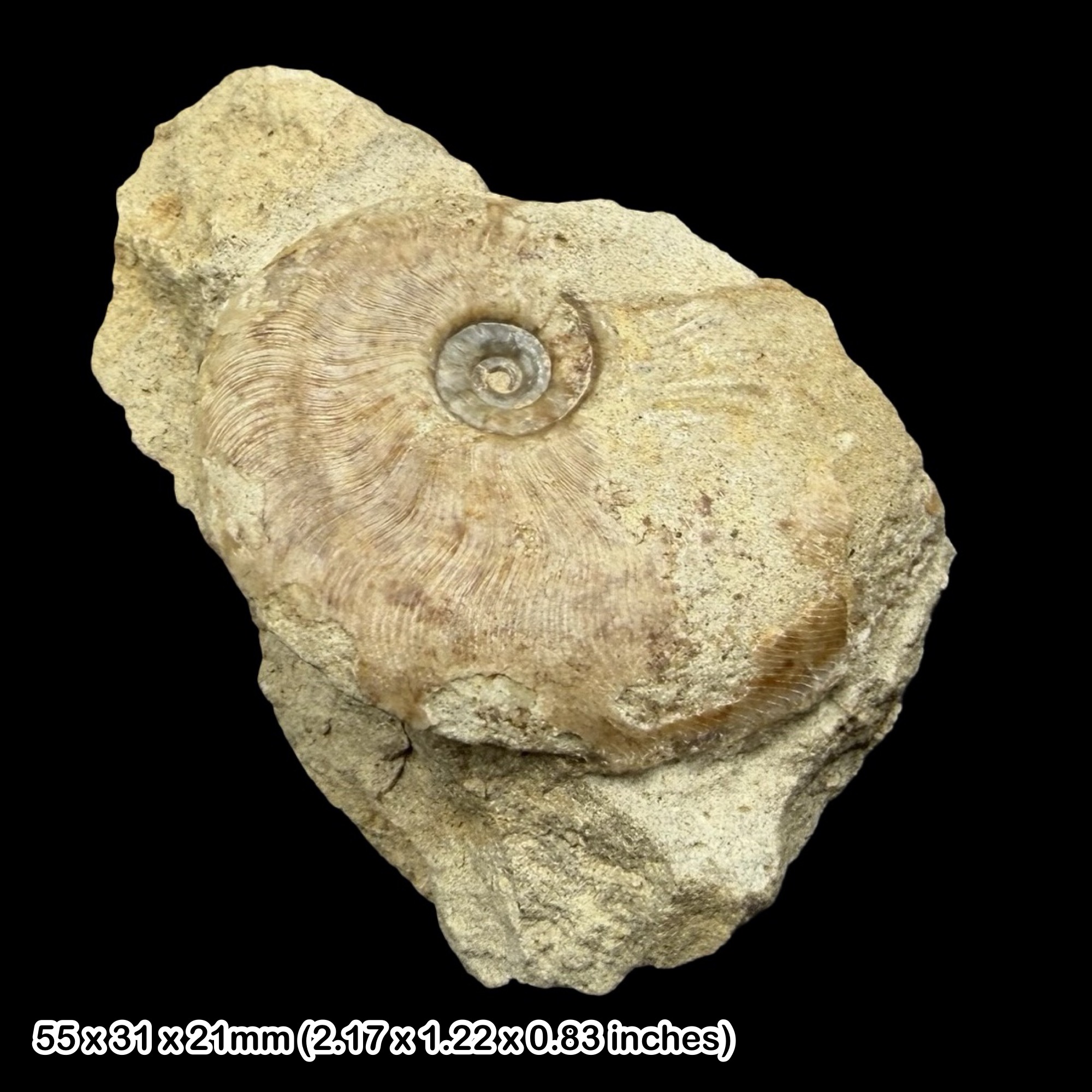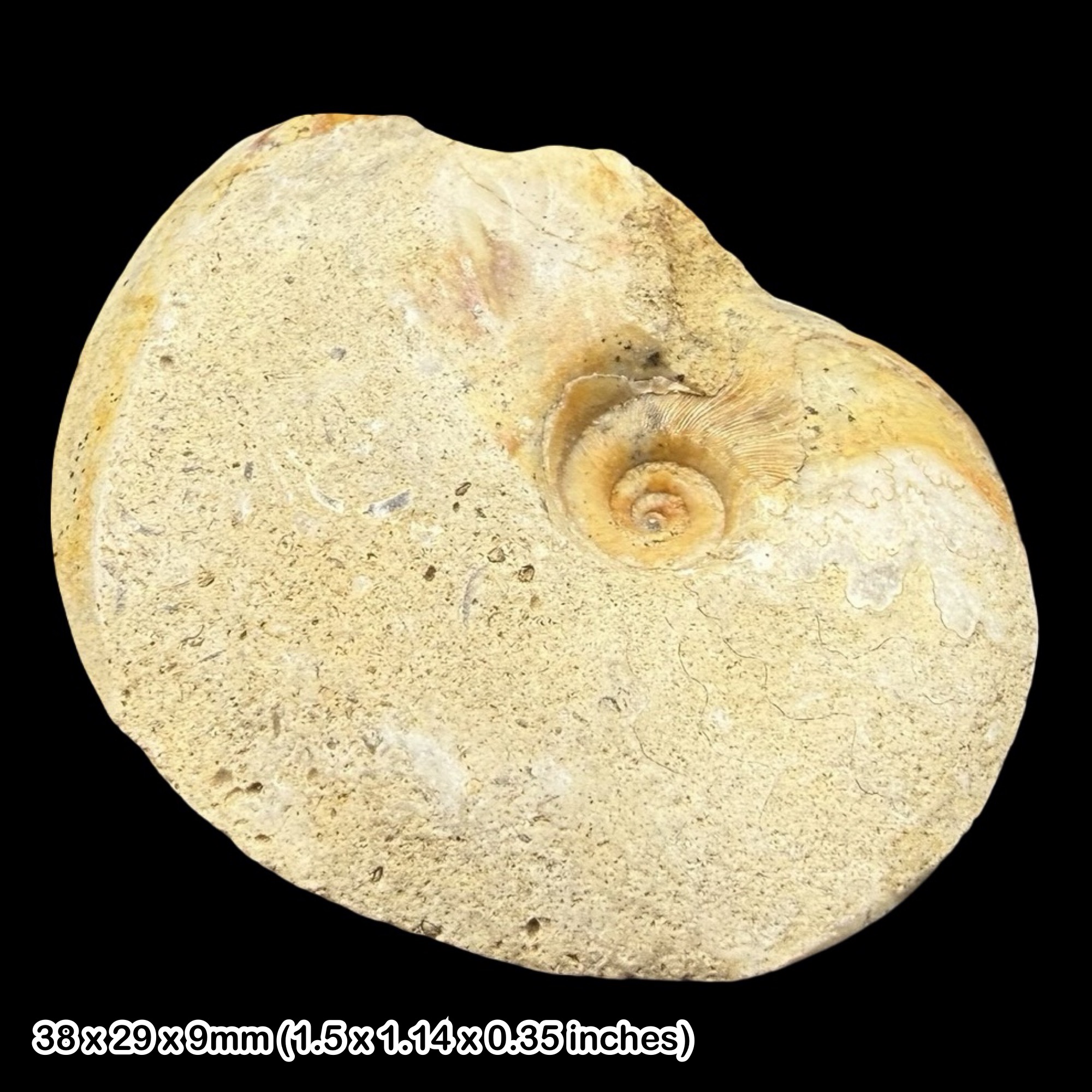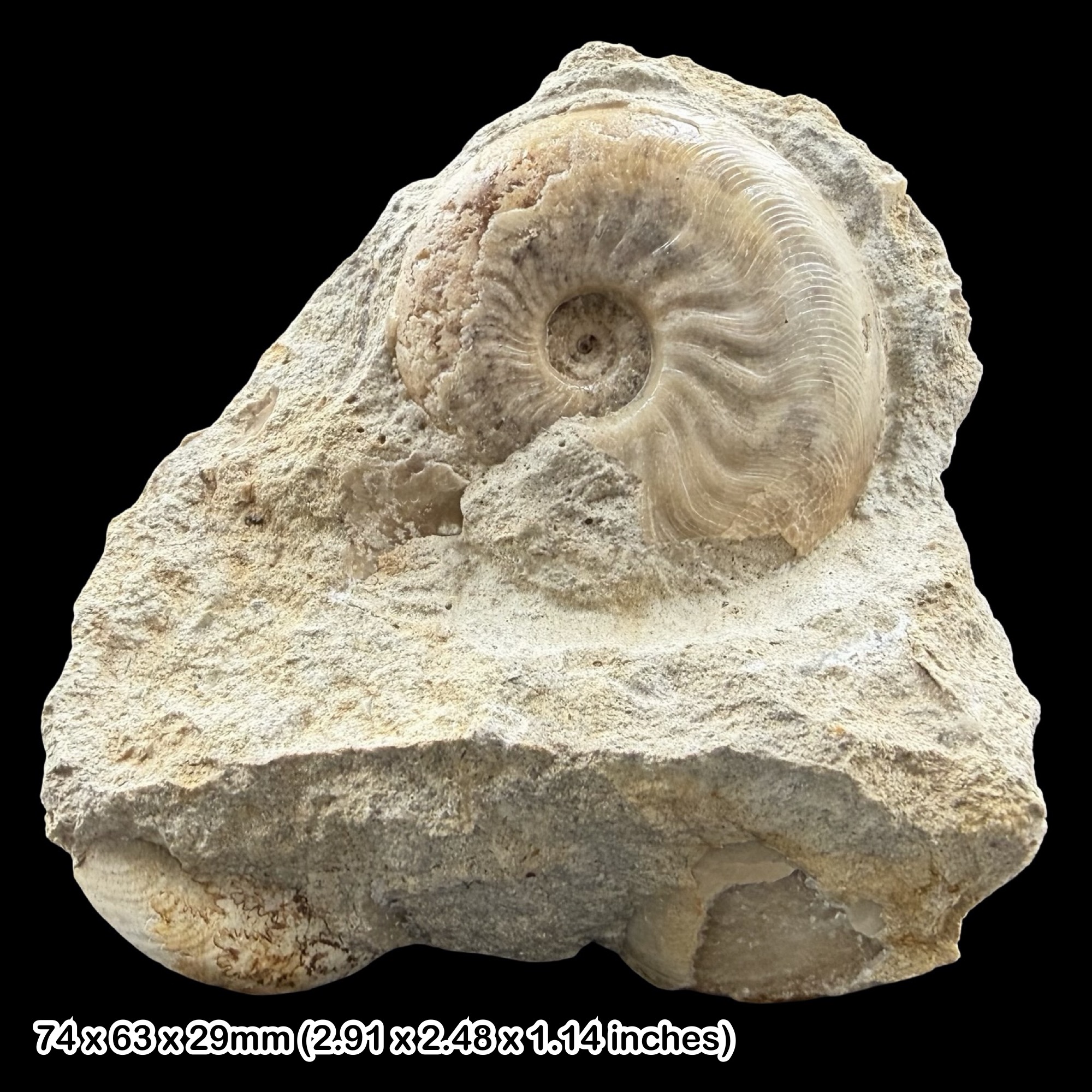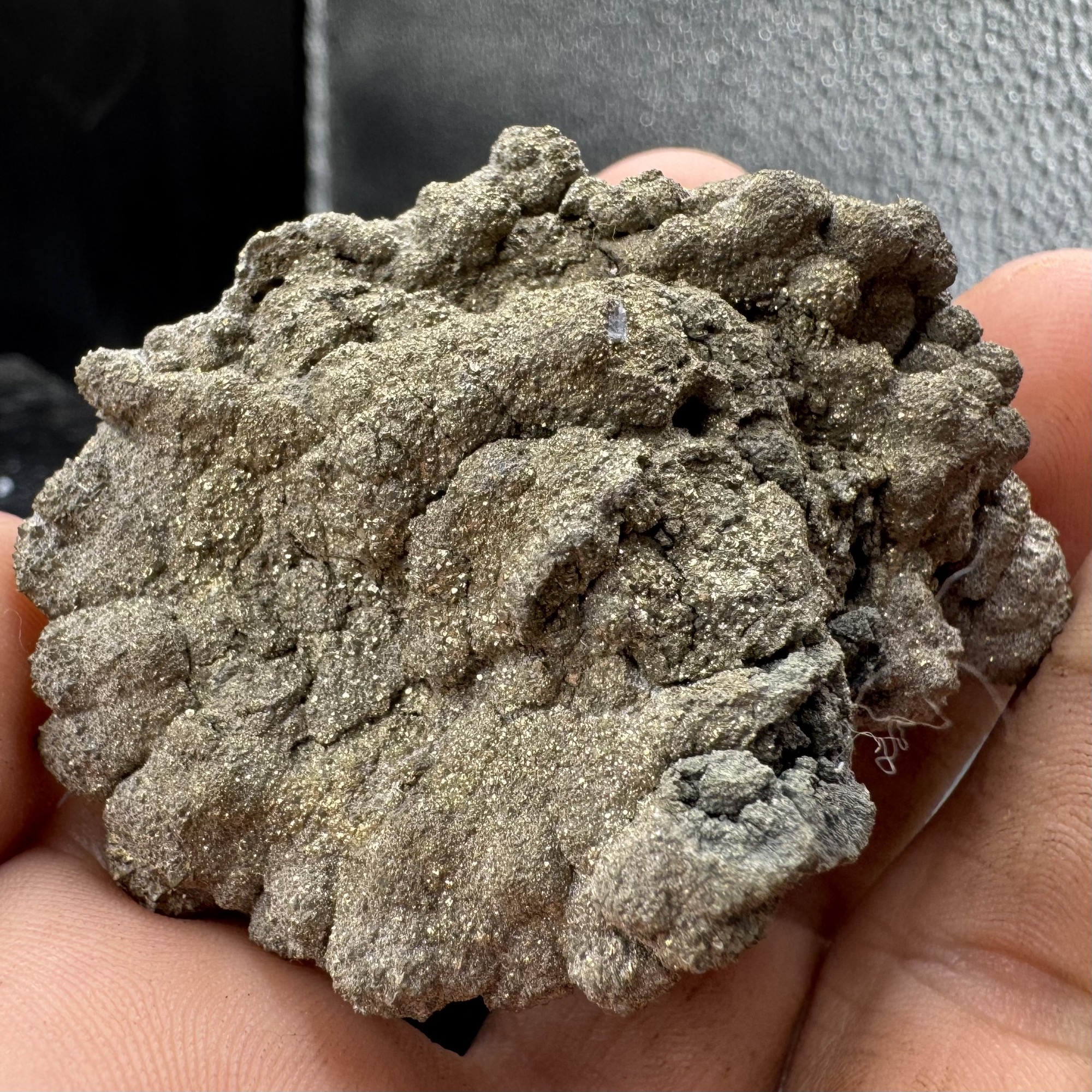
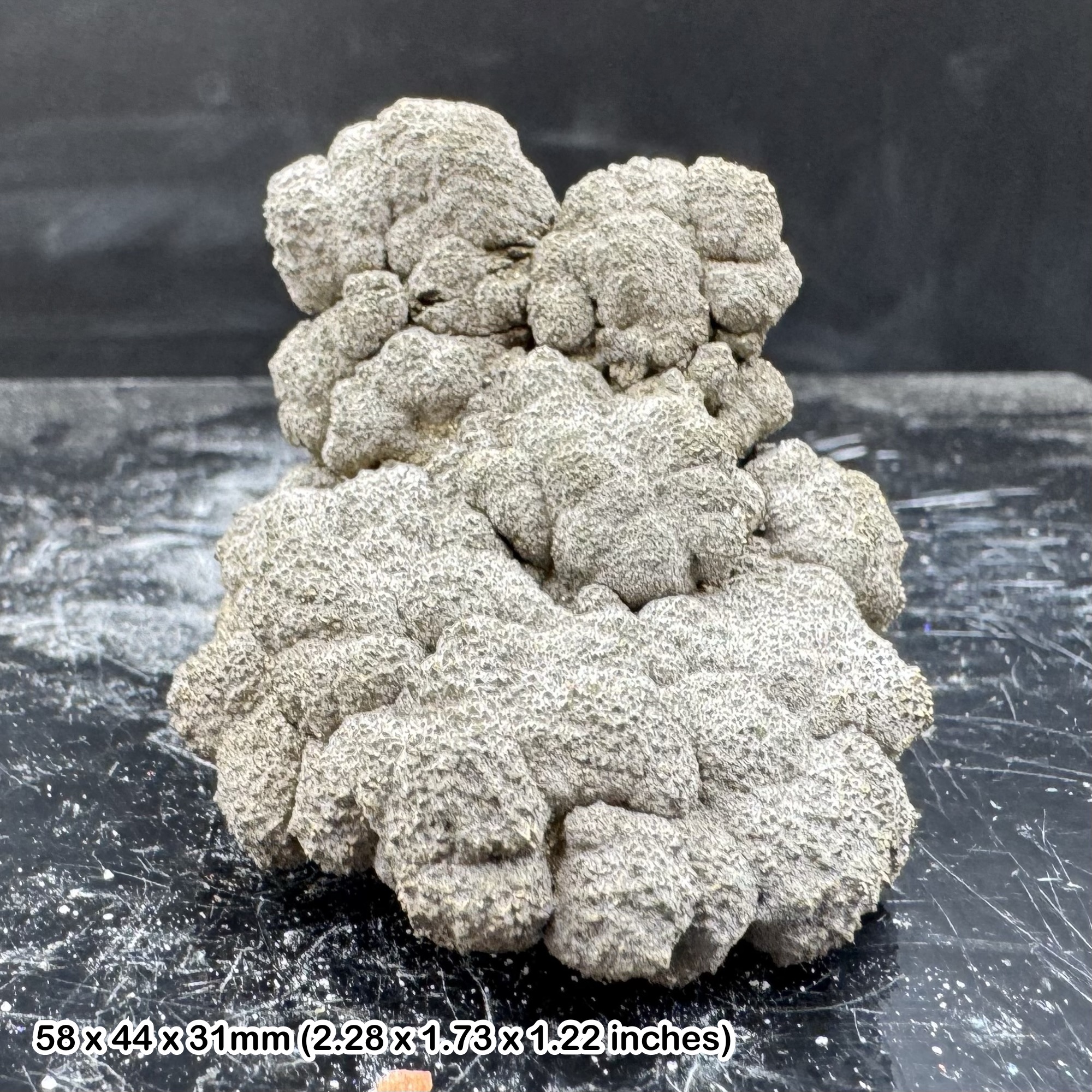
Botryoidal Pyrite Crystal Natural Iron Sulfide Mineral Specimen Metallic Cluster
£ 12.60
Botryoidal Pyrite – Iron Sulfide Mineral SpecimenThis impressive Botryoidal Pyrite specimen showcases a striking natural
formation of iron sulfide with a distinctive rounded, grape-like surface. The metallic lustre and clustered structure create a bold and eye-catching mineral display, making it a highly desirable piece for collectors and enthusiasts alike.You will receive the exact specimen shown in the photographs, carefully selected for its natural form and visual appeal. This crystal includes a Certificate of Authenticity lifetime guarantee card, confirming it as a genuine mineral specimen.Geology and Mineral CompositionPyrite, with the chemical formula FeS₂, is an iron sulfide mineral commonly referred to as “fool’s gold” due to its bright metallic sheen and pale brass-yellow colour. It is one of the most widespread sulfide minerals and forms in a variety of geological environments.Botryoidal pyrite represents a less common growth habit compared to the classic cubic crystals typically associated with pyrite. In this form, the mineral develops as tightly packed, rounded masses, formed through rapid nucleation and growth in mineral-rich environments.Formation and Geological EnvironmentBotryoidal pyrite forms in low-temperature hydrothermal systems and sedimentary environments where iron and sulfur are present in solution. As these elements combine under suitable chemical conditions, pyrite precipitates out of the fluid and accumulates layer by layer.The botryoidal structure develops when growth occurs simultaneously at multiple nucleation points, producing smooth, bulbous formations rather than sharply defined crystals. This can occur in cavities within sedimentary rocks, veins, or as replacement material within organic or mineral substrates.Such specimens are often associated with shale, limestone, or other sedimentary matrices, where mineral-rich fluids have circulated over extended geological timescales.Crystal Habit and StructureUnlike cubic or pyritohedral pyrite crystals, this specimen displays a botryoidal habit characterised by rounded, hemispherical forms that merge across the surface. These domed structures are composed of microcrystalline aggregates, giving the specimen a smooth yet subtly textured appearance.The surface often exhibits a fine granular structure, and in some cases, may reveal tiny sparkling crystal faces under close inspection. The overall effect is a uniform metallic sheen with gentle undulations across the specimen.Colour and Surface CharacteristicsBotryoidal pyrite typically displays a rich metallic gold to brass-yellow colour, often with subtle tonal variations depending on lighting and surface texture. The lustre is distinctly metallic, reflecting light strongly and enhancing the three-dimensional form of the botryoidal structure.Over time, natural oxidation may produce slight iridescence or darker tones on parts of the surface, adding further character and uniqueness to the piece.Collecting and DisplayBotryoidal pyrite is valued by collectors for its unusual growth habit and strong visual impact. It differs significantly from the more common cubic pyrite, offering variety and interest within mineral collections.This specimen is ideal for display in a cabinet, on a shelf, or as part of a curated mineral arrangement. Its bold metallic appearance also makes it suitable as a decorative natural object or a distinctive gift for collectors and geology enthusiasts.Authenticity and PresentationThis Botryoidal Pyrite crystal is a genuine specimen and includes a Certificate of Authenticity lifetime guarantee card. The specimen has been carefully selected, and the photographs show the exact piece you will receive. For full sizing details, please refer to the images provided.
formation of iron sulfide with a distinctive rounded, grape-like surface. The metallic lustre and clustered structure create a bold and eye-catching mineral display, making it a highly desirable piece for collectors and enthusiasts alike.You will receive the exact specimen shown in the photographs, carefully selected for its natural form and visual appeal. This crystal includes a Certificate of Authenticity lifetime guarantee card, confirming it as a genuine mineral specimen.Geology and Mineral CompositionPyrite, with the chemical formula FeS₂, is an iron sulfide mineral commonly referred to as “fool’s gold” due to its bright metallic sheen and pale brass-yellow colour. It is one of the most widespread sulfide minerals and forms in a variety of geological environments.Botryoidal pyrite represents a less common growth habit compared to the classic cubic crystals typically associated with pyrite. In this form, the mineral develops as tightly packed, rounded masses, formed through rapid nucleation and growth in mineral-rich environments.Formation and Geological EnvironmentBotryoidal pyrite forms in low-temperature hydrothermal systems and sedimentary environments where iron and sulfur are present in solution. As these elements combine under suitable chemical conditions, pyrite precipitates out of the fluid and accumulates layer by layer.The botryoidal structure develops when growth occurs simultaneously at multiple nucleation points, producing smooth, bulbous formations rather than sharply defined crystals. This can occur in cavities within sedimentary rocks, veins, or as replacement material within organic or mineral substrates.Such specimens are often associated with shale, limestone, or other sedimentary matrices, where mineral-rich fluids have circulated over extended geological timescales.Crystal Habit and StructureUnlike cubic or pyritohedral pyrite crystals, this specimen displays a botryoidal habit characterised by rounded, hemispherical forms that merge across the surface. These domed structures are composed of microcrystalline aggregates, giving the specimen a smooth yet subtly textured appearance.The surface often exhibits a fine granular structure, and in some cases, may reveal tiny sparkling crystal faces under close inspection. The overall effect is a uniform metallic sheen with gentle undulations across the specimen.Colour and Surface CharacteristicsBotryoidal pyrite typically displays a rich metallic gold to brass-yellow colour, often with subtle tonal variations depending on lighting and surface texture. The lustre is distinctly metallic, reflecting light strongly and enhancing the three-dimensional form of the botryoidal structure.Over time, natural oxidation may produce slight iridescence or darker tones on parts of the surface, adding further character and uniqueness to the piece.Collecting and DisplayBotryoidal pyrite is valued by collectors for its unusual growth habit and strong visual impact. It differs significantly from the more common cubic pyrite, offering variety and interest within mineral collections.This specimen is ideal for display in a cabinet, on a shelf, or as part of a curated mineral arrangement. Its bold metallic appearance also makes it suitable as a decorative natural object or a distinctive gift for collectors and geology enthusiasts.Authenticity and PresentationThis Botryoidal Pyrite crystal is a genuine specimen and includes a Certificate of Authenticity lifetime guarantee card. The specimen has been carefully selected, and the photographs show the exact piece you will receive. For full sizing details, please refer to the images provided.
Other Products