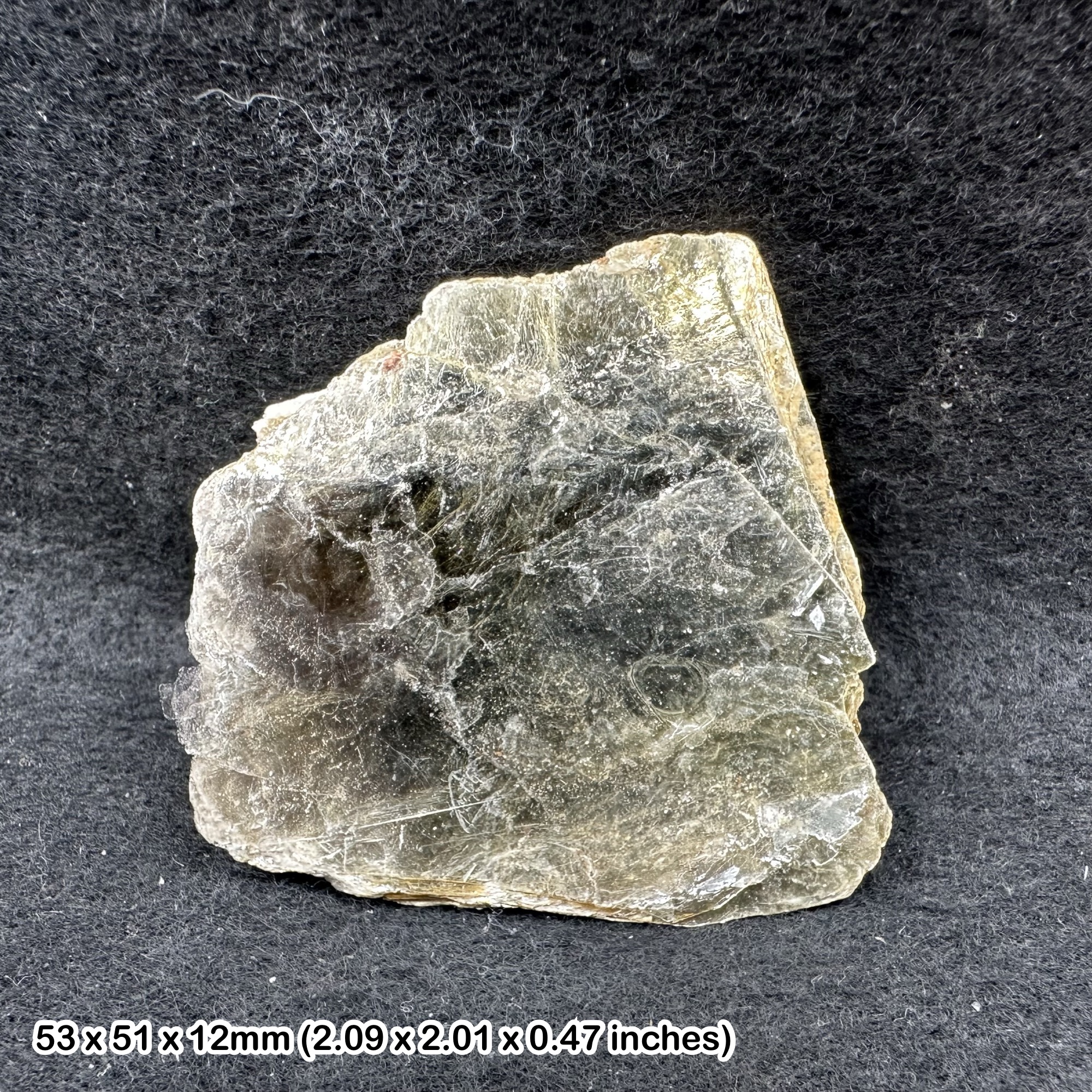
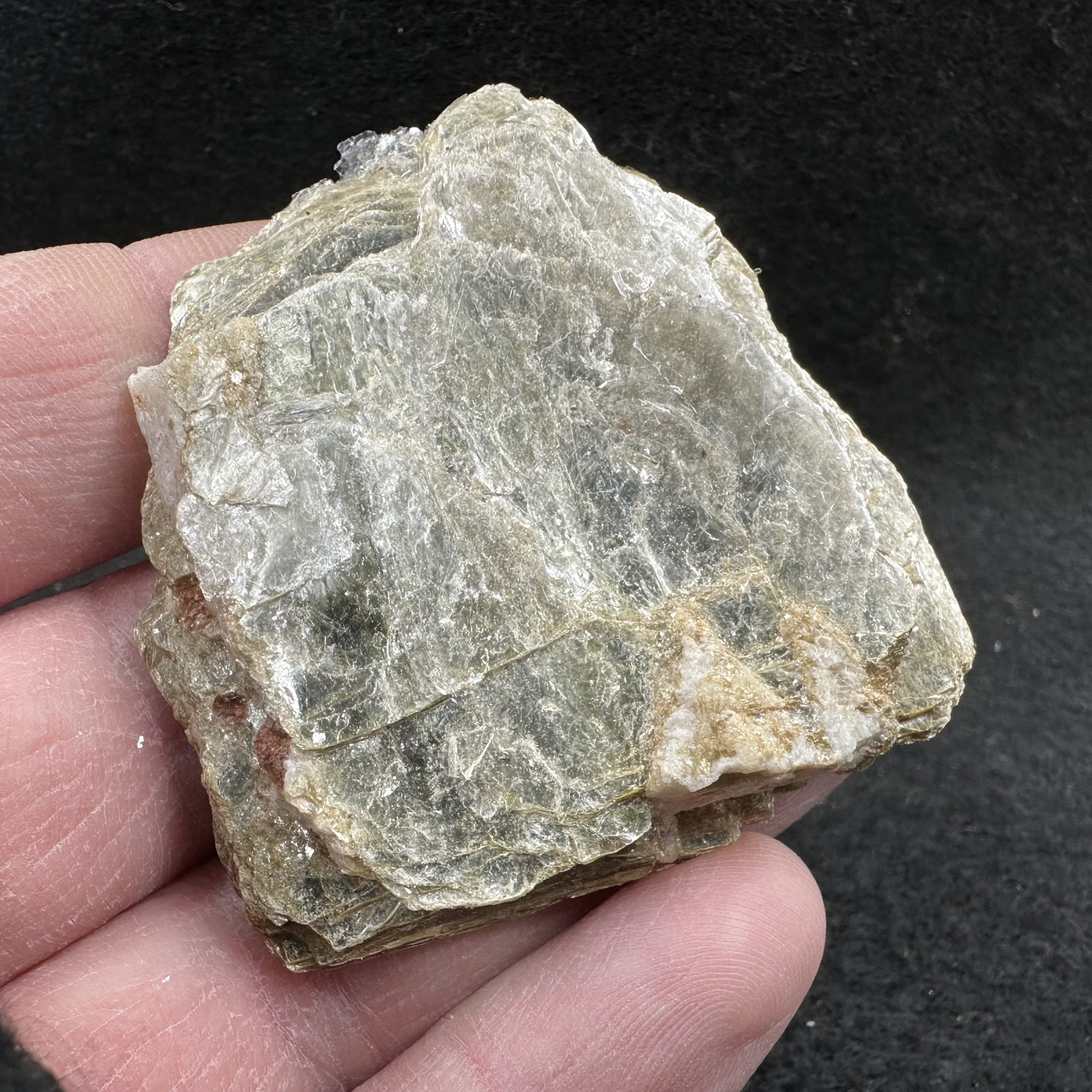
Biotite Mica Mineral Specimen Norway Black Phyllosilicate Crystal Geological Collectors Stone Natural Mica Sheet Display Sample
£ 8.40
BIOTITE MICA MINERAL SPECIMEN – NATURAL PHYLLOSILICATE FROM NORWAYThis Biotite Mica mineral specimen from Norway showcases the distinctive dark
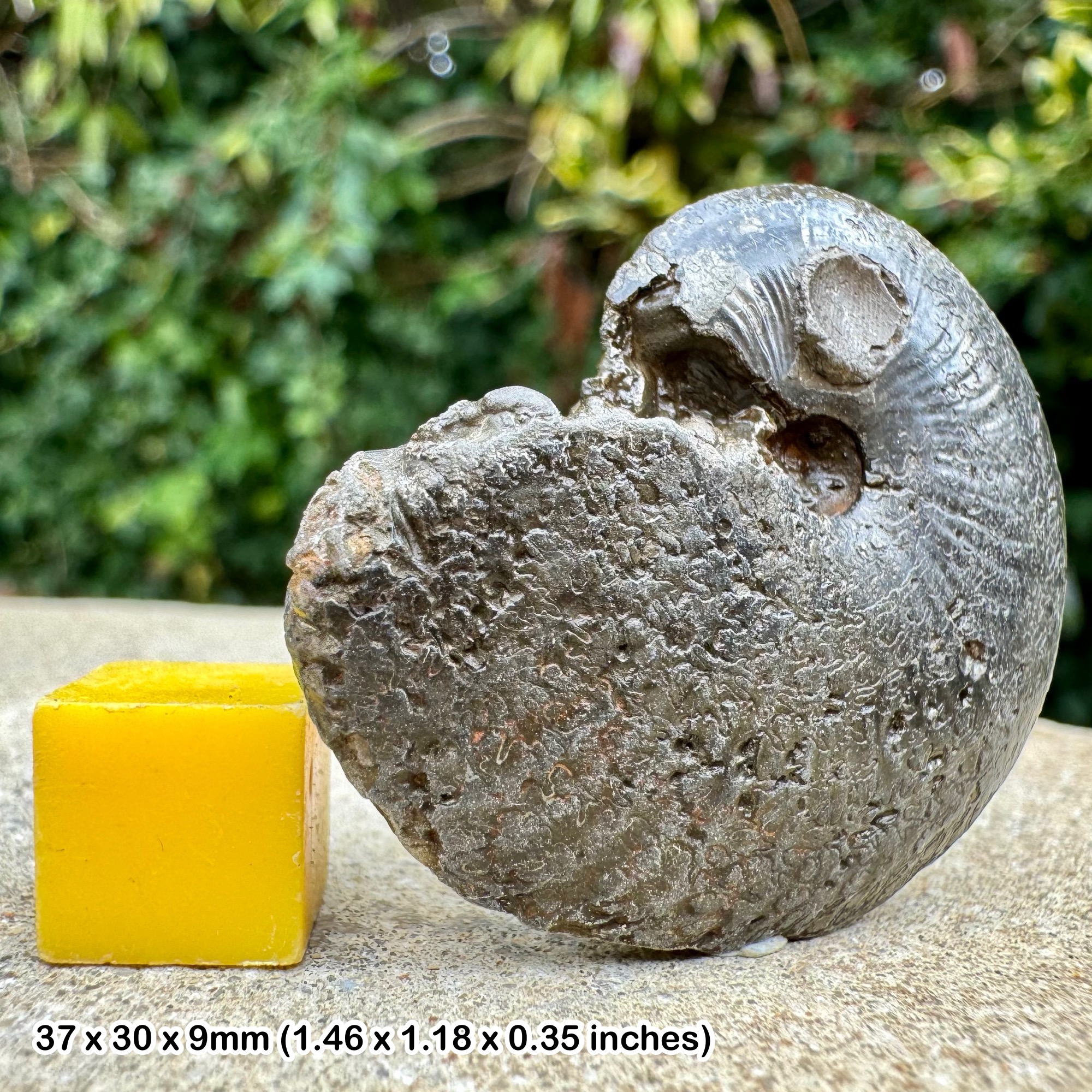
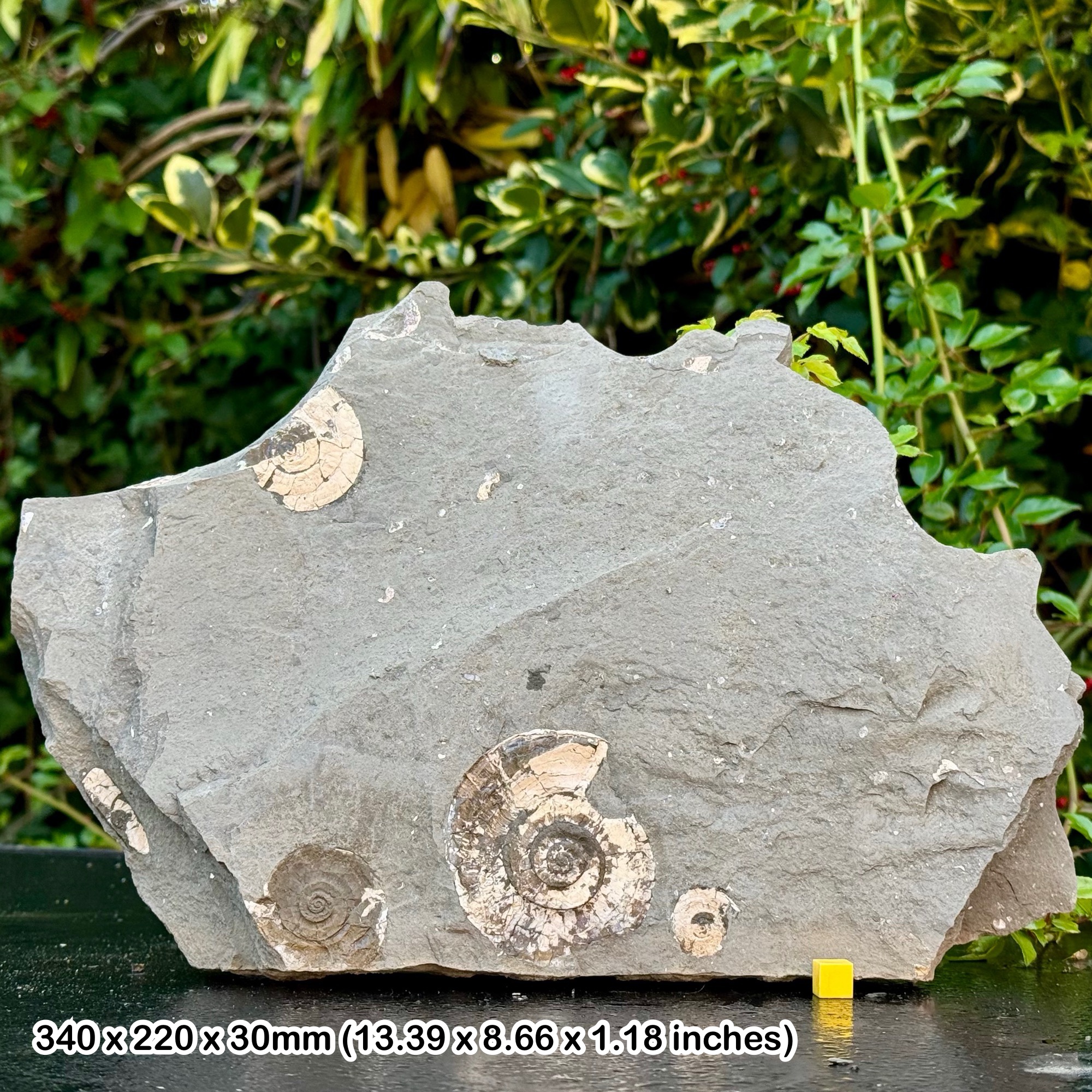
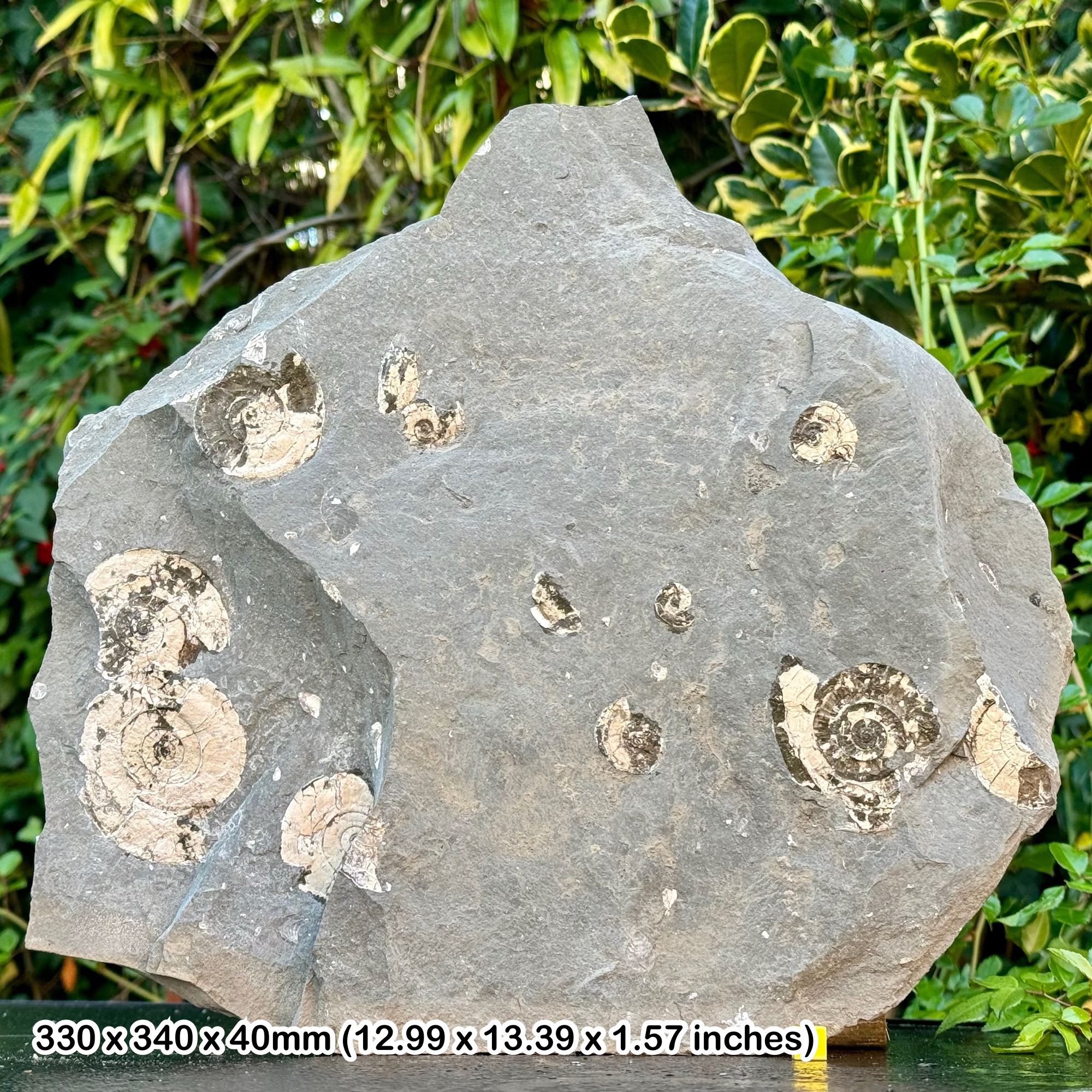
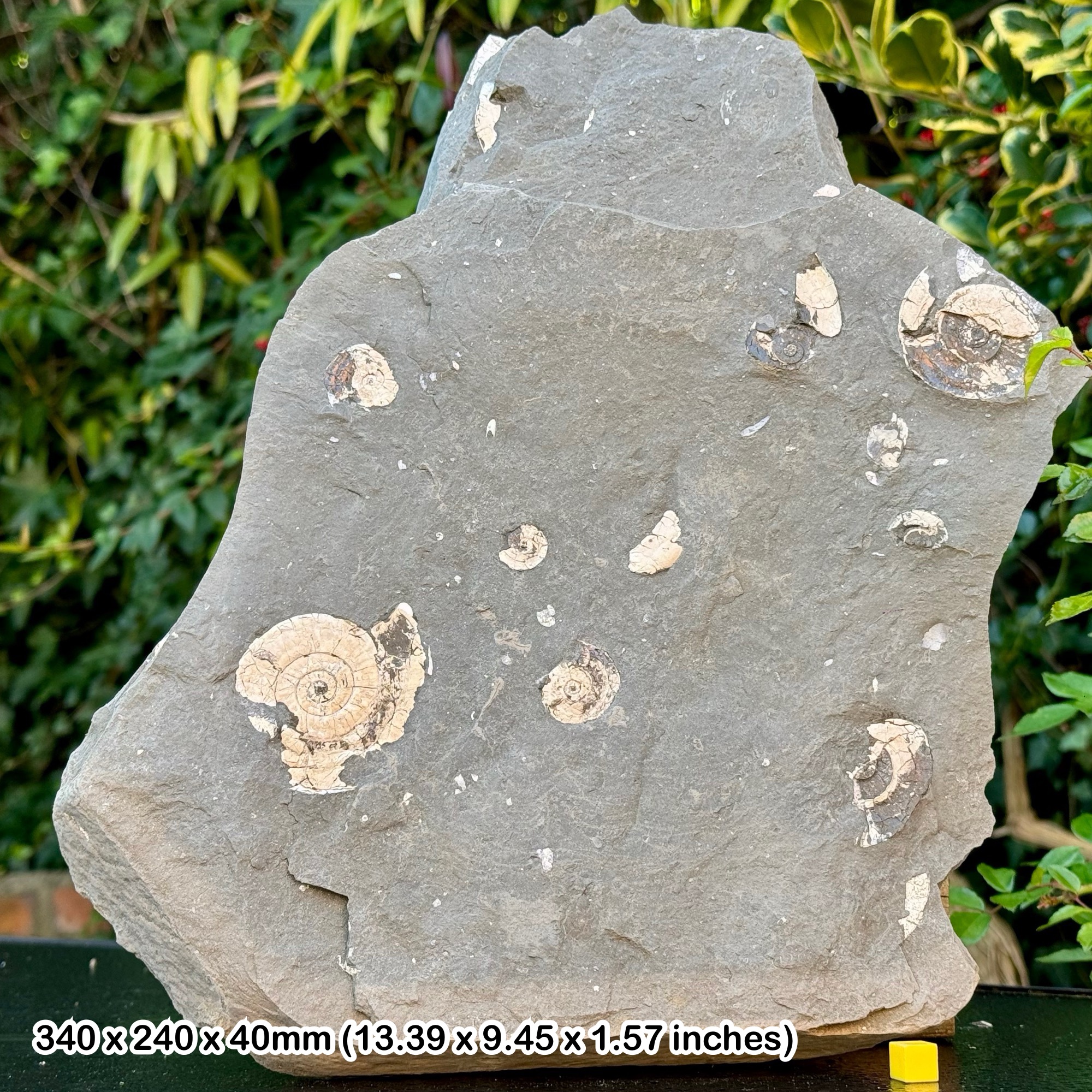
colour and layered crystal structure that define this well-known member of the mica mineral group. Biotite is recognised for its thin, flexible sheets and reflective surfaces, which are characteristic features of phyllosilicate minerals.The specimen has been carefully selected to display the natural crystal structure and mineral texture typical of biotite. The listing photographs show the exact specimen you will receive, allowing collectors to clearly examine the mineral form, layered structure, and natural appearance before purchase.This crystal is a genuine specimen and includes a Certificate of Authenticity lifetime guarantee generic card, confirming the authenticity of the mineral specimen.Full sizing details are available in the listing photographs. MINERAL CLASSIFICATION AND CHEMICAL COMPOSITIONBiotite is a dark-coloured mica mineral belonging to the phyllosilicate mineral group, a group characterised by sheet-like silicate structures formed by layers of silica tetrahedra.The mineral’s general chemical formula is K(Mg,Fe)₃AlSi₃O₁₀(F,OH)₂, indicating the presence of potassium, magnesium, iron, aluminium, silicon, oxygen, fluorine, and hydroxyl ions within its crystal structure. The relatively high iron content is responsible for the dark brown to black colour that distinguishes biotite from lighter mica varieties such as muscovite.Biotite crystallises in the monoclinic crystal system, though the mineral most commonly occurs in platy, foliated, or sheet-like masses rather than well-defined individual crystals.One of the defining characteristics of mica minerals, including biotite, is perfect basal cleavage, which allows the mineral to split easily into extremely thin sheets. COLOUR, LUSTRE AND PHYSICAL CHARACTERISTICSBiotite mica is known for its distinctive appearance and physical properties that make it easy to recognise among silicate minerals.Typical characteristics include:
• Colour: Dark brown, black, or deep bronze tones
• Transparency: Transparent in very thin sheets, otherwise opaque
• Lustre: Vitreous to pearly on cleavage surfaces
• Crystal System: Monoclinic
• Hardness: Approximately 2.5 to 3 on the Mohs hardness scaleThe mineral’s sheet-like structure allows thin layers to reflect light, often giving biotite a subtle metallic or glassy appearance when viewed at certain angles.These thin sheets are flexible but not elastic, meaning they can bend slightly without breaking but do not return to their original shape when released. GEOLOGICAL FORMATION AND NATURAL OCCURRENCEBiotite is a common rock-forming mineral that occurs in a wide range of geological environments. It forms primarily in igneous and metamorphic rocks, where it crystallises from magma or develops during metamorphic processes.Common rock types containing biotite include:
• Granite
• Diorite
• Gneiss
• SchistIn igneous environments, biotite forms as molten magma slowly cools, allowing silicate minerals to crystallise. In metamorphic settings, biotite develops when pre-existing minerals undergo chemical changes due to heat and pressure deep within the Earth's crust. NORWEGIAN GEOLOGICAL LOCALITYNorway is well known for its complex geological formations and mineral-rich environments. The country contains extensive Precambrian crystalline bedrock, including granite and gneiss formations where mica minerals such as biotite commonly occur.Many Norwegian mineral localities produce well-developed mica specimens due to the region’s long geological history of metamorphism and igneous activity. These conditions allow minerals such as biotite to form within layered rock structures where mica sheets can grow between other silicate minerals.Specimens from Norway are often valued by collectors due to the country’s reputation for producing high-quality mineral samples from ancient geological terrains. MINERAL COLLECTING AND EDUCATIONAL VALUEBiotite is one of the most important minerals for geological study because it is widely distributed in the Earth's crust and plays a key role in the composition of many rock types.Specimens such as this are popular among collectors and educators because they demonstrate several important mineralogical properties, including:
• Sheet silicate structure
• Perfect basal cleavage
• Phyllosilicate mineral classification
• Typical mica mineral textureBiotite specimens are often used in geology collections to illustrate the physical characteristics of mica minerals. CULTURAL AND TRADITIONAL ASSOCIATIONSIn various cultural traditions, natural minerals are sometimes traditionally associated with symbolic meanings connected to grounding or reflection, although these interpretations are part of cultural belief systems rather than scientific conclusions.Many collectors value biotite primarily for its geological significance and its role as a classic example of mica mineral formation. DISPLAY AND COLLECTING APPEALThis Biotite Mica specimen from Norway is suitable for a range of collecting and display purposes, including:
• Mineral and crystal collections
• Geological teaching specimens
• Natural history displays
• Desk or shelf display pieces
• Educational collections illustrating mica mineralsThe reflective surfaces and layered structure make biotite visually distinctive among silicate minerals.Because each specimen forms naturally within rock environments, the structure and layering will vary from piece to piece, making every specimen unique. AUTHENTICITY AND SPECIMEN GUARANTEEThis Biotite Mica mineral specimen from Norway has been carefully selected as a genuine natural mineral sample.
• The listing photographs show the exact specimen you will receive.
• The specimen includes a Certificate of Authenticity lifetime guarantee generic card.
• Selected for natural crystal structure, mineral texture, and display quality.A classic example of a dark mica mineral, this Norwegian biotite specimen provides geological interest and visual character, making it a valuable addition to any mineral collection or educational display.
colour and layered crystal structure that define this well-known member of the mica mineral group. Biotite is recognised for its thin, flexible sheets and reflective surfaces, which are characteristic features of phyllosilicate minerals.The specimen has been carefully selected to display the natural crystal structure and mineral texture typical of biotite. The listing photographs show the exact specimen you will receive, allowing collectors to clearly examine the mineral form, layered structure, and natural appearance before purchase.This crystal is a genuine specimen and includes a Certificate of Authenticity lifetime guarantee generic card, confirming the authenticity of the mineral specimen.Full sizing details are available in the listing photographs. MINERAL CLASSIFICATION AND CHEMICAL COMPOSITIONBiotite is a dark-coloured mica mineral belonging to the phyllosilicate mineral group, a group characterised by sheet-like silicate structures formed by layers of silica tetrahedra.The mineral’s general chemical formula is K(Mg,Fe)₃AlSi₃O₁₀(F,OH)₂, indicating the presence of potassium, magnesium, iron, aluminium, silicon, oxygen, fluorine, and hydroxyl ions within its crystal structure. The relatively high iron content is responsible for the dark brown to black colour that distinguishes biotite from lighter mica varieties such as muscovite.Biotite crystallises in the monoclinic crystal system, though the mineral most commonly occurs in platy, foliated, or sheet-like masses rather than well-defined individual crystals.One of the defining characteristics of mica minerals, including biotite, is perfect basal cleavage, which allows the mineral to split easily into extremely thin sheets. COLOUR, LUSTRE AND PHYSICAL CHARACTERISTICSBiotite mica is known for its distinctive appearance and physical properties that make it easy to recognise among silicate minerals.Typical characteristics include:
• Colour: Dark brown, black, or deep bronze tones
• Transparency: Transparent in very thin sheets, otherwise opaque
• Lustre: Vitreous to pearly on cleavage surfaces
• Crystal System: Monoclinic
• Hardness: Approximately 2.5 to 3 on the Mohs hardness scaleThe mineral’s sheet-like structure allows thin layers to reflect light, often giving biotite a subtle metallic or glassy appearance when viewed at certain angles.These thin sheets are flexible but not elastic, meaning they can bend slightly without breaking but do not return to their original shape when released. GEOLOGICAL FORMATION AND NATURAL OCCURRENCEBiotite is a common rock-forming mineral that occurs in a wide range of geological environments. It forms primarily in igneous and metamorphic rocks, where it crystallises from magma or develops during metamorphic processes.Common rock types containing biotite include:
• Granite
• Diorite
• Gneiss
• SchistIn igneous environments, biotite forms as molten magma slowly cools, allowing silicate minerals to crystallise. In metamorphic settings, biotite develops when pre-existing minerals undergo chemical changes due to heat and pressure deep within the Earth's crust. NORWEGIAN GEOLOGICAL LOCALITYNorway is well known for its complex geological formations and mineral-rich environments. The country contains extensive Precambrian crystalline bedrock, including granite and gneiss formations where mica minerals such as biotite commonly occur.Many Norwegian mineral localities produce well-developed mica specimens due to the region’s long geological history of metamorphism and igneous activity. These conditions allow minerals such as biotite to form within layered rock structures where mica sheets can grow between other silicate minerals.Specimens from Norway are often valued by collectors due to the country’s reputation for producing high-quality mineral samples from ancient geological terrains. MINERAL COLLECTING AND EDUCATIONAL VALUEBiotite is one of the most important minerals for geological study because it is widely distributed in the Earth's crust and plays a key role in the composition of many rock types.Specimens such as this are popular among collectors and educators because they demonstrate several important mineralogical properties, including:
• Sheet silicate structure
• Perfect basal cleavage
• Phyllosilicate mineral classification
• Typical mica mineral textureBiotite specimens are often used in geology collections to illustrate the physical characteristics of mica minerals. CULTURAL AND TRADITIONAL ASSOCIATIONSIn various cultural traditions, natural minerals are sometimes traditionally associated with symbolic meanings connected to grounding or reflection, although these interpretations are part of cultural belief systems rather than scientific conclusions.Many collectors value biotite primarily for its geological significance and its role as a classic example of mica mineral formation. DISPLAY AND COLLECTING APPEALThis Biotite Mica specimen from Norway is suitable for a range of collecting and display purposes, including:
• Mineral and crystal collections
• Geological teaching specimens
• Natural history displays
• Desk or shelf display pieces
• Educational collections illustrating mica mineralsThe reflective surfaces and layered structure make biotite visually distinctive among silicate minerals.Because each specimen forms naturally within rock environments, the structure and layering will vary from piece to piece, making every specimen unique. AUTHENTICITY AND SPECIMEN GUARANTEEThis Biotite Mica mineral specimen from Norway has been carefully selected as a genuine natural mineral sample.
• The listing photographs show the exact specimen you will receive.
• The specimen includes a Certificate of Authenticity lifetime guarantee generic card.
• Selected for natural crystal structure, mineral texture, and display quality.A classic example of a dark mica mineral, this Norwegian biotite specimen provides geological interest and visual character, making it a valuable addition to any mineral collection or educational display.
Other Products