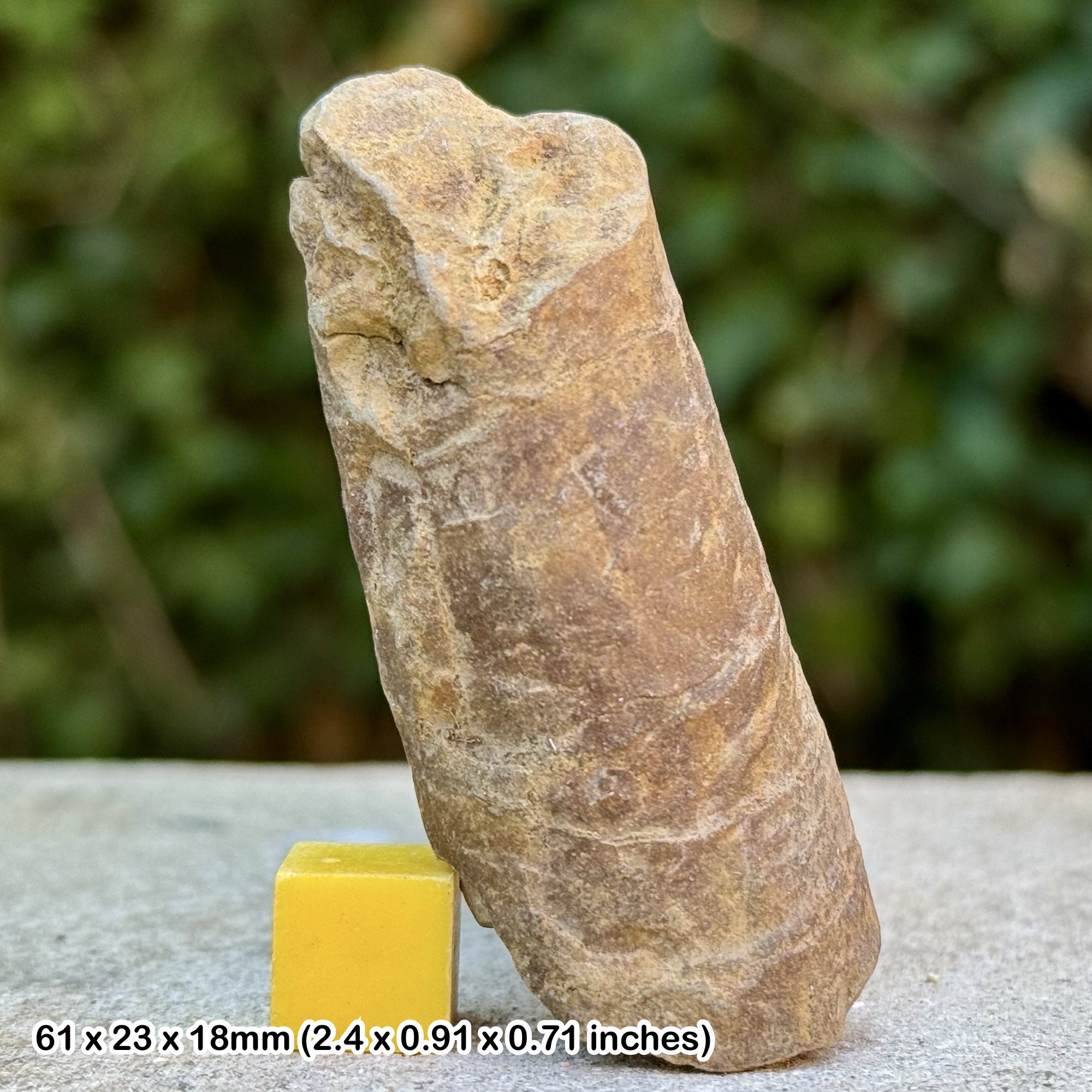
Orthoceras vagans Fossil Orthocone | Ordovician Ashgill Series Rhiwlas Bala Wales UK | Genuine Specimen with COA
£ 14.40
Enhance your fossil collection with this authentic Orthoceras vagans orthocone
fossil, originating from the Ashgill Series of the Late Ordovician period, found in Rhiwlas, near Bala, Gwynedd, Wales, UK. This striking straight-shelled cephalopod is a genuine remnant of ancient marine ecosystems that existed over 445 million years ago.Fossil Type: Orthocone CephalopodSpecies: Orthoceras vagansGeological Period: Ordovician (~485 to 443 million years ago)Geological Series: Ashgill (Late Ordovician)Location: Rhiwlas, Bala, Gwynedd, Wales, UKScale Rule: Squares/Cube = 1cm (Please refer to the photo for full sizing details)Specimen: The photo shows the exact specimen you will receiveAuthenticity: All of our fossils are 100% genuine specimens and come with a Certificate of Authenticity GEOLOGICAL AND PALEONTOLOGICAL INFORMATIONOrthoceras vagans was a type of extinct nautiloid cephalopod belonging to a group of straight-shelled marine molluscs that thrived in the Paleozoic oceans. Fossils from the Ashgill Series of the Ordovician represent some of the last cephalopod species before the major end-Ordovician extinction event.
• Phylum: Mollusca
• Class: Cephalopoda
• Order: Orthocerida
• Family: Orthoceratidae
• Superfamily: Orthocerataceae
• Geological Stage: Ashgill (approximately 449 to 443 million years ago)
• Depositional Environment: Deeper marine shelf environment with fine-grained sediments like shales and limestones typical of the Welsh Basin during the Late Ordovician
• Morphological Features: Long, straight shell (orthocone) with multiple internal chambers (phragmocone); transverse septa separate the chambers; central or subcentral siphuncle used for buoyancy regulation; external ornamentation may include fine growth lines and annulations
• Notable: Orthoceras vagans and other orthocerids from the Bala region are crucial for understanding cephalopod evolution and paleoecology in the pre-extinction Ordovician marine environment
• Biozone: Likely corresponds to the upper Ordovician graptolite or brachiopod biozones of the Ashgill Series, though exact zonation is site-dependent
• Identifier: The species vagans has been recognized in European Ordovician fossil records and is frequently used in stratigraphic studies WHY THIS FOSSIL IS SPECIALThis fossil provides a window into the Late Ordovician seas of ancient Wales and offers both scientific and aesthetic appeal. Its preservation in a region of high stratigraphic importance makes it valuable for collectors, educators, and geologists alike. WHY BUY FROM US?
• 100% genuine fossil with Certificate of Authenticity
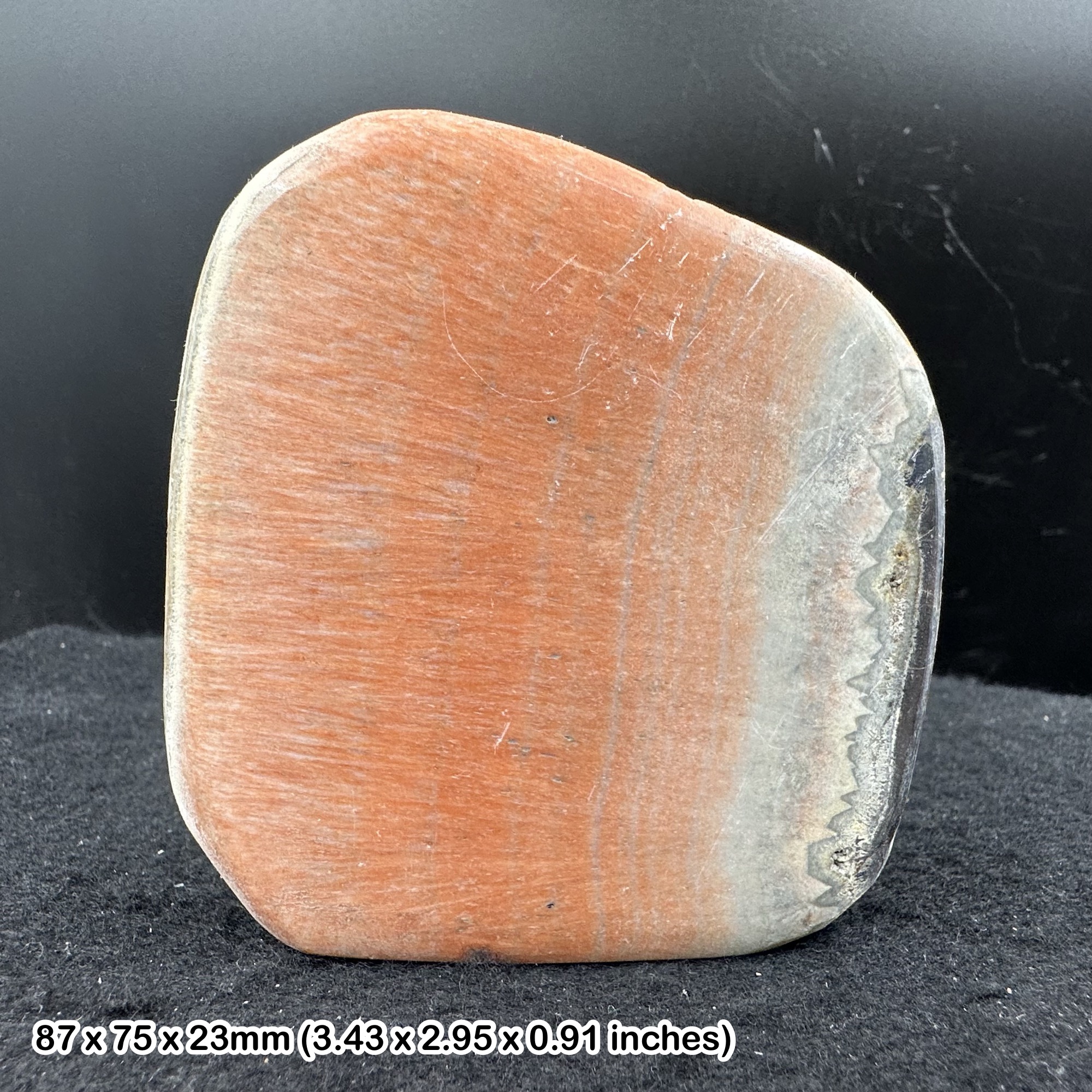
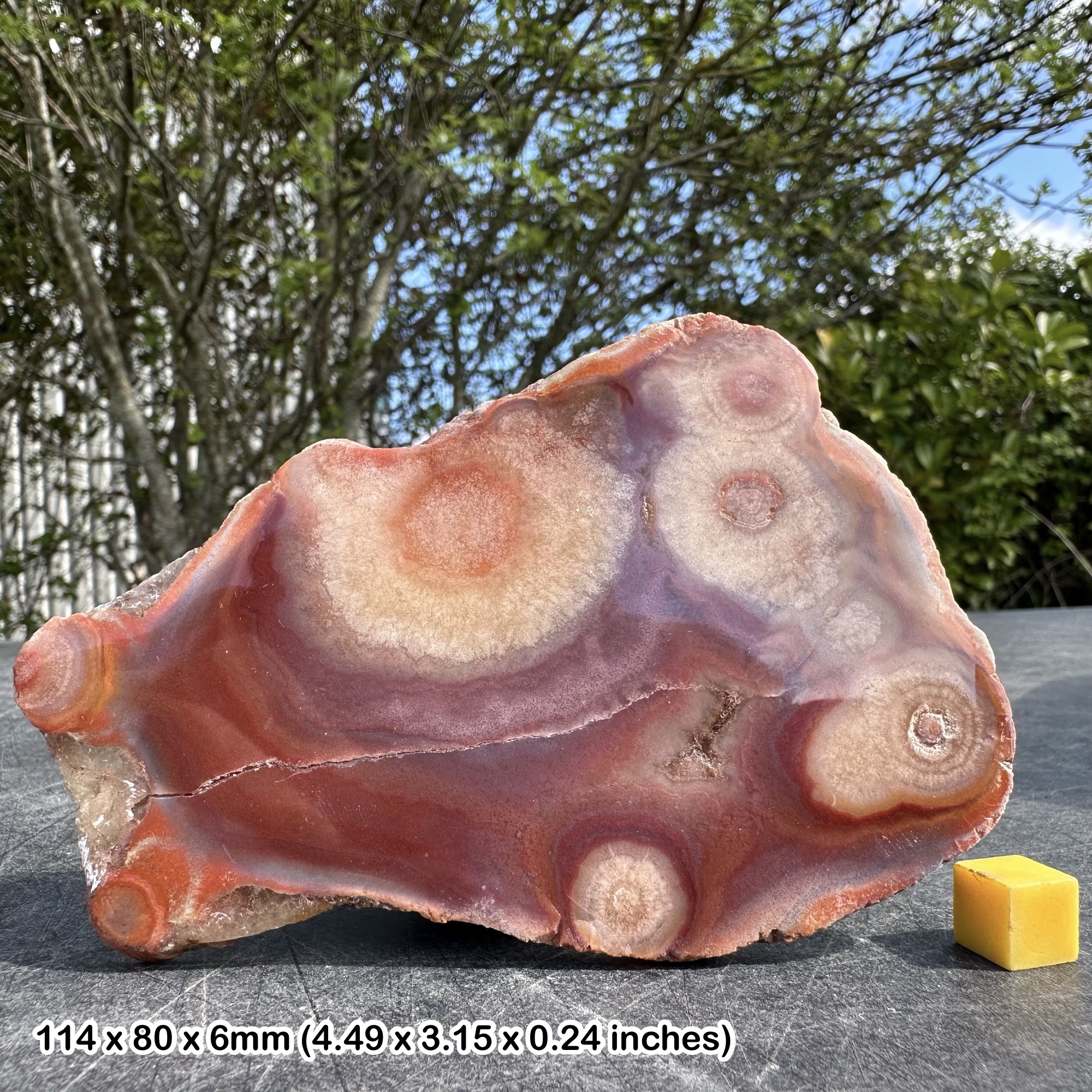
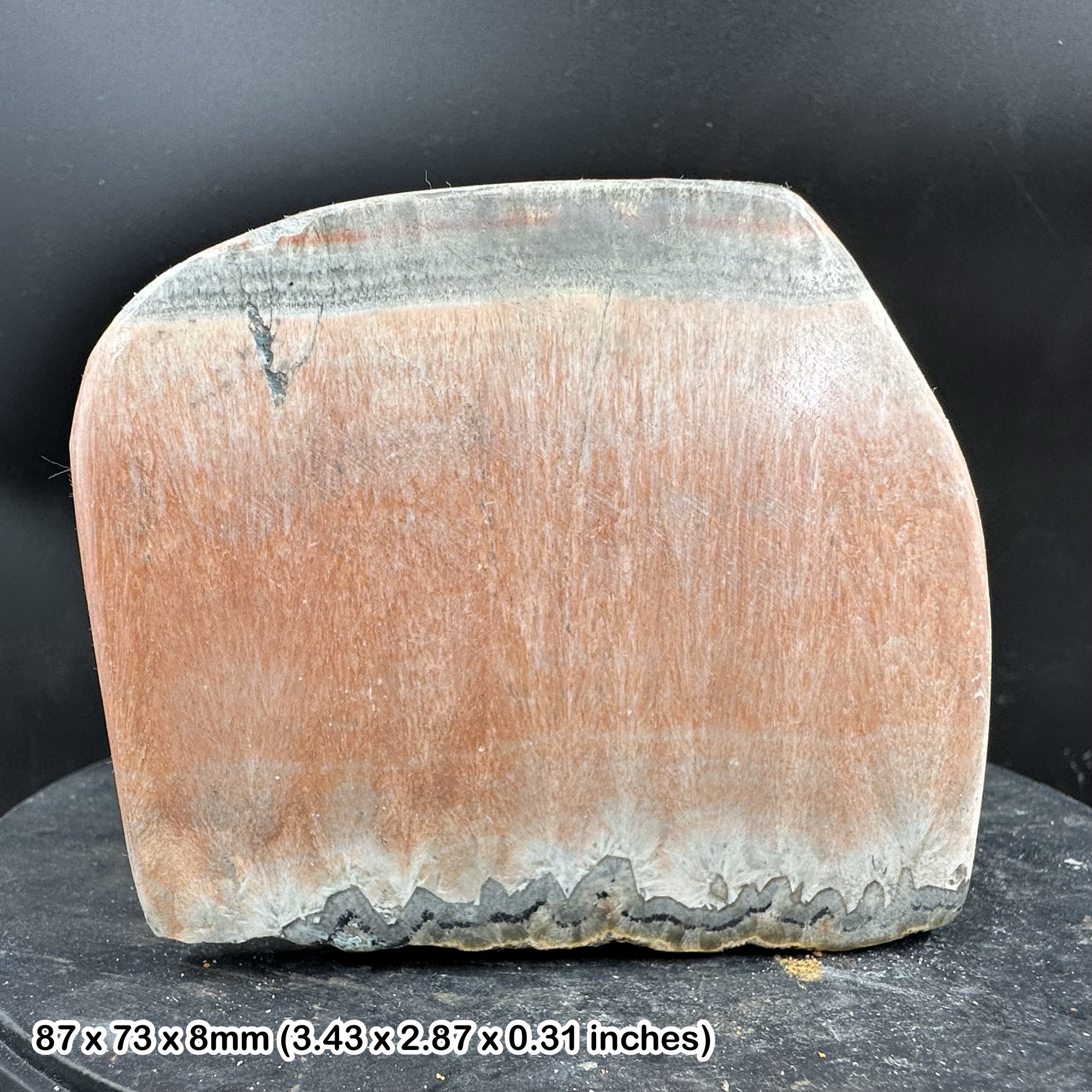
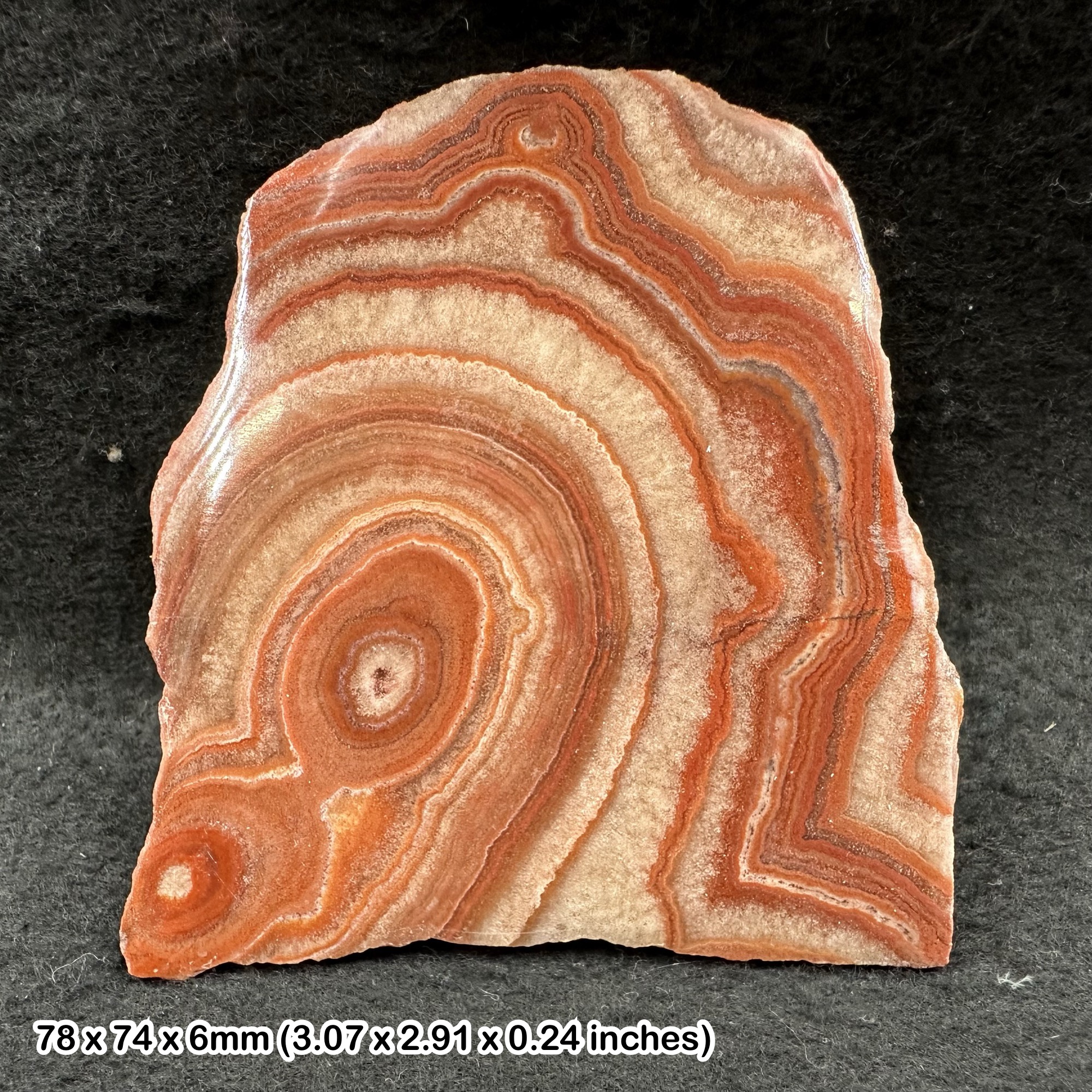
• The item shown in the photos is exactly what you will receive
• Ethically sourced from established UK fossil localities
• Great for teaching, scientific research, collecting, or displayOwn a rare and historically significant piece of Earth's ancient oceans with this Orthoceras vagans fossil orthocone from the Ashgill Series of Rhiwlas, Bala, Wales — an enduring relic from over 445 million years ago.
fossil, originating from the Ashgill Series of the Late Ordovician period, found in Rhiwlas, near Bala, Gwynedd, Wales, UK. This striking straight-shelled cephalopod is a genuine remnant of ancient marine ecosystems that existed over 445 million years ago.Fossil Type: Orthocone CephalopodSpecies: Orthoceras vagansGeological Period: Ordovician (~485 to 443 million years ago)Geological Series: Ashgill (Late Ordovician)Location: Rhiwlas, Bala, Gwynedd, Wales, UKScale Rule: Squares/Cube = 1cm (Please refer to the photo for full sizing details)Specimen: The photo shows the exact specimen you will receiveAuthenticity: All of our fossils are 100% genuine specimens and come with a Certificate of Authenticity GEOLOGICAL AND PALEONTOLOGICAL INFORMATIONOrthoceras vagans was a type of extinct nautiloid cephalopod belonging to a group of straight-shelled marine molluscs that thrived in the Paleozoic oceans. Fossils from the Ashgill Series of the Ordovician represent some of the last cephalopod species before the major end-Ordovician extinction event.
• Phylum: Mollusca
• Class: Cephalopoda
• Order: Orthocerida
• Family: Orthoceratidae
• Superfamily: Orthocerataceae
• Geological Stage: Ashgill (approximately 449 to 443 million years ago)
• Depositional Environment: Deeper marine shelf environment with fine-grained sediments like shales and limestones typical of the Welsh Basin during the Late Ordovician
• Morphological Features: Long, straight shell (orthocone) with multiple internal chambers (phragmocone); transverse septa separate the chambers; central or subcentral siphuncle used for buoyancy regulation; external ornamentation may include fine growth lines and annulations
• Notable: Orthoceras vagans and other orthocerids from the Bala region are crucial for understanding cephalopod evolution and paleoecology in the pre-extinction Ordovician marine environment
• Biozone: Likely corresponds to the upper Ordovician graptolite or brachiopod biozones of the Ashgill Series, though exact zonation is site-dependent
• Identifier: The species vagans has been recognized in European Ordovician fossil records and is frequently used in stratigraphic studies WHY THIS FOSSIL IS SPECIALThis fossil provides a window into the Late Ordovician seas of ancient Wales and offers both scientific and aesthetic appeal. Its preservation in a region of high stratigraphic importance makes it valuable for collectors, educators, and geologists alike. WHY BUY FROM US?
• 100% genuine fossil with Certificate of Authenticity
• The item shown in the photos is exactly what you will receive
• Ethically sourced from established UK fossil localities
• Great for teaching, scientific research, collecting, or displayOwn a rare and historically significant piece of Earth's ancient oceans with this Orthoceras vagans fossil orthocone from the Ashgill Series of Rhiwlas, Bala, Wales — an enduring relic from over 445 million years ago.