Ruby Mineral Specimen Madagascar Natural Corundum Crystal Red Aluminium Oxide Collector Stone Genuine with Certificate of Authenticity
£ 7.20
Natural Ruby Mineral Specimen from MadagascarThis genuine Ruby mineral specimen sourced from Madagascar displays the rich red
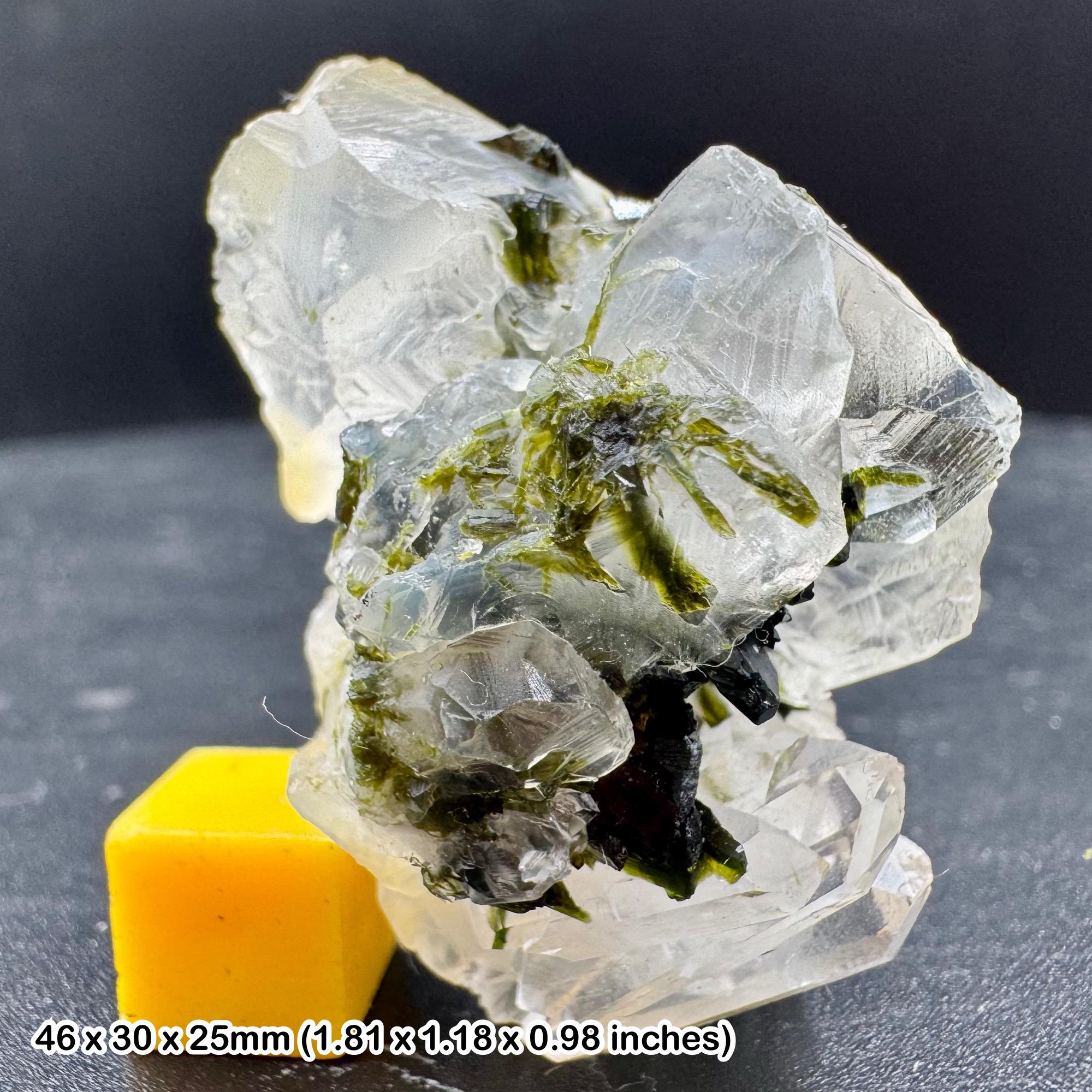
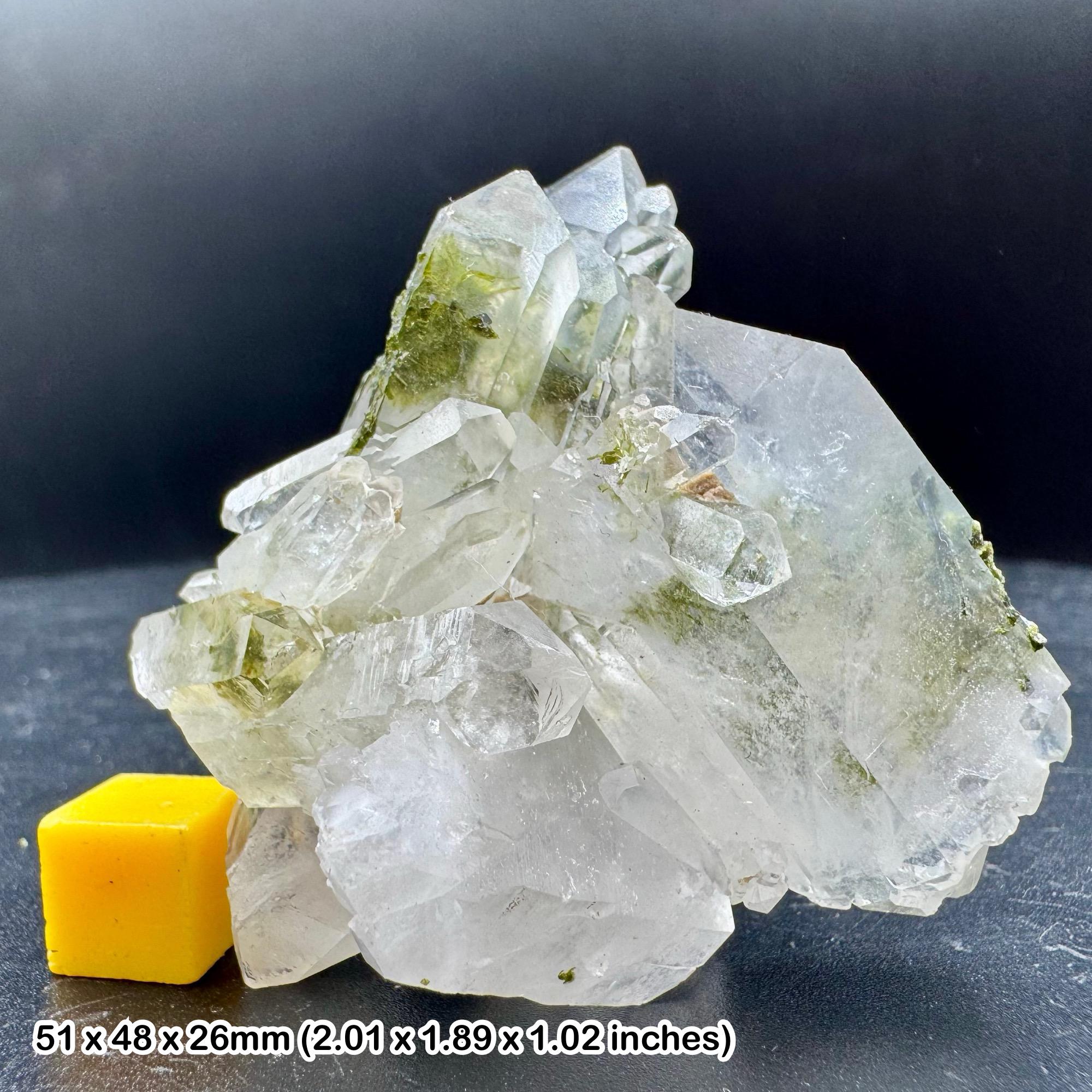
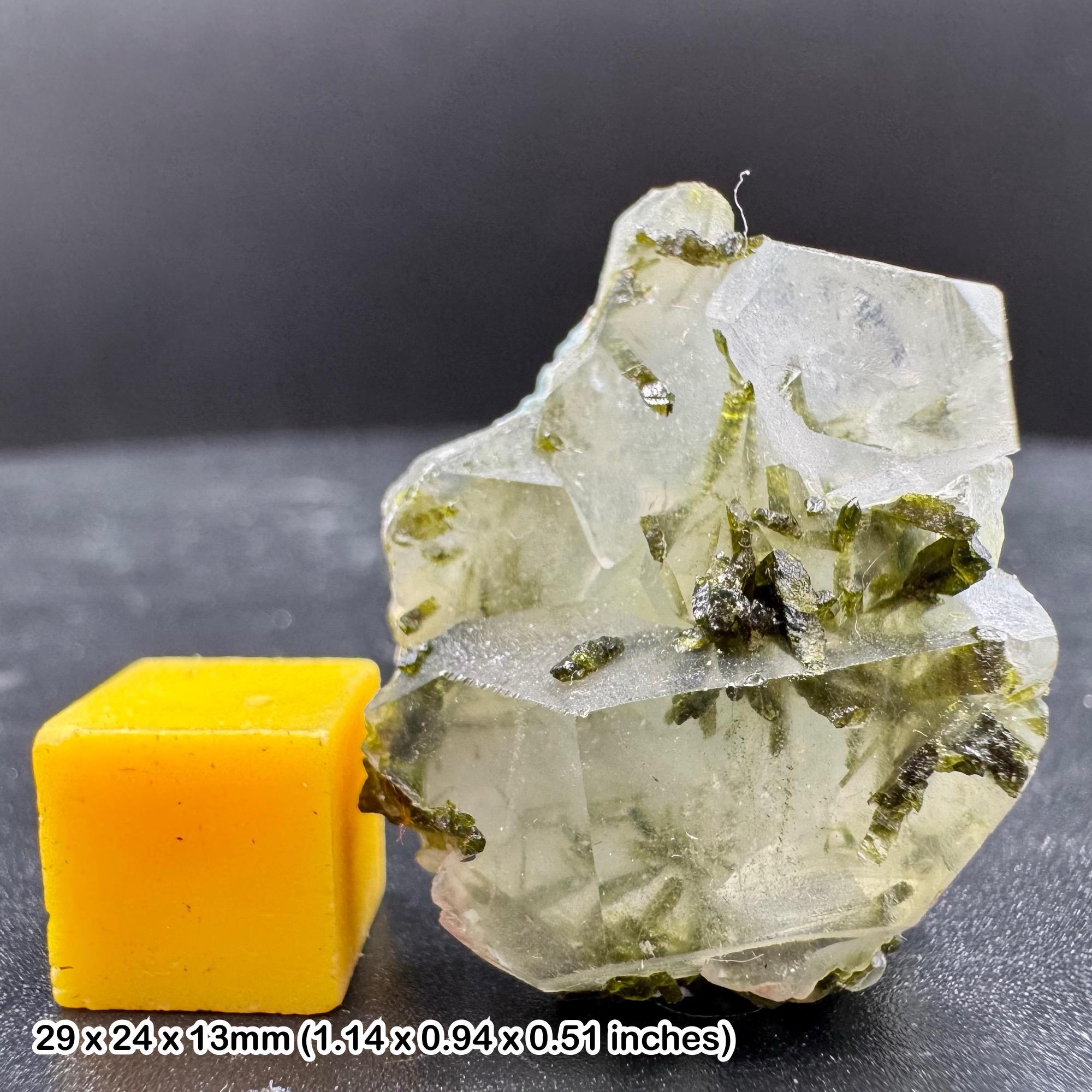
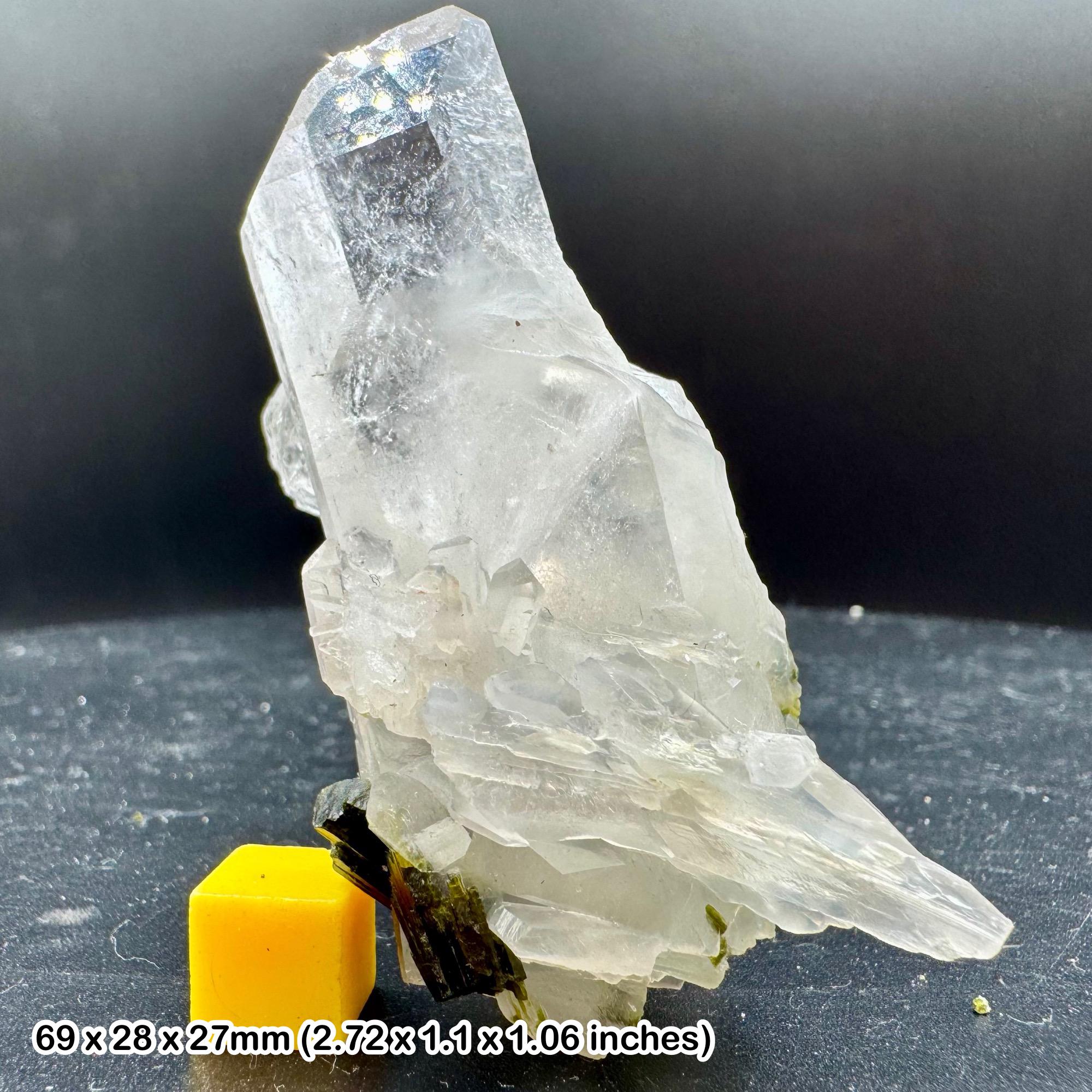
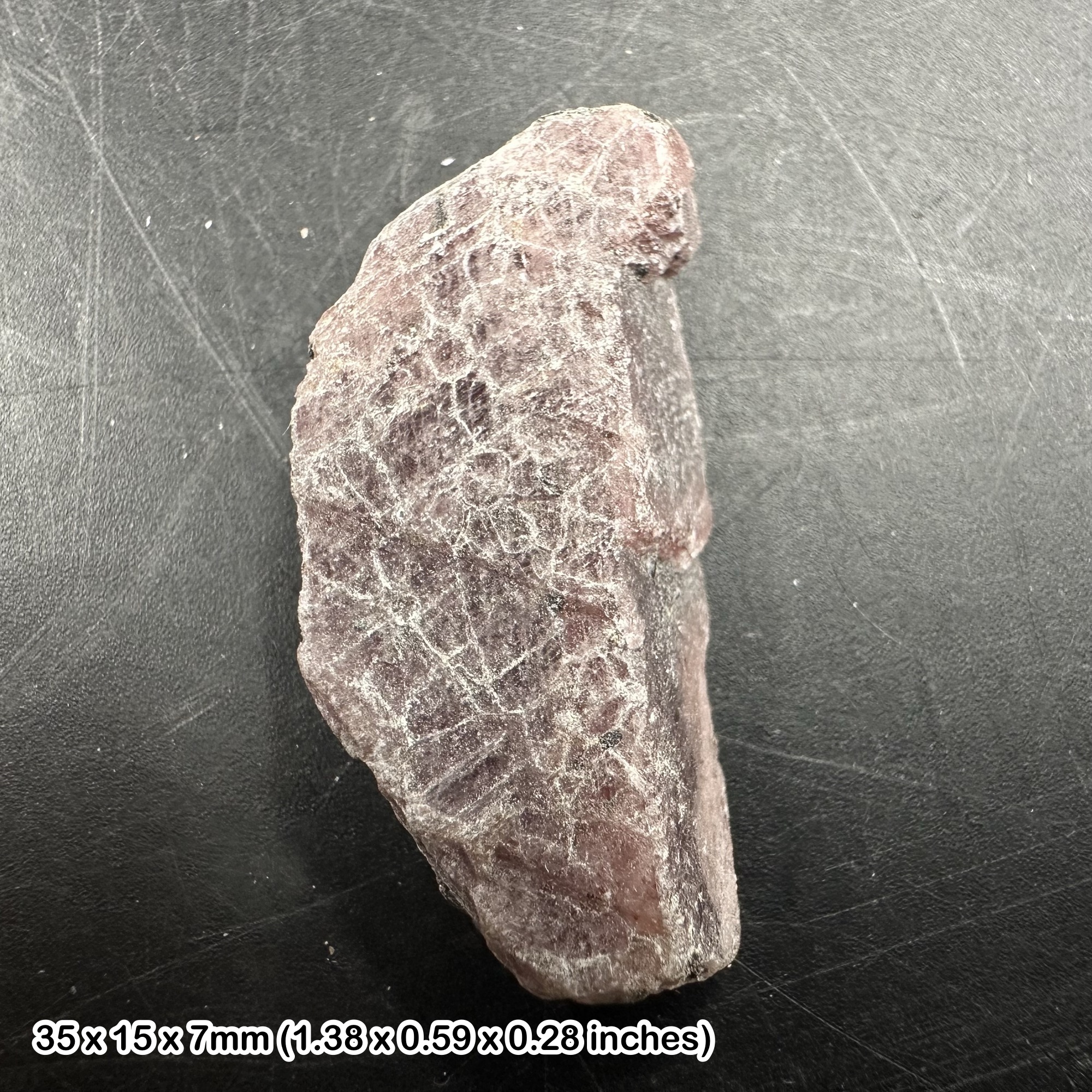
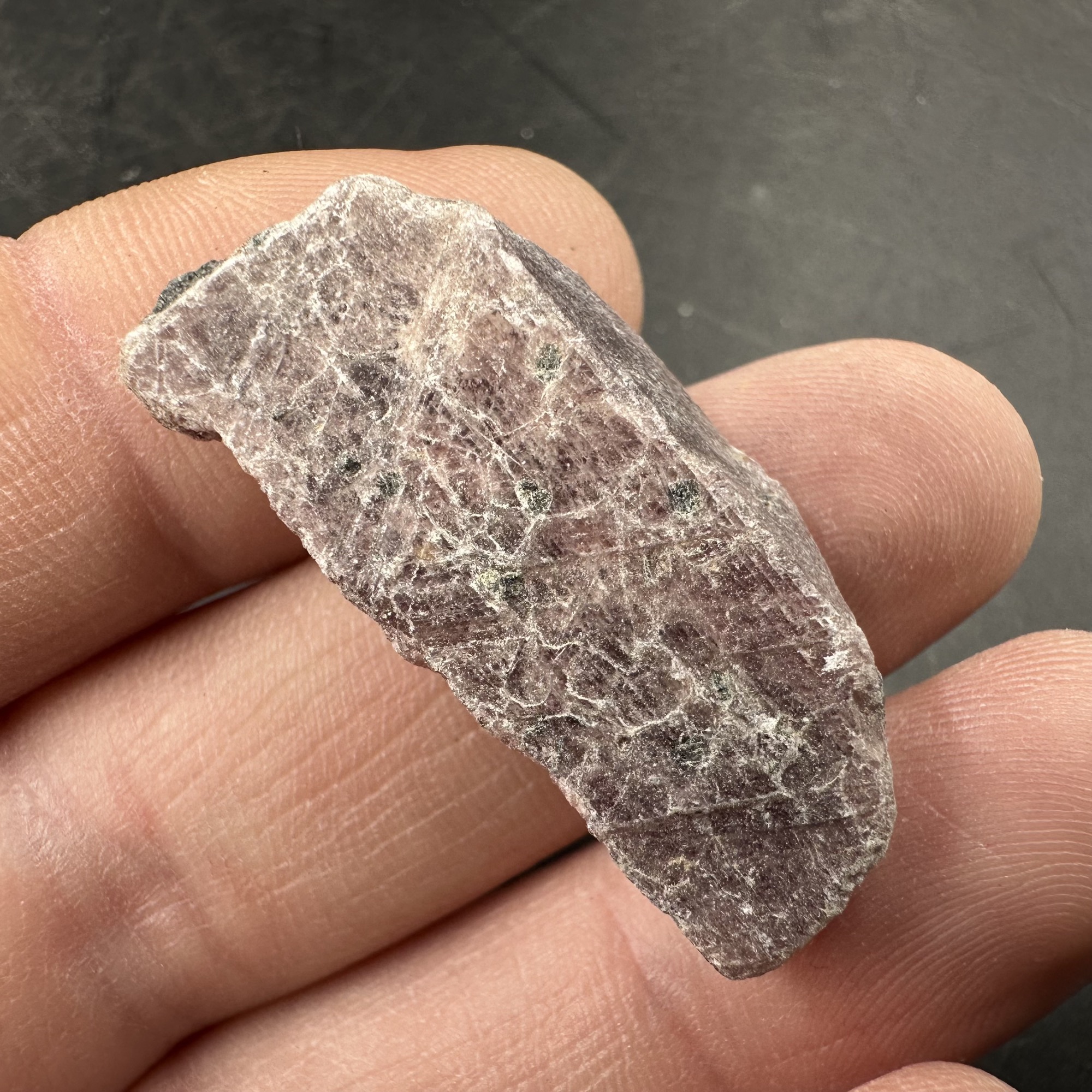
colour characteristic of one of the most recognised varieties of the corundum mineral group. Ruby is valued both in mineral collecting and gemology due to its vibrant colouration and exceptional hardness.The specimen is presented in its natural mineral form, preserving the geological features and textures created during its formation within metamorphic or igneous host rocks. Each piece is carefully selected for its natural colour, mineral structure, and display quality.The listing photographs clearly show the exact specimen you will receive, allowing collectors to examine the colour tones, crystal structure, and natural matrix features before purchase.This specimen includes a Certificate of Authenticity lifetime guarantee generic card, confirming that the stone is a genuine natural mineral.Full sizing and scale can be seen in the listing photos.Mineral Identification and Scientific ClassificationRuby is the red variety of corundum, a crystalline aluminium oxide mineral belonging to the oxide mineral class. Its colour is caused primarily by trace amounts of chromium within the crystal structure.Important mineralogical details include:Mineral Name: RubyMineral Species: CorundumMineral Class: OxidesChemical Formula: Al₂O₃Crystal System: TrigonalMohs Hardness: 9Lustre: Vitreous to adamantineTransparency: Transparent to opaque depending on crystal qualityCorundum is one of the hardest naturally occurring minerals, second only to diamond on the Mohs hardness scale. Ruby and sapphire are both varieties of corundum, distinguished primarily by colour.Geological Formation of RubyRuby forms under high-temperature and high-pressure conditions typically associated with metamorphic rock environments. It commonly develops in aluminium-rich rocks that contain low amounts of silica, allowing corundum crystals to form without being converted into other silicate minerals.Typical geological settings include:Marble-hosted metamorphic depositsMetamorphosed limestone environmentsAluminium-rich metamorphic rocksSecondary deposits formed through erosion of primary sourcesThe red colour of ruby develops when chromium replaces small amounts of aluminium within the corundum crystal lattice. The presence and concentration of chromium directly influence the depth and intensity of the red colour.Ruby may occur as individual crystals embedded in host rock or as weathered fragments within secondary deposits.Colour Characteristics and Crystal HabitRuby is widely recognised for its rich red colour spectrum, which can range from lighter pinkish-red tones to deep crimson shades depending on chromium content and geological conditions.Typical visual characteristics include:Deep red to pinkish-red colourationHexagonal or barrel-shaped crystal forms in well-developed specimensNatural crystal faces or rough surfaces depending on formation environmentOccasional inclusions from surrounding mineralsIn mineral specimens, ruby crystals may occur partially embedded within matrix rock, revealing the geological context in which the mineral formed.Ruby Deposits in MadagascarMadagascar is one of the important global sources of ruby and other corundum minerals. The island’s complex geological history includes extensive metamorphic terrains where aluminium-rich rocks have undergone high-pressure metamorphism.Ruby deposits in Madagascar are often associated with:Marble-hosted metamorphic environmentsSecondary alluvial deposits formed through erosionComplex metamorphic rock belts containing corundum-bearing zonesSpecimens from Madagascar are appreciated by collectors for their natural colour and the geological diversity of the region’s mineral deposits.Mineral Collecting and Geological InterestRuby specimens are widely sought after by mineral collectors due to their vibrant colour, geological significance, and connection to the corundum mineral family.Natural ruby specimens are commonly included in:Corundum mineral collectionsOxide mineral displaysMetamorphic mineral suitesEducational geological collectionsBecause ruby belongs to one of the hardest mineral groups and forms under specific geological conditions, it represents an important example of metamorphic mineral formation.Cultural and Historical ContextRuby has been used historically in jewellery, decorative carvings, and ornamental objects due to its striking colour and durability. Throughout various cultures and historical traditions, ruby has also been symbolically associated with qualities such as vitality, passion, and strength. These interpretations are part of cultural history rather than scientific mineral properties.Authenticity and Exact SpecimenThis listing features a genuine Ruby mineral specimen from Madagascar. The photographs provided in the listing show the exact piece you will receive, ensuring transparency regarding colour, mineral structure, and natural features.Each purchase includes a Certificate of Authenticity lifetime guarantee generic card, confirming the authenticity of the mineral.Please refer to the listing photographs for the full size and scale of the specimen. The ruby shown in the images is the exact mineral specimen that will be shipped.
colour characteristic of one of the most recognised varieties of the corundum mineral group. Ruby is valued both in mineral collecting and gemology due to its vibrant colouration and exceptional hardness.The specimen is presented in its natural mineral form, preserving the geological features and textures created during its formation within metamorphic or igneous host rocks. Each piece is carefully selected for its natural colour, mineral structure, and display quality.The listing photographs clearly show the exact specimen you will receive, allowing collectors to examine the colour tones, crystal structure, and natural matrix features before purchase.This specimen includes a Certificate of Authenticity lifetime guarantee generic card, confirming that the stone is a genuine natural mineral.Full sizing and scale can be seen in the listing photos.Mineral Identification and Scientific ClassificationRuby is the red variety of corundum, a crystalline aluminium oxide mineral belonging to the oxide mineral class. Its colour is caused primarily by trace amounts of chromium within the crystal structure.Important mineralogical details include:Mineral Name: RubyMineral Species: CorundumMineral Class: OxidesChemical Formula: Al₂O₃Crystal System: TrigonalMohs Hardness: 9Lustre: Vitreous to adamantineTransparency: Transparent to opaque depending on crystal qualityCorundum is one of the hardest naturally occurring minerals, second only to diamond on the Mohs hardness scale. Ruby and sapphire are both varieties of corundum, distinguished primarily by colour.Geological Formation of RubyRuby forms under high-temperature and high-pressure conditions typically associated with metamorphic rock environments. It commonly develops in aluminium-rich rocks that contain low amounts of silica, allowing corundum crystals to form without being converted into other silicate minerals.Typical geological settings include:Marble-hosted metamorphic depositsMetamorphosed limestone environmentsAluminium-rich metamorphic rocksSecondary deposits formed through erosion of primary sourcesThe red colour of ruby develops when chromium replaces small amounts of aluminium within the corundum crystal lattice. The presence and concentration of chromium directly influence the depth and intensity of the red colour.Ruby may occur as individual crystals embedded in host rock or as weathered fragments within secondary deposits.Colour Characteristics and Crystal HabitRuby is widely recognised for its rich red colour spectrum, which can range from lighter pinkish-red tones to deep crimson shades depending on chromium content and geological conditions.Typical visual characteristics include:Deep red to pinkish-red colourationHexagonal or barrel-shaped crystal forms in well-developed specimensNatural crystal faces or rough surfaces depending on formation environmentOccasional inclusions from surrounding mineralsIn mineral specimens, ruby crystals may occur partially embedded within matrix rock, revealing the geological context in which the mineral formed.Ruby Deposits in MadagascarMadagascar is one of the important global sources of ruby and other corundum minerals. The island’s complex geological history includes extensive metamorphic terrains where aluminium-rich rocks have undergone high-pressure metamorphism.Ruby deposits in Madagascar are often associated with:Marble-hosted metamorphic environmentsSecondary alluvial deposits formed through erosionComplex metamorphic rock belts containing corundum-bearing zonesSpecimens from Madagascar are appreciated by collectors for their natural colour and the geological diversity of the region’s mineral deposits.Mineral Collecting and Geological InterestRuby specimens are widely sought after by mineral collectors due to their vibrant colour, geological significance, and connection to the corundum mineral family.Natural ruby specimens are commonly included in:Corundum mineral collectionsOxide mineral displaysMetamorphic mineral suitesEducational geological collectionsBecause ruby belongs to one of the hardest mineral groups and forms under specific geological conditions, it represents an important example of metamorphic mineral formation.Cultural and Historical ContextRuby has been used historically in jewellery, decorative carvings, and ornamental objects due to its striking colour and durability. Throughout various cultures and historical traditions, ruby has also been symbolically associated with qualities such as vitality, passion, and strength. These interpretations are part of cultural history rather than scientific mineral properties.Authenticity and Exact SpecimenThis listing features a genuine Ruby mineral specimen from Madagascar. The photographs provided in the listing show the exact piece you will receive, ensuring transparency regarding colour, mineral structure, and natural features.Each purchase includes a Certificate of Authenticity lifetime guarantee generic card, confirming the authenticity of the mineral.Please refer to the listing photographs for the full size and scale of the specimen. The ruby shown in the images is the exact mineral specimen that will be shipped.