Pseudolioceras Ammonite Fossil Whitby Yorkshire Jurassic COA Genuine UK Specimen Upper Toarcian Collectable Display Fossil
£ 48.00
GENUINE PSEUDOLIOCERAS AMMONITE FOSSILThis listing is for a genuine Pseudolioceras ammonite fossil from the Upper
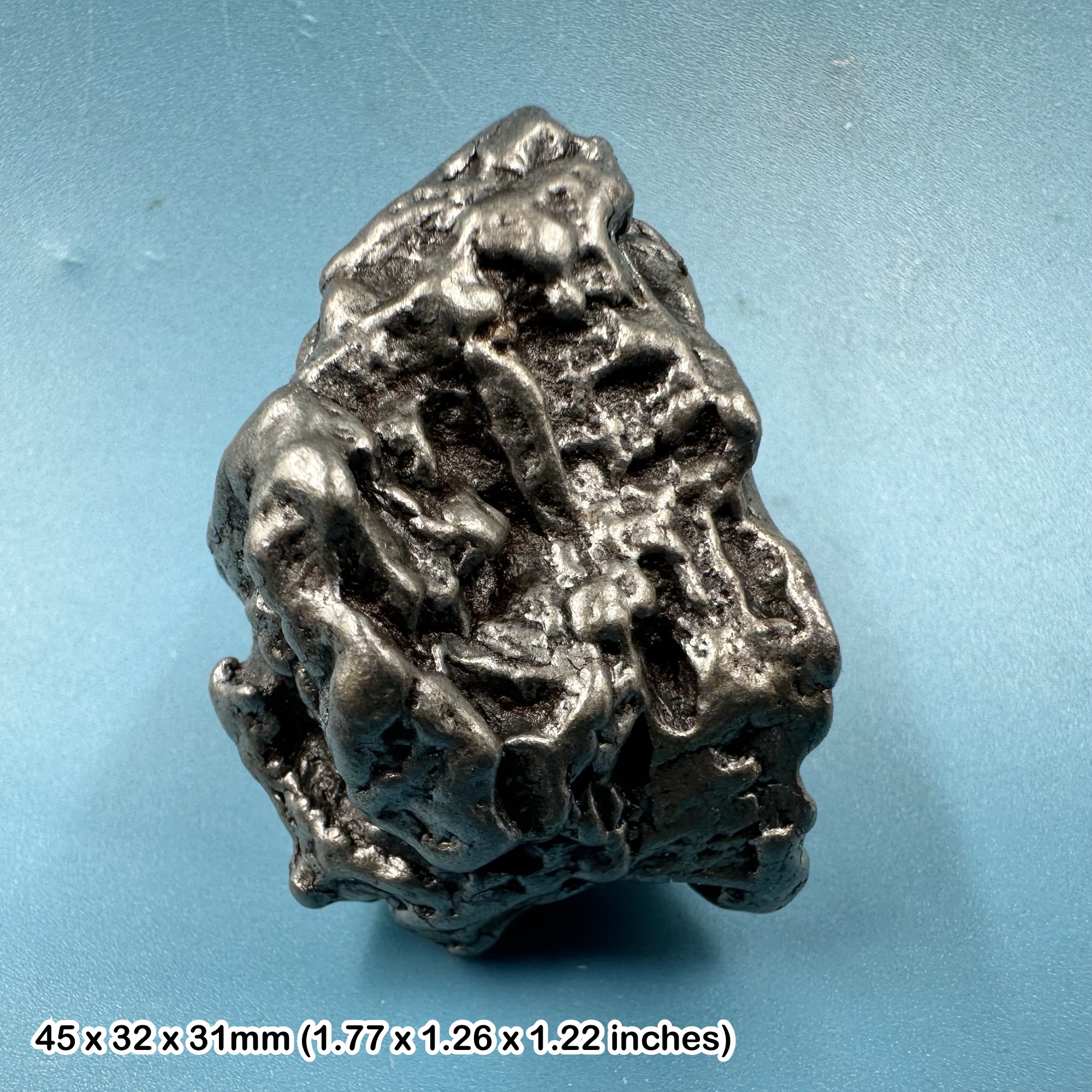
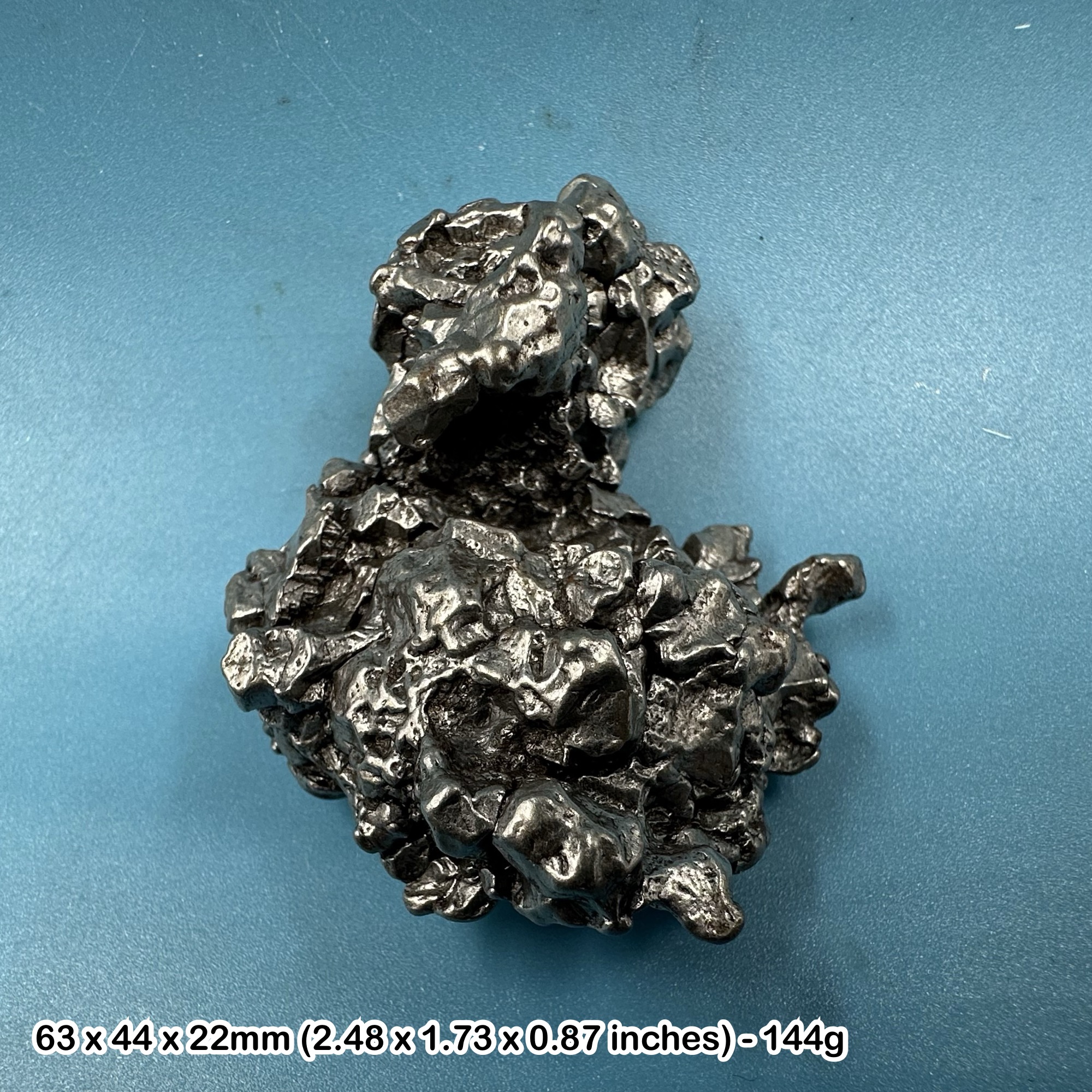
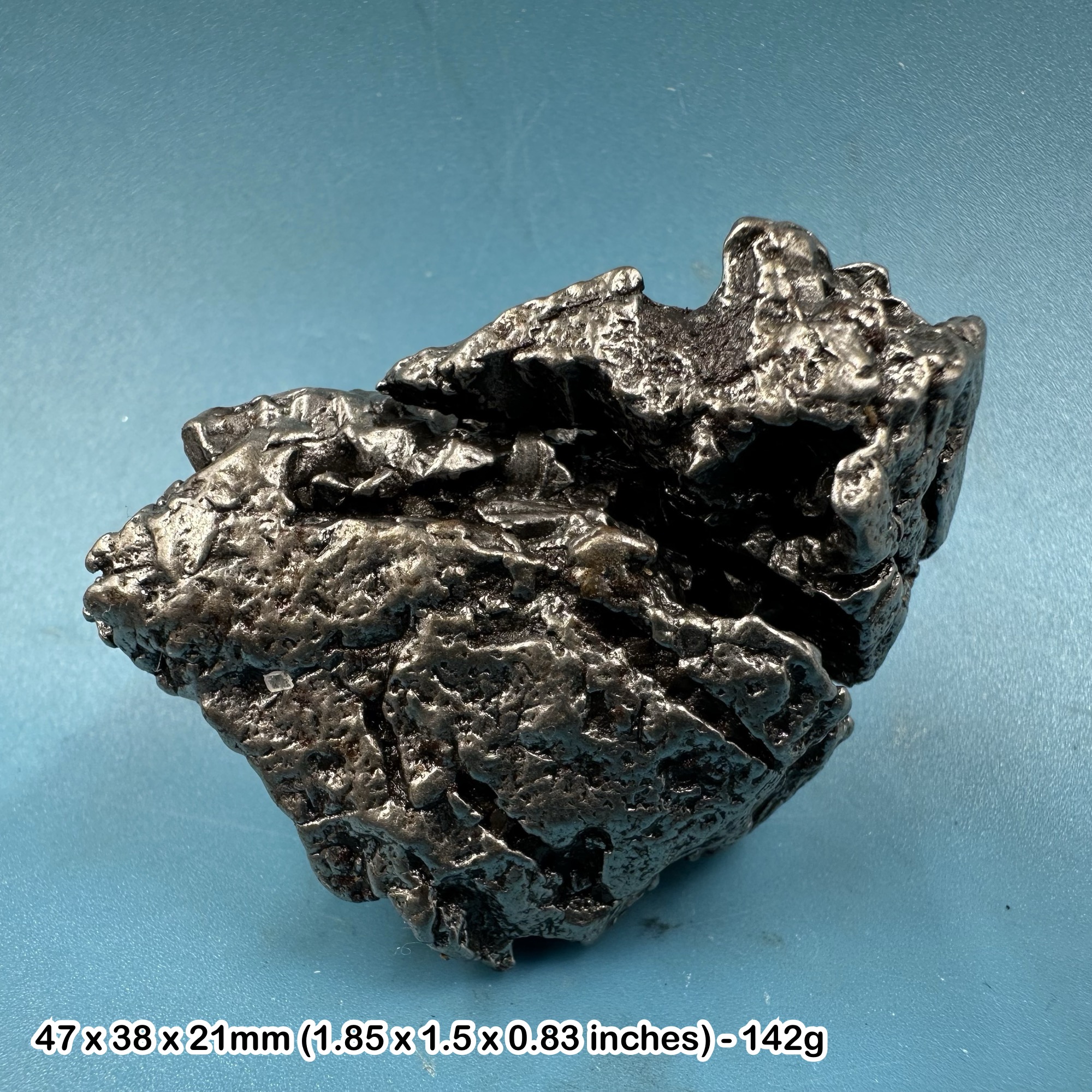
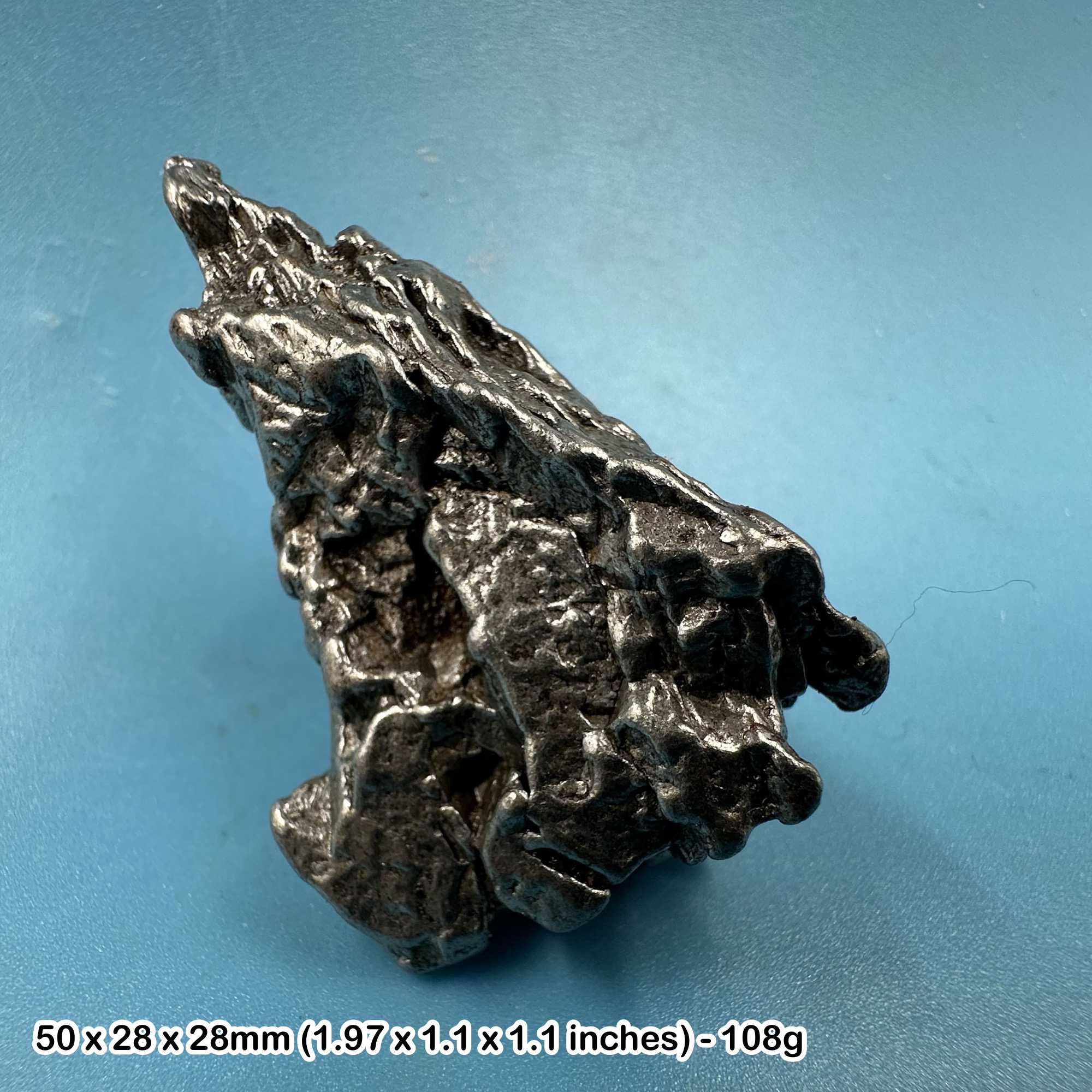
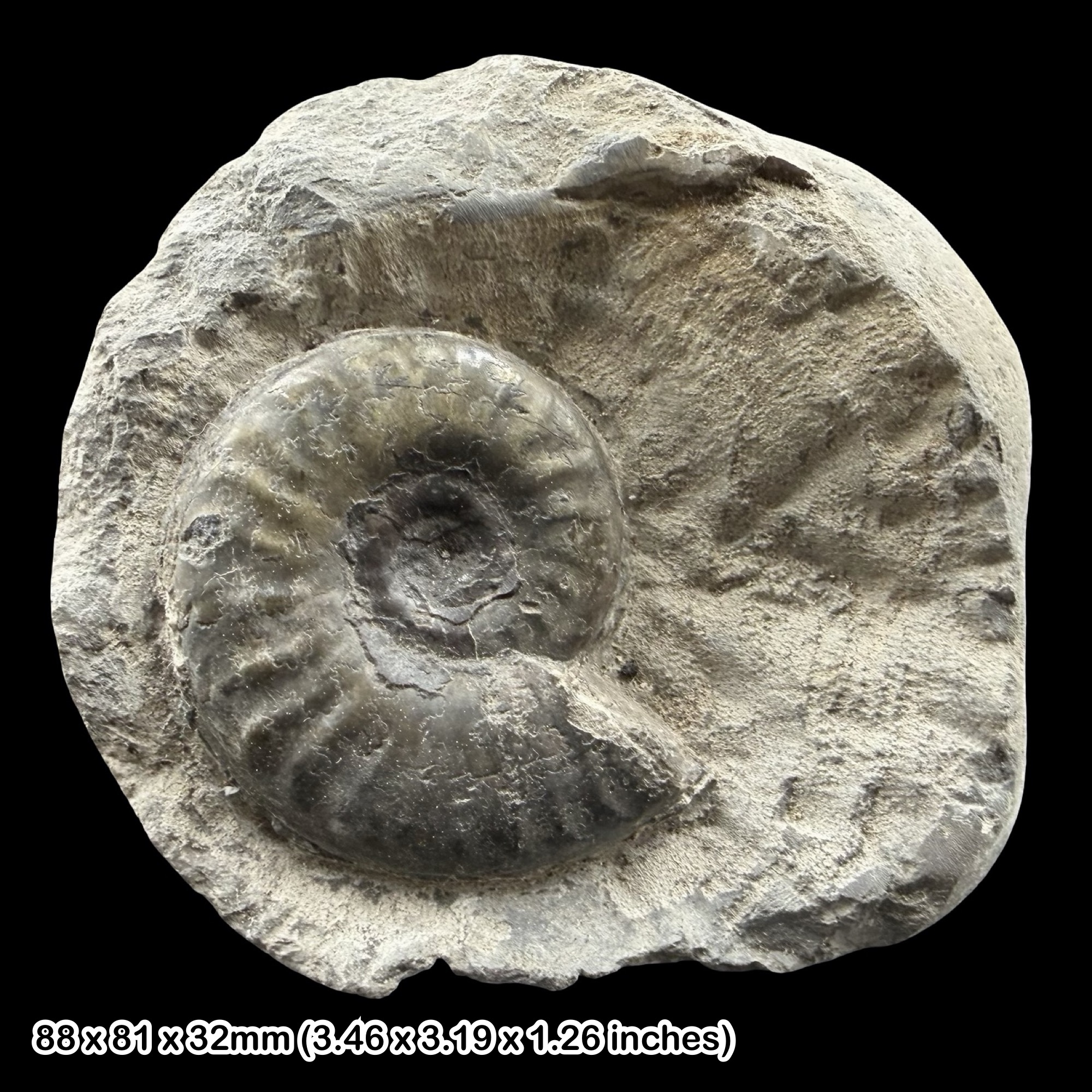
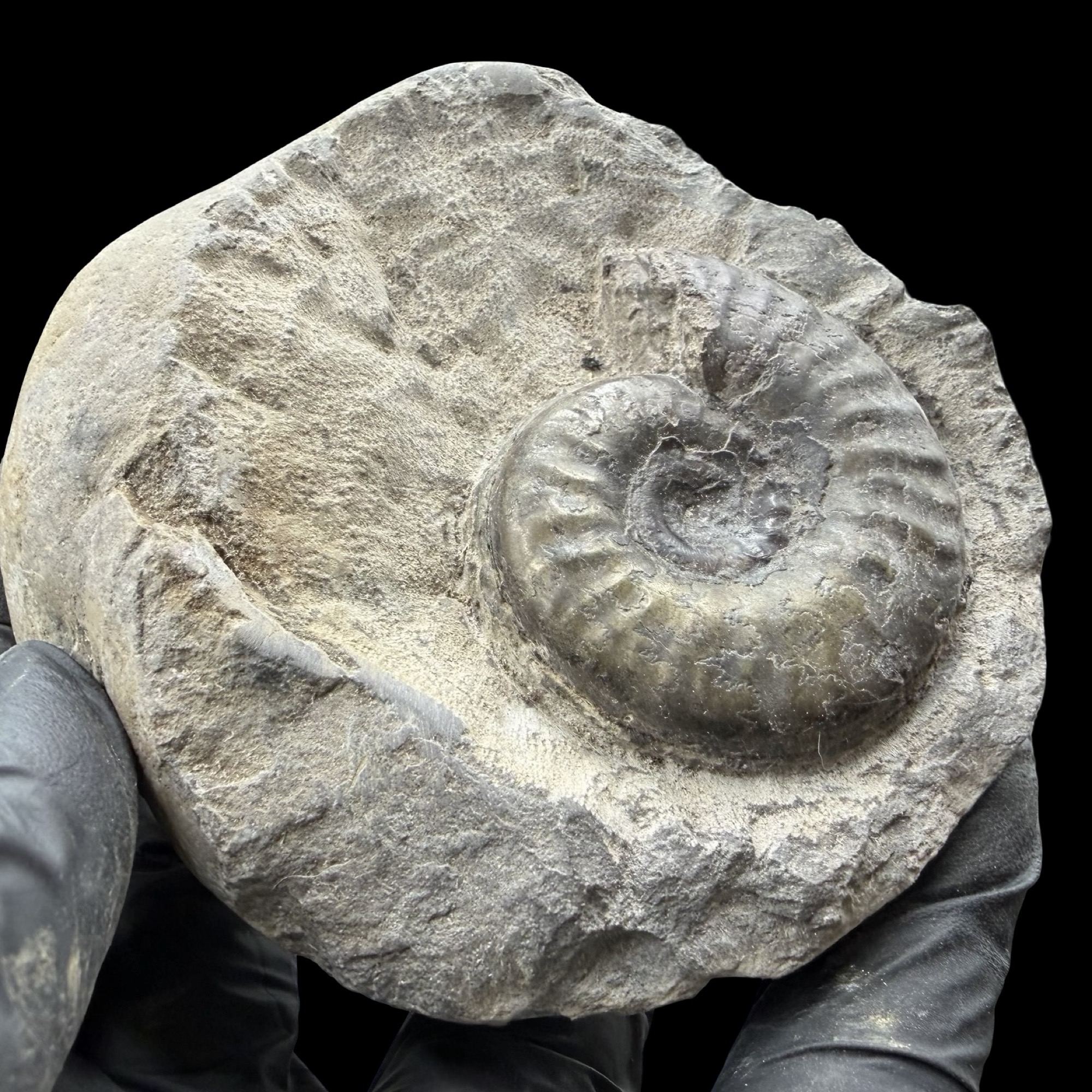
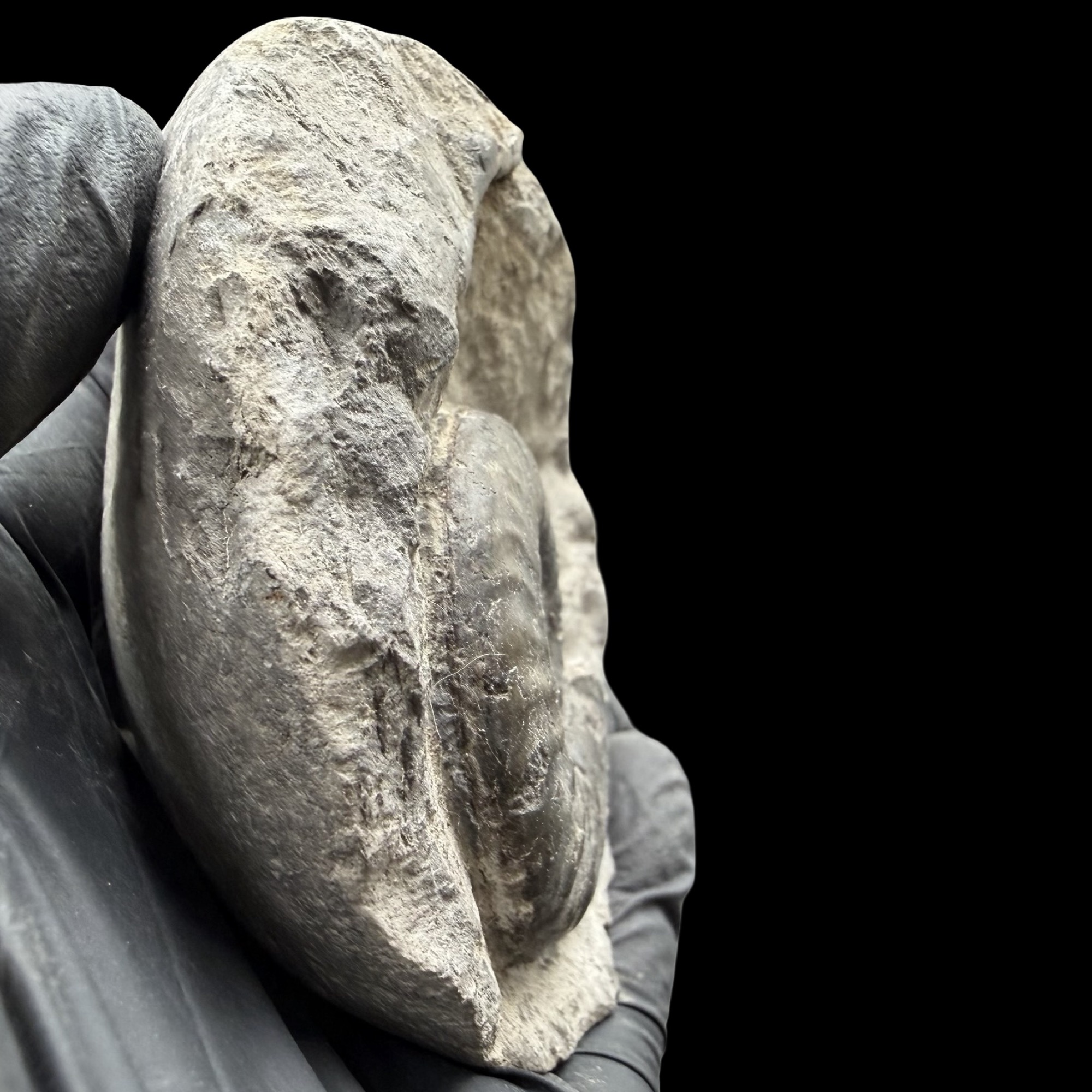
Toarcian, Jurassic, collected from Whitby, North Yorkshire, United Kingdom. This carefully chosen fossil specimen includes a Certificate of Authenticity lifetime guarantee generic card. The photo shows the actual fossil you will receive, allowing you to view the natural shape, preservation, surface detail, colour, matrix and overall display character of this individual piece before purchase. Full sizing details can be seen in the photo.Your specimen was discovered by our own team members, Alister and Alison, and has been cleaned, prepped and treated by Alison. This gives the fossil a clear collecting history, from discovery through to preparation, making it an excellent choice for collectors who value genuine provenance and properly presented British Jurassic fossils. PSEUDOLIOCERAS SPECIES INFORMATIONPseudolioceras is a classic Jurassic ammonite genus known from the Toarcian stage of the Early Jurassic. Ammonites were extinct marine cephalopods, related to modern squid, cuttlefish and nautilus, and they lived within coiled, chambered shells. Their shells are among the most recognisable fossils from the Jurassic Period and are especially valued by collectors because they are both visually striking and scientifically important.Pseudolioceras ammonites are typically recognised by their compressed, planispiral shell form, with a relatively smooth to finely ornamented appearance depending on the species and preservation. The whorls are generally neat and closely coiled, often creating a refined, elegant fossil form compared with more heavily ribbed ammonites. Many examples show a clean spiral profile, subtle growth lines, a defined outer whorl and a naturally balanced shape that makes them highly attractive for display.As ammonites evolved rapidly and were widely distributed in ancient seas, they are important index fossils used by geologists to compare and date rock layers. Pseudolioceras is especially associated with Upper Toarcian marine deposits, giving this specimen strong scientific and stratigraphic interest as well as aesthetic appeal. UPPER TOARCIAN JURASSIC AGEThis fossil dates from the Upper Toarcian stage of the Early Jurassic, approximately 180 million years old. During this time, much of what is now the Yorkshire coast was covered by a marine environment where ammonites, belemnites, bivalves and other sea life lived in abundance. Fine sediments accumulated on the seabed and gradually preserved the remains of marine organisms within the fossil-bearing rocks now exposed around Whitby.The Toarcian is an important interval in Jurassic palaeontology, known for its rich ammonite faunas and distinctive marine deposits. Fossils from this stage are widely collected and studied because they help record changes in ancient sea conditions, marine ecosystems and ammonite evolution during the Early Jurassic. WHITBY, NORTH YORKSHIRE FOSSIL LOCALITYWhitby is one of the most famous fossil locations in the United Kingdom, particularly known for its Jurassic ammonites. The cliffs and foreshore around Whitby and the wider Yorkshire coast have produced many classic British fossils, including ammonites preserved in shale, limestone nodules and other marine sediments. Fossils from this region have a long association with collecting, natural history and historic geology.A Pseudolioceras ammonite from Whitby carries excellent locality appeal. The Yorkshire coast is highly regarded by fossil collectors for its distinctive Jurassic geology, strong fossil preservation and historic importance. Specimens from this area are ideal for collections focused on British fossils, Jurassic ammonites, Whitby fossils, Yorkshire coast geology or Early Jurassic marine life. PREPARATION, DISPLAY AND COLLECTABLE APPEALThis Pseudolioceras ammonite has been cleaned, prepped and treated by Alison to help present the fossil clearly while retaining its natural geological character. Careful preparation is important for Jurassic ammonites, as it helps reveal the fossil’s shape and surface detail while preserving the original character of the specimen.This fossil is suitable for fossil collectors, ammonite enthusiasts, geology cabinets, natural history displays, educational collections, study sets or as a distinctive gift for someone interested in British palaeontology. Its named genus, Upper Toarcian age, Whitby origin and team-discovered provenance make it a desirable addition to any carefully documented fossil collection. CERTIFICATE OF AUTHENTICITY INCLUDEDThis fossil is supplied with a Certificate of Authenticity lifetime guarantee generic card, confirming that it is a genuine specimen. The fossil shown in the photo is the exact piece you will receive, making this Pseudolioceras ammonite a well-presented and authentic Jurassic fossil from one of Britain’s most iconic fossil collecting areas.
Toarcian, Jurassic, collected from Whitby, North Yorkshire, United Kingdom. This carefully chosen fossil specimen includes a Certificate of Authenticity lifetime guarantee generic card. The photo shows the actual fossil you will receive, allowing you to view the natural shape, preservation, surface detail, colour, matrix and overall display character of this individual piece before purchase. Full sizing details can be seen in the photo.Your specimen was discovered by our own team members, Alister and Alison, and has been cleaned, prepped and treated by Alison. This gives the fossil a clear collecting history, from discovery through to preparation, making it an excellent choice for collectors who value genuine provenance and properly presented British Jurassic fossils. PSEUDOLIOCERAS SPECIES INFORMATIONPseudolioceras is a classic Jurassic ammonite genus known from the Toarcian stage of the Early Jurassic. Ammonites were extinct marine cephalopods, related to modern squid, cuttlefish and nautilus, and they lived within coiled, chambered shells. Their shells are among the most recognisable fossils from the Jurassic Period and are especially valued by collectors because they are both visually striking and scientifically important.Pseudolioceras ammonites are typically recognised by their compressed, planispiral shell form, with a relatively smooth to finely ornamented appearance depending on the species and preservation. The whorls are generally neat and closely coiled, often creating a refined, elegant fossil form compared with more heavily ribbed ammonites. Many examples show a clean spiral profile, subtle growth lines, a defined outer whorl and a naturally balanced shape that makes them highly attractive for display.As ammonites evolved rapidly and were widely distributed in ancient seas, they are important index fossils used by geologists to compare and date rock layers. Pseudolioceras is especially associated with Upper Toarcian marine deposits, giving this specimen strong scientific and stratigraphic interest as well as aesthetic appeal. UPPER TOARCIAN JURASSIC AGEThis fossil dates from the Upper Toarcian stage of the Early Jurassic, approximately 180 million years old. During this time, much of what is now the Yorkshire coast was covered by a marine environment where ammonites, belemnites, bivalves and other sea life lived in abundance. Fine sediments accumulated on the seabed and gradually preserved the remains of marine organisms within the fossil-bearing rocks now exposed around Whitby.The Toarcian is an important interval in Jurassic palaeontology, known for its rich ammonite faunas and distinctive marine deposits. Fossils from this stage are widely collected and studied because they help record changes in ancient sea conditions, marine ecosystems and ammonite evolution during the Early Jurassic. WHITBY, NORTH YORKSHIRE FOSSIL LOCALITYWhitby is one of the most famous fossil locations in the United Kingdom, particularly known for its Jurassic ammonites. The cliffs and foreshore around Whitby and the wider Yorkshire coast have produced many classic British fossils, including ammonites preserved in shale, limestone nodules and other marine sediments. Fossils from this region have a long association with collecting, natural history and historic geology.A Pseudolioceras ammonite from Whitby carries excellent locality appeal. The Yorkshire coast is highly regarded by fossil collectors for its distinctive Jurassic geology, strong fossil preservation and historic importance. Specimens from this area are ideal for collections focused on British fossils, Jurassic ammonites, Whitby fossils, Yorkshire coast geology or Early Jurassic marine life. PREPARATION, DISPLAY AND COLLECTABLE APPEALThis Pseudolioceras ammonite has been cleaned, prepped and treated by Alison to help present the fossil clearly while retaining its natural geological character. Careful preparation is important for Jurassic ammonites, as it helps reveal the fossil’s shape and surface detail while preserving the original character of the specimen.This fossil is suitable for fossil collectors, ammonite enthusiasts, geology cabinets, natural history displays, educational collections, study sets or as a distinctive gift for someone interested in British palaeontology. Its named genus, Upper Toarcian age, Whitby origin and team-discovered provenance make it a desirable addition to any carefully documented fossil collection. CERTIFICATE OF AUTHENTICITY INCLUDEDThis fossil is supplied with a Certificate of Authenticity lifetime guarantee generic card, confirming that it is a genuine specimen. The fossil shown in the photo is the exact piece you will receive, making this Pseudolioceras ammonite a well-presented and authentic Jurassic fossil from one of Britain’s most iconic fossil collecting areas.
Other Products