Pleuroceras Spinatum Ammonite Fossil Jurassic Germany Genuine COA
£ 14.40
Genuine Pleuroceras spinatum Ammonite FossilThis listing is for a genuine Pleuroceras spinatum ammonite fossil from the
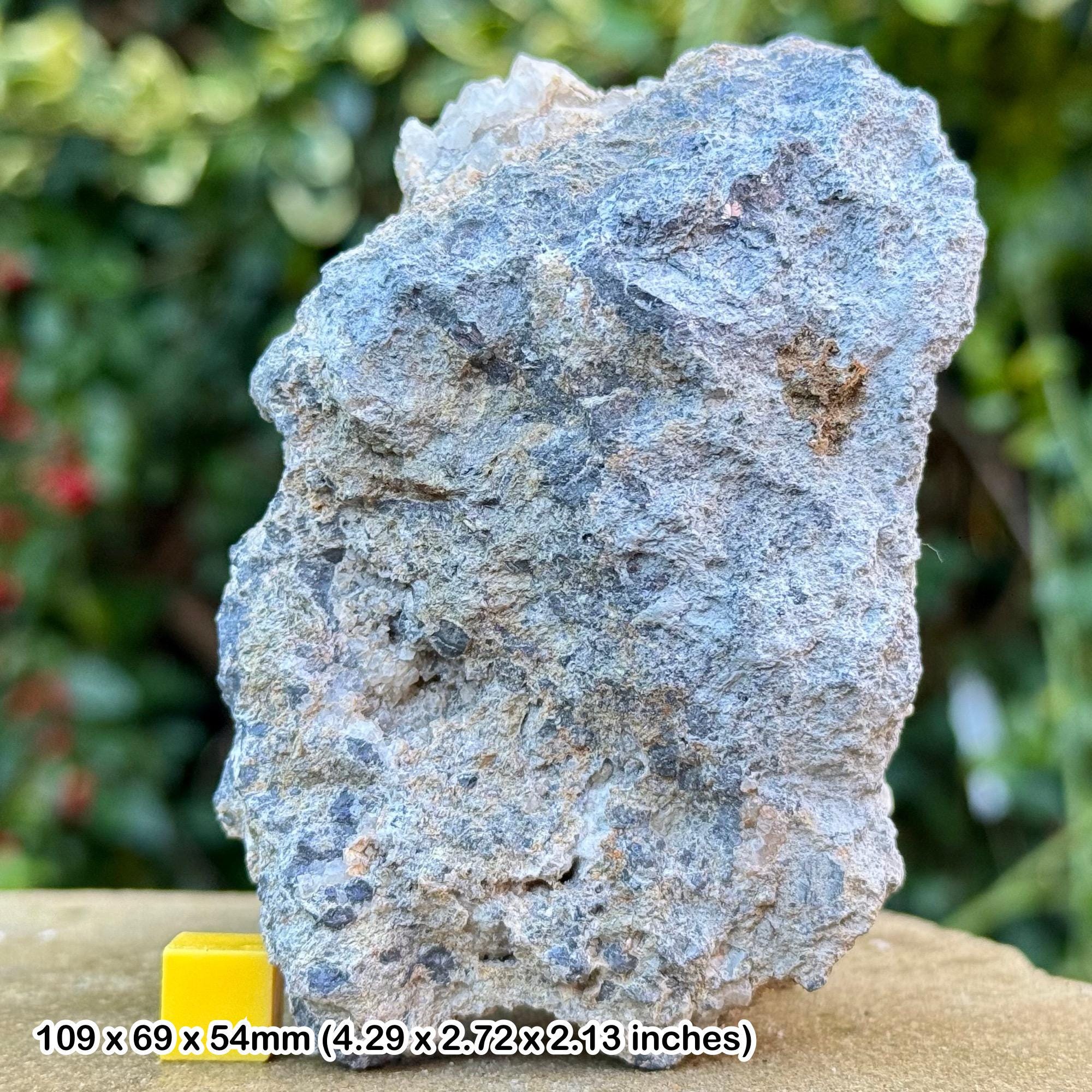
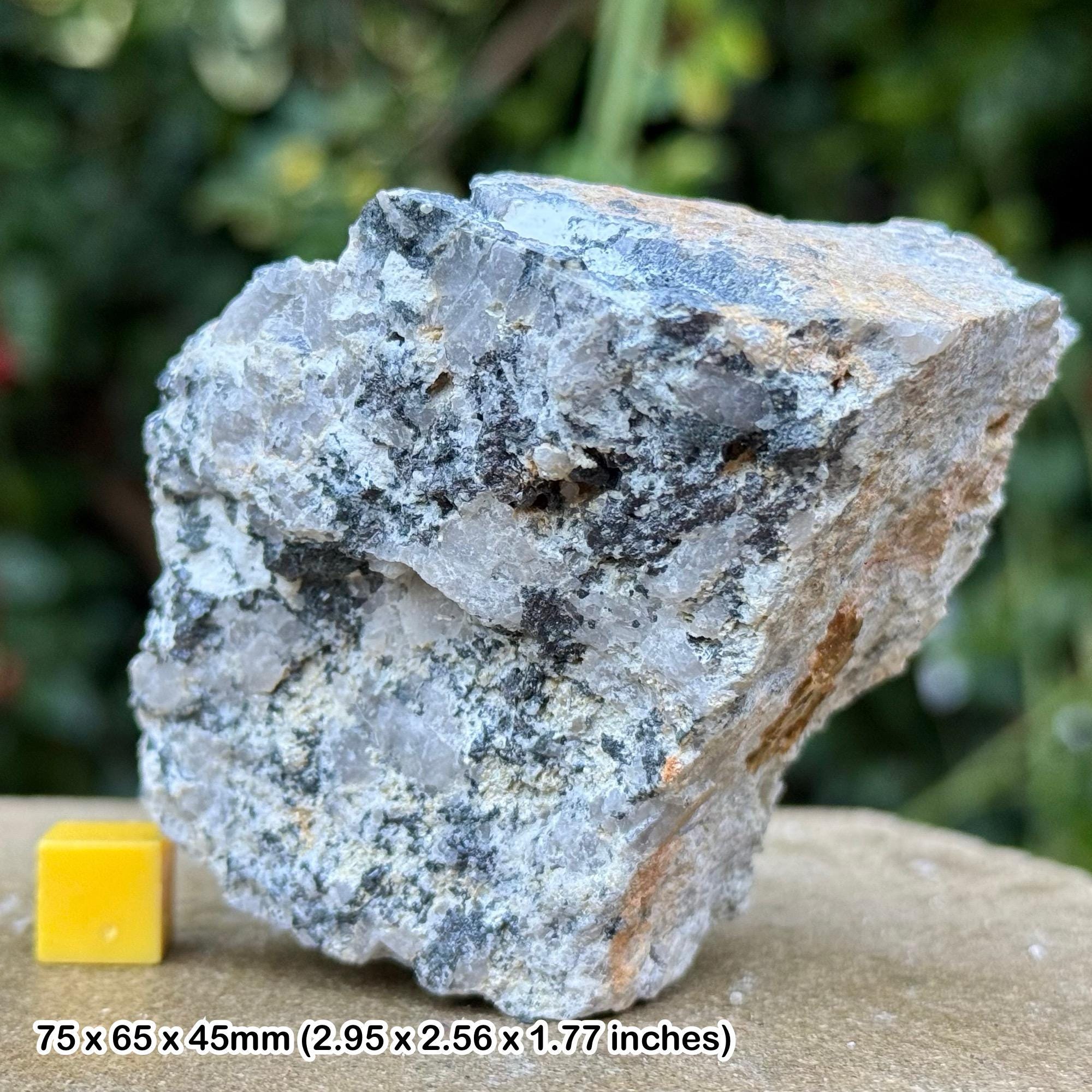
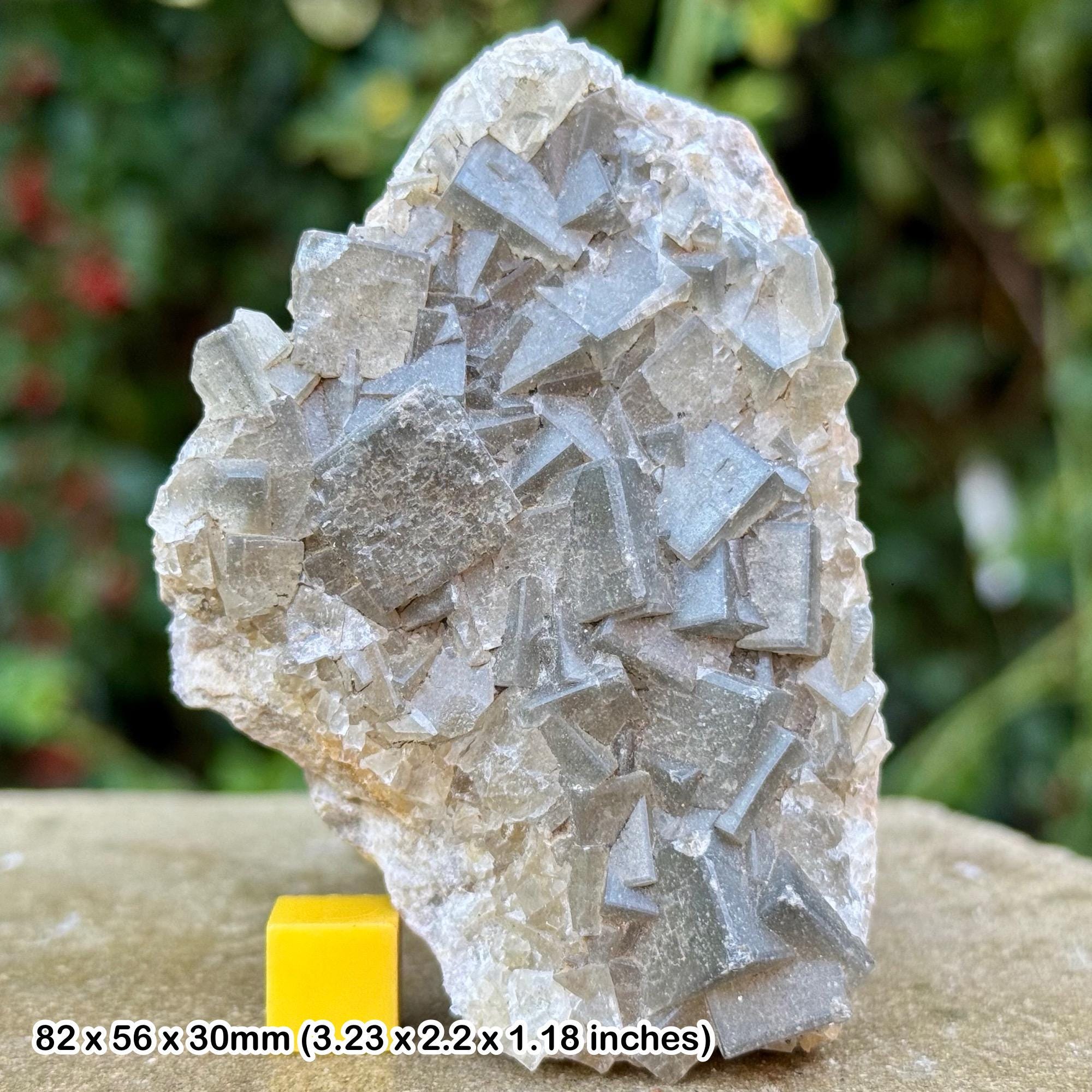
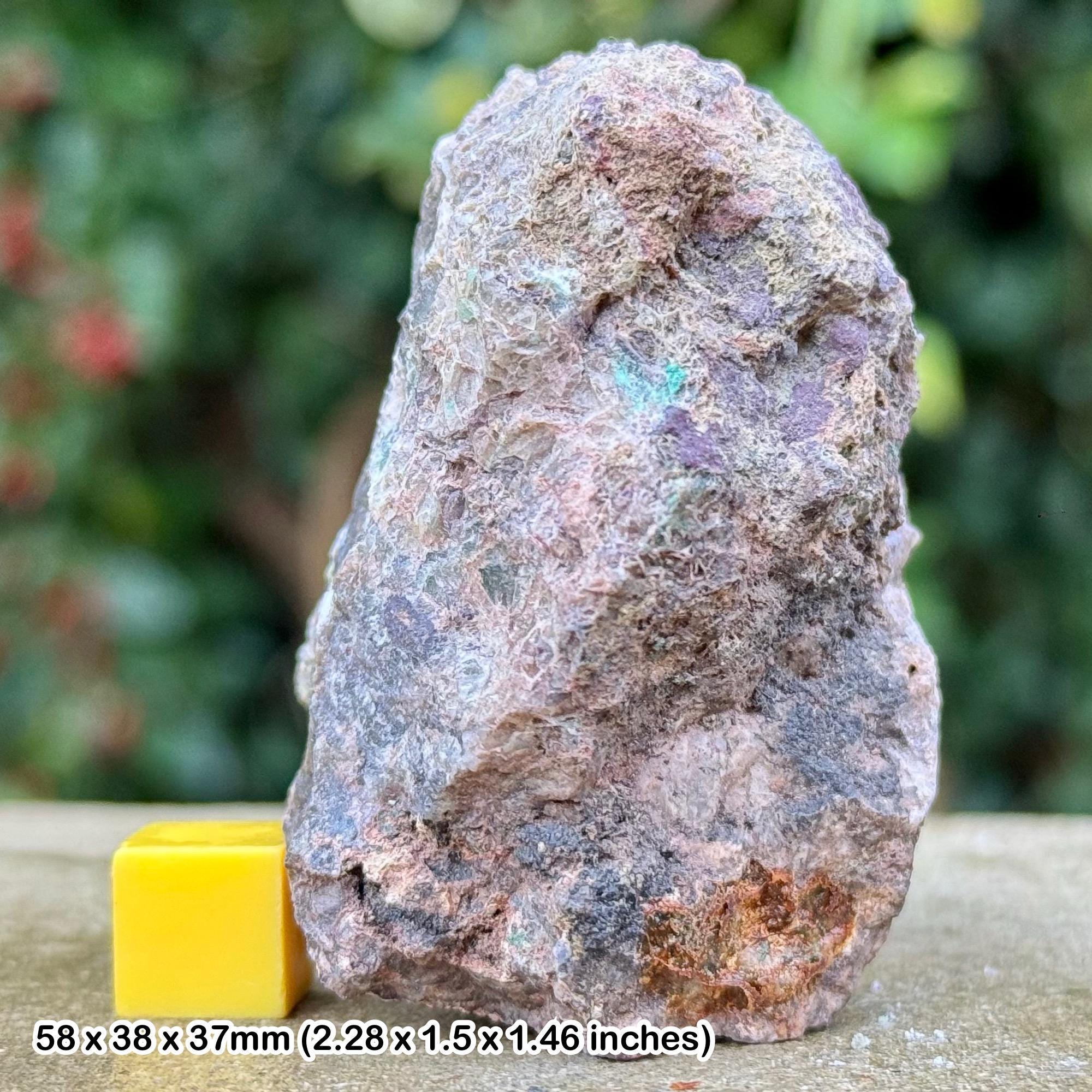
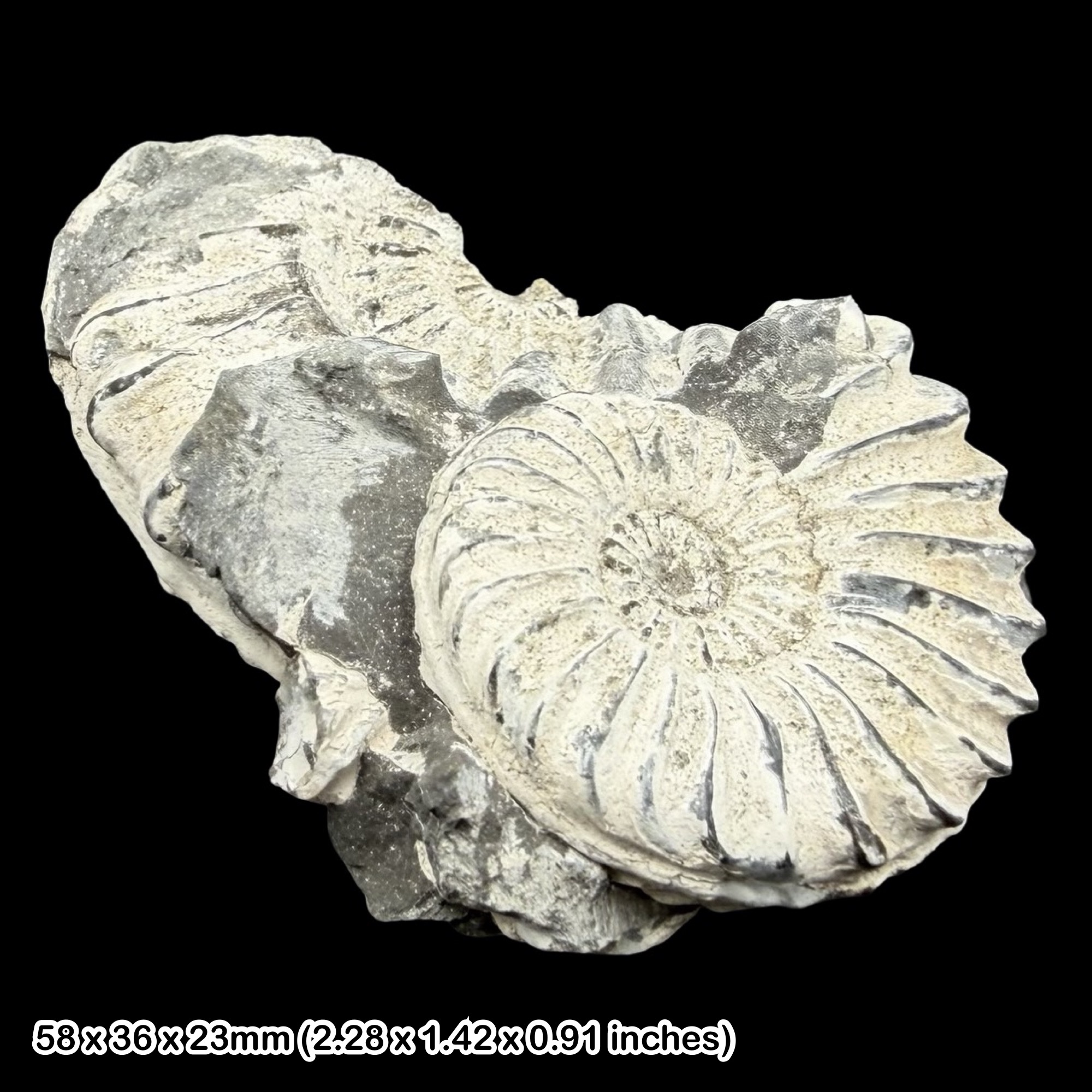
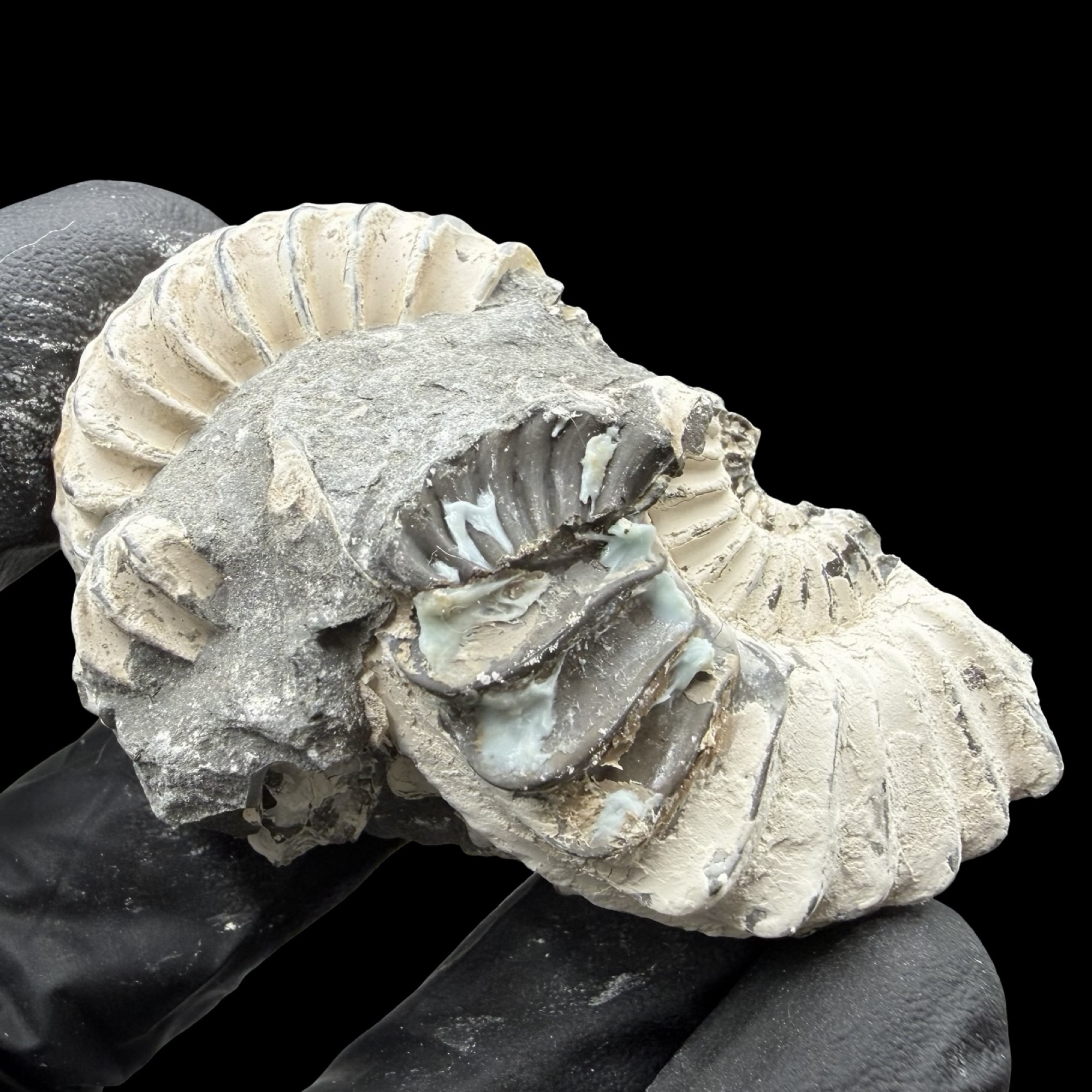
Lower Jurassic, Upper Pliensbachian stage, collected from Unterstürmig, Bavaria, Germany. This is a carefully chosen fossil specimen, and the photo shows the actual ammonite you will receive, making it ideal for fossil collectors, natural history displays, educational collections, and anyone interested in classic European Jurassic ammonites.Lower Jurassic Age and Geological SettingPleuroceras spinatum dates from the Upper Pliensbachian, near the later part of the Early Jurassic Period. This was a time when shallow epicontinental seas covered large areas of Europe, creating ideal conditions for ammonites, belemnites, bivalves, brachiopods, crinoids, marine reptiles, and other prehistoric sea life.The Pliensbachian stage is especially important in ammonite biostratigraphy because ammonites evolved rapidly and are widely used to identify and correlate rock layers. Pleuroceras spinatum is closely associated with the Spinatum Zone, one of the classic ammonite zones of the Upper Pliensbachian. This gives the fossil strong scientific and collecting interest, as it represents a well-recognised part of the Lower Jurassic marine record.Unterstürmig, Bavaria, Germany LocalityUnterstürmig in Bavaria, Germany, is a known locality for Jurassic ammonites and other marine fossils. Fossils from this region are valued for their connection to the sedimentary rocks of southern Germany, where ancient Jurassic seas left behind fossil-rich deposits. These rocks preserve evidence of marine environments that existed long before the formation of the modern European landscape.German Jurassic ammonites are popular among collectors because they often show attractive preservation, well-defined shell form, and important stratigraphic information. A specimen with a named species, geological stage, and locality is especially desirable for collectors who organise fossils by age, country, formation, or ammonite zone.Fossil Type and SpeciesPleuroceras spinatum is an extinct ammonite species. Ammonites were marine cephalopods related to modern squid, cuttlefish, octopus, and nautilus. They lived inside coiled chambered shells, with the living animal occupying the outer body chamber and the earlier chambers helping with buoyancy control.The genus Pleuroceras is well known for its attractive ribbed shell and distinct ornamentation. Pleuroceras spinatum commonly displays strong ribs, a compressed to moderately involute coiled shell form, and distinctive tubercles or spines along the whorl shoulders, depending on preservation. These features make the species visually appealing and scientifically useful for identification.Scientific Classification and MorphologyPleuroceras belongs to the ammonite order Ammonitida, a diverse and highly successful group of extinct marine cephalopods that flourished during the Jurassic Period. It is generally associated with the family Amaltheidae, a notable Lower Jurassic ammonite family that includes several important zonal fossils.The species name spinatum refers to the spiny or tuberculate character seen in many examples of this ammonite group. These raised features, together with the ribbing and coiled shell shape, give Pleuroceras spinatum a distinctive appearance. The shell ornamentation is not only attractive, but also useful in distinguishing the species from related ammonites.Collector Display and Educational ValueThis Pleuroceras spinatum ammonite fossil is an excellent addition to collections focused on Jurassic fossils, German fossils, ammonites, fossil cephalopods, Lower Jurassic marine life, or scientifically named specimens. Its clear age and locality information make it suitable for display, study, teaching, or gifting.Ammonites remain among the most popular fossils because they combine natural symmetry, geological importance, and strong visual appeal. This specimen would display well in a fossil cabinet, study tray, classroom collection, museum-style display, or natural history arrangement.Full sizing can be seen in the photo, so please refer to the image for exact scale and dimensions. As a genuine natural fossil, variations in colour, surface texture, preservation, matrix, and shell detail are part of its individual character.Authenticity and CertificateThis fossil is a genuine specimen and includes a Certificate of Authenticity lifetime guarantee generic card. The photograph shows the actual Pleuroceras spinatum ammonite you will receive, allowing you to view the specimen’s condition, form, preservation, and natural details before purchase.
Lower Jurassic, Upper Pliensbachian stage, collected from Unterstürmig, Bavaria, Germany. This is a carefully chosen fossil specimen, and the photo shows the actual ammonite you will receive, making it ideal for fossil collectors, natural history displays, educational collections, and anyone interested in classic European Jurassic ammonites.Lower Jurassic Age and Geological SettingPleuroceras spinatum dates from the Upper Pliensbachian, near the later part of the Early Jurassic Period. This was a time when shallow epicontinental seas covered large areas of Europe, creating ideal conditions for ammonites, belemnites, bivalves, brachiopods, crinoids, marine reptiles, and other prehistoric sea life.The Pliensbachian stage is especially important in ammonite biostratigraphy because ammonites evolved rapidly and are widely used to identify and correlate rock layers. Pleuroceras spinatum is closely associated with the Spinatum Zone, one of the classic ammonite zones of the Upper Pliensbachian. This gives the fossil strong scientific and collecting interest, as it represents a well-recognised part of the Lower Jurassic marine record.Unterstürmig, Bavaria, Germany LocalityUnterstürmig in Bavaria, Germany, is a known locality for Jurassic ammonites and other marine fossils. Fossils from this region are valued for their connection to the sedimentary rocks of southern Germany, where ancient Jurassic seas left behind fossil-rich deposits. These rocks preserve evidence of marine environments that existed long before the formation of the modern European landscape.German Jurassic ammonites are popular among collectors because they often show attractive preservation, well-defined shell form, and important stratigraphic information. A specimen with a named species, geological stage, and locality is especially desirable for collectors who organise fossils by age, country, formation, or ammonite zone.Fossil Type and SpeciesPleuroceras spinatum is an extinct ammonite species. Ammonites were marine cephalopods related to modern squid, cuttlefish, octopus, and nautilus. They lived inside coiled chambered shells, with the living animal occupying the outer body chamber and the earlier chambers helping with buoyancy control.The genus Pleuroceras is well known for its attractive ribbed shell and distinct ornamentation. Pleuroceras spinatum commonly displays strong ribs, a compressed to moderately involute coiled shell form, and distinctive tubercles or spines along the whorl shoulders, depending on preservation. These features make the species visually appealing and scientifically useful for identification.Scientific Classification and MorphologyPleuroceras belongs to the ammonite order Ammonitida, a diverse and highly successful group of extinct marine cephalopods that flourished during the Jurassic Period. It is generally associated with the family Amaltheidae, a notable Lower Jurassic ammonite family that includes several important zonal fossils.The species name spinatum refers to the spiny or tuberculate character seen in many examples of this ammonite group. These raised features, together with the ribbing and coiled shell shape, give Pleuroceras spinatum a distinctive appearance. The shell ornamentation is not only attractive, but also useful in distinguishing the species from related ammonites.Collector Display and Educational ValueThis Pleuroceras spinatum ammonite fossil is an excellent addition to collections focused on Jurassic fossils, German fossils, ammonites, fossil cephalopods, Lower Jurassic marine life, or scientifically named specimens. Its clear age and locality information make it suitable for display, study, teaching, or gifting.Ammonites remain among the most popular fossils because they combine natural symmetry, geological importance, and strong visual appeal. This specimen would display well in a fossil cabinet, study tray, classroom collection, museum-style display, or natural history arrangement.Full sizing can be seen in the photo, so please refer to the image for exact scale and dimensions. As a genuine natural fossil, variations in colour, surface texture, preservation, matrix, and shell detail are part of its individual character.Authenticity and CertificateThis fossil is a genuine specimen and includes a Certificate of Authenticity lifetime guarantee generic card. The photograph shows the actual Pleuroceras spinatum ammonite you will receive, allowing you to view the specimen’s condition, form, preservation, and natural details before purchase.