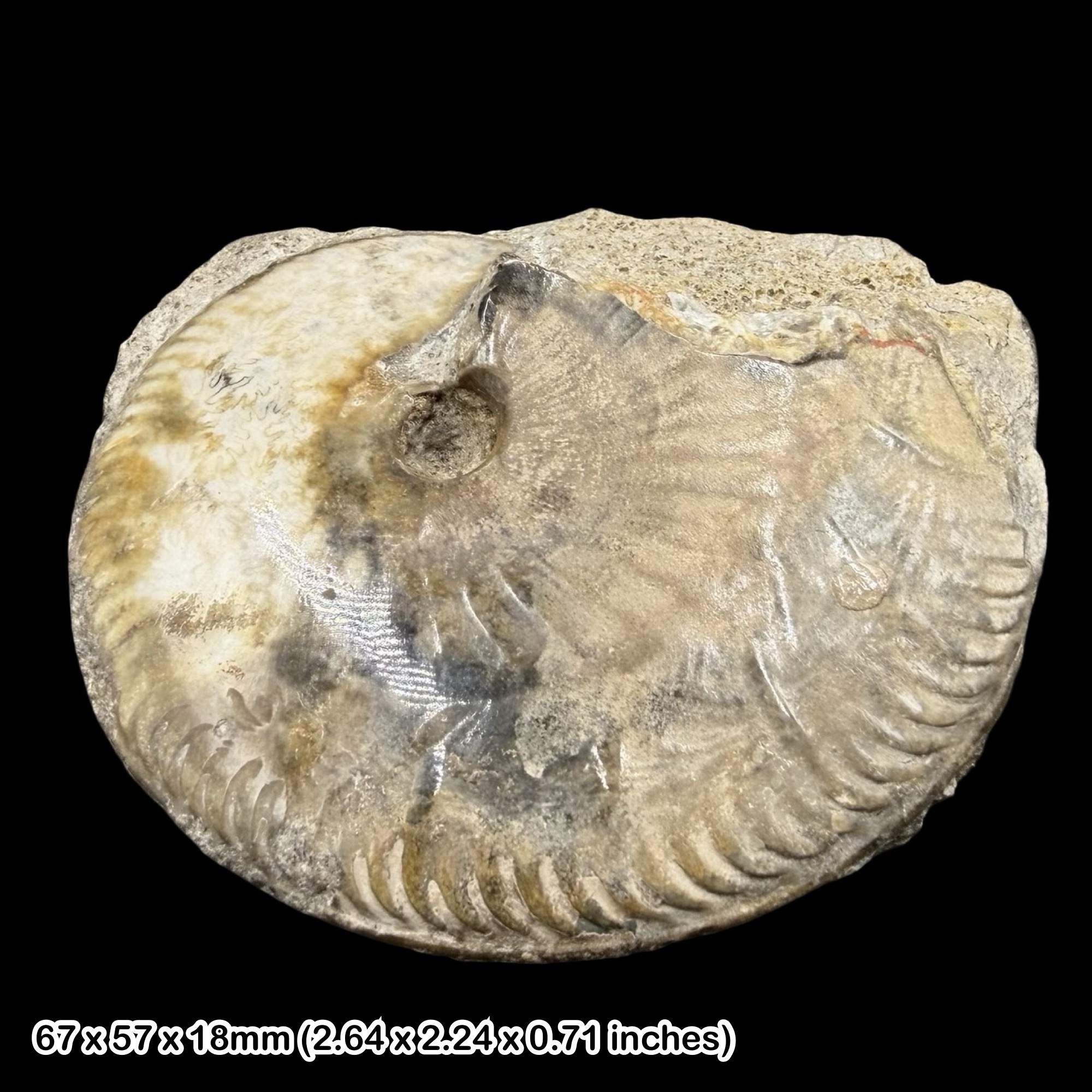
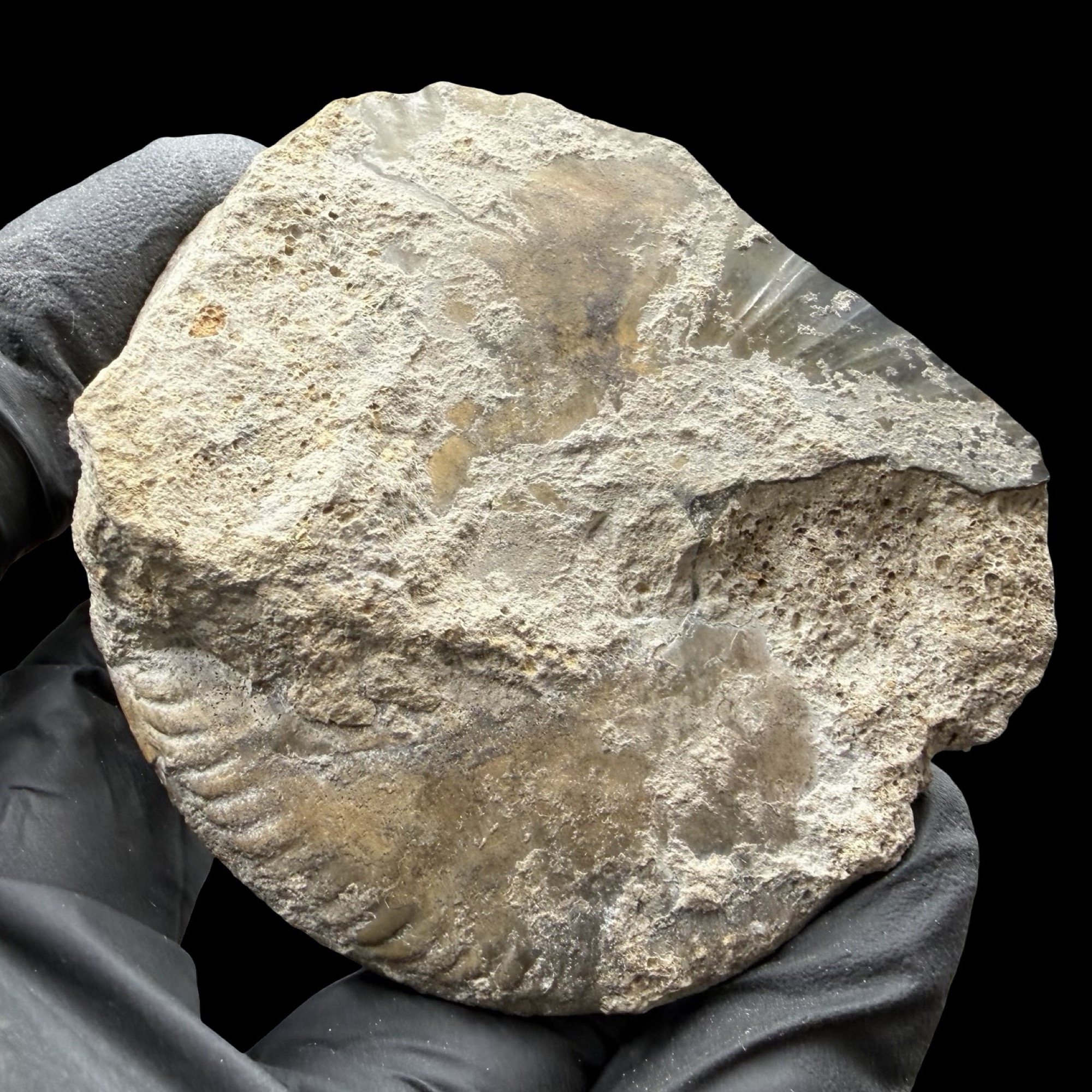
Oppelia falcata Ammonite Fossil Bathonian Dorset UK COA Genuine Jurassic Rare, Inferior Oolite Bradford Abbas Collectable
£ 36.00
Genuine Oppelia falcata Ammonite FossilThis listing is for a genuine Oppelia falcata ammonite fossil from the Inferior
Oolite Group at Bradford Abbas, Dorset, UK. It dates to the Middle Jurassic, Lower Bathonian stage, making it an attractive and scientifically interesting fossil from one of Britain’s classic Jurassic fossil-bearing regions. This carefully chosen fossil is a genuine specimen and includes a Certificate of Authenticity lifetime guarantee generic card.The photograph shows the actual fossil specimen you will receive, allowing you to buy with confidence. Full sizing details can be seen in the photo. This is an ideal fossil for collectors of British ammonites, Jurassic marine fossils, Dorset fossils, natural history specimens, and authentic prehistoric display pieces.Species and Fossil TypeOppelia falcata is an ammonite, an extinct marine cephalopod related to modern squid, cuttlefish, octopus, and nautilus. Ammonites lived in ancient seas and had chambered, spiral shells that helped them regulate buoyancy in the water column. The animal occupied the outer body chamber, while the inner chambers were separated by internal walls known as septa.Oppelia is a well-known Jurassic ammonite genus, often recognised for its elegant, compressed shell form and refined ornamentation. The species name falcata refers to the curved or sickle-like style of ornament that may be seen in related forms. Oppeliid ammonites are often prized by collectors because of their neat coiling, streamlined appearance, and importance in Jurassic biostratigraphy.Middle Jurassic Age and Bathonian GeologyThis fossil dates to the Lower Bathonian stage of the Middle Jurassic Period. The Bathonian was a time of warm shallow seas across parts of what is now southern Britain. These marine environments supported a rich variety of life, including ammonites, belemnites, bivalves, brachiopods, gastropods, echinoids, crinoids, fish, and marine reptiles.Ammonites such as Oppelia falcata are especially valuable in geology because they evolved rapidly and were widely distributed in ancient seas. This makes them useful index fossils for dating and correlating Jurassic rock layers. Fossils from the Bathonian help palaeontologists understand changing marine ecosystems, sea levels, sedimentation patterns, and the evolution of cephalopods during the Middle Jurassic.Inferior Oolite Group and Bradford Abbas LocalityThis specimen comes from the Inferior Oolite Group, a famous Jurassic rock sequence in southern England. The Inferior Oolite is known for its fossil-rich limestones and related marine sediments, many of which were deposited in relatively shallow, warm seas. These rocks preserve a wide variety of invertebrate fossils and are particularly well known for ammonites.Bradford Abbas in Dorset is a recognised locality for Jurassic fossils and forms part of the wider fossil-rich geology of south-west England. Fossils from this area are popular with collectors because they represent classic British Jurassic marine life. The sedimentary rocks of the region record ancient sea-floor environments where shells and skeletal remains were gradually buried, mineralised, and preserved over millions of years.Morphology and Collectable FeaturesOppelia falcata ammonites are generally associated with a compressed, planispiral shell shape and fine, elegant ornamentation. Depending on preservation, specimens may display curved ribbing, visible whorl structure, a neat spiral form, natural shell detail, and matrix from the surrounding Jurassic rock. The streamlined shape of oppeliid ammonites suggests an animal adapted for movement through the water, rather than simply resting on the sea floor.As a genuine fossil specimen, this ammonite may show natural signs of age and preservation, including mineralisation, surface texture, matrix attachment, small chips, weathering, compression, repairs, or colour variation. These features are normal in authentic fossils and form part of the specimen’s natural geological character.Provenance and AuthenticityFossil type: AmmoniteSpecies: Oppelia falcataAge: Middle Jurassic, Lower BathonianGeological group: Inferior Oolite GroupLocality: Bradford Abbas, Dorset, UKCertificate: Includes a Certificate of Authenticity lifetime guarantee generic cardSpecimen shown: The photo shows the actual fossil you will receiveSize: Full sizing shown in the photoThis Oppelia falcata ammonite fossil is a carefully selected natural history specimen with strong appeal for fossil collectors, geology enthusiasts, educational collections, and lovers of British Jurassic fossils. Its Lower Bathonian age, Dorset locality, Inferior Oolite origin, and classic ammonite form make it a desirable collectable fossil from one of the UK’s historically important fossil-bearing regions.
Oolite Group at Bradford Abbas, Dorset, UK. It dates to the Middle Jurassic, Lower Bathonian stage, making it an attractive and scientifically interesting fossil from one of Britain’s classic Jurassic fossil-bearing regions. This carefully chosen fossil is a genuine specimen and includes a Certificate of Authenticity lifetime guarantee generic card.The photograph shows the actual fossil specimen you will receive, allowing you to buy with confidence. Full sizing details can be seen in the photo. This is an ideal fossil for collectors of British ammonites, Jurassic marine fossils, Dorset fossils, natural history specimens, and authentic prehistoric display pieces.Species and Fossil TypeOppelia falcata is an ammonite, an extinct marine cephalopod related to modern squid, cuttlefish, octopus, and nautilus. Ammonites lived in ancient seas and had chambered, spiral shells that helped them regulate buoyancy in the water column. The animal occupied the outer body chamber, while the inner chambers were separated by internal walls known as septa.Oppelia is a well-known Jurassic ammonite genus, often recognised for its elegant, compressed shell form and refined ornamentation. The species name falcata refers to the curved or sickle-like style of ornament that may be seen in related forms. Oppeliid ammonites are often prized by collectors because of their neat coiling, streamlined appearance, and importance in Jurassic biostratigraphy.Middle Jurassic Age and Bathonian GeologyThis fossil dates to the Lower Bathonian stage of the Middle Jurassic Period. The Bathonian was a time of warm shallow seas across parts of what is now southern Britain. These marine environments supported a rich variety of life, including ammonites, belemnites, bivalves, brachiopods, gastropods, echinoids, crinoids, fish, and marine reptiles.Ammonites such as Oppelia falcata are especially valuable in geology because they evolved rapidly and were widely distributed in ancient seas. This makes them useful index fossils for dating and correlating Jurassic rock layers. Fossils from the Bathonian help palaeontologists understand changing marine ecosystems, sea levels, sedimentation patterns, and the evolution of cephalopods during the Middle Jurassic.Inferior Oolite Group and Bradford Abbas LocalityThis specimen comes from the Inferior Oolite Group, a famous Jurassic rock sequence in southern England. The Inferior Oolite is known for its fossil-rich limestones and related marine sediments, many of which were deposited in relatively shallow, warm seas. These rocks preserve a wide variety of invertebrate fossils and are particularly well known for ammonites.Bradford Abbas in Dorset is a recognised locality for Jurassic fossils and forms part of the wider fossil-rich geology of south-west England. Fossils from this area are popular with collectors because they represent classic British Jurassic marine life. The sedimentary rocks of the region record ancient sea-floor environments where shells and skeletal remains were gradually buried, mineralised, and preserved over millions of years.Morphology and Collectable FeaturesOppelia falcata ammonites are generally associated with a compressed, planispiral shell shape and fine, elegant ornamentation. Depending on preservation, specimens may display curved ribbing, visible whorl structure, a neat spiral form, natural shell detail, and matrix from the surrounding Jurassic rock. The streamlined shape of oppeliid ammonites suggests an animal adapted for movement through the water, rather than simply resting on the sea floor.As a genuine fossil specimen, this ammonite may show natural signs of age and preservation, including mineralisation, surface texture, matrix attachment, small chips, weathering, compression, repairs, or colour variation. These features are normal in authentic fossils and form part of the specimen’s natural geological character.Provenance and AuthenticityFossil type: AmmoniteSpecies: Oppelia falcataAge: Middle Jurassic, Lower BathonianGeological group: Inferior Oolite GroupLocality: Bradford Abbas, Dorset, UKCertificate: Includes a Certificate of Authenticity lifetime guarantee generic cardSpecimen shown: The photo shows the actual fossil you will receiveSize: Full sizing shown in the photoThis Oppelia falcata ammonite fossil is a carefully selected natural history specimen with strong appeal for fossil collectors, geology enthusiasts, educational collections, and lovers of British Jurassic fossils. Its Lower Bathonian age, Dorset locality, Inferior Oolite origin, and classic ammonite form make it a desirable collectable fossil from one of the UK’s historically important fossil-bearing regions.
Other Products