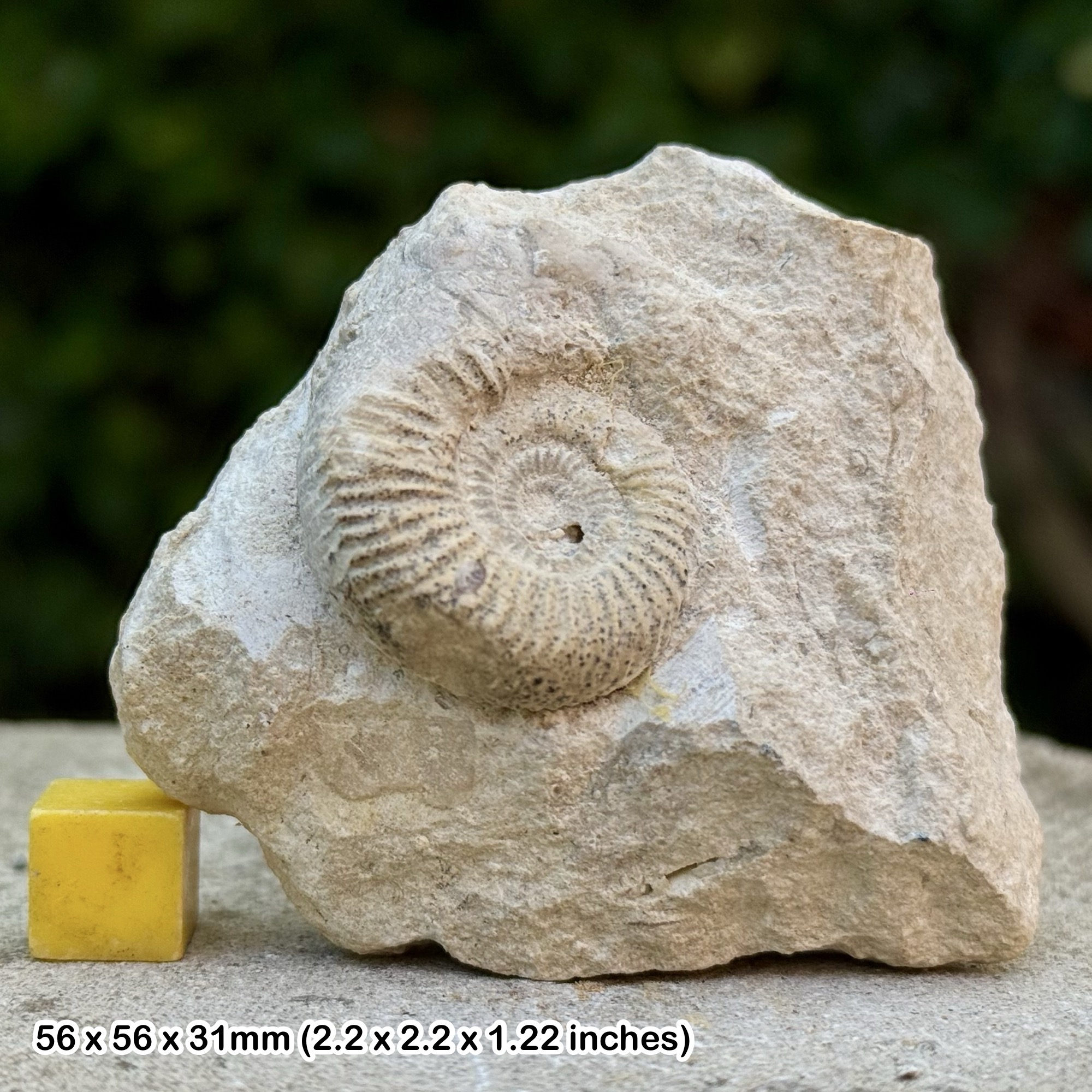
Kumatostephanus Ammonite Fossil Bajocian Jurassic France Authentic Specimen COA
£ 14.40
KUMATOSTEPHANUS AMMONITE FOSSILThis listing features a Kumatostephanus Ammonite Fossil from the Bajocian stage
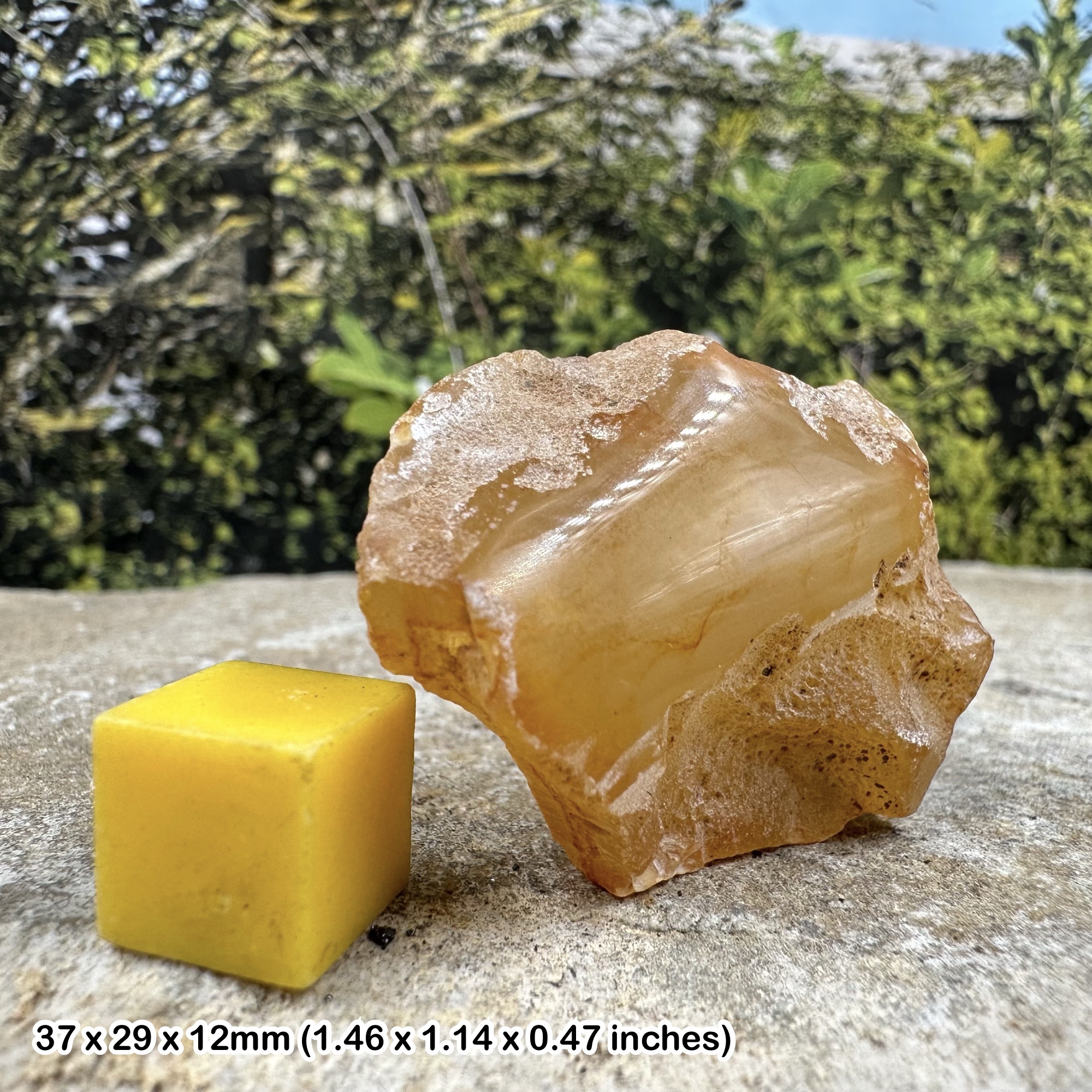
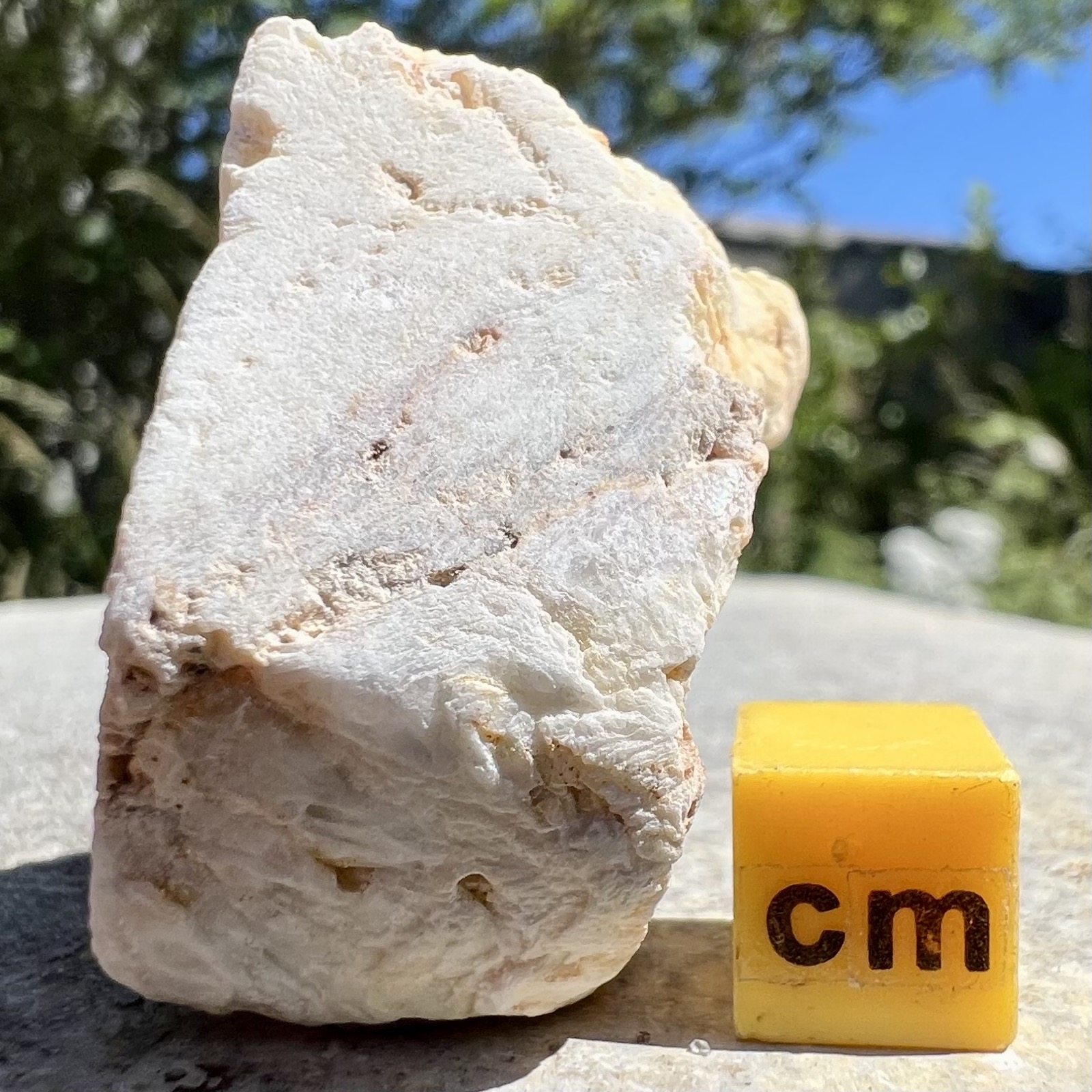
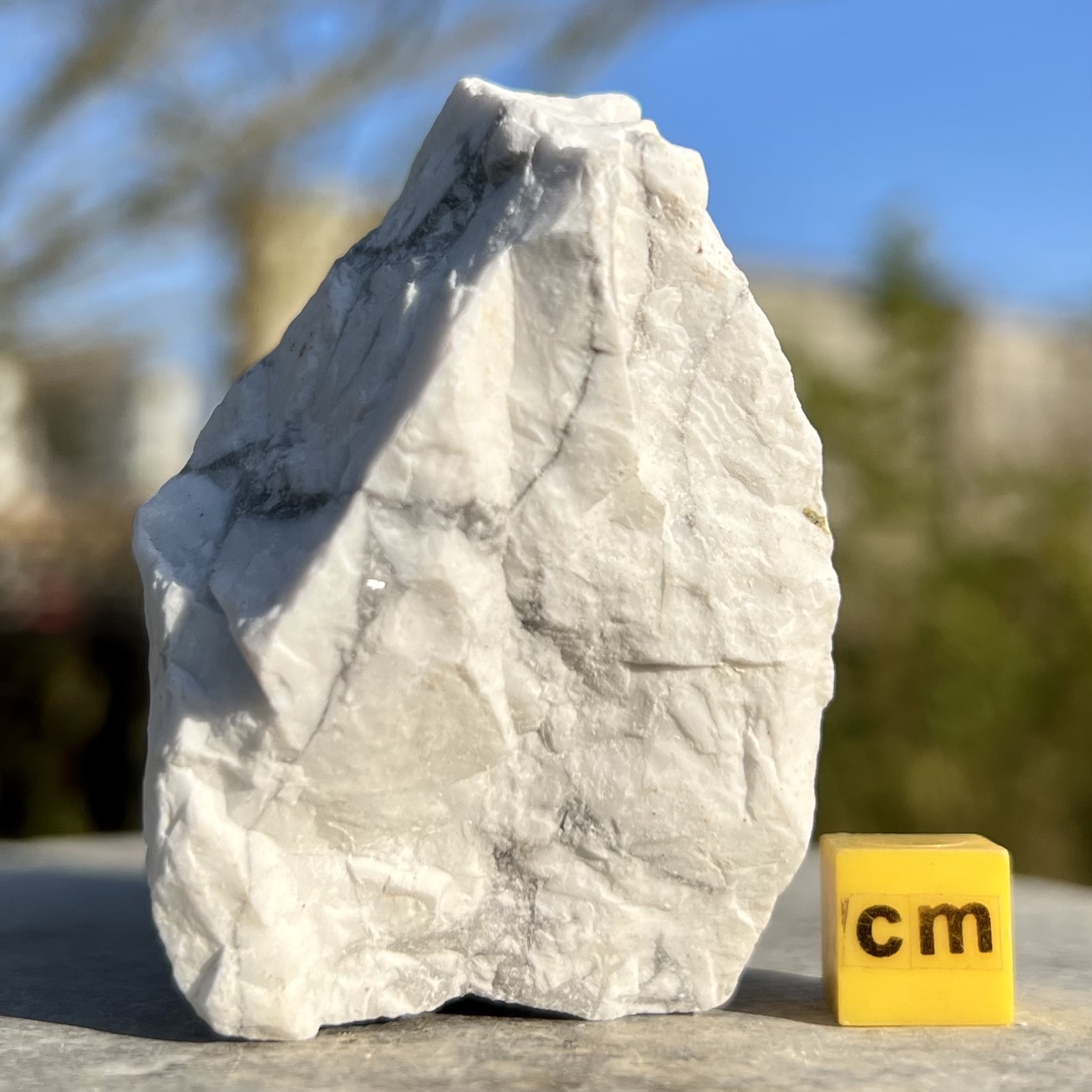
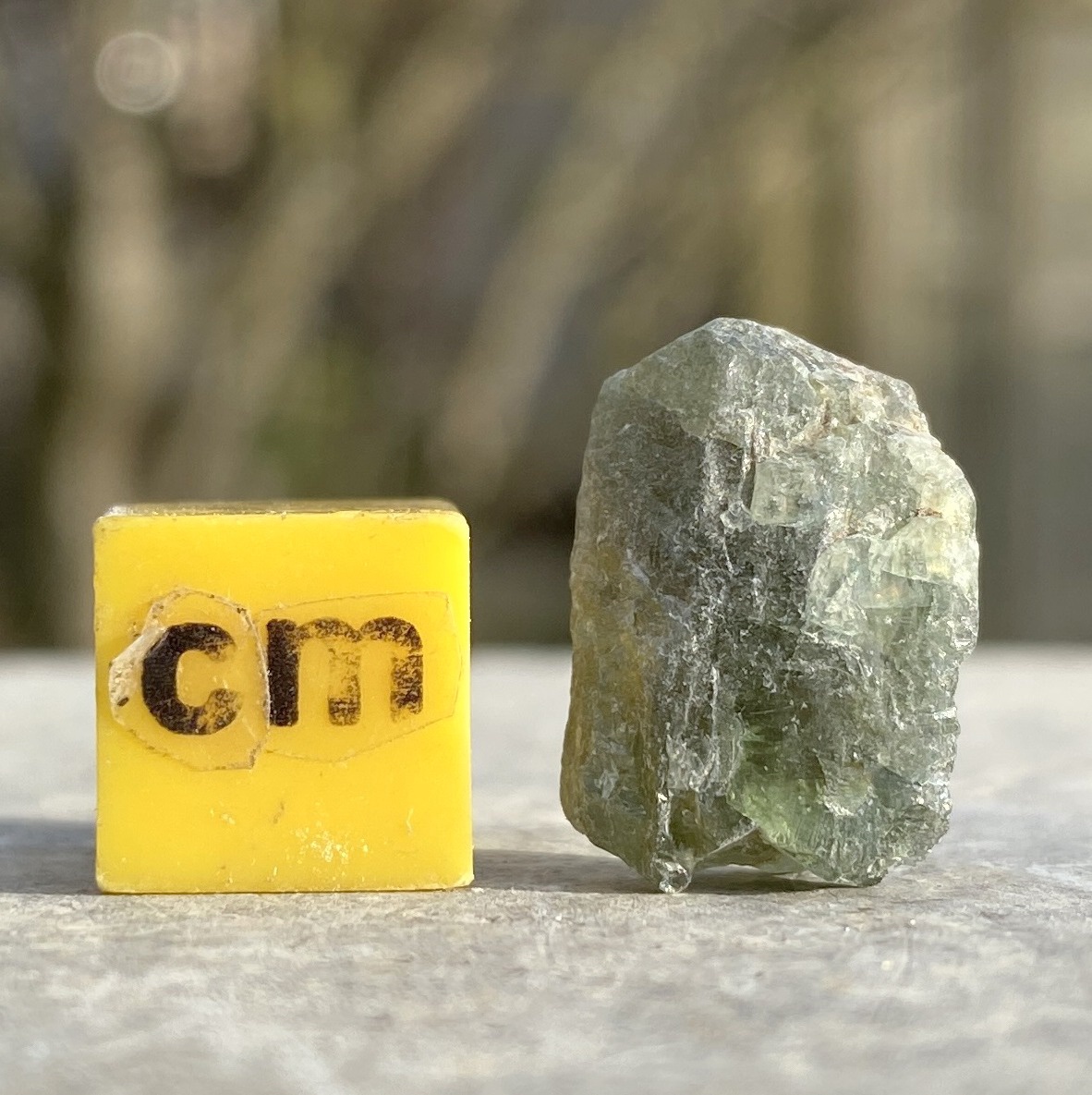
of the Middle Jurassic, collected in Normandy, France. At approximately 170 million years old, this specimen represents an important ammonite genus from the Jurassic seas of Europe. The fossil shown in the photographs is the exact piece you will receive, with a 1 cm scale cube included for precise measurement. All our fossils are 100% genuine and supplied with a Certificate of Authenticity. GEOLOGICAL CONTEXT – BAJOCIAN OF NORMANDYThe fossil originates from the Jurassic deposits of Normandy, a region world-renowned for its rich paleontological heritage. During the Bajocian stage, this area was covered by shallow epicontinental seas that formed part of the extensive Tethys Ocean system. Warm, shallow-water conditions favoured the deposition of limestones and calcareous sediments, creating perfect conditions for fossil preservation.The Bajocian stage is one of the most important intervals of the Middle Jurassic, marked by rapid ammonite diversification. Fossils from Normandy are considered critical for biostratigraphy, as they help paleontologists define ammonite biozones used to date and correlate Jurassic rock layers across Europe. Normandy has long been a reference region for Jurassic ammonites, with many important species described from these deposits. SPECIES OVERVIEW – KUMATOSTEPHANUSThe genus Kumatostephanus belongs to the order Ammonitida, superfamily Stephanoceratoidea, and family Stephanoceratidae. Ammonites of this genus are characterised by their evolute coiling, robust shells, and strong ribbing. Ribs are typically prominent and may bifurcate across the flanks, while tubercles are often present, giving the shell a distinctive and heavily ornamented appearance.The morphology of Kumatostephanus reflects adaptations for life in open marine waters. Its strong ribbing and reinforced shell structure provided mechanical strength and may have helped resist predation. Its streamlined yet robust form suggests a nektonic lifestyle, with the animal swimming actively in Jurassic seas. PALEONTOLOGICAL IMPORTANCEKumatostephanus ammonites are significant index fossils for the Bajocian stage. Their restricted stratigraphic ranges and distinctive morphologies make them excellent markers for defining specific ammonite zones within the Middle Jurassic. This allows geologists to establish detailed chronostratigraphic frameworks, correlating marine deposits from Normandy with those elsewhere in Europe.The genus also highlights the evolutionary success of the Stephanoceratidae, which were among the most diverse ammonite families of the Jurassic. Their ornate shell designs, such as those seen in Kumatostephanus, reflect evolutionary experimentation in morphology and ornamentation, providing valuable insight into ammonite adaptation and diversification. COLLECTOR’S AND EDUCATIONAL VALUEThis Kumatostephanus ammonite fossil is an exceptional piece for collectors of Jurassic material, especially those focusing on French or European ammonites. Its strong ribbing and robust whorls give it both scientific and aesthetic value. Specimens from Normandy are particularly desirable, as they come from one of the most historically important fossil localities in Europe.For educators and students, this ammonite provides a tangible example of ammonite morphology, evolution, and stratigraphy in the Middle Jurassic. It is suitable for both display and research collections, as well as for teaching about ammonite biozones and Jurassic paleoenvironments. GUARANTEE OF AUTHENTICITY
• 100% genuine Kumatostephanus ammonite fossil
• Supplied with a Certificate of Authenticity
• The exact specimen shown in the photographs will be sentThis is a rare opportunity to acquire a scientifically significant and beautifully preserved Kumatostephanus Ammonite Fossil from the Bajocian of Normandy, France, an outstanding specimen from the Jurassic seas of Europe.
of the Middle Jurassic, collected in Normandy, France. At approximately 170 million years old, this specimen represents an important ammonite genus from the Jurassic seas of Europe. The fossil shown in the photographs is the exact piece you will receive, with a 1 cm scale cube included for precise measurement. All our fossils are 100% genuine and supplied with a Certificate of Authenticity. GEOLOGICAL CONTEXT – BAJOCIAN OF NORMANDYThe fossil originates from the Jurassic deposits of Normandy, a region world-renowned for its rich paleontological heritage. During the Bajocian stage, this area was covered by shallow epicontinental seas that formed part of the extensive Tethys Ocean system. Warm, shallow-water conditions favoured the deposition of limestones and calcareous sediments, creating perfect conditions for fossil preservation.The Bajocian stage is one of the most important intervals of the Middle Jurassic, marked by rapid ammonite diversification. Fossils from Normandy are considered critical for biostratigraphy, as they help paleontologists define ammonite biozones used to date and correlate Jurassic rock layers across Europe. Normandy has long been a reference region for Jurassic ammonites, with many important species described from these deposits. SPECIES OVERVIEW – KUMATOSTEPHANUSThe genus Kumatostephanus belongs to the order Ammonitida, superfamily Stephanoceratoidea, and family Stephanoceratidae. Ammonites of this genus are characterised by their evolute coiling, robust shells, and strong ribbing. Ribs are typically prominent and may bifurcate across the flanks, while tubercles are often present, giving the shell a distinctive and heavily ornamented appearance.The morphology of Kumatostephanus reflects adaptations for life in open marine waters. Its strong ribbing and reinforced shell structure provided mechanical strength and may have helped resist predation. Its streamlined yet robust form suggests a nektonic lifestyle, with the animal swimming actively in Jurassic seas. PALEONTOLOGICAL IMPORTANCEKumatostephanus ammonites are significant index fossils for the Bajocian stage. Their restricted stratigraphic ranges and distinctive morphologies make them excellent markers for defining specific ammonite zones within the Middle Jurassic. This allows geologists to establish detailed chronostratigraphic frameworks, correlating marine deposits from Normandy with those elsewhere in Europe.The genus also highlights the evolutionary success of the Stephanoceratidae, which were among the most diverse ammonite families of the Jurassic. Their ornate shell designs, such as those seen in Kumatostephanus, reflect evolutionary experimentation in morphology and ornamentation, providing valuable insight into ammonite adaptation and diversification. COLLECTOR’S AND EDUCATIONAL VALUEThis Kumatostephanus ammonite fossil is an exceptional piece for collectors of Jurassic material, especially those focusing on French or European ammonites. Its strong ribbing and robust whorls give it both scientific and aesthetic value. Specimens from Normandy are particularly desirable, as they come from one of the most historically important fossil localities in Europe.For educators and students, this ammonite provides a tangible example of ammonite morphology, evolution, and stratigraphy in the Middle Jurassic. It is suitable for both display and research collections, as well as for teaching about ammonite biozones and Jurassic paleoenvironments. GUARANTEE OF AUTHENTICITY
• 100% genuine Kumatostephanus ammonite fossil
• Supplied with a Certificate of Authenticity
• The exact specimen shown in the photographs will be sentThis is a rare opportunity to acquire a scientifically significant and beautifully preserved Kumatostephanus Ammonite Fossil from the Bajocian of Normandy, France, an outstanding specimen from the Jurassic seas of Europe.
Other Products