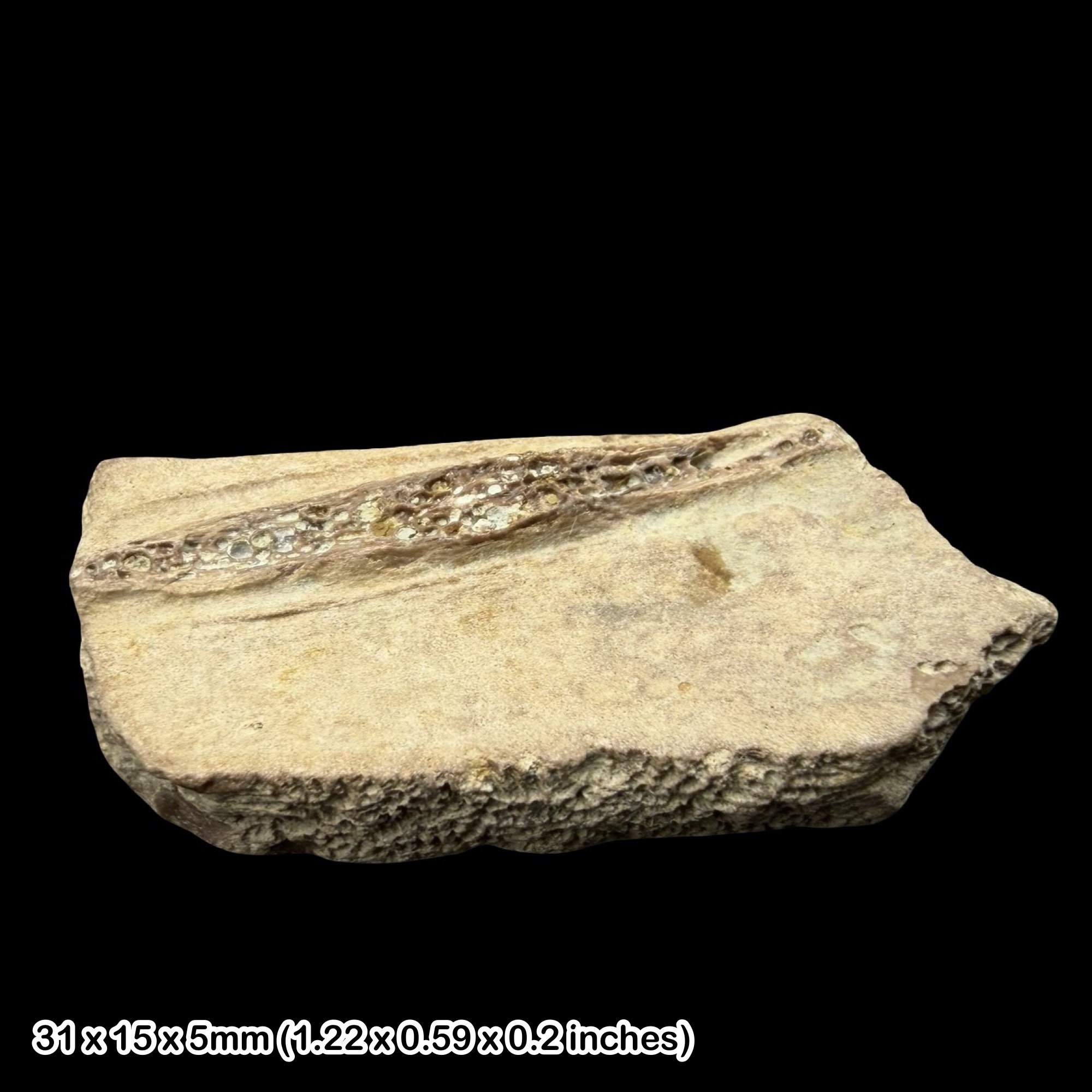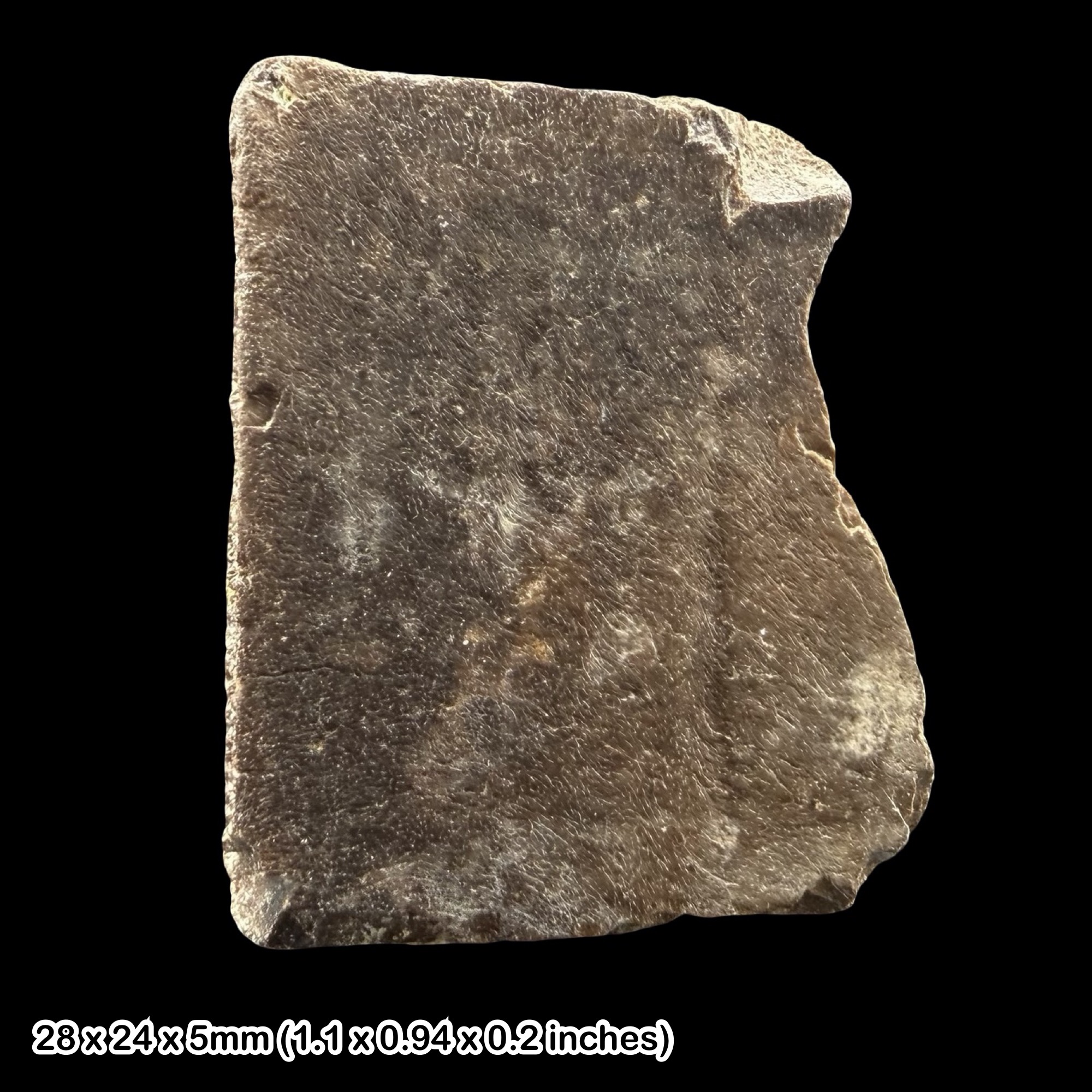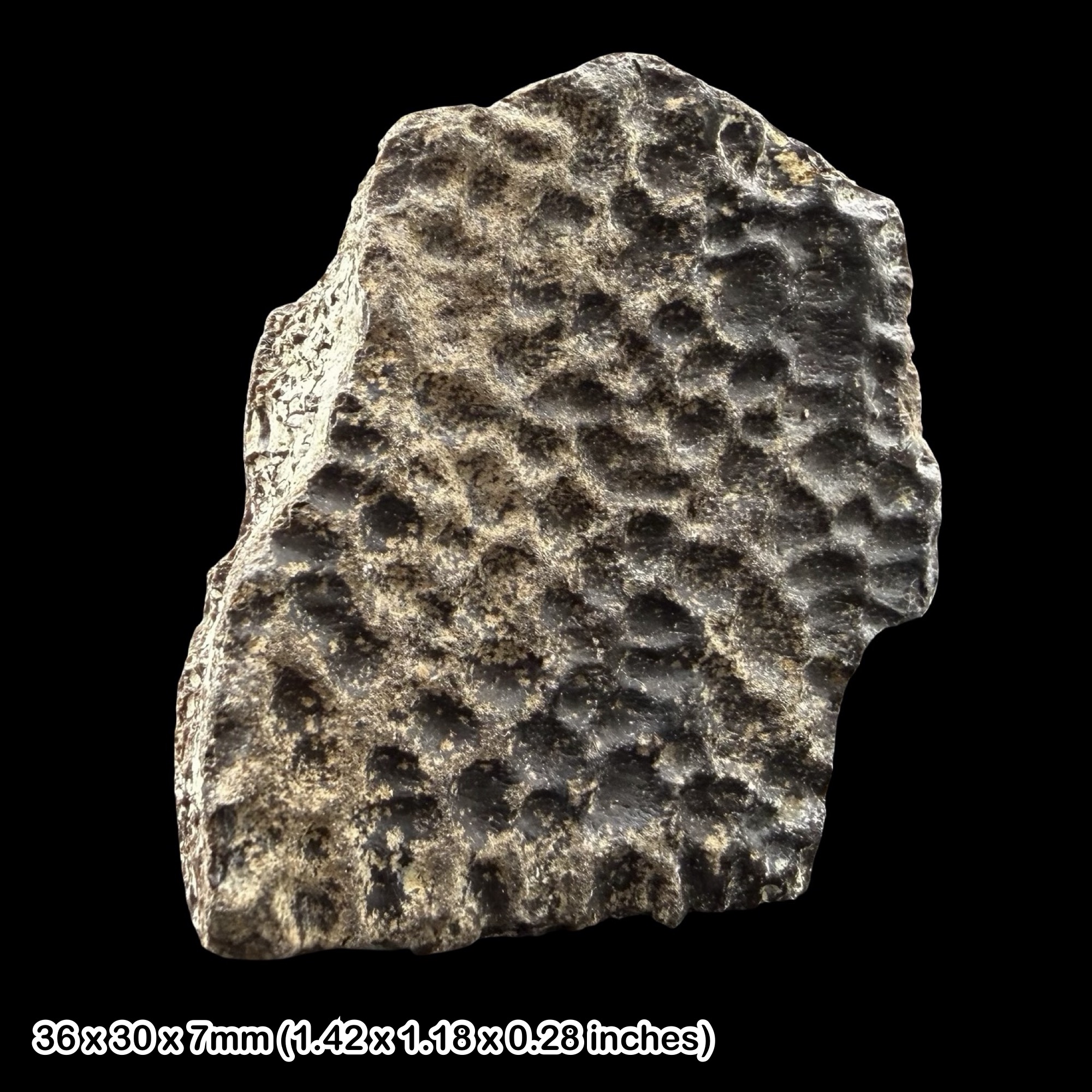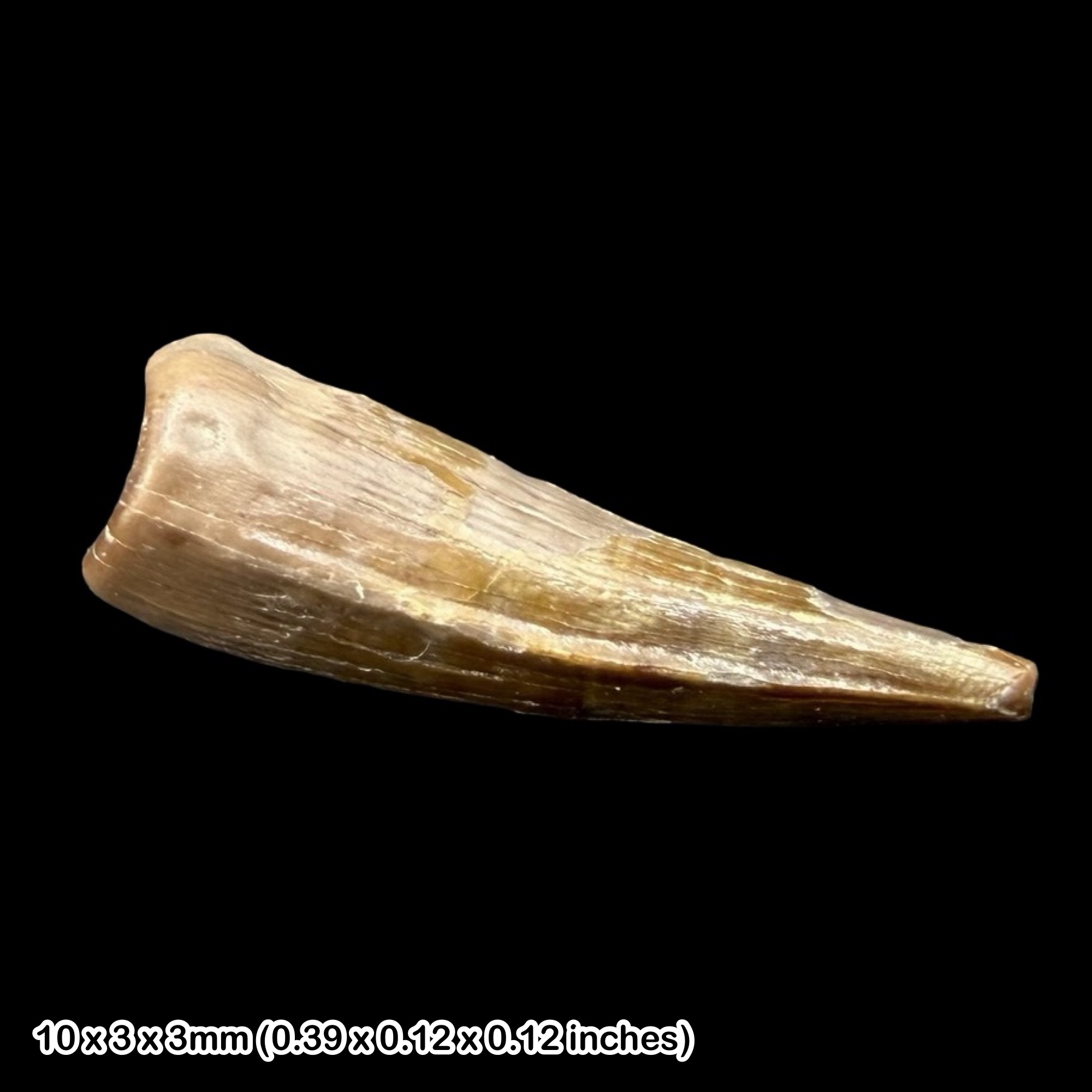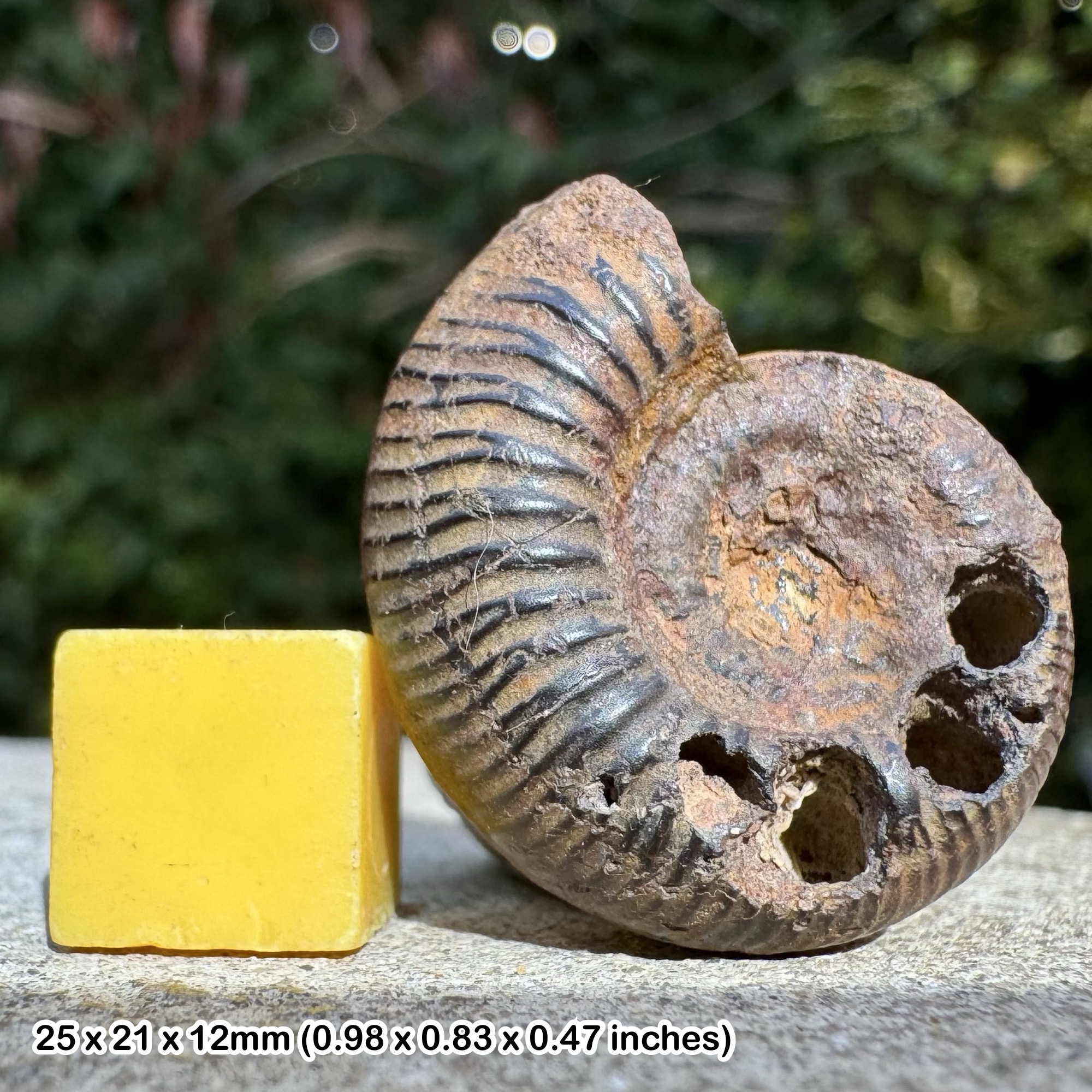
Rare Hlawiceras platyrrynum Ammonite Fossil, Upper Bajocian Stage Jurassic, Authentic France Collectors Specimen with COA
£ 6.90
AUTHENTIC JURASSIC AMMONITE FOSSILThis listing features a genuine Hlawiceras platyrrynum Ammonite Fossil from the
Upper Bajocian Stage of the Middle Jurassic, discovered in France. Ammonites were extinct marine cephalopods belonging to the subclass Ammonoidea, related to squid and cuttlefish. Their coiled, chambered shells represent one of the most iconic fossil forms, admired for both their natural beauty and their importance in paleontology. The photographs show the exact specimen you will receive, and a 1 cm scale cube is included to provide accurate sizing. GEOLOGICAL CONTEXT – UPPER BAJOCIAN, JURASSICThe Bajocian Stage, dating to around 170–168 million years ago, is a critical part of the Middle Jurassic. The Upper Bajocian marks a time of significant diversification among ammonites, whose rapid evolutionary development makes them essential for biostratigraphy. The fossil-rich deposits of France preserve these ammonites in exceptional detail, making them valuable both to scientists and collectors.Ammonites such as Hlawiceras platyrrynum are particularly useful as index fossils. Their widespread distribution and short stratigraphic range allow geologists to date and correlate rock sequences precisely. This makes each specimen not just a beautiful fossil, but also an important marker of geological time. SPECIES PROFILE – HLAWICERAS PLATYRRYNUMThe species Hlawiceras platyrrynum belongs to the family Haploceratidae, within the superfamily Haploceratoidea and order Ammonitida. Ammonites of this genus are known for their elegant shell forms and distinctive ribbing, which make them easily recognisable and highly desirable to collectors.Key features of Hlawiceras platyrrynum include:
• A compressed, involute shell with narrow whorls.
• Fine, evenly spaced ribbing extending smoothly across the flanks.
• A rounded venter without a sharp keel, giving the shell an elegant, symmetrical appearance.
• Well-developed suture lines, visible in well-preserved specimens.
• Moderate umbilicus, with earlier whorls partially concealed.These traits distinguish Hlawiceras platyrrynum as a characteristic ammonite of the Upper Bajocian, both scientifically and aesthetically important. PALEOENVIRONMENT AND SCIENTIFIC IMPORTANCEDuring the Upper Bajocian, France lay beneath shallow epicontinental seas connected to the Tethys Ocean. These warm waters supported a diverse marine ecosystem in which ammonites like Hlawiceras platyrrynum thrived as nektonic predators. They actively swam through the water column, feeding on small crustaceans and plankton. After death, their shells settled to the seabed and were buried in fine sediments, preserving them for nearly 170 million years.The importance of Hlawiceras platyrrynum lies not only in its striking morphology but also in its use as a biozonal marker. Its presence in specific rock layers allows geologists to pinpoint the age of deposits within the Bajocian, refining the geological timescale of the Jurassic. 100% GENUINE WITH CERTIFICATE OF AUTHENTICITYAll of our specimens are guaranteed 100% genuine fossils and are supplied with a Certificate of Authenticity. This assures that your ammonite is an authentic relic of Jurassic seas and not a reproduction or cast. A COLLECTOR’S AND DISPLAY FOSSILThis Hlawiceras platyrrynum ammonite fossil from the Upper Bajocian of France is a superb choice for collectors, educators, and natural history enthusiasts. With its refined ribbing, elegant coiled form, and proven geological provenance, it is both a scientifically significant specimen and a striking natural artifact for display.Scale Rule Squares / Cube = 1 cm. Please see listing photos for the full sizing of this exact specimen.
Upper Bajocian Stage of the Middle Jurassic, discovered in France. Ammonites were extinct marine cephalopods belonging to the subclass Ammonoidea, related to squid and cuttlefish. Their coiled, chambered shells represent one of the most iconic fossil forms, admired for both their natural beauty and their importance in paleontology. The photographs show the exact specimen you will receive, and a 1 cm scale cube is included to provide accurate sizing. GEOLOGICAL CONTEXT – UPPER BAJOCIAN, JURASSICThe Bajocian Stage, dating to around 170–168 million years ago, is a critical part of the Middle Jurassic. The Upper Bajocian marks a time of significant diversification among ammonites, whose rapid evolutionary development makes them essential for biostratigraphy. The fossil-rich deposits of France preserve these ammonites in exceptional detail, making them valuable both to scientists and collectors.Ammonites such as Hlawiceras platyrrynum are particularly useful as index fossils. Their widespread distribution and short stratigraphic range allow geologists to date and correlate rock sequences precisely. This makes each specimen not just a beautiful fossil, but also an important marker of geological time. SPECIES PROFILE – HLAWICERAS PLATYRRYNUMThe species Hlawiceras platyrrynum belongs to the family Haploceratidae, within the superfamily Haploceratoidea and order Ammonitida. Ammonites of this genus are known for their elegant shell forms and distinctive ribbing, which make them easily recognisable and highly desirable to collectors.Key features of Hlawiceras platyrrynum include:
• A compressed, involute shell with narrow whorls.
• Fine, evenly spaced ribbing extending smoothly across the flanks.
• A rounded venter without a sharp keel, giving the shell an elegant, symmetrical appearance.
• Well-developed suture lines, visible in well-preserved specimens.
• Moderate umbilicus, with earlier whorls partially concealed.These traits distinguish Hlawiceras platyrrynum as a characteristic ammonite of the Upper Bajocian, both scientifically and aesthetically important. PALEOENVIRONMENT AND SCIENTIFIC IMPORTANCEDuring the Upper Bajocian, France lay beneath shallow epicontinental seas connected to the Tethys Ocean. These warm waters supported a diverse marine ecosystem in which ammonites like Hlawiceras platyrrynum thrived as nektonic predators. They actively swam through the water column, feeding on small crustaceans and plankton. After death, their shells settled to the seabed and were buried in fine sediments, preserving them for nearly 170 million years.The importance of Hlawiceras platyrrynum lies not only in its striking morphology but also in its use as a biozonal marker. Its presence in specific rock layers allows geologists to pinpoint the age of deposits within the Bajocian, refining the geological timescale of the Jurassic. 100% GENUINE WITH CERTIFICATE OF AUTHENTICITYAll of our specimens are guaranteed 100% genuine fossils and are supplied with a Certificate of Authenticity. This assures that your ammonite is an authentic relic of Jurassic seas and not a reproduction or cast. A COLLECTOR’S AND DISPLAY FOSSILThis Hlawiceras platyrrynum ammonite fossil from the Upper Bajocian of France is a superb choice for collectors, educators, and natural history enthusiasts. With its refined ribbing, elegant coiled form, and proven geological provenance, it is both a scientifically significant specimen and a striking natural artifact for display.Scale Rule Squares / Cube = 1 cm. Please see listing photos for the full sizing of this exact specimen.
Other Products