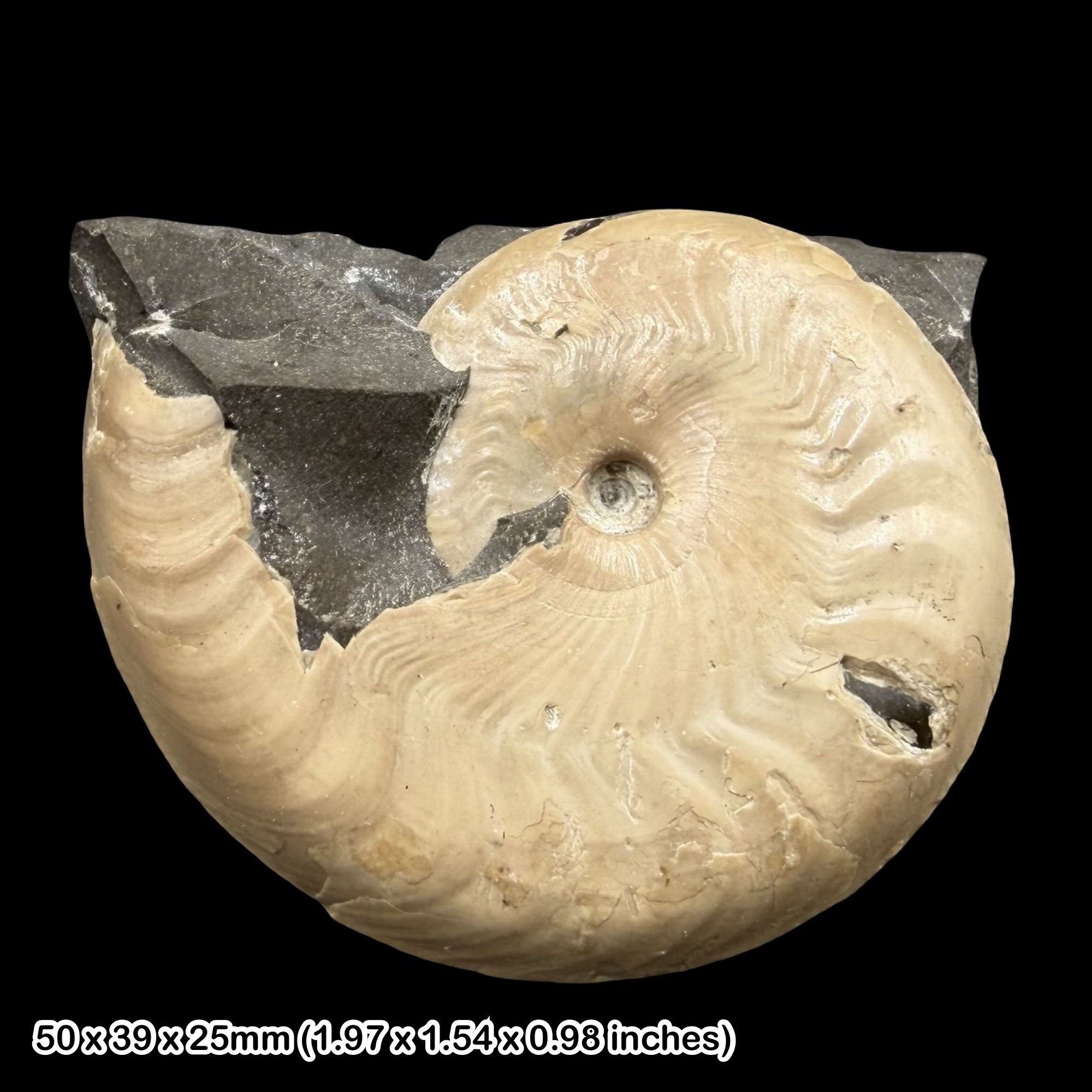
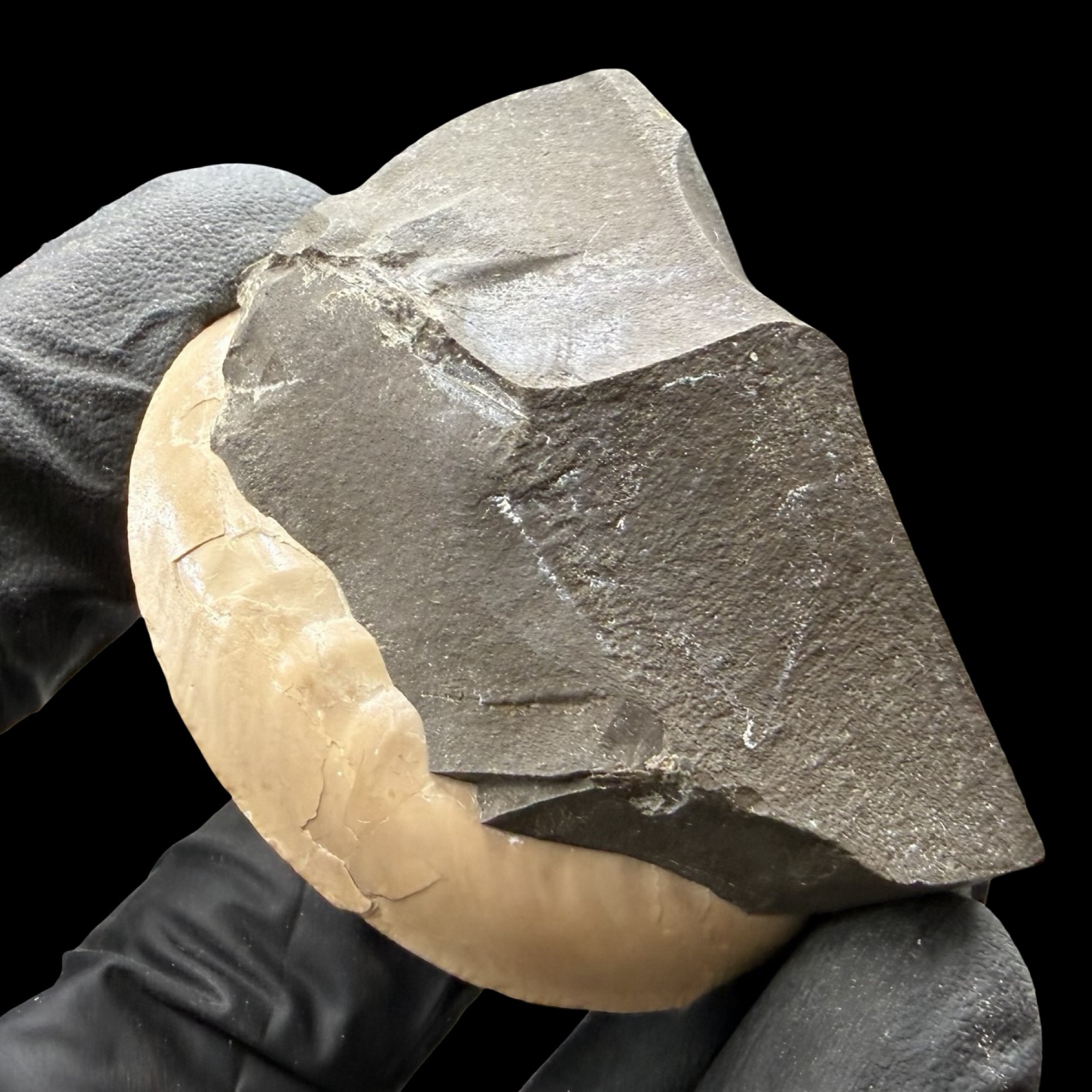
Leioceras opalinum Ammonite Fossil Lower Bajocian Dagestan Russia Shale COA Rare, Genuine Middle Jurassic Collectable
£ 60.00
Genuine Leioceras opalinum Ammonite FossilThis listing is for a genuine Leioceras opalinum ammonite fossil from the black
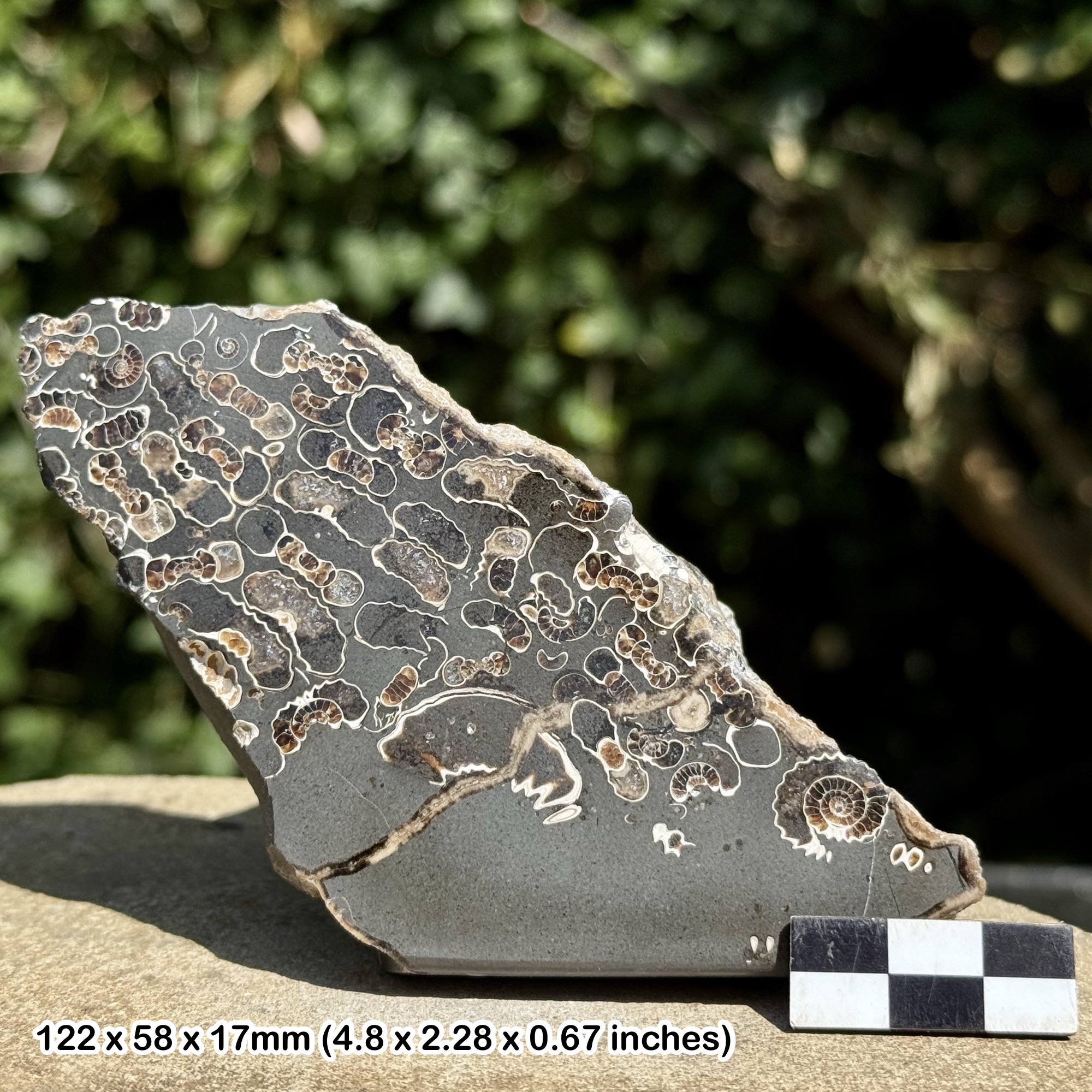
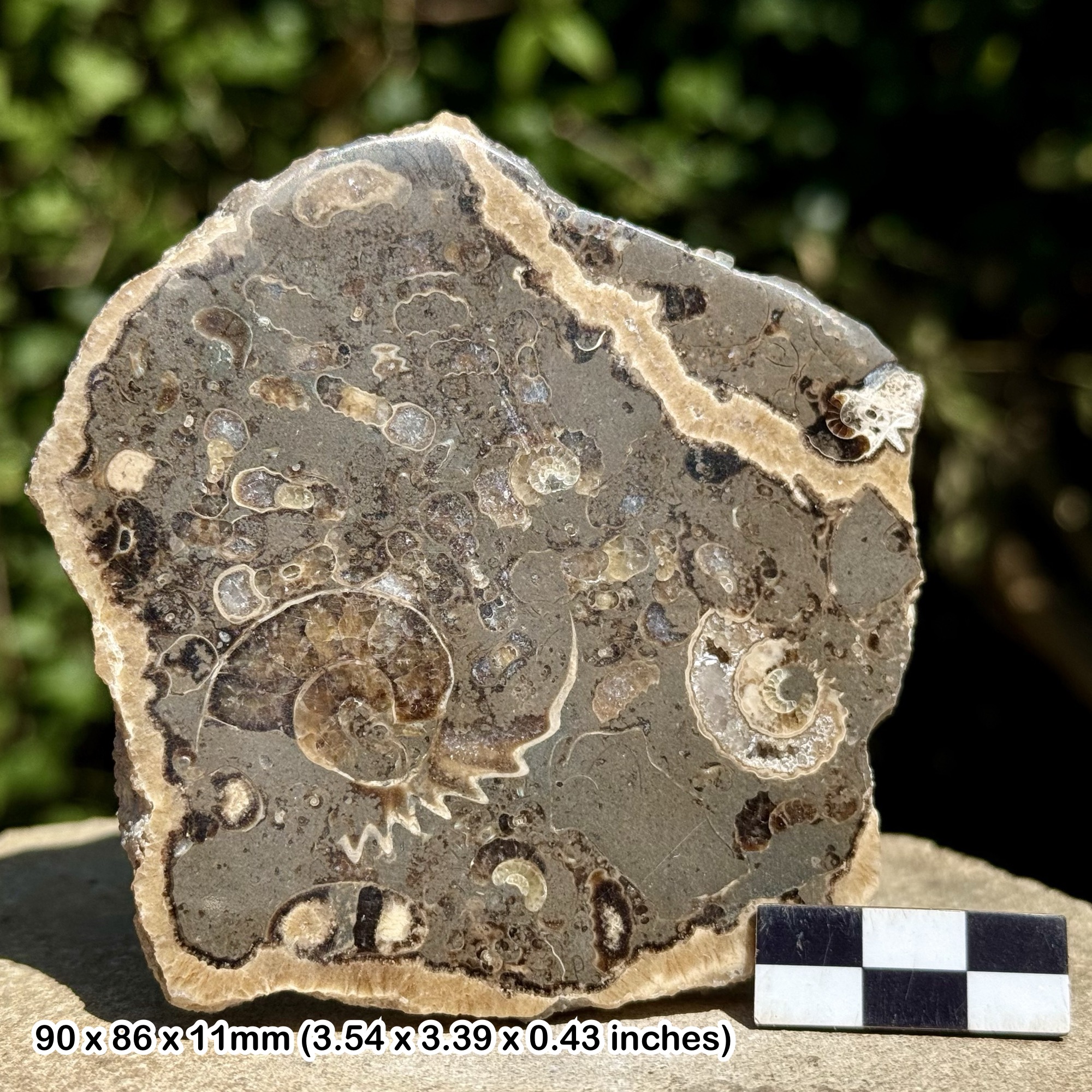
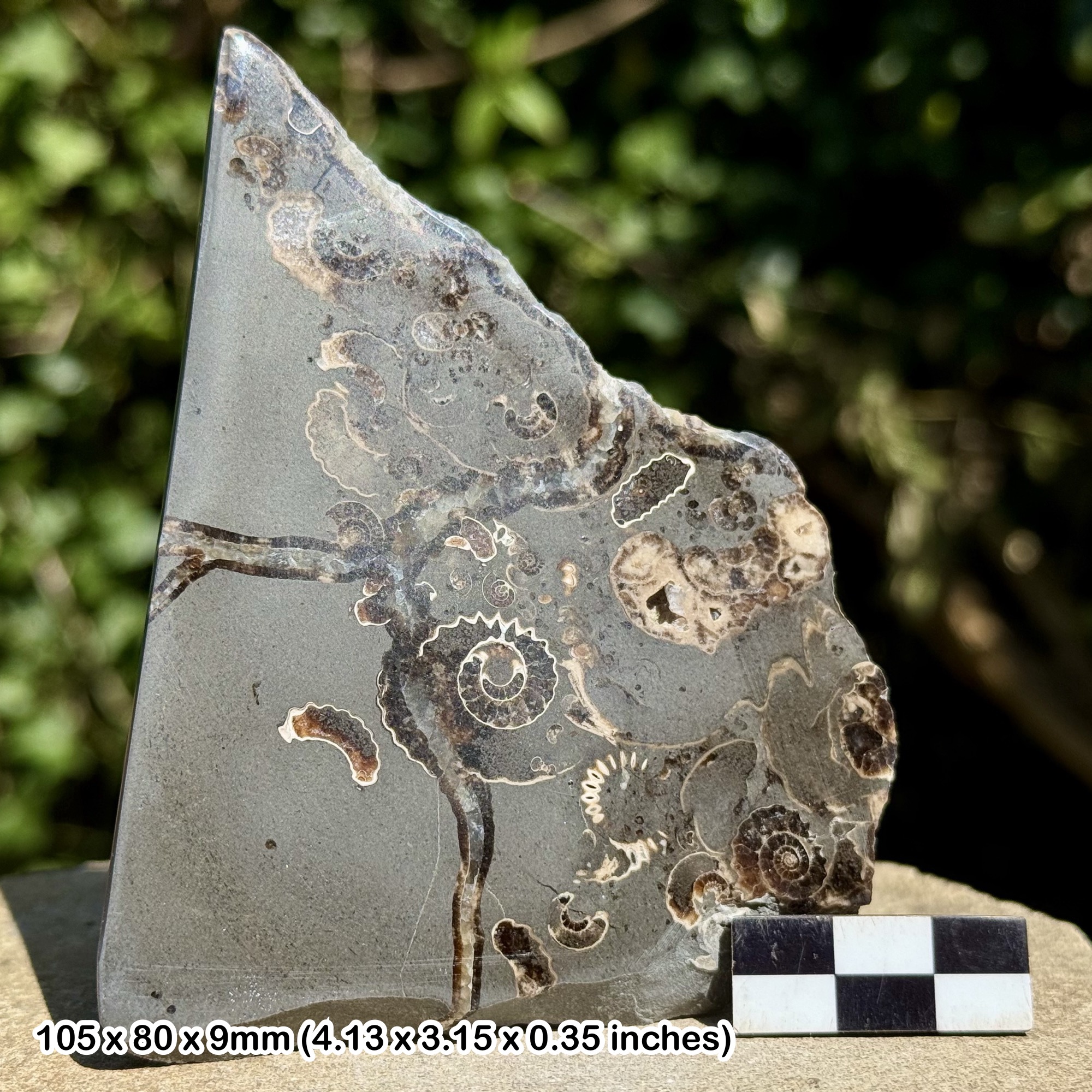
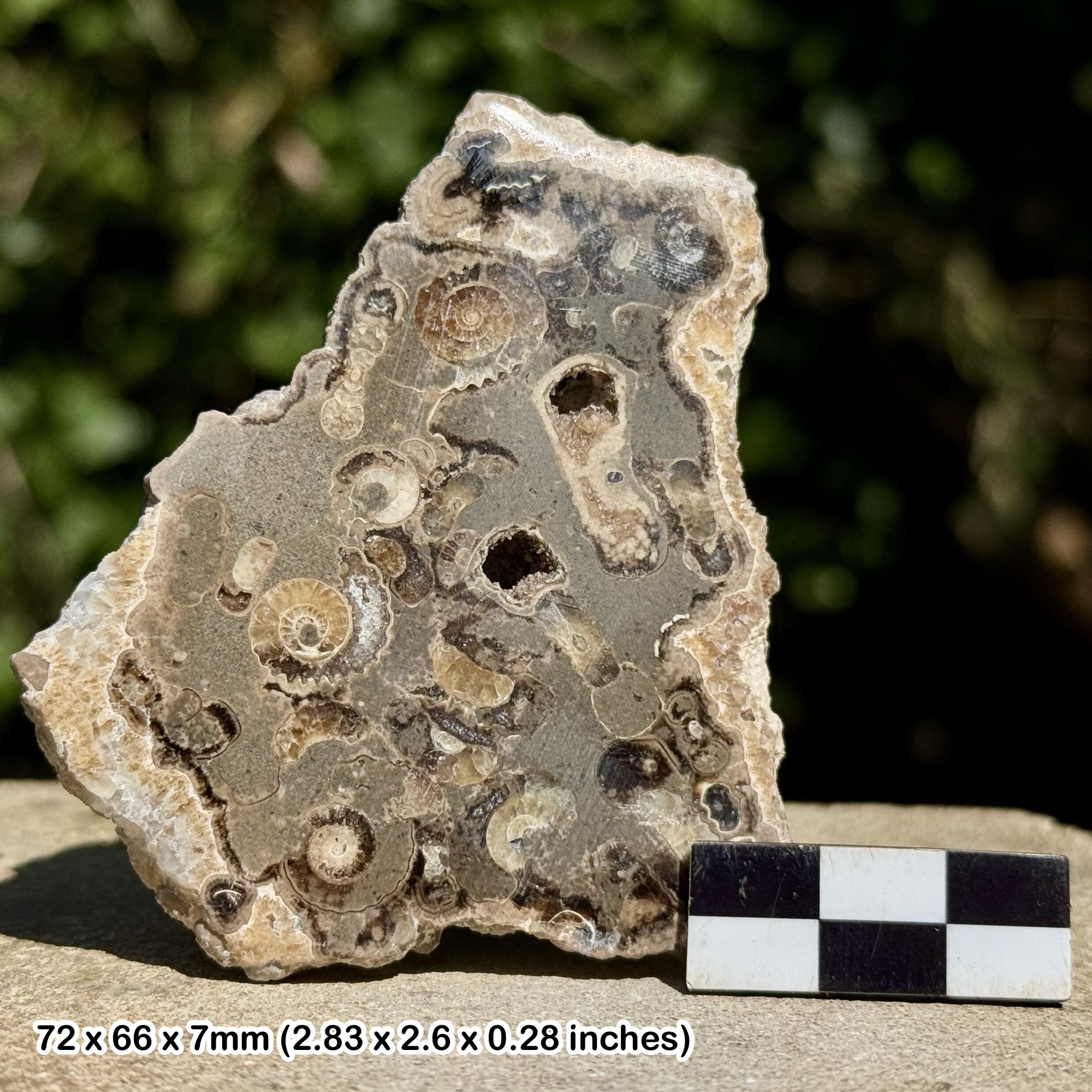
shales of Dagestan, Russia, dating to the Middle Jurassic, Lower Bajocian. Ammonites are among the most iconic marine fossils, prized by collectors for their coiled shells, finely preserved structure, and importance in dating ancient rock layers. This carefully chosen fossil is a genuine specimen and includes a Certificate of Authenticity lifetime guarantee generic card.The photograph shows the actual fossil specimen you will receive, making this an ideal choice for fossil collectors, ammonite enthusiasts, educational displays, natural history collections, and anyone looking for an authentic Jurassic ammonite fossil with strong scientific and decorative appeal. Full sizing details can be seen in the photo.Species and Fossil TypeLeioceras opalinum is a species of ammonite, an extinct marine cephalopod related to modern squid, cuttlefish, octopus, and nautilus. Ammonites lived in ancient seas and possessed a chambered spiral shell, using the inner chambers for buoyancy while the living animal occupied the outer body chamber. Their shells were divided by internal walls called septa, creating suture patterns that are often used by palaeontologists to identify ammonite groups.Leioceras is especially associated with the early part of the Middle Jurassic and is a well-known ammonite genus used in biostratigraphy. The species Leioceras opalinum is closely linked with the Opalinum Zone, an important ammonite biozone around the Aalenian to Bajocian interval in Jurassic stratigraphy. These ammonites are valued not only for their attractive form but also for their usefulness in understanding the age and correlation of marine sedimentary rocks.Geological Age and LocalityThis fossil comes from black shale deposits in Dagestan, Russia, and dates to the Lower Bajocian stage of the Middle Jurassic Period. The Jurassic was a time of widespread shallow seas, rich marine ecosystems, and abundant cephalopod life. Ammonites flourished during this period and evolved rapidly, making them excellent index fossils for dating rock layers.Black shales typically form in quiet, low-energy marine environments where fine mud and organic-rich sediment settled on the sea floor. These darker sediments often indicate oxygen-poor conditions, which could help preserve fossils by slowing decay and reducing disturbance by scavengers or burrowing organisms. Fossils from black shale deposits can provide valuable evidence of ancient marine environments, sedimentation, and Jurassic faunal communities.Morphology and Collectable FeaturesLeioceras ammonites are generally known for their compressed, planispiral shells and elegant coiling. The shell form is typically streamlined, reflecting the hydrodynamic shape common in many nektonic or free-swimming ammonites. Depending on preservation, examples may show fine ribbing, a defined whorl structure, a visible umbilicus, and natural shell or matrix detail from the surrounding shale.This specimen is a genuine fossil ammonite rather than a modern replica, cast, or decorative imitation. As a natural fossil, it may show age-related features such as mineralisation, shale matrix, natural surface texture, compression, small chips, repairs, weathering, or variation in colour and preservation. These features are normal for authentic fossils and form part of the specimen’s natural character.Provenance and AuthenticityFossil type: AmmoniteSpecies: Leioceras opalinumAge: Middle Jurassic, Lower BajocianLocality: Dagestan, RussiaRock type: Black shaleCertificate: Includes a Certificate of Authenticity lifetime guarantee generic cardSpecimen shown: The photo shows the actual fossil you will receiveSize: Full sizing shown in the photoThis Leioceras opalinum ammonite fossil is a carefully selected natural history specimen suitable for display, study, gifting, or adding to a fossil collection. Its combination of Jurassic age, classic ammonite form, Russian locality, and black shale preservation makes it a desirable piece for collectors interested in authentic cephalopod fossils, ammonite biozones, prehistoric marine life, and genuine fossil specimens with documented authenticity.
shales of Dagestan, Russia, dating to the Middle Jurassic, Lower Bajocian. Ammonites are among the most iconic marine fossils, prized by collectors for their coiled shells, finely preserved structure, and importance in dating ancient rock layers. This carefully chosen fossil is a genuine specimen and includes a Certificate of Authenticity lifetime guarantee generic card.The photograph shows the actual fossil specimen you will receive, making this an ideal choice for fossil collectors, ammonite enthusiasts, educational displays, natural history collections, and anyone looking for an authentic Jurassic ammonite fossil with strong scientific and decorative appeal. Full sizing details can be seen in the photo.Species and Fossil TypeLeioceras opalinum is a species of ammonite, an extinct marine cephalopod related to modern squid, cuttlefish, octopus, and nautilus. Ammonites lived in ancient seas and possessed a chambered spiral shell, using the inner chambers for buoyancy while the living animal occupied the outer body chamber. Their shells were divided by internal walls called septa, creating suture patterns that are often used by palaeontologists to identify ammonite groups.Leioceras is especially associated with the early part of the Middle Jurassic and is a well-known ammonite genus used in biostratigraphy. The species Leioceras opalinum is closely linked with the Opalinum Zone, an important ammonite biozone around the Aalenian to Bajocian interval in Jurassic stratigraphy. These ammonites are valued not only for their attractive form but also for their usefulness in understanding the age and correlation of marine sedimentary rocks.Geological Age and LocalityThis fossil comes from black shale deposits in Dagestan, Russia, and dates to the Lower Bajocian stage of the Middle Jurassic Period. The Jurassic was a time of widespread shallow seas, rich marine ecosystems, and abundant cephalopod life. Ammonites flourished during this period and evolved rapidly, making them excellent index fossils for dating rock layers.Black shales typically form in quiet, low-energy marine environments where fine mud and organic-rich sediment settled on the sea floor. These darker sediments often indicate oxygen-poor conditions, which could help preserve fossils by slowing decay and reducing disturbance by scavengers or burrowing organisms. Fossils from black shale deposits can provide valuable evidence of ancient marine environments, sedimentation, and Jurassic faunal communities.Morphology and Collectable FeaturesLeioceras ammonites are generally known for their compressed, planispiral shells and elegant coiling. The shell form is typically streamlined, reflecting the hydrodynamic shape common in many nektonic or free-swimming ammonites. Depending on preservation, examples may show fine ribbing, a defined whorl structure, a visible umbilicus, and natural shell or matrix detail from the surrounding shale.This specimen is a genuine fossil ammonite rather than a modern replica, cast, or decorative imitation. As a natural fossil, it may show age-related features such as mineralisation, shale matrix, natural surface texture, compression, small chips, repairs, weathering, or variation in colour and preservation. These features are normal for authentic fossils and form part of the specimen’s natural character.Provenance and AuthenticityFossil type: AmmoniteSpecies: Leioceras opalinumAge: Middle Jurassic, Lower BajocianLocality: Dagestan, RussiaRock type: Black shaleCertificate: Includes a Certificate of Authenticity lifetime guarantee generic cardSpecimen shown: The photo shows the actual fossil you will receiveSize: Full sizing shown in the photoThis Leioceras opalinum ammonite fossil is a carefully selected natural history specimen suitable for display, study, gifting, or adding to a fossil collection. Its combination of Jurassic age, classic ammonite form, Russian locality, and black shale preservation makes it a desirable piece for collectors interested in authentic cephalopod fossils, ammonite biozones, prehistoric marine life, and genuine fossil specimens with documented authenticity.