Talc Kennack Cove Lizard Cornwall Genuine Mineral Specimen with Certificate of Authenticity
£ 32.40
GENUINE TALC – KENNACK COVE, LIZARD PENINSULA, CORNWALL, UKThis Talc specimen from Kennack Cove on the Lizard Peninsula, Cornwall, is a
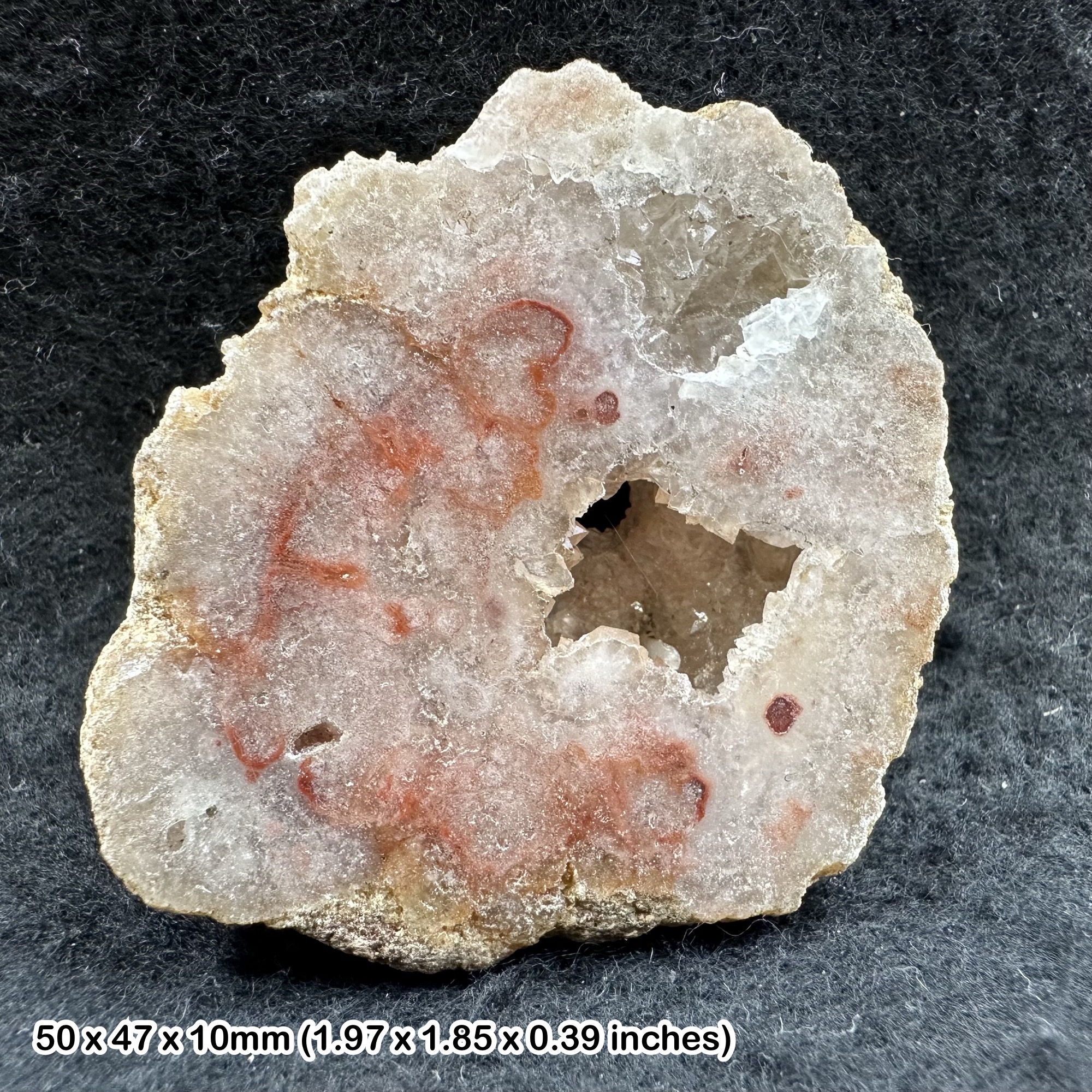
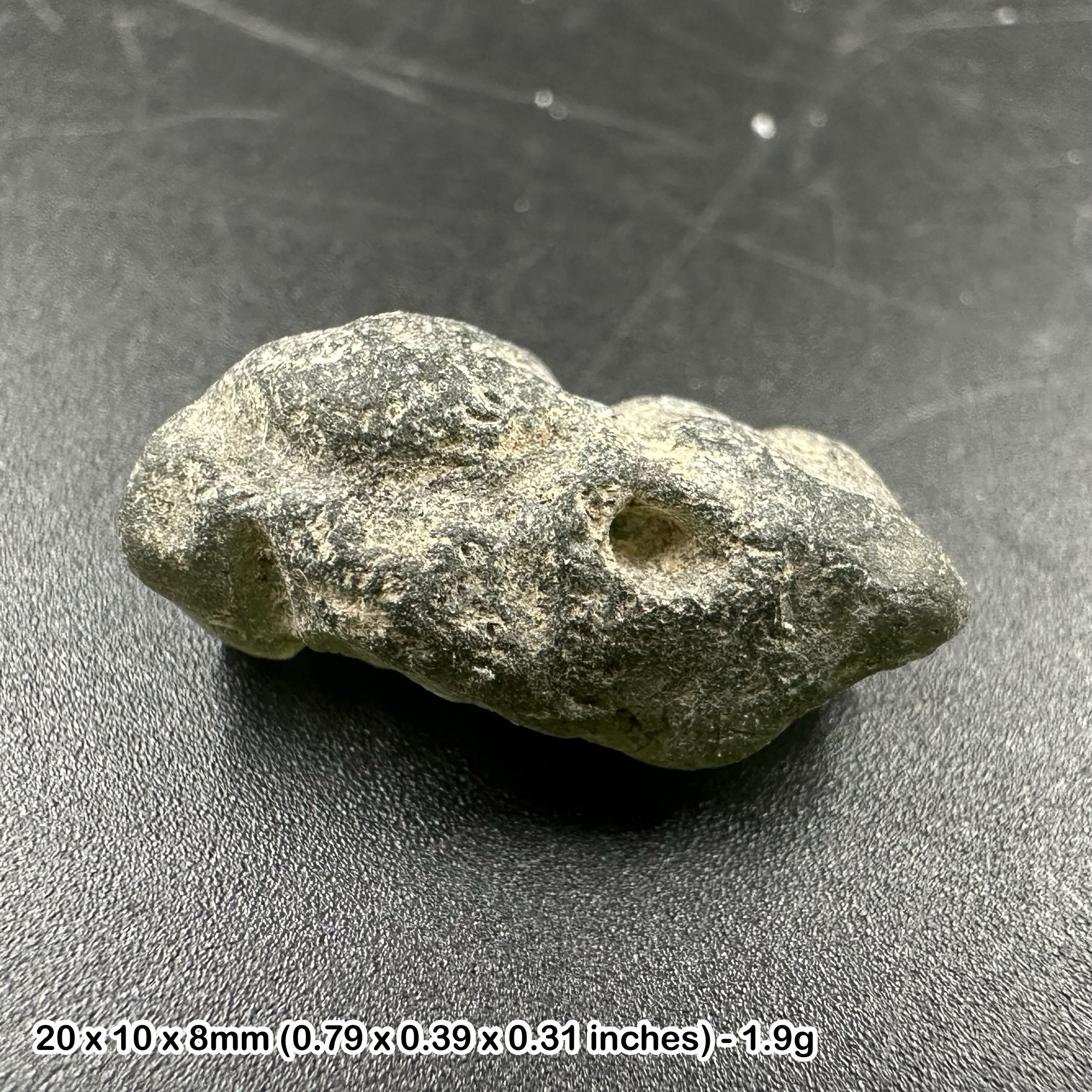
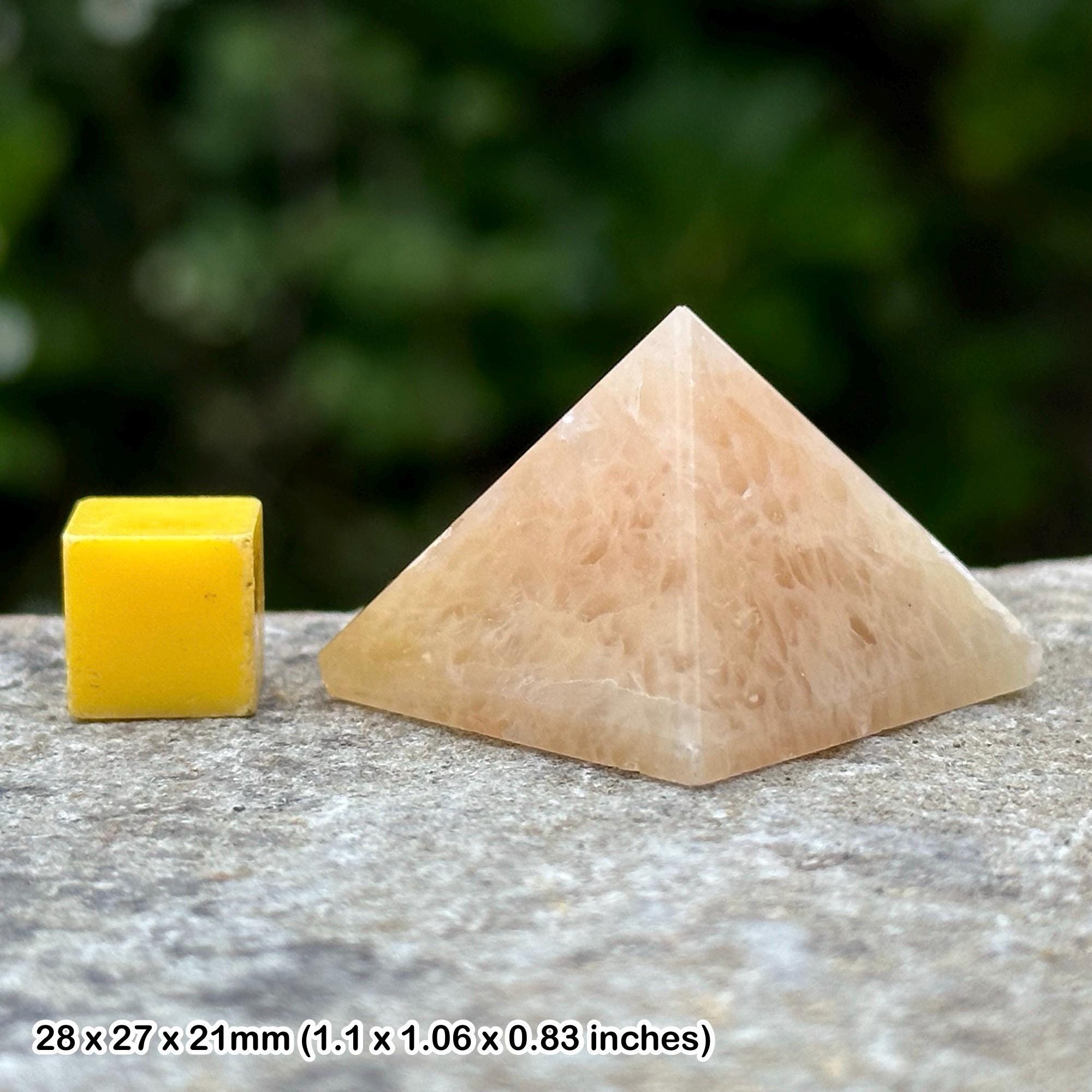
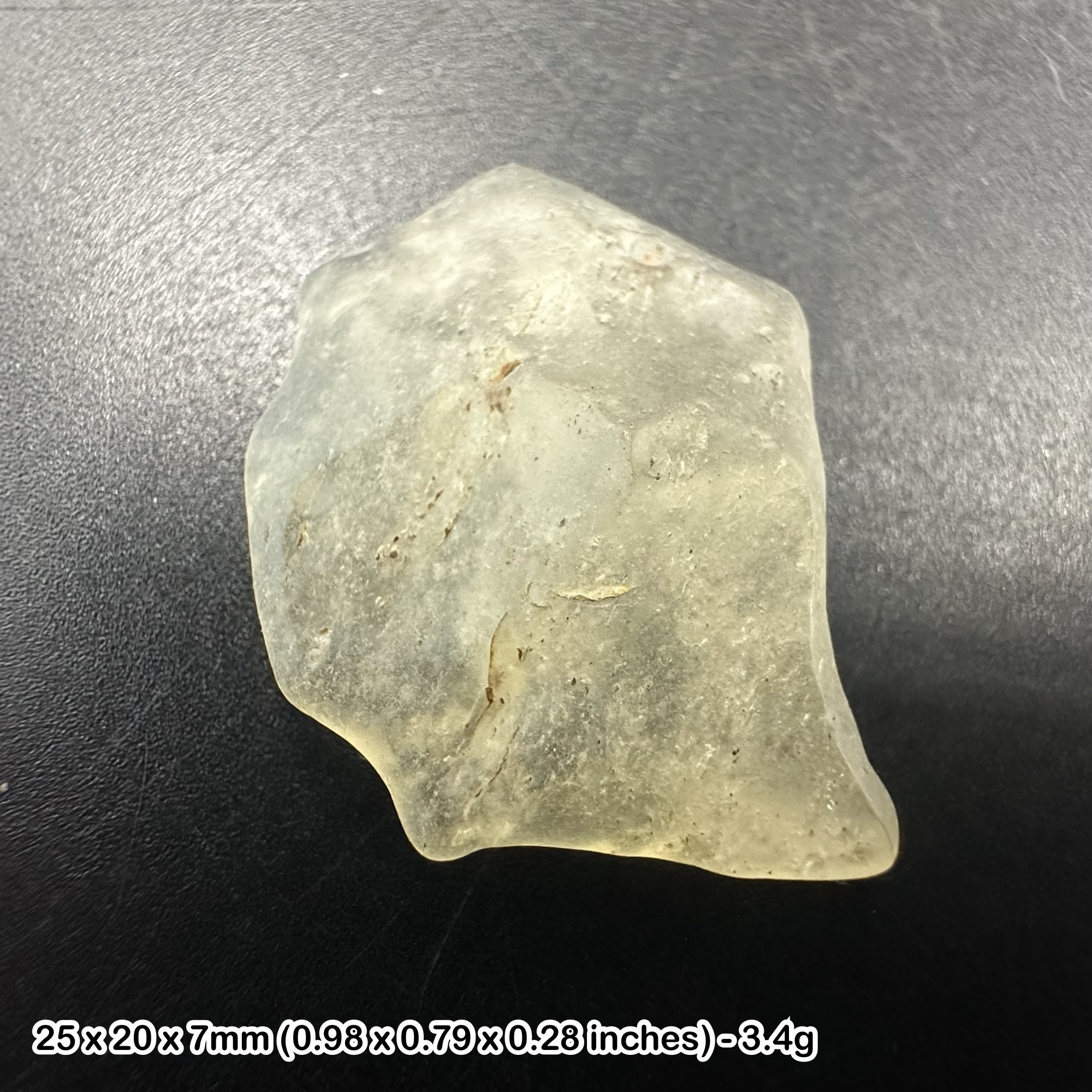
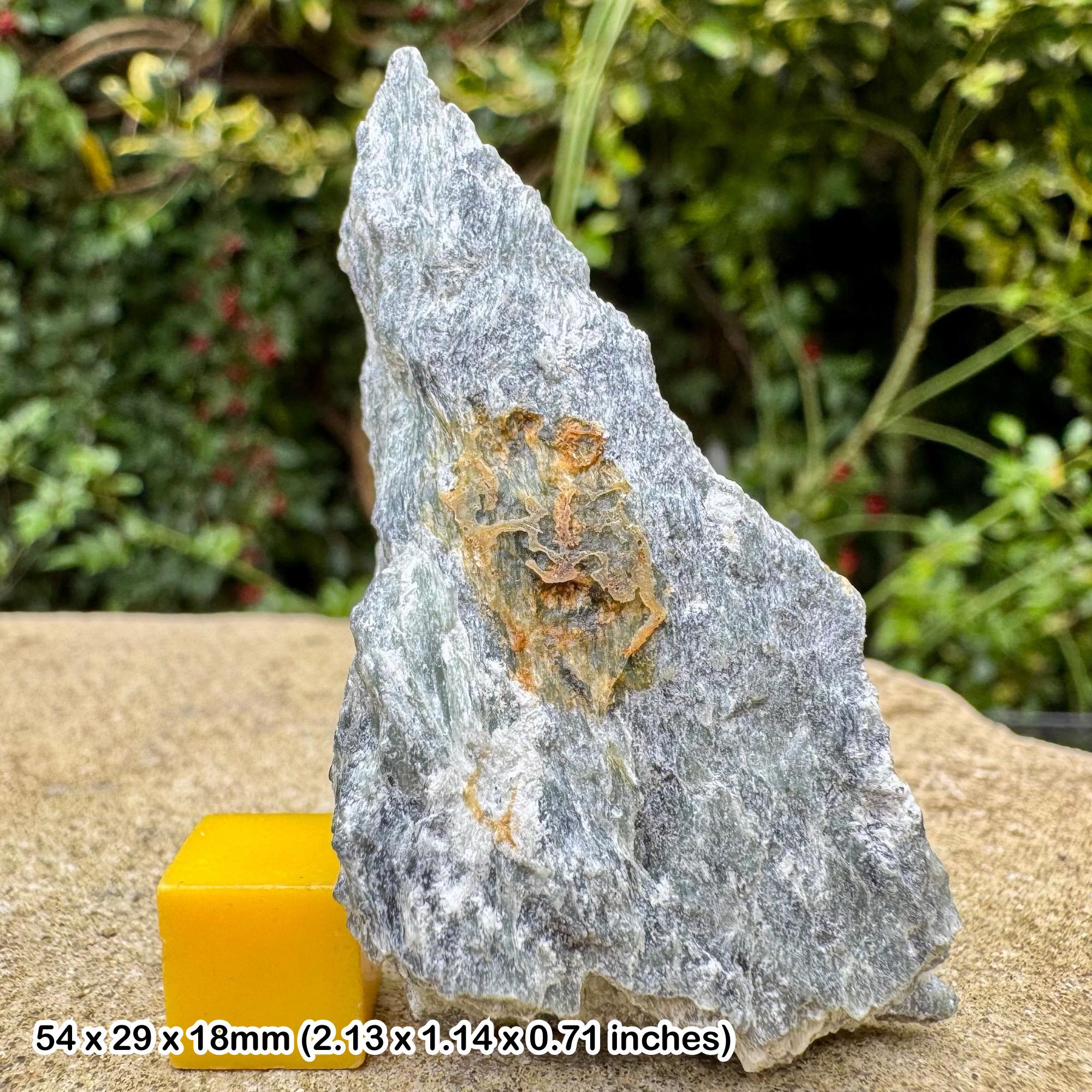
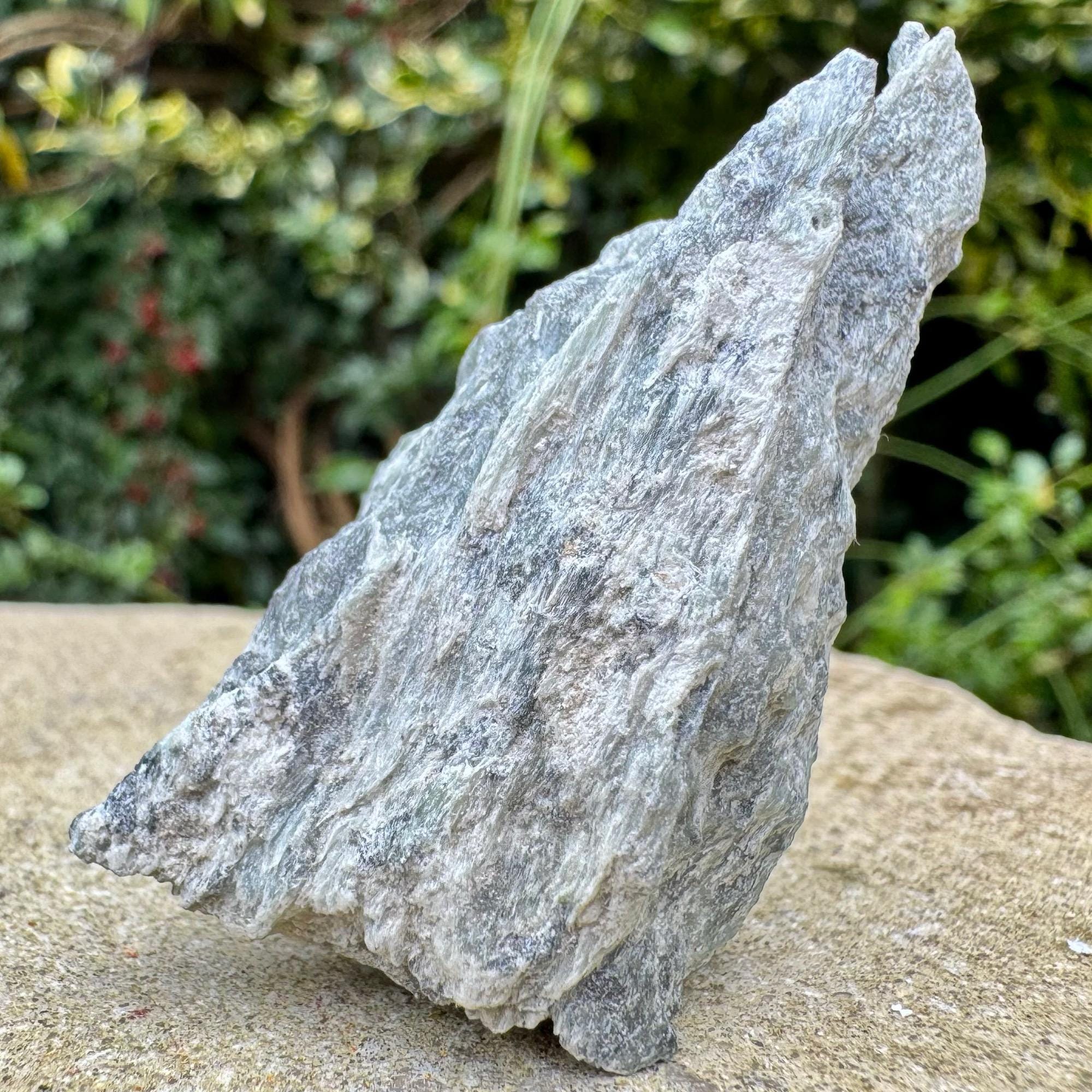
genuine and carefully selected British mineral example. The photograph provided shows the exact specimen you will receive. Please refer to the images for full sizing details and accurate scale.This crystal includes a Certificate of Authenticity lifetime guarantee generic card confirming its genuine origin and mineral identification. MINERAL & GEOLOGICAL CLASSIFICATION – TALCTalc is a hydrated magnesium silicate mineral with the chemical formula Mg₃Si₄O₁₀(OH)₂. It belongs to the phyllosilicate (sheet silicate) mineral group and crystallises in the monoclinic crystal system, though crystals are rarely well-formed and typically appear in massive, foliated or fibrous aggregates.Mineral Name: TalcChemical Formula: Mg₃Si₄O₁₀(OH)₂Mineral Group: PhyllosilicateCrystal System: MonoclinicHardness: 1 on the Mohs scaleLustre: Pearly to greasyColour: White, pale green, grey or creamTalc is the softest mineral on the Mohs hardness scale, making it easily identifiable by its smooth, soapy feel. Its structure consists of stacked sheets of magnesium silicate, which allow the layers to slide over one another, resulting in its characteristic softness and cleavage. GEOLOGICAL SETTING – KENNACK COVE, LIZARD PENINSULAKennack Cove lies within the Lizard Peninsula, one of the most geologically significant regions in the United Kingdom. The Lizard Complex is an ophiolite sequence, representing fragments of ancient oceanic crust and upper mantle that were uplifted and exposed during tectonic activity.Talc in this region typically forms through metamorphic processes involving ultramafic rocks such as peridotite and serpentinite. When magnesium-rich rocks undergo hydrothermal alteration and low-grade metamorphism, talc may develop as a secondary mineral.The geological history of the Lizard Peninsula dates back to the Devonian period and reflects complex tectonic interactions associated with the closure of the Rheic Ocean. Talc from Kennack Cove is linked to these serpentinised ultramafic rock bodies, making it an important example of metamorphic mineral formation.Associated minerals in the area may include serpentine, chlorite, actinolite and magnetite, depending on the specific host rock and alteration processes. PHYSICAL CHARACTERISTICS & SURFACE FEATURESTalc from Kennack Cove often appears as:
• Massive or foliated aggregates
• Soft, smooth surfaces with a greasy or silky feel
• Pale green to white colouration
• Subtle pearly lustre on cleavage planesBecause talc is extremely soft, edges may appear rounded or slightly weathered. Its texture and low hardness distinguish it clearly from harder silicate minerals.Natural variations in colour, surface texture and matrix attachment reflect the specimen’s geological origin and confirm its authenticity. GEOLOGICAL IMPORTANCE & COLLECTIBILITYThe Lizard Peninsula is internationally recognised for its ophiolite geology, making specimens from this locality particularly desirable for collectors of British minerals. Talc from Kennack Cove represents the metamorphic alteration of oceanic mantle-derived rocks, offering insight into large-scale tectonic processes.This specimen is suitable for mineral cabinets, educational geological collections or regional displays highlighting Cornwall’s diverse geology.Because this is a genuine natural specimen, each piece displays unique structural and surface characteristics. The photograph shows the exact talc specimen you will receive. AUTHENTICITY & PRESENTATIONThis Talc specimen from Kennack Cove has been carefully chosen for quality, locality significance and presentation. Included with your purchase is a Certificate of Authenticity lifetime guarantee generic card confirming its genuine origin from the Lizard Peninsula, Cornwall.Combining classic ophiolite geology with the distinctive softness and texture of talc, this specimen offers mineral authenticity, regional geological importance and collector appeal in one carefully selected piece.
genuine and carefully selected British mineral example. The photograph provided shows the exact specimen you will receive. Please refer to the images for full sizing details and accurate scale.This crystal includes a Certificate of Authenticity lifetime guarantee generic card confirming its genuine origin and mineral identification. MINERAL & GEOLOGICAL CLASSIFICATION – TALCTalc is a hydrated magnesium silicate mineral with the chemical formula Mg₃Si₄O₁₀(OH)₂. It belongs to the phyllosilicate (sheet silicate) mineral group and crystallises in the monoclinic crystal system, though crystals are rarely well-formed and typically appear in massive, foliated or fibrous aggregates.Mineral Name: TalcChemical Formula: Mg₃Si₄O₁₀(OH)₂Mineral Group: PhyllosilicateCrystal System: MonoclinicHardness: 1 on the Mohs scaleLustre: Pearly to greasyColour: White, pale green, grey or creamTalc is the softest mineral on the Mohs hardness scale, making it easily identifiable by its smooth, soapy feel. Its structure consists of stacked sheets of magnesium silicate, which allow the layers to slide over one another, resulting in its characteristic softness and cleavage. GEOLOGICAL SETTING – KENNACK COVE, LIZARD PENINSULAKennack Cove lies within the Lizard Peninsula, one of the most geologically significant regions in the United Kingdom. The Lizard Complex is an ophiolite sequence, representing fragments of ancient oceanic crust and upper mantle that were uplifted and exposed during tectonic activity.Talc in this region typically forms through metamorphic processes involving ultramafic rocks such as peridotite and serpentinite. When magnesium-rich rocks undergo hydrothermal alteration and low-grade metamorphism, talc may develop as a secondary mineral.The geological history of the Lizard Peninsula dates back to the Devonian period and reflects complex tectonic interactions associated with the closure of the Rheic Ocean. Talc from Kennack Cove is linked to these serpentinised ultramafic rock bodies, making it an important example of metamorphic mineral formation.Associated minerals in the area may include serpentine, chlorite, actinolite and magnetite, depending on the specific host rock and alteration processes. PHYSICAL CHARACTERISTICS & SURFACE FEATURESTalc from Kennack Cove often appears as:
• Massive or foliated aggregates
• Soft, smooth surfaces with a greasy or silky feel
• Pale green to white colouration
• Subtle pearly lustre on cleavage planesBecause talc is extremely soft, edges may appear rounded or slightly weathered. Its texture and low hardness distinguish it clearly from harder silicate minerals.Natural variations in colour, surface texture and matrix attachment reflect the specimen’s geological origin and confirm its authenticity. GEOLOGICAL IMPORTANCE & COLLECTIBILITYThe Lizard Peninsula is internationally recognised for its ophiolite geology, making specimens from this locality particularly desirable for collectors of British minerals. Talc from Kennack Cove represents the metamorphic alteration of oceanic mantle-derived rocks, offering insight into large-scale tectonic processes.This specimen is suitable for mineral cabinets, educational geological collections or regional displays highlighting Cornwall’s diverse geology.Because this is a genuine natural specimen, each piece displays unique structural and surface characteristics. The photograph shows the exact talc specimen you will receive. AUTHENTICITY & PRESENTATIONThis Talc specimen from Kennack Cove has been carefully chosen for quality, locality significance and presentation. Included with your purchase is a Certificate of Authenticity lifetime guarantee generic card confirming its genuine origin from the Lizard Peninsula, Cornwall.Combining classic ophiolite geology with the distinctive softness and texture of talc, this specimen offers mineral authenticity, regional geological importance and collector appeal in one carefully selected piece.