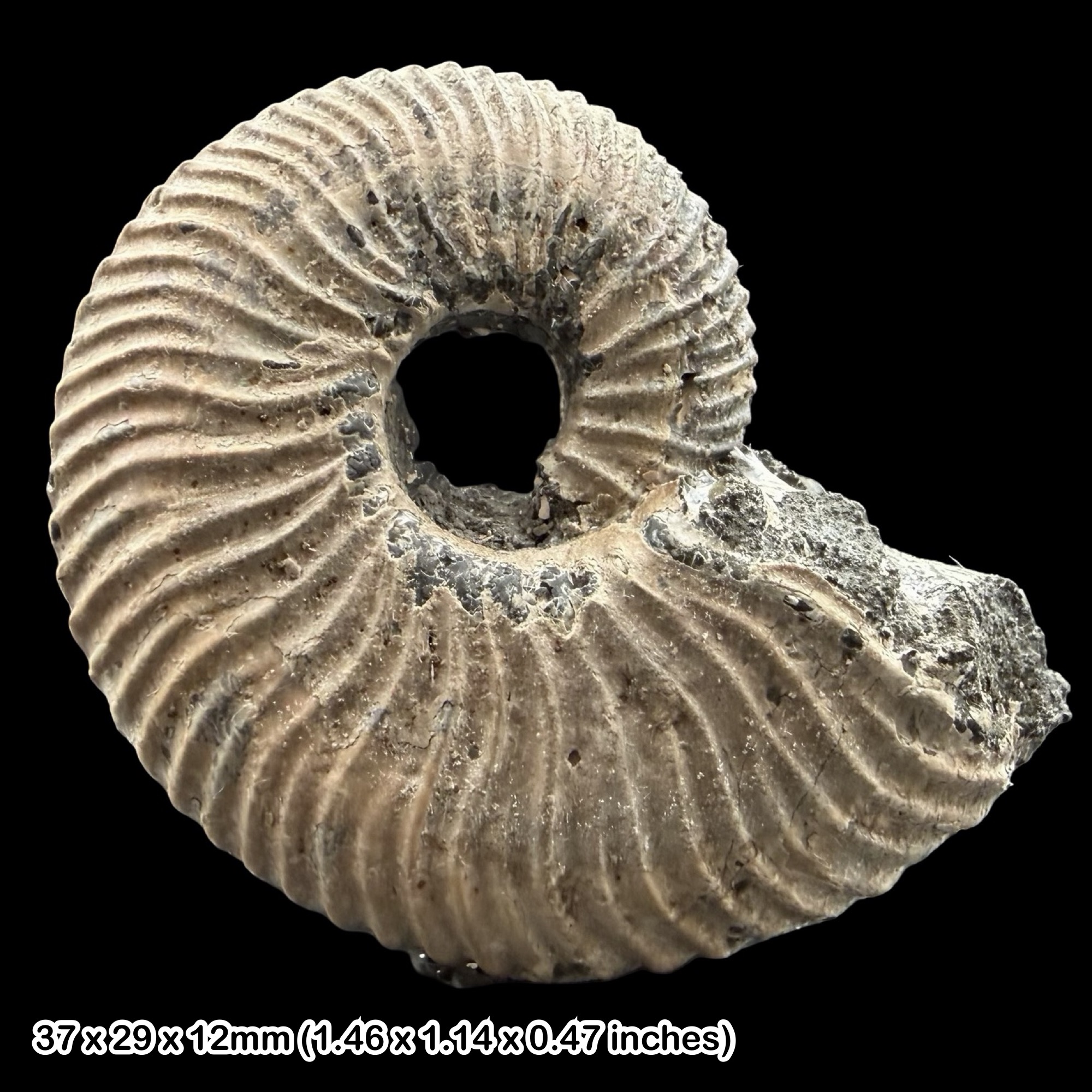
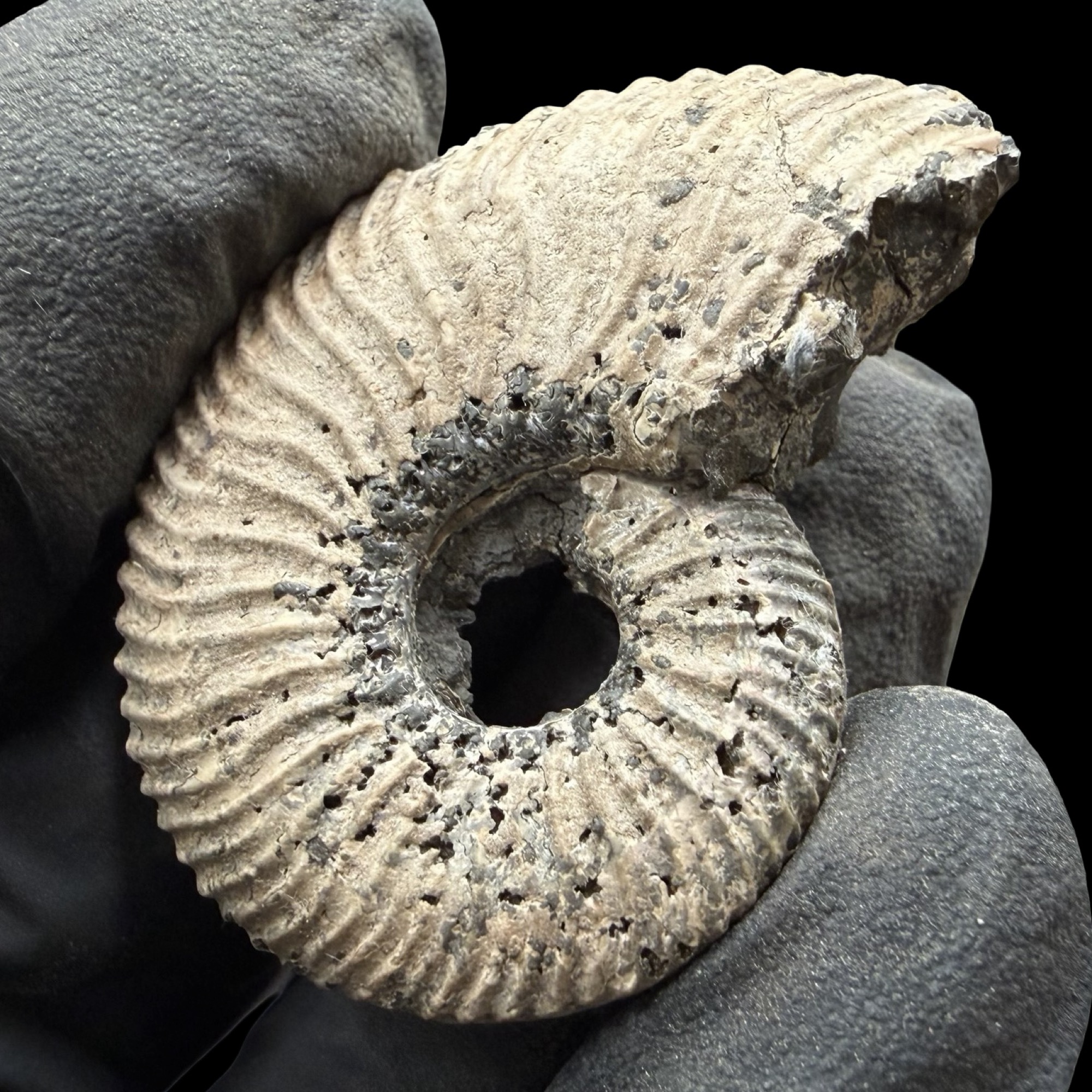
Endemoceras regale Fossil Ammonite Speeton Clay Cretaceous UK Genuine Specimen Certificate Authenticity Rare Collector Display
£ 8.10
Endemoceras regale Fossil Ammonite – Hauterivian Cretaceous of SpeetonThis exceptional fossil ammonite, identified as Endemoceras regale, originates
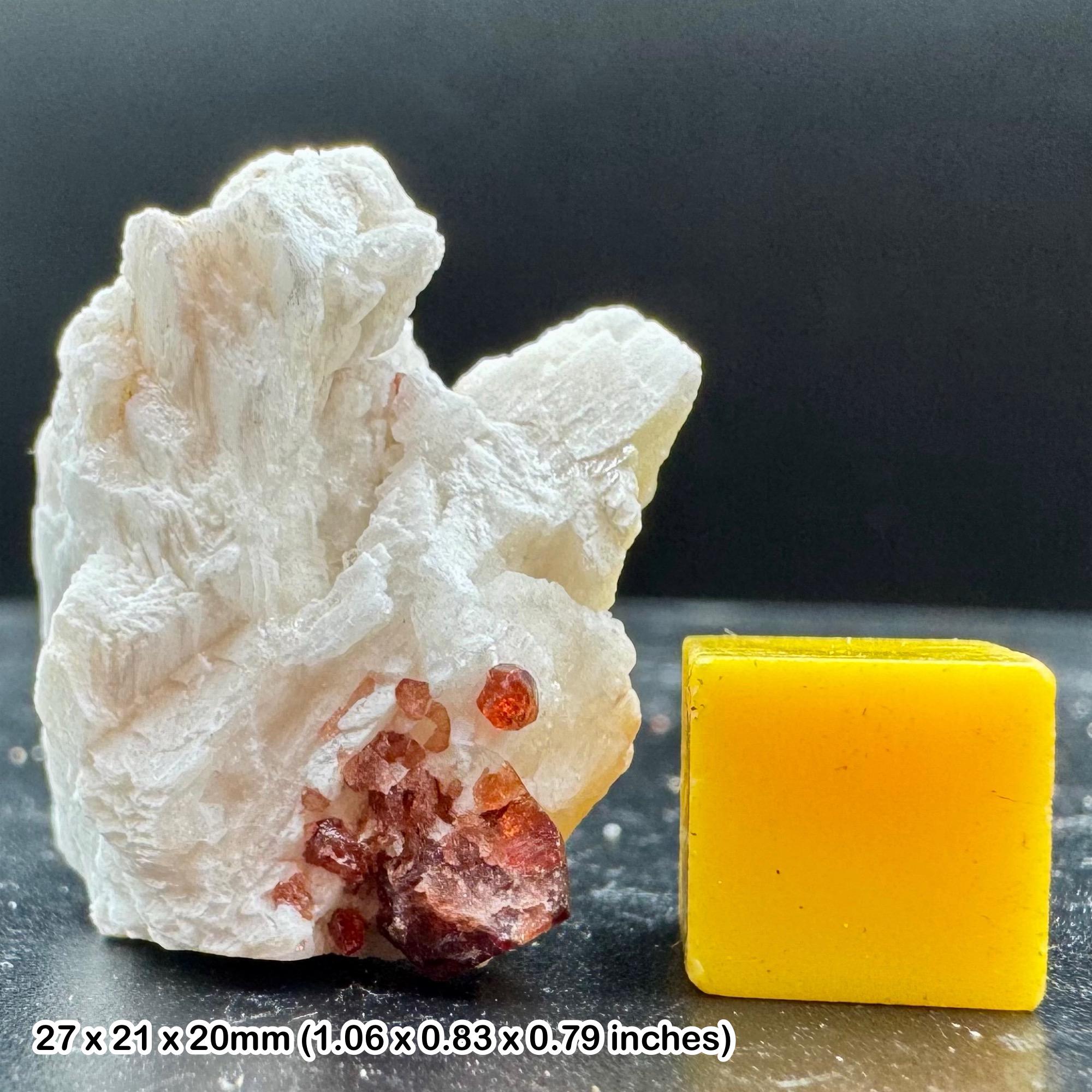
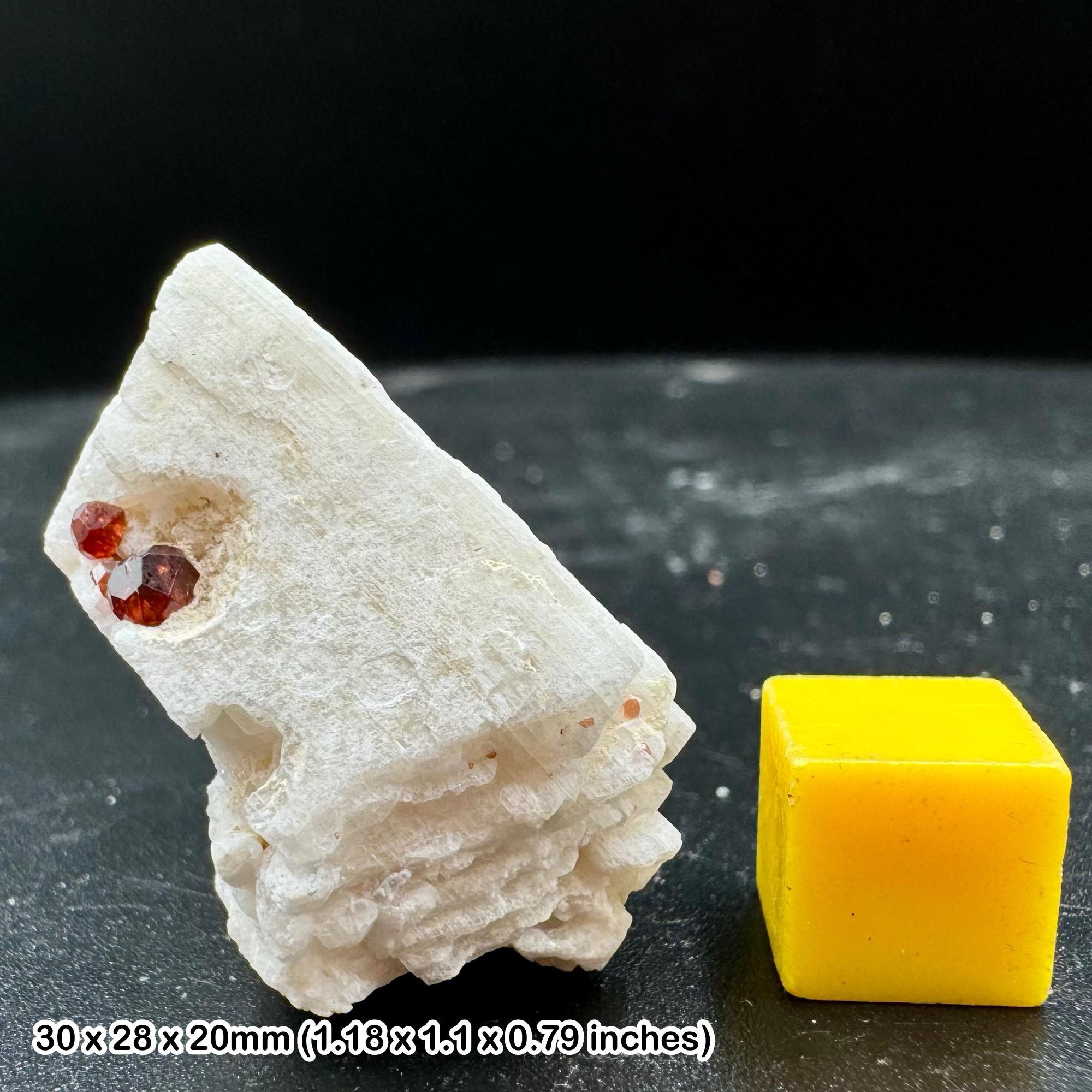
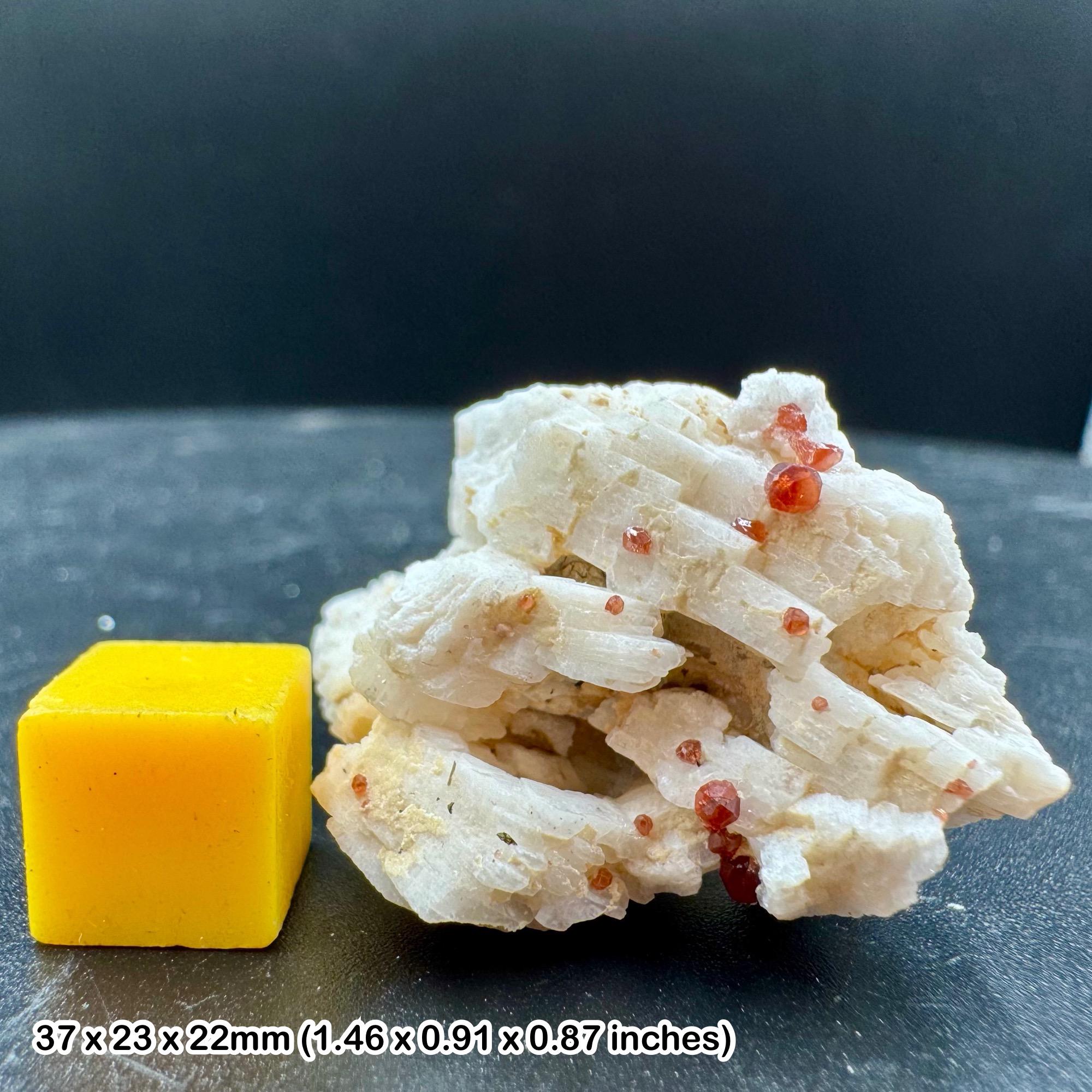
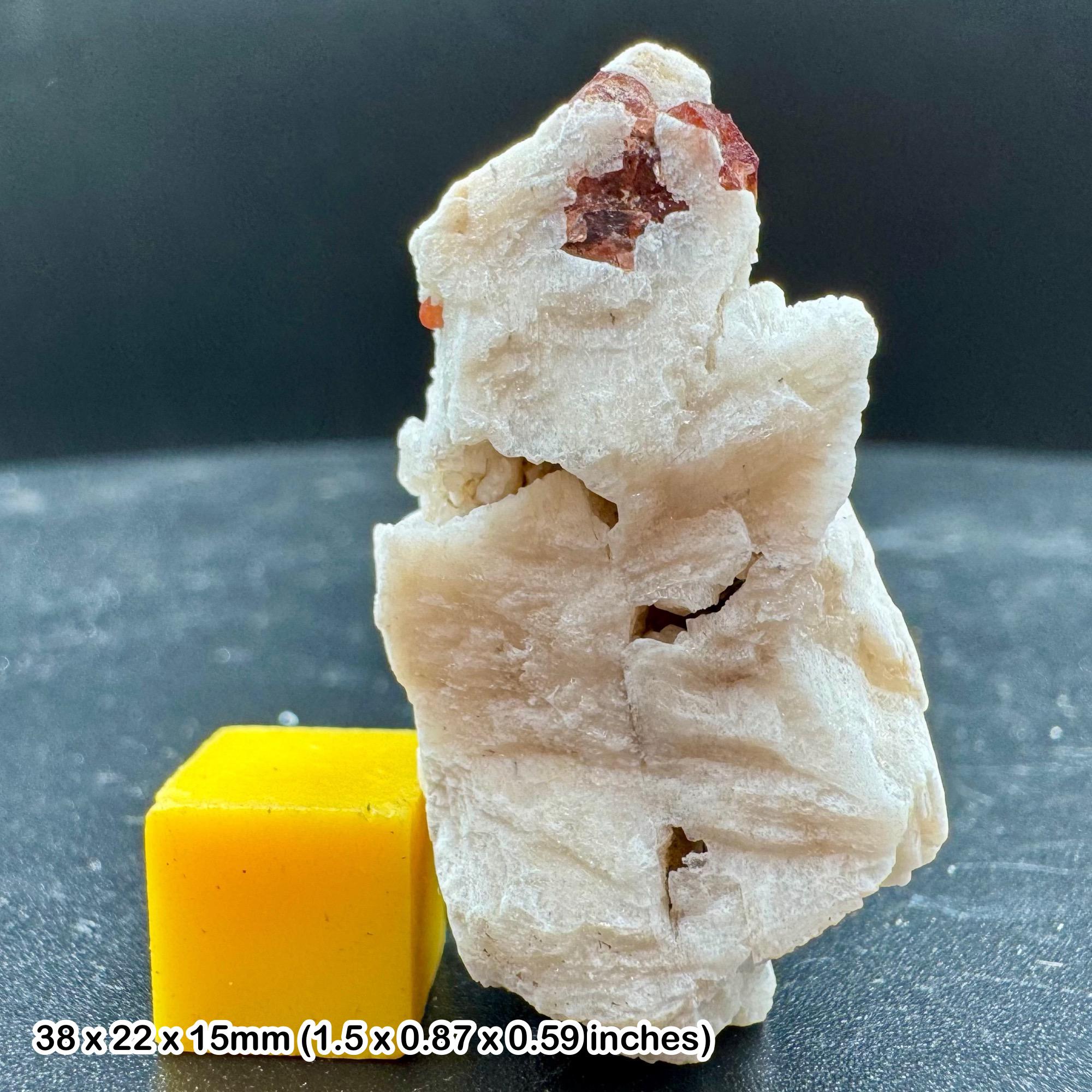
from the renowned Speeton Clay Formation at Speeton, United Kingdom. Dating to the Hauterivian stage of the Early Cretaceous period, approximately 130 million years ago, this specimen represents a striking and scientifically significant example of marine life from a key British fossil locality.Discovered by our experienced team members, Alister and Alison, this ammonite has been carefully cleaned, expertly prepared, and stabilised by Alison to reveal its natural structure and intricate detail. The fossil shown in the photographs is the exact specimen you will receive, ensuring a unique and highly collectible addition to any collection.Geological Context and StratigraphyThe Speeton Clay Formation is one of the most important Lower Cretaceous marine sequences in the United Kingdom, consisting of fine-grained clays deposited in a relatively deep offshore environment. These sediments accumulated slowly, allowing delicate marine organisms to be preserved in remarkable detail.The Hauterivian stage is well represented within this formation and is known for its diverse ammonite assemblages. Fossils such as Endemoceras regale are frequently used in biostratigraphy to define specific zones and correlate strata across Europe, highlighting their importance in geological research.Taxonomy and ClassificationEndemoceras regale belongs to the order Ammonitida, an extinct group of marine cephalopods closely related to modern squid and octopus. It is typically placed within the superfamily Desmoceratoidea, a group known for their often robust shells and evolutionary significance during the Cretaceous.Ammonites like Endemoceras were active swimmers, using their chambered shells to regulate buoyancy and navigate ancient seas. Their rapid evolutionary changes make them essential index fossils for understanding geological time.Morphology and Shell FeaturesThis specimen displays the classic planispiral coiling characteristic of ammonites, with clearly defined whorls and a balanced, symmetrical form. The shell of Endemoceras regale is typically robust, with ornamentation that may include ribbing or subtle surface features depending on preservation.The whorl section is generally well developed, and the shell may exhibit a smooth to moderately ornamented surface, reflecting both structural strength and adaptation to its marine environment. Growth lines can often be observed, providing insight into the organism’s development over time.Natural mineralisation enhances the fossil’s visual appeal, highlighting its contours and structural features, making it an उत्कृष्ट display specimen.Depositional Environment and PreservationDuring the Hauterivian, the Speeton region was submerged beneath a relatively deep marine basin. Fine clay sediments settled slowly, creating ideal conditions for the preservation of ammonites and other marine organisms.Low-energy conditions and rapid burial helped protect delicate shell structures from damage, allowing fossils like this to retain significant detail. Alison’s careful preparation has revealed the ammonite’s features while maintaining elements of the surrounding matrix, preserving both scientific context and aesthetic balance.Full sizing details can be confirmed via the accompanying photographs.Authenticity and ProvenanceThis fossil is a genuine specimen and includes a Certificate of Authenticity lifetime guarantee card, ensuring complete confidence in its origin and identification. Each specimen is responsibly sourced and handled directly by our team, providing full traceability from discovery through to preparation.Collector Appeal and Display ValueAmmonites from the Speeton Clay are highly sought after for their scientific importance and quality of preservation. Endemoceras regale is particularly desirable due to its robust form and significance within Cretaceous ammonite assemblages.This specimen is ideal for collectors of ammonites, Cretaceous fossils, or British geological material. Whether displayed in a cabinet, study, or gallery, it offers both scientific insight and strong visual presence, providing a direct connection to the ancient marine environments of Early Cretaceous Britain.
from the renowned Speeton Clay Formation at Speeton, United Kingdom. Dating to the Hauterivian stage of the Early Cretaceous period, approximately 130 million years ago, this specimen represents a striking and scientifically significant example of marine life from a key British fossil locality.Discovered by our experienced team members, Alister and Alison, this ammonite has been carefully cleaned, expertly prepared, and stabilised by Alison to reveal its natural structure and intricate detail. The fossil shown in the photographs is the exact specimen you will receive, ensuring a unique and highly collectible addition to any collection.Geological Context and StratigraphyThe Speeton Clay Formation is one of the most important Lower Cretaceous marine sequences in the United Kingdom, consisting of fine-grained clays deposited in a relatively deep offshore environment. These sediments accumulated slowly, allowing delicate marine organisms to be preserved in remarkable detail.The Hauterivian stage is well represented within this formation and is known for its diverse ammonite assemblages. Fossils such as Endemoceras regale are frequently used in biostratigraphy to define specific zones and correlate strata across Europe, highlighting their importance in geological research.Taxonomy and ClassificationEndemoceras regale belongs to the order Ammonitida, an extinct group of marine cephalopods closely related to modern squid and octopus. It is typically placed within the superfamily Desmoceratoidea, a group known for their often robust shells and evolutionary significance during the Cretaceous.Ammonites like Endemoceras were active swimmers, using their chambered shells to regulate buoyancy and navigate ancient seas. Their rapid evolutionary changes make them essential index fossils for understanding geological time.Morphology and Shell FeaturesThis specimen displays the classic planispiral coiling characteristic of ammonites, with clearly defined whorls and a balanced, symmetrical form. The shell of Endemoceras regale is typically robust, with ornamentation that may include ribbing or subtle surface features depending on preservation.The whorl section is generally well developed, and the shell may exhibit a smooth to moderately ornamented surface, reflecting both structural strength and adaptation to its marine environment. Growth lines can often be observed, providing insight into the organism’s development over time.Natural mineralisation enhances the fossil’s visual appeal, highlighting its contours and structural features, making it an उत्कृष्ट display specimen.Depositional Environment and PreservationDuring the Hauterivian, the Speeton region was submerged beneath a relatively deep marine basin. Fine clay sediments settled slowly, creating ideal conditions for the preservation of ammonites and other marine organisms.Low-energy conditions and rapid burial helped protect delicate shell structures from damage, allowing fossils like this to retain significant detail. Alison’s careful preparation has revealed the ammonite’s features while maintaining elements of the surrounding matrix, preserving both scientific context and aesthetic balance.Full sizing details can be confirmed via the accompanying photographs.Authenticity and ProvenanceThis fossil is a genuine specimen and includes a Certificate of Authenticity lifetime guarantee card, ensuring complete confidence in its origin and identification. Each specimen is responsibly sourced and handled directly by our team, providing full traceability from discovery through to preparation.Collector Appeal and Display ValueAmmonites from the Speeton Clay are highly sought after for their scientific importance and quality of preservation. Endemoceras regale is particularly desirable due to its robust form and significance within Cretaceous ammonite assemblages.This specimen is ideal for collectors of ammonites, Cretaceous fossils, or British geological material. Whether displayed in a cabinet, study, or gallery, it offers both scientific insight and strong visual presence, providing a direct connection to the ancient marine environments of Early Cretaceous Britain.
Other Products