Obsidian Crystal Wand A Grade Natural Black Volcanic Glass Polished Mineral Specimen
£ 24.00
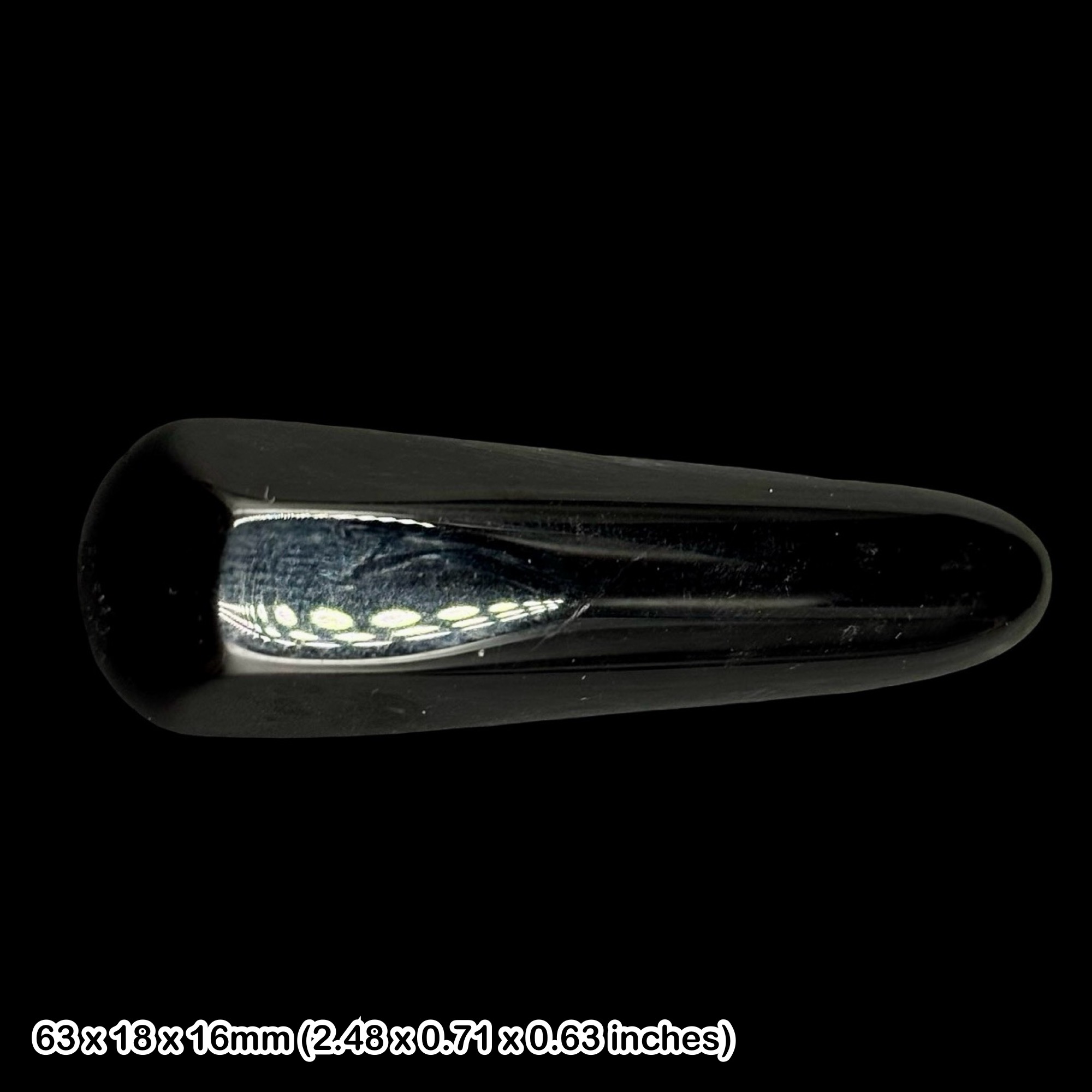
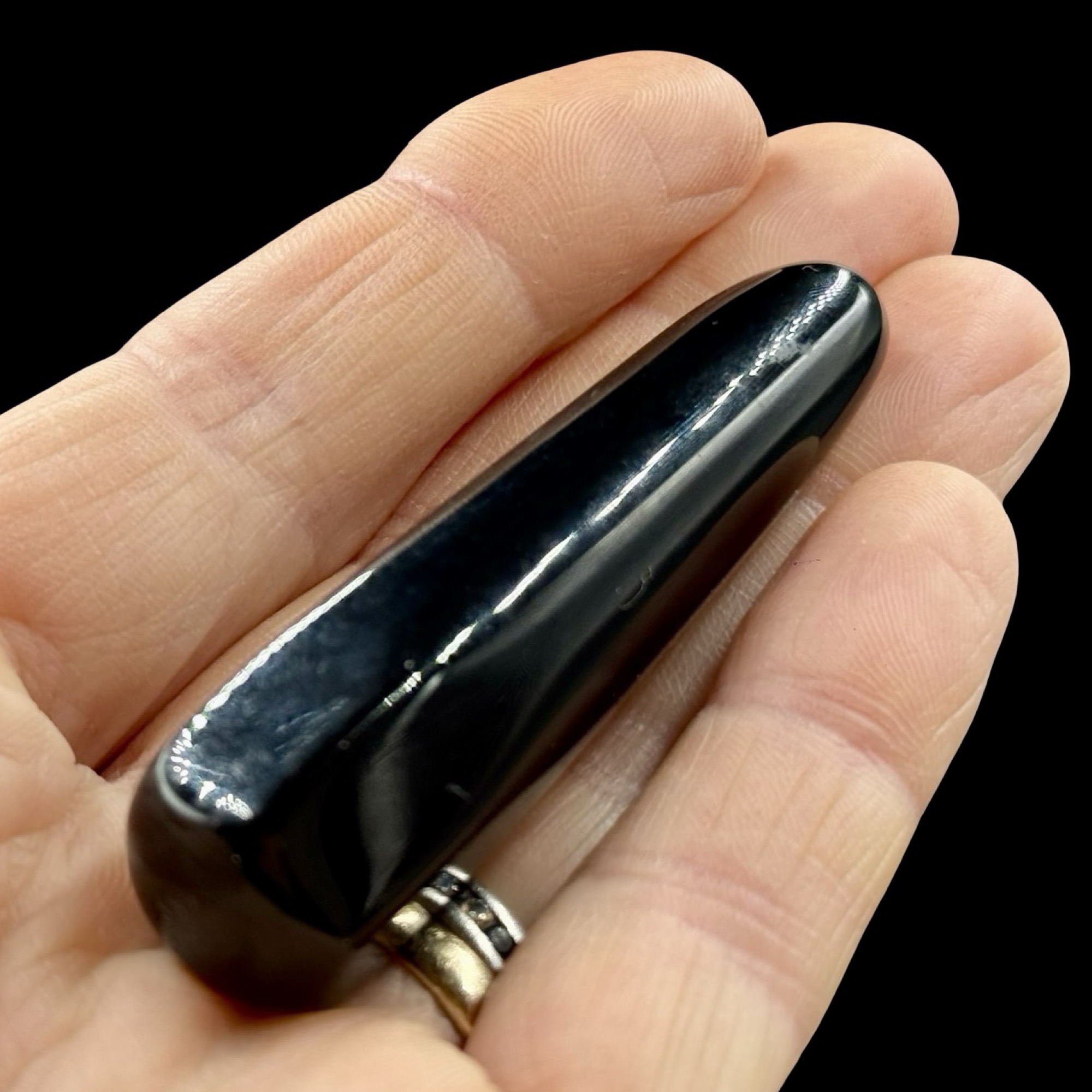
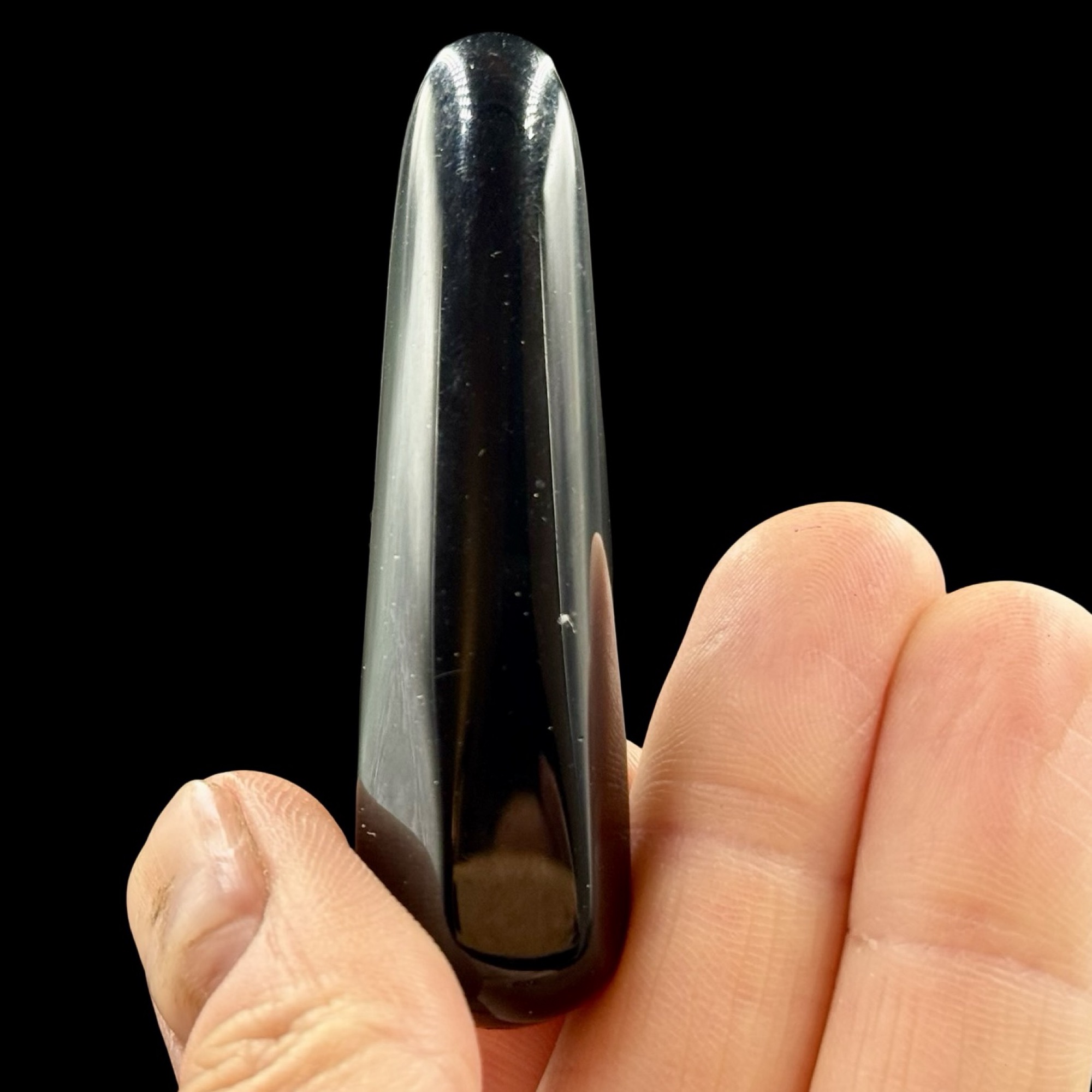
A GRADE OBSIDIAN CRYSTAL WAND NATURAL BLACK VOLCANIC GLASS SPECIMENThis A Grade Obsidian crystal wand is a carefully selected natural volcanic
glass specimen shaped and polished to reveal the deep black colour and smooth reflective surface characteristic of obsidian. The elongated wand form highlights the natural sheen of the stone and creates an elegant mineral display piece suitable for collectors, crystal enthusiasts, or decorative mineral collections.The listing photographs show the exact specimen you will receive, allowing you to clearly view the surface finish, colour depth, and natural structure of the stone. Full sizing can be seen in the listing photos. Each piece is individually selected for quality, colour consistency, and visual character.This crystal is a genuine specimen and includes a Certificate of Authenticity lifetime guarantee generic card. GEOLOGICAL CLASSIFICATION AND MINERAL TYPEObsidian differs from most crystal specimens because it is not a crystalline mineral but a naturally occurring volcanic glass. It forms when molten lava cools extremely rapidly, preventing atoms from arranging into an ordered crystal structure. As a result, obsidian lacks the internal crystalline lattice that defines most minerals.Obsidian is primarily composed of silica-rich volcanic glass, typically containing around 70 percent or more silicon dioxide (SiO₂). Because of the rapid cooling process, the material solidifies as an amorphous glass rather than forming visible crystals.This natural volcanic glass often occurs in volcanic regions where rhyolitic lava flows cooled quickly at the Earth’s surface. The resulting material forms smooth, glassy rock with a distinctive shiny surface when polished. COLOUR, SURFACE APPEARANCE AND NATURAL FEATURESMost obsidian is recognised for its deep black colour, which results from the presence of microscopic inclusions of iron and magnesium within the volcanic glass. When polished, obsidian develops a highly reflective, glass-like lustre that gives the surface a mirror-like appearance.Although black is the most common variety, obsidian can sometimes display subtle colour variations depending on mineral inclusions or trapped gas bubbles. Some specimens may contain faint flow banding created by the movement of lava as it cooled.The polished surface of the wand enhances the natural reflective quality of the volcanic glass and reveals the uniform texture created during rapid solidification. Obsidian typically exhibits conchoidal fracture patterns, meaning it breaks with smooth curved surfaces similar to broken glass.Because obsidian lacks a crystalline structure, it has extremely sharp edges when fractured naturally, which is why it has historically been used for tools and blades in ancient cultures. FORMATION OF OBSIDIAN IN VOLCANIC ENVIRONMENTSObsidian forms during volcanic eruptions when silica-rich lava cools so quickly that crystals cannot form. This rapid cooling usually occurs when lava is exposed to air or water at the Earth’s surface.Rhyolitic lava flows are particularly rich in silica, which increases the viscosity of the molten rock. When this viscous lava cools rapidly, it solidifies into volcanic glass rather than crystallising into minerals such as quartz or feldspar.The resulting obsidian deposits are typically found in volcanic regions where rhyolitic eruptions have occurred. Geological environments such as volcanic domes, lava flows, and volcanic glass fields are common locations where obsidian forms naturally. CRAFTING AND POLISHING OF OBSIDIAN WANDSNatural obsidian specimens are often cut and polished into shapes such as wands to showcase the glassy surface and deep colour of the volcanic glass. The polishing process smooths the natural material while revealing its reflective sheen and uniform texture.The wand shape provides a balanced and visually appealing form that allows the polished surface to reflect light evenly across the stone. Despite the shaping process, the material remains entirely natural volcanic glass formed through geological processes.Each polished obsidian piece retains the original composition and characteristics created during volcanic formation. COLLECTING, DISPLAY AND CULTURAL ASSOCIATIONSObsidian specimens are popular among mineral and geological collectors because they represent a unique form of volcanic material rather than a traditional crystalline mineral. The smooth, glassy appearance of polished obsidian makes it an attractive addition to mineral displays, geological collections, and decorative stone arrangements.Historically, obsidian has been valued by many ancient cultures for tool making, carving, and ornamental use due to its sharp fracture and smooth surface. Today, polished obsidian pieces are often appreciated for their aesthetic qualities and geological origin.In some cultural traditions, obsidian has been traditionally associated with reflection and protective symbolism in spiritual contexts. These interpretations are cultural and belief-based rather than scientific.This specimen has been carefully selected for its colour, polish, and natural appearance. The photographs provided in the listing show the exact obsidian crystal wand you will receive.Every crystal supplied is a genuine natural specimen and includes a Certificate of Authenticity lifetime guarantee generic card.
glass specimen shaped and polished to reveal the deep black colour and smooth reflective surface characteristic of obsidian. The elongated wand form highlights the natural sheen of the stone and creates an elegant mineral display piece suitable for collectors, crystal enthusiasts, or decorative mineral collections.The listing photographs show the exact specimen you will receive, allowing you to clearly view the surface finish, colour depth, and natural structure of the stone. Full sizing can be seen in the listing photos. Each piece is individually selected for quality, colour consistency, and visual character.This crystal is a genuine specimen and includes a Certificate of Authenticity lifetime guarantee generic card. GEOLOGICAL CLASSIFICATION AND MINERAL TYPEObsidian differs from most crystal specimens because it is not a crystalline mineral but a naturally occurring volcanic glass. It forms when molten lava cools extremely rapidly, preventing atoms from arranging into an ordered crystal structure. As a result, obsidian lacks the internal crystalline lattice that defines most minerals.Obsidian is primarily composed of silica-rich volcanic glass, typically containing around 70 percent or more silicon dioxide (SiO₂). Because of the rapid cooling process, the material solidifies as an amorphous glass rather than forming visible crystals.This natural volcanic glass often occurs in volcanic regions where rhyolitic lava flows cooled quickly at the Earth’s surface. The resulting material forms smooth, glassy rock with a distinctive shiny surface when polished. COLOUR, SURFACE APPEARANCE AND NATURAL FEATURESMost obsidian is recognised for its deep black colour, which results from the presence of microscopic inclusions of iron and magnesium within the volcanic glass. When polished, obsidian develops a highly reflective, glass-like lustre that gives the surface a mirror-like appearance.Although black is the most common variety, obsidian can sometimes display subtle colour variations depending on mineral inclusions or trapped gas bubbles. Some specimens may contain faint flow banding created by the movement of lava as it cooled.The polished surface of the wand enhances the natural reflective quality of the volcanic glass and reveals the uniform texture created during rapid solidification. Obsidian typically exhibits conchoidal fracture patterns, meaning it breaks with smooth curved surfaces similar to broken glass.Because obsidian lacks a crystalline structure, it has extremely sharp edges when fractured naturally, which is why it has historically been used for tools and blades in ancient cultures. FORMATION OF OBSIDIAN IN VOLCANIC ENVIRONMENTSObsidian forms during volcanic eruptions when silica-rich lava cools so quickly that crystals cannot form. This rapid cooling usually occurs when lava is exposed to air or water at the Earth’s surface.Rhyolitic lava flows are particularly rich in silica, which increases the viscosity of the molten rock. When this viscous lava cools rapidly, it solidifies into volcanic glass rather than crystallising into minerals such as quartz or feldspar.The resulting obsidian deposits are typically found in volcanic regions where rhyolitic eruptions have occurred. Geological environments such as volcanic domes, lava flows, and volcanic glass fields are common locations where obsidian forms naturally. CRAFTING AND POLISHING OF OBSIDIAN WANDSNatural obsidian specimens are often cut and polished into shapes such as wands to showcase the glassy surface and deep colour of the volcanic glass. The polishing process smooths the natural material while revealing its reflective sheen and uniform texture.The wand shape provides a balanced and visually appealing form that allows the polished surface to reflect light evenly across the stone. Despite the shaping process, the material remains entirely natural volcanic glass formed through geological processes.Each polished obsidian piece retains the original composition and characteristics created during volcanic formation. COLLECTING, DISPLAY AND CULTURAL ASSOCIATIONSObsidian specimens are popular among mineral and geological collectors because they represent a unique form of volcanic material rather than a traditional crystalline mineral. The smooth, glassy appearance of polished obsidian makes it an attractive addition to mineral displays, geological collections, and decorative stone arrangements.Historically, obsidian has been valued by many ancient cultures for tool making, carving, and ornamental use due to its sharp fracture and smooth surface. Today, polished obsidian pieces are often appreciated for their aesthetic qualities and geological origin.In some cultural traditions, obsidian has been traditionally associated with reflection and protective symbolism in spiritual contexts. These interpretations are cultural and belief-based rather than scientific.This specimen has been carefully selected for its colour, polish, and natural appearance. The photographs provided in the listing show the exact obsidian crystal wand you will receive.Every crystal supplied is a genuine natural specimen and includes a Certificate of Authenticity lifetime guarantee generic card.
Other Products