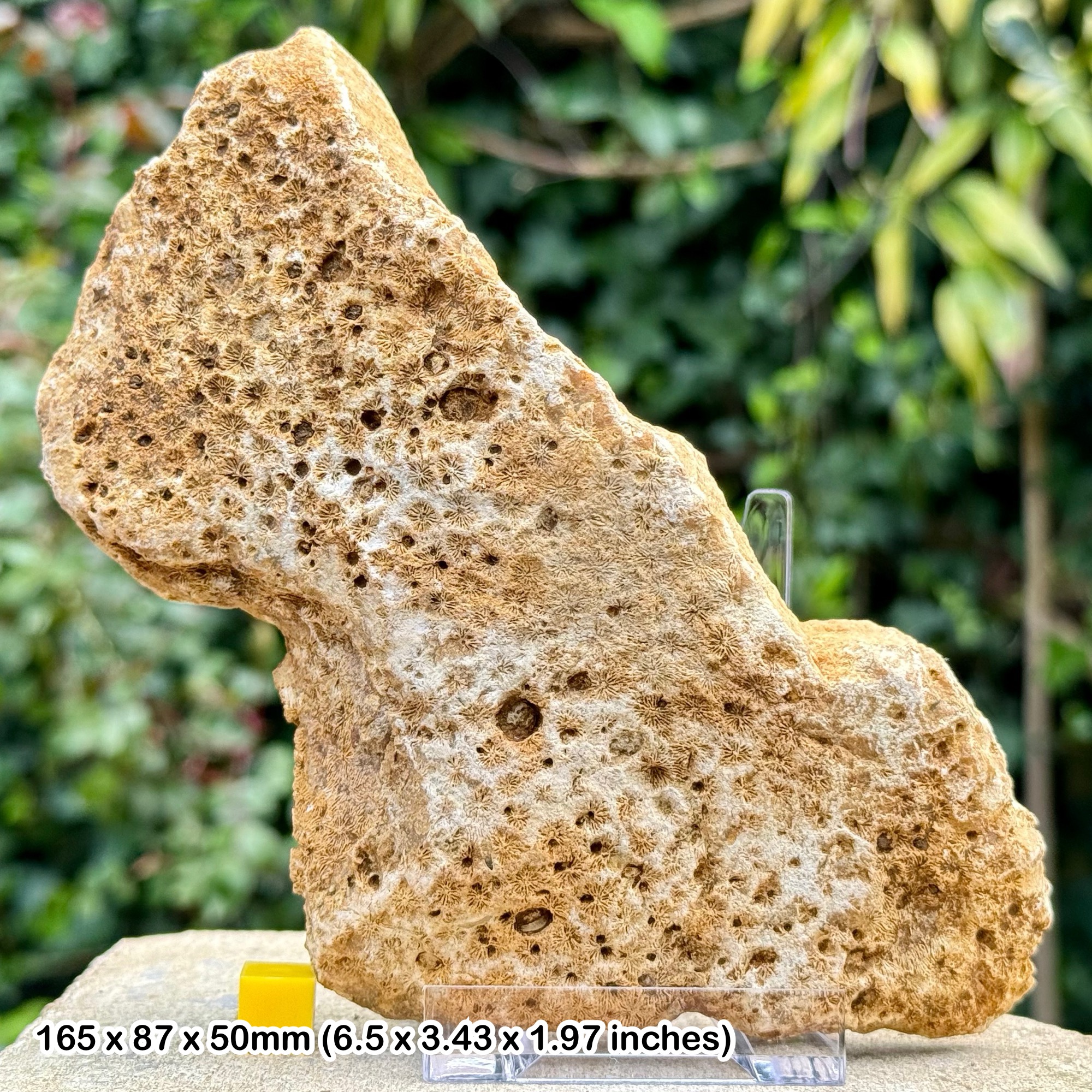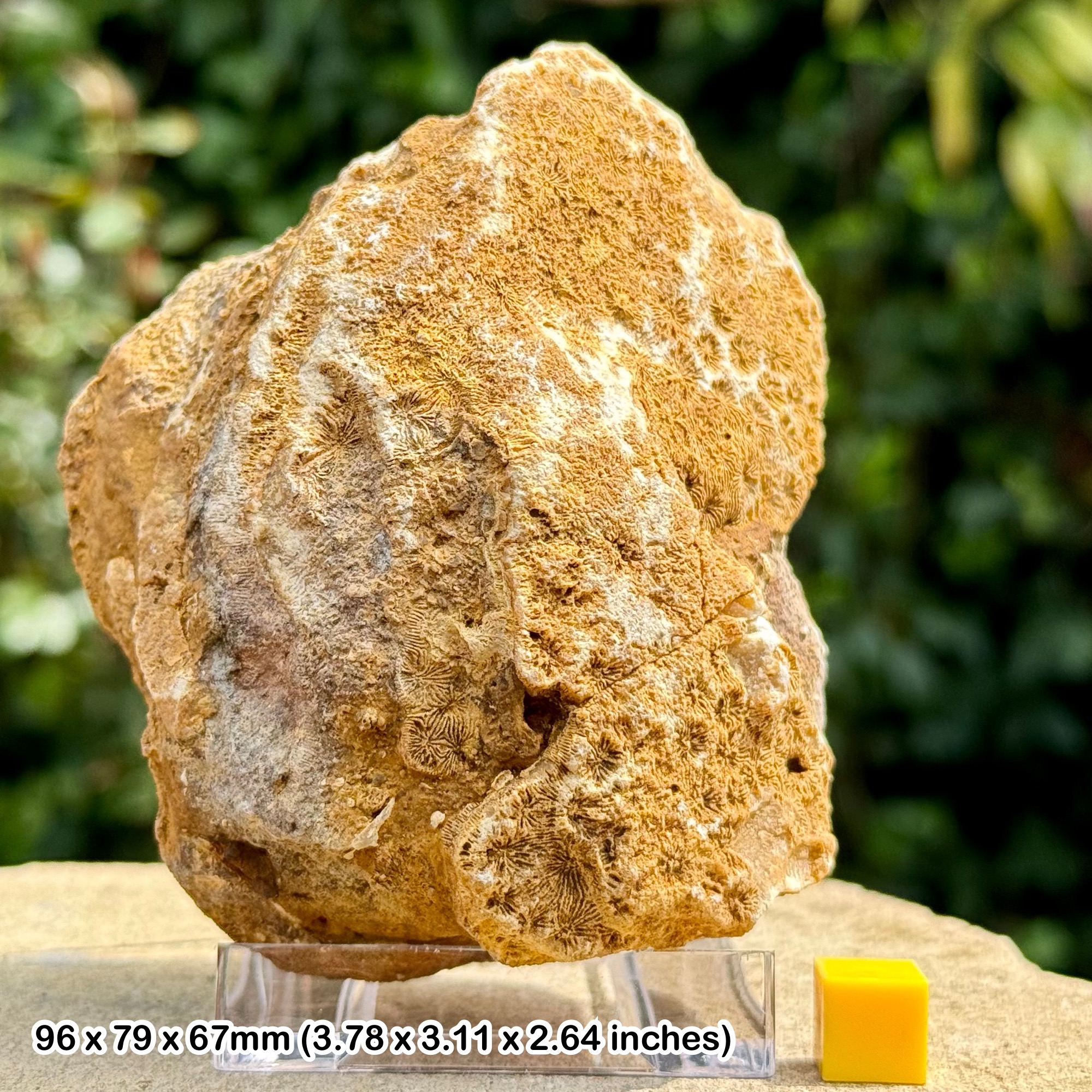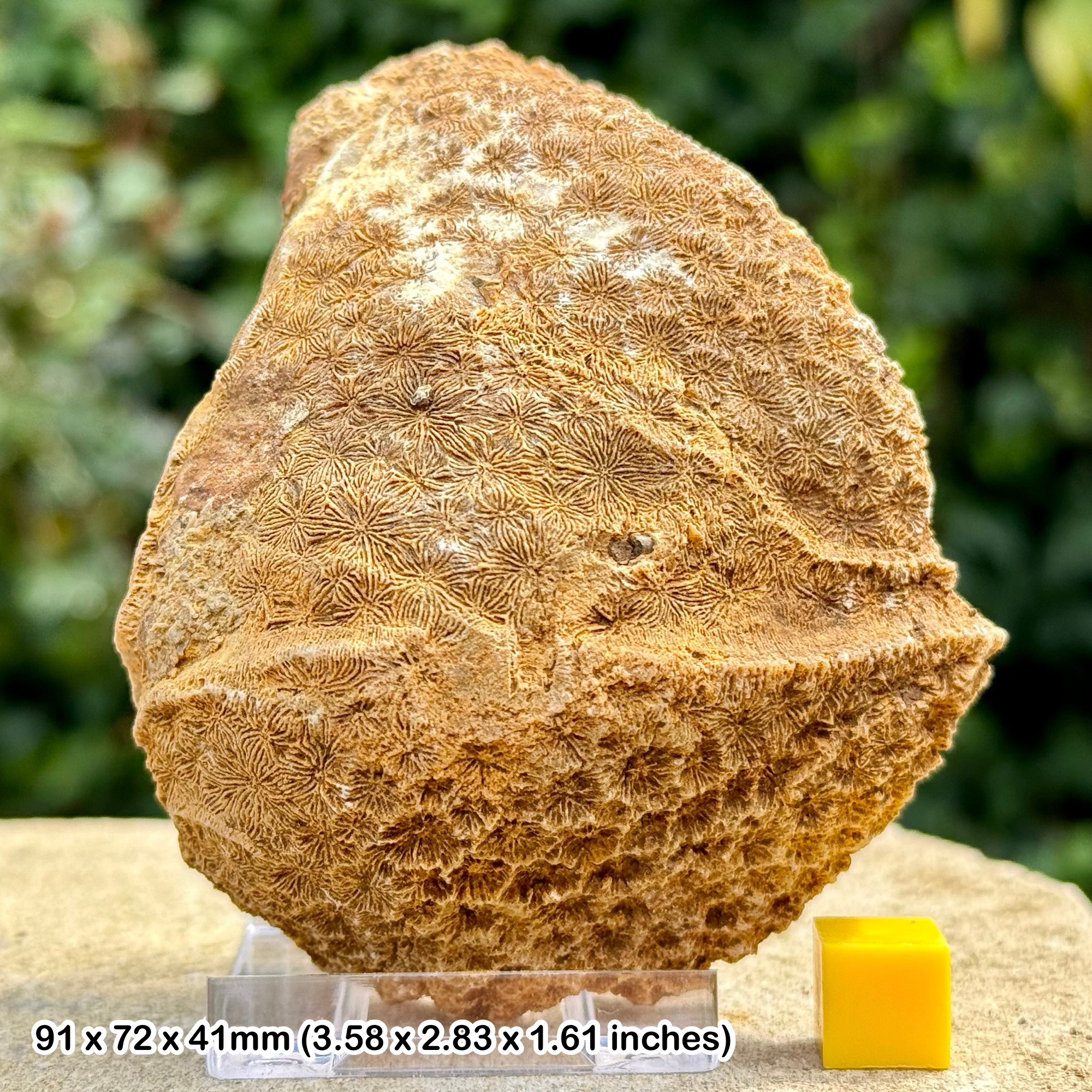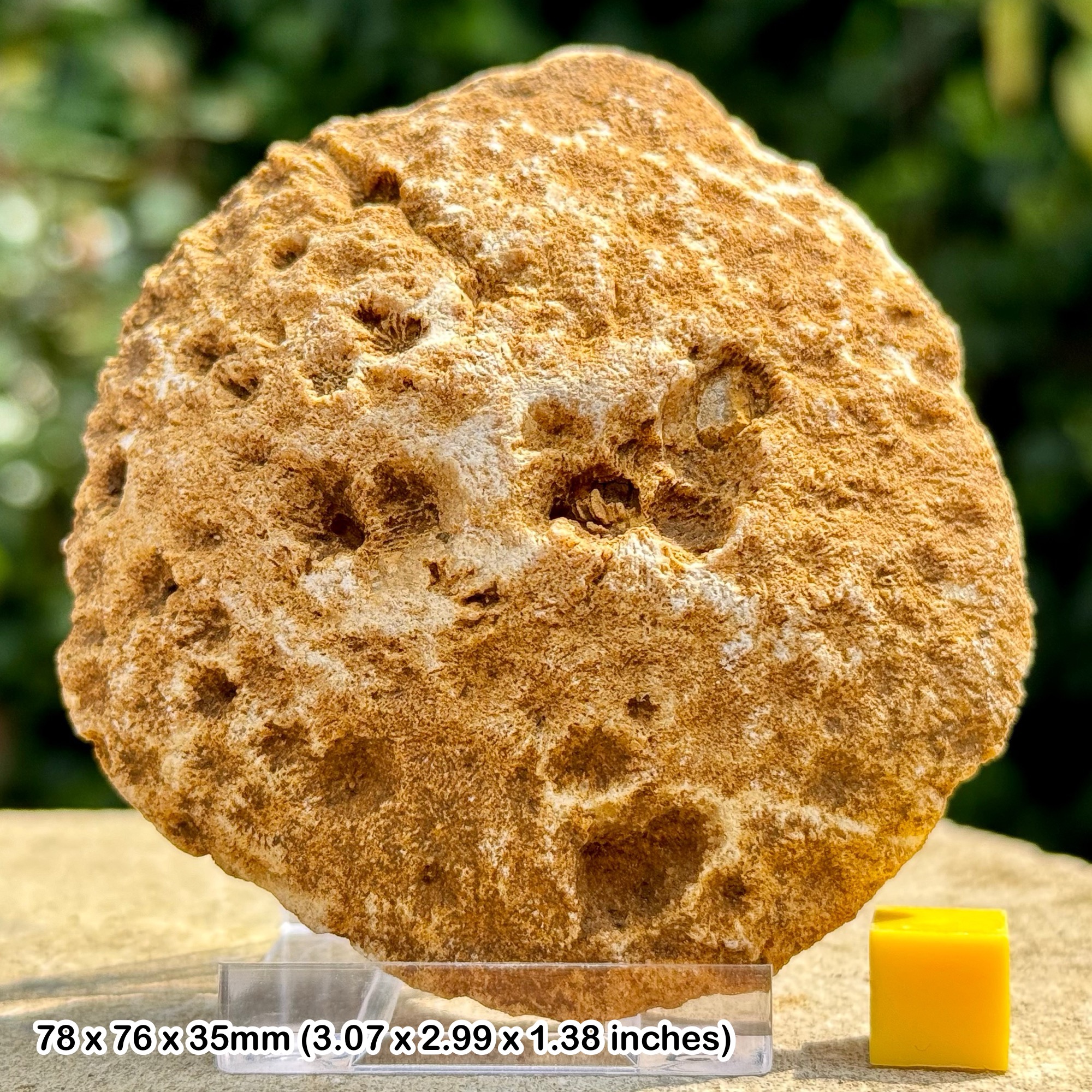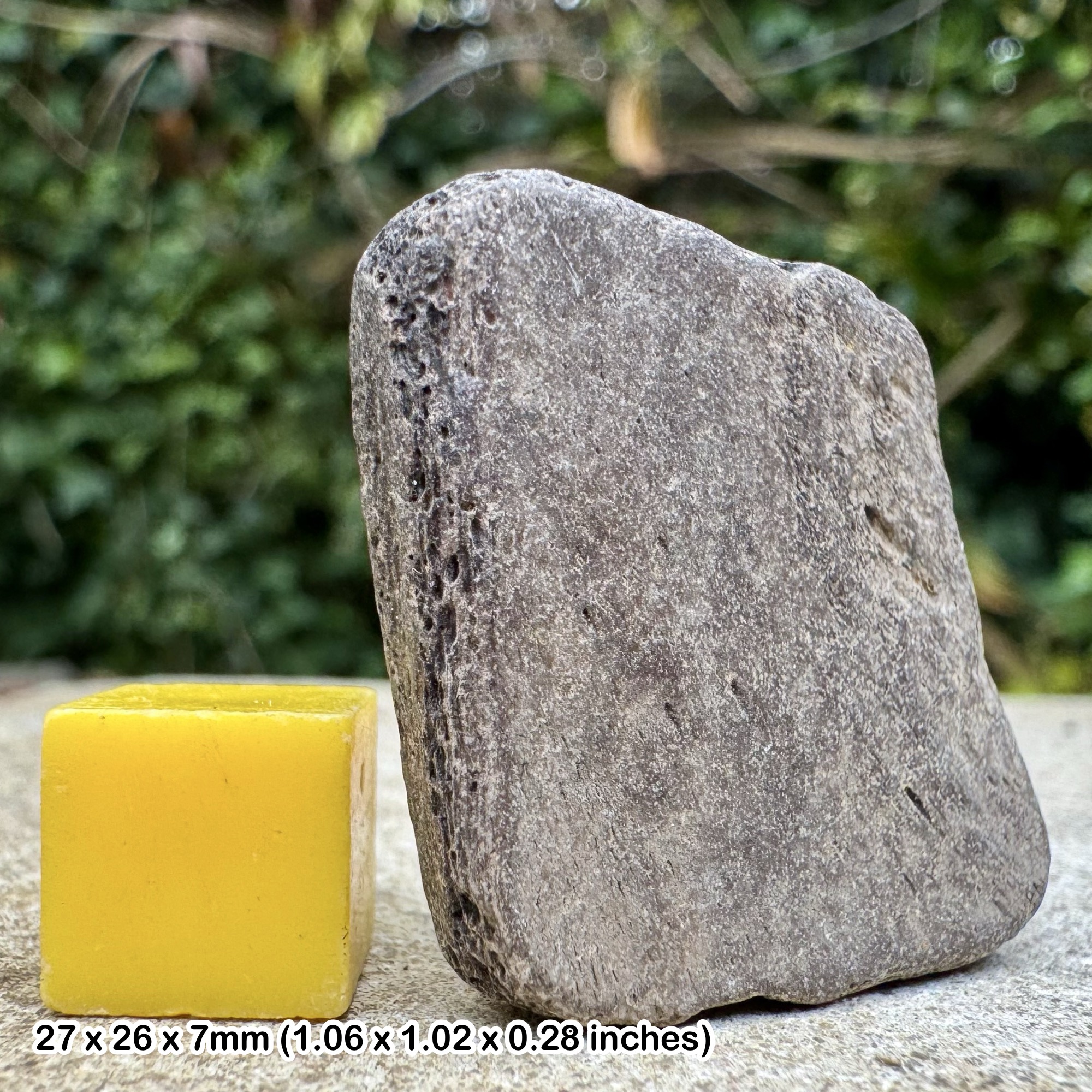
Fossil Turtle Shell – TRIONYX – Bouldnor Formation, Oligocene, Hamstead, Isle of Wight, United Kingdom
£ 6.90
This listing features a genuine fossil turtle shell from the extinct genus
Trionyx, discovered in the Bouldnor Formation at Hamstead, on the Isle of Wight, United Kingdom. This exceptional specimen dates back to the Oligocene Epoch of the Paleogene Period, offering a rare glimpse into post-dinosaur marine and freshwater environments.Fossil Type & Species:
• Type: Turtle Fossil (Shell/Carapace fragment)
• Genus: Trionyx
• A soft-shelled turtle known for its flattened shell and leathery carapaceGeological Context:
• Era: Cenozoic
• Period: Paleogene
• Epoch: Oligocene (~33.9 to 23 million years ago)
• Formation: Bouldnor Formation
• Depositional Environment: Coastal swampy and estuarine conditions with periodic marine incursions, allowing for exceptional fossil preservationMorphological Features:
• Typically preserves broad, flat segments of the carapace
• Characteristic fine pitting and subtle patterning seen in some Trionyx shell plates
• Adapted for aquatic life with hydrodynamic form and soft-shell featuresScientific Importance:
• Trionyx turtles are significant indicators of paleoenvironmental conditions, especially freshwater and nearshore settings
• Their remains are used in biostratigraphy and paleoecological reconstructions of the Oligocene in Southern EnglandTaxonomic Classification:
• Order: Testudines
• Family: Trionychidae
• Superfamily: TrionychoideaLocality Information:
• Hamstead, Isle of Wight, UK – an important fossil locality within the Bouldnor Formation, known for diverse Oligocene fauna including mammals, reptiles, and freshwater speciesAuthenticity & Display:All of our fossils are 100% Genuine Specimens and come with a Certificate of Authenticity. The specimen pictured is the exact one you will receive.Please refer to the photograph for full sizing details — the scale cube = 1cm.This rare Trionyx fossil turtle shell fragment is a superb addition for collectors interested in reptilian evolution, Oligocene paleoenvironments, or British fossil heritage.
Trionyx, discovered in the Bouldnor Formation at Hamstead, on the Isle of Wight, United Kingdom. This exceptional specimen dates back to the Oligocene Epoch of the Paleogene Period, offering a rare glimpse into post-dinosaur marine and freshwater environments.Fossil Type & Species:
• Type: Turtle Fossil (Shell/Carapace fragment)
• Genus: Trionyx
• A soft-shelled turtle known for its flattened shell and leathery carapaceGeological Context:
• Era: Cenozoic
• Period: Paleogene
• Epoch: Oligocene (~33.9 to 23 million years ago)
• Formation: Bouldnor Formation
• Depositional Environment: Coastal swampy and estuarine conditions with periodic marine incursions, allowing for exceptional fossil preservationMorphological Features:
• Typically preserves broad, flat segments of the carapace
• Characteristic fine pitting and subtle patterning seen in some Trionyx shell plates
• Adapted for aquatic life with hydrodynamic form and soft-shell featuresScientific Importance:
• Trionyx turtles are significant indicators of paleoenvironmental conditions, especially freshwater and nearshore settings
• Their remains are used in biostratigraphy and paleoecological reconstructions of the Oligocene in Southern EnglandTaxonomic Classification:
• Order: Testudines
• Family: Trionychidae
• Superfamily: TrionychoideaLocality Information:
• Hamstead, Isle of Wight, UK – an important fossil locality within the Bouldnor Formation, known for diverse Oligocene fauna including mammals, reptiles, and freshwater speciesAuthenticity & Display:All of our fossils are 100% Genuine Specimens and come with a Certificate of Authenticity. The specimen pictured is the exact one you will receive.Please refer to the photograph for full sizing details — the scale cube = 1cm.This rare Trionyx fossil turtle shell fragment is a superb addition for collectors interested in reptilian evolution, Oligocene paleoenvironments, or British fossil heritage.
Other Products