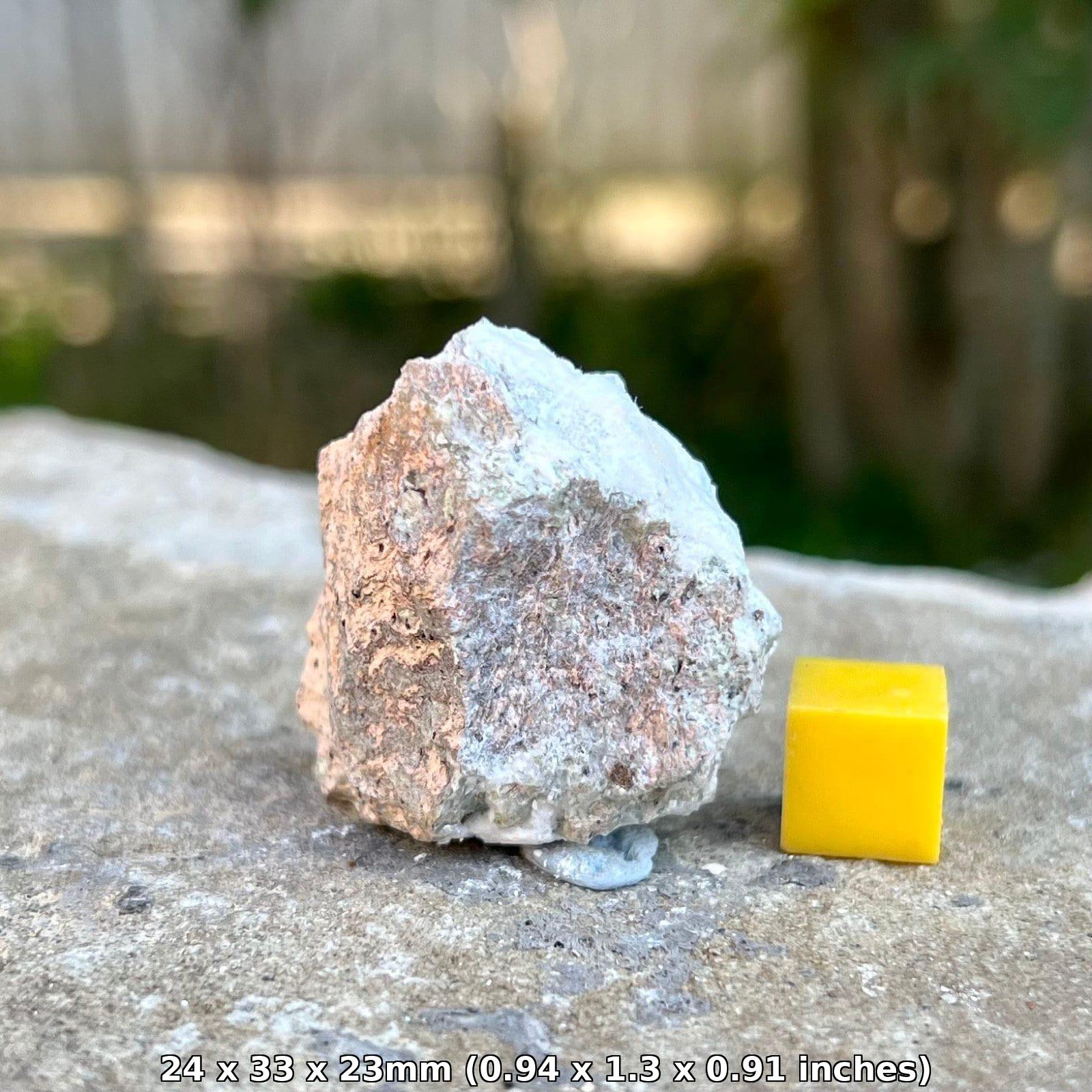
Mordenite Mineral Natural Crystal Specimen Fibrous Silicate Collector Display Stone with Certificate Authenticity
£ 8.16
Product OverviewThis Mordenite mineral specimen is a genuine natural crystal, carefully selected
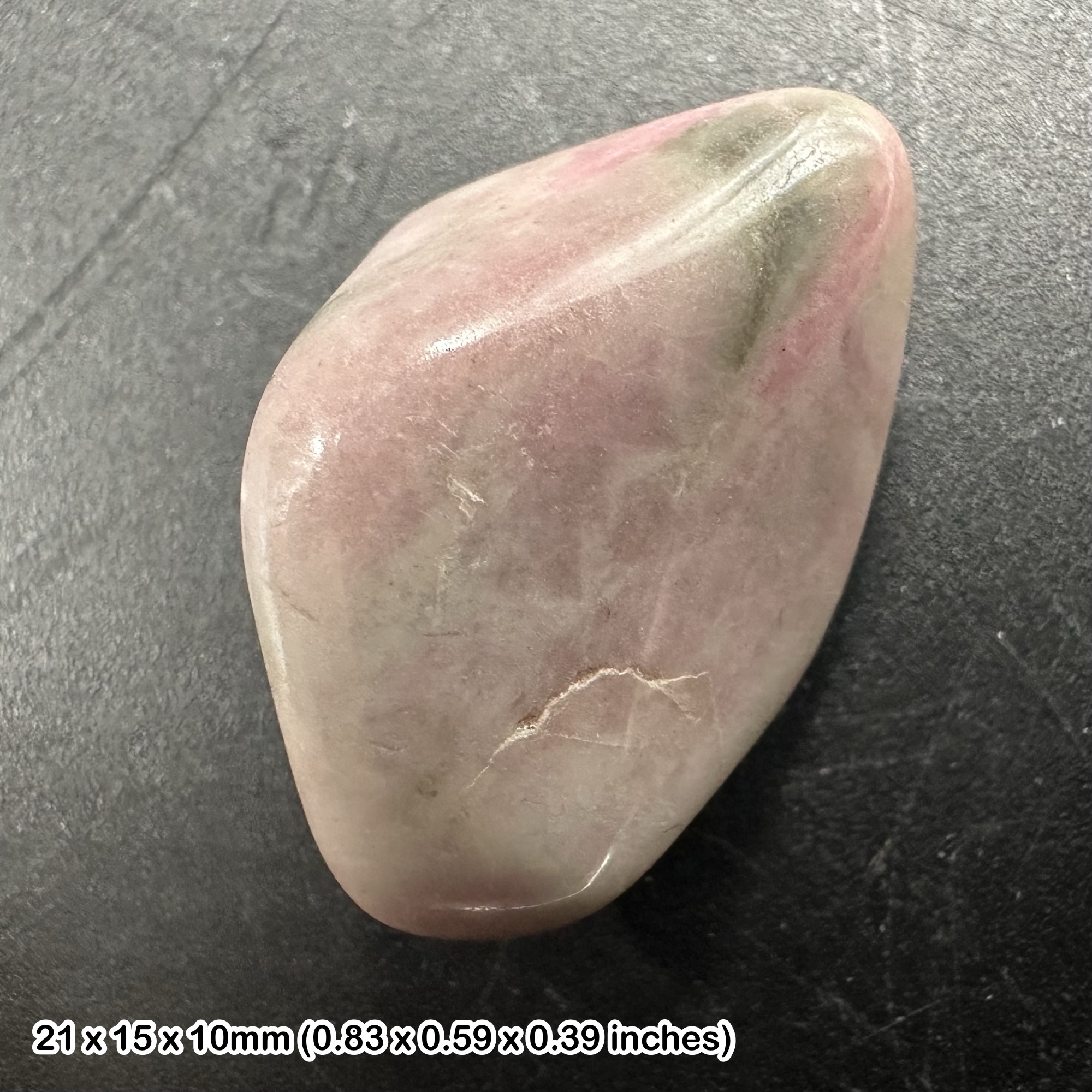
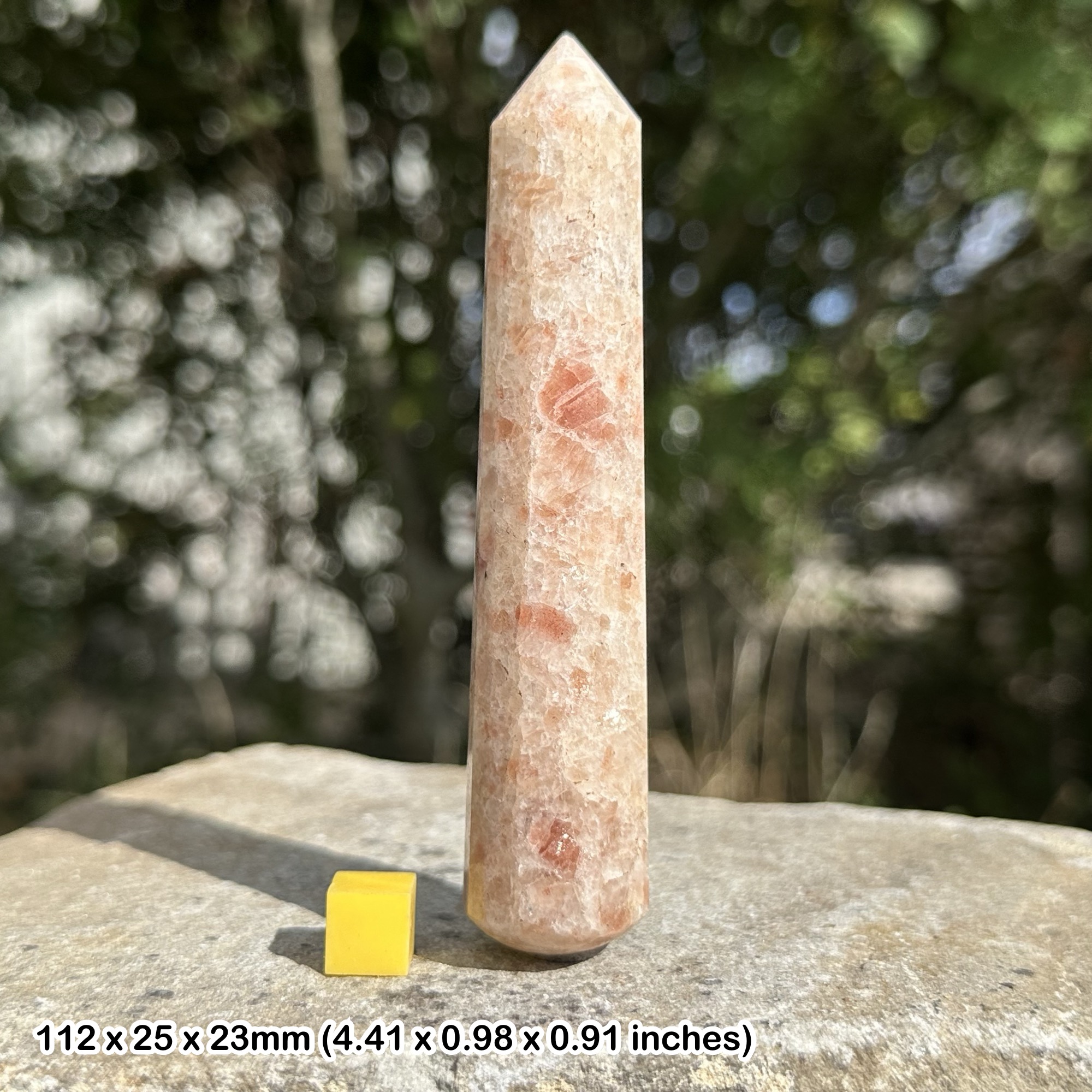
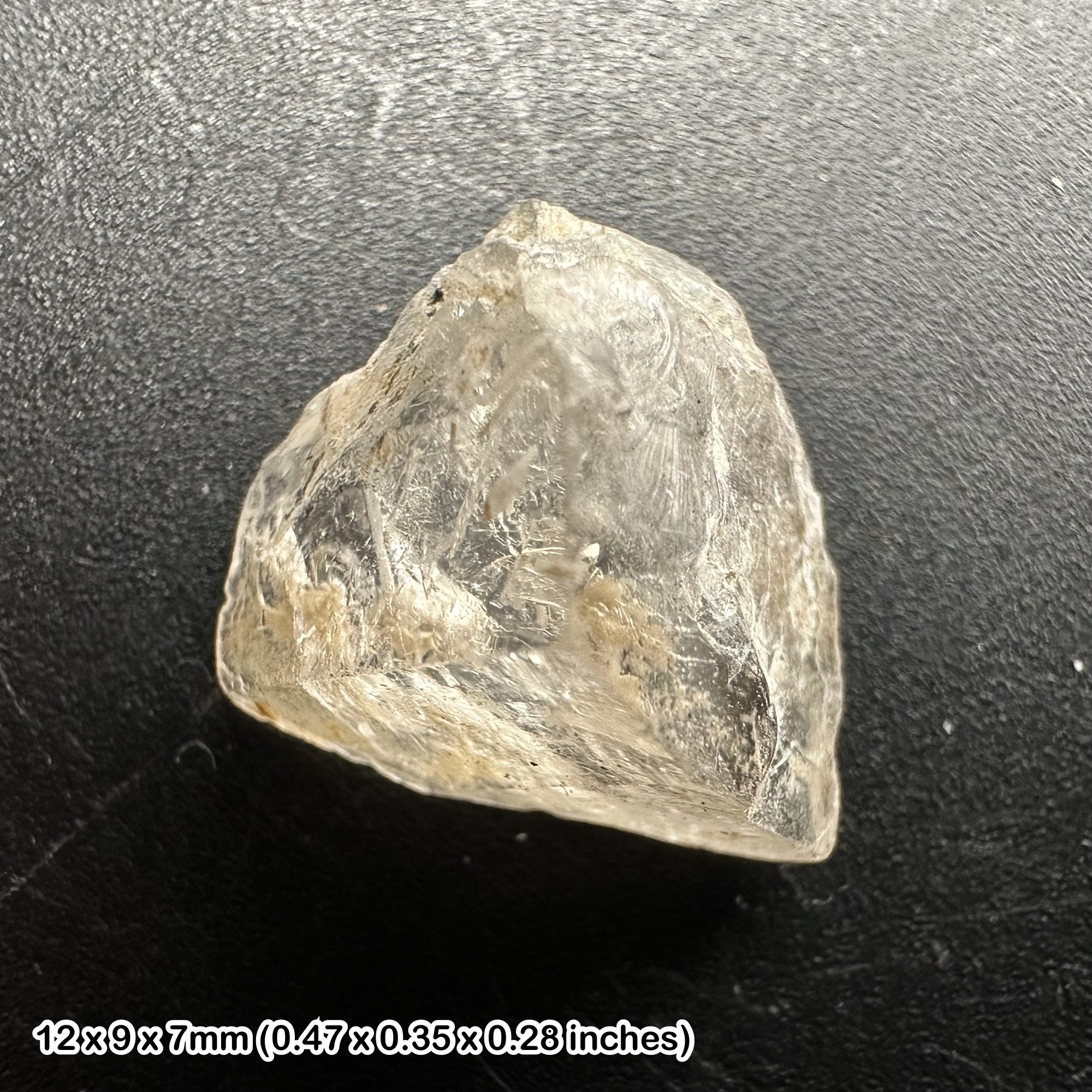
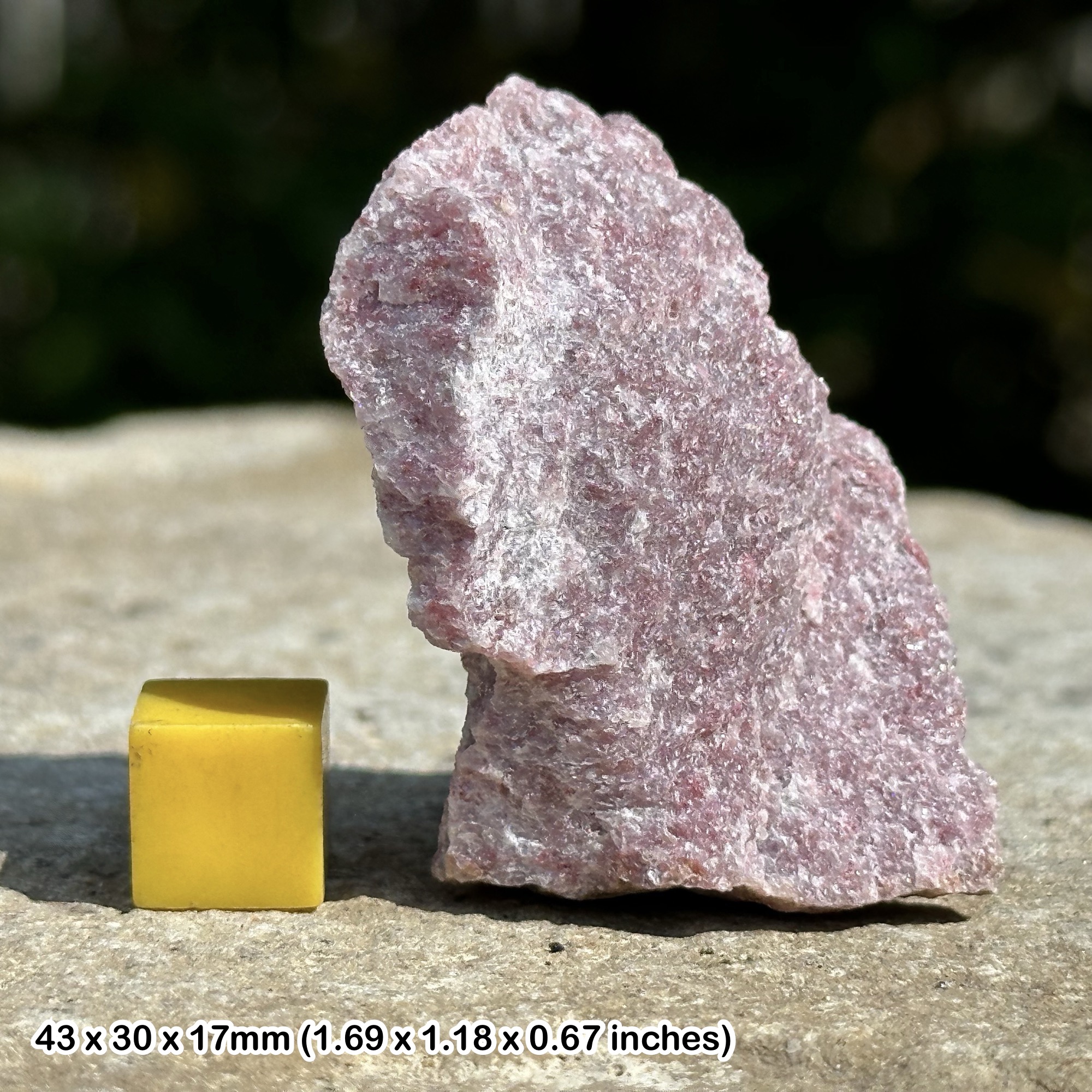
for its distinctive fibrous structure and subtle colouration. The exact specimen shown in the photograph is the one you will receive, ensuring full confidence in its form, texture, and natural features. Supplied with a Certificate of Authenticity lifetime guarantee card, this piece is ideal for mineral collectors, educational displays, or as a unique addition to any curated crystal collection. Please refer to the listing photo for full sizing and scale.Mineral Identification and CompositionA family of hydrated aluminosilicate minerals known for their porous structures. Its chemical formula is typically represented as (Na₂,K₂,Ca)Al₂Si₁₀O₂₄·7H₂O, reflecting its variable composition depending on formation conditions. including mordenite, are characterised by their open framework structures composed of interconnected tetrahedra of silicon and aluminium. This framework contains channels and cavities that can host water molecules and exchangeable cations such as sodium, potassium, and calcium.Crystal Structure and Physical PropertiesMordenite crystallises in the orthorhombic crystal system, although it is most commonly found in fibrous, radiating, or massive habits rather than well-formed individual crystals.Typical properties include:
• Colour: White, cream, pale grey, or faint pinkish tones depending on trace elements
• Lustre: Vitreous to silky, especially in fibrous aggregates
• Transparency: Translucent to opaque
• Hardness: Approximately 3.5–4 on the Mohs scaleThe fibrous or needle-like crystal structure often forms in radiating clusters, giving the specimen a soft, textured appearance that is visually distinctive .Geological FormationMordenite forms in volcanic environments, typically within cavities and fractures in basaltic rocks. It develops during low-temperature hydrothermal alteration, where mineral-rich fluids circulate through volcanic rock and deposit minerals over time.These conditions allow for the growth of fibrous crystals within void spaces, often alongside secondary minerals. Mordenite is commonly associated with minerals such as stilbite, heulandite, and other members of the group, depending on the geological setting.Appearance and Natural VariationEach Mordenite specimen is unique, with variations in crystal habit, density of fibrous growth, and subtle colour differences. Some pieces may display dense, compact fibrous masses, while others show more open, radiating crystal formations.Natural inclusions and matrix material may also be present, reflecting the mineral’s formation within volcanic host rock. These features enhance the specimen’s authenticity and geological character.Uses and Collecting AppealMordenite is highly valued among mineral collectors for its interesting crystal structure. Its fibrous appearance and natural textures make it a visually appealing addition to display cabinets and educational collections.In non-scientific and cultural contexts, minerals are sometimes traditionally associated with clarity and balance and are appreciated in spiritual settings. These associations are based on historical and cultural traditions rather than scientific evidence.Authenticity and Presentation
• Genuine Mordenite
• Natural mineral specimen with fibrous crystal structure
• Unique formation with natural variation in colour and texture
• Exact specimen shown in the photograph is the one you will receive
• Supplied with a Certificate of Authenticity lifetime guarantee cardThis Mordenite specimen combines natural formation, fibrous crystal habit, and authentic geological origin, making it a distinctive and collectible mineral suitable for display or study.
for its distinctive fibrous structure and subtle colouration. The exact specimen shown in the photograph is the one you will receive, ensuring full confidence in its form, texture, and natural features. Supplied with a Certificate of Authenticity lifetime guarantee card, this piece is ideal for mineral collectors, educational displays, or as a unique addition to any curated crystal collection. Please refer to the listing photo for full sizing and scale.Mineral Identification and CompositionA family of hydrated aluminosilicate minerals known for their porous structures. Its chemical formula is typically represented as (Na₂,K₂,Ca)Al₂Si₁₀O₂₄·7H₂O, reflecting its variable composition depending on formation conditions. including mordenite, are characterised by their open framework structures composed of interconnected tetrahedra of silicon and aluminium. This framework contains channels and cavities that can host water molecules and exchangeable cations such as sodium, potassium, and calcium.Crystal Structure and Physical PropertiesMordenite crystallises in the orthorhombic crystal system, although it is most commonly found in fibrous, radiating, or massive habits rather than well-formed individual crystals.Typical properties include:
• Colour: White, cream, pale grey, or faint pinkish tones depending on trace elements
• Lustre: Vitreous to silky, especially in fibrous aggregates
• Transparency: Translucent to opaque
• Hardness: Approximately 3.5–4 on the Mohs scaleThe fibrous or needle-like crystal structure often forms in radiating clusters, giving the specimen a soft, textured appearance that is visually distinctive .Geological FormationMordenite forms in volcanic environments, typically within cavities and fractures in basaltic rocks. It develops during low-temperature hydrothermal alteration, where mineral-rich fluids circulate through volcanic rock and deposit minerals over time.These conditions allow for the growth of fibrous crystals within void spaces, often alongside secondary minerals. Mordenite is commonly associated with minerals such as stilbite, heulandite, and other members of the group, depending on the geological setting.Appearance and Natural VariationEach Mordenite specimen is unique, with variations in crystal habit, density of fibrous growth, and subtle colour differences. Some pieces may display dense, compact fibrous masses, while others show more open, radiating crystal formations.Natural inclusions and matrix material may also be present, reflecting the mineral’s formation within volcanic host rock. These features enhance the specimen’s authenticity and geological character.Uses and Collecting AppealMordenite is highly valued among mineral collectors for its interesting crystal structure. Its fibrous appearance and natural textures make it a visually appealing addition to display cabinets and educational collections.In non-scientific and cultural contexts, minerals are sometimes traditionally associated with clarity and balance and are appreciated in spiritual settings. These associations are based on historical and cultural traditions rather than scientific evidence.Authenticity and Presentation
• Genuine Mordenite
• Natural mineral specimen with fibrous crystal structure
• Unique formation with natural variation in colour and texture
• Exact specimen shown in the photograph is the one you will receive
• Supplied with a Certificate of Authenticity lifetime guarantee cardThis Mordenite specimen combines natural formation, fibrous crystal habit, and authentic geological origin, making it a distinctive and collectible mineral suitable for display or study.
Other Products