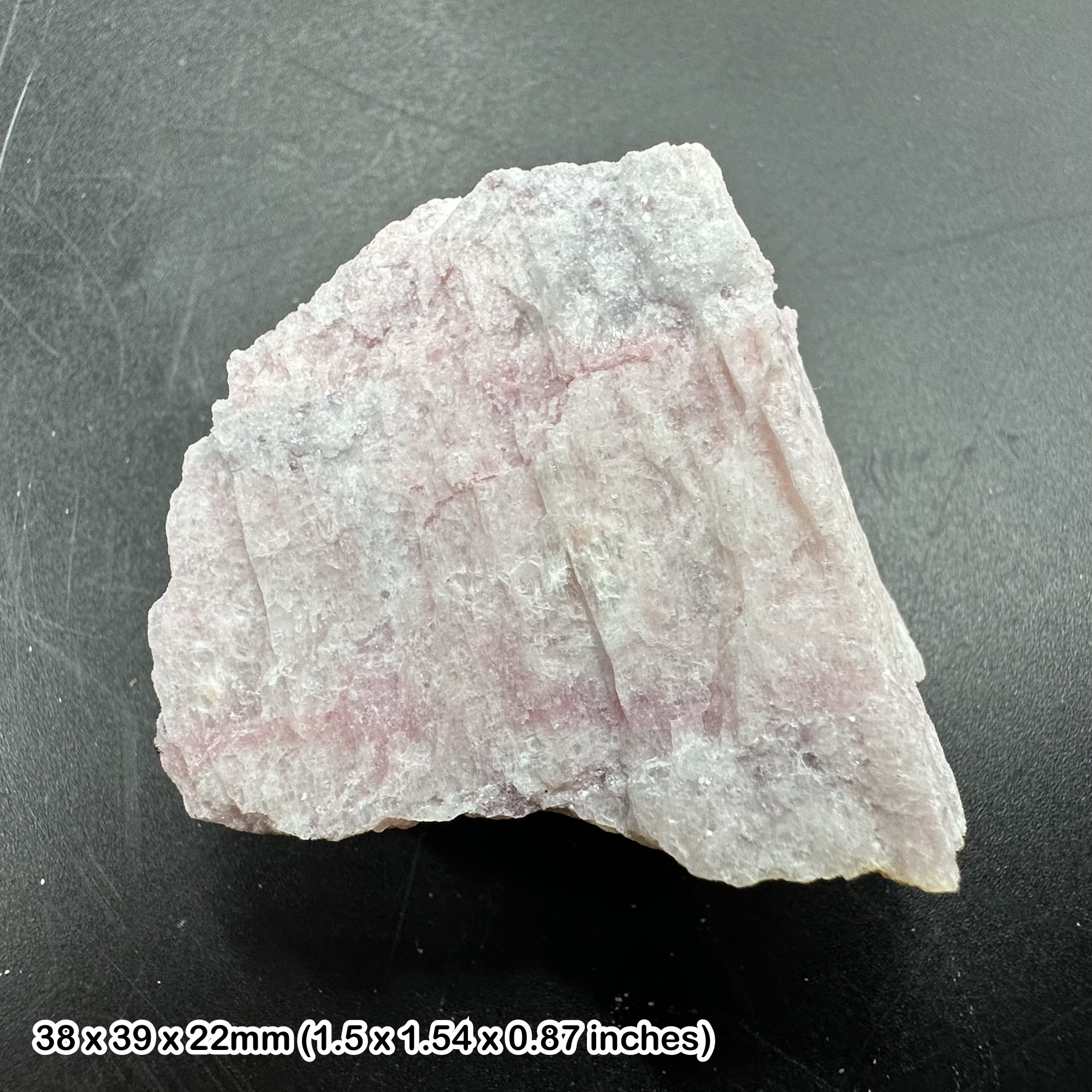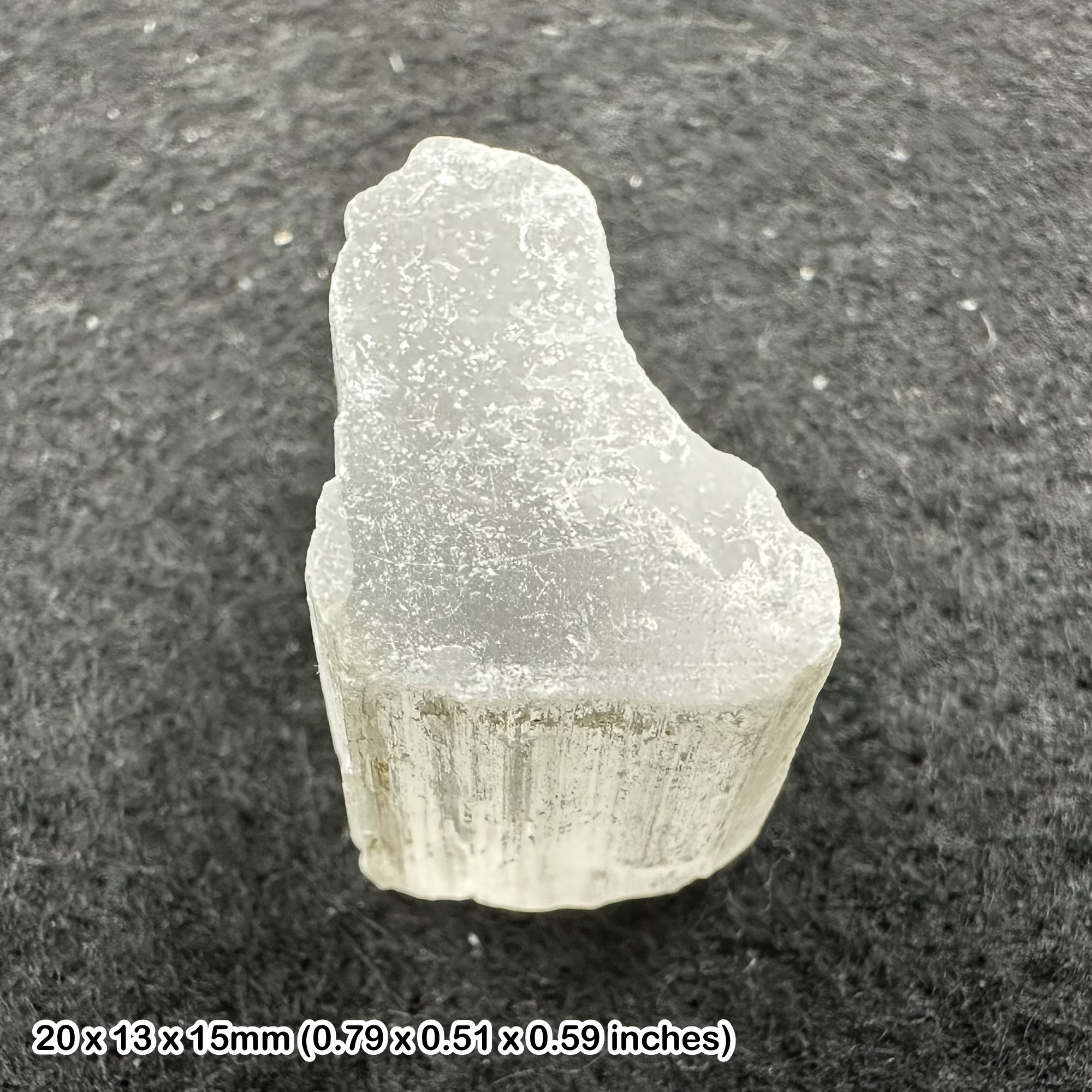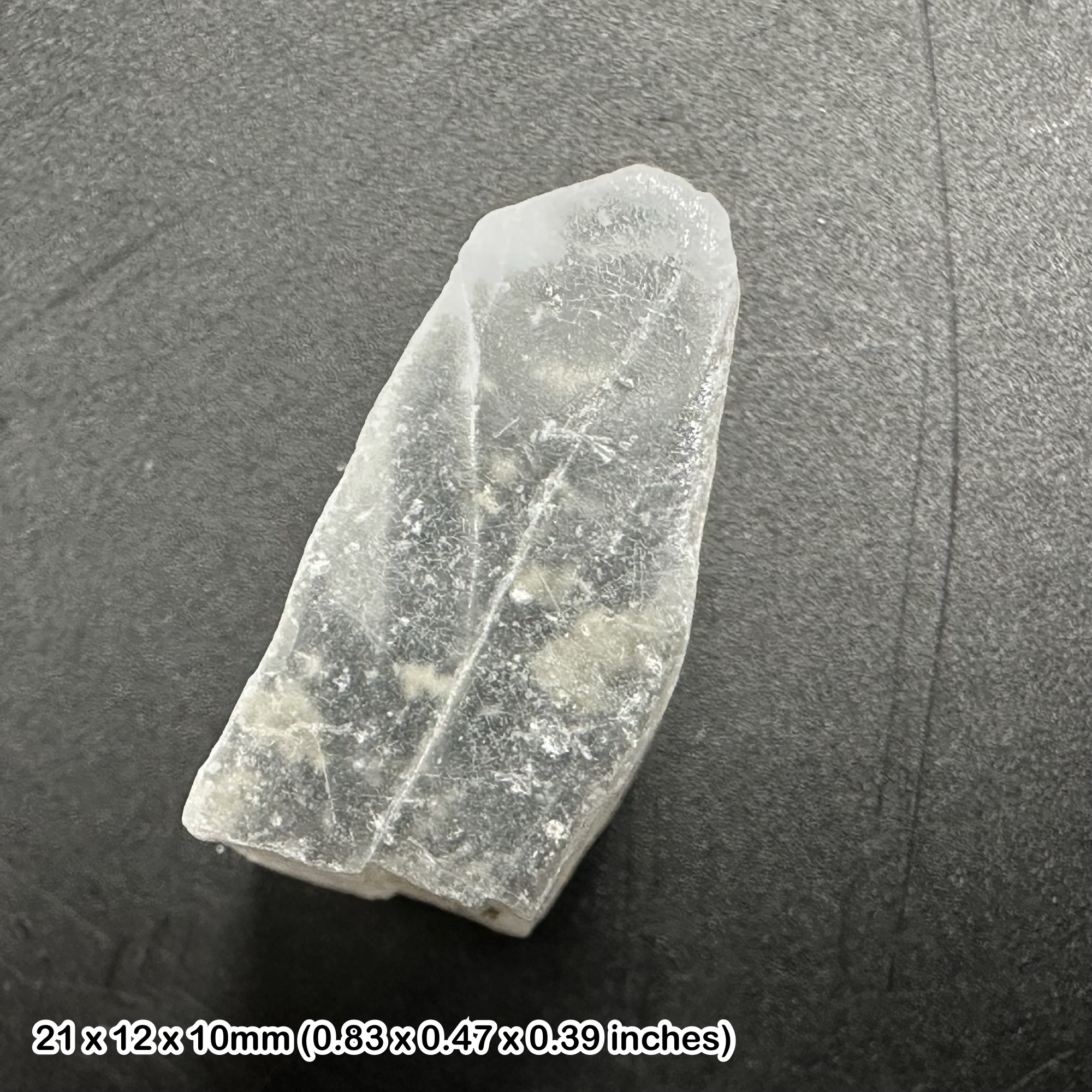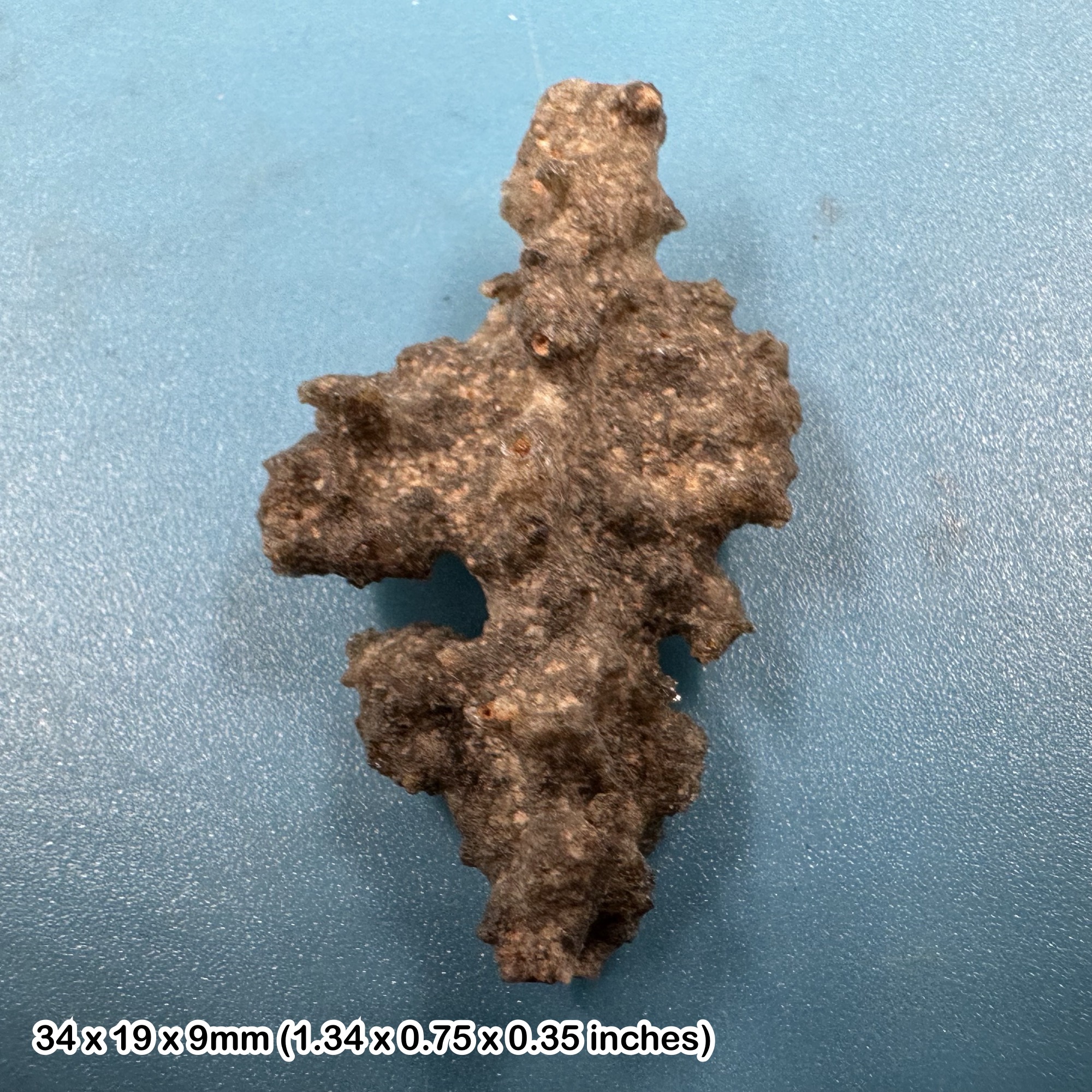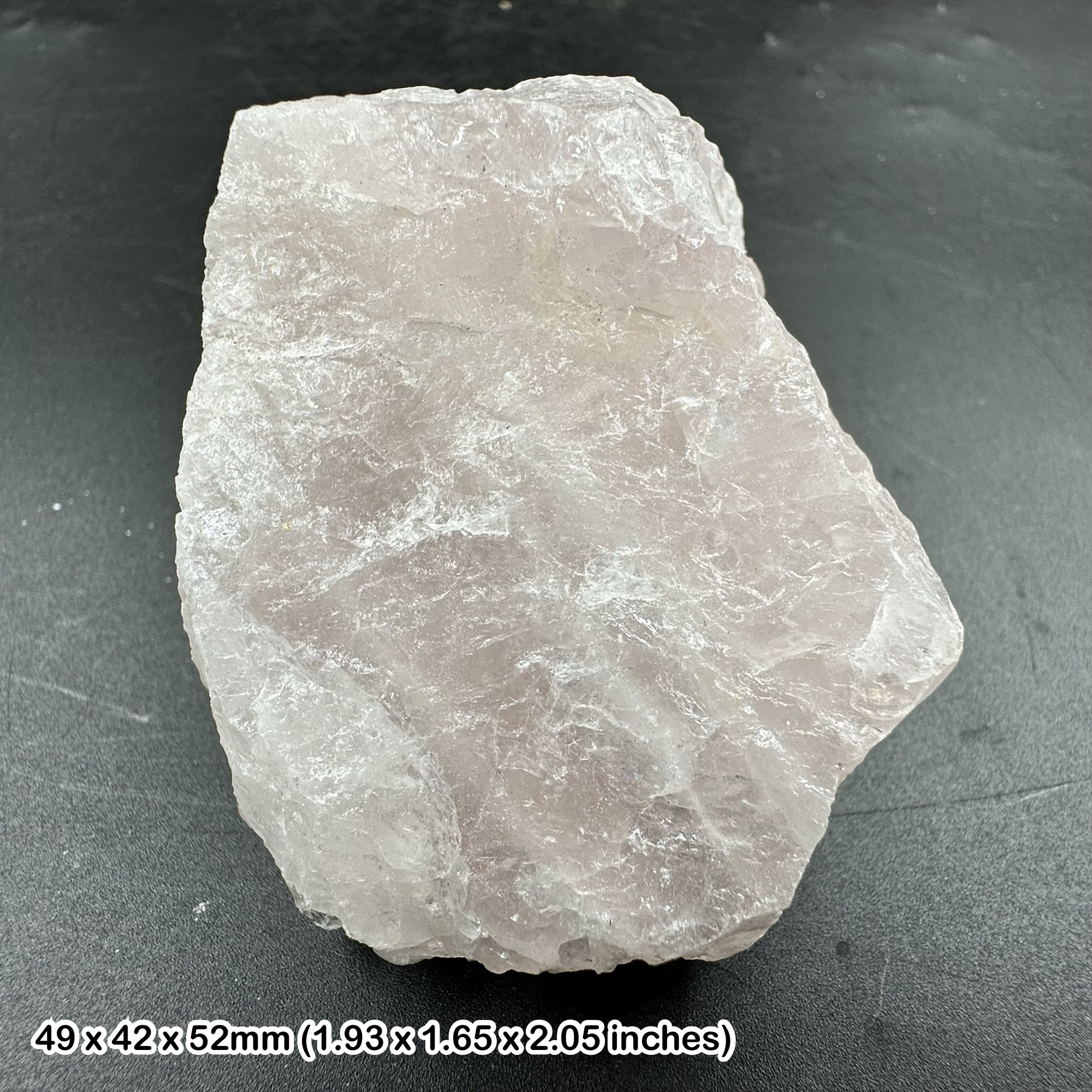
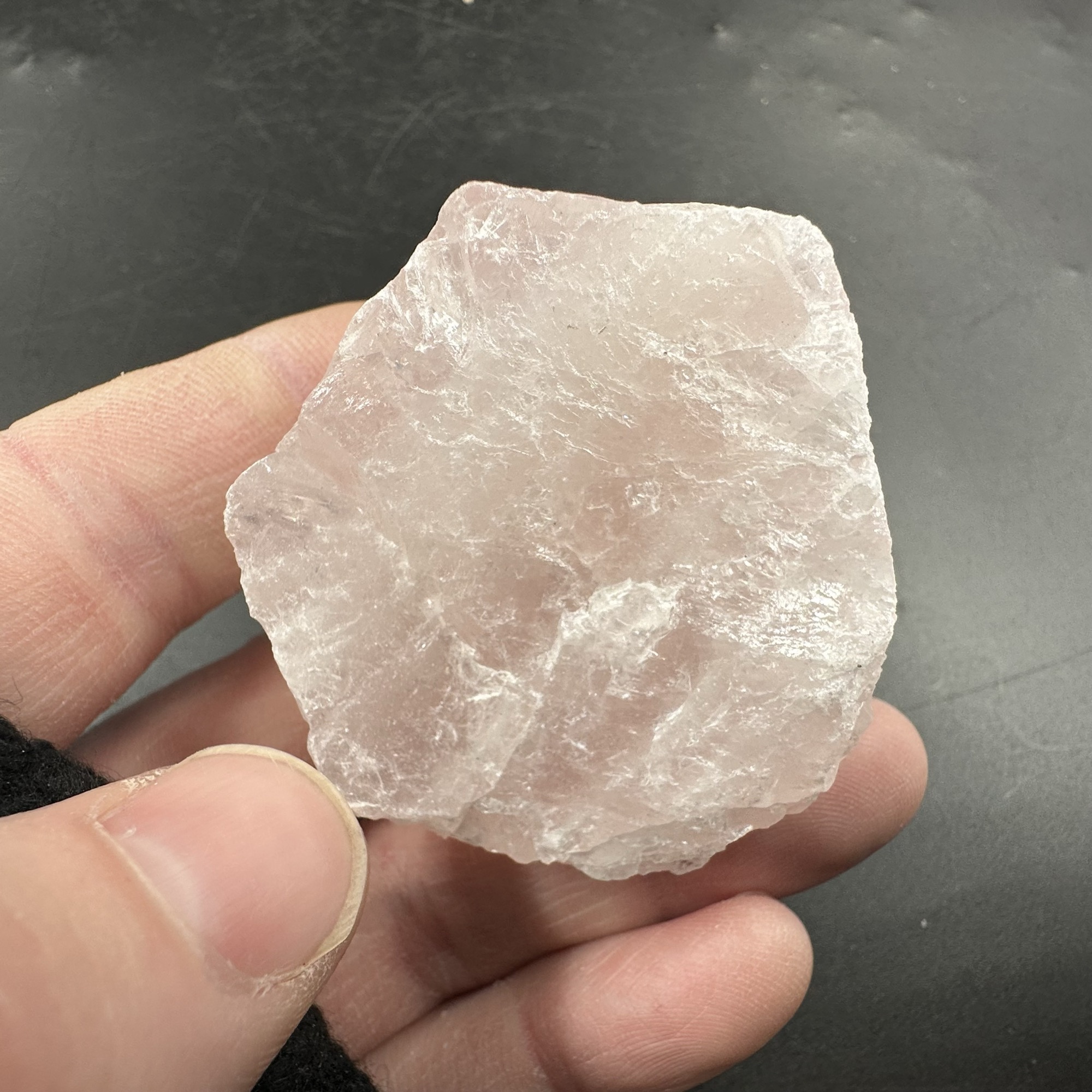
Rose Quartz Crystal South Africa Madagascar Natural Pink Quartz Mineral Specimen Genuine with Certificate of Authenticity
£ 13.20
NATURAL ROSE QUARTZ CRYSTAL FROM SOUTH AFRICA AND MADAGASCARThis genuine Rose Quartz mineral specimen sourced from South Africa and
Madagascar displays the delicate pink tones that have made this variety of quartz one of the most recognisable and widely collected minerals. Carefully selected for its natural colour and mineral structure, this specimen highlights the characteristic translucent appearance and gentle colour variations typical of rose quartz.The listing photographs show the exact specimen you will receive, allowing collectors and buyers to clearly examine the natural form, colour distribution, and surface features before purchase. Each rose quartz specimen forms under unique geological conditions, resulting in subtle variations in colour intensity, internal texture, and mineral structure. MINERAL IDENTIFICATION AND SCIENTIFIC CLASSIFICATIONRose quartz is a pink variety of quartz, a silicon dioxide mineral belonging to the tectosilicate mineral group. Quartz is one of the most abundant minerals found within the Earth’s crust and occurs in a wide variety of crystal forms and colours.Key mineralogical properties include:
• Mineral Species: Quartz (Rose Quartz variety)
• Chemical Formula: SiO₂ (Silicon Dioxide)
• Mineral Group: Tectosilicates
• Crystal System: Trigonal
• Mohs Hardness: 7
• Lustre: Vitreous
• Transparency: Translucent to transparent
• Crystal Habit: Massive formations or prismatic crystalsRose quartz commonly forms in massive structures rather than well-defined crystals, though rare crystal forms can occasionally occur in certain geological environments. GEOLOGICAL FORMATION OF ROSE QUARTZRose quartz typically forms within granitic pegmatites, which are coarse-grained igneous rocks that develop during the final stages of magma crystallisation. Pegmatites contain high concentrations of volatile elements such as lithium, boron, and phosphorus, which support the growth of large mineral crystals.As molten rock cools slowly, mineral-rich fluids circulate through cavities and fractures within the pegmatite. Under these conditions, silica crystallises to form quartz deposits. Trace elements and microscopic inclusions within the crystal structure produce the distinctive pink colouration associated with rose quartz.Modern mineralogical research suggests that the colour of rose quartz may be linked to microscopic inclusions of fibrous mineral phases, which scatter light and produce the soft pink appearance. SOUTH AFRICAN AND MADAGASCAN MINERAL DEPOSITSBoth South Africa and Madagascar are internationally recognised sources of high-quality quartz specimens. These regions contain extensive pegmatite formations that host a variety of quartz varieties and associated minerals.Pegmatite deposits in these regions frequently contain minerals such as:
• Feldspar
• Tourmaline
• Mica
• Garnet
• BerylWithin these geological environments, rose quartz forms as massive mineral bodies embedded within the pegmatite rock matrix.Specimens from Madagascar in particular are well known for their consistent pink colour and attractive mineral texture, while South African deposits contribute significant quantities of quartz minerals to global mineral markets. COLOUR AND PHYSICAL CHARACTERISTICSRose quartz displays a range of soft pink to deeper rose-pink tones, depending on the concentration of microscopic inclusions within the mineral structure. Light passing through thinner sections of the stone often highlights the internal colour and mineral texture.Common characteristics of rose quartz specimens include:
• Soft pink to rose-pink colouration
• Translucent internal structure
• Smooth mineral surfaces or natural fracture patterns
• Massive mineral form rather than distinct crystalsThe gentle colour and glassy lustre of quartz make rose quartz visually distinctive within mineral collections. OPTICAL AND STRUCTURAL FEATURESQuartz minerals display a vitreous lustre, giving the surface a glass-like appearance when viewed under light. Due to its trigonal crystal structure, quartz often shows natural fracture surfaces known as conchoidal fractures, which produce smooth curved surfaces when the mineral breaks.In some rose quartz specimens, internal fibrous structures may scatter light slightly, creating the characteristic soft glow associated with this quartz variety. MINERAL COLLECTING AND GEOLOGICAL INTERESTQuartz minerals are among the most widely collected minerals due to their abundance, durability, and wide range of colours and formations. Rose quartz specimens are especially appreciated for their distinctive colour and their formation within pegmatite environments.Collectors value rose quartz for:
• Distinctive natural pink colour
• Geological significance within pegmatite deposits
• Durable quartz mineral structure
• Attractive appearance for displayThis specimen is well suited for mineral collections, geological teaching displays, decorative mineral arrangements, or natural history cabinets. CULTURAL AND TRADITIONAL ASSOCIATIONSThroughout history, rose-coloured minerals have appeared in jewellery, carvings, and ornamental objects in many cultures. In some traditions, rose quartz has been traditionally associated with symbolic themes of affection and emotional warmth, interpretations that arise from cultural symbolism rather than scientific properties. AUTHENTICITY AND CERTIFICATE OF AUTHENTICITYThis Rose Quartz specimen from South Africa and Madagascar is a genuine natural mineral. Each purchase includes a Certificate of Authenticity lifetime guarantee generic card, confirming the authenticity of the mineral.The photographs in the listing clearly show the exact specimen you will receive, ensuring buyers and collectors know precisely which piece they are purchasing. SIZE AND SPECIMEN DETAILSPlease refer to the listing photographs for full sizing and scale of the specimen. Images clearly display the colour, mineral texture, and natural features so buyers can accurately evaluate the piece before purchase.This Rose Quartz mineral specimen from South Africa and Madagascar represents a classic example of quartz formation within pegmatite environments and makes an attractive addition to any mineral collection, geological display, or natural crystal cabinet.
Madagascar displays the delicate pink tones that have made this variety of quartz one of the most recognisable and widely collected minerals. Carefully selected for its natural colour and mineral structure, this specimen highlights the characteristic translucent appearance and gentle colour variations typical of rose quartz.The listing photographs show the exact specimen you will receive, allowing collectors and buyers to clearly examine the natural form, colour distribution, and surface features before purchase. Each rose quartz specimen forms under unique geological conditions, resulting in subtle variations in colour intensity, internal texture, and mineral structure. MINERAL IDENTIFICATION AND SCIENTIFIC CLASSIFICATIONRose quartz is a pink variety of quartz, a silicon dioxide mineral belonging to the tectosilicate mineral group. Quartz is one of the most abundant minerals found within the Earth’s crust and occurs in a wide variety of crystal forms and colours.Key mineralogical properties include:
• Mineral Species: Quartz (Rose Quartz variety)
• Chemical Formula: SiO₂ (Silicon Dioxide)
• Mineral Group: Tectosilicates
• Crystal System: Trigonal
• Mohs Hardness: 7
• Lustre: Vitreous
• Transparency: Translucent to transparent
• Crystal Habit: Massive formations or prismatic crystalsRose quartz commonly forms in massive structures rather than well-defined crystals, though rare crystal forms can occasionally occur in certain geological environments. GEOLOGICAL FORMATION OF ROSE QUARTZRose quartz typically forms within granitic pegmatites, which are coarse-grained igneous rocks that develop during the final stages of magma crystallisation. Pegmatites contain high concentrations of volatile elements such as lithium, boron, and phosphorus, which support the growth of large mineral crystals.As molten rock cools slowly, mineral-rich fluids circulate through cavities and fractures within the pegmatite. Under these conditions, silica crystallises to form quartz deposits. Trace elements and microscopic inclusions within the crystal structure produce the distinctive pink colouration associated with rose quartz.Modern mineralogical research suggests that the colour of rose quartz may be linked to microscopic inclusions of fibrous mineral phases, which scatter light and produce the soft pink appearance. SOUTH AFRICAN AND MADAGASCAN MINERAL DEPOSITSBoth South Africa and Madagascar are internationally recognised sources of high-quality quartz specimens. These regions contain extensive pegmatite formations that host a variety of quartz varieties and associated minerals.Pegmatite deposits in these regions frequently contain minerals such as:
• Feldspar
• Tourmaline
• Mica
• Garnet
• BerylWithin these geological environments, rose quartz forms as massive mineral bodies embedded within the pegmatite rock matrix.Specimens from Madagascar in particular are well known for their consistent pink colour and attractive mineral texture, while South African deposits contribute significant quantities of quartz minerals to global mineral markets. COLOUR AND PHYSICAL CHARACTERISTICSRose quartz displays a range of soft pink to deeper rose-pink tones, depending on the concentration of microscopic inclusions within the mineral structure. Light passing through thinner sections of the stone often highlights the internal colour and mineral texture.Common characteristics of rose quartz specimens include:
• Soft pink to rose-pink colouration
• Translucent internal structure
• Smooth mineral surfaces or natural fracture patterns
• Massive mineral form rather than distinct crystalsThe gentle colour and glassy lustre of quartz make rose quartz visually distinctive within mineral collections. OPTICAL AND STRUCTURAL FEATURESQuartz minerals display a vitreous lustre, giving the surface a glass-like appearance when viewed under light. Due to its trigonal crystal structure, quartz often shows natural fracture surfaces known as conchoidal fractures, which produce smooth curved surfaces when the mineral breaks.In some rose quartz specimens, internal fibrous structures may scatter light slightly, creating the characteristic soft glow associated with this quartz variety. MINERAL COLLECTING AND GEOLOGICAL INTERESTQuartz minerals are among the most widely collected minerals due to their abundance, durability, and wide range of colours and formations. Rose quartz specimens are especially appreciated for their distinctive colour and their formation within pegmatite environments.Collectors value rose quartz for:
• Distinctive natural pink colour
• Geological significance within pegmatite deposits
• Durable quartz mineral structure
• Attractive appearance for displayThis specimen is well suited for mineral collections, geological teaching displays, decorative mineral arrangements, or natural history cabinets. CULTURAL AND TRADITIONAL ASSOCIATIONSThroughout history, rose-coloured minerals have appeared in jewellery, carvings, and ornamental objects in many cultures. In some traditions, rose quartz has been traditionally associated with symbolic themes of affection and emotional warmth, interpretations that arise from cultural symbolism rather than scientific properties. AUTHENTICITY AND CERTIFICATE OF AUTHENTICITYThis Rose Quartz specimen from South Africa and Madagascar is a genuine natural mineral. Each purchase includes a Certificate of Authenticity lifetime guarantee generic card, confirming the authenticity of the mineral.The photographs in the listing clearly show the exact specimen you will receive, ensuring buyers and collectors know precisely which piece they are purchasing. SIZE AND SPECIMEN DETAILSPlease refer to the listing photographs for full sizing and scale of the specimen. Images clearly display the colour, mineral texture, and natural features so buyers can accurately evaluate the piece before purchase.This Rose Quartz mineral specimen from South Africa and Madagascar represents a classic example of quartz formation within pegmatite environments and makes an attractive addition to any mineral collection, geological display, or natural crystal cabinet.
Other Products