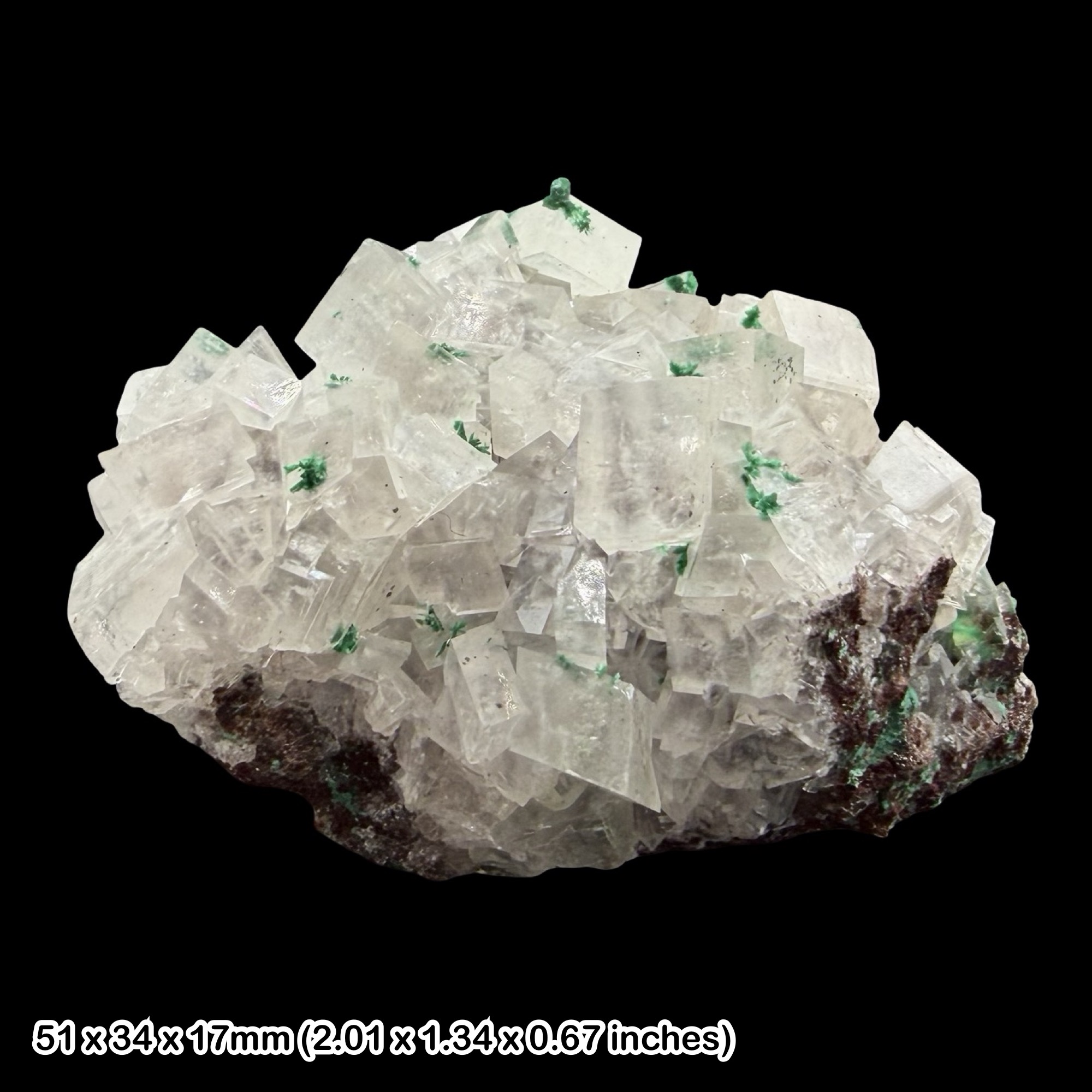
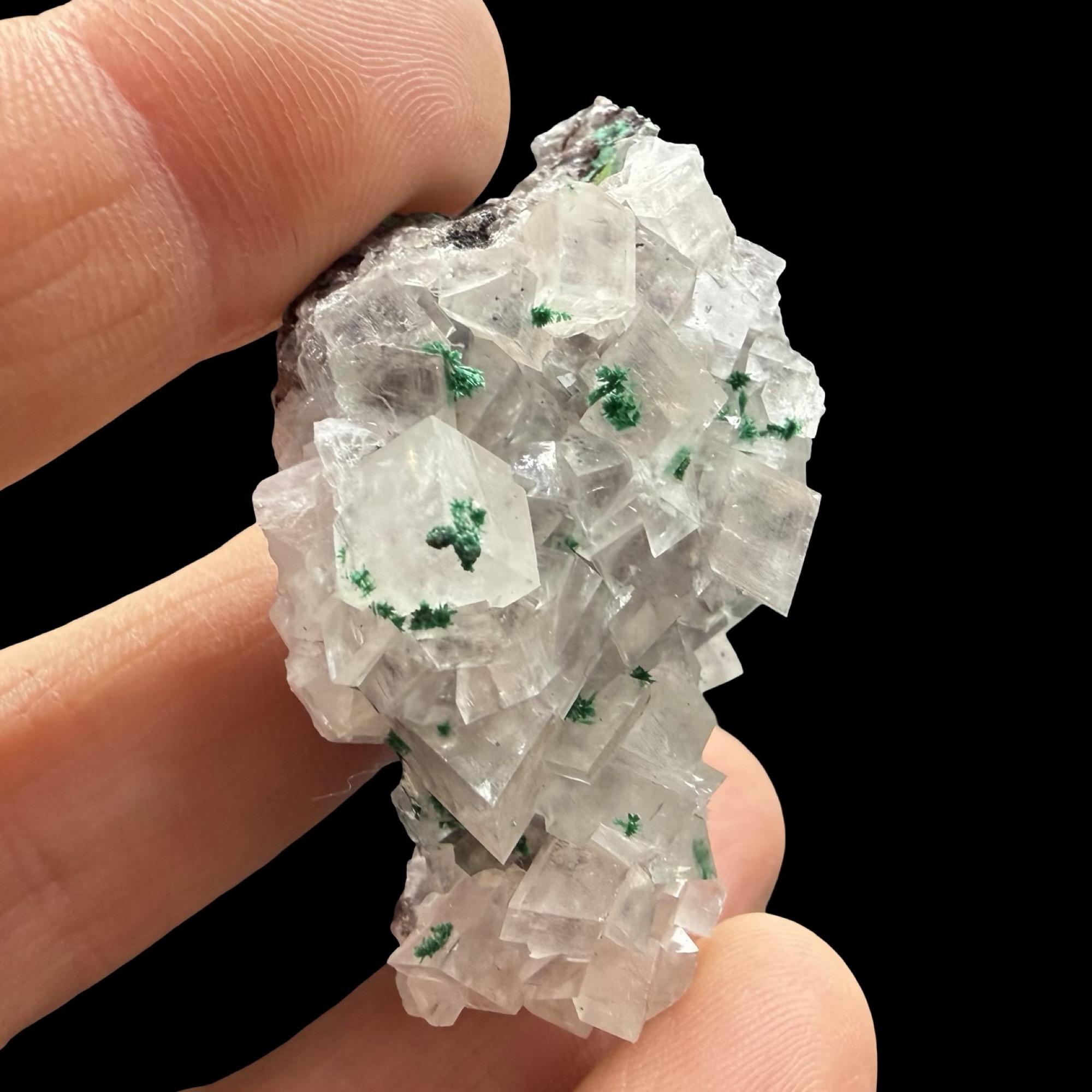
Siderite Pyrrhotite Matrix Morro Velho Gold Mine Brazil Mineral Specimen Collector Display Stone
£ 42.00
SIDERITE AND PYRRHOTITE MATRIX SPECIMEN – MORRO VELHO GOLD MINE, NOVA LIMA,
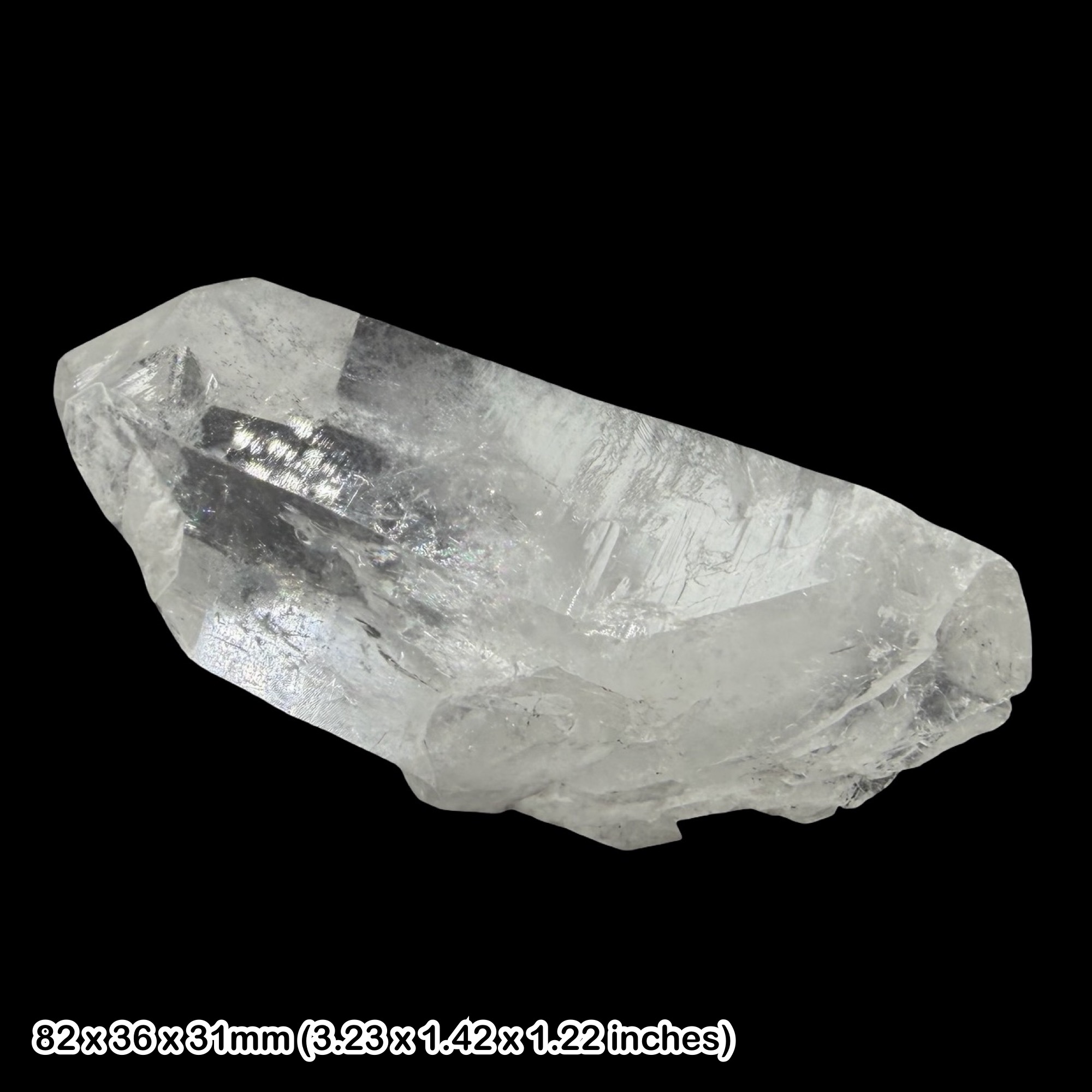
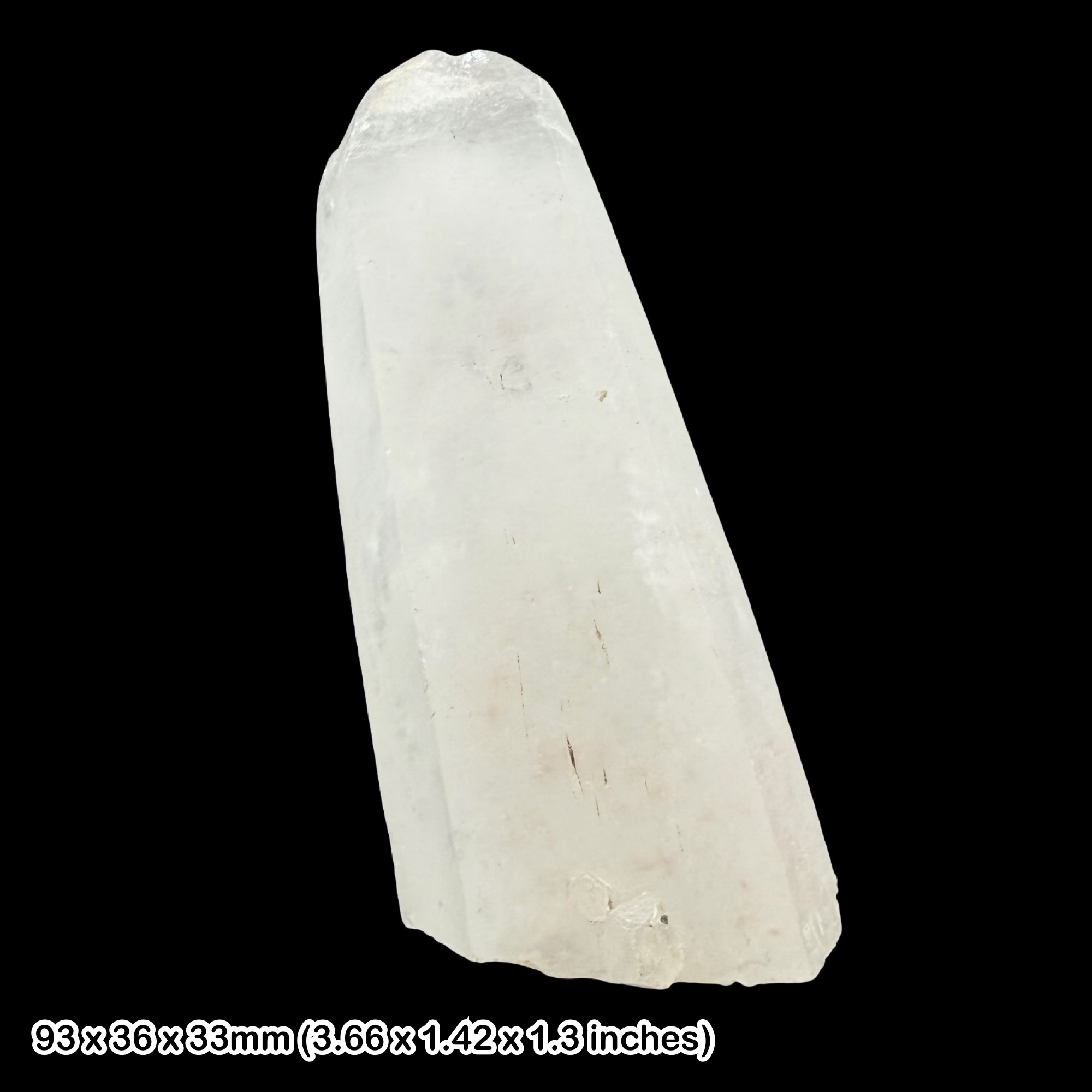
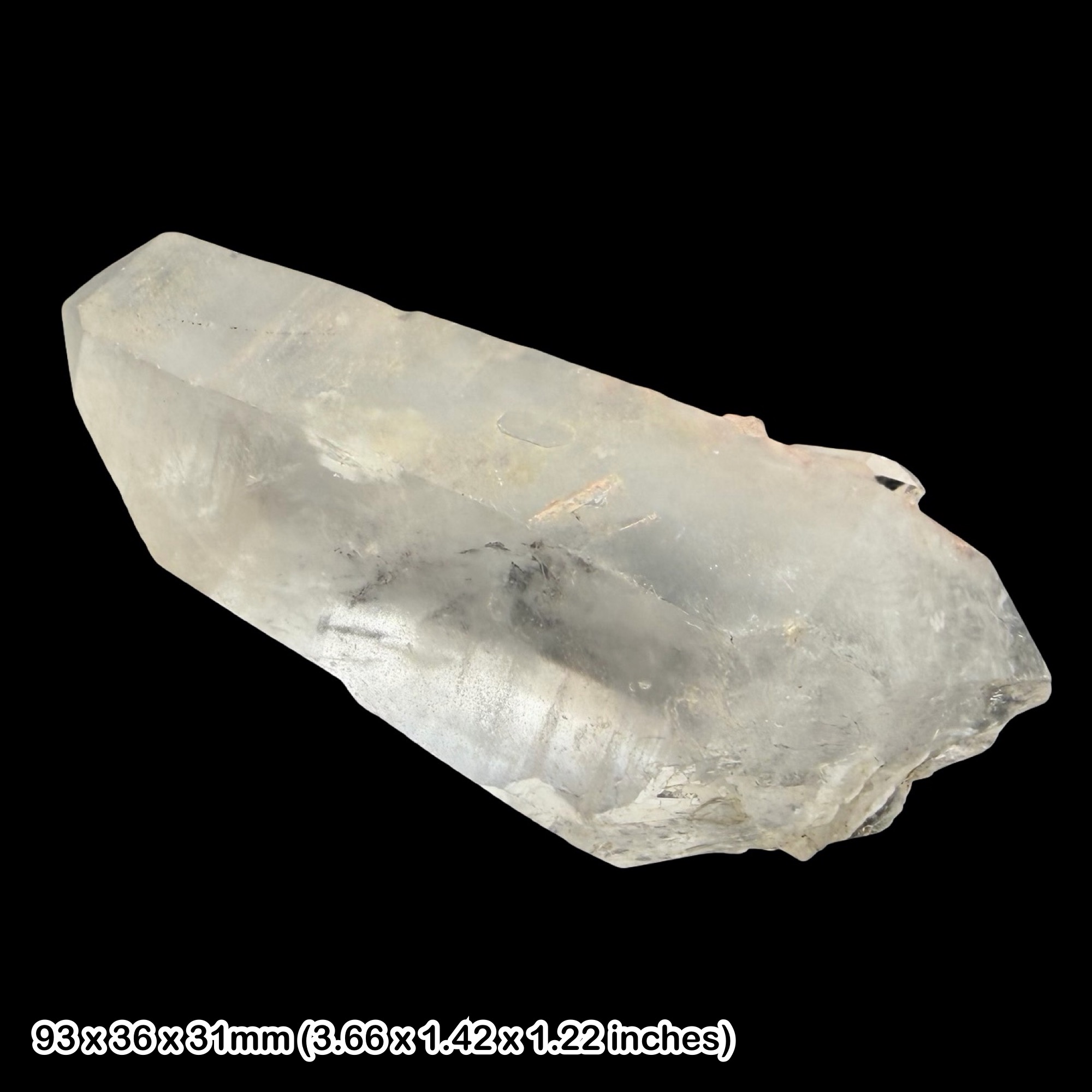
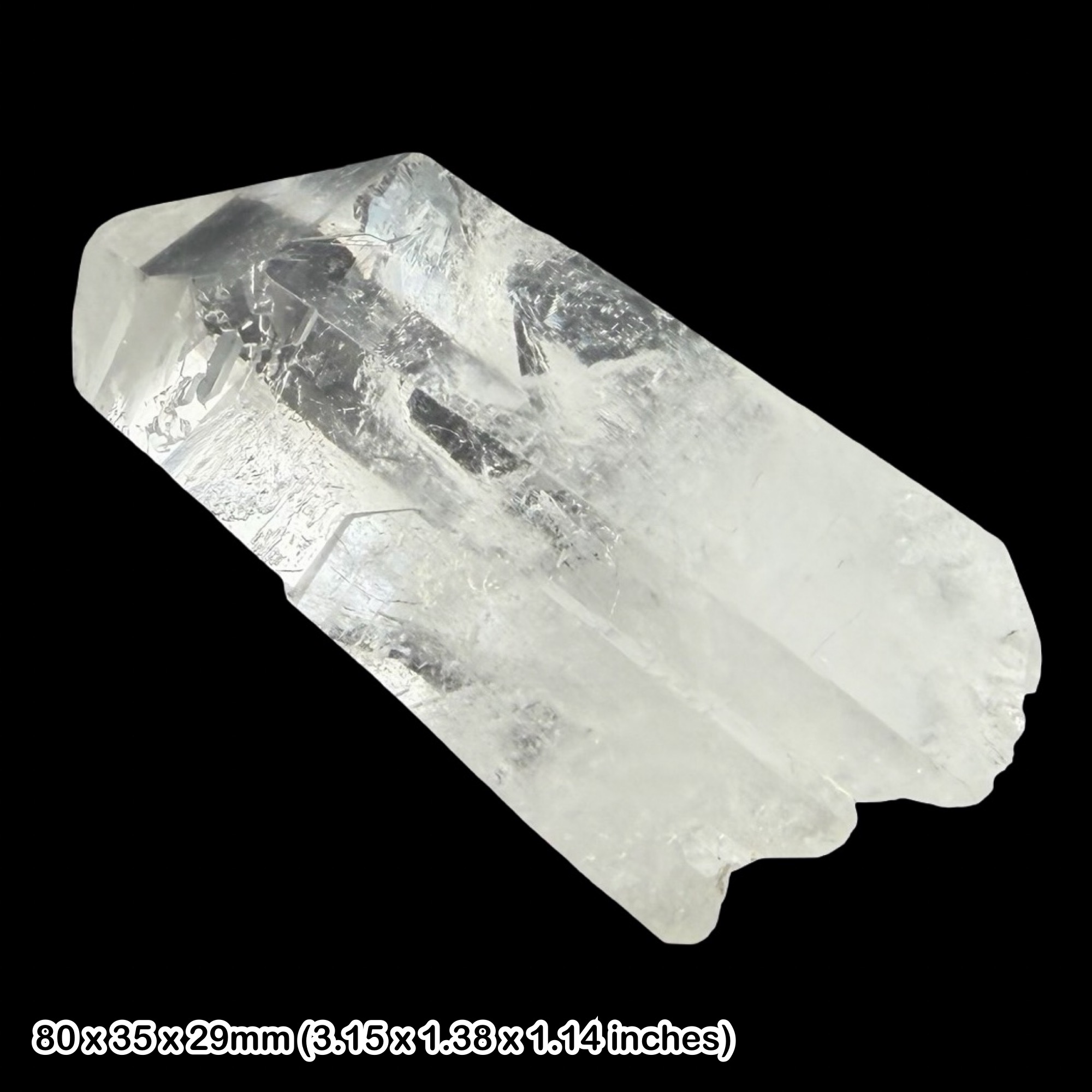
MINAS GERAIS, BRAZILThis Siderite and Pyrrhotite matrix specimen from the famous Morro Velho Gold Mine, Nova Lima, Minas Gerais, Brazil is a genuine natural mineral specimen, carefully selected for its contrasting metallic and carbonate mineralisation, classic mining locality significance, and well-preserved natural crystal textures. Featuring naturally associated siderite and pyrrhotite mineral growth on matrix, this specimen is highly desirable for collectors of Brazilian minerals, sulfide mineral assemblages, and historic gold mining localities.The exact specimen shown in the photographs is the one you will receive, ensuring every crystal structure, metallic texture, and matrix formation remains entirely unique. Full sizing information is available within the listing photographs for accurate scale reference.This crystal includes a Certificate of Authenticity lifetime guarantee generic card confirming the authenticity of the specimen. WHAT ARE SIDERITE AND PYRRHOTITE? – MINERAL SPECIES AND COMPOSITIONSiderite is an iron carbonate mineral with the chemical formula FeCO₃. It belongs to the trigonal crystal system and commonly forms rhombohedral crystals, granular masses, and compact hydrothermal vein fillings. Siderite is recognised for its earthy brown, honey-brown, bronze, or tan colouration and vitreous to pearly lustre.Pyrrhotite is an iron sulfide mineral with the general chemical formula Fe₁₋ₓS and is known for its metallic bronze appearance, magnetic properties, and association with hydrothermal ore deposits. Unlike pyrite, pyrrhotite commonly displays a darker bronze to brownish metallic tone and often occurs in massive or granular crystal aggregates.The association of siderite and pyrrhotite is characteristic of hydrothermal mineral systems rich in iron and sulfide mineralisation, particularly in regions associated with gold-bearing ore deposits. MORRO VELHO GOLD MINE – HISTORIC BRAZILIAN MINING LOCALITYThe Morro Velho Gold Mine in Nova Lima, Minas Gerais, Brazil is one of the world’s most historically significant gold mining regions. Minas Gerais is internationally recognised for producing exceptional mineral specimens and for its extensive geological history involving hydrothermal mineralisation and precious metal deposits.Morro Velho became famous for its deep gold-bearing quartz veins and complex sulfide mineral assemblages. The mine produced a variety of collectible minerals associated with gold mineralisation, including pyrrhotite, arsenopyrite, pyrite, quartz, siderite, and other hydrothermal vein minerals.Specimens from this locality are highly sought after by collectors due to their association with one of Brazil’s most important historic mining districts and their geological significance within gold ore systems. CRYSTAL HABIT AND NATURAL MINERAL FORMATIONThis specimen preserves the natural association between siderite and pyrrhotite within matrix rock, displaying contrasting textures and mineral appearances formed during hydrothermal mineral deposition.Siderite may appear as rhombohedral crystal faces, layered carbonate growths, or compact brown crystalline masses with vitreous lustre. Pyrrhotite commonly occurs as metallic granular aggregates, massive sulfide textures, or bronze-toned crystalline surfaces embedded within or alongside the siderite matrix.The visual contrast between the earthy carbonate mineralisation and metallic sulfide textures creates strong collector appeal and geological authenticity.Natural inclusions, fractures, oxidation textures, matrix attachments, and irregular crystal development are all common characteristics of authentic hydrothermal mineral specimens and contribute to the uniqueness of each piece. GEOLOGICAL FORMATION AND HYDROTHERMAL ORE SYSTEMSThe minerals within this specimen formed through hydrothermal activity associated with deep mineral-rich fluid circulation in gold-bearing geological environments. As heated fluids moved through fractures within surrounding rock, dissolved iron, sulfur, carbonates, and metallic elements precipitated under changing temperature and pressure conditions.Pyrrhotite formed within sulfide-rich hydrothermal zones associated with iron and gold mineralisation, while siderite developed through carbonate precipitation during later stages of mineral deposition. These complex geological processes occurred over extensive geological timescales within the mineral-rich terrains of Minas Gerais.The Morro Velho district is especially significant because of its association with Archean greenstone belt geology and some of Brazil’s oldest gold-bearing hydrothermal systems. COLLECTOR APPEAL AND DISPLAY QUALITYThis Siderite and Pyrrhotite specimen combines strong locality provenance with visually contrasting mineral textures, making it particularly desirable for collectors of Brazilian minerals, ore minerals, and hydrothermal sulfide assemblages.Ideal for:
• Mineral and crystal collections
• Brazilian mineral locality collections
• Sulfide mineral displays
• Historic mining specimens
• Geological specimen cabinets
• Gold mine mineral collections
• Collector showcase arrangements
• Educational geology displaysThe metallic pyrrhotite surfaces and contrasting siderite crystal textures become especially attractive under directional lighting where the reflective mineral surfaces and natural matrix detail are more visible. GENUINE SIDERITE AND PYRRHOTITE SPECIMEN GUARANTEEThis Siderite/Pyrrhotite matrix specimen from Morro Velho Gold Mine, Nova Lima, Minas Gerais, Brazil is a genuine natural mineral specimen. The listing photographs show the exact specimen you will receive, carefully selected for quality, locality significance, and overall presentation.Includes a Certificate of Authenticity lifetime guarantee generic card.
MINAS GERAIS, BRAZILThis Siderite and Pyrrhotite matrix specimen from the famous Morro Velho Gold Mine, Nova Lima, Minas Gerais, Brazil is a genuine natural mineral specimen, carefully selected for its contrasting metallic and carbonate mineralisation, classic mining locality significance, and well-preserved natural crystal textures. Featuring naturally associated siderite and pyrrhotite mineral growth on matrix, this specimen is highly desirable for collectors of Brazilian minerals, sulfide mineral assemblages, and historic gold mining localities.The exact specimen shown in the photographs is the one you will receive, ensuring every crystal structure, metallic texture, and matrix formation remains entirely unique. Full sizing information is available within the listing photographs for accurate scale reference.This crystal includes a Certificate of Authenticity lifetime guarantee generic card confirming the authenticity of the specimen. WHAT ARE SIDERITE AND PYRRHOTITE? – MINERAL SPECIES AND COMPOSITIONSiderite is an iron carbonate mineral with the chemical formula FeCO₃. It belongs to the trigonal crystal system and commonly forms rhombohedral crystals, granular masses, and compact hydrothermal vein fillings. Siderite is recognised for its earthy brown, honey-brown, bronze, or tan colouration and vitreous to pearly lustre.Pyrrhotite is an iron sulfide mineral with the general chemical formula Fe₁₋ₓS and is known for its metallic bronze appearance, magnetic properties, and association with hydrothermal ore deposits. Unlike pyrite, pyrrhotite commonly displays a darker bronze to brownish metallic tone and often occurs in massive or granular crystal aggregates.The association of siderite and pyrrhotite is characteristic of hydrothermal mineral systems rich in iron and sulfide mineralisation, particularly in regions associated with gold-bearing ore deposits. MORRO VELHO GOLD MINE – HISTORIC BRAZILIAN MINING LOCALITYThe Morro Velho Gold Mine in Nova Lima, Minas Gerais, Brazil is one of the world’s most historically significant gold mining regions. Minas Gerais is internationally recognised for producing exceptional mineral specimens and for its extensive geological history involving hydrothermal mineralisation and precious metal deposits.Morro Velho became famous for its deep gold-bearing quartz veins and complex sulfide mineral assemblages. The mine produced a variety of collectible minerals associated with gold mineralisation, including pyrrhotite, arsenopyrite, pyrite, quartz, siderite, and other hydrothermal vein minerals.Specimens from this locality are highly sought after by collectors due to their association with one of Brazil’s most important historic mining districts and their geological significance within gold ore systems. CRYSTAL HABIT AND NATURAL MINERAL FORMATIONThis specimen preserves the natural association between siderite and pyrrhotite within matrix rock, displaying contrasting textures and mineral appearances formed during hydrothermal mineral deposition.Siderite may appear as rhombohedral crystal faces, layered carbonate growths, or compact brown crystalline masses with vitreous lustre. Pyrrhotite commonly occurs as metallic granular aggregates, massive sulfide textures, or bronze-toned crystalline surfaces embedded within or alongside the siderite matrix.The visual contrast between the earthy carbonate mineralisation and metallic sulfide textures creates strong collector appeal and geological authenticity.Natural inclusions, fractures, oxidation textures, matrix attachments, and irregular crystal development are all common characteristics of authentic hydrothermal mineral specimens and contribute to the uniqueness of each piece. GEOLOGICAL FORMATION AND HYDROTHERMAL ORE SYSTEMSThe minerals within this specimen formed through hydrothermal activity associated with deep mineral-rich fluid circulation in gold-bearing geological environments. As heated fluids moved through fractures within surrounding rock, dissolved iron, sulfur, carbonates, and metallic elements precipitated under changing temperature and pressure conditions.Pyrrhotite formed within sulfide-rich hydrothermal zones associated with iron and gold mineralisation, while siderite developed through carbonate precipitation during later stages of mineral deposition. These complex geological processes occurred over extensive geological timescales within the mineral-rich terrains of Minas Gerais.The Morro Velho district is especially significant because of its association with Archean greenstone belt geology and some of Brazil’s oldest gold-bearing hydrothermal systems. COLLECTOR APPEAL AND DISPLAY QUALITYThis Siderite and Pyrrhotite specimen combines strong locality provenance with visually contrasting mineral textures, making it particularly desirable for collectors of Brazilian minerals, ore minerals, and hydrothermal sulfide assemblages.Ideal for:
• Mineral and crystal collections
• Brazilian mineral locality collections
• Sulfide mineral displays
• Historic mining specimens
• Geological specimen cabinets
• Gold mine mineral collections
• Collector showcase arrangements
• Educational geology displaysThe metallic pyrrhotite surfaces and contrasting siderite crystal textures become especially attractive under directional lighting where the reflective mineral surfaces and natural matrix detail are more visible. GENUINE SIDERITE AND PYRRHOTITE SPECIMEN GUARANTEEThis Siderite/Pyrrhotite matrix specimen from Morro Velho Gold Mine, Nova Lima, Minas Gerais, Brazil is a genuine natural mineral specimen. The listing photographs show the exact specimen you will receive, carefully selected for quality, locality significance, and overall presentation.Includes a Certificate of Authenticity lifetime guarantee generic card.
Other Products