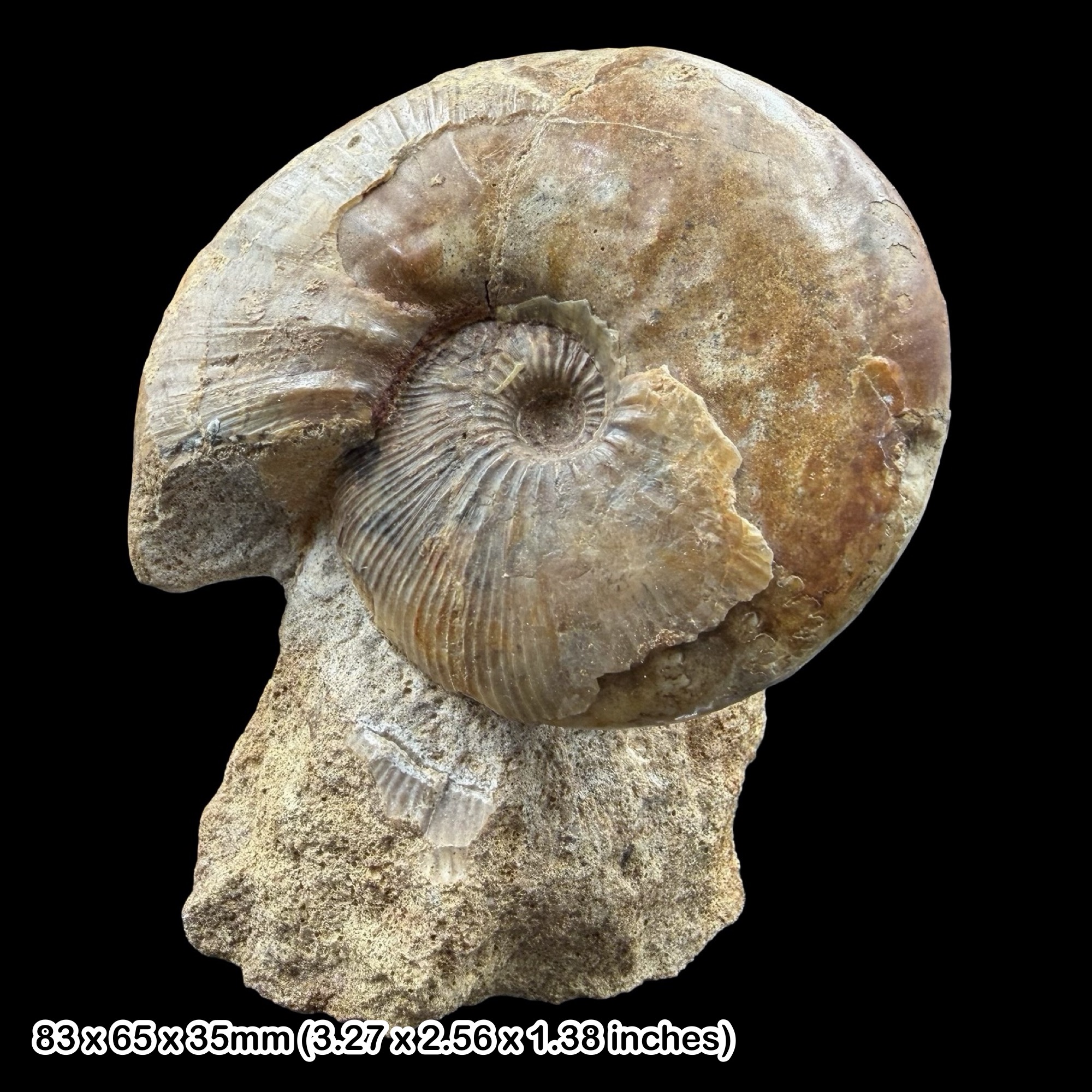
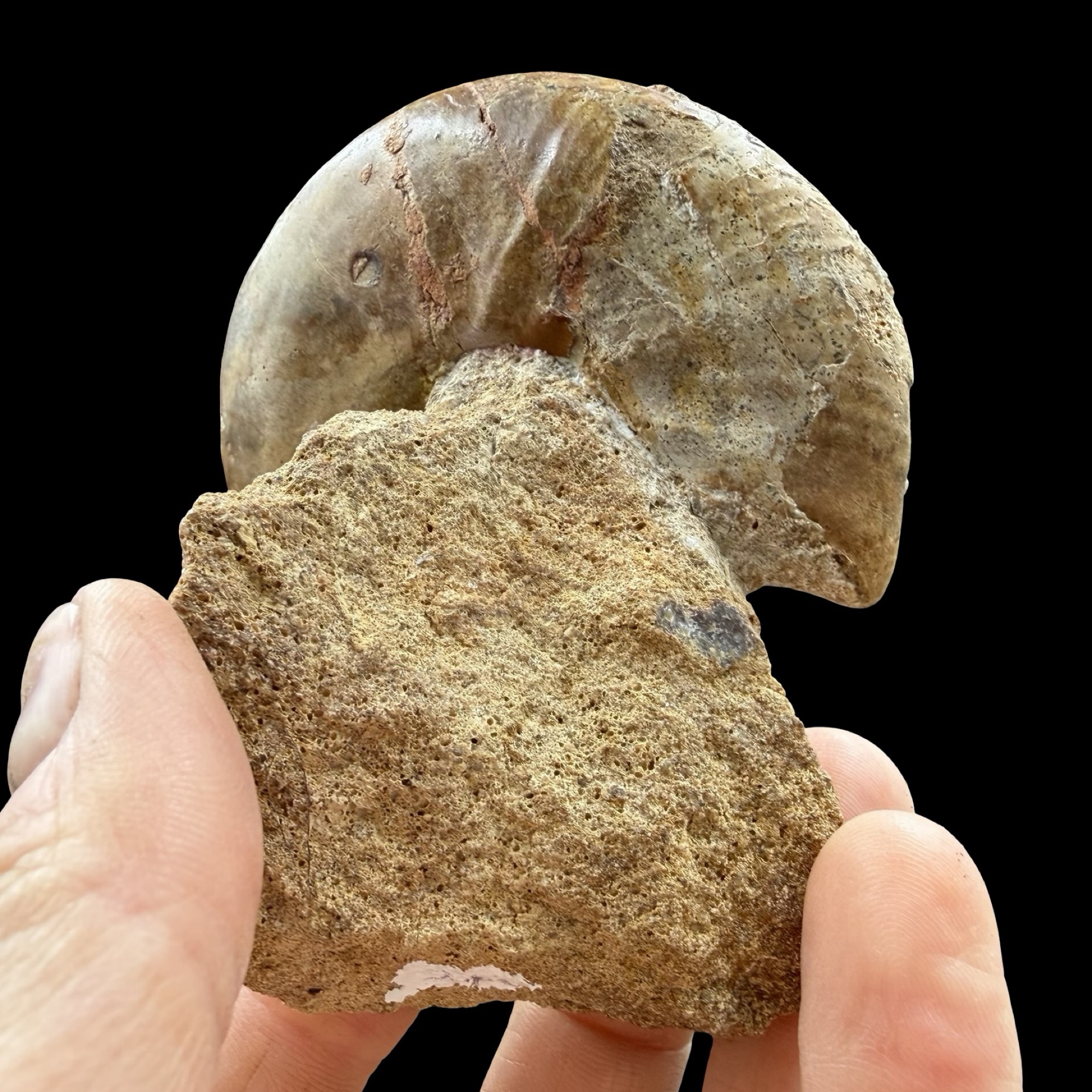
Sigaloceras Ammonite Fossil Oxford Clay Jurassic Wiltshire UK Specimen – Sigaloceras sp Middle Jurassic Callovian Ammonite Fossil Display
£ 60.00
SIGALOCERAS AMMONITE FOSSIL FROM THE OXFORD CLAY FORMATIONThis genuine Sigaloceras sp. ammonite fossil originates from the Oxford Clay
Formation of Wiltshire, United Kingdom, dating to the Middle Jurassic Period during the Callovian Stage, approximately 166–163 million years ago. Ammonites from the Oxford Clay are among the most important fossils used in Jurassic stratigraphy and are highly valued by collectors due to their well-preserved shell structures and association with classic British fossil deposits.Sigaloceras belongs to a group of beautifully ornamented ammonites that flourished in the warm Jurassic seas covering much of Europe. Fossils of this genus are recognised for their elegant coiling and distinct ribbed shell ornamentation. Specimens preserved in the fine marine sediments of the Oxford Clay Formation often show excellent preservation of shell morphology and whorl structure.This specimen represents a classic Jurassic marine fossil from one of the most significant fossil-bearing formations in Britain. GEOLOGICAL SETTING OF THE OXFORD CLAY FORMATIONThe fossil comes from the Oxford Clay Formation, a thick sequence of marine mudstones deposited across southern and eastern England during the Middle to Late Jurassic. These sediments formed in a broad shallow epicontinental sea that extended across much of Europe and connected with the ancient Tethys Ocean.The Oxford Clay is composed primarily of fine-grained clay-rich sediments, which accumulated slowly on the seabed in relatively calm offshore conditions. These muds were ideal for preserving marine organisms that settled on the seafloor after death.This formation is particularly famous for its exceptional fossil assemblage, which includes ammonites, belemnites, bivalves, crustaceans, fish, and spectacular marine reptiles such as ichthyosaurs and plesiosaurs. CLASSIFICATION AND SCIENTIFIC BACKGROUNDSigaloceras belongs to the class Cephalopoda, subclass Ammonoidea, an extinct group of marine molluscs closely related to modern squids, cuttlefish, and octopuses. Within this group it is placed in the order Ammonitida, which dominated the world's oceans throughout the Jurassic and Cretaceous periods.The genus Sigaloceras was formally described by the French paleontologist Alcide d'Orbigny, a pioneer in ammonite taxonomy and Jurassic stratigraphy. His work helped establish many of the ammonite genera still recognised in paleontology today.Ammonites such as Sigaloceras played a key role in marine ecosystems as active swimmers and predators. Their fossil shells also serve as important index fossils, allowing geologists to accurately date Jurassic rock layers. SHELL MORPHOLOGY AND DISTINCTIVE FEATURESSigaloceras ammonites are known for their attractive shell form and prominent ornamentation. Typical morphological characteristics include:
• Planispiral coiled shell structure
• Distinct ribbing radiating across the whorls
• Rounded whorl profile
• Complex suture patterns marking internal chamber divisions
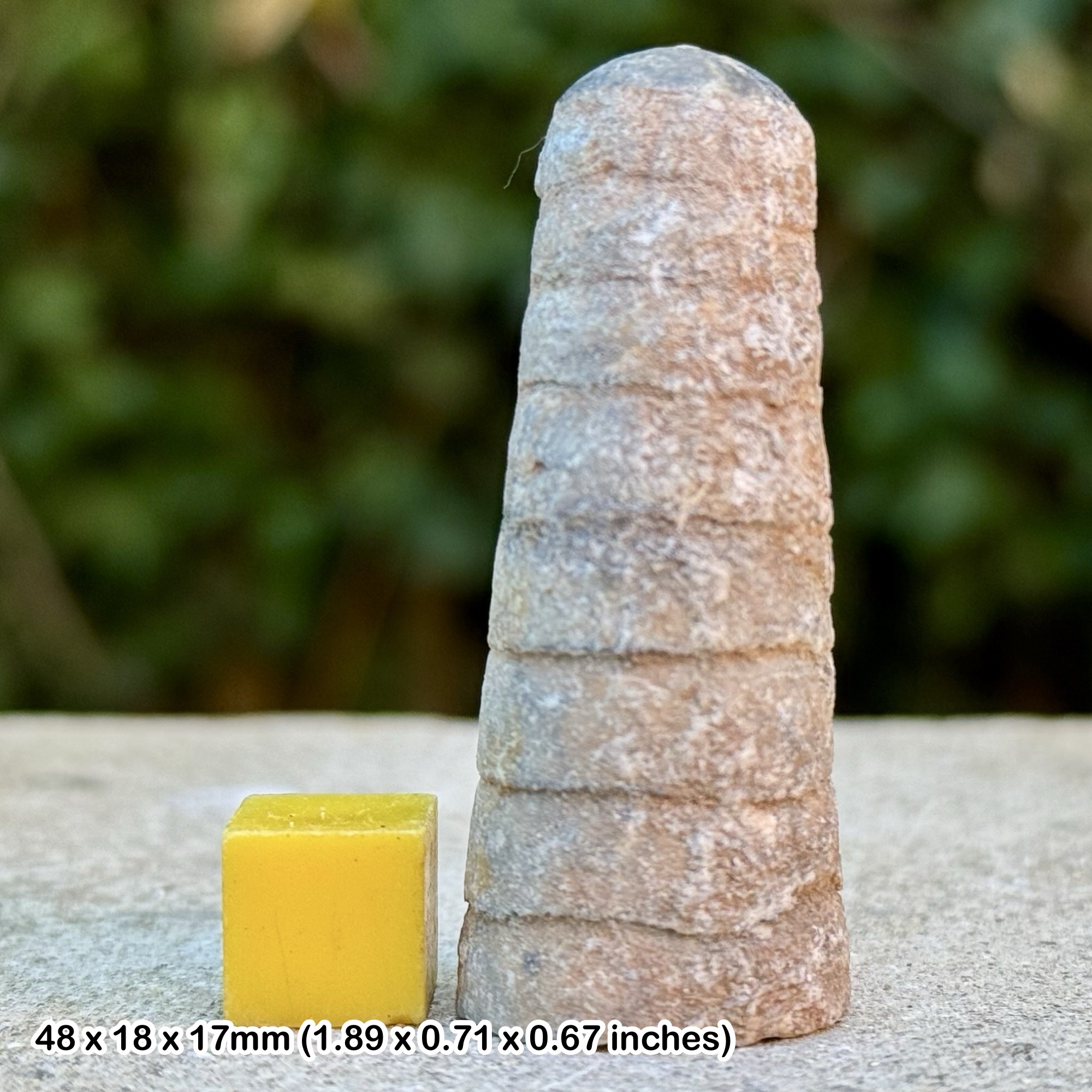
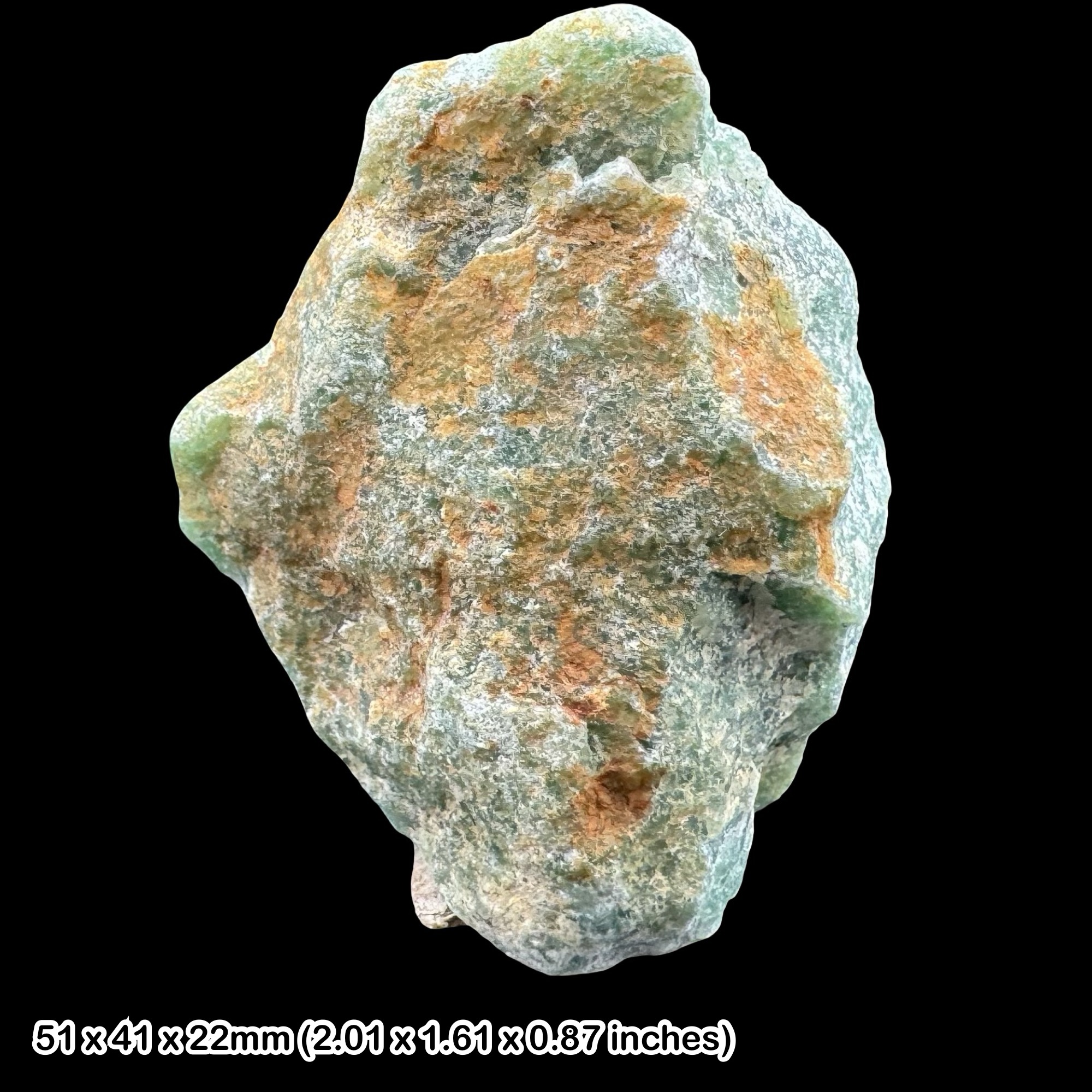
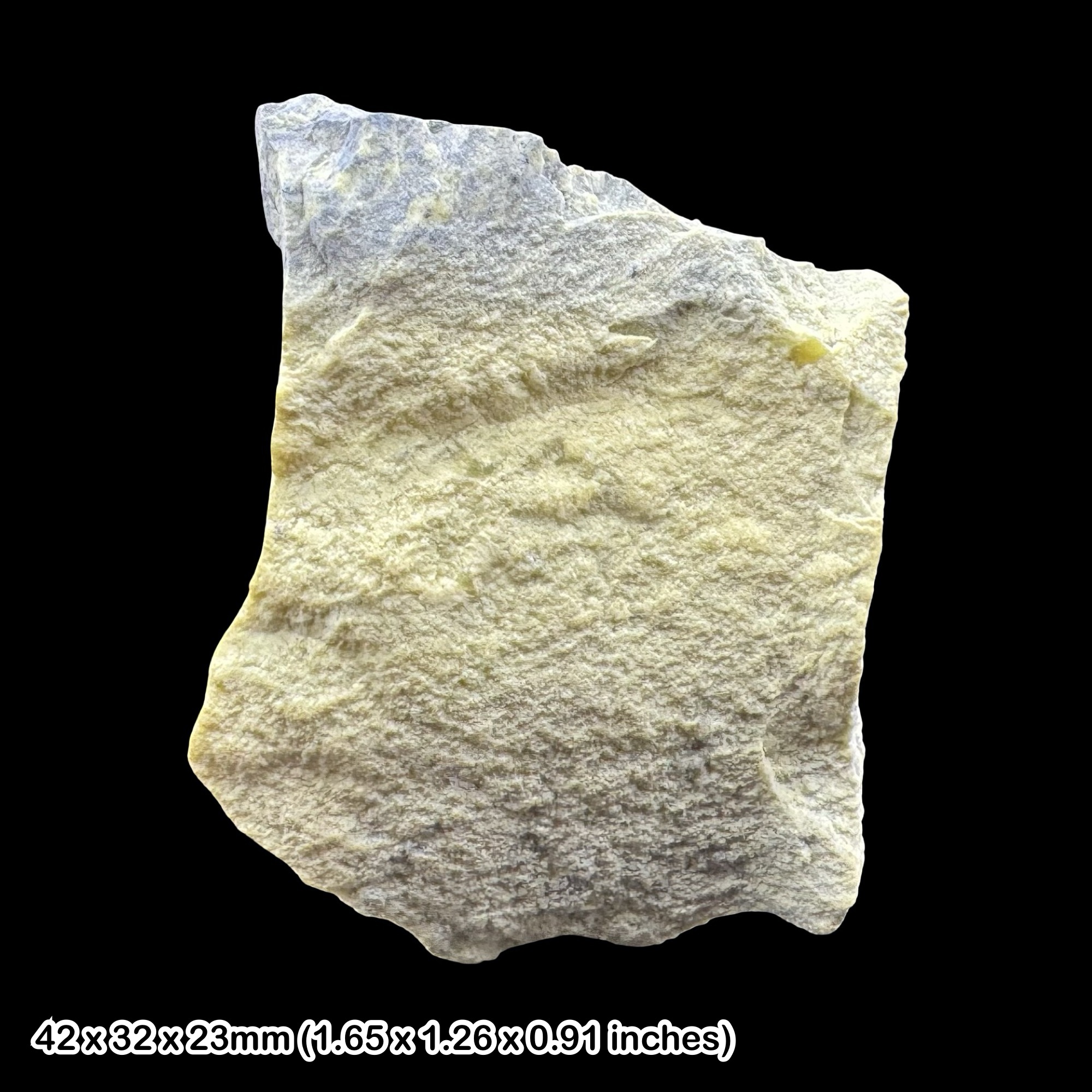
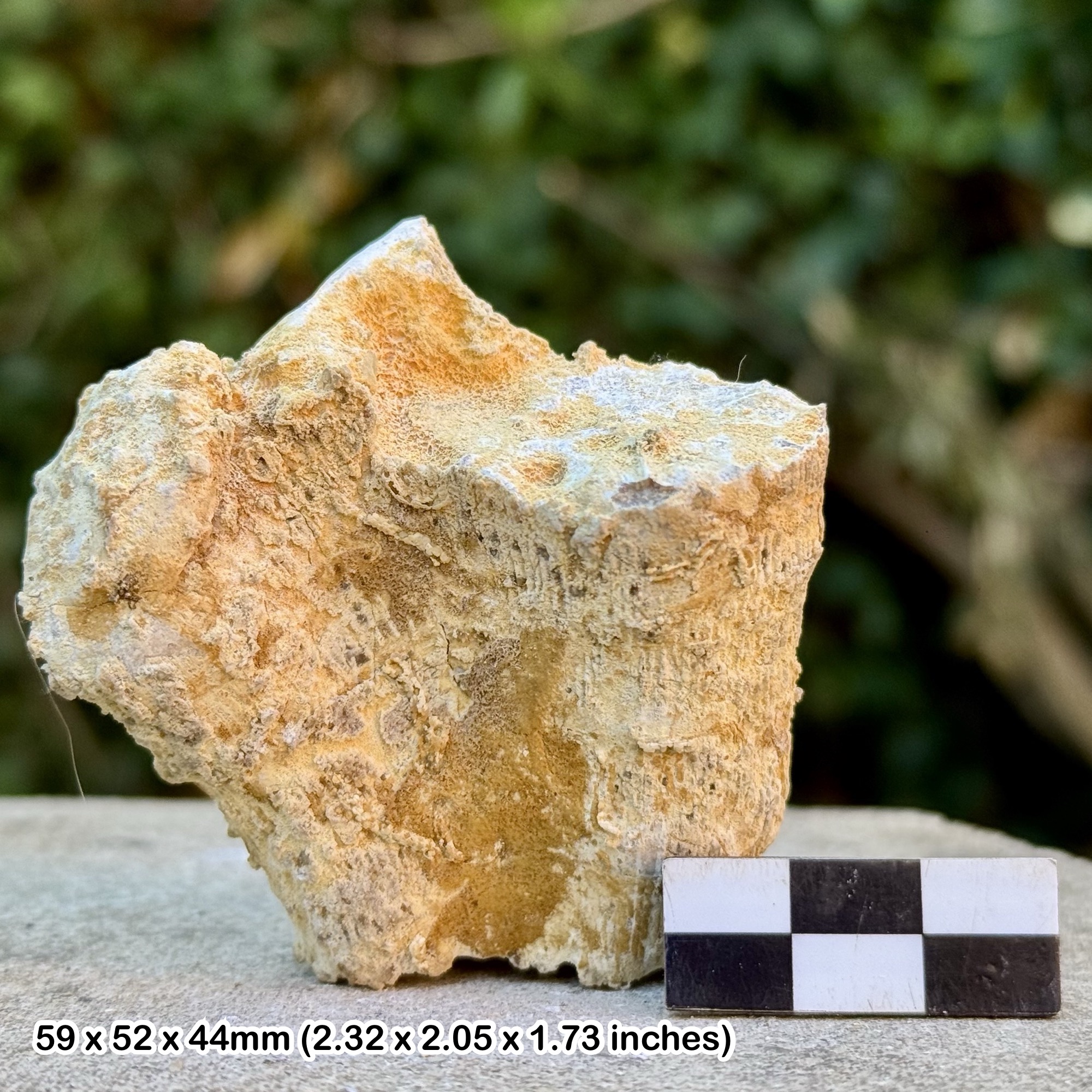
• Progressive shell expansion during growthThe shell was divided internally into chambers connected by a tube called the siphuncle, which allowed the animal to regulate buoyancy by adjusting gas and fluid within the chambers. This buoyancy control enabled ammonites to move efficiently through the water column.The ribbed ornamentation seen in Sigaloceras shells likely strengthened the shell structure while also influencing hydrodynamics. JURASSIC MARINE ECOSYSTEMDuring the Callovian Stage of the Middle Jurassic, southern Britain lay beneath warm shallow seas that supported diverse marine ecosystems. These waters were populated by ammonites, belemnites, bivalves, crustaceans, and numerous species of fish.Large marine reptiles such as plesiosaurs, pliosaurs, and ichthyosaurs hunted within these waters, while ammonites such as Sigaloceras occupied important ecological niches as active swimmers within the marine food web.When these animals died, their shells sank to the seafloor where they were buried in fine mud sediments. Over millions of years, mineralisation preserved these shells as fossils within the Oxford Clay Formation. AUTHENTIC FOSSIL SPECIMENThis fossil is a genuine Sigaloceras ammonite from the Oxford Clay Formation of Wiltshire, UK. The specimen has been carefully selected for quality and display appeal.The photograph shows the actual fossil specimen you will receive, allowing collectors to see the preserved shell and natural matrix.Full sizing please see photo. CERTIFICATE OF AUTHENTICITYThis fossil includes a Certificate of Authenticity lifetime guarantee generic card, confirming that the specimen is a genuine natural fossil.Sigaloceras ammonites from the Oxford Clay Formation are highly sought after due to their geological importance, attractive shell ornamentation, and connection to the rich marine ecosystems of the Middle Jurassic seas. This specimen represents an excellent addition to any fossil collection, geological display, or educational exhibit.
Formation of Wiltshire, United Kingdom, dating to the Middle Jurassic Period during the Callovian Stage, approximately 166–163 million years ago. Ammonites from the Oxford Clay are among the most important fossils used in Jurassic stratigraphy and are highly valued by collectors due to their well-preserved shell structures and association with classic British fossil deposits.Sigaloceras belongs to a group of beautifully ornamented ammonites that flourished in the warm Jurassic seas covering much of Europe. Fossils of this genus are recognised for their elegant coiling and distinct ribbed shell ornamentation. Specimens preserved in the fine marine sediments of the Oxford Clay Formation often show excellent preservation of shell morphology and whorl structure.This specimen represents a classic Jurassic marine fossil from one of the most significant fossil-bearing formations in Britain. GEOLOGICAL SETTING OF THE OXFORD CLAY FORMATIONThe fossil comes from the Oxford Clay Formation, a thick sequence of marine mudstones deposited across southern and eastern England during the Middle to Late Jurassic. These sediments formed in a broad shallow epicontinental sea that extended across much of Europe and connected with the ancient Tethys Ocean.The Oxford Clay is composed primarily of fine-grained clay-rich sediments, which accumulated slowly on the seabed in relatively calm offshore conditions. These muds were ideal for preserving marine organisms that settled on the seafloor after death.This formation is particularly famous for its exceptional fossil assemblage, which includes ammonites, belemnites, bivalves, crustaceans, fish, and spectacular marine reptiles such as ichthyosaurs and plesiosaurs. CLASSIFICATION AND SCIENTIFIC BACKGROUNDSigaloceras belongs to the class Cephalopoda, subclass Ammonoidea, an extinct group of marine molluscs closely related to modern squids, cuttlefish, and octopuses. Within this group it is placed in the order Ammonitida, which dominated the world's oceans throughout the Jurassic and Cretaceous periods.The genus Sigaloceras was formally described by the French paleontologist Alcide d'Orbigny, a pioneer in ammonite taxonomy and Jurassic stratigraphy. His work helped establish many of the ammonite genera still recognised in paleontology today.Ammonites such as Sigaloceras played a key role in marine ecosystems as active swimmers and predators. Their fossil shells also serve as important index fossils, allowing geologists to accurately date Jurassic rock layers. SHELL MORPHOLOGY AND DISTINCTIVE FEATURESSigaloceras ammonites are known for their attractive shell form and prominent ornamentation. Typical morphological characteristics include:
• Planispiral coiled shell structure
• Distinct ribbing radiating across the whorls
• Rounded whorl profile
• Complex suture patterns marking internal chamber divisions
• Progressive shell expansion during growthThe shell was divided internally into chambers connected by a tube called the siphuncle, which allowed the animal to regulate buoyancy by adjusting gas and fluid within the chambers. This buoyancy control enabled ammonites to move efficiently through the water column.The ribbed ornamentation seen in Sigaloceras shells likely strengthened the shell structure while also influencing hydrodynamics. JURASSIC MARINE ECOSYSTEMDuring the Callovian Stage of the Middle Jurassic, southern Britain lay beneath warm shallow seas that supported diverse marine ecosystems. These waters were populated by ammonites, belemnites, bivalves, crustaceans, and numerous species of fish.Large marine reptiles such as plesiosaurs, pliosaurs, and ichthyosaurs hunted within these waters, while ammonites such as Sigaloceras occupied important ecological niches as active swimmers within the marine food web.When these animals died, their shells sank to the seafloor where they were buried in fine mud sediments. Over millions of years, mineralisation preserved these shells as fossils within the Oxford Clay Formation. AUTHENTIC FOSSIL SPECIMENThis fossil is a genuine Sigaloceras ammonite from the Oxford Clay Formation of Wiltshire, UK. The specimen has been carefully selected for quality and display appeal.The photograph shows the actual fossil specimen you will receive, allowing collectors to see the preserved shell and natural matrix.Full sizing please see photo. CERTIFICATE OF AUTHENTICITYThis fossil includes a Certificate of Authenticity lifetime guarantee generic card, confirming that the specimen is a genuine natural fossil.Sigaloceras ammonites from the Oxford Clay Formation are highly sought after due to their geological importance, attractive shell ornamentation, and connection to the rich marine ecosystems of the Middle Jurassic seas. This specimen represents an excellent addition to any fossil collection, geological display, or educational exhibit.
Other Products