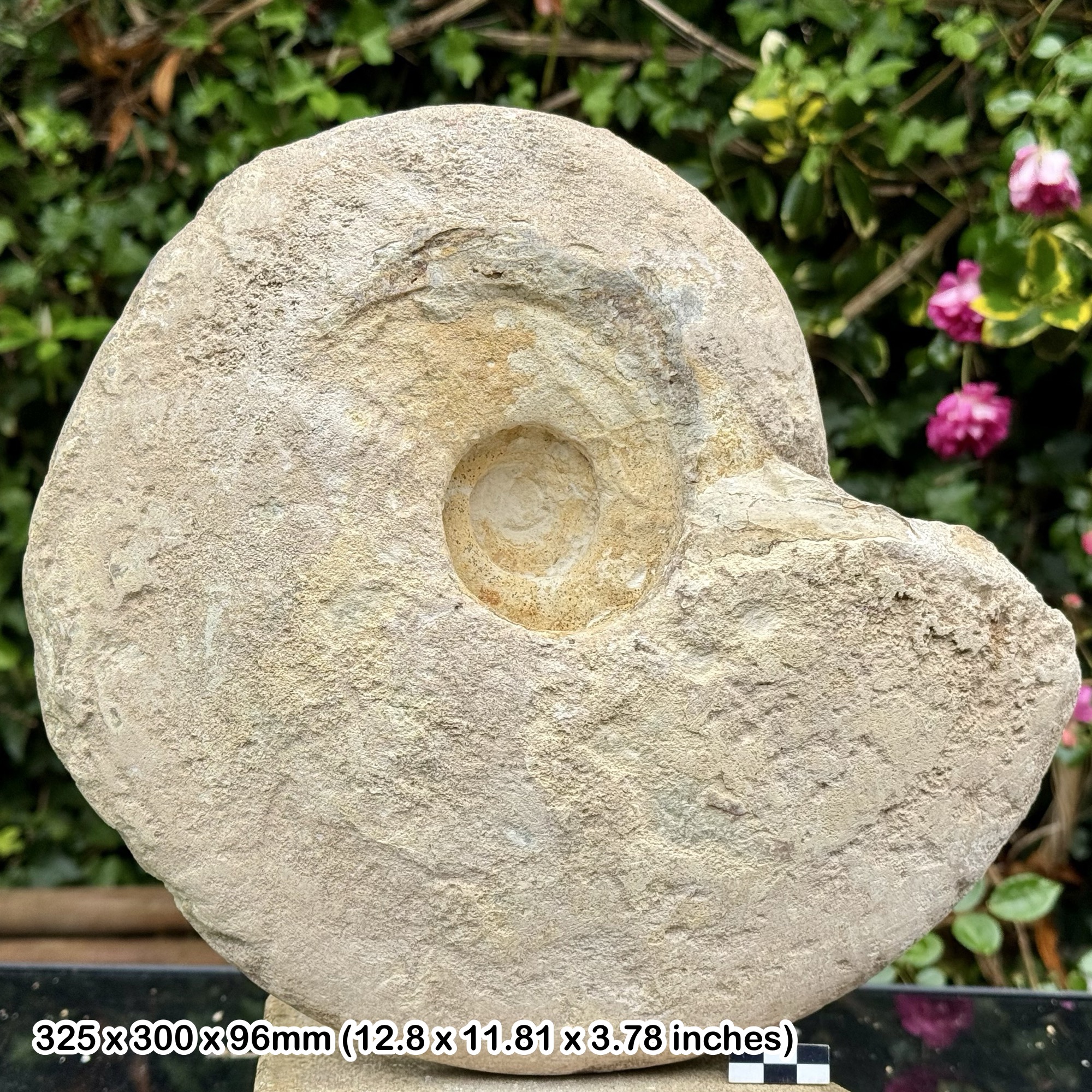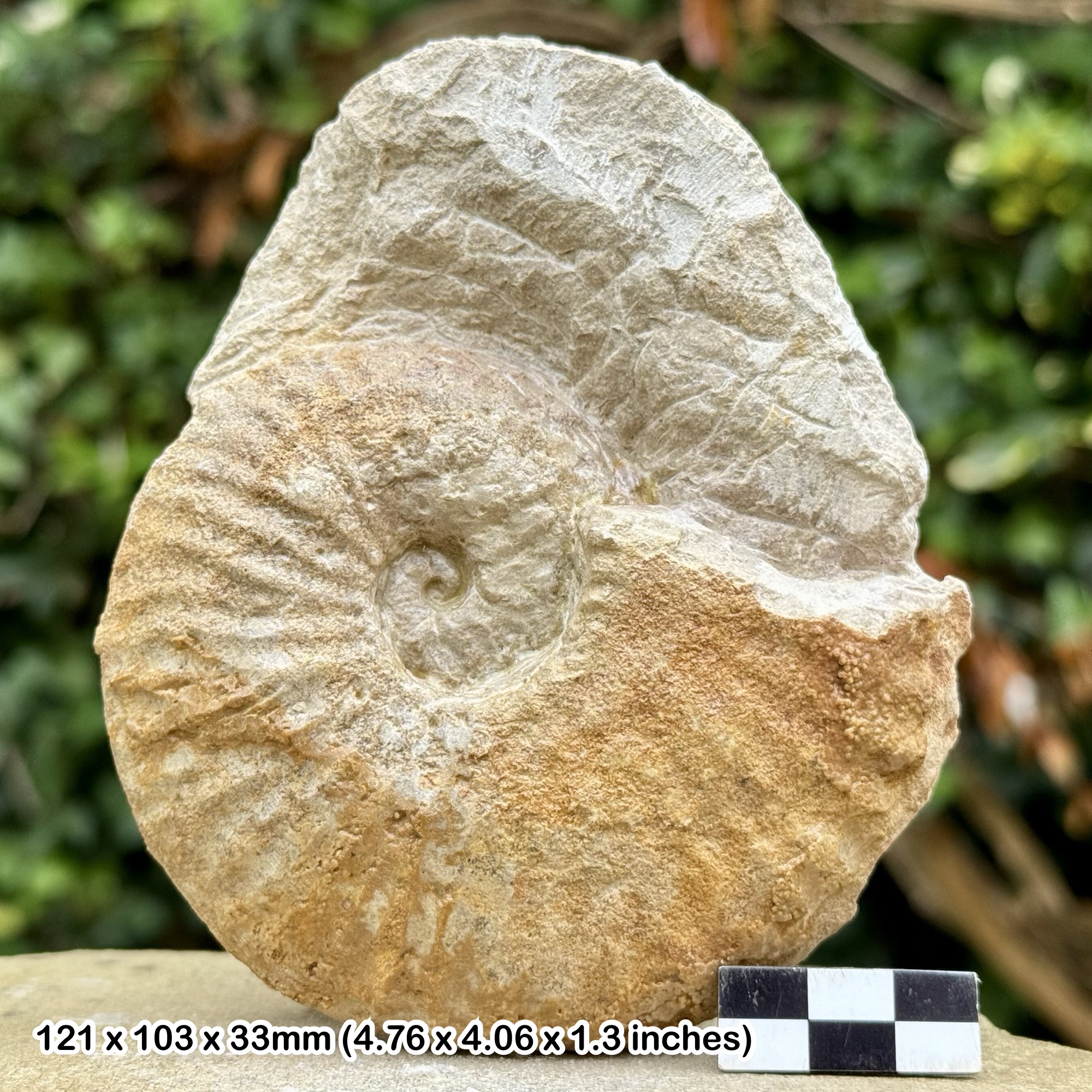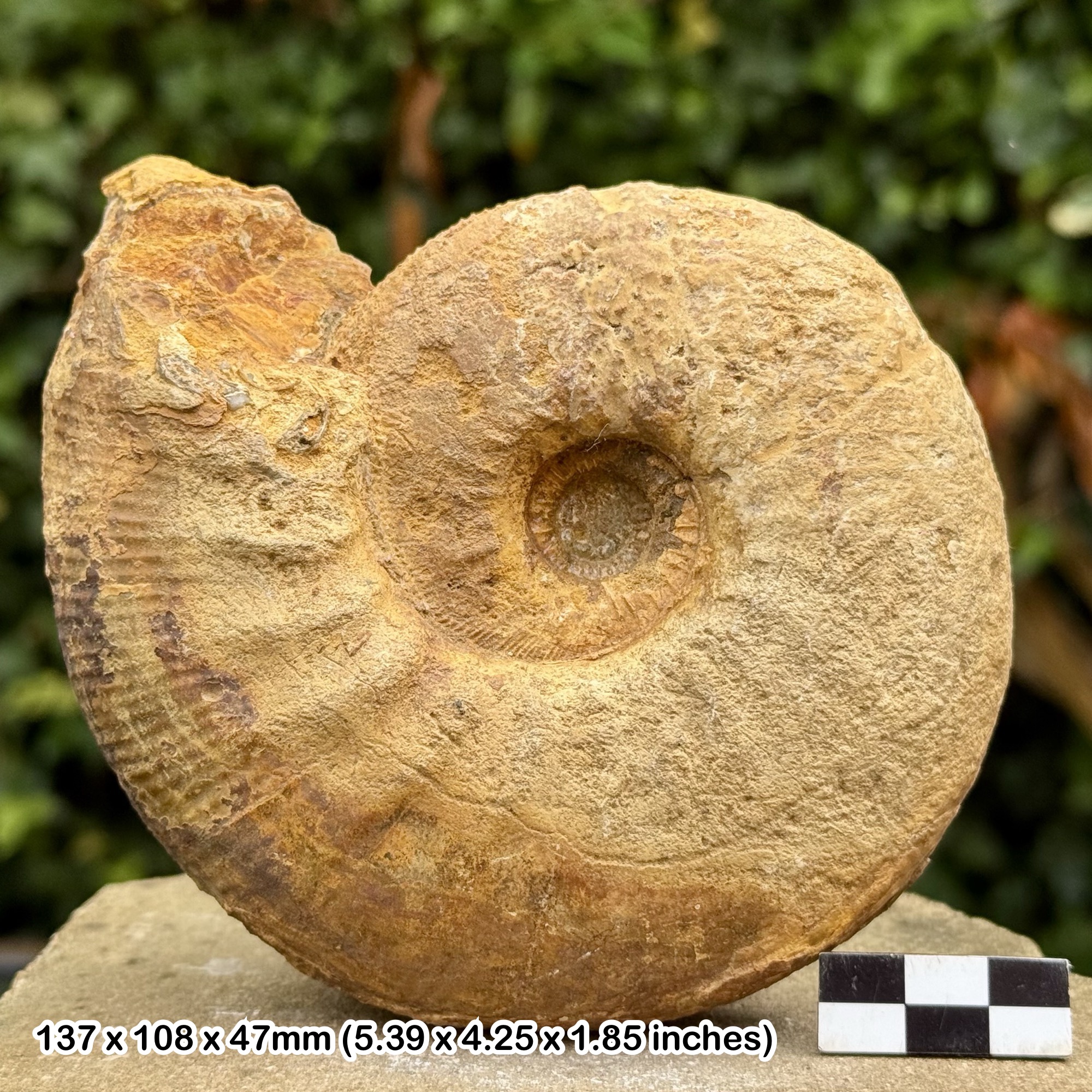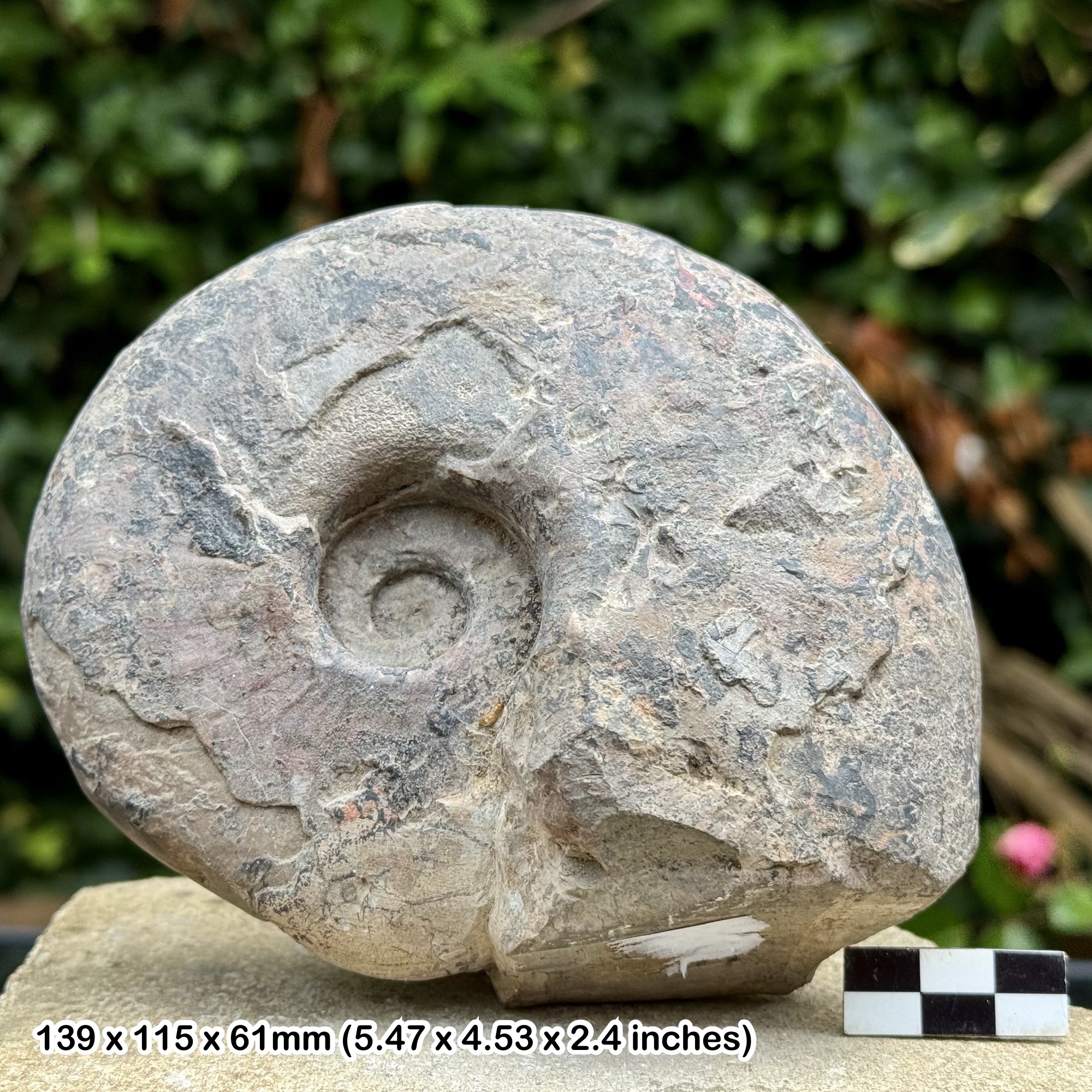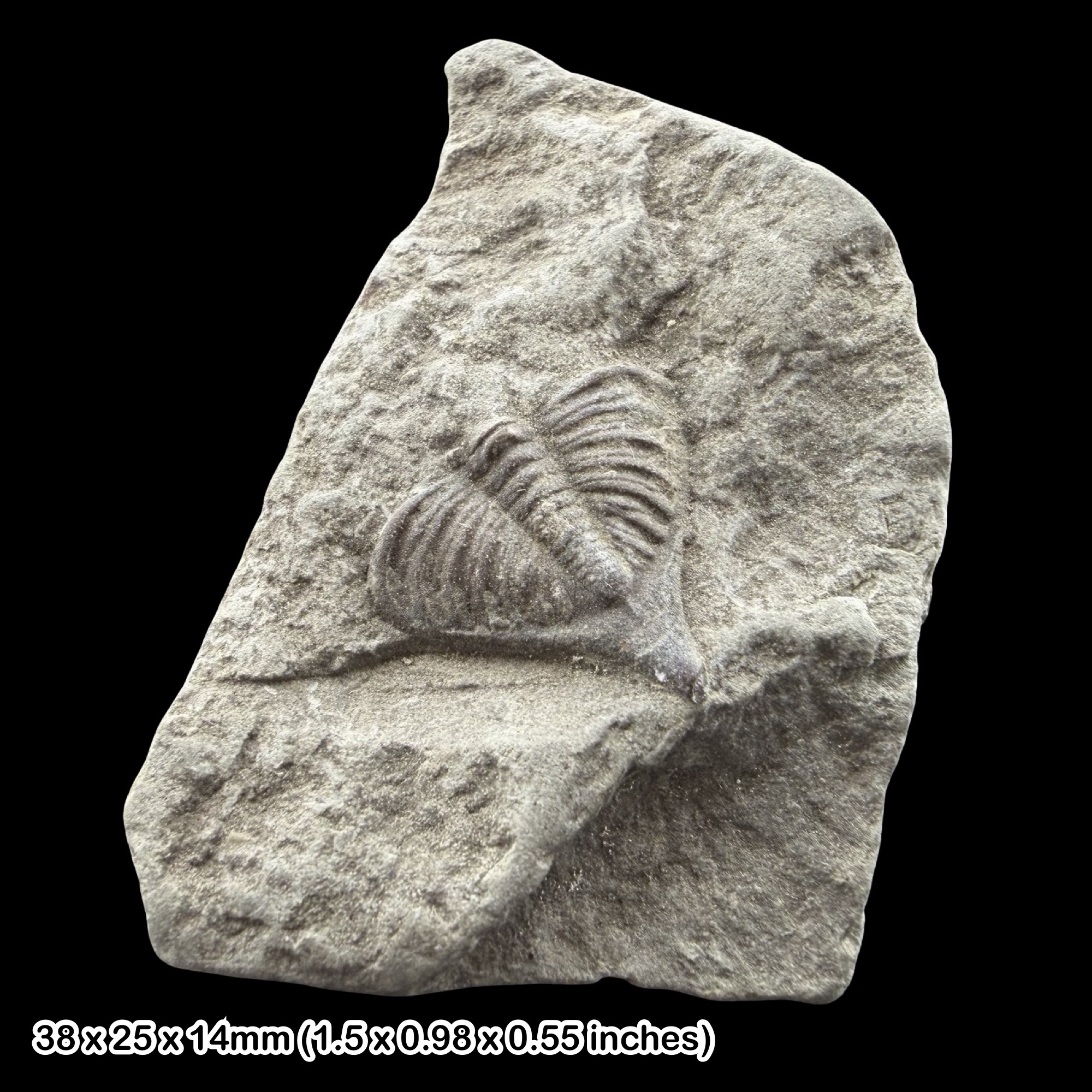
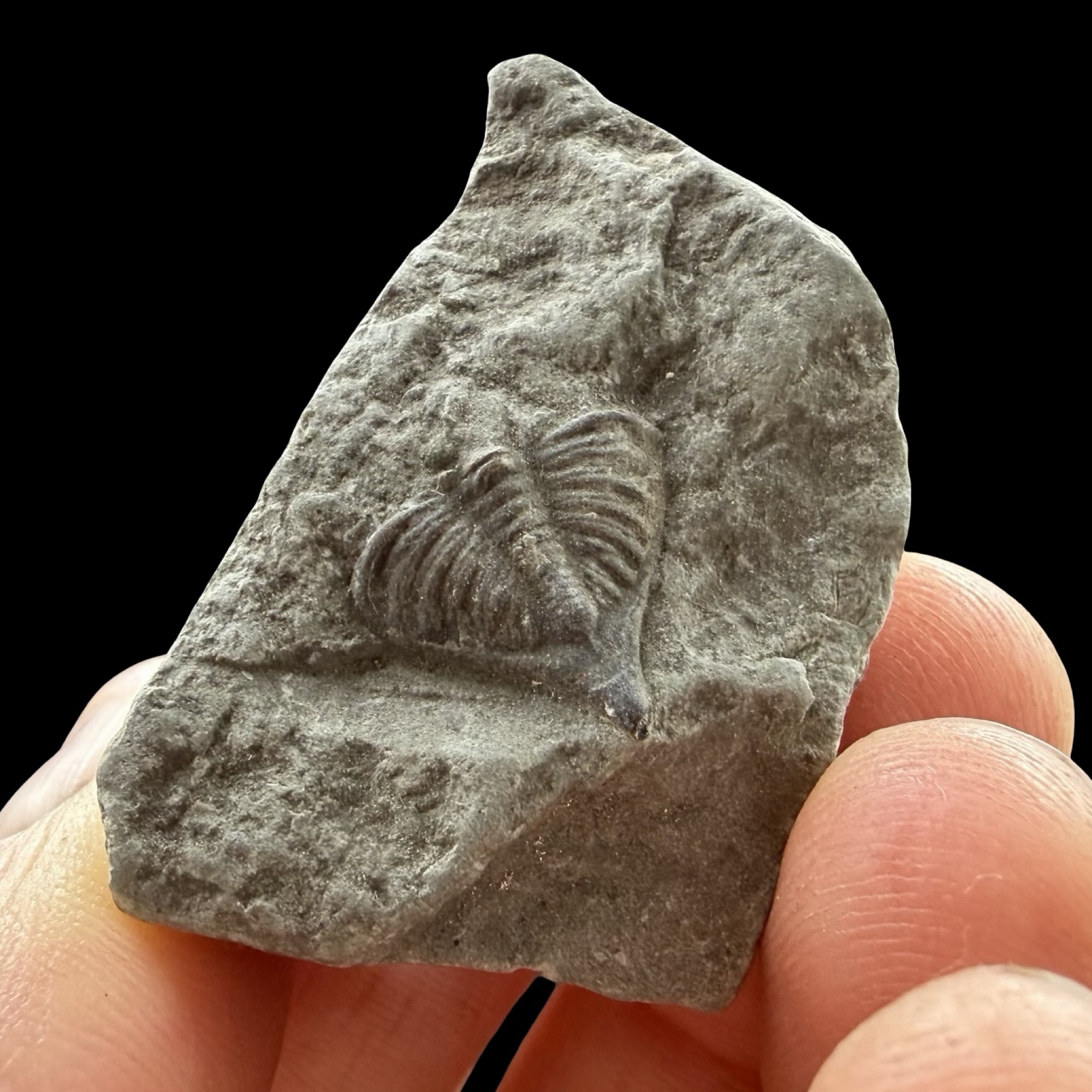
Rare Dalmanites Trilobite Pygidium Fossil Silurian Dudley Wren's Nest UK Specimen
£ 24.00
Rare Dalmanites Trilobite Tail Fossil from Wren’s Nest, DudleyThis listing features a rare pygidium (tail section) of a trilobite belonging to
the genus Dalmanites, discovered in the Much Wenlock Limestone Formation at Wren’s Nest, Dudley, West Midlands, United Kingdom. These fossils date to the Silurian Period, specifically the Homerian Stage, approximately 430 million years ago, when the region lay beneath warm tropical seas teeming with marine life.The fossil preserved here represents the pygidium, or tail shield, of the trilobite. This anatomical section displays the segmented structure that formed the posterior part of the trilobite’s exoskeleton. The specimen shown in the listing photographs is the exact fossil you will receive, carefully chosen for its clarity and preservation.This fossil is a genuine prehistoric specimen and includes a Certificate of Authenticity with a lifetime guarantee card, confirming its authenticity and natural origin.Full sizing of the fossil can be seen in the listing photographs.Geological Origin – Much Wenlock Limestone FormationThe fossil originates from the Much Wenlock Limestone Formation, one of the most important Silurian fossil-bearing formations in the United Kingdom. The rocks at Wren’s Nest in Dudley are internationally famous and have long been recognised as one of the richest fossil localities in Britain.These sediments were deposited during the Homerian Stage of the Wenlock Series in the Silurian Period, when the region was covered by a warm, shallow tropical sea located near the equator.The Much Wenlock Limestone represents a marine reef and carbonate platform environment, composed primarily of fossil-rich limestones formed from accumulated skeletal remains of marine organisms. This environment supported thriving reef communities consisting of corals, brachiopods, crinoids, trilobites, and other marine invertebrates.Wren’s Nest is so significant paleontologically that it has been designated a National Nature Reserve and Site of Special Scientific Interest due to its outstanding fossil record.Dalmanites Trilobites – Iconic Silurian ArthropodsThe genus Dalmanites is one of the most recognisable trilobite groups from the Silurian Period. Trilobites were marine arthropods that inhabited the world’s oceans for nearly 270 million years, from the Cambrian to the end of the Permian.Taxonomic classification:
• Phylum: Arthropoda
• Class: Trilobita
• Order: Phacopida
• Family: Dalmanitidae
• Genus: DalmanitesDalmanitid trilobites are known for their elongated bodies, large compound eyes, and well-developed tail shields, which are often preserved as isolated fossils within Silurian limestone deposits.These trilobites were active benthic organisms that lived on the seafloor, feeding on organic material and small marine organisms within the sediment.Morphology of the Trilobite PygidiumThe pygidium, or tail section, forms the rear part of a trilobite’s exoskeleton and is composed of fused segments forming a protective shield.In Dalmanites trilobites, the pygidium is characterised by several distinctive anatomical features:
• A semi-circular to triangular tail shield
• Clearly visible axial segmentation running down the centre
• Pleural ribs extending outward toward the margin
• Fine exoskeletal ornamentation preserved within the limestone
• A defined border surrounding the pygidiumThese features allowed the trilobite to maintain structural protection while retaining flexibility. Trilobites could also enroll their bodies, curling into a defensive ball with the pygidium protecting the softer underside.Even isolated pygidia such as this specimen are scientifically valuable because they preserve key diagnostic features used to identify trilobite genera.Silurian Reef Ecosystems of DudleyDuring the Silurian Period, the seas around Dudley were part of a vast tropical marine environment dominated by reef communities. The Wenlock limestone deposits represent ancient reef structures built by corals, stromatoporoids, and other marine organisms.These reef ecosystems supported a wide variety of marine life including:
• Trilobites such as Dalmanites
• Brachiopods
• Crinoids
• Rugose and tabulate corals
• Molluscs and echinodermsTrilobites occupied the seafloor and surrounding reef habitats, where they played an important ecological role as mobile scavengers and sediment feeders.The exceptional fossil preservation within the Wenlock Limestone provides a detailed record of these ancient marine ecosystems.Authentic Trilobite Fossil from a Historic British LocalityThis pygidium fossil represents a genuine specimen from one of the most historically significant fossil localities in the United Kingdom. Fossils from Wren’s Nest, Dudley have been studied for centuries and remain highly sought after by collectors and natural history enthusiasts.Key features of this specimen include:
• Genuine Dalmanites trilobite pygidium fossil
• From the Much Wenlock Limestone Formation
• Silurian Period, Homerian Stage
• Collected at Wren’s Nest, Dudley, West Midlands, UK
• The photographs show the actual fossil specimen you will receive
• Supplied with a Certificate of Authenticity and lifetime guaranteeThis remarkable fossil makes an excellent addition to trilobite collections, Silurian fossil displays, geology collections, and educational natural history collections, providing a direct connection to marine life that flourished more than 430 million years ago.
the genus Dalmanites, discovered in the Much Wenlock Limestone Formation at Wren’s Nest, Dudley, West Midlands, United Kingdom. These fossils date to the Silurian Period, specifically the Homerian Stage, approximately 430 million years ago, when the region lay beneath warm tropical seas teeming with marine life.The fossil preserved here represents the pygidium, or tail shield, of the trilobite. This anatomical section displays the segmented structure that formed the posterior part of the trilobite’s exoskeleton. The specimen shown in the listing photographs is the exact fossil you will receive, carefully chosen for its clarity and preservation.This fossil is a genuine prehistoric specimen and includes a Certificate of Authenticity with a lifetime guarantee card, confirming its authenticity and natural origin.Full sizing of the fossil can be seen in the listing photographs.Geological Origin – Much Wenlock Limestone FormationThe fossil originates from the Much Wenlock Limestone Formation, one of the most important Silurian fossil-bearing formations in the United Kingdom. The rocks at Wren’s Nest in Dudley are internationally famous and have long been recognised as one of the richest fossil localities in Britain.These sediments were deposited during the Homerian Stage of the Wenlock Series in the Silurian Period, when the region was covered by a warm, shallow tropical sea located near the equator.The Much Wenlock Limestone represents a marine reef and carbonate platform environment, composed primarily of fossil-rich limestones formed from accumulated skeletal remains of marine organisms. This environment supported thriving reef communities consisting of corals, brachiopods, crinoids, trilobites, and other marine invertebrates.Wren’s Nest is so significant paleontologically that it has been designated a National Nature Reserve and Site of Special Scientific Interest due to its outstanding fossil record.Dalmanites Trilobites – Iconic Silurian ArthropodsThe genus Dalmanites is one of the most recognisable trilobite groups from the Silurian Period. Trilobites were marine arthropods that inhabited the world’s oceans for nearly 270 million years, from the Cambrian to the end of the Permian.Taxonomic classification:
• Phylum: Arthropoda
• Class: Trilobita
• Order: Phacopida
• Family: Dalmanitidae
• Genus: DalmanitesDalmanitid trilobites are known for their elongated bodies, large compound eyes, and well-developed tail shields, which are often preserved as isolated fossils within Silurian limestone deposits.These trilobites were active benthic organisms that lived on the seafloor, feeding on organic material and small marine organisms within the sediment.Morphology of the Trilobite PygidiumThe pygidium, or tail section, forms the rear part of a trilobite’s exoskeleton and is composed of fused segments forming a protective shield.In Dalmanites trilobites, the pygidium is characterised by several distinctive anatomical features:
• A semi-circular to triangular tail shield
• Clearly visible axial segmentation running down the centre
• Pleural ribs extending outward toward the margin
• Fine exoskeletal ornamentation preserved within the limestone
• A defined border surrounding the pygidiumThese features allowed the trilobite to maintain structural protection while retaining flexibility. Trilobites could also enroll their bodies, curling into a defensive ball with the pygidium protecting the softer underside.Even isolated pygidia such as this specimen are scientifically valuable because they preserve key diagnostic features used to identify trilobite genera.Silurian Reef Ecosystems of DudleyDuring the Silurian Period, the seas around Dudley were part of a vast tropical marine environment dominated by reef communities. The Wenlock limestone deposits represent ancient reef structures built by corals, stromatoporoids, and other marine organisms.These reef ecosystems supported a wide variety of marine life including:
• Trilobites such as Dalmanites
• Brachiopods
• Crinoids
• Rugose and tabulate corals
• Molluscs and echinodermsTrilobites occupied the seafloor and surrounding reef habitats, where they played an important ecological role as mobile scavengers and sediment feeders.The exceptional fossil preservation within the Wenlock Limestone provides a detailed record of these ancient marine ecosystems.Authentic Trilobite Fossil from a Historic British LocalityThis pygidium fossil represents a genuine specimen from one of the most historically significant fossil localities in the United Kingdom. Fossils from Wren’s Nest, Dudley have been studied for centuries and remain highly sought after by collectors and natural history enthusiasts.Key features of this specimen include:
• Genuine Dalmanites trilobite pygidium fossil
• From the Much Wenlock Limestone Formation
• Silurian Period, Homerian Stage
• Collected at Wren’s Nest, Dudley, West Midlands, UK
• The photographs show the actual fossil specimen you will receive
• Supplied with a Certificate of Authenticity and lifetime guaranteeThis remarkable fossil makes an excellent addition to trilobite collections, Silurian fossil displays, geology collections, and educational natural history collections, providing a direct connection to marine life that flourished more than 430 million years ago.
Other Products